Hide
Hide occupies a quiet stretch of Sawtelle Boulevard in West Los Angeles, a corridor long defined by Japanese culinary tradition. The address places it within one of the city's most culturally specific dining corridors, where the surrounding blocks set a high contextual bar. Reservation policies and full menu details are best confirmed directly with the venue.
Pearl is the En Primeur Club membership app — saves, bookings, and concierge access live there. Same editors, same standards.
- Address
- 2040 Sawtelle Blvd, Los Angeles, CA 90025
- Phone
- +13104777242
- Website
- hidesushi.com
- Directions
- Get directions
 Saves & bookings on Pearl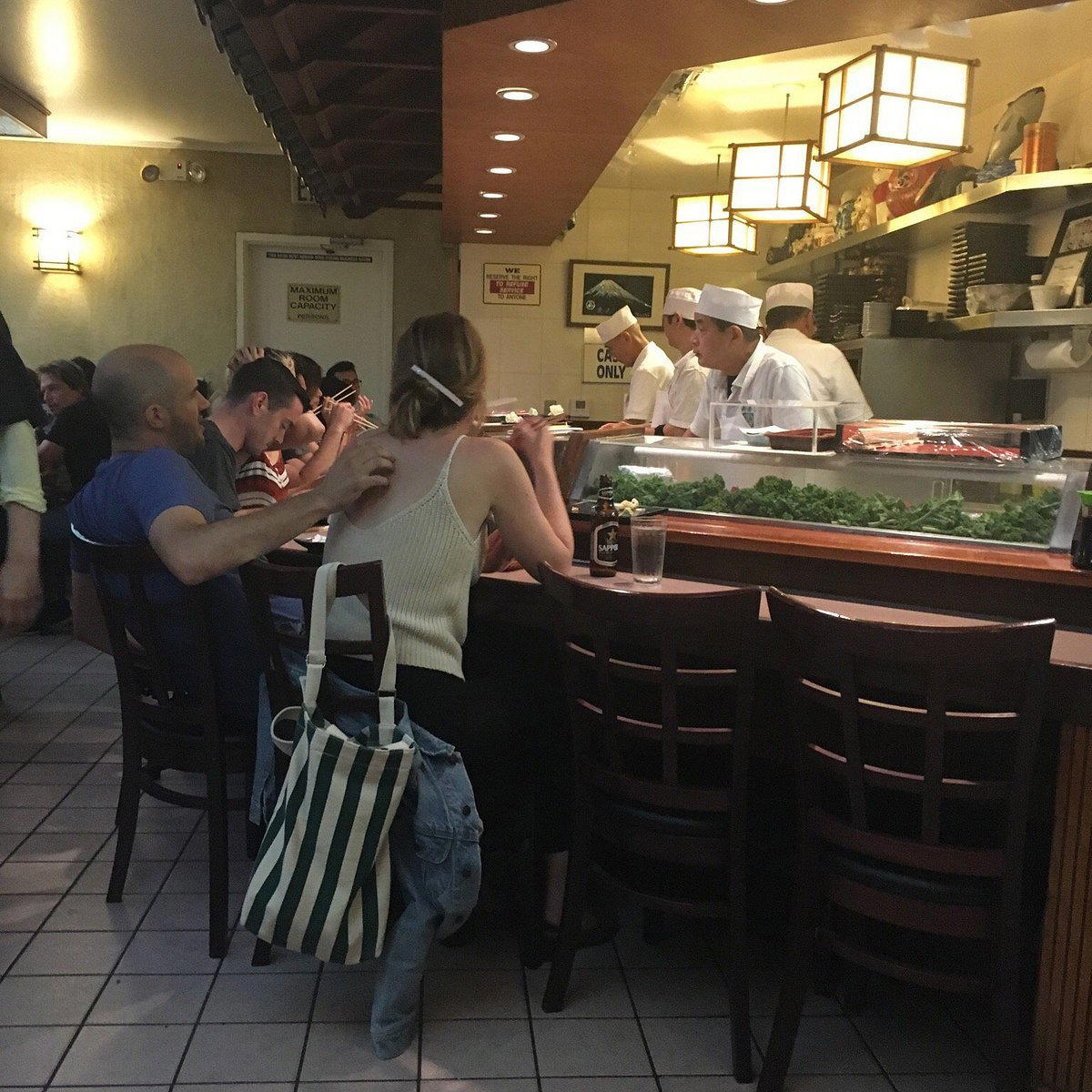
Sawtelle Boulevard and the Weight of Its Culinary Context
West Los Angeles has a dining corridor that operates by different rules than the rest of the city. Sawtelle Boulevard, running through a neighbourhood shaped by generations of Japanese-American presence, carries a culinary density that resists the trend-cycle churn common elsewhere in Los Angeles. Ramen counters, izakayas, and specialist grocery suppliers share blocks with newer restaurants that consciously draw on that heritage. Into this context sits Hide, at 2040 Sawtelle Blvd, an address that asks to be understood against its surroundings before it is evaluated on its own terms.
The Sawtelle corridor is not an incidental location choice for restaurants operating in this register. The neighbourhood's Japanese-American roots extend back to the early twentieth century, and the concentration of food culture here reflects sustained community investment rather than a curated restaurant district imposed from outside. That distinction matters when reading any venue that positions itself on or adjacent to this street. The cultural weight is embedded in the geography. For context on how Hide fits within the broader Los Angeles dining scene, see our full Los Angeles restaurants guide.
Where Hide Sits in the Los Angeles Premium Tier
Los Angeles has developed a recognisable upper tier of dining over the past decade, one that competes with the most demanding rooms in the country. Providence, with its two Michelin stars and sustained critical attention for contemporary seafood, anchors one end of that tier. Kato, operating in the New Taiwanese register at the $$$ to $$$$ price point, has drawn James Beard recognition and represents a different but equally serious strand of the city's ambition. Hayato, with its kaiseki format and Michelin stars, has established that Japanese fine dining in Los Angeles can compete on the same terms as comparable rooms in New York or San Francisco. Somni sits at the molecular and progressive end, operating at high price points with tasting menus that run well past two hours.
Hide's Sawtelle address places it inside a specific sub-conversation within that broader tier. The corridor's established Japanese dining identity means that any serious restaurant here is implicitly in dialogue with a culinary tradition rather than operating in a neutral location. That is a different competitive frame than the one facing, say, Osteria Mozza in Melrose, which draws primarily on Italian-American institutional authority.
Japanese Culinary Tradition and How It Shapes the Sawtelle Register
Japanese cuisine carries one of the most codified quality hierarchies of any tradition operating in American cities. At the counter level, the kaiseki format demands years of formal training, sourcing discipline, and sequential service logic that has no real equivalent in Western fine dining. Hayato in downtown Los Angeles has demonstrated that Los Angeles diners will pay and plan accordingly for that format. The market for serious Japanese dining in this city is deeper than it was ten years ago.
The Sawtelle corridor represents the more accessible, community-rooted end of that tradition. The neighbourhood's Japanese dining culture predates the fine-dining boom and is grounded in everyday eating, from udon to izakaya small plates to Japanese comfort food that does not perform its authenticity. Restaurants that enter this corridor in a more formal register are operating in a space where the surrounding context provides both authority and accountability. The regulars on Sawtelle know the difference between technical competence and shortcut cooking in ways that are harder to obscure than in a dining district with less specific culinary identity.
For comparison, the tension between cultural rootedness and premium pricing is a live question across multiple American cities. Atomix in New York has shown that Korean fine dining can earn two Michelin stars and sustained critical respect while remaining anchored in cultural specificity. The same logic applies to Japanese dining in Los Angeles: cultural grounding and critical ambition are not in opposition, and Sawtelle's history suggests a diner base that recognises both.
The Broader National Frame
Understanding where a Los Angeles restaurant sits requires some sense of the national conversation it is entering. The American fine dining scene has a dispersed geography now. Le Bernardin in New York City and Alinea in Chicago continue to define institutional benchmarks in their respective styles, while destination-format restaurants like The French Laundry in Napa and Single Thread Farm in Healdsburg have shown that the California premium tier extends well beyond Los Angeles city limits. Blue Hill at Stone Barns in Tarrytown and The Inn at Little Washington represent the farm-anchored and historically rooted ends of the American fine dining tradition.
Los Angeles occupies a specific position in that national frame: a city with extraordinary produce access, a large and sophisticated Asian-American dining public, and a critical establishment that has become progressively more attentive over the past decade. Restaurants like Lazy Bear in San Francisco and Addison in San Diego sit within the same West Coast premium conversation, while Bacchanalia in Atlanta, Emeril's in New Orleans, and 8½ Otto e Mezzo Bombana in Hong Kong illustrate how the premium register has different textures across different cities and food cultures.
Planning a Visit to Hide
Hide is located at 2040 Sawtelle Blvd, Los Angeles, CA 90025, in the heart of the Sawtelle Japantown corridor in West Los Angeles. The neighbourhood is walkable from surrounding West LA residential areas and reachable by car with street and lot parking available along the boulevard. The Sawtelle corridor rewards arriving with time to walk the block, where the surrounding food culture provides useful context for what the neighbourhood expects of its restaurants.
How Hide Los Angeles compares with similar nearby venues.
| Venue | Cuisine | Price |
|---|---|---|
| Sushi Tsujita | Sushi | Not listed |
| Killer Noodle | Ramen, Japanese | $ |
Continue exploring
More in Los Angeles
Restaurants in Los Angeles
Browse all →
Bars in Los Angeles
Browse all →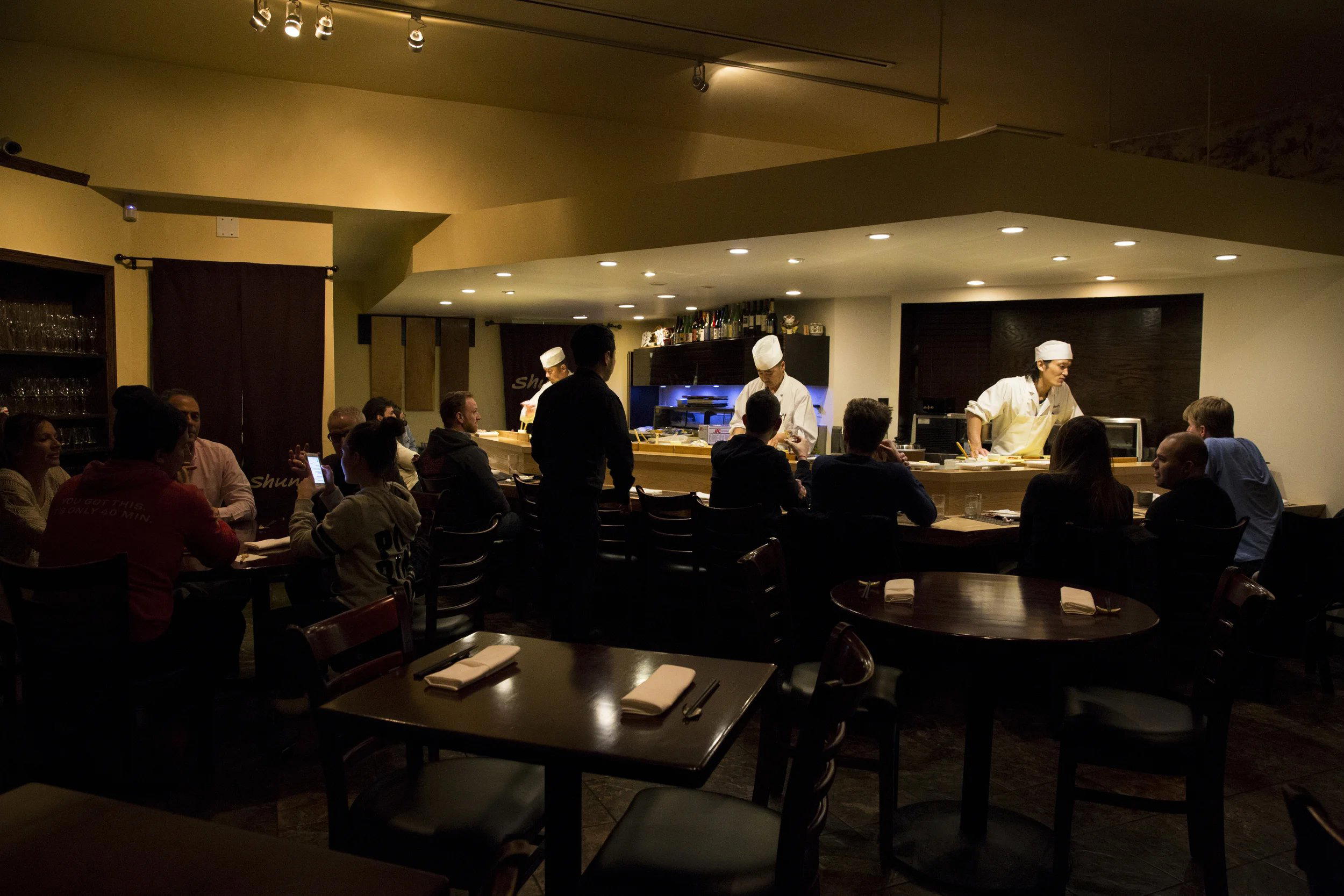
Hotels in Los Angeles
Browse all →
Wineries in Los Angeles
Browse all →
At a Glance
- Intimate
- Date Night
- Casual Hangout
Current opening hours
- Monday
- Closed
- Tuesday
- 11:30 AM–9 PM
- Wednesday
- 11:30 AM–9 PM
- Thursday
- 11:30 AM–9 PM
- Friday
- 11:30 AM–9 PM
- Saturday
- 11:30 AM–9 PM
- Sunday
- 11:30 AM–8 PM
Hours can change for holidays and private events. Last verified .
Intimate and unpretentious sushi bar atmosphere focused on quality fish and traditional preparation.
Know Before You Go
- Getting there
- 2040 Sawtelle Blvd, Los Angeles, CA 90025