
Tabelog 100 #51
Our verdict
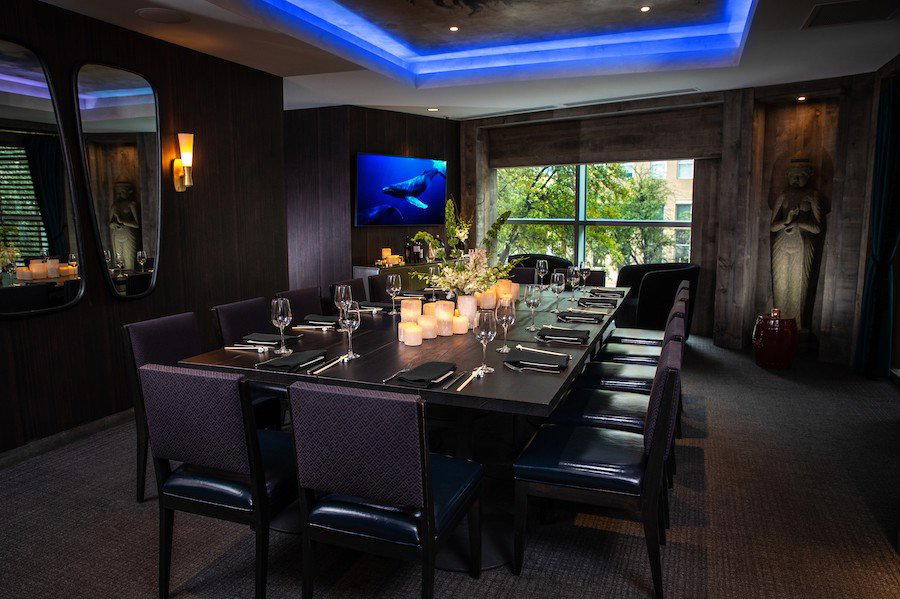
Taigen Honkan belongs to Fukuoka’s serious yakiniku circuit rather than its late-night snack economy: a Maizuru beef house with Tabelog 100 Yakiniku WEST recognition in 2025 and a format built for table grilling, tripe, sukiyaki, and group dining. The appeal is atmospheric and practical, with private rooms, tatami and horigotatsu seating, multilingual menus, and a drinks list that reaches from sake and shochu to wine and cocktails.

Pearl is the En Primeur Club membership app, where members save venues, book tables and use the concierge.
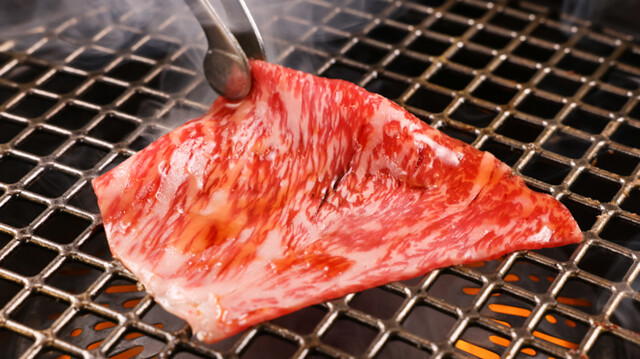
The menu
What to order
- Taigen Beef yakiniku platters
- Chateaubriand
- Sirloin yaki-suki
- Stone-grilled bibimbap
- Taigen steak
Fukuoka’s restaurant rhythm is quieter than the neon shorthand often attached to the city’s dining. In the evening, the crowd is less spectacle than purpose: office groups, families, and friends heading to rooms where the meal is built at the table. Taigen Honkan reads as a serious yakiniku address, not a novelty grill room. The format matters: yakiniku is about control as much as appetite, heat, timing, cut selection, dipping, pausing, and returning to the grill before the next piece overcooks. A restaurant known for Japanese barbecue is built for that tempo.
Fukuoka is often framed through ramen, seafood, and yatai, but its beef dining culture deserves its own lane. Yakiniku sits between casual conviviality and specialist sourcing, and stronger houses make the room do real work. Smoke, conversation, and the choreography of shared plates create a different luxury from counter dining or tasting menus. Taigen Honkan’s Tabelog Hyakumeiten recognition in 2025 places it inside a regional benchmark, with a listed Tabelog score of 3.68 and dinner budget of JPY 6,000 - JPY 7,999.
Table-grill dining with the pace of a proper Fukuoka night out
The strongest reason to come is the format: yakiniku, tripe, and sukiyaki under one roof. That combination tells experienced diners plenty. Beef is the center of gravity, but the meal need not stay on one register. Tripe brings texture and old-school grill-house feeling; sukiyaki points to a sweeter, slower Japanese beef tradition. In Fukuoka, where meals often move quickly from noodles to bars to late-night plates, this is more settled: a dinner designed to hold the table.
The dining format supports that reading. Yakiniku can feel more expansive than the tiny counters dominating much of Japan’s high-end dining conversation, but its comfort depends on the table rather than a staged sequence. The better experience is not hushed reverence; it is a meal where the grill becomes the center and the pace belongs to the group. Visitors should not treat the format as decor. It changes posture, conversation, and the length of the evening.
Compared with Fukuoka peers, Taigen Honkan sits in a useful middle tier. Hyogo Dori, Sushi Gosuian, and GEORGES MARCEAU each answer different dining briefs, while Hakata Gomasaba Ya and Elborracho Daimyou ten pull the city in other directions. The point is occasion, not hierarchy: this is where beef, group comfort, and regional recognition align without crossing into every other high-ticket or counter-led format.
Fukuoka rewards diners who look beyond the obvious stops
For travelers, city context matters. The easiest dining routes in Fukuoka are the ones everyone already understands, but the better itinerary often asks for a slightly more local map. Taigen Honkan belongs in that broader view of the city: convenient enough to fold into a serious eating trip, yet better approached as a settled dinner rather than a quick refuel. A grill meal works best when the evening can slow down before bars, hotels, or a second stop.
Recognition from Tabelog carries weight in Japan because it reflects a domestic dining conversation rather than an imported luxury checklist. A Tabelog score of 3.68 and Tabelog Hyakumeiten recognition for 2025 signal traction among diners comparing within category, not merely across famous names. For international visitors, that is useful intelligence: a place valued for its role in a regional yakiniku scene, not global branding.
Planning a Fukuoka eating itinerary around this dinner also keeps the city in balance. Its appeal is not one cuisine but a sequence of formats: seafood, noodles, casual local rooms, counter dining, and more ambitious restaurants all have their place. Taigen Honkan gives that circuit a beef-focused anchor, especially for diners who want Japanese barbecue to be more than a quick add-on between other reservations.
Who should choose this over a counter or tasting menu
This is not for diners wanting a chef-led counter narrative or a long sequence of plated courses. It is for people who understand that Japanese dining excellence often lives in participatory formats. Yakiniku asks the table to pay attention. The restaurant provides the beef-focused framework, heat, and rhythm; the diner grills patiently and lets the meal breathe.
Taigen Honkan’s listed categories, yakiniku, tripe, and sukiyaki, make the room more specific than a generic grill stop. The budget, listed at JPY 6,000 - JPY 7,999 for dinner, also helps visitors plan without pretending this is either a cheap snack or a luxury tasting-menu substitute. That does not make the experience careless-casual. It means the structure can absorb a proper Fukuoka night out while keeping its beef-specialist identity.
For broader planning, use Our full Fukuoka restaurants guide to place this dinner among the city’s other dining formats, then match it with Our full Fukuoka hotels guide, Our full Fukuoka bars guide, Our full Fukuoka wineries guide, and Our full Fukuoka experiences guide. Readers comparing Japanese beef and grill traditions beyond Fukuoka can also look more generally at how yakiniku and sukiyaki fit into wider Japan itineraries, while transpacific context shows how Japanese dining formats travel and change abroad.
Frequently asked questions
What part of town is Taigen Honkan in?
Fukuoka.
Is Taigen Honkan expensive?
Pricing at Taigen Honkan is listed as JPY 6,000 - JPY 7,999 for dinner.
What are the operating hours at Taigen Honkan?
Operating hours for Taigen Honkan are not provided here; confirm directly before visiting.
What's the standout thing about Taigen Honkan?
Its defining feature is the format: yakiniku, tripe, and sukiyaki in Fukuoka. That breadth, plus Tabelog Hyakumeiten recognition in 2025 and a listed score of 3.68, places it firmly in the city’s serious Japanese barbecue conversation.
What if I have allergies at Taigen Honkan?
For allergies or ingredient checks, confirm details directly with the restaurant before ordering. For a group meal in the JPY 6,000 - JPY 7,999 dinner range, it is sensible to call ahead at +81-92-752-1288.
Is Taigen Honkan a family-friendly restaurant?
Family suitability is not specified here. If you are planning a mixed-age group dinner in Fukuoka, confirm seating and service details directly with the restaurant before booking.
Comparison Snapshot
Comparable venues to anchor price and recognition.
| Venue | Cuisine | Price | Awards | Notes |
|---|---|---|---|---|
| Taigen HonkanThis venue (the venue you are viewing) | Yakiniku & Teppanyaki with House-Raised Wagyu | $50–100 | Tabelog 100 #51 | Not listed |
| Hyogo Dori | Yakitori Izakaya | $50–100 | Tabelog 100 #91 | Chūō |
| Oryori Uchiyama | Japanese Izakaya | $50–100 | Tabelog 100 #56 | Chūō |
| Yakitori Choji | Yakitori | $50–100 | Tabelog 100 #13 | Chūō |
| Yakitori Taka | Yakitori | Not listed | Tabelog 100 #60 | Chūō |
| Aji Dokoro Taro Gen Sougyou ten | Seafood Kaiseki | $50–100 | Tabelog 100 #96 | Hakata |
Recognition history
Dated appearances from independent guides and award organizations, with the underlying list record or original source where available.
Tabelog 100 #51 · No. 51
Tabelog · Tabelog 100 - Yakiniku - WEST - 2025
Continue exploring
More in Fukuoka
Restaurants in Fukuoka
All restaurants in Fukuoka →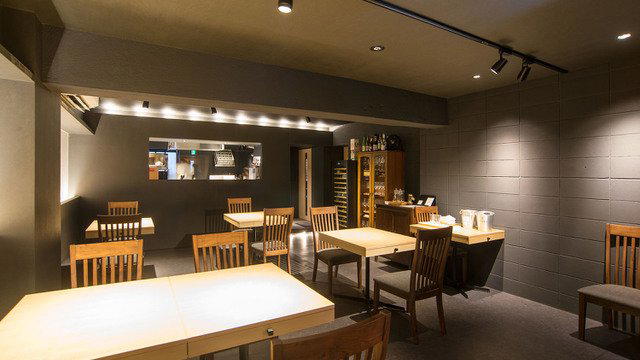
Details
- Cozy
- Classic
- Lively
- Business Dinner
- Group Dining
- Family
- Celebration
- Date Night
- After Work
- Private Dining
- Standalone
- Sake Program
- Extensive Wine List
- Beer Program
- Farm To Table
- Local Sourcing
- A La Carte
- Set Menu
- Tasting Menu
- Sake
- Beer
- Wine
Current opening hours
- Monday
- 5–10 PM
- Tuesday
- 5–10 PM
- Wednesday
- 5–10 PM
- Thursday
- 5–10 PM
- Friday
- 5–10 PM
- Saturday
- 5–10 PM
- Sunday
- 5–10 PM
Hours can change for holidays and private events. Hours as of .
Traditional yakiniku house with a warm, relaxed atmosphere, divided over three floors into tables, tatami seating, and private rooms, suited to dates, business dinners, and gatherings rather than a quick bite.