
Tabelog 100 #56
Our verdict
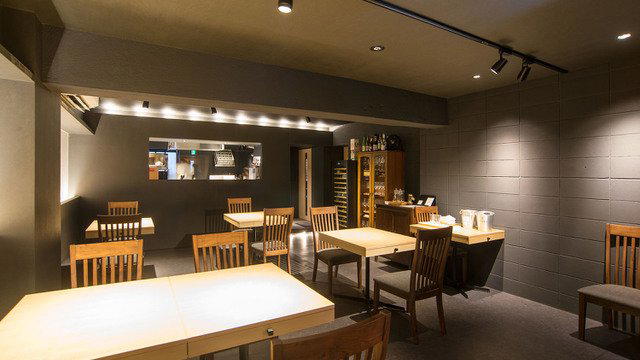
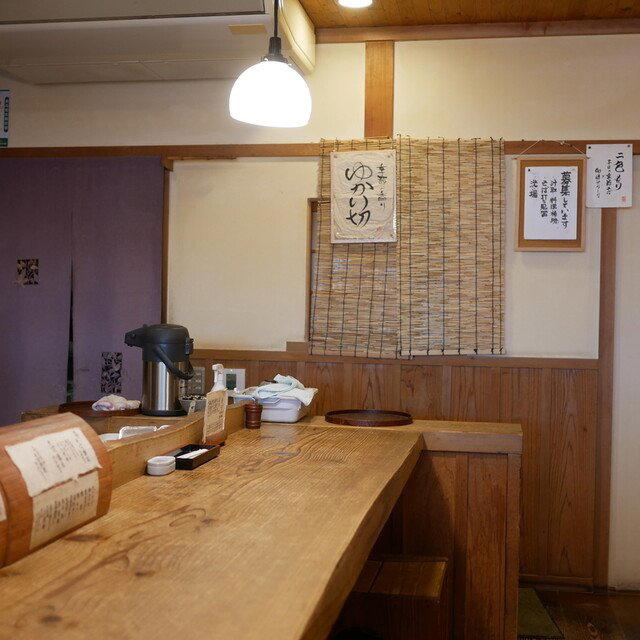
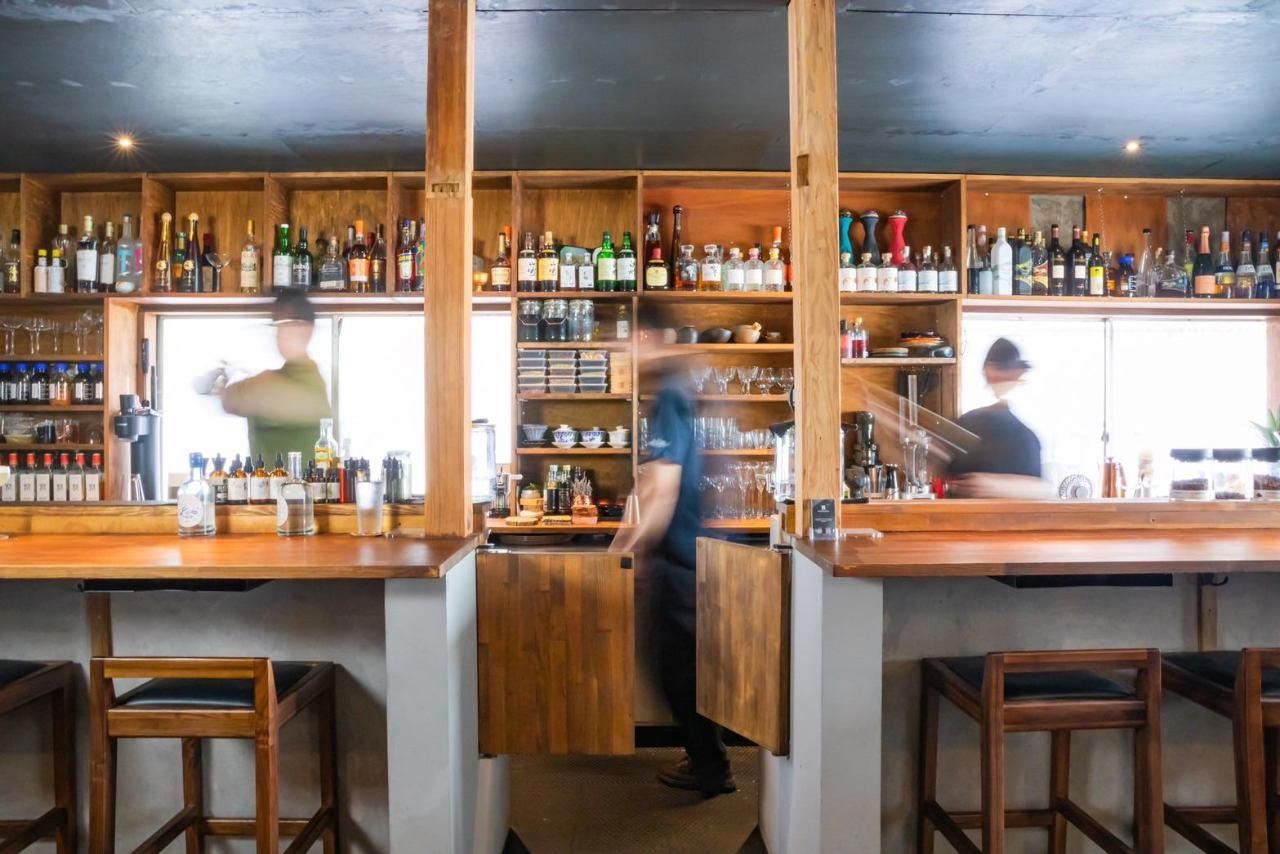
Oryori Uchiyama belongs to Fukuoka’s grown-up izakaya tier: counter-led, reservation-only, and built around the meal as a paced evening rather than a quick drinking stop. Its Tabelog 100 Izakaya WEST selections in 2024 and 2025 place it among the region’s serious tavern addresses, with unagi and sake-friendly Japanese cooking as the central signals.

Pearl is the En Primeur Club membership app — saves, bookings, and concierge access live there. Same editors, same standards.
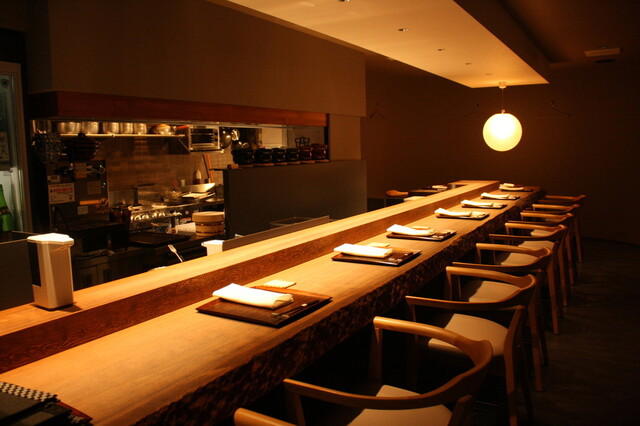
In Fukuoka, the izakaya ritual changes register. The city’s better dining rooms can work at a lower volume: measured meals, careful pacing, and less tolerance for casual drop-ins. Oryori Uchiyama belongs to that category, where the room is not a backdrop for drinking so much as a controlled setting for a sequence of dishes and conversation.
Fukuoka’s dining identity is often reduced to ramen, motsunabe, and yatai culture, but that shorthand misses the city’s more disciplined evening formats. The izakaya, at this level, is not merely a tavern. It is a structure: the first order sets the pace, the room shapes the relationship between kitchen and guest, and the cooking has to carry enough range to justify staying in one place for the night. Selection in Tabelog’s Hyakumeiten recognition for 2025 gives Oryori Uchiyama a clear credential inside that regional field.
A composed izakaya where pacing matters as much as ordering
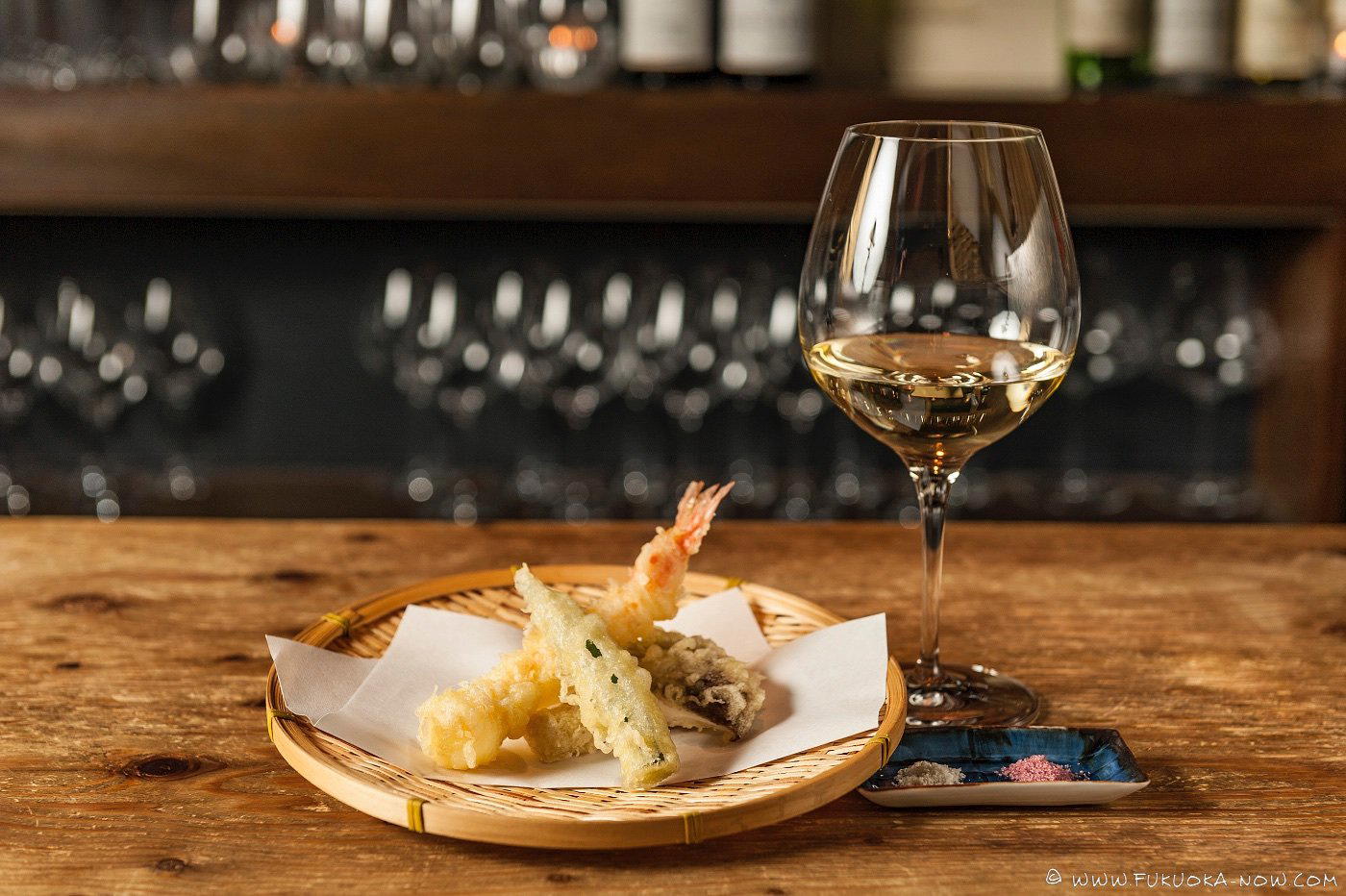
The defining idea here is the izakaya meal treated with restaurant discipline. The category listing pairs Japanese-style tavern cooking with unagi, which immediately separates it from lighter standing-bar or snack-led formats. Eel brings a different rhythm to the table: richer, more deliberate, and better suited to a composed evening than to the quick beer-and-exit mode associated with simpler neighbourhood pubs.
That distinction matters in Fukuoka because the city rewards both speed and ceremony. A visitor can eat brilliantly at a compact lunch stop, move through casual specialists, then end the night at a serious dining table. For a broader map of that range, Our full Fukuoka restaurants guide is the useful companion. Within the city’s dining spread, Oryori Uchiyama sits nearer the adult izakaya end than the casual crawl end.
The comparison set makes the positioning clearer. Sabatarou, Akasaka Komikan, Sushi Dokoro Ishibashi, Kamakiri Udon, and Toho Yushusai Nuwara Eliya all show different ways to read Fukuoka dining. Oryori Uchiyama lands in its own lane: focused on the customs of a full evening meal rather than on a single luxury genre or a quick everyday stop.
Fukuoka's drinking culture, seen through a tighter lens
Drinks are not incidental to this format, even when the meal is understood first through its izakaya category. The better rooms in this style treat the flow of the evening with the seriousness often associated with more formal Japanese dining. The point is not simply to order widely, but to let the table develop at the pace the room sets.
That breadth also changes the etiquette of the meal. This kind of dining asks for attention: dishes arrive within the room’s rhythm, orders are shaped by the evening’s flow, and the guest’s job is to follow the pace rather than over-direct it. This is where an izakaya becomes less about variety for its own sake and more about sequence. The stronger Fukuoka rooms understand that drinking food is not a lesser cuisine; it simply has a different grammar.
Fukuoka is useful territory for that grammar. It is central to Kyushu’s dining conversation without needing to imitate larger-city theatrics, and it supports restaurants that depend on repeat local custom as much as destination interest. Nearby city choices show how broad the Fukuoka table has become: other dining rooms speak to the city’s range, while everyday Japanese lunch-and-dinner formats keep the local register in play. For diners building a Fukuoka itinerary around Japanese cooking rather than a single famous dish, Oryori Uchiyama offers a more focused evening reference point.
How to read it in the wider Japan itinerary
The smarter way to approach Oryori Uchiyama is not as a trophy stop, but as a calibration point for Fukuoka’s adult izakaya culture. The award recognition supplies the trust signal; the composed format explains why the meal demands planning; the unagi listing hints at a kitchen with more weight than a casual drinks venue. Taken together, those elements define a room for diners who care about pacing, drinking customs, and the quiet rules of a serious Japanese evening meal.
For travellers comparing regions, the contrast is useful. Tokyo often turns Japanese dining into a theatre of scarcity, while Osaka leans into breadth and appetite. Fukuoka is more compact and less performative, with a strong local dining culture and enough specialist rooms to reward a second or third night. Broader Japan references can help frame those differences, but Oryori Uchiyama is best read in the context of Fukuoka itself and the city’s more composed evening formats.
The final read is practical without needing to be transactional. This is a focused izakaya with adult pacing and no need for theatrics. It belongs on a Fukuoka schedule when the night calls for a composed Japanese meal rather than a roaming bar crawl. For the rest of the trip architecture, use Our full Fukuoka hotels guide, Our full Fukuoka bars guide, Our full Fukuoka wineries guide, and Our full Fukuoka experiences guide. Diners tracking Japanese formats in other cities can use those comparisons generally, but the point here remains firmly local: Oryori Uchiyama is a Fukuoka address for a measured izakaya evening.
Frequently asked questions
Is Oryori Uchiyama open every day?
Current opening days and hours are not specified here. Confirm directly with Oryori Uchiyama before planning a visit.
What should I budget for a meal at Oryori Uchiyama?
Pricing at Oryori Uchiyama is listed as JPY 10,000 - JPY 14,999 for dinner.
Where do I go for Oryori Uchiyama?
Fukuoka.
What's the defining dish or idea at Oryori Uchiyama?
The restaurant is listed in the izakaya category with unagi also noted, giving it a more substantial dining profile than a casual tavern. Its Tabelog Hyakumeiten recognition for 2025 signals a serious Fukuoka dining room.
Can Oryori Uchiyama accommodate dietary restrictions?
The venue is listed as an izakaya with unagi, so diners with dietary restrictions should confirm directly before booking. The listed phone number is +81-80-1540-0118.
Cuisine-First Comparison
Comparable options at the same price tier.
| Venue | Cuisine | Price | Awards | Notes |
|---|---|---|---|---|
| Oryori UchiyamaThis venue (the venue you are viewing) | Japanese Izakaya | $50–100 | Tabelog 100 #56 | Not listed |
| Nishimura | Edomae Sushi Omakase | $30–50 | Tabelog 100 #64 | Hakata |
| Seimon Barai | Seafood-focused Japanese Izakaya | $50–100 | Tabelog 100 #49 | Hakata |
| Hyogo Dori | Yakitori Izakaya | $50–100 | Tabelog 100 #91 | Chūō |
| Riki Hanten | Yakiniku (Japanese BBQ) | $50–100 | Tabelog 100 #31 | Chūō |
| Kamo to Negi Yodomizu Nigyo | Duck shabu-shabu (Japanese hotpot) | $30–50 | Tabelog 100 #83 | Chūō |
Recognition history
Dated appearances from independent guides and award organizations, with the underlying list record or original source where available.
Tabelog 100 #56 · No. 56
Tabelog · Tabelog 100 - Izakaya - WEST - 2025
Continue exploring
More in Fukuoka
Restaurants in Fukuoka
All restaurants in Fukuoka →
Details
- Cozy
- Intimate
- Classic
- Date Night
- Solo
- Special Occasion
- Casual Hangout
- Standalone
- Sake Program
- Local Sourcing
- A La Carte
- Sake
Current opening hours
- Monday
- 6–11 PM
- Tuesday
- 6–11 PM
- Wednesday
- 6–11 PM
- Thursday
- 6–11 PM
- Friday
- 6–11 PM
- Saturday
- 6–11 PM
- Sunday
- Closed
Hours can change for holidays and private events. Last verified .
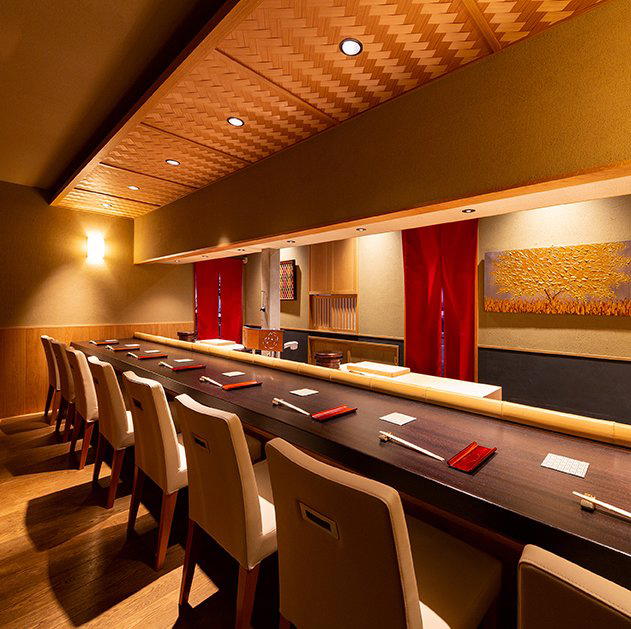
An intimate hidden-gem atmosphere centered on a 10-seat counter, with a quiet, sake-focused dining experience.