
Tabelog 100 #13
Our verdict
Yakitori Choji belongs to Fukuoka’s small-counter yakitori culture rather than the city’s louder ramen-and-yatai shorthand. The cooking is framed around grilled chicken skewers, mizutaki and chicken dishes, with sake, shochu and wine treated as part of the meal’s architecture. Selection for Tabelog 100 Yakitori WEST in 2023, 2024 and 2025 places it among Western Japan’s more closely watched yakitori addresses.

Pearl is the En Primeur Club membership app, where members save venues, book tables and use the concierge.
The menu
What to order
- Yakitori and Mizutaki Course
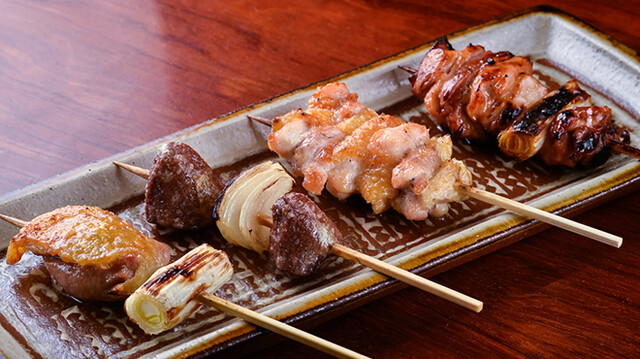
- Kuro Satsuma chicken yakitori
- Oshio jidori chicken
- Mizutaki with daidai citrus
Fukuoka’s serious yakitori rooms tend to reveal themselves through rhythm: a grill-led meal, close attention to chicken, and a sequence that feels more deliberate than casual snacking. Yakitori Choji fits that frame through its listed categories of yakitori, mizutaki and chicken dishes. The appeal sits in how a focused restaurant can turn skewers, hot pot and other chicken cookery into a controlled evening rather than a quick stop for grilled snacks.
That distinction matters in Fukuoka. The city is often reduced to tonkotsu ramen, mentaiko and yatai, but its chicken cooking has its own grammar. Yakitori here is not just a late-night add-on; in stronger rooms it becomes a full dinner structure, moving through cuts, textures and heat levels before widening into dishes such as mizutaki. Choji’s Tabelog Hyakumeiten recognition for 2025, alongside a listed score of 3.69, signals that it belongs in a more deliberate tier of the region’s grill culture.
A meal built around chicken, not a skewer checklist
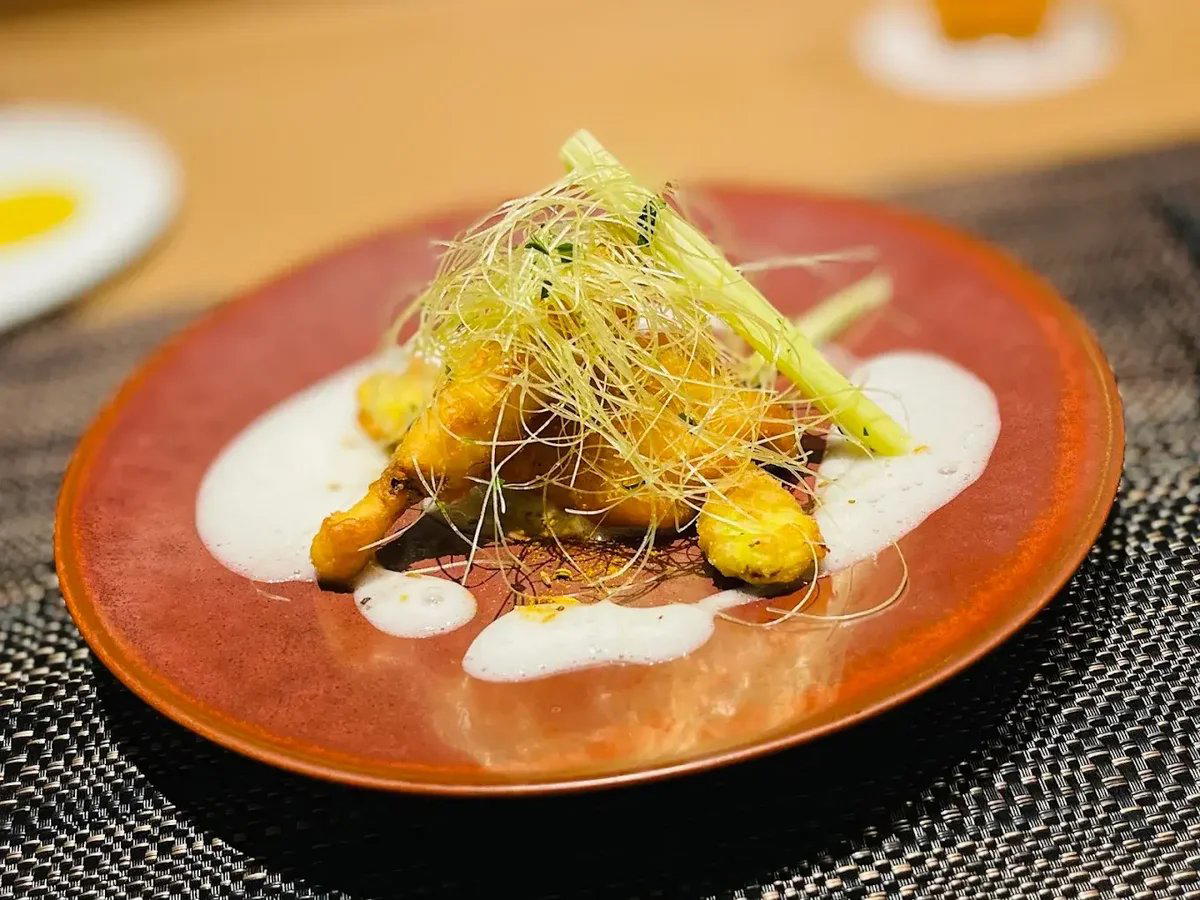
The menu architecture is the reason to pay attention. The listed categories are yakitori, mizutaki and chicken dishes, which gives the meal a broader frame than a simple skewer-by-skewer order. In focused yakitori settings, progression can carry as much weight as individual cuts: lighter items prepare the palate, richer pieces anchor the middle of the meal, and supporting dishes keep the sequence from becoming repetitive. Mizutaki, Fukuoka’s chicken hot pot tradition, adds regional context to the format and keeps the restaurant from reading as only a generic grill stop.
The useful point is not breadth for its own sake, but the way the restaurant’s stated focus stays close to chicken cookery. Yakitori, mizutaki and other chicken dishes each ask for different pacing: direct grill heat, the comfort of hot pot, and the quieter detail of supporting preparations. That range gives Choji more shape than a purely casual skewer run while still keeping the identity narrow and legible.
Choji’s price band of JPY 8,000 - JPY 9,999 places it above everyday yakitori and below the most extravagant destination counters. In Fukuoka terms, that makes it a serious dinner rather than a splurge defined by luxury signalling. Compared with local rooms such as HAKKO Shokudo or meek, it operates in its own dining register; compared with broader specialist restaurants such as TTOAHISU or Sushi Ryori Ichitaka, it remains more tightly focused on one Japanese category.
Why Fukuoka suits this kind of yakitori
Fukuoka gives the restaurant a useful context for chicken-focused dining. Yakitori benefits from concentration: the cooking is about timing, heat and repetition, and the meal depends on attention to sequence rather than a table crowded with unrelated dishes. A tightly defined chicken format reinforces that discipline, keeping the grill and the broader chicken repertoire at the centre of the experience.
The scale of the meal also shapes the decision. This is better understood as a focused chicken dinner than a flexible all-purpose night out. Rather than treating it like a general izakaya, diners should read the restaurant through its listed categories and recognition: yakitori, mizutaki, chicken dishes and a 2025 Tabelog Hyakumeiten selection.
Fukuoka travellers building a food itinerary should read Choji as a category-specific stop, not a general introduction to the city. For broader planning, Our full Fukuoka restaurants guide gives a wider view of the city’s dining range, while Our full Fukuoka hotels guide, Our full Fukuoka bars guide, Our full Fukuoka wineries guide and Our full Fukuoka experiences guide help place dinner within a fuller trip.
How to place it within a Fukuoka itinerary
The strongest case for Yakitori Choji is editorial rather than decorative: it shows how Fukuoka’s chicken cooking can operate as a structured dinner. Visitors who already understand the city through ramen counters and seafood izakaya will get a different reading here, one built around grilling, pacing and the regional presence of mizutaki. The Tabelog Hyakumeiten 2025 recognition gives it external validation, but the more useful signal is the combination of chicken-focused categories and a price band that marks it as a planned dinner.
It also pairs well with the city’s broader casual-to-specialist dining spectrum. Other Fukuoka dining rooms show how the city rewards narrow specialization across different cuisines and formats. Choji belongs to that same logic: choose a category, keep the focus tight, and let repetition reveal skill.
For travellers comparing Japanese specialist formats beyond Fukuoka, the same pattern appears in different registers across unnamed dining rooms: grilled dishes, hot pot, counter cooking, curry, sake-led meals and other tightly focused concepts. The lesson is consistent: the narrower the format, the more the details matter.
Frequently asked questions
Where is Yakitori Choji in Fukuoka?
Fukuoka.
What price level is Yakitori Choji?
Pricing at Yakitori Choji is listed as JPY 8,000 - JPY 9,999.
How hard is it to get a table at Yakitori Choji?
Yakitori Choji carries Tabelog Hyakumeiten 2025 recognition and is listed in the JPY 8,000 - JPY 9,999 dinner band, so it is best treated as a dinner to plan ahead rather than an impromptu stop.
What makes Yakitori Choji worth seeking out?
The draw is the way it frames dinner around yakitori, mizutaki and other chicken dishes rather than a simple skewer run. It also carries Tabelog Hyakumeiten 2025 recognition and has a listed score of 3.69.
Is Yakitori Choji good for vegetarians?
The listed categories are yakitori, mizutaki and chicken dishes, so the restaurant is primarily built around chicken cookery in Fukuoka.
Comparable Spots
Comparable options at the same price tier.
| Venue | Cuisine | Price | Awards | Notes |
|---|---|---|---|---|
| Yakitori ChojiThis venue (the venue you are viewing) | Yakitori | $50–100 | Tabelog 100 #13 | Not listed |
| HAKKO Shokudo | Fermentation-focused Japanese teishoku | $10–20 | Tabelog 100 #74 | JPY 3,000 - JPY 3,999 JPY 1,000 - JPY 1,999 |
| meek | Stylish Thai & Asian Ethnic Cuisine | $20–30 | Tabelog 100 #4 | JPY 2,000 - JPY 2,999 View spending breakdown |
| TTOAHISU | Japanese-French Fusion Fine Dining | $100–150 | Tabelog Bronze #492 | French |
| Onokoro Hanjou | Seafood-focused Japanese izakaya | $30–50 | Tabelog 100 #67 | JPY 5,000 - JPY 5,999 |
| Sushi Ryori Ichitaka | Kyushu Edomae Omakase | $50–100 | Not listed | Not listed |
Recognition history
Dated appearances from independent guides and award organizations, with the underlying list record or original source where available.
Tabelog 100 #13 · No. 13
Tabelog · Tabelog 100 - Yakitori - WEST - 2025
Continue exploring
More in Fukuoka
Restaurants in Fukuoka
All restaurants in Fukuoka →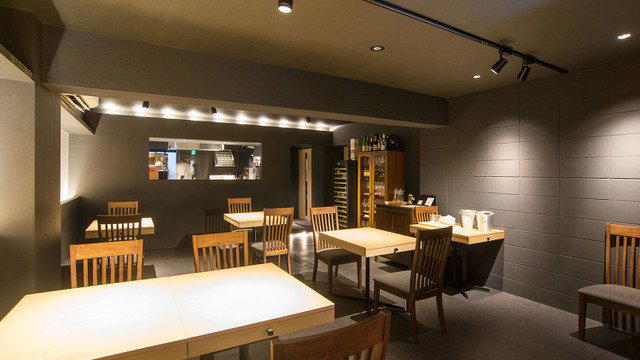


Details
- Elegant
- Sophisticated
- Intimate
- Quiet
- Modern
- Date Night
- Business Dinner
- Celebration
- Special Occasion
- Solo
- Chefs Counter
- Standalone
- Natural Wine
- Sake Program
- Beer Program
- Local Sourcing
- Natural Wine
- Set Menu
- Counter Dining
- Natural Wine
- Sake
- Shochu
- Wine
- Pescatarian Friendly
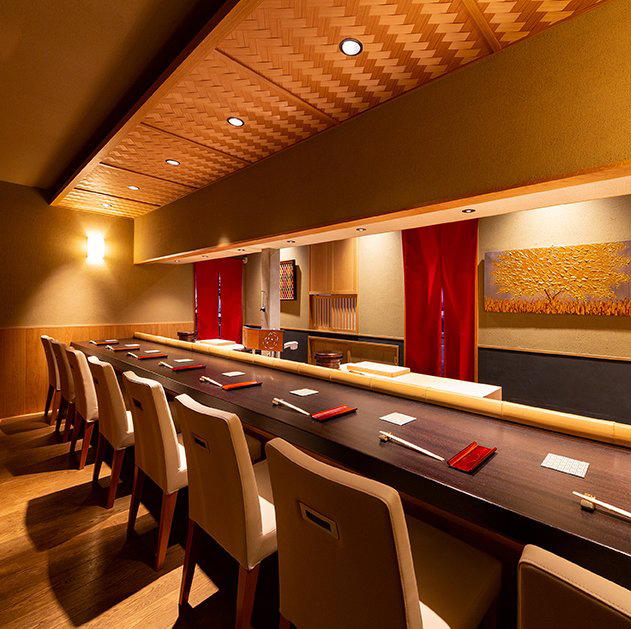
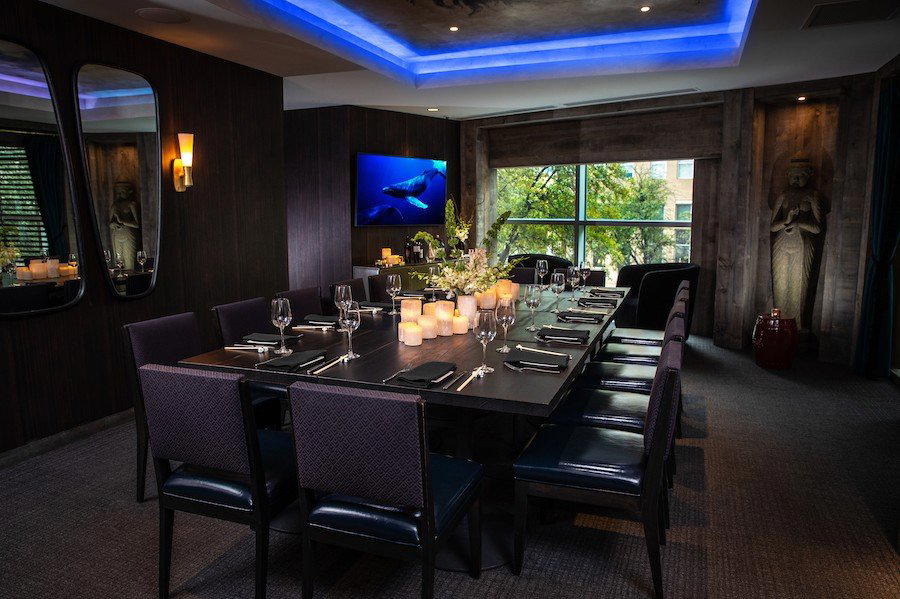
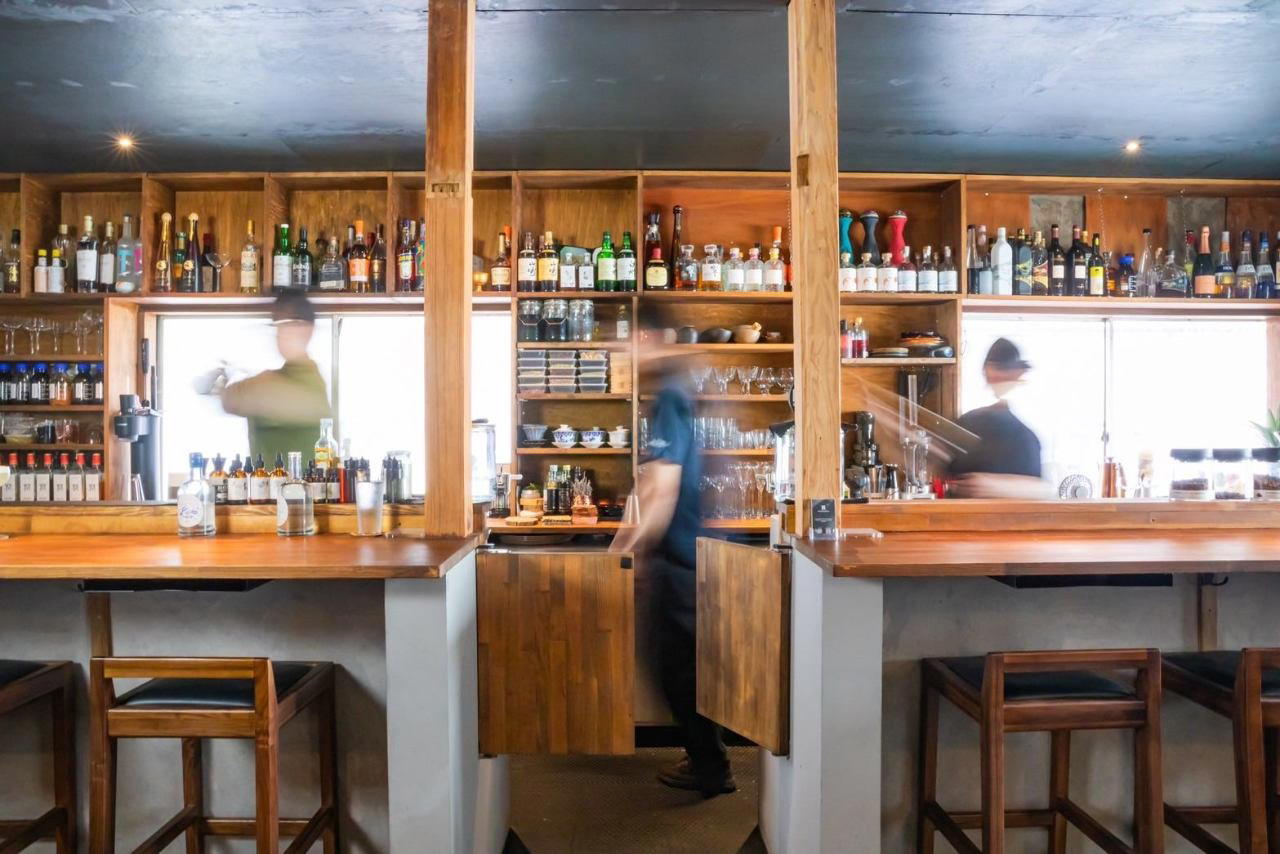
A refined, modern hideout with elegant, relaxing counter seating and a calm, intimate atmosphere.