
Michelin Bib Gourmand
Our verdict
A Michelin Bib Gourmand-recognised Cantonese kitchen in Tai Wai, running consecutive awards in 2024 and 2025, with a mid-range price point that positions it well outside Hong Kong's hotel-dining circuit. At 92 Chik Fuk Street, it represents the kind of neighbourhood-rooted Cantonese cooking that the city's broader restaurant scene has historically excelled at.

Pearl is the En Primeur Club membership app, where members save venues, book tables and use the concierge.
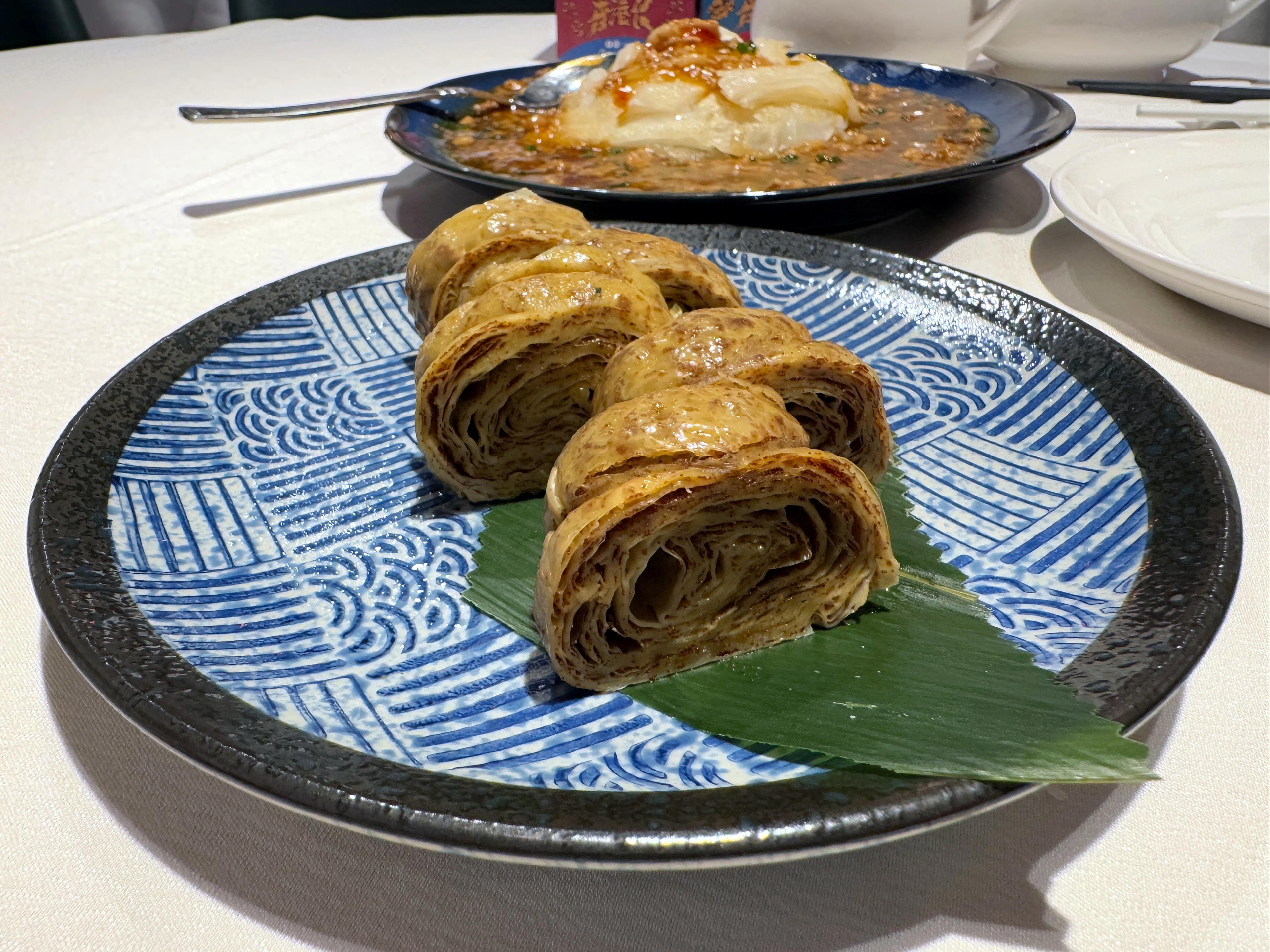
The menu
What to order
- Char siu
- Dim sum
- Eight treasure duck
- Tea smoked chicken
Cantonese Cooking Beyond the Harbour
Tai Wai is not where most dining itineraries begin. The neighbourhood sits in Sha Tin District, a few MTR stops east of Kowloon, and its restaurant scene operates at a different register than the polished hotel rooms and Central tower addresses that dominate Hong Kong's international dining coverage. That gap, between the city's trophy-restaurant tier and its neighbourhood kitchens, is where some of the most precise Cantonese cooking actually happens. Tai Wai Dining Room, at 92 Chik Fuk Street, sits firmly in that second category, and its consecutive Michelin Bib Gourmand recognitions in 2024 and 2025 confirm that the gap is worth crossing.
The Bib Gourmand designation is a specific signal worth reading carefully. Michelin awards it to restaurants offering meals of notable quality at a price point below the starred tier, which in Hong Kong's context means a kitchen competing on technical discipline and sourcing judgement rather than on room design or prestige ingredients. Two consecutive years of recognition, in a city where Michelin coverage is dense and competitive, points to consistency rather than novelty. For the Cantonese dining tradition specifically, consistency is the harder measure: the cuisine rewards repetition from the kitchen, and regulars notice deviations that a single visiting critic might not.
Where the Ingredients Come From, and Why It Reads on the Plate
Cantonese cooking's reputation for restraint is inseparable from its relationship with raw material. The tradition does not rely on layered spice or heavy reduction to carry a dish; the flavour profile depends on the quality of what arrives in the kitchen each morning. This is why sourcing, in a Cantonese context, is not a marketing position but a technical one. A kitchen using freshly caught seafood from local waters, or vegetables from the New Territories' remaining agricultural plots, will produce results that differ structurally from one working with commodity supply chains, regardless of the skill applied at the stove.
Tai Wai's geographical position is relevant here. The area sits at the edge of Sha Tin, with access to supply networks that connect more directly to the New Territories' food production corridors than Central or Wanchai do. Cantonese kitchens in this part of the SAR have historically drawn on that proximity, with morning market access to produce that reaches the plate the same day. The $$-price tier, confirmed in the venue data, is consistent with a kitchen that manages cost through ingredient selection and daily purchasing rather than through large-volume commodity buying.
Across the wider Cantonese tradition, this approach connects the restaurant to a long lineage. Where Hong Kong's hotel Cantonese rooms, such as Lung King Heen, T'ang Court, and Lai Ching Heen, compete on premium imported ingredients and elaborate preparation, the neighbourhood tier competes on freshness, timing, and the cook's ability to read what the market offers on a given day. The Forum represents an older version of this discipline at a higher price point; Tai Wai Dining Room operates at the Bib Gourmand level, where the same sourcing logic applies under tighter margin constraints.
The Neighbourhood Kitchen as a Cantonese Institution
Hong Kong's Cantonese restaurant ecology separates into several distinct tiers. At the apex sit the multi-starred hotel dining rooms, which compete in a global luxury conversation. Below them, a mid-tier of independent Cantonese restaurants with strong local followings occupies a space that is harder to categorise for international visitors but often produces more representative cooking. Below that, the city's dai pai dong and cha chaan teng culture operates as a living record of Cantonese culinary vernacular. Tai Wai Dining Room occupies the second tier with Bib Gourmand validation, which means it has been formally assessed as offering genuine culinary merit at accessible prices rather than simply filling a neighbourhood gap.
That position matters for how the room functions. Neighbourhood Cantonese restaurants of this type tend to serve a clientele that knows what it is ordering, that returns for specific dishes, and that will notice immediately if quality slips between visits. At over a thousand reviews, the rating is statistically meaningful: it reflects accumulated local opinion across a sustained period of operation, not a single wave of launch-era attention.
For comparison: new-wave international cooking at the $$ tier in Hong Kong, typified by operators such as Neighborhood with its European-contemporary approach, draws a different audience and competes on a different axis. Tai Wai Dining Room's value rests on Cantonese cooking executed to a documented standard, for a neighbourhood that expects exactly that.
Cantonese at This Level Across the Region
The tradition Tai Wai Dining Room participates in extends well beyond Hong Kong's borders. Cantonese kitchens of varying ambition operate across the Chinese-speaking world, with significant concentrations in Macau, Shanghai, Singapore, and Taipei. Jade Dragon and Chef Tam's Seasons in Macau represent the starred, high-investment end of that spectrum. Summer Pavilion in Singapore operates in a hotel context with comparable formality to Hong Kong's upper tier. In Shanghai, 102 House, Bao Li Xuan, Canton 8 (Huangpu), and Imperial Treasure Fine Chinese Cuisine cover the upper-mid range of that city's Cantonese offer. Le Palais in Taipei takes an older-school Cantonese banquet approach to a Taiwanese audience.
What each of those addresses shares with Tai Wai Dining Room is a commitment to the Cantonese sourcing logic: ingredients that are fresh, properly matched to technique, and allowed to carry the dish. Where they differ is in price tier, room ambition, and the additional layers of service or spectacle that accompany the cooking. Tai Wai Dining Room strips those layers away, and the Bib Gourmand says that what remains is still worth the trip. For readers exploring Rùn and the broader new generation of Hong Kong Cantonese, the neighbourhood end of the spectrum is a useful counterweight.
Planning Your Visit
Tai Wai Dining Room is located at 92 Chik Fuk Street, Tai Wai, accessible via Tai Wai MTR Station on the Ma On Shan and East Rail lines, a journey of roughly 25 minutes from Central. Budget: $$, consistent with the Michelin Bib Gourmand tier, making it one of the more accessible entry points into formally recognised Cantonese cooking in the SAR. Reservations: Contacting the restaurant directly in advance is advisable. Dress: No dress code is specified; neighbourhood Cantonese restaurants of this tier operate informally. Further reading: See our full Hong Kong restaurants guide, our full Hong Kong hotels guide, our full Hong Kong bars guide, our full Hong Kong wineries guide, and our full Hong Kong experiences guide.
Frequently Asked Questions
Frequently asked questions
How much does it cost to eat at Tai Wai Dining Room?
Pricing at Tai Wai Dining Room is listed as $$.
What's Tai Wai Dining Room's location?
Tai Wai Dining Room is located at 92 Chik Fuk St, Tai Wai, Hong Kong, Hong Kong.
Budget and Context
A short peer table to compare basics side-by-side.
| Venue | Cuisine | Price | Awards | Notes |
|---|---|---|---|---|
| Tai Wai Dining RoomThis venue (the venue you are viewing) | Traditional Cantonese Dim Sum & Classics | $20–30 | Michelin Bib Gourmand | Not listed |
| 8 1/2 Otto e Mezzo Bombana (Hong Kong) | 3 Michelin-Star Italian Fine Dining | $200–300 | 3 Michelin Stars · World's 50 Best #94 | Italian |
| Ta Vie | Modern French-Japanese Fine Dining | $300–500 | 3 Michelin Stars · World's 50 Best #68 | Japanese - French, Innovative |
| Caprice | Contemporary French Fine Dining | $200–300 | 3 Michelin Stars · World's 50 Best #35 | French, French Contemporary |
| Feuille | Modern Vegetable-Forward French | $200–300 | 1 Michelin Star · World's 50 Best #93 | French Contemporary |
| Neighborhood | Modern French with Asian Influences | $50–100 | 1 Michelin Star · World's 50 Best #24 | International, European Contemporary |
Recognition history
Dated appearances from independent guides and award organizations, with the underlying list record or original source where available.
Michelin Bib Gourmand
Michelin
Full recognition history (2 entries)
Michelin Bib Gourmand
Michelin
Continue exploring
More in Hong Kong
Restaurants in Hong Kong
All restaurants in Hong Kong →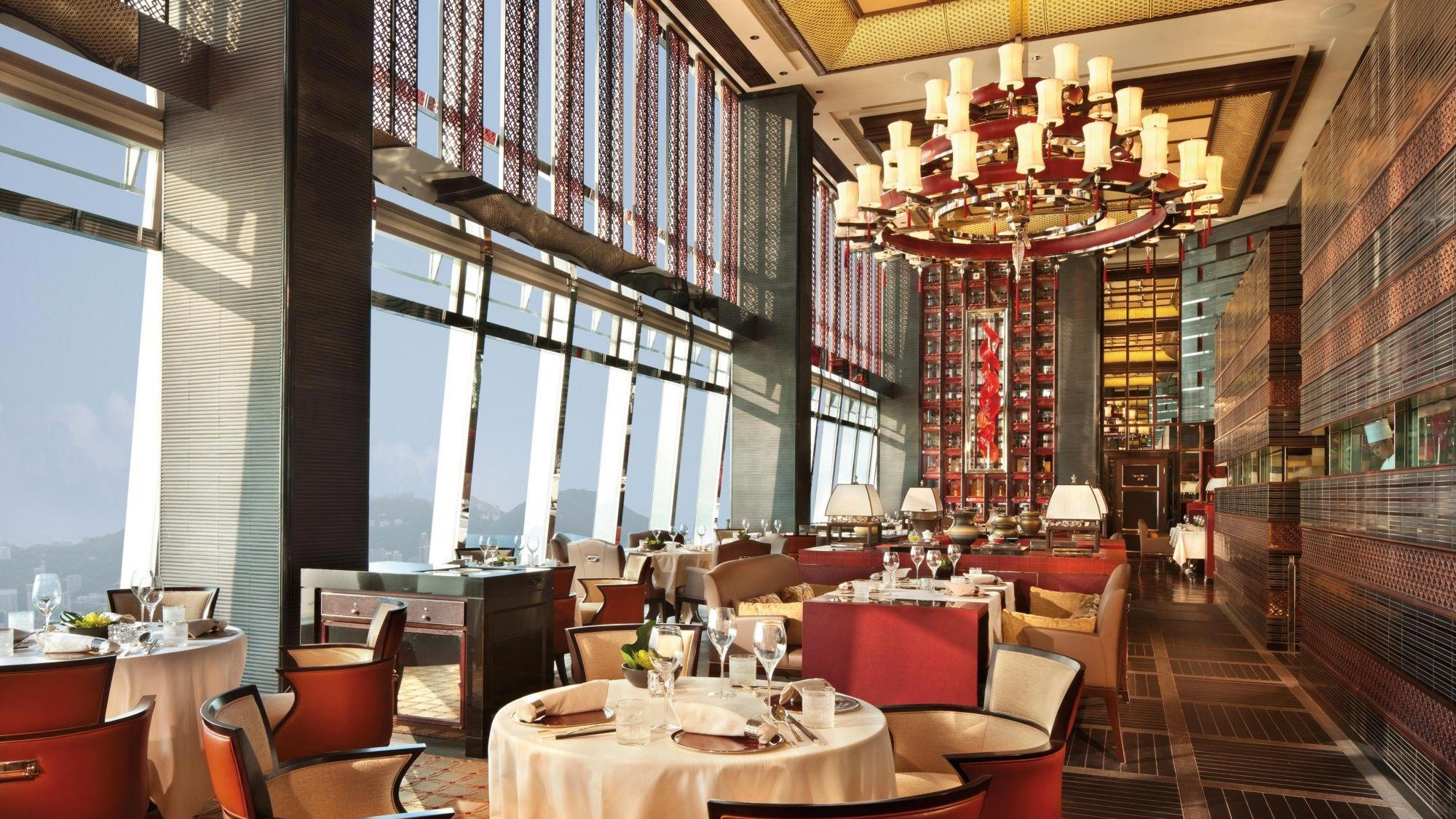
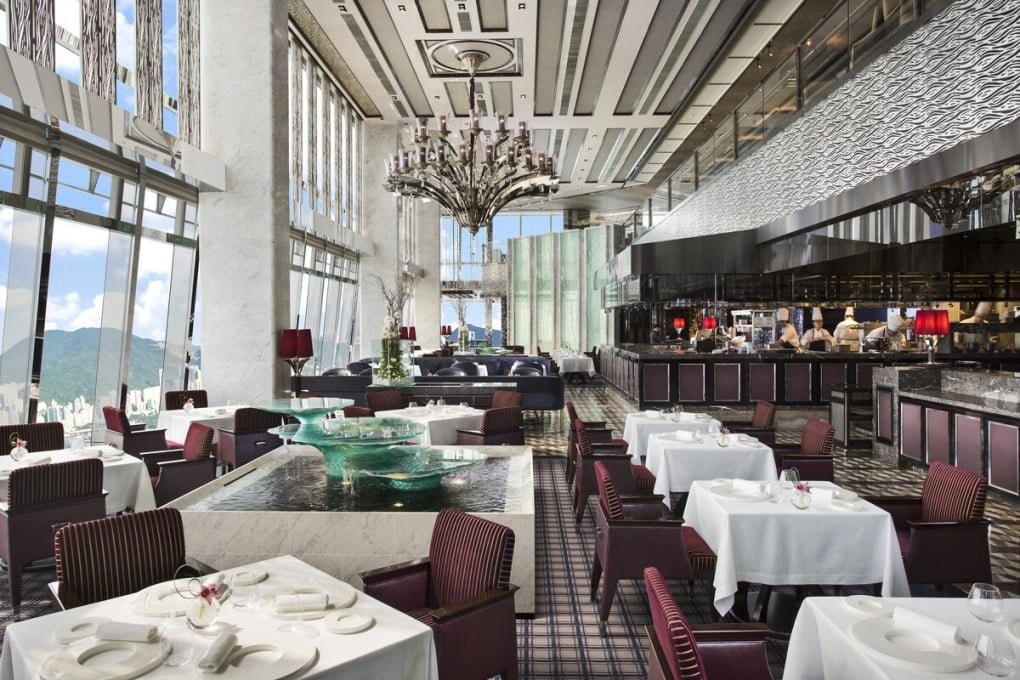
Bars in Hong Kong
All bars in Hong Kong →
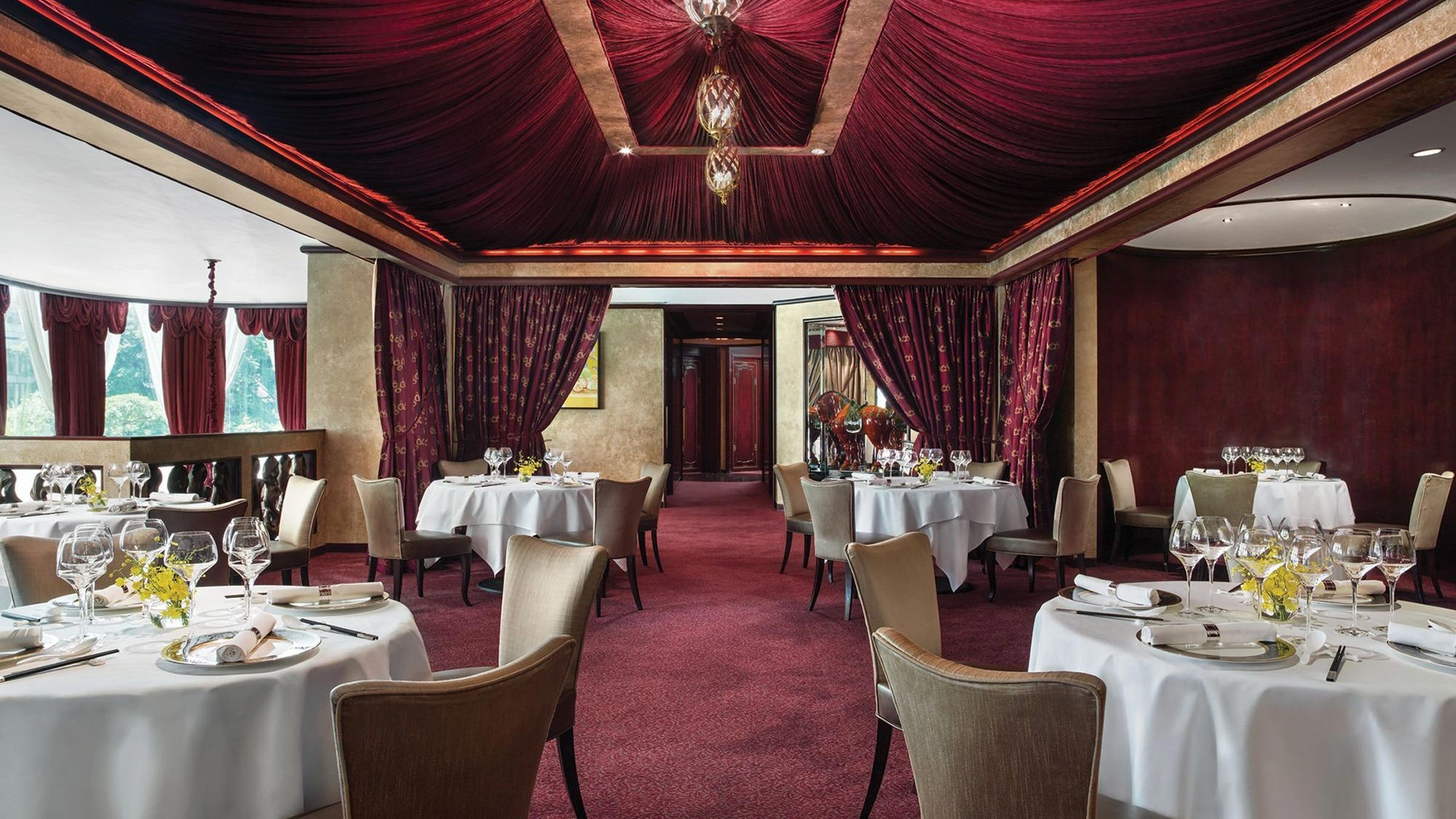
Hotels in Hong Kong
All hotels in Hong Kong →

Wineries in Hong Kong
All wineries in Hong Kong →
Details
- Classic
- Elegant
- Cozy
- Family
- Group Dining
- Special Occasion
- Open Kitchen
- A La Carte
- Vegetarian Friendly
Current opening hours
- Monday
- 10:30 AM–3 PM, 5:45–10:30 PM
- Tuesday
- 10:30 AM–3 PM, 5:45–10:30 PM
- Wednesday
- 10:30 AM–3 PM, 5:45–10:30 PM
- Thursday
- 10:30 AM–3 PM, 5:45–10:30 PM
- Friday
- 10:30 AM–3 PM, 5:45–10:30 PM
- Saturday
- 10:30 AM–3 PM, 5:45–10:30 PM
- Sunday
- 10:30 AM–3 PM, 5:45–10:30 PM
Hours can change for holidays and private events. Hours as of .
Nostalgic Chinese-style interior with red lanterns, tasteful modern decor, large spaced tables creating a relaxed up-market feel.