
Michelin Bib Gourmand
Our verdict
Yue Kee has held consecutive Michelin Bib Gourmand recognition in 2024 and 2025, placing it among Hong Kong's most consistently decorated value-tier Cantonese kitchens. Located in Ting Kau, well outside the city's central dining corridors, it draws visitors willing to travel for roast goose prepared in a tradition that central Hong Kong's tourist-facing restaurants rarely replicate at this price point. Budget sits at mid-range, and planning ahead is advisable.

Pearl is the En Primeur Club membership app, where members save venues, book tables and use the concierge.
Getting There Is Part of the Decision
Hong Kong's Michelin map is not evenly distributed. The starred and Bib Gourmand addresses that attract the most attention tend to cluster in Wan Chai, Central, Tsim Sha Tsui, and Mong Kok, where foot traffic, hotel proximity, and media visibility reinforce each other. Yue Kee operates outside that logic entirely. Its address on Sham Hong Road in Ting Kau, in the New Territories, sits far enough from the MTR network that reaching it requires either a bus, a taxi, or a deliberate combination of transit decisions. That friction is, in a sense, the first thing to plan around.
This is not unusual for the Bib Gourmand category across Asia. Some of the most closely watched value-tier Cantonese kitchens earn recognition precisely because they are not optimised for convenience. The distance from central Hong Kong reduces the walk-in tourist traffic that shapes how many urban restaurants behave, and it tends to concentrate the dining room with local regulars and visitors who have done the research. For Yue Kee, that geographic position reinforces the identity the Michelin inspectors have returned to recognise in both 2024 and 2025.
What the Bib Gourmand Recognition Actually Signals
The Bib Gourmand designation is Michelin's marker for quality cooking at a price point below the starred tiers. It is distinct from a star in that it does not require the same level of service structure or formal dining architecture, but it applies the same scrutiny to what arrives on the plate. A venue that holds consecutive Bib Gourmand designations, as Yue Kee did across 2024 and 2025, has passed inspection in back-to-back cycles, which is the Michelin process's way of confirming consistency rather than a single good year.
Within the Cantonese category, this matters for a specific reason. Cantonese roast-focused restaurants are among the most common restaurant types in Hong Kong, and the gap between a well-regarded neighbourhood roast house and a Michelin-recognised one is often invisible from the outside. The Bib Gourmand functions as a filter: it identifies the addresses where technique and sourcing have been validated, not just the ones with long queues or strong word of mouth. At the $$ price range Yue Kee occupies, it sits in a different tier from the full-service Cantonese institutions. Compare it to the starred rooms that define the upper end of Hong Kong Cantonese dining: Lung King Heen, Lai Ching Heen, T'ang Court, and Rùn, and the price differential is substantial. These are restaurants where a table for two can clear HKD 2,000 without difficulty, where booking windows extend weeks out, and where service protocols carry their own weight. Yue Kee operates in the category below, where the cooking does the credential work without the surrounding formality.
The Cantonese Roast Tradition at This Price Point
Roast goose is the reference dish for this category of Cantonese cooking, and Hong Kong has long been the region where its preparation is taken most seriously. The tradition involves specific breeds, wood-fired or oven technique, marinating protocols, and an understanding of when the bird is ready. It is a technique-heavy category where the difference between a competent kitchen and a recognised one is measurable in the quality of the skin, the fat render, and the balance of the marinade.
At the value tier, the accessible entry point is part of the proposition. Cantonese roast kitchens at the Bib Gourmand level offer cooking that is held to a standard comparable to much more expensive addresses, but without the tasting-menu format or extensive wine program that drives up the average spend at places like Forum or the starred rooms listed above. For visitors who want to cross-reference how this tradition travels, the same discipline of Cantonese technique shows up in very different price and format contexts across the region, from Jade Dragon in Macau to Summer Pavilion in Singapore. Yue Kee sits at the accessible end of that spectrum without sacrificing what earned the recognition in the first place.
Planning a Visit: What to Know Before You Go
The logistics of a Yue Kee visit deserve more attention than the average central Hong Kong dinner. Ting Kau is accessible from the city, but the journey requires planning. Taxi is the simplest approach from Tsuen Wan or nearby MTR stations. Bus routes connect the area but require familiarity with the New Territories network. Building this into an itinerary that includes other New Territories stops, or framing it as a half-day trip rather than a quick dinner slot, tends to produce a more relaxed experience than arriving after a rushed transit.
On timing: roast-focused restaurants in this category frequently sell through their stock before service ends, particularly for high-demand items like whole roast goose. Arriving early in the service window, rather than at peak or late, is the practical approach for any Cantonese roast kitchen operating at this recognition level. This applies across the category, not just to Yue Kee specifically, but the distance involved makes arriving to find the key items gone a more costly error here than it would be at a central-Hong Kong address where alternatives are within a short walk.
The address, 9 Sham Hong Road, Ting Kau, is confirmed.
Reservations: Booking ahead is strongly recommended given the travel distance; confirm method directly with the restaurant. Budget: Mid-range ($$), positioning this as one of Hong Kong's more accessible Michelin-recognised Cantonese addresses. Getting there: Taxi from Tsuen Wan MTR is the most direct option; the Ting Kau location is not walkable from major transit hubs. Leading timing: Early in service to maximise availability of roast items.
Yue Kee in the Wider Cantonese Context
For visitors building a broader picture of Cantonese cooking across the region, the contrast between Yue Kee's format and the starred Cantonese rooms elsewhere is instructive. The fine-dining end of the spectrum, represented by addresses like Chef Tam's Seasons in Macau and Le Palais in Taipei, treats Cantonese technique as the foundation for elaborately constructed tasting menus with formal service. At the other end, kitchens like Yue Kee represent the tradition in a more direct form, where the cooking is the entire proposition and the setting is incidental. In Shanghai, the equivalent value-tier Cantonese addresses include 102 House, Bao Li Xuan, Canton 8 (Huangpu), and Imperial Treasure Fine Chinese Cuisine, all operating in a city where the demand for authentic Cantonese technique outside Guangdong has created a distinct secondary market. None of those addresses replicate the specific Ting Kau context, which remains particular to Hong Kong's geography and the New Territories' relationship with traditional cooking practices.
For a complete picture of where Yue Kee fits within Hong Kong's broader dining, drinking, and hospitality scene, see our full Hong Kong restaurants guide, our full Hong Kong hotels guide, our full Hong Kong bars guide, our full Hong Kong wineries guide, and our full Hong Kong experiences guide.
Frequently asked questions
What's the must-try dish at Yue Kee?
Price and Recognition
| Venue | Cuisine | Price | Awards | Notes |
|---|---|---|---|---|
| Yue KeeThis venue (the venue you are viewing) | Cantonese Roast Goose | $20–30 | Michelin Bib Gourmand | Not listed |
| 8 1/2 Otto e Mezzo Bombana (Hong Kong) | 3 Michelin-Star Italian Fine Dining | $200–300 | 3 Michelin Stars · World's 50 Best #94 | Italian |
| Ta Vie | Modern French-Japanese Fine Dining | $300–500 | 3 Michelin Stars · World's 50 Best #68 | Japanese - French, Innovative |
| Caprice | Contemporary French Fine Dining | $200–300 | 3 Michelin Stars · World's 50 Best #35 | French, French Contemporary |
| Feuille | Modern Vegetable-Forward French | $200–300 | 1 Michelin Star · World's 50 Best #93 | French Contemporary |
| Neighborhood | Modern French with Asian Influences | $50–100 | 1 Michelin Star · World's 50 Best #24 | International, European Contemporary |
Recognition history
Dated appearances from independent guides and award organizations, with the underlying list record or original source where available.
Michelin Bib Gourmand
Michelin
Full recognition history (3 entries)
Michelin Bib Gourmand
Michelin
Michelin Bib Gourmand
Michelin
Continue exploring
More in Hong Kong
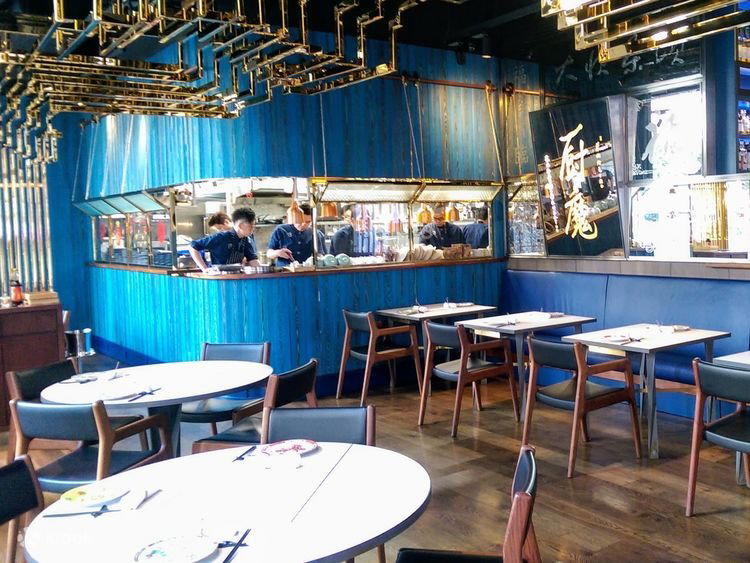
Restaurants in Hong Kong
All restaurants in Hong Kong →
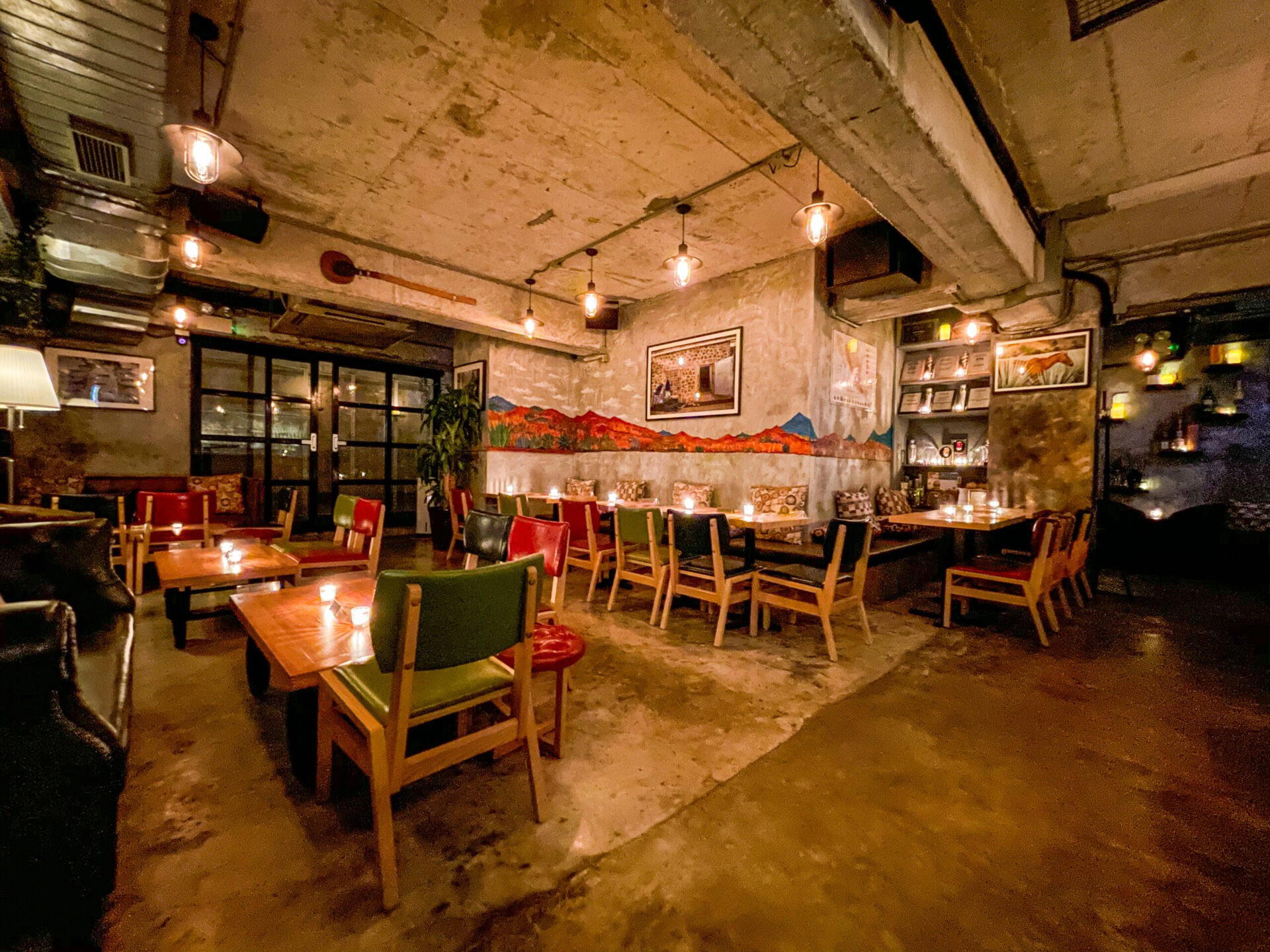
Bars in Hong Kong
All bars in Hong Kong →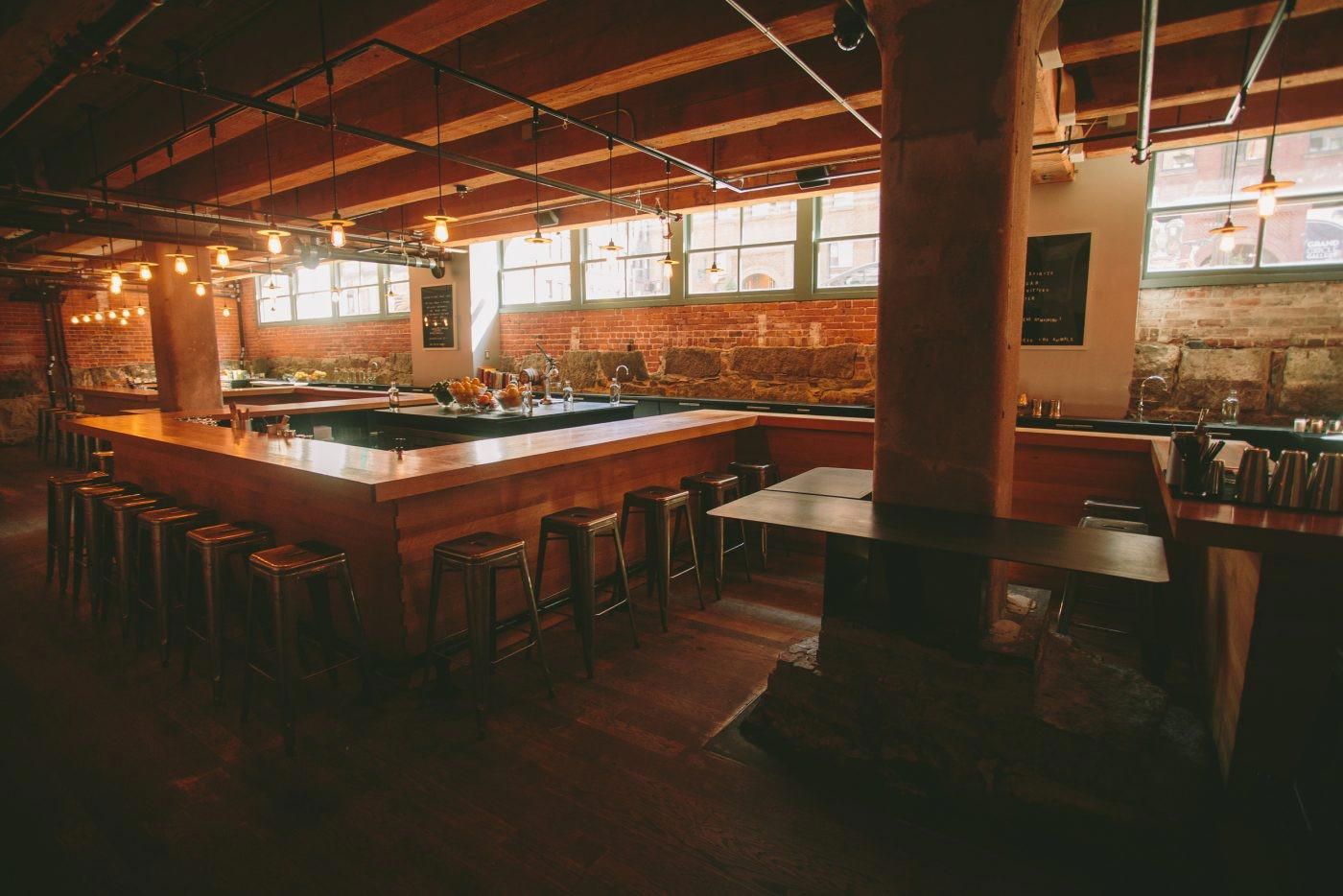
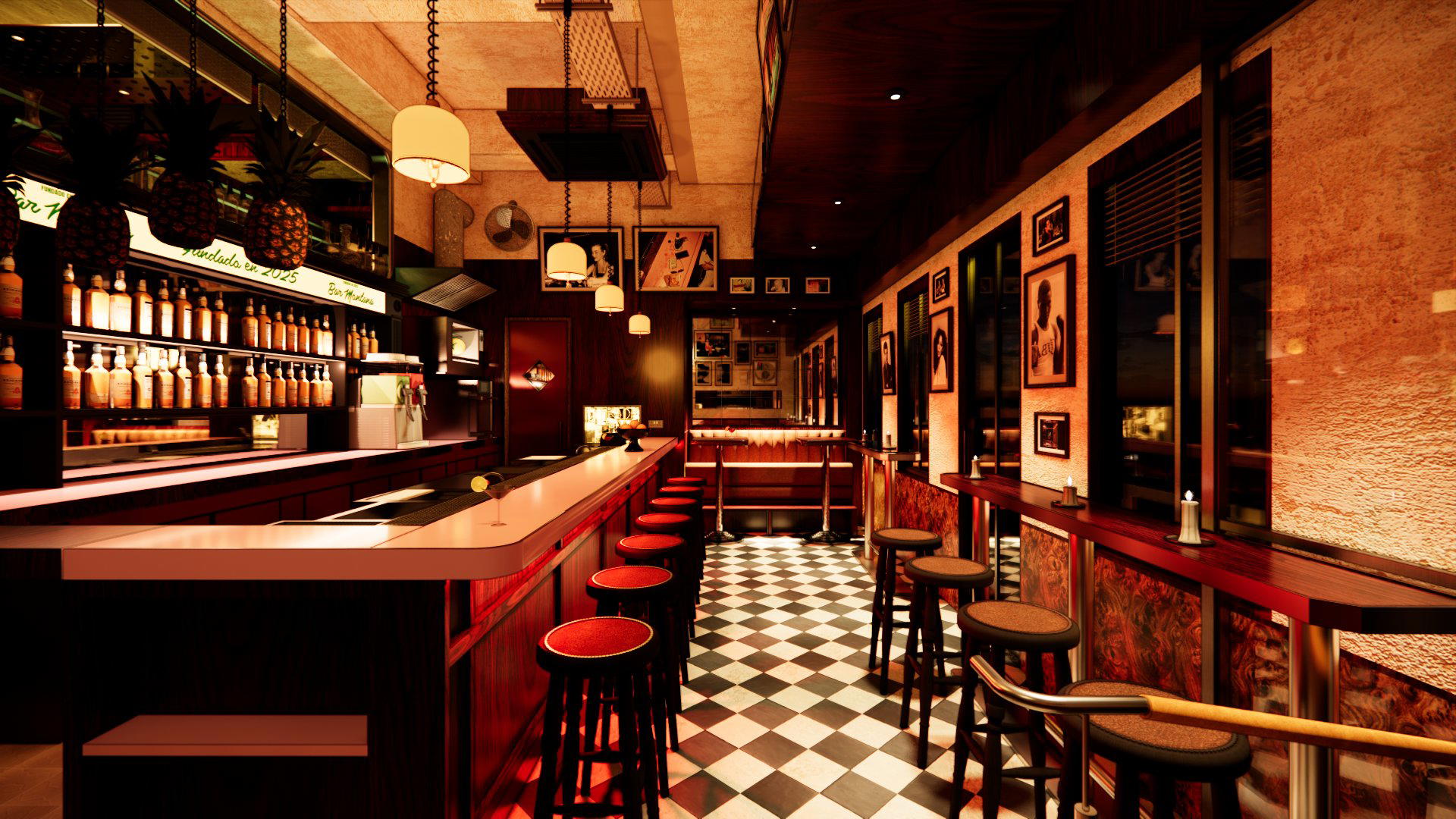
Hotels in Hong Kong
All hotels in Hong Kong →
Wineries in Hong Kong
All wineries in Hong Kong →
Details
- Classic
- Well Known
- Family
- Group Dining
- Standalone
- A La Carte
Current opening hours
- Monday
- 11:30 AM–10 PM
- Tuesday
- 11:30 AM–10 PM
- Wednesday
- 11:30 AM–10 PM
- Thursday
- 11:30 AM–10 PM
- Friday
- 11:30 AM–10 PM
- Saturday
- 11:30 AM–10 PM
- Sunday
- 11:30 AM–10 PM
Hours can change for holidays and private events. Hours as of .
Typical older Chinese restaurant with large seating area including many cubicles, unpretentious and rustic suburban atmosphere.