Tadashi
Our verdict
Tadashi operates in Bee Cave, Texas, a Hill Country suburb where thoughtful sourcing and precise technique are increasingly redefining what suburban dining can mean. Positioned along Hill Country Blvd, the restaurant sits within a dining scene that rewards those willing to look beyond Austin's more publicized corridors. For travelers and locals who track where ingredients originate, Tadashi warrants attention.

Pearl is the En Primeur Club membership app — saves, bookings, and concierge access live there. Same editors, same standards.
- Address
- 12820 Hill Country Blvd E-105, Bee Cave, TX 78738
- Phone
- (512) 263-3200
- Hours
- Mon–Thu 11 AM–9 PMFri 11 AM–9:30 PMSat 12–9:30 PMSun 12–9 PM
- Website
- tadashiaustin.com
- Directions
- Get directions
- Booking
- Book on the venue's website
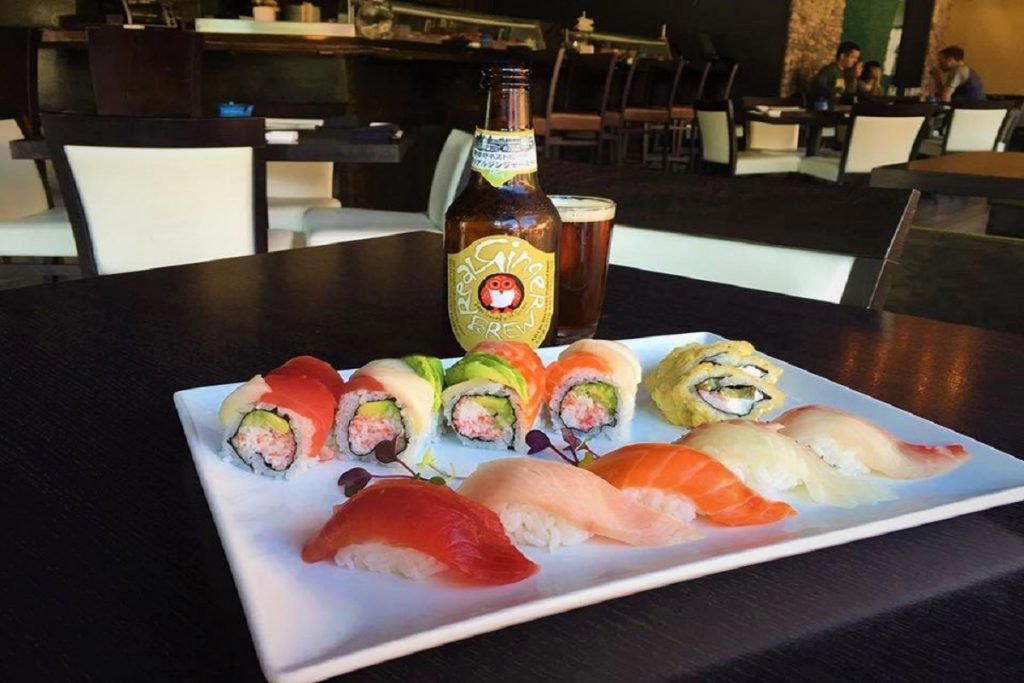
Hill Country's Quiet Sourcing Argument
Suburban dining in Central Texas has long played second fiddle to Austin's Inner Loop and East Side corridors, where press attention concentrates and reservation queues form overnight. But the Hill Country stretch west of Austin — running through Bee Cave and beyond — has been building a quieter, more deliberate dining identity. The restaurants that have taken root here tend to operate with fewer walk-in crowds and more considered programs, partly because the audience skews toward residents who eat out regularly and expect consistency over novelty. Tadashi, located at 12820 Hill Country Blvd in Bee Cave's retail strip, belongs to this less-heralded tier of the greater Austin dining map. See our full Bee Cave restaurants guide for the broader picture of where this suburb fits within the region's dining geography.
What the Setting Tells You Before You Sit Down
Strip-mall addresses carry a stigma in American fine dining that is, frankly, often unearned. Some of the most technically serious Japanese restaurants in California and Texas have operated out of suburban retail centers for decades, a function of rent economics and proximity to residential density rather than any signal about what arrives on the plate. The approach to Tadashi follows this pattern: a commercial corridor exterior gives way to whatever interior decisions define the space's register. In Hill Country suburban dining, the room tends to prioritize calm over atmosphere theater, which aligns with a sourcing-forward approach where the food itself is expected to anchor attention.
This contrasts sharply with the experiential layering you find at destination restaurants like Lazy Bear in San Francisco or Alinea in Chicago, where the physical environment is constructed as part of the editorial argument the meal makes. In Bee Cave, the argument tends to be made more quietly, through what's sourced and how it's handled.
Ingredient Sourcing and Why Geography Matters Here
Central Texas sits at a productive intersection for ingredient sourcing. The Hill Country's ranching tradition means that domestic proteins, beef, lamb, heritage pork, are available from producers within a short radius. The region's farmers markets, including those in Austin's surrounding counties, have expanded significantly over the past decade, adding pressure on local restaurants to engage more directly with seasonal supply chains. For a restaurant operating in Bee Cave, the proximity to these networks represents an opportunity that urban restaurants in denser markets don't always have: the ability to build supplier relationships based on geography rather than logistics contracts.
The broader American farm-to-table movement has bifurcated in recent years. On one side, you have restaurants like Blue Hill at Stone Barns in Tarrytown and Single Thread Farm in Healdsburg, where the sourcing infrastructure is vertically integrated and the farm is literally part of the restaurant's identity. On the other, you have the far larger cohort of independent restaurants that source regionally without owning the supply chain, making daily and weekly decisions about what's available, what's at peak, and what aligns with their cooking vocabulary. The latter model is how most serious suburban American restaurants operate, and it demands a different kind of discipline: knowing the region's producers well enough to build a menu around availability rather than ambition.
Restaurants built around this model appear across the country's serious dining circuit, from Bacchanalia in Atlanta to Frasca Food & Wine in Boulder, and what they share is a commitment to letting the sourcing decision precede the menu decision, rather than the reverse. When that discipline holds, the food tends to be more seasonal, more variable, and more interesting than menus engineered for year-round consistency.
Positioning Within the Regional Scene
The greater Austin dining map has attracted national attention through a handful of high-profile openings and the city's general reputation for food culture. But the suburbs west of Austin are a different proposition. Bee Cave's dining scene is shaped by a residential base that includes a significant proportion of professionals and families with disposable income and regular dining habits, a demographic that in other markets has supported the kind of mid-to-upper-tier independent restaurant that Tadashi appears to represent.
For comparison, consider how similar suburban corridors around Denver have produced restaurants like Brutø in Denver, or how coastal suburbs have supported technically serious programs at addresses that wouldn't register on a tourist's itinerary. The pattern is consistent: proximity to an affluent residential base, lower rent than urban cores, and an audience that returns regularly rather than chasing novelty. These conditions can be more conducive to serious cooking than the high-pressure, high-turnover environments of city center dining districts.
Other anchors in the premium American dining circuit, from Le Bernardin in New York City to The French Laundry in Napa and Providence in Los Angeles, operate in destination contexts where the address itself is part of the draw. Suburban restaurants like Tadashi compete on entirely different terms: frequency of visit, consistency of execution, and the quality of the relationship between kitchen and local supply chain.
Within Bee Cave specifically, the competitive set for a restaurant with serious culinary intentions is relatively thin, which cuts both ways. There is less direct competition, but also less of the critical ecosystem, food press, peer restaurants, informed regulars who cross-compare, that tends to sharpen a kitchen's output over time. The isolation that suburban Texas can impose on a serious restaurant is a real constraint. It's a pattern visible in other markets where individual restaurants operate without the reinforcing infrastructure of a broader dining scene: places like The Inn at Little Washington have demonstrated that geographic remove doesn't preclude serious recognition, but it requires a different kind of internal discipline to maintain standards without external pressure.
Internationally oriented sourcing programs, such as those at ITAMAE in Miami or Atomix in New York City, show what's possible when a kitchen builds its identity explicitly around ingredient origin, using provenance as an editorial frame that runs through the entire dining experience. Whether Tadashi operates with that level of sourcing intentionality isn't confirmed by available data, but the Hill Country context makes it a plausible and productive frame for understanding what the restaurant is doing and why it matters to Bee Cave's dining ecology. For a broader reference point on how sourcing philosophy shapes restaurant identity at the highest level, Addison in San Diego and Causa in Washington, D.C. offer useful comparisons across different ingredient traditions.
Planning a Visit
Tadashi is located at 12820 Hill Country Blvd, Suite E-105, in Bee Cave, Texas 78738. The Hill Country Blvd corridor is accessible by car from central Austin in roughly 25 to 30 minutes depending on traffic on TX-71 West. Dress expectations in Bee Cave suburban dining generally fall toward smart casual, though confirming the house standard is worth doing for first-time visits.
Frequently asked questions
Is Tadashi a family-friendly restaurant?
Tadashi's address at 12820 Hill Country Blvd in Bee Cave puts it in a suburban corridor that draws a broad local demographic, including families. That said, the restaurant's positioning within the regional scene suggests a more deliberate dining pace than a casual family chain. Younger children may find the format less suited to their needs, though older kids with an interest in food will likely be comfortable.
Is Tadashi better for a quiet night or a lively one?
Bee Cave's dining scene skews toward composed, suburban-paced evenings rather than the high-energy atmosphere of Austin's East Side corridors. Tadashi, operating in Suite E-105 along Hill Country Blvd, fits that quieter register. It's the kind of address that rewards a deliberate, unhurried visit over a spontaneous late-night outing.
How does Tadashi compare to Austin's Japanese restaurant scene?
Tadashi operates in Bee Cave rather than within Austin's Inner Loop or East Side, which concentrates press attention and foot traffic. That geographic separation means it functions as a regional alternative for Hill Country residents who would otherwise drive into the city for serious Japanese cooking. Within Bee Cave specifically, the competitive set for this style of cuisine is thin, which gives Tadashi a distinct position in the 78738 zip code.
What's the signature dish at Tadashi?
What the body of reporting on this Bee Cave address does suggest is an emphasis on ingredient sourcing rooted in Central Texas's ranching and agricultural geography. Contacting Tadashi directly at 12820 Hill Country Blvd, Suite E-105, is the most reliable way to get current menu specifics.
Comparison Snapshot
Comparable venues nearby, for context on price, style, and recognition.
| Venue | Cuisine | Price | Awards | Notes |
|---|---|---|---|---|
| TadashiThis venue — the venue you are viewing | Modern Japanese Sushi | $30–50 | Not listed | Not listed |
| Kappo Kappo | French Japanese Omakase | Not listed | Wine Spectator Best of Award of Excellence | Downtown |
| Neighborhood Sushi | Modern Japanese Sushi | $50–100 | Not listed | South River City |
| Uchibā Austin | Modern Japanese Izakaya | $50–100 | Not listed | Market District |
| Chicon | Modern American Gastropub | Not listed | Not listed | East Austin |
| Manpuku Japanese BBQ Dallas | Japanese Yakiniku BBQ | $50–100 | Not listed | Belmont |
Continue exploring
More in Bee Cave
Restaurants in Bee Cave
Browse all →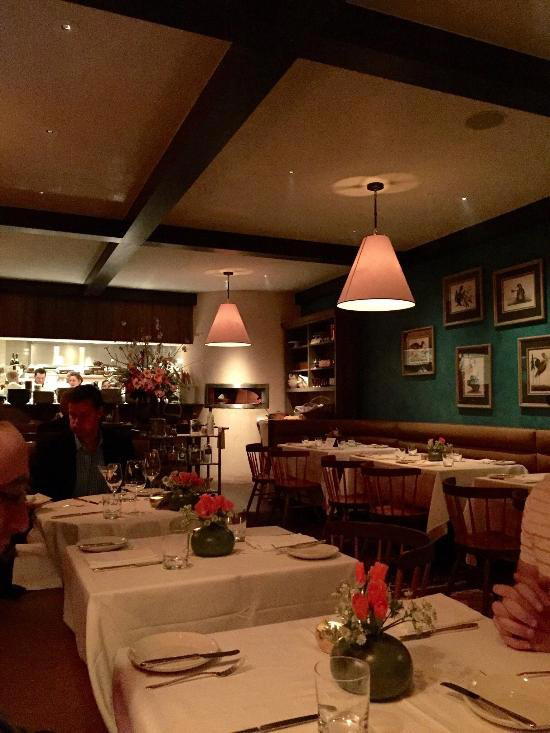
Bars in Bee Cave
Browse all →
Hotels in Bee Cave
Browse all →
Details
- Modern
- Trendy
- Date Night
- Business Dinner
- Open Kitchen
- Sake Program
- Local Sourcing
- A La Carte
- Omakase
- Vegetarian Friendly
Current opening hours
- Monday
- 11 AM–9 PM
- Tuesday
- 11 AM–9 PM
- Wednesday
- 11 AM–9 PM
- Thursday
- 11 AM–9 PM
- Friday
- 11 AM–9:30 PM
- Saturday
- 12–9:30 PM
- Sunday
- 12–9 PM
Hours can change for holidays and private events. Last verified .
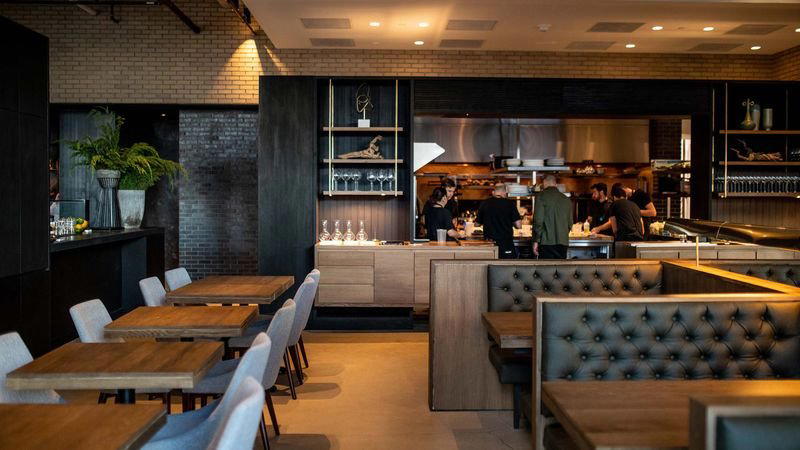
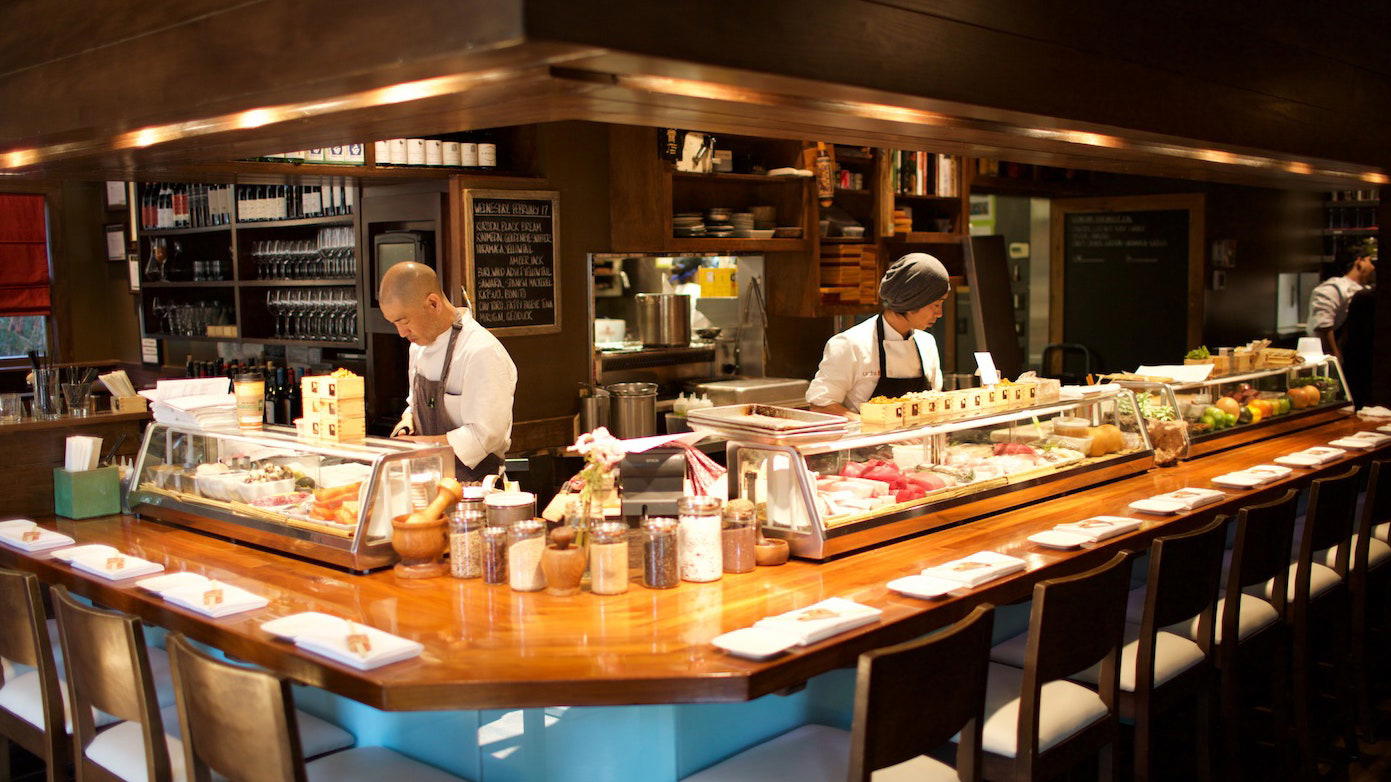
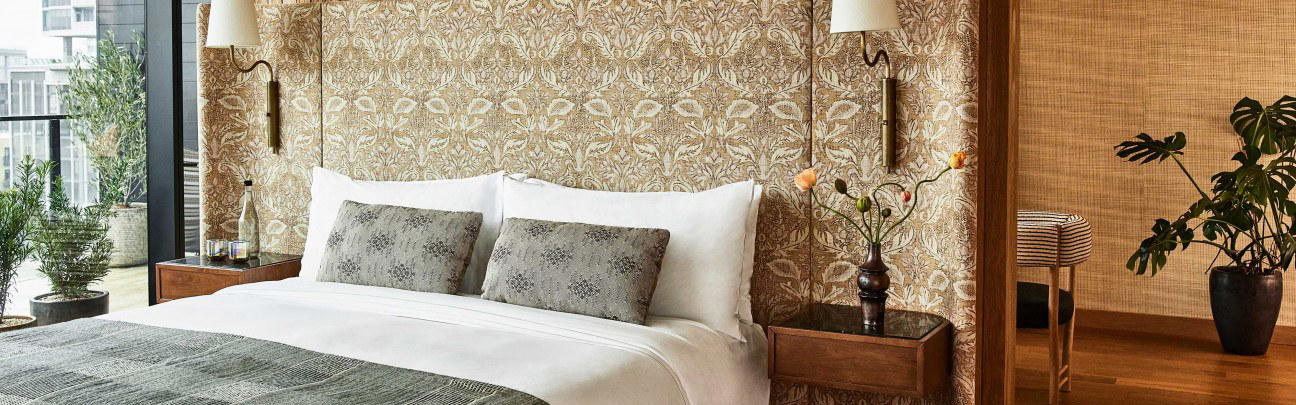
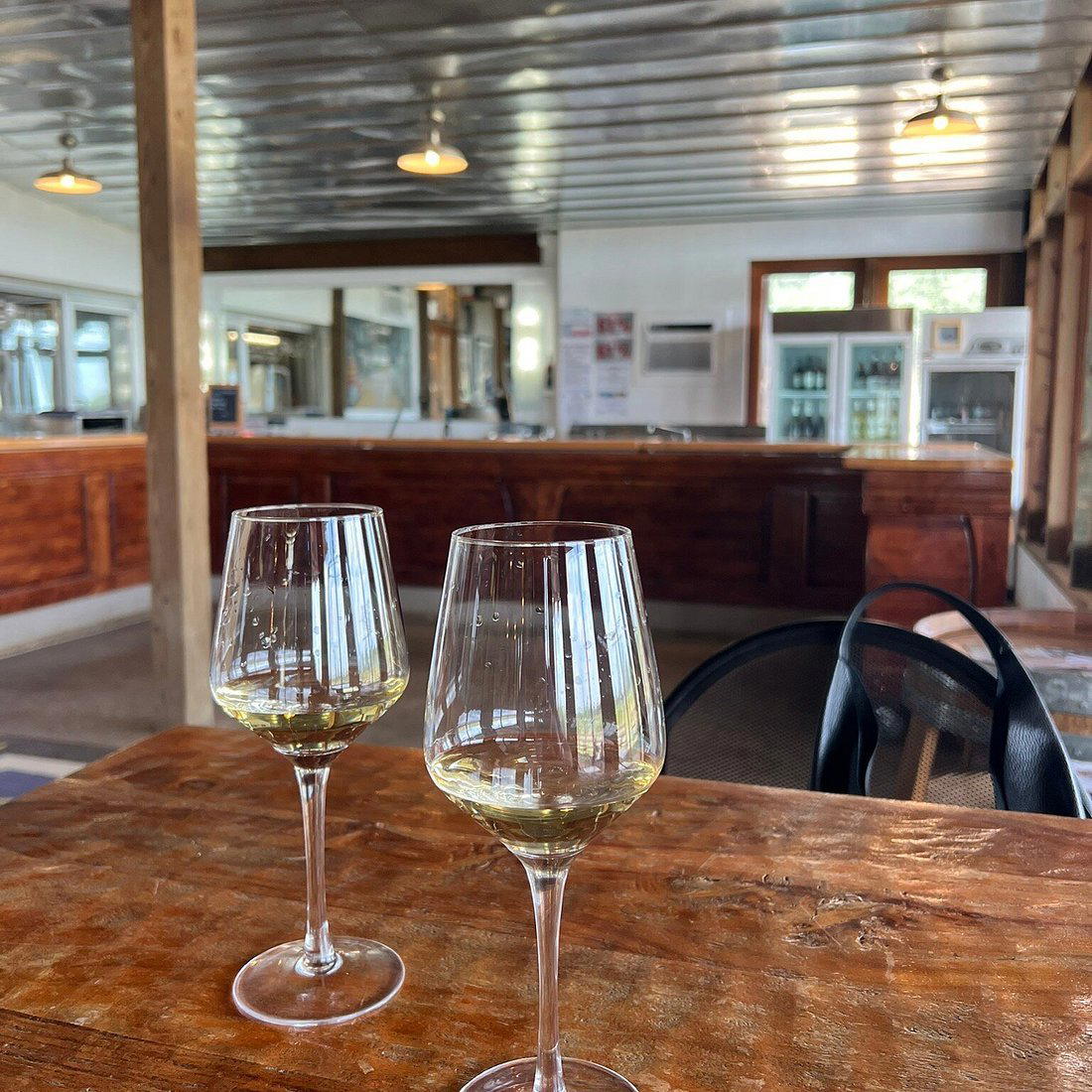
Cool, modern interior with a warm, inviting atmosphere.