Hotel San José

On South Congress Avenue, Hotel San José occupies a converted 1930s motor court that helped define Austin's low-key, design-conscious hospitality identity. The property trades in spare Texas modernism: concrete, native plants, and open-air corridors that blur the line between inside and out. It sits in a comparable set of independent Austin hotels that prize atmosphere over amenity count.
Pearl is the En Primeur Club membership app — saves, bookings, and concierge access live there. Same editors, same standards.
- Address
- 1316 S Congress Ave, Austin, TX 78704
- Phone
- +1 512 852 2350
- Website
- hyatt.com
- Directions
- Get directions
 Saves & bookings on Pearl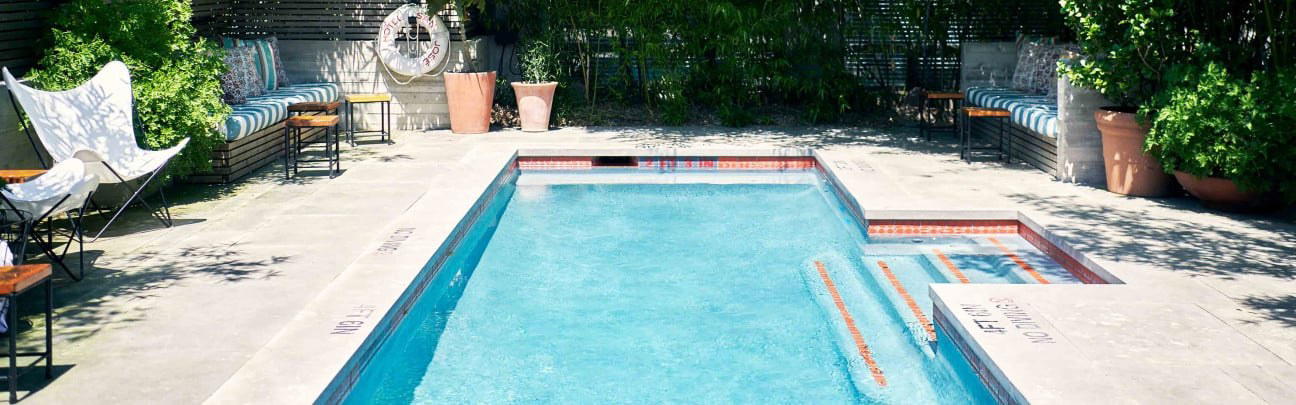
South Congress and the Architecture of Restraint
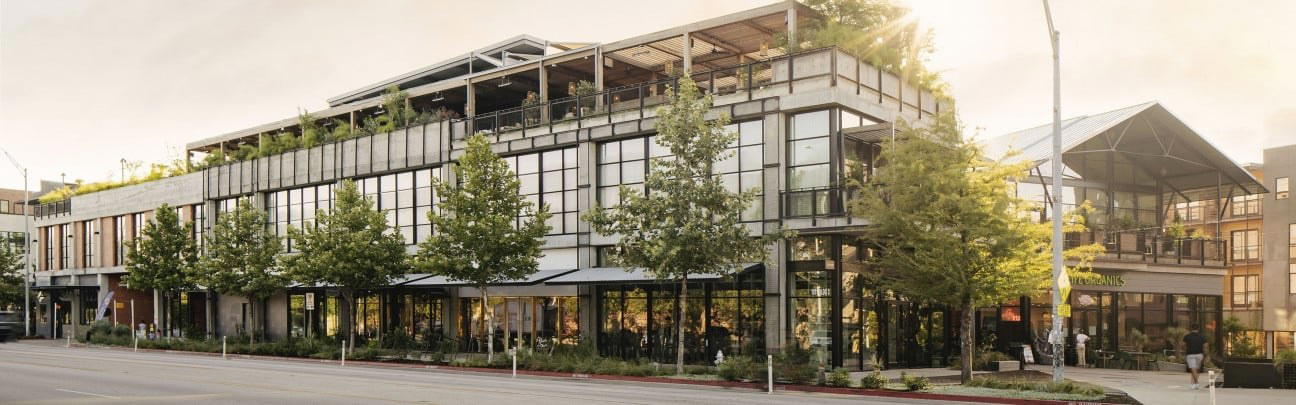
South Congress Avenue has a particular character that national hotel brands have struggled to replicate: a walkable strip where vintage shops, taquerias, and live music venues coexist without much apparent curation. Hotel San José, at 1316 S Congress Ave, is a 4-star hotel in Austin with 40 rooms, and it is in many ways responsible for shaping that character. When the 1930s motor court was converted into a boutique hotel in the late 1990s, the South Congress corridor was still rough-edged and undervalued. The property's bet on spare, design-led hospitality, rather than the full-service amenities that then defined Austin's hotel market, turned out to be an early signal of where independent lodging in mid-sized American cities was heading.
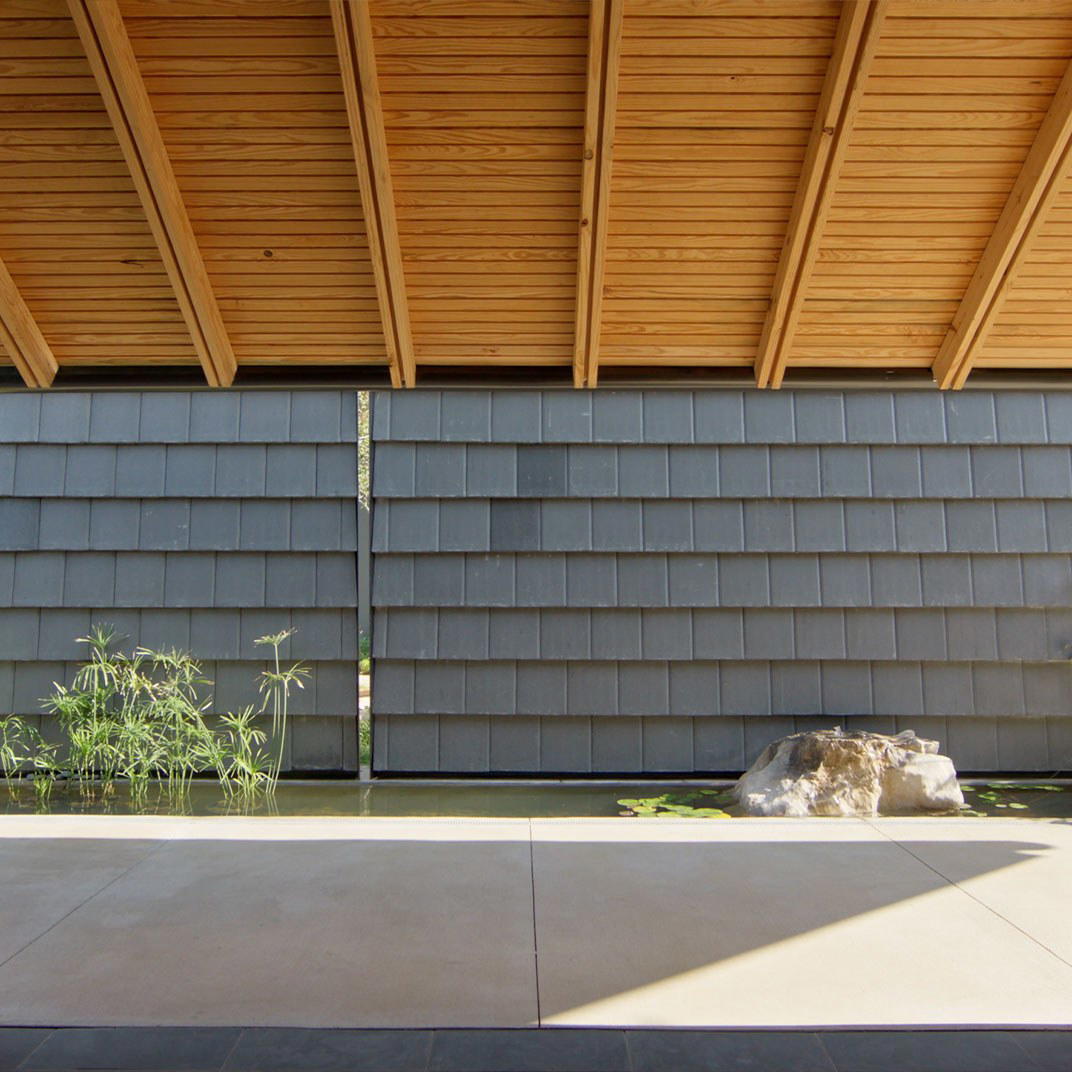
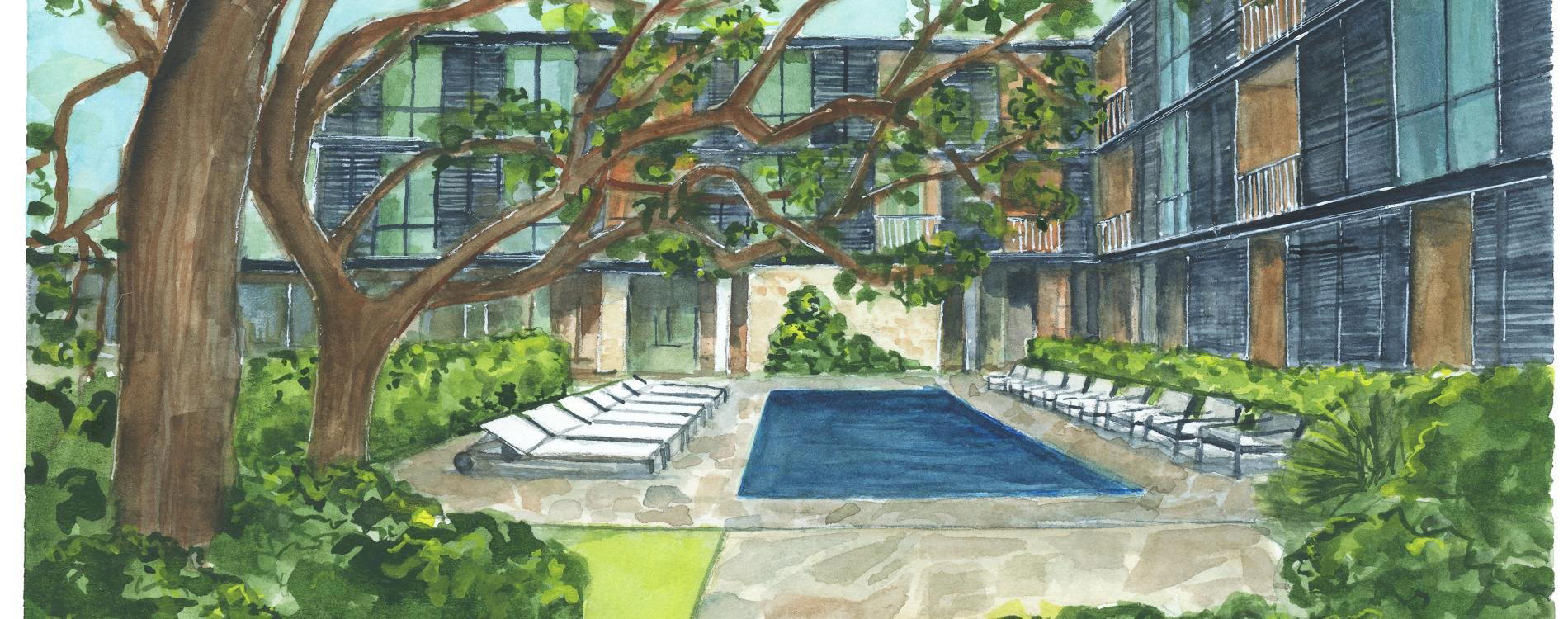
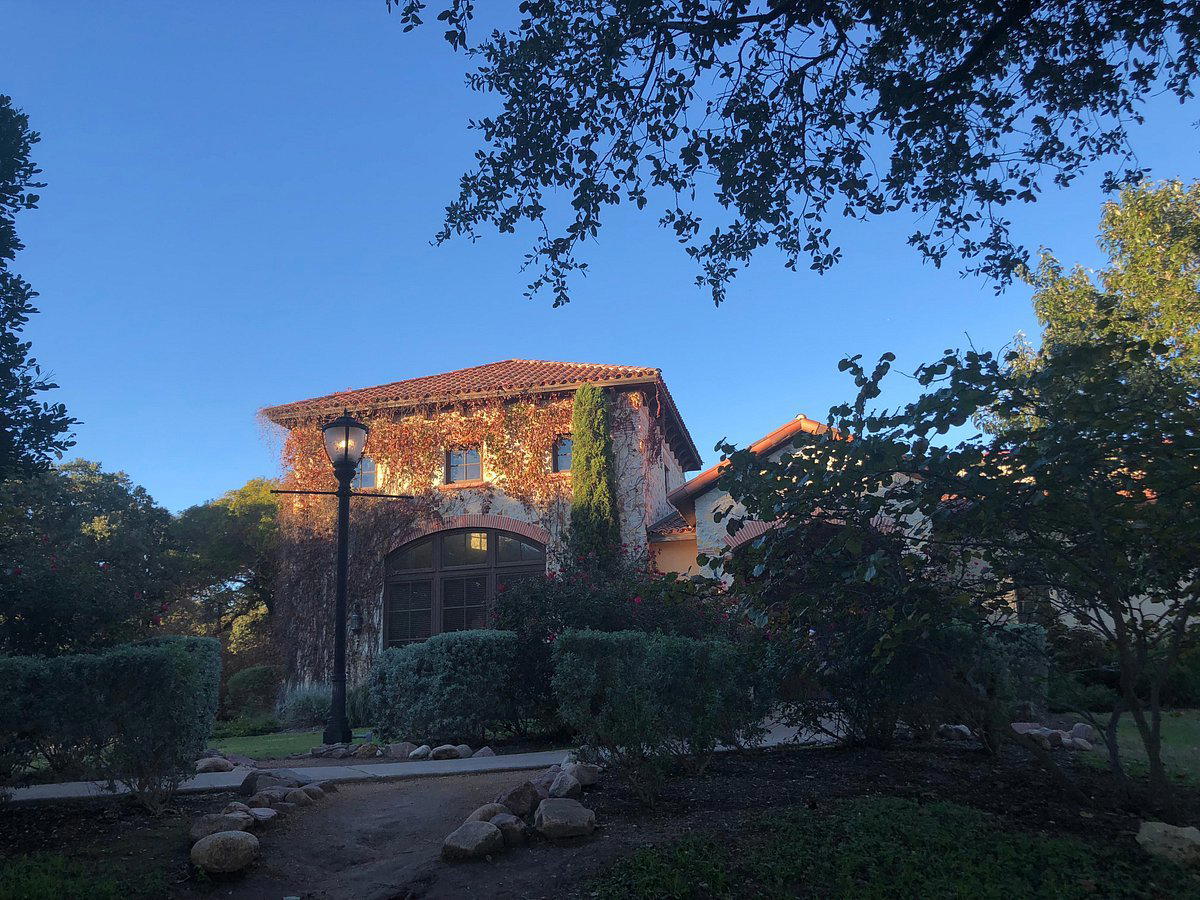
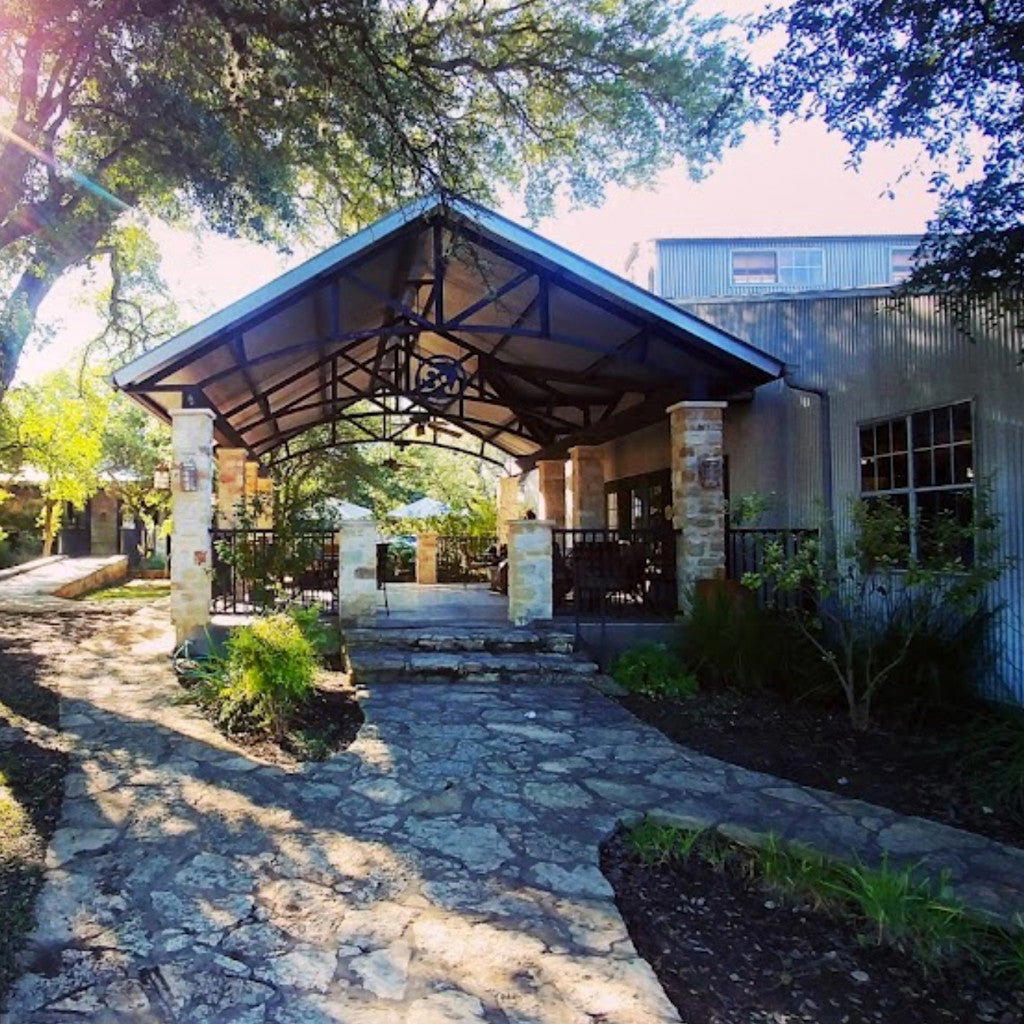
The design logic here belongs to a recognizable Southwest modernist register: low-slung buildings arranged around a central courtyard, exposed concrete, gravel pathways, and plantings that lean native rather than tropical. That approach places San José in a broader tradition of adaptive reuse hotels that treat the original structure as an asset rather than a constraint. Compare it to properties like Troutbeck in Amenia, where a historic farm compound anchors the guest experience, or Post Ranch Inn in Big Sur, where architecture responds to landscape rather than overriding it. San José belongs to that instinct: the building does not announce itself.
What the Motor Court Format Does for the Guest Experience
The motor court typology is worth understanding on its own terms. It predates the corridor hotel as the dominant American lodging format, and it produces a different spatial experience: rooms open directly onto exterior walkways or courtyard gardens rather than interior hallways. That layout privileges natural light and outdoor circulation over the privacy and sound insulation of a conventional hotel floor plan. At San José, the tradeoff is conscious, guests who book here are implicitly choosing atmosphere over acoustic isolation, and the rooms reflect that priorities shift. Spaces tend toward the spare side, with the outdoor areas doing significant work as social and transitional zones.
This places San José in a different competitive tier than Austin's full-service properties. The Fairmont Austin Gold Experience and the Austin Proper Hotel operate in a market defined by amenity stacks and downtown proximity. San José's competitive set is closer to Hotel Saint Cecilia, also a South Austin property with an independently minded design identity, and, to a lesser extent, ARRIVE Austin, which occupies a similar position in terms of scale and programming philosophy.
South Austin as Context
The South Congress address matters more than the zip code suggests. SoCo, as locals abbreviate it, functions as a pedestrian-scale neighborhood anchor in a city that is otherwise dominated by car culture. From the hotel, a guest can walk to a concentration of independent restaurants, record shops, and late-night venues that represent Austin's most coherent neighborhood identity. That walkability is a genuine logistical asset in a city where rideshare distances between neighborhoods can erode an evening. For guests orienting around food and music rather than convention center access, the South Congress location is a material advantage over downtown options.
South Austin's food scene in particular has deepened considerably over the past decade, making the San José location more strategically useful now than when the hotel originally opened.
Where San José Sits Among Austin's Independent Hotels
Austin's independent hotel market has grown more sophisticated and more crowded since San José established its template. The Commodore Perry Estate, Auberge Resorts Collection operates at a higher price point with a formal estate identity. Hotel ZaZa Austin pushes toward maximalist design. Soho House Austin brings a membership-club overlay that changes the social dynamics considerably. The Heywood Hotel occupies a similarly small-footprint, design-conscious niche on the east side.
San José's position is that of the original, which carries both authority and the risk of feeling overtaken by more recent entries. What it retains is the specific South Congress address and the coherence of a property that has not been significantly upsized or rebranded since its original conversion. In an era where boutique hotel groups often expand into mini-chains, that consistency has become its own kind of credential.
For comparison across the broader American independent hotel market, properties like SingleThread Farm Inn in Healdsburg and Sage Lodge in Pray show how design-led small properties anchor to a specific landscape or agricultural identity. San José's equivalent anchor is the South Congress neighborhood itself: the hotel's identity is inseparable from the street.
Planning a Stay
Outside festival season, mid-week availability is generally easier to secure, and the neighborhood is quieter without sacrificing any of its walkability assets.
Guests accustomed to the amenity density of properties like the Four Seasons at The Surf Club in Surfside or Kona Village, A Rosewood Resort in Kailua Kona should calibrate expectations accordingly. San José's format rewards guests who treat the hotel as a base for neighborhood engagement rather than a self-contained resort. The outdoor spaces and the street directly in front of the hotel do considerable social work that an interior lobby might otherwise perform.
In Context: Similar Options
Comparable venues nearby, for context on price, style, and recognition.
| Venue | Cuisine | Price | Awards | Notes |
|---|---|---|---|---|
| Hotel San JoséThis venue — the venue you are viewing | urban bungalow-style with Texas minimalist design | $$$$ | 4-Star | Not listed |
| South Congress Hotel | Boutique hotel designed as the living room of South Congress neighborhood | $$$$ | 4-Star | South River City |
| The Loren Hotel Austin | Urban sanctuary blending modernist architecture, biophilic design, and historic preservation. | $$$$ | 5-Star | Bouldin |
| Frame Hotel - Treehouse | quiet luxury residential retreat | $$$$ | 4-Star | South River City |
| Frame Hotel - SoCo | quiet luxury boutique retreat | $$$$ | 4-Star | South River City |
| Hotel Magdalena | 1970s Texas lakehouse-inspired mass timber boutique | $$$$ | 4-Star | Bouldin |
Recognition history
Dated appearances from independent guides and award organizations, with the underlying list record or original source where available.
Mr & Mrs Smith Smith Seal of Approval
Mr & Mrs Smith
Michelin Selected
Michelin
Continue exploring
More in Austin
Hotels in Austin
Browse all →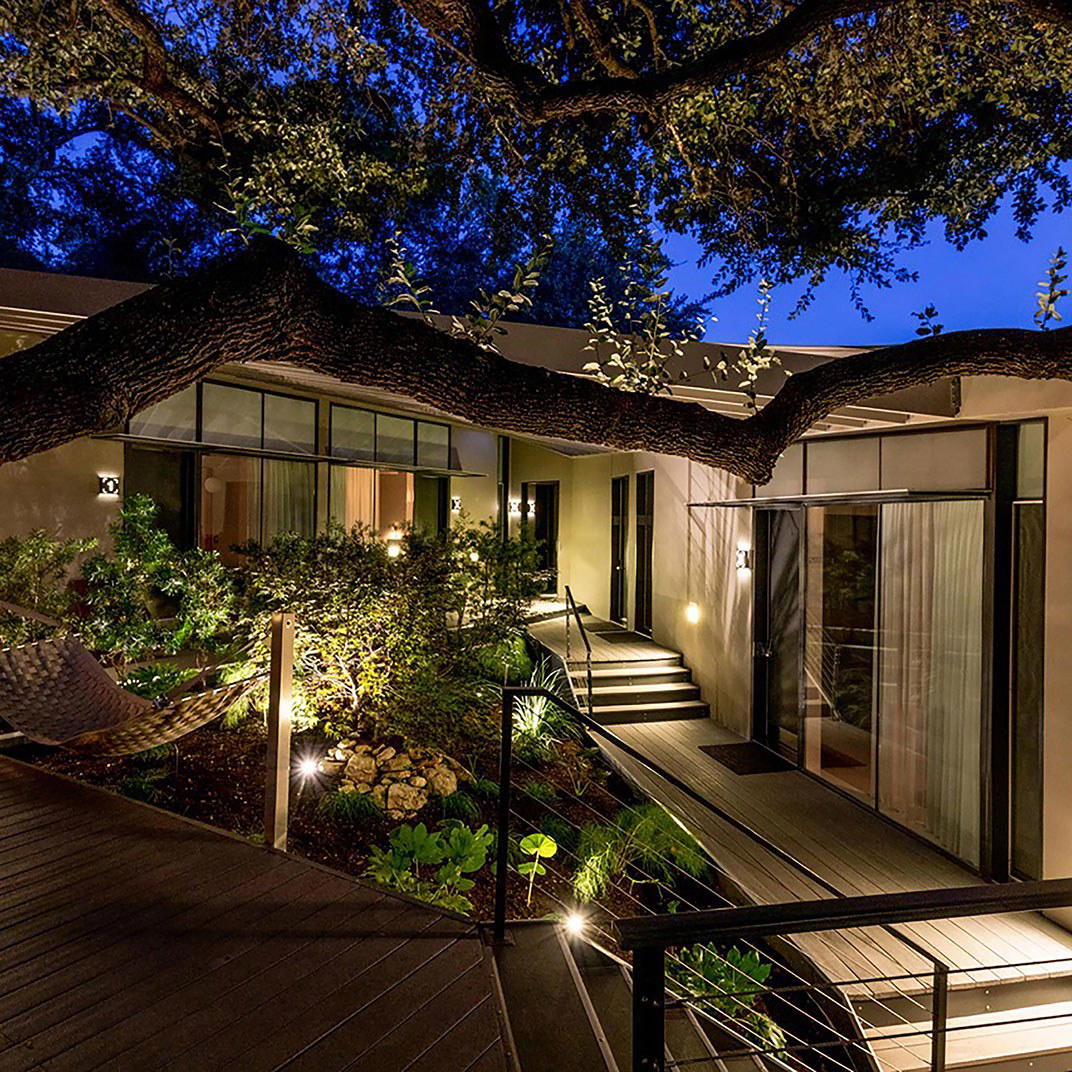
Bars in Austin
Browse all →
Restaurants in Austin
Browse all →
At a Glance
- Minimalist
- Bohemian
- Trendy
- Quiet
- Modern
- Romantic Getaway
- Weekend Escape
- Garden
- Terrace
- Wi Fi
- Pool
- Concierge
- Garden
- Wi Fi
- Pool
- Concierge
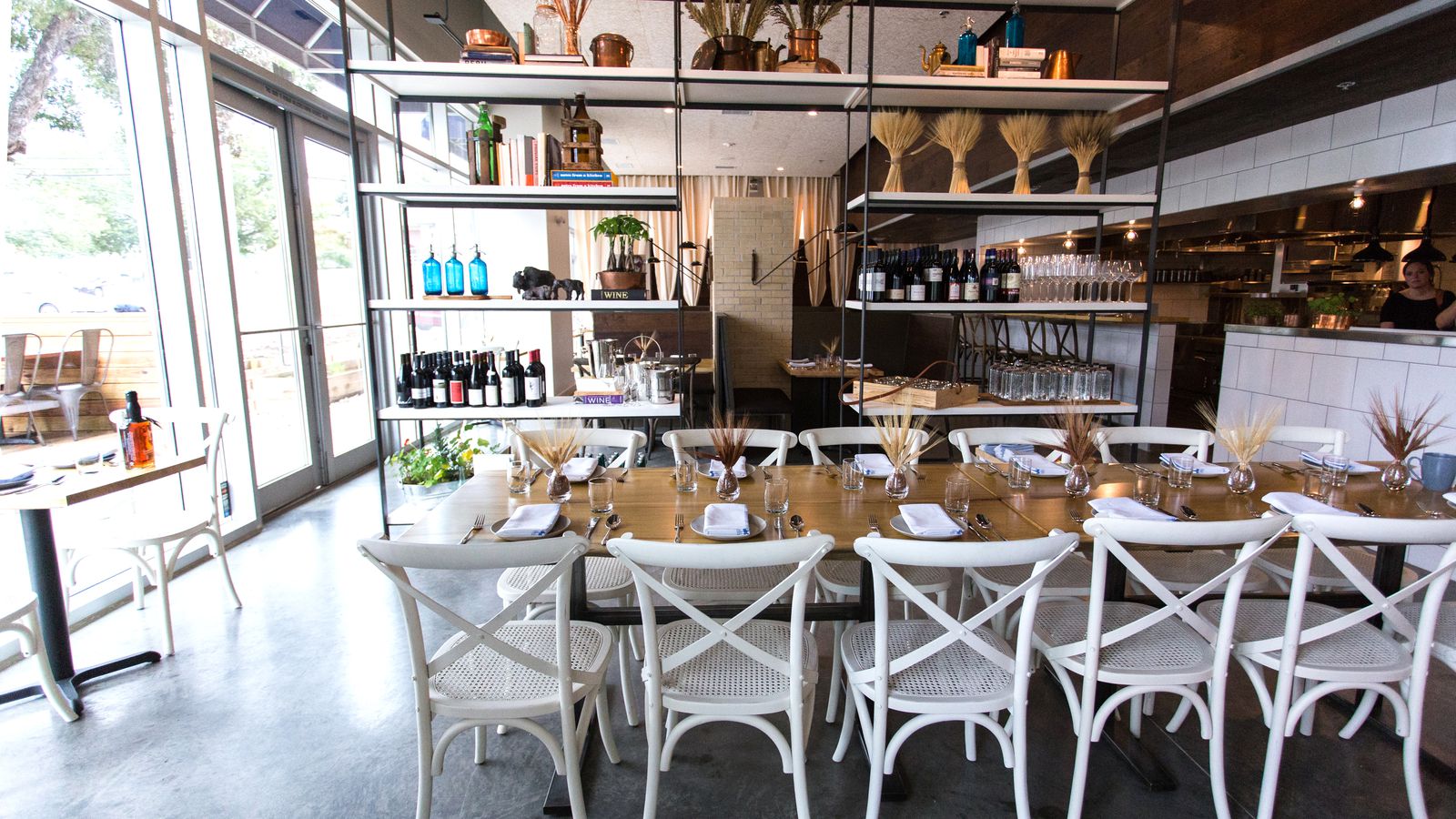
Serene and chilled-out with lush garden courtyards, polished concrete floors, white walls, and natural light filtering through native Texas plants.