Tacos 1986

Star Wine List
Our verdict
On Cornelia Street in the West Village, Tacos 1986 brings a Mexican taqueria format to one of New York's most competitive dining blocks. The menu is built around the structural logic of street taco culture, focused, repetitive, disciplined, rather than the Tex-Mex or refined Mexican modes that dominate the city's middle tier. It reads as a deliberate counter-argument to the idea that Mexican food in New York requires either a tortilla press and a tasting menu or a fluorescent-lit steam table.

Pearl is the En Primeur Club membership app, where members save venues, book tables and use the concierge.

Cornelia Street in the West Village is a short block with a disproportionate reputation. The street has hosted some of New York's more closely watched restaurant openings over the past decade, and the density of serious dining options per square foot makes it an odd but telling location for a taqueria. Walking toward Tacos 1986, the contrast between the surrounding white-tablecloth ambitions of the neighborhood and the counter-service directness of a taco format is itself a kind of editorial statement about where Mexican food sits in New York's dining conversation in the mid-2020s.
New York has long struggled to produce a credible street-taco culture. The city's Mexican dining has historically bifurcated between two poles: ambitious restaurant-grade Mexican with tableside guacamole and long wine lists, and the kind of inexpensive, volume-driven operations that predate any notion of culinary positioning. The space between those two poles, the taqueria format that Mexican cities and Los Angeles have refined into a distinct and serious category, has remained underrepresented. Tacos 1986 occupies that gap by format, price posture, and menu logic, placing it in a different competitive conversation from neighbors like Le Bernardin or Per Se, whose French tasting-menu ambitions represent the furthest extreme of the city's dining register.
The Logic Behind the Menu
The editorial angle on Tacos 1986 is less about individual dishes and more about the structure the menu imposes on the dining experience. Taqueria menus are architecturally spare by design: a short list of proteins, a small set of tortilla choices, and a salsa station that does most of the personalizing work. That format is not poverty of imagination, it is the same discipline that defines great ramen shops or sushi counters, where restriction is the method through which quality becomes visible.
New York diners trained on the genre expansion of places like Saga or the tasting-format precision of Masa sometimes read a tight menu as an absence of ambition. In the taqueria format, the opposite is closer to the truth. A menu that does not change to accommodate seasonal whims or trend cycles is a menu staking a claim about what it does and why that is enough. At Tacos 1986, the 1986 in the name is not incidental, it functions as a timestamp and a declaration of allegiance to a particular moment and register of Mexican food culture, before the proliferation of fusion formats that have since complicated the category.
That kind of menu architecture is the correct comparison frame for understanding what Tacos 1986 is doing on Cornelia Street. It belongs to the same intellectual tradition as the counter-service operations that have gradually earned serious critical attention in cities like Los Angeles and Chicago, where places like Alinea sit at one end of the dining spectrum and taco counters with cult followings sit, unapologetically, at the other. The West Village location does not try to bridge those worlds. It simply inserts the taqueria format into a neighborhood that has rarely made room for it.
West Village Context and the Counter-Service Question
The West Village's dining identity is anchored by restaurants that have spent years building reputations through formal service, seasonal menus, and kitchen teams trained in European or Japanese traditions. The neighborhood's most recognized addresses, including César, operate in a register that assumes the reader already knows what a tasting menu costs and why. That context makes a taqueria on Cornelia Street interesting not as novelty but as a specific kind of positioning: Mexican food served at the pace and format it was designed for, in a neighborhood that usually demands something slower and more ceremonial.
Counter-service formats have gained credibility in fine-dining cities largely because they remove the service layer that often mediates between the food and the diner. At a taqueria counter, the transaction is shorter and more direct, you see what you are ordering, you receive it quickly, and the food's quality is immediately legible without the framing of tableside theater. That directness is a different kind of dining proposition from what Lazy Bear in San Francisco or The French Laundry in Napa offer, but it is not a lesser one. It is a different set of priorities applied to a different tradition.
For diners building a New York itinerary around the city's more formal institutions, Tacos 1986 represents the kind of counterpoint that a well-structured trip should include. A meal at Cornelia Street that does not attempt to compete with the neighboring restaurants on their own terms is, in some ways, more useful than another reservation at the same price point and ambition level as everything else on the block. See our full New York City restaurants guide for a broader map of the city's dining range.
Positioning Within New York's Mexican Food Conversation
New York's Mexican food conversation has shifted notably in the past several years. The city now has credible representatives of several Mexican regional traditions, Oaxacan mole-led menus, Yucatecan cochinita, Mexico City-style antojitos, alongside the taqueria format that Tacos 1986 represents. That diversification mirrors a broader national pattern, where cities that once flattened Mexican cuisine into a single category are now supporting a more differentiated set of formats and regional references.
The taqueria model sits at the base of that pyramid not because it is the least sophisticated but because it is the most portable and the most standardized: the same format has worked in Tijuana, East Los Angeles, and Mexico City for generations. The 1986 reference in the name points toward that street-level tradition rather than toward the restaurant-grade Mexican cooking that critics like the ones at Providence in Los Angeles or Emeril's in New Orleans have brought to their respective regional cooking traditions. The ambition is different in kind, not lesser in seriousness.
Compared to the luxury tasting formats at 8½ Otto e Mezzo Bombana or Alain Ducasse at Louis XV, a taqueria operates at the opposite end of format complexity. But format complexity and culinary seriousness are not the same metric. Single Thread Farm in Healdsburg applies kaiseki-level discipline to Northern California ingredients; a well-run taqueria applies a different form of discipline, repetition, consistency, and a tight product focus, to its own tradition. The comparison is instructive precisely because the criteria diverge so completely.
Planning a Visit
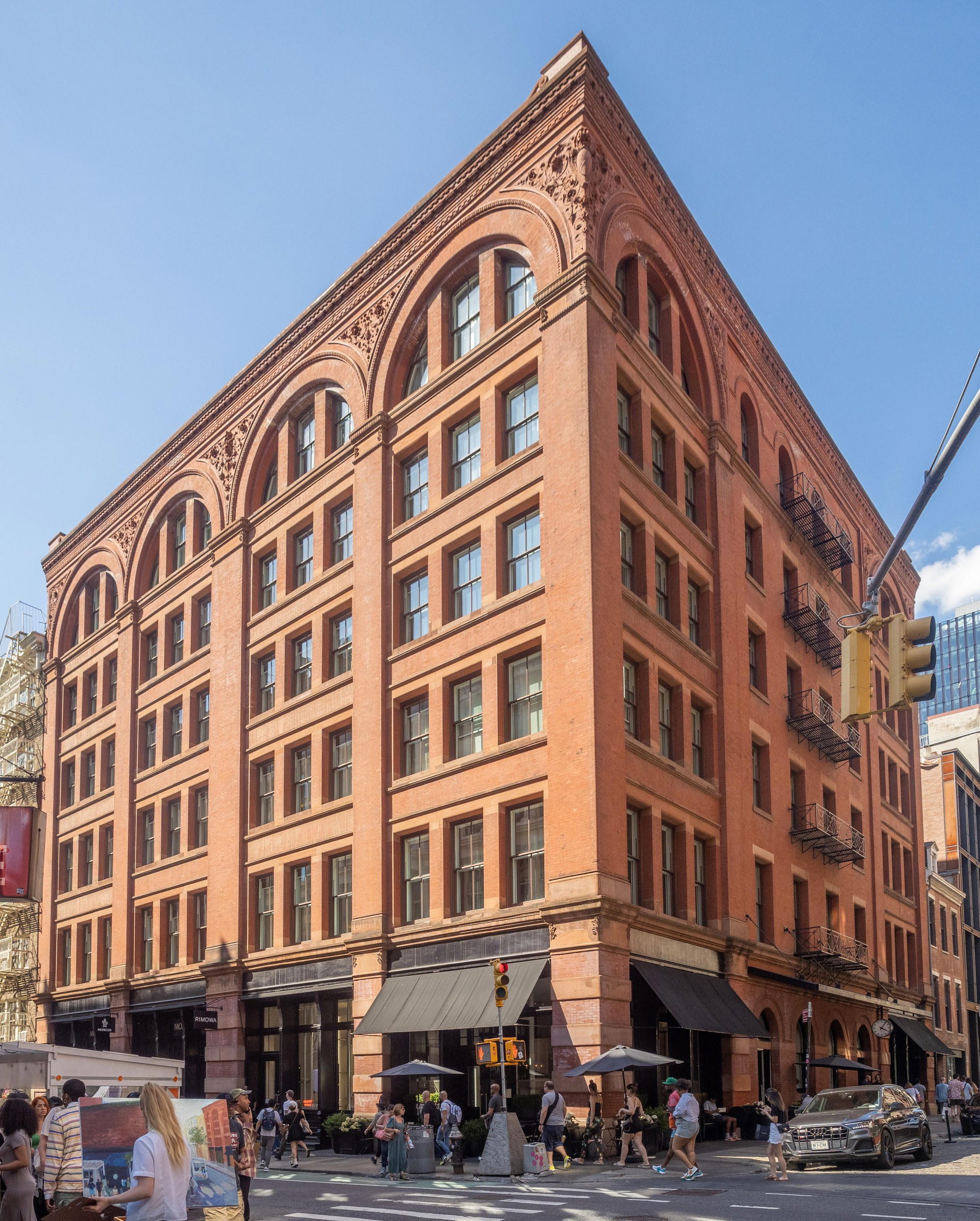
Tacos 1986 sits at 1 Cornelia Street in the West Village, a short walk from the Christopher Street-Sheridan Square subway stop on the 1 line. The Cornelia Street address places it in immediate proximity to the neighborhood's most active dining cluster, which means street-level foot traffic is consistent and the block operates as a self-contained dining destination rather than a detour. For visitors building a broader West Village evening, the format lends itself to an early stop rather than a centerpiece reservation, the counter-service pace suits pre-theater or pre-bar timing better than a two-hour sit. Consult our New York City bars guide and hotels guide for complementary options in the area, or see the experiences guide and wineries guide if you are building a fuller New York program.
Frequently asked questions
What should I eat at Tacos 1986?
Is Tacos 1986 in the West Village worth visiting if I am already planning meals at more formal New York restaurants?
Category Peers
Comparable venues nearby, for context on price, style, and recognition.
| Venue | Cuisine | Price | Awards | Notes |
|---|---|---|---|---|
| Tacos 1986This venue (the venue you are viewing) | Tijuana-Style Tacos | $10–20 | Star Wine List | Not listed |
| Barrio Chino | Regional Mexican with Agave Focus | $20–30 | Not listed | Lower East Side |
| La Superior | Authentic Mexican Taqueria | $20–30 | Not listed | Williamsburg |
| Sa'tacos | Authentic Sinaloan Mexican Tacos | Not listed | Not listed | Inwood |
| Taqueria Green Valley | Mexican Taqueria | $10–20 | Not listed | Fort Greene |
| Unnamed Mexico City taco counter | Michelin-Starred Mexico City Taqueria | Not listed | Not listed | Flatiron |
Recognition history
Dated appearances from independent guides and award organizations, with the underlying list record or original source where available.
Star Wine List
Star Wine List
Continue exploring
More in New York City
Restaurants in New York City
All restaurants in New York City →
Bars in New York City
All bars in New York City →

Details
- Trendy
- Lively
- Casual Hangout
- Late Night
- Open Kitchen
- A La Carte
- Small Plates
- Vegetarian Friendly
Current opening hours
- Monday
- 12 PM–12 AM
- Tuesday
- 12 PM–12 AM
- Wednesday
- 12 PM–12 AM
- Thursday
- 12 PM–12 AM
- Friday
- 12 PM–2 AM
- Saturday
- 12 PM–2 AM
- Sunday
- 12 PM–12 AM
Hours can change for holidays and private events. Hours as of .
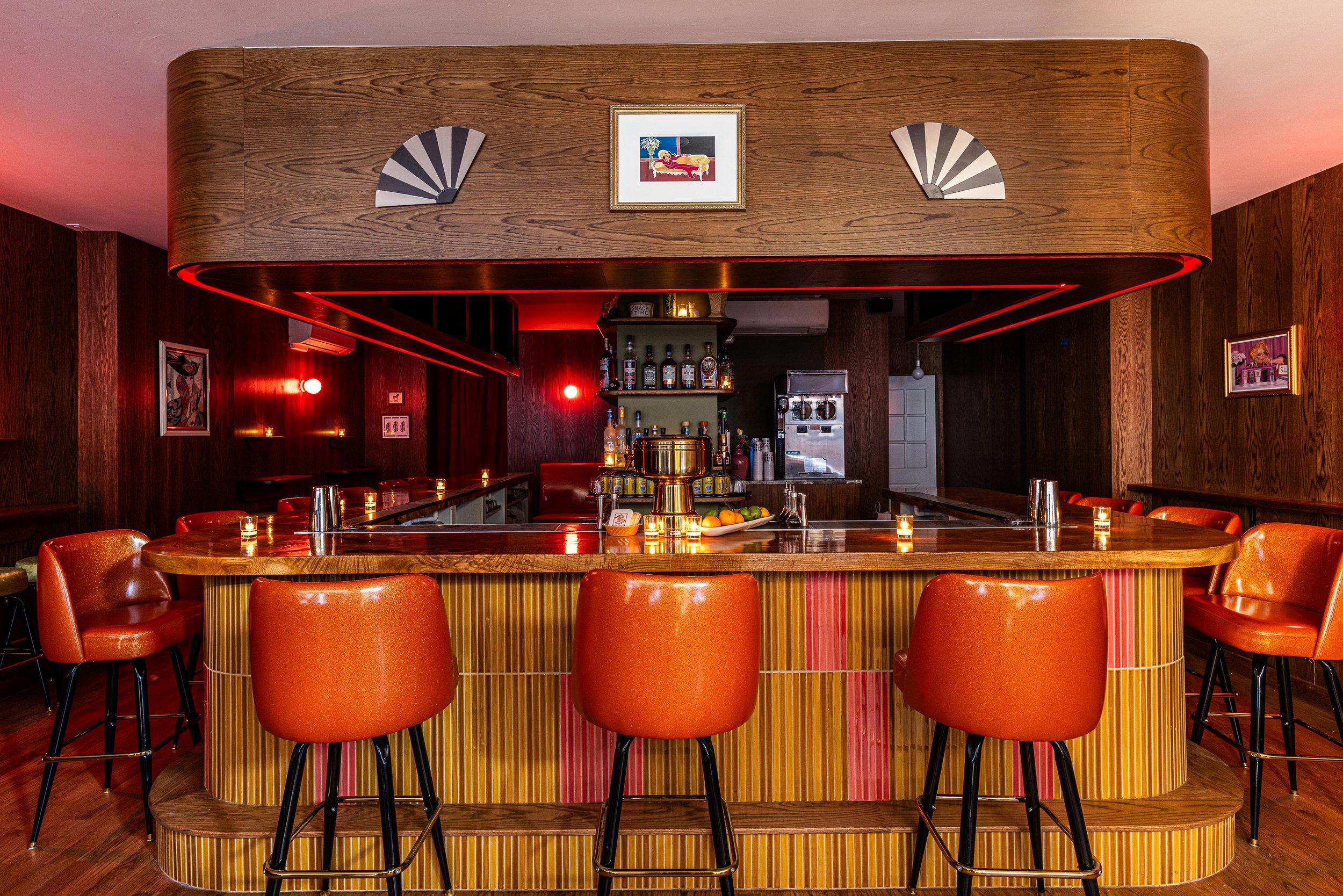
Casual standing-room-only spot with swift service, ideal for quick late-night bites in a trendy taqueria atmosphere.