
Tabelog 100 #70
Our verdict
Tachinomi Sakaba Kakedashi sits in Osaka’s stand-up drinking tradition: compact, fish-led, and built around sake and shochu rather than long-form dining. Its 2025 Tabelog 100 Tachinomi selection, modest spend, and counter-led format place it in the city’s serious casual tier, where planning matters because reservations are not taken.

Pearl is the En Primeur Club membership app, where members save venues, book tables and use the concierge.
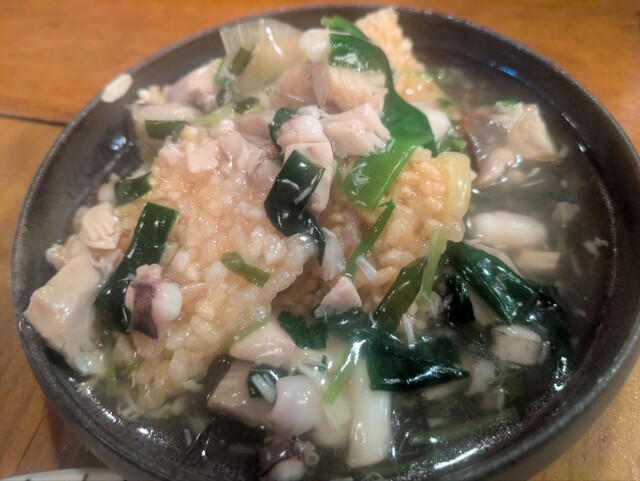
Approach Osaka’s tachinomi culture expecting compression: narrow counters, quick decisions, drink-first pacing, and standing as grammar, not gimmick. In Osaka, the format fits an after-work rhythm that values speed without losing discernment. Tachinomi Sakaba Kakedashi is that Osaka category in clear form: a stand-up bar, and one best read through the discipline of the format rather than through ceremony.
Osaka drinking culture is often framed by late-night volume and tourist spectacle, but the sharper distinction is spectacle versus precision. Tachinomi sits with precision: shorter stops, tighter rooms, and an ordering rhythm that rewards guests who know a small bar can carry restaurant seriousness. Kakedashi’s selection for Tabelog Hyakumeiten 2025 gives it a public marker in that specialist lane, not as luxury, but as a strong example of Osaka standing-bar craft.
Osaka's standing-bar discipline, tightened around pace and restraint
Tachinomi is not merely drinking upright. In Osaka, it compresses the izakaya into a sharper unit: faster turnover, lower average spend, and a direct counter-to-glass relationship. Instead of lingering through a tasting sequence, guests read the room quickly, order with intent, and let the standing-bar cadence shape the visit.
Kakedashi’s listed category is stand-up bar, moving it away from the assumption that Osaka casual dining must be understood only through familiar tourist shorthand. That matters: tachinomi works when the room keeps its register clear. The pleasure is in brevity, value, and the confidence that a compact format can still feel exacting.
The point is not formality. Osaka’s low-cost serious dining has long separated quality from ceremony. A standing counter can be more revealing than a dining room because there is little décor to hide behind. The format asks directly: does the room understand what belongs in a short stop, and can it keep energy moving?
The value tier is part of the argument
The listed average price of JPY 1,000 to JPY 1,999 puts Kakedashi in a tier where the decision is about calibration, not occasion dining. Osaka has polished rooms at several times that spend. In the comparison set, Sumibi Yakitori Nakao, Yoshoku Bistro Awano, and Koryu sit in different dining registers, while Tachinomi Sakaba Kakedashi follows another economic logic: low individual spend, little ceremony, and greater dependence on rhythm and repeat appeal.
That makes recognition in a tachinomi list meaningful in its own way. It does not signal the ambitions of formal dining or high-ceremony counters; it signals that a compact drinking format has enough consistency and local traction to rise above a crowded field. Tabelog’s 2025 Hyakumeiten selection is a useful trust signal for travelers who know Osaka’s casual rooms can carry as much local intelligence as its formal counters.
The stronger comparison is with other single-purpose formats across the city. Osaka rewards specialization, whether yakitori, yoshoku, refined Japanese cooking, or standing drinks. For a wider map, the city’s dining spread runs across many unnamed casual and polished rooms. Kakedashi belongs to the same city habit of taking narrow formats seriously.
Plan for a compact room, not a leisurely booking
The booking experience should be treated with flexibility rather than over-planning. With a standing-bar format, treat the stop as nimble, not fixed. It works better as part of an Osaka evening with nearby alternatives than as the sole anchor of a night.
The location is Osaka. That is central enough for a broader eating route without forcing the standing bar to carry the full itinerary. It also sits beyond the simplified tourist image of Osaka as only spectacle and snack food, pointing to the everyday drinking culture that keeps tachinomi relevant.
Practical constraints shape the character, but the essential planning note is simpler: approach it as a compact Osaka drinking room rather than a controlled international dining environment. The format filters expectations quickly, rewarding guests who are comfortable with pace, proximity, and local bar conditions.
For fuller Osaka planning, use Our full Osaka restaurants guide alongside Our full Osaka bars guide. If the night extends beyond the counter, pair the dining map with Our full Osaka hotels guide, Our full Osaka experiences guide, and, for category coverage beyond the obvious, Our full Osaka wineries guide. Readers comparing Japan’s casual formats more broadly can also look at other unnamed dining rooms in Osaka and beyond without treating them as direct substitutes for Kakedashi.
The editorial case for Kakedashi is narrow and convincing: it represents Osaka drinking culture where price stays low, space stays limited, and standards are judged in the short distance between counter and glass. Travelers expecting ceremony will misread it. Those who understand tachinomi as disciplined, high-turnover craft will see why a small standing bar can carry serious weight in this city.
Frequently asked questions
Is Tachinomi Sakaba Kakedashi expensive?
Pricing at Tachinomi Sakaba Kakedashi is listed as JPY 1,000 - JPY 1,999.
Where exactly is Tachinomi Sakaba Kakedashi?
Osaka.
Should I book Tachinomi Sakaba Kakedashi in advance?
Plan Tachinomi Sakaba Kakedashi as a flexible Osaka standing-bar stop rather than a formal, leisurely booking.
What is Tachinomi Sakaba Kakedashi known for?
Tachinomi Sakaba Kakedashi is known as a stand-up bar in Osaka, with Tabelog Hyakumeiten recognition in 2025.
Cuisine and Awards Snapshot
Comparable options at the same price tier.
| Venue | Cuisine | Price | Awards | Notes |
|---|---|---|---|---|
| Tachinomi Sakaba KakedashiThis venue (the venue you are viewing) | Japanese standing izakaya & sake bar | $20–30 | Tabelog 100 #70 | Not listed |
| Osama no Spoon | Osaka curry & soup curry shop | $10–20 | Tabelog 100 #81 | Kita |
| Sakanaya Hidezou Tachinomi ten | Standing seafood & sake bar (tachinomi) | $20–30 | Tabelog 100 #58 | Chūō |
| Okonomiyaki Chitose | Traditional Osaka okonomiyaki | $10–20 | Tabelog 100 #17 | Nishinari |
| Menya Issou | Japanese Ramen Shop | $1–10 | Tabelog 100 #17 | Yao |
| Udon Kura Fujitaya | Traditional Sanuki Udon & Tempura | $10–20 | Tabelog 100 #10 | Kishiwada |
Recognition history
Dated appearances from independent guides and award organizations, with the underlying list record or original source where available.
Tabelog 100 #70 · No. 70
Tabelog · Tabelog 100 - Tachinomi - 2025
Continue exploring
More in Osaka
Restaurants in Osaka
All restaurants in Osaka →




Bars in Osaka
All bars in Osaka →
Hotels in Osaka
All hotels in Osaka →




Wineries in Osaka
Browse all →
Details
- Lively
- Energetic
- Cozy
- Solo
- After Work
- Casual Hangout
- Late Night
- Standalone
- Sake Program
- Small Plates
- Counter Dining
- A La Carte
- Sake
- Shochu
- Beer
- Pescatarian Friendly
A compact, adult-oriented standing bar with counter seating, a casual and lively atmosphere, and an izakaya feel; guests linger over sake and shochu with refined seafood snacks in a cozy, buzzy space.