
Kurume’s noodle culture is usually discussed through tonkotsu ramen, but the city also has a serious udon register. Tachibana Udon belongs to that everyday, high-throughput side of Japanese dining: wheat noodles, soba, donburi, take-out, family use, and Tabelog 100 Udon WEST recognition in 2019, 2020, and 2024.
Pearl is the En Primeur Club membership app — saves, bookings, and concierge access live there. Same editors, same standards.
- Address
- 福岡県久留米市東合川5-6-1
- Phone
- +81942443939
- Website
- tachibanaudon.co.jp
 Saves & bookings on Pearl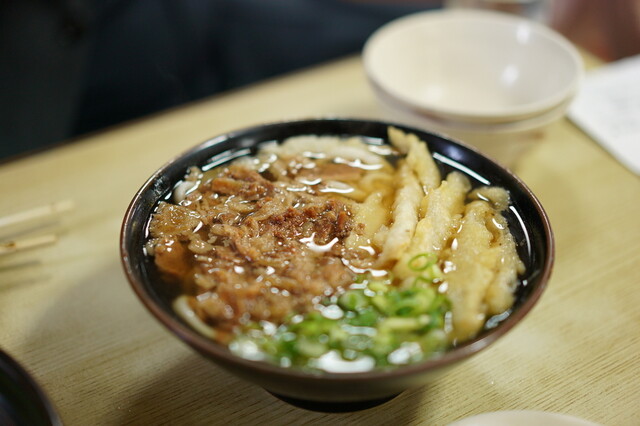
The approach is not the hushed theatre of a counter restaurant. The cue is scale: a house-style dining room for families, friends, quick meals, and repeat local use, not destination tasting-menu ceremony. In Kurume, that matters. The city’s food identity is often reduced to pork-bone ramen, but udon has its own grammar here: softer regional noodles, broth-led comfort, and a pace suited to commuters, children, older regulars, and travelling eaters checking a recognised name.
Tachibana Udon sits inside that practical Kyushu tradition. Its plain-spoken categories are udon, soba, and donburi, keeping the meal close to everyday Japanese dining rather than special-occasion gastronomy. Recognition on Tabelog 100 Udon WEST in 2019, 2020, and 2024 is a useful signal: not a luxury restaurant dressing up noodles, but a high-volume regional address repeatedly noticed in a competitive western Japan udon field.
Kurume's noodle conversation is bigger than ramen
Kurume’s national food reputation starts with ramen, especially the dense local tonkotsu lineage that helped shape northern Kyushu’s postwar noodle culture. Useful, but incomplete. Udon plays a different social role: less nocturnal, less grease-driven, more adaptable across breakfast, lunch, family meals, and casual solo dining. The difference is not only broth or noodle texture; it is how the meal functions in the city.
That explains why Tachibana Udon reads differently from Maruboshi Ramen, another inexpensive Kurume noodle name. Ramen carries origin-story weight and cultish visitor pull. Udon is judged by repetition: how well a room absorbs traffic, how easily families fit, how quickly a bowl becomes weekly routine. The restaurant’s 136-seat capacity is therefore part of the dining argument, not a footnote. This is a noodle house designed for civic use, not scarcity.
The menu architecture reinforces that. Udon, soba, and rice bowls cover the main lanes of casual Japanese dining, letting a table split between wheat noodles, buckwheat noodles, and donburi without changing venues. That flexibility helps udon houses carry broader age ranges than specialist counters. Children are welcome, private rooms are not part of the proposition, and tatami seating gives the room a recognisable domestic register. The meal is serious without becoming formal.
A recognised udon house without luxury signalling
Tabelog’s Hyakumeiten lists are useful in Japan because they often catch restaurants international award systems ignore: noodle shops, curry rooms, gyoza specialists, and small regional fixtures whose excellence is measured by local frequency rather than imported fine-dining codes. Selection for Tabelog 100 Udon WEST places Tachibana Udon in a western Japan category, not just a Kurume list, making the recognition more meaningful for travellers building a Fukuoka or Kyushu itinerary around everyday food.
The restaurant’s Tabelog score of 3.66 also needs Japanese context. Platform scores do not behave like casual five-star averages elsewhere; anything in the mid-threes can indicate substantial traction, especially for regional, high-volume dining. The stronger signal is repeated Hyakumeiten selection across multiple years. It suggests consistency in a category where precision is quiet: broth balance, noodle handling, service speed, and the ability to feed a mixed room without turning the meal into theatre.
Kurume’s casual dining map extends beyond noodles. Goju Ban and gyoza-focused addresses such as Gyoza Nyannyan and Hitokuchi Gyoza Tenya show how the city rewards compact, specialised formats. The restaurant occupies a broader lane: not a snack stop or drinking-food counter, but an all-day noodle-and-rice institution with enough seating for groups. For diners comparing Kurume options, it fits a low-friction meal better than a long alcohol-led evening.
The price position matters, though it is not the only appeal. Kurume has inexpensive anchors across ramen, udon, gyoza, and set-meal culture, and the restaurant competes inside that democratic bracket rather than above it. The distinction is recognition without premiumisation. Many cities convert attention into tasting menus, reservation pressure, and narrower audiences. Here, the achievement is remaining an ordinary udon house while carrying a recognised award signal.
How to place it in a Kurume itinerary
The restaurant works strongest as a cultural counterweight to ramen. A Kurume trip built only around tonkotsu misses the softer side of the city’s noodle habits; an udon stop gives the itinerary a different tempo. Nearby public-transport references are bus-led rather than central-station glamour, which suits the format: suburban, functional, and local in feel. Parking availability also points to a customer base of families and drivers, not only rail travellers.
Reservations are not the point. The operational logic is volume, turnover, and accessibility, with take-out also part of the service model. That helps travellers who dislike building every meal around a booking window. The trade-off is clear: a large recognised noodle house will not deliver chef-counter intimacy. It offers something more revealing for Kurume: the mechanics of a regional staple feeding many kinds of diners at once.
For broader planning, pair the meal with the city’s other casual strengths rather than treating it as an isolated trophy stop. EP Club’s full Kurume restaurants guide is the logical starting point, with separate rails for Kurume hotels, Kurume bars, Kurume wineries, and Kurume experiences. Within Japan’s wider casual-dining spectrum, useful contrasts include Dharmasagara, -Grilled beef Sukiyaki- KAMAKURA TANUKIAN 鎌倉 たぬき庵 in Kamakura. 鮪と炭火焼き うお炭 秋葉原店 in Tokyo.cafe in Osaka.know in Kumamoto, (Shoku) Vietnam in Kawasaki, and [Curry Senmon Ten] Maruyama Kyoju. in Sapporo. For readers tracking Japanese food culture abroad, Jōdo Saké Bar in Los Angeles and Onigiri Time in Pasadena show how tightly defined formats travel once they leave Japan.
The editorial case is simple: the restaurant gives Kurume’s noodle culture a second register. It is not trying to outshine ramen, and does not need to. Its value is regional ordinariness, scale, and repeated udon-category recognition, reminding us that some of Japan’s serious meals are built to be used often rather than admired from a distance.
Price and Recognition
Nearby venues at a similar price tier for orientation.
| Venue | Price | Notes |
|---|---|---|
| Tachibana UdonThis venue — the venue you are viewing | $ | Not listed |
| Hitokuchi Gyoza Tenya | $ | .null, Kurume gyoza izakaya |
| Goju Ban | $ | Higashimachi, Classic gyoza & dumpling house |
| Gyoza Nyannyan | $ | Mutsumonmachi, Traditional Japanese gyoza shop |
| Mitsuya Stand | $ | Higashimachi, Kurume, Japanese tachinomi standing bar |
| Maruboshi Ramen | $ | / Kurume, Kurume-style tonkotsu ramen |
Recognition history
Dated appearances from independent guides and award organizations, with the underlying list record or original source where available.
Tabelog 100 #8 · No. 8
Tabelog · Tabelog 100 - Udon - WEST - 2024

At a Glance
- Lively
- Classic
- Cozy
- Well Known
- Family
- Group Dining
- Solo
- Casual Hangout
- After Work
- Standalone
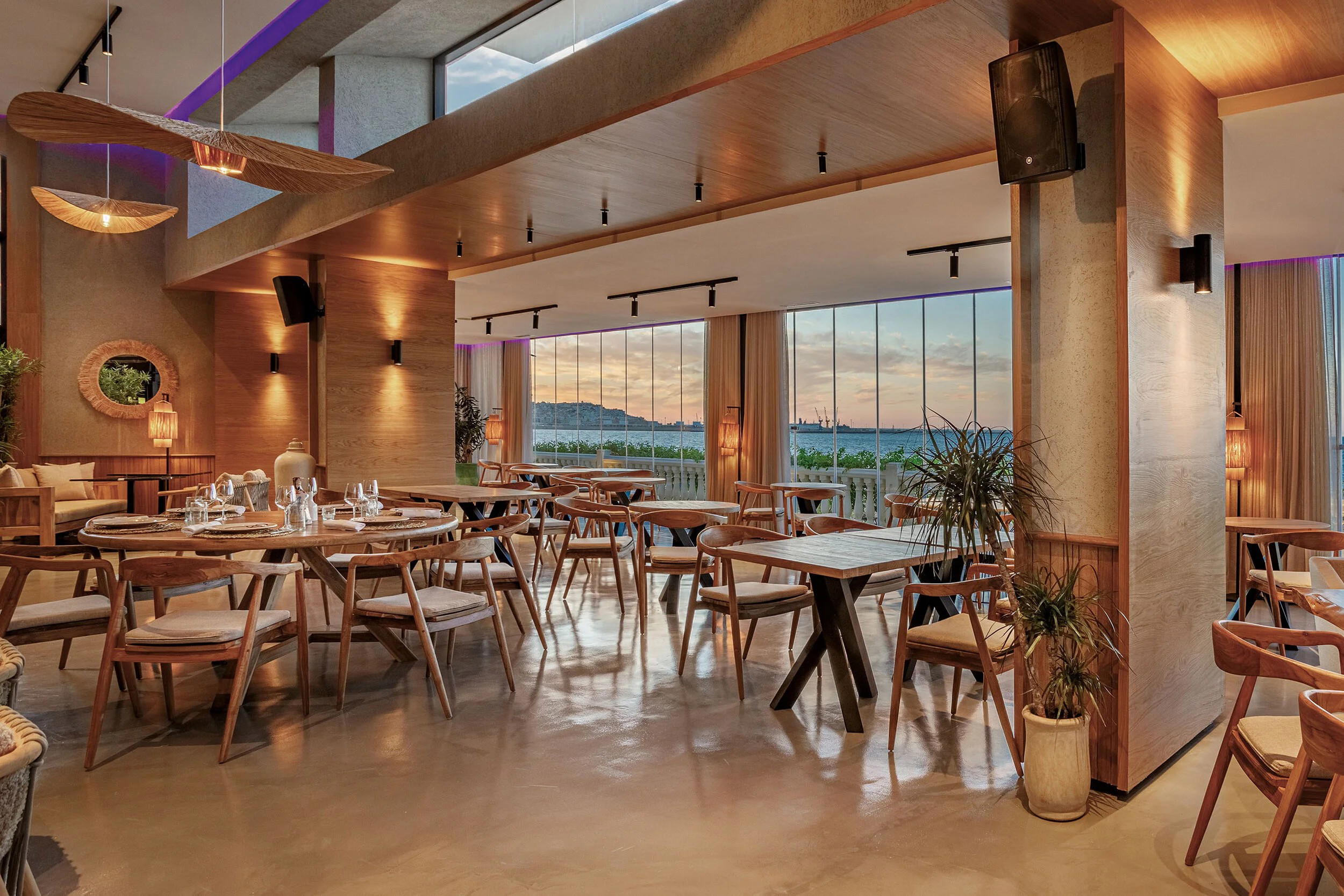
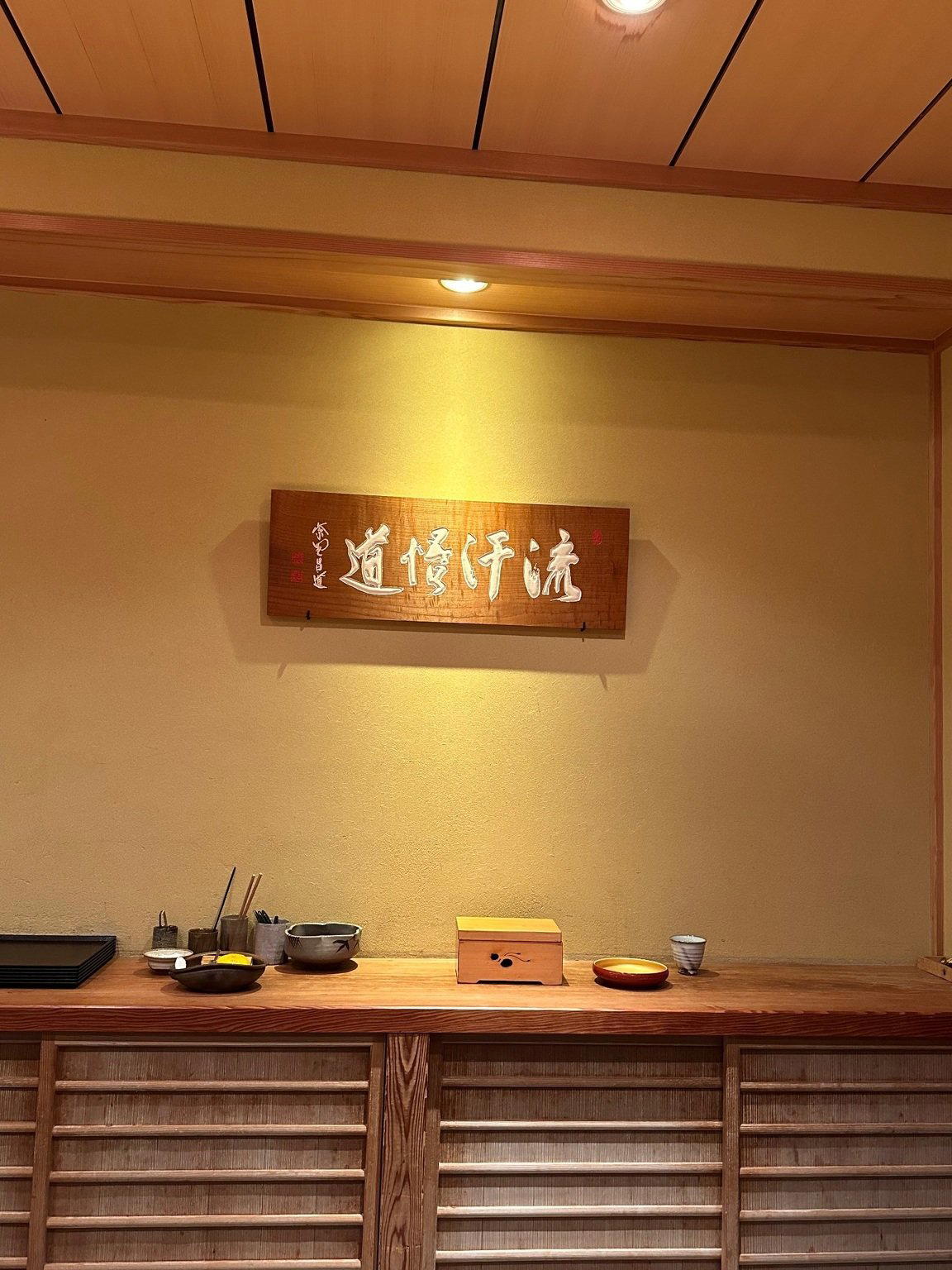
Bright, bustling udon hall with simple table and tatami seating, fast turnover, and a casual family-friendly atmosphere focused on efficiency and comfort rather than design.