Google: 5.0 · 109 reviews
.png)
Tabernakel brings French contemporary cooking to the quiet village centre of Bonheiden, holding consecutive Michelin Plate recognition in 2024 and 2025. At the €€€ price point, it occupies a considered middle tier in Belgian fine dining, where technique and provenance tend to count for more than spectacle. A measured choice for diners seeking serious cooking outside Antwerp's busier restaurant circuit.
 Discover on Pearl
Pearl is the En Primeur Club membership app — saves, bookings, and concierge access live there. Same editors, same standards.
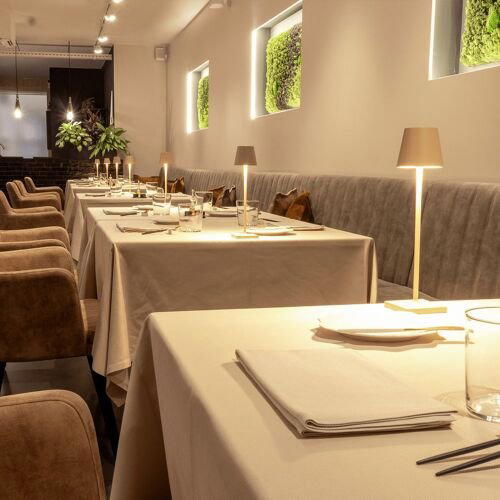
Where Flemish Calm Meets French Contemporary Discipline
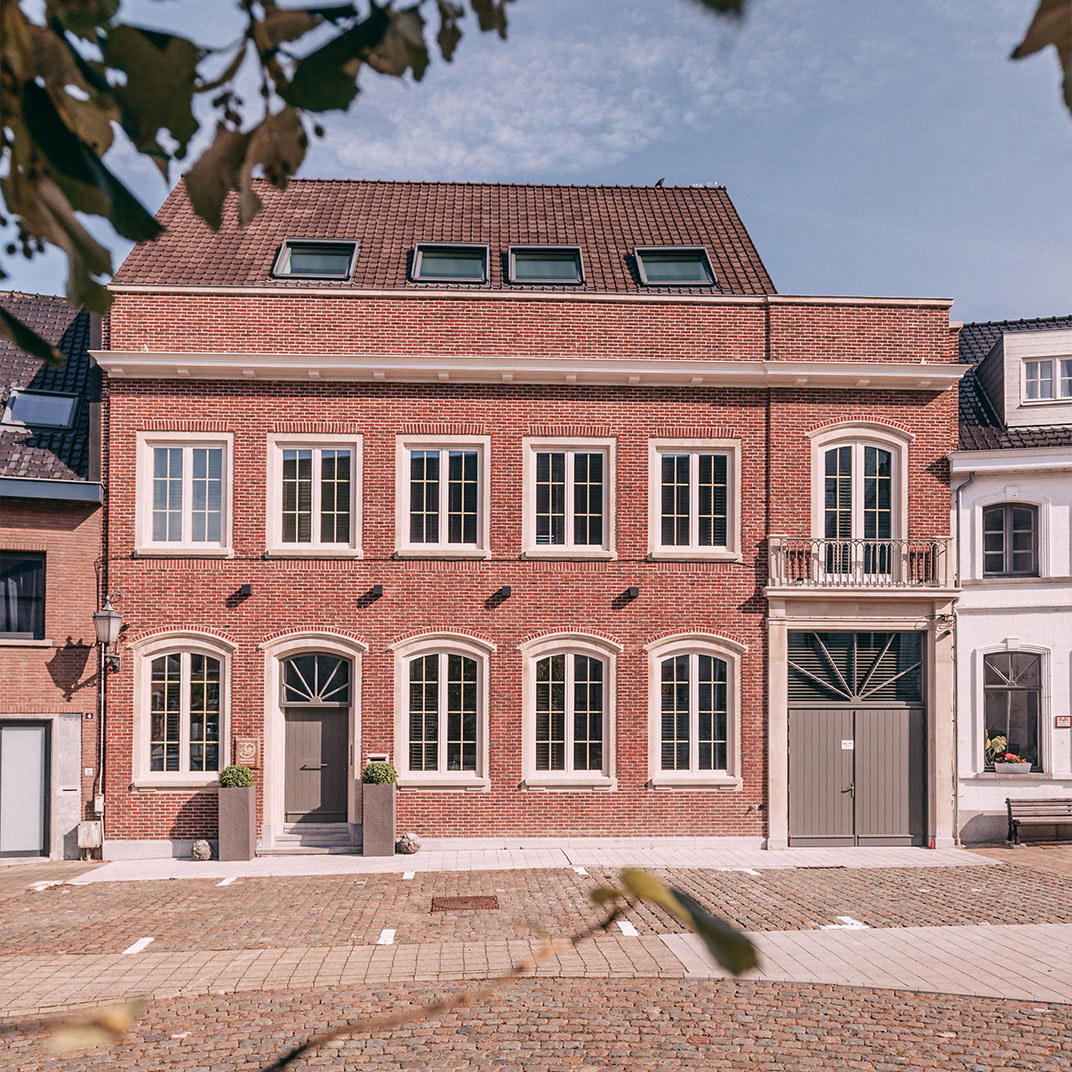
Dorp 41 is not a dramatic address. The village centre of Bonheiden sits in the Mechelen commuter belt, a stretch of Flemish countryside where church squares and brick facades outnumber restaurant signs. That context is not incidental to what Tabernakel does: Belgian restaurants at this price tier often use their remove from city noise as an argument for a certain kind of seriousness — less theatre, more focus on what arrives on the plate. Tabernakel fits that pattern. Walking into the building at the heart of the village, the architectural register reads as quietly composed rather than conspicuously designed, which in this part of Flanders is almost always a deliberate choice.
For broader context on what the area offers beyond a single meal, our full Bonheiden restaurants guide maps the local scene. And if you are planning a full trip around the region, our Bonheiden hotels guide, bars guide, and experiences guide cover the wider picture.
French Contemporary Cooking in a Flemish Setting
The French contemporary category in Belgium operates across a wide range of registers. At the leading end, houses like Boury in Roeselare and Hof van Cleve in Kruishoutem run at €€€€ price points with multi-Michelin recognition and the full ceremony of high-end tasting menus. Further down the register, at Tabernakel's €€€ bracket, the proposition shifts: cooking is still technically anchored in French method, but the format tends to be less ceremonial, and the relationship between price and ingredient is calibrated differently. This is where provenance and restraint become the distinguishing signals rather than room count or choreographed service.
That editorial angle — terroir and ingredient origin as the argument for choosing a restaurant , is increasingly central to how Belgium's mid-tier fine dining justifies itself. Flanders has a particularly well-developed network of small-scale producers, market gardeners, and artisan suppliers, and restaurants at this level that use those networks intelligently can serve food that competes credibly with more expensive houses. The case for Tabernakel rests partly on that logic: the address is in a village, the food is French contemporary in method, and the Michelin Plate signals that someone in the inspector pool found the cooking credible two years running, in 2024 and again in 2025.
Consecutive Michelin Plate Recognition: What It Signals
A Michelin Plate is not a star. It is worth being precise about that. The Plate recognition, introduced to the Guide in 2016, denotes that inspectors found the cooking consistently good , fresh ingredients, properly prepared. It is a floor-level Michelin signal rather than a ceiling-level one, and it should not be read as proximity to a star. What back-to-back Plate recognition in 2024 and 2025 does confirm is that the kitchen's output has been reliable enough to pass inspector scrutiny twice in succession. In a country with as many serious kitchens as Belgium, that is not nothing, but it positions Tabernakel clearly within its peer tier rather than above it.
For comparison, Zilte in Antwerp and Willem Hiele in Oudenburg operate at higher award levels and higher price points, reflecting what the upper bracket of Belgian French contemporary looks like. Bozar Restaurant in Brussels occupies a different register again, where the institutional setting adds a layer of context. Tabernakel's position is more modest in ambition and more accessible in price, which is its own coherent argument.
Google reviewer data adds a small but useful data point: 94 reviews averaging a 5.0 score. That volume is low enough that the score should be treated cautiously, but the consistency across those reviews suggests a kitchen that delivers at a predictable standard rather than spiking and dipping. For a village-centre restaurant at €€€, consistent execution matters more than occasional brilliance.
Where Tabernakel Sits in the Broader Belgian Scene
Belgian fine dining at the €€€ tier has a particular character that distinguishes it from the same price point in France or the Netherlands. The country's tradition of French-rooted technique combined with Flemish and Walloon ingredient culture produces kitchens that are often more conservative in their menu architecture than the cooking itself would suggest. Dishes tend to be classically structured , protein, sauce, vegetable accompaniment , even when the sourcing or preparation involves considerable skill. This is not a criticism; it reflects a dining culture that values substance over novelty.
Houses like Bartholomeus in Heist and d'Eugénie à Emilie in Baudour show how this plays out across different regions of the country. L'Eau Vive in Arbre and La Durée in Izegem operate in adjacent territory to Tabernakel, with French and French-Belgian frameworks at serious but not ultra-premium price points. Ralf Berendsen in Neerharen and Sir Kwinten in Sint-Kwintens-Lennik round out the picture of what village and small-town fine dining looks like across Flanders and beyond.
For those curious about how the French contemporary genre performs in other premium markets, Amber in Hong Kong and Odette in Singapore represent the category at the leading of the international tier , useful reference points for understanding how differently the same culinary tradition can be deployed. The Bonheiden wineries guide is worth consulting for local wine context to pair with a visit.
Planning a Visit
Tabernakel is located at Dorp 41, 2820 Bonheiden, in the village centre. At the €€€ price point, a meal here sits in the range typical of Belgian fine dining below the tasting-menu-only tier , expect a spend consistent with a serious à la carte restaurant rather than a multi-course set-price format, though the exact menu structure is not confirmed in available data. Bonheiden is accessible by car from both Antwerp and Brussels within approximately 30 minutes, making it a plausible destination for a midweek or weekend dinner. Booking in advance is advisable for any Michelin-recognised house at this level; specific booking channels are not listed in current data, so checking directly via search is the practical first step.
In Context: Similar Options
These are the closest comparables we have in our database for quick context.
| Venue | Cuisine | Price | Awards |
|---|---|---|---|
| TabernakelThis venue — the venue you are viewing | French Contemporary | €€€ | Michelin Plate (2025); Michelin Plate (2024) |
| Boury | Modern Frlemish, Creative French | €€€€ | Michelin 3 Star |
| Comme chez Soi | French - Belgian, Classic Cuisine | €€€€ | Michelin 1 Star |
| Hertog Jan at Botanic | Modern Flemish, Creative | €€€€ | Michelin 2 Star |
| L'Eau Vive | French, Modern French | €€€€ | Michelin 2 Star |
| La Durée | French-Belgian, Creative | €€€€ | Michelin 2 Star |
Continue exploring
More in Bonheiden
Restaurants in Bonheiden
Browse all →
Bars in Bonheiden
Browse all →
At a Glance
- Intimate
- Cozy
- Elegant
- Sophisticated
- Date Night
- Special Occasion
- Open Kitchen
- Sommelier Led
- Local Sourcing
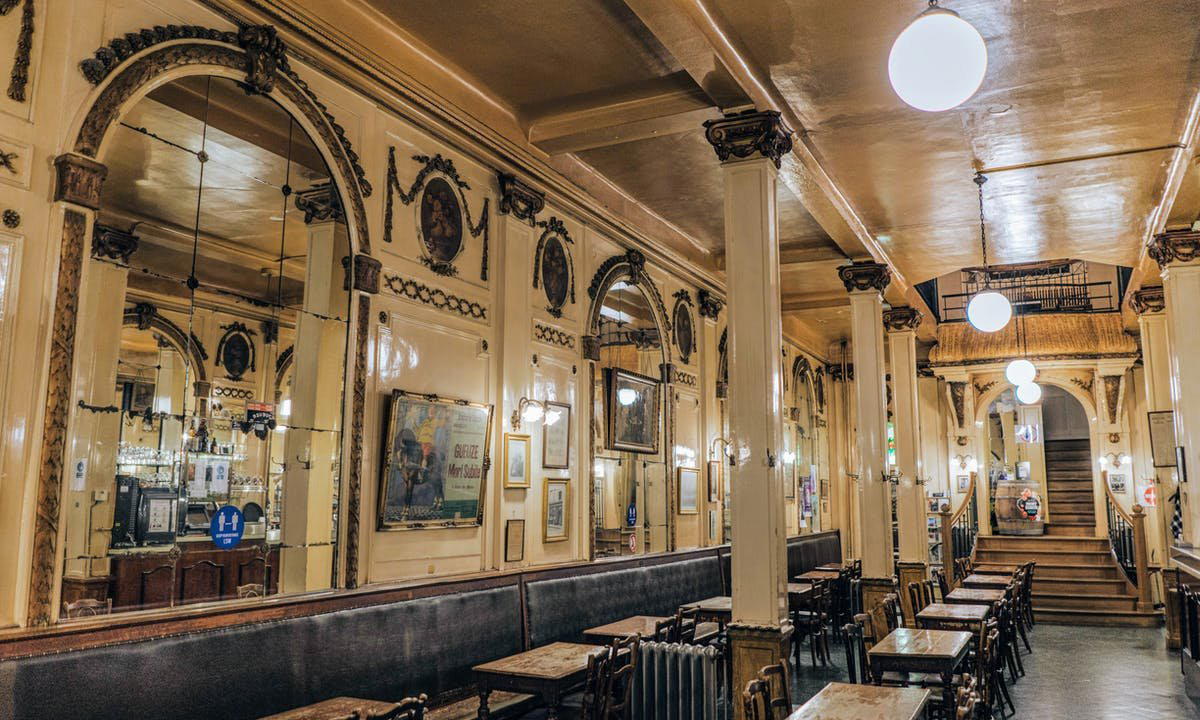
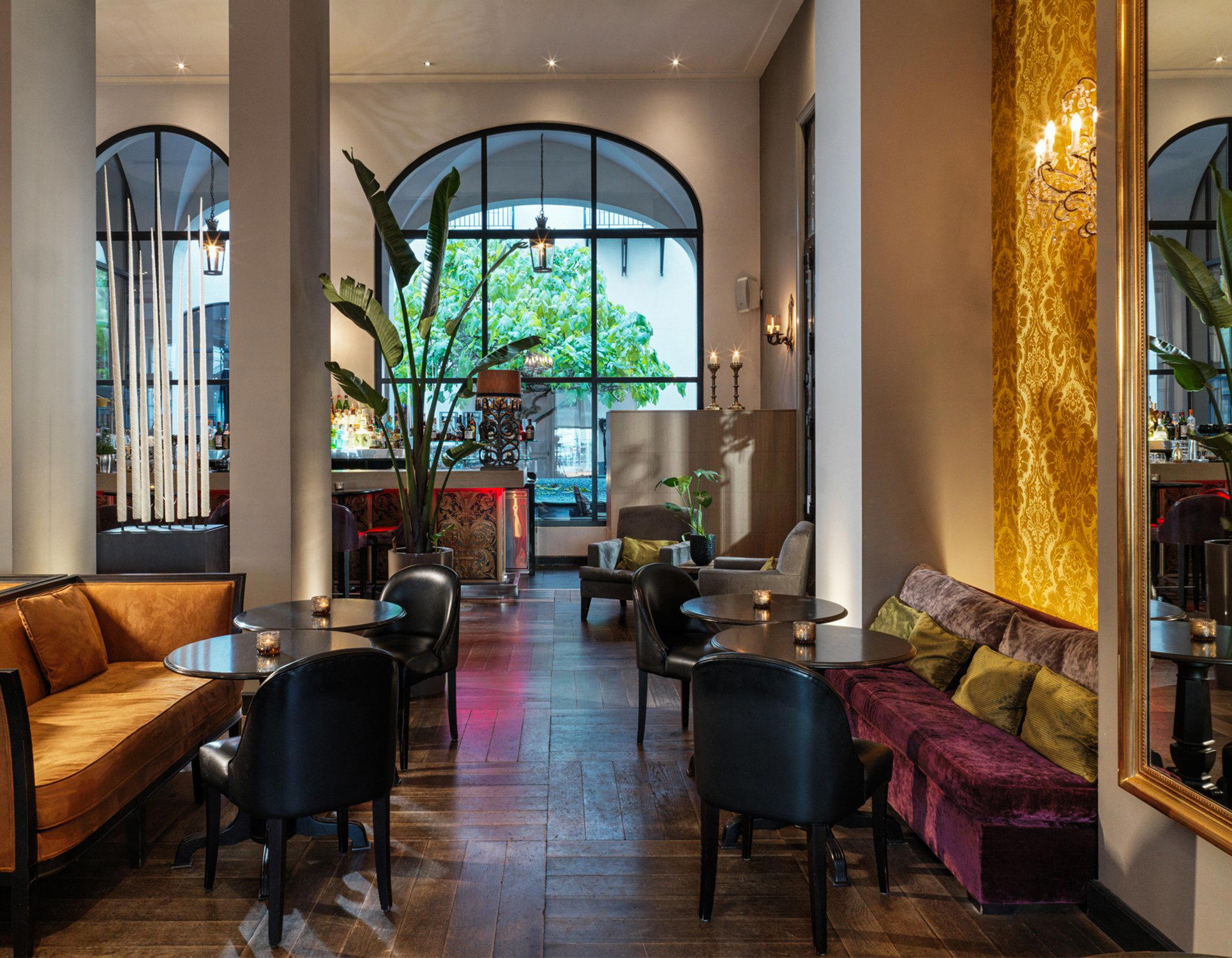
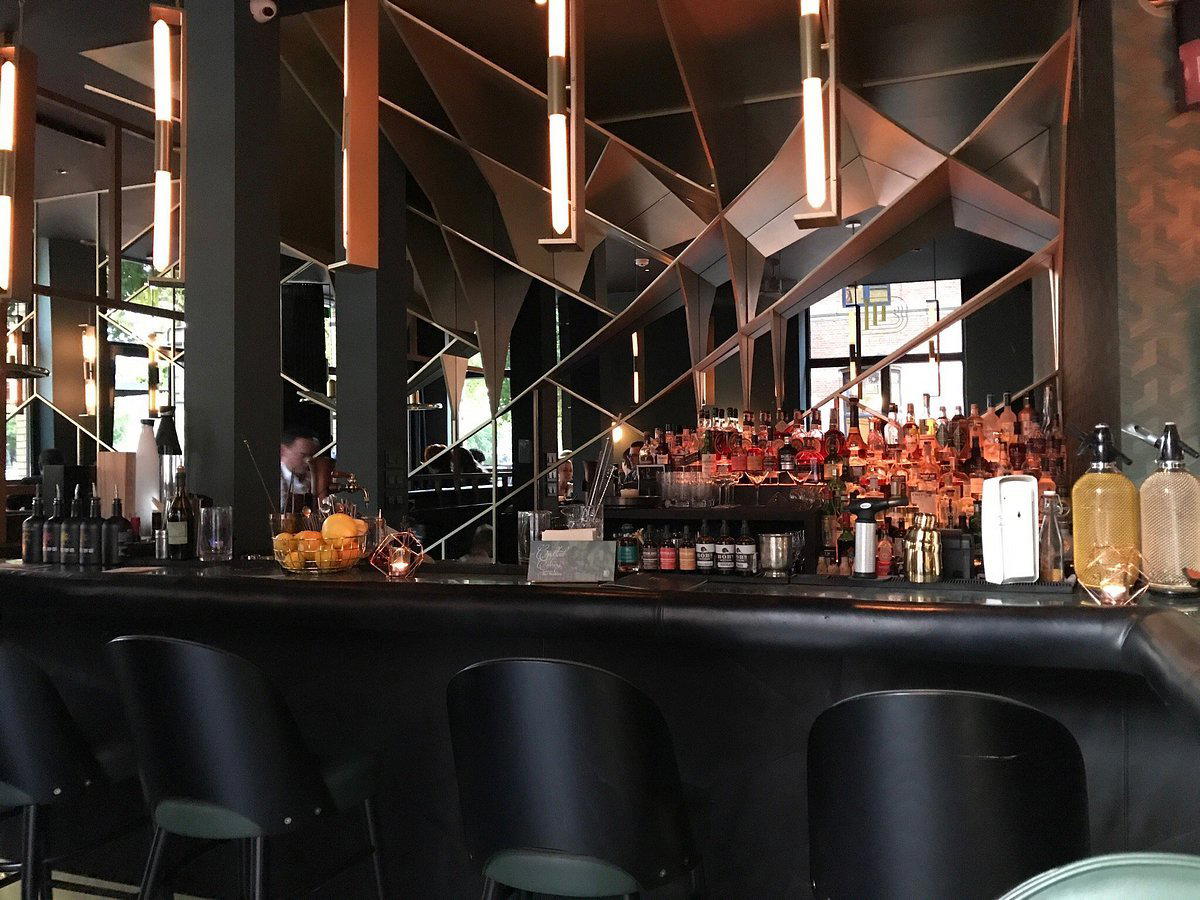
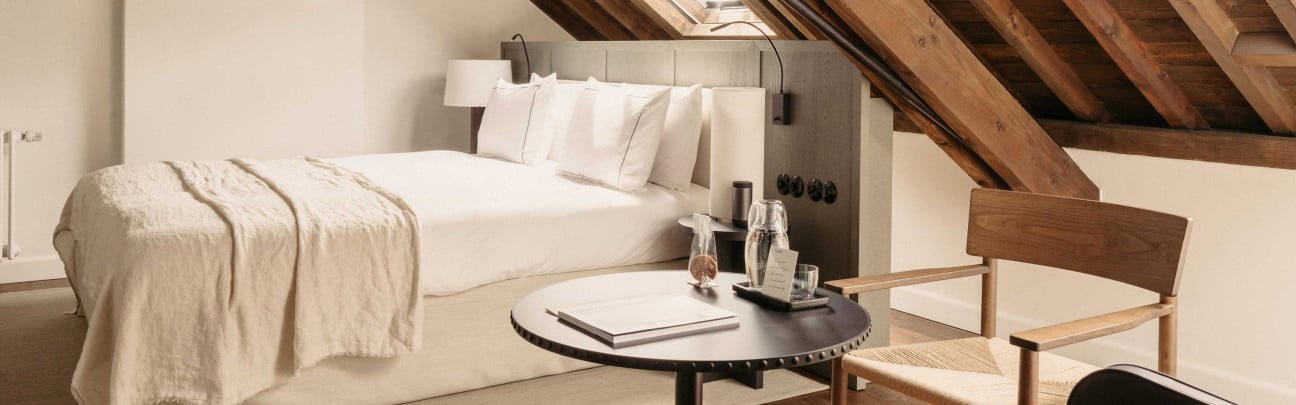
Low-lit with soft light across stone and linen, warm and hushed atmosphere of refined hospitality.