
Michelin Plate
Our verdict
A Michelin Plate-recognised taberna in Salamanca's university quarter, Taberna de Libreros pairs seasonal produce from the province with an à la carte shaped by the owner-chef's time across Asia, Latin America, and beyond. The result is a mid-price address that sits notably outside the usual Castilian roast-and-stew formula, earning.

Pearl is the En Primeur Club membership app, where members save venues, book tables and use the concierge.
Eating in the Shadow of the Frog
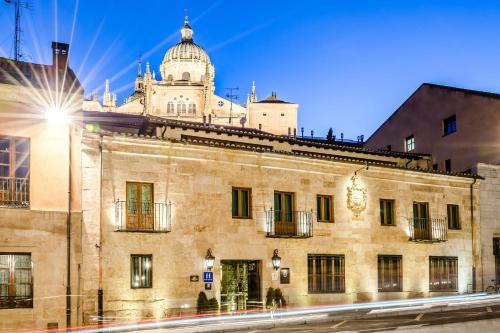
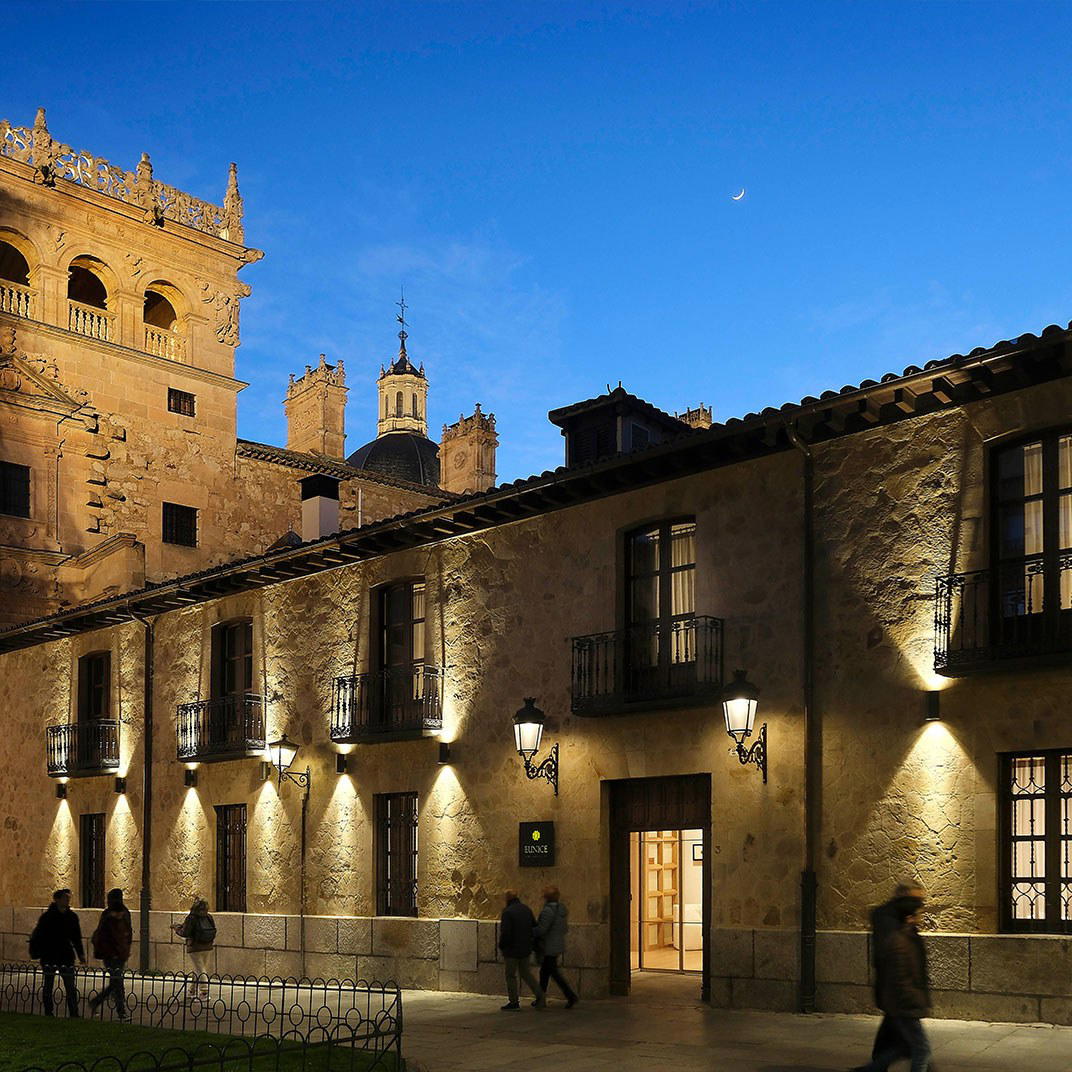
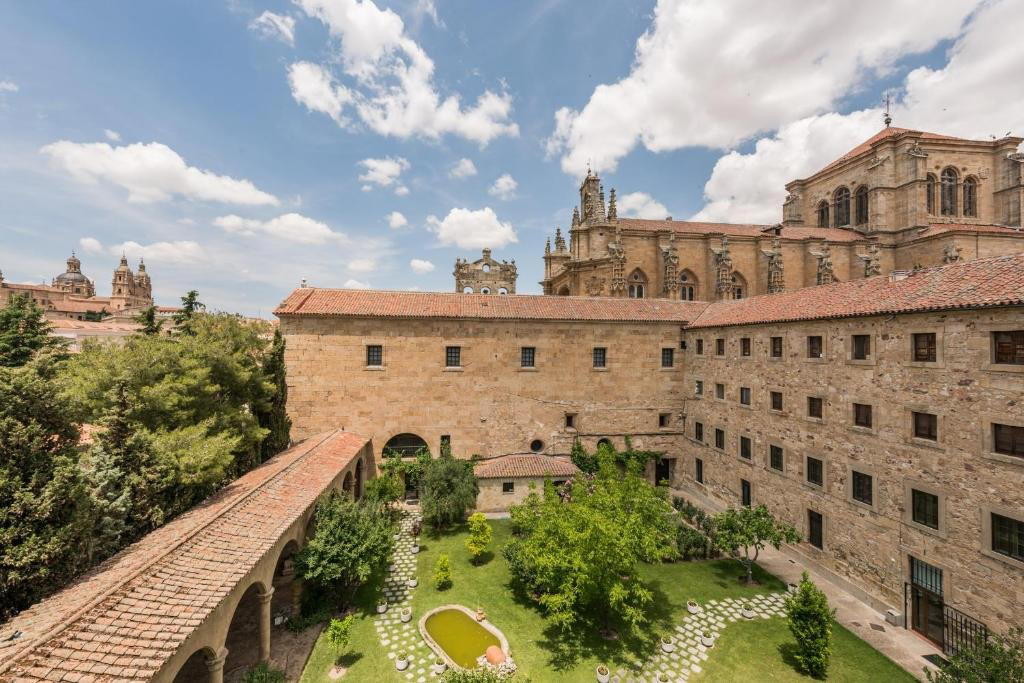
Calle Libreros runs through the beating academic heart of Salamanca, a street narrow enough that the sandstone walls of university buildings press in on both sides. The Plateresque façade of the Universidad de Salamanca, one of the most photographed surfaces in Castile, is within eyeline, and the square fills daily with students, academics, and tourists hunting for the small carved frog hidden somewhere in its stone carvings, a tradition that supposedly guarantees examination success. It is, in short, a location with significant ambient pressure: the kind of spot where lesser restaurants coast on foot traffic and history, and serious ones do something more interesting with the address. Taberna de Libreros belongs to the second category.
Salamanca's restaurant scene has historically leaned on the same pillars as the wider Castilian kitchen: roast suckling pig, lechazo, legume stews, and a short roster of regional wines. The city is a university town with a large transient population, which creates an audience for accessible mid-price dining, but not always the conditions for ambition. Against that backdrop, a Michelin Plate recognition, awarded in both 2024 and 2025, signals a kitchen operating above the baseline, even if it sits at a different altitude from the multi-starred programmes at venues like Aponiente in El Puerto de Santa María, Arzak in San Sebastián, or El Celler de Can Roca in Girona.
The Setting: Classic and Contemporary in Salamanca Stone
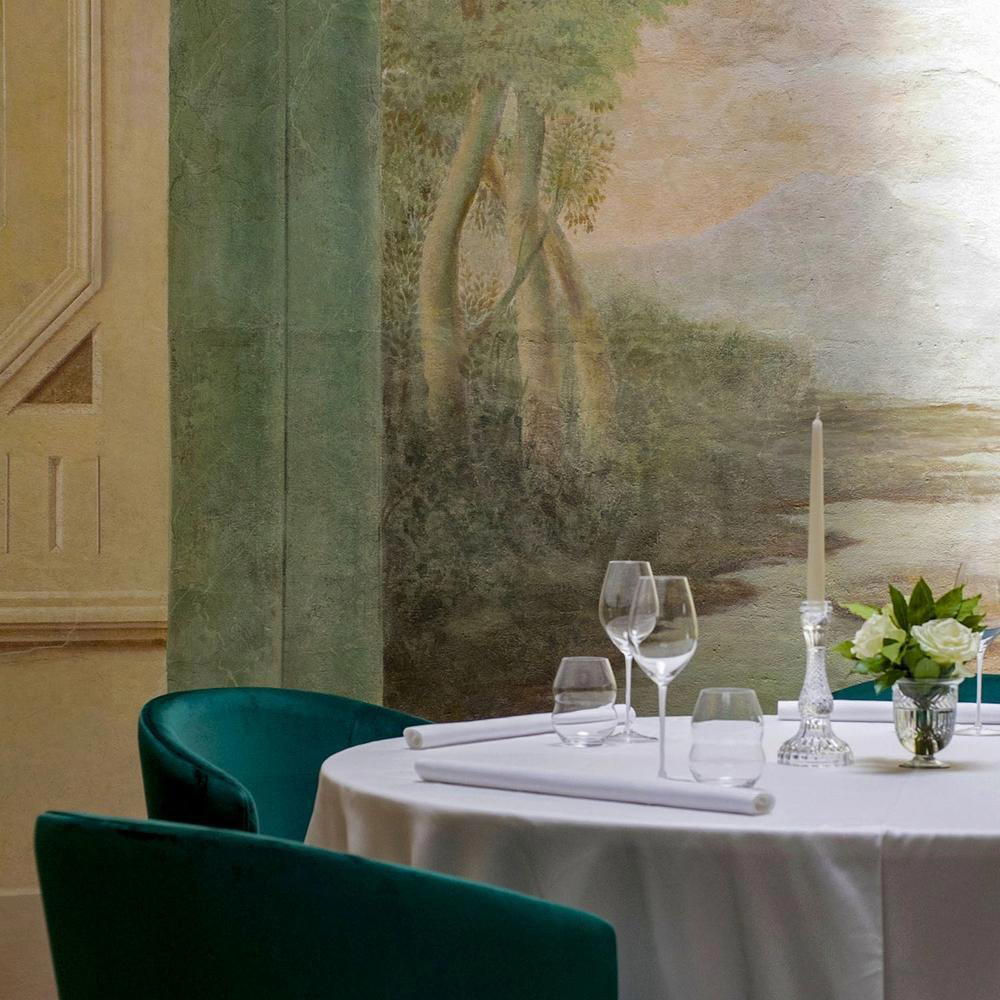
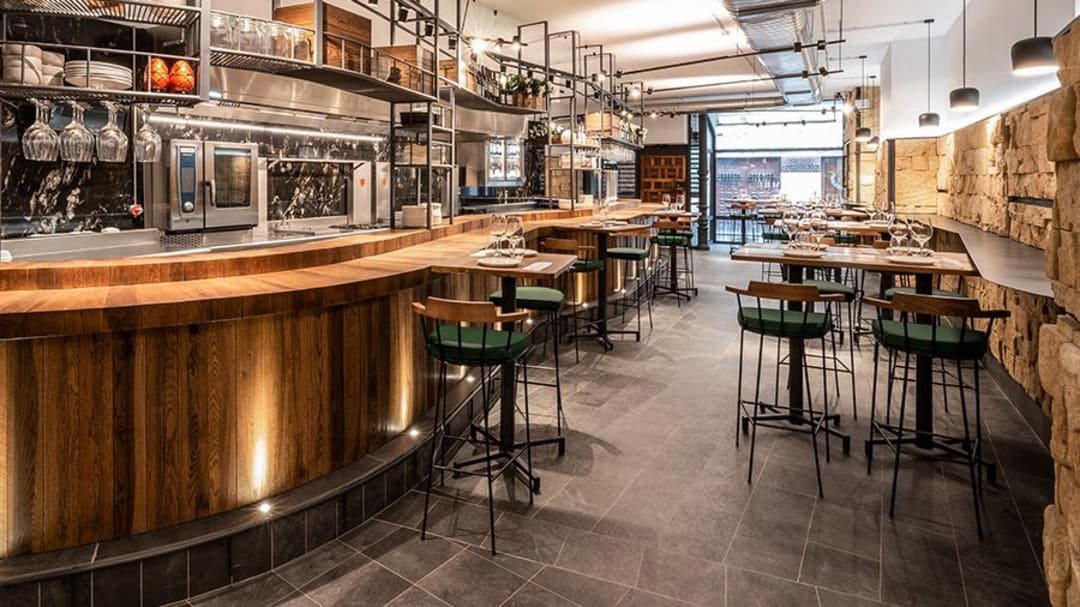
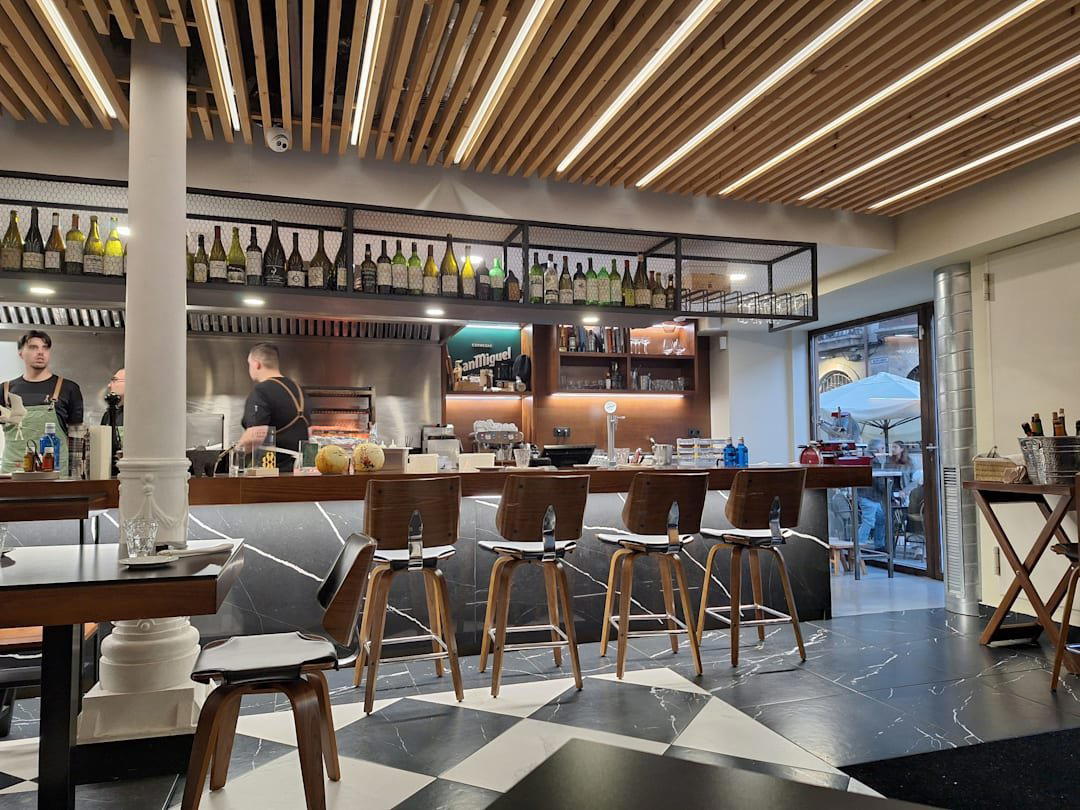
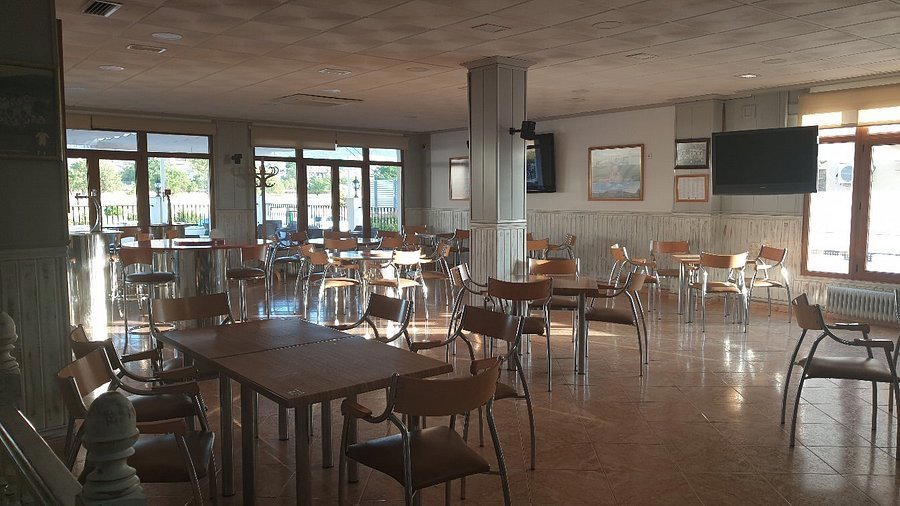
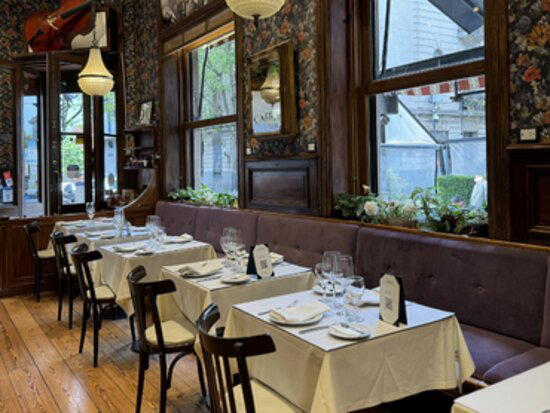
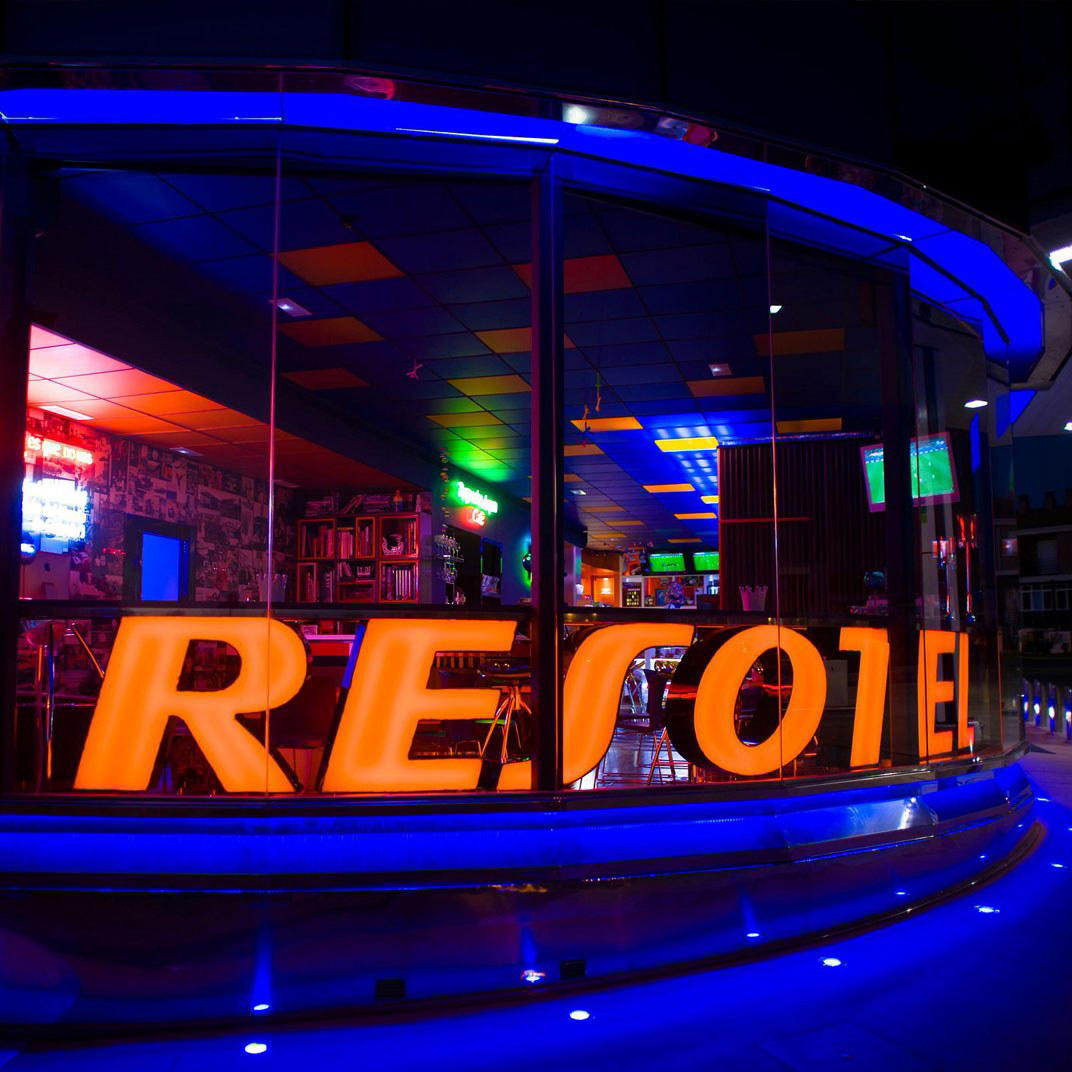
The interior reads as a considered interpretation of the taberna format rather than a literal one. The classic-cum-contemporary approach, preserved architectural character, updated execution, is a common response in historic Spanish city centres, where listed buildings constrain what you can change and the neighbourhood's visual identity sets expectations. In Salamanca, with its Renaissance-era streetscapes and warm ochre stone, a dining room that simply stripped out history would feel incongruous. The retained character here works with the location rather than against it, which is the right instinct.
What the room communicates is a sense of place specific to this corner of Castile: academic, slightly formal in structure, but not stiff. The tourist corridor that runs through the university quarter can produce restaurants that perform Spanishness for passing trade. This address sits close enough to that corridor to benefit from it while apparently aiming at a more considered audience.
The Menu: Province-Sourced, Internationally Inflected
The kitchen's point of difference is the combination of provincial sourcing with an à la carte shaped by international influences gathered across China, Indonesia, Japan, Thailand, Mexico, and elsewhere. This is a less common approach than it sounds in Castile, where the regional kitchen is among Spain's more conservative, and where restaurants working within the local ingredient base tend to stay within the local repertoire.
The seasonal sourcing from the Salamanca province grounds the menu in place: the Iberian pig, the legumes, the game that defines the Castilian larder are presumably present in some form. The international references sit alongside rather than replacing those foundations, which is a compositionally harder thing to achieve than either a straight regional menu or a fusion programme with no roots. Whether the execution consistently threads that needle is a question the Michelin Plate recognition answers in the affirmative, at least in terms of overall kitchen quality.
Daily set menu, a fixed-price format common across Spain at the mid-price tier, offers a more accessible entry point than the full à la carte. In a university city with a mixed-income dining public, the menú del día format is a practical necessity as much as a tradition, and a well-executed one serves as a useful indicator of kitchen consistency across the week.
Within Spain's broader international restaurant category, the reference points here differ substantially from what the leading end is doing. DiverXO (Progressive - Asian, Creative) operates at a conceptually different register, while Coque (Spanish, Creative) represents the kind of deep-pocketed creative Spanish kitchen that Madrid sustains and Salamanca does not.
For context on how international-inflected cooking at the accessible mid-price tier plays elsewhere in Europe, the approach has certain structural parallels with venues like Loumi in Berlin, where seasonal local produce meets a wider set of culinary references. The specific execution differs, but the underlying premise, rooting international technique in a regional ingredient base, is a recurring model in cities that want to move beyond their own culinary defaults without abandoning them entirely.
Salamanca as a Dining Destination
Salamanca does not feature heavily in the itineraries of Spain's food-focused travellers, who tend to route through San Sebastián, Madrid, Barcelona, or the Andalusian south. The city's restaurant scene is shaped more by academic and cultural tourism than by gastro-tourism, which means competitive pressure falls differently here than in the big food cities.
That relative absence from the national food conversation can work in a restaurant's favour. A Michelin Plate in a city like Salamanca carries different weight than the same recognition in Madrid, where the competition density is extreme and venues like Marcano, Nunuka, and El Pecado operate within a much tighter field. In Salamanca, a consistent Michelin Plate across two consecutive years is a meaningful marker of sustained quality.
The university quarter location adds a specific temporal rhythm. Academic calendars shape the dining room: busier during term, quieter in summer, with a mix of faculty, visiting researchers, and cultural tourists that differs from the leisure-dominated crowds at beach or ski destinations. For a visitor spending one or two nights in the city, the address puts dinner within walking distance of Salamanca's primary monuments, which matters when the city is compact enough that logistics should not be the deciding factor in where to eat.
Spain's broader restaurant story in 2025 continues to be written at the leading end: Disfrutar in Barcelona, Quique Dacosta in Dénia, and Azurmendi in Larrabetzu attract the international press and the destination diners. The mid-price tier in provincial cities is less visible but serves the larger portion of actual meals eaten in the country. A kitchen holding a Plate recognition at the €€ price point, in a historically conservative food city, while working with international references, is making a specific and considered argument about what the address can be.
Planning Your Visit
The address, Calle Libreros, 24, is in the pedestrianised historic core of Salamanca, walkable from the Plaza Mayor and the main university buildings. Budget: mid-range (€€), with the set daily menu offering the accessible end of the pricing and the à la carte running wider. Reservations: booking ahead is advisable given the combination of a compact location and consistent recognition; no booking method is confirmed in available data, so contact via the restaurant directly. Dress: no formal code is documented; the classic-contemporary setting suggests smart-casual is the appropriate register. Timing: the university quarter is busiest at lunch during term time; dinner may offer a quieter room.
For wider planning across Salamanca's home region and Spain's capital, EP Club's full guides cover the broader field: our full Madrid restaurants guide, our full Madrid hotels guide, our full Madrid bars guide, our full Madrid wineries guide, and our full Madrid experiences guide.
Frequently asked questions
What should I eat at Taberna de Libreros?
Can I walk in to Taberna de Libreros?
What's the signature at Taberna de Libreros?
Cuisine and Recognition
A short peer table to compare basics side-by-side.
| Venue | Cuisine | Price | Awards | Notes |
|---|---|---|---|---|
| Taberna de LibrerosThis venue (the venue you are viewing) | Modern Spanish Tapas | $30–50 | Michelin Plate | Not listed |
| DiverXO | Avant-Garde Spanish Tasting Menu | $300–500 | 3 Michelin Stars · World's 50 Best #4 | Progressive - Asian, Creative |
| Deessa | Modern Valencian Fine Dining | $150–200 | 2 Michelin Stars · La Liste Top Restaurants | Modern Spanish, Creative |
| Smoked Room | Progressive Asador, Contemporary | Not listed | Michelin 2 Star | Not listed |
| Coque | Modern Spanish Fine Dining | $300–500 | 2 Michelin Stars · La Liste Top Restaurants | Spanish, Creative |
| Paco Roncero | Avant-Garde Spanish Fine Dining | $150–200 | 2 Michelin Stars · La Liste Top Restaurants | Creative |
Recognition history
Dated appearances from independent guides and award organizations, with the underlying list record or original source where available.
Michelin Plate
Michelin
Full recognition history (3 entries)
Michelin Plate
Michelin
Michelin Plate
Michelin
Continue exploring
More in Salamanca
Restaurants in Salamanca
All restaurants in Salamanca →

Details
- Cozy
- Elegant
- Intimate
- Date Night
- Special Occasion
- Family
- Open Kitchen
- Extensive Wine List
- A La Carte
- Small Plates
- Wine
Current opening hours
- Monday
- Closed
- Tuesday
- 12:30–5 PM, 8–11 PM
- Wednesday
- 12:30–5 PM, 8–11 PM
- Thursday
- 12:30–5 PM, 8–11 PM
- Friday
- 12:30–5 PM, 8–11:30 PM
- Saturday
- 1–5 PM, 8–11:30 PM
- Sunday
- 12–5 PM
Hours can change for holidays and private events. Hours as of .
Quiet, cozy, and pleasant with comfortable seating and a modern decor that maintains personality.