

En la Parra sits opposite the Plateresque façade of the Convento de San Esteban in Salamanca, where chef Rocío Parra runs two tasting menus, Granito and Pizarra, rooted in the region's soils, pork traditions, and Castilian larder. The open kitchen in the main dining room keeps the creative process visible throughout the meal. A weekday lunch menu, Concepto Charro, offers a more accessible entry point to the same kitchen.
 Discover on Pearl
Pearl is the En Primeur Club membership app — saves, bookings, and concierge access live there. Same editors, same standards.
- Address
- San Pablo 80
- Phone
- +34 923 06 47 83
- Website
- restaurantenlaparra.com
Stone, Light, and the Weight of Place
Approach San Pablo 80 on any given evening and the setting does much of the work before you have stepped inside. The Convento de San Esteban, whose Plateresque stone altarpiece façade is among the most photographed surfaces in Salamanca, occupies the view directly opposite, a wall of carved sandstone that shifts from gold to amber as the afternoon light drops. The address is not incidental. It places En la Parra inside the monumental quarter of the city, where the university, the cathedral, and the great convents of the Dominican order define the urban fabric. Dining here carries a particular kind of civic gravity that few restaurants in Castile can match simply through location.
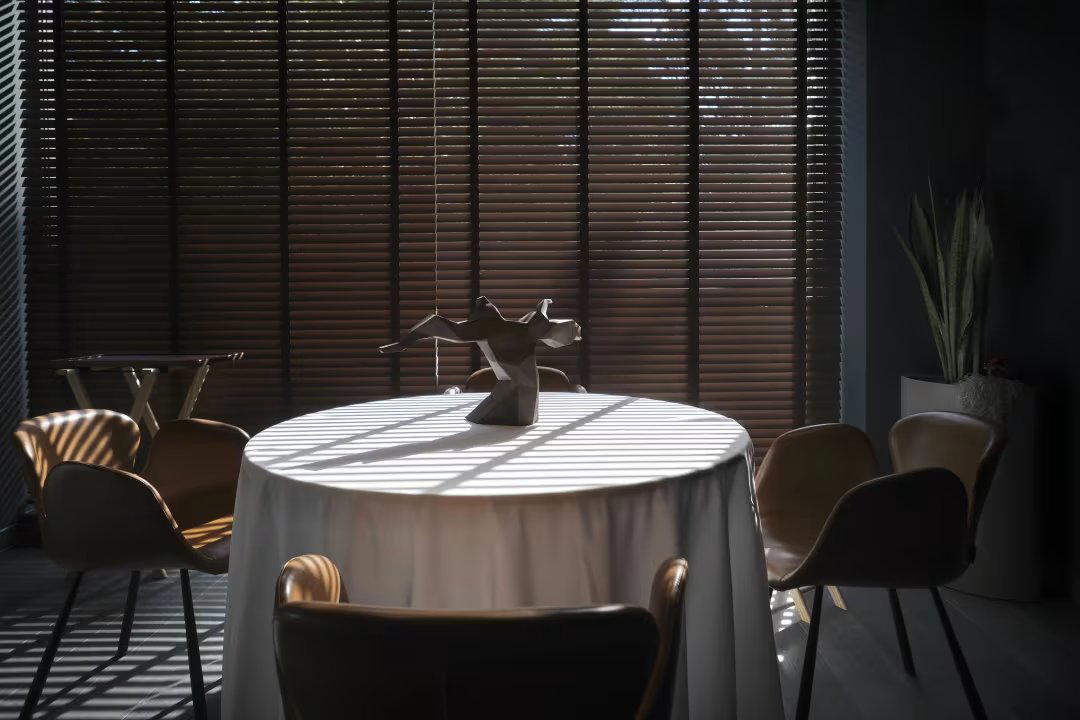
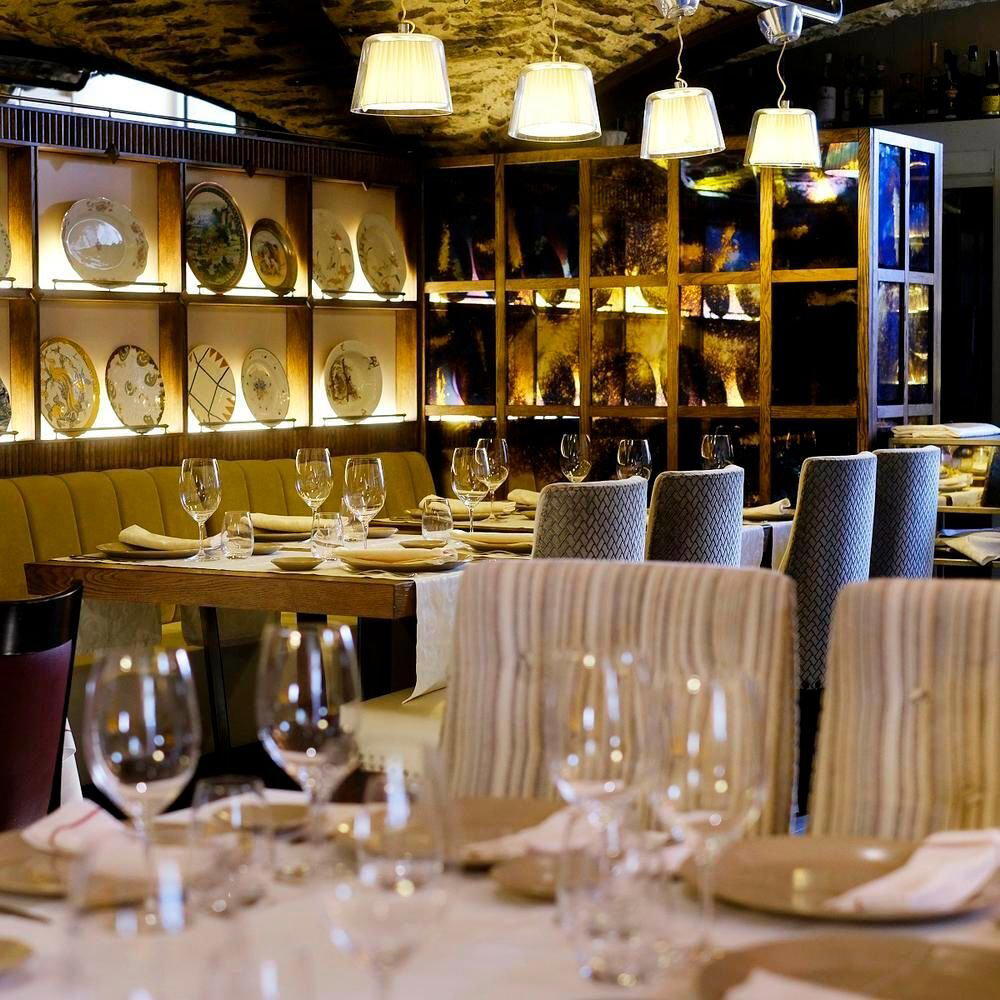
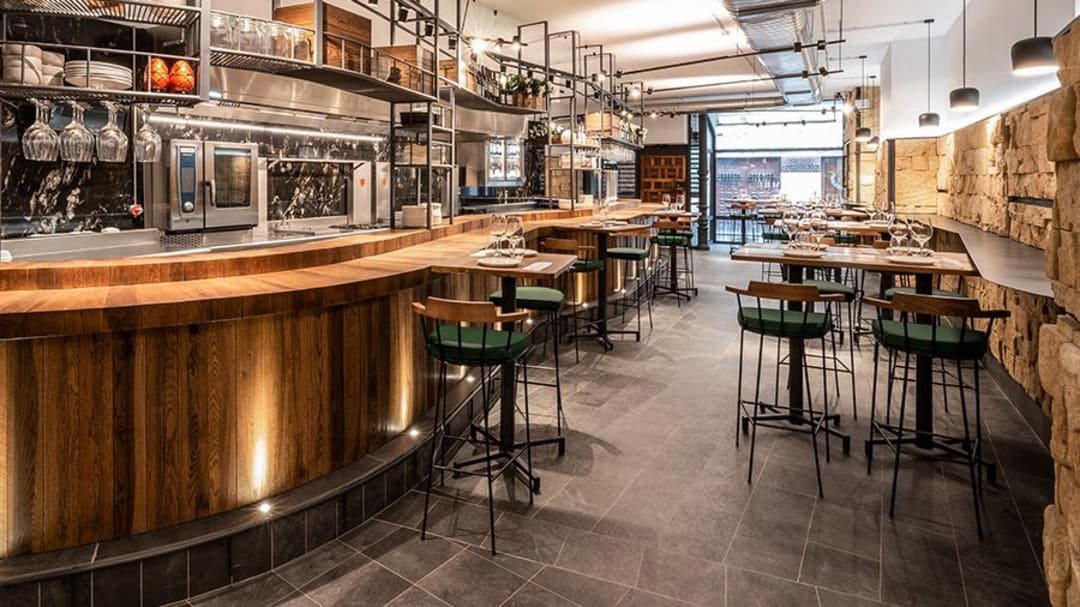
Inside, two dining rooms operate at different registers. The main room centres on an open kitchen, which means the pace of the meal, the arrival of small plates, the transitions between courses, the moment a technique changes from cold to heat, is visible rather than hidden. In tasting-menu restaurants across Spain, the open kitchen has become standard, but at En la Parra the choice aligns with the broader structure of the meal: a long, sequential experience in which each movement is meant to be understood, not just consumed.
The Architecture of the Tasting Menu
Spain's creative fine-dining tradition, which runs from Arzak in San Sebastián through Mugaritz in Errenteria and into the more maximalist territory of DiverXO in Madrid, has long favoured extended tasting formats as the primary vehicle for serious cooking. En la Parra works within that tradition while anchoring it firmly to Salamanca's Castilian identity. The two menus on offer, Granito and Pizarra, take their names from the granite and slate soils that define the province's vineyards, a naming choice that signals the kitchen's interest in terroir as a culinary idea, not just a wine concept.
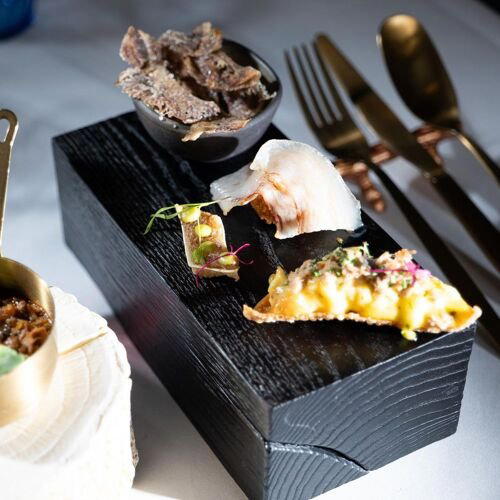
The two menus share dishes but differ in length: Granito runs to 19 courses, Pizarra to 25. That distinction matters in practical terms. Twenty-five courses at the pace a meal like this requires will occupy most of an evening; nineteen courses is still a committed format, but it carries slightly less demand on the diner's time and appetite. The decision between them is worth making before you arrive rather than at the table. Both open with a sequence of tapas and appetizers built around Iberian pork from FISAN, a producer associated with Salamanca's established charcuterie tradition. That opening movement sets the register: the region's larder, rendered through a contemporary kitchen.
Menus of this structure, long, sequential, shared-course formats with a strong local identity, place En la Parra in a comparable set that includes kitchens like El Celler de Can Roca in Girona and Azurmendi in Larrabetzu in terms of format ambition, even if Salamanca operates far outside those venues' international visibility. The comparison is one of structure and intent, not scale: the multi-course tasting format with deep regional roots is a consistent model across Spain's better creative kitchens, from Aponiente in El Puerto de Santa María on the Atlantic coast to Quique Dacosta in Dénia on the Mediterranean.
The Ritual of the Meal
What distinguishes a long tasting menu from simply eating a lot of food is sequencing: the sense that each course has a position in a designed order, that early plates build appetite and expectation rather than satisfy it, and that the kitchen controls the tempo deliberately. At En la Parra, the structure of Granito and Pizarra reflects this logic. The Iberian pork tapas that open both menus are not the main event; they are an entry point into a meal that moves through Salamanca's Castilian pantry across the course of two hours or more.
The service model, husband Alberto Rodríguez operating front-of-house and the wine programme, reinforces this. Restaurants where the kitchen and floor are run by partners tend to operate with a particular coherence: decisions about wine pairings, course timing, and guest communication move quickly between the two sides of the pass. That kind of integration is visible to attentive diners in the rhythm of the meal, even if it is never explicitly announced.
For those with less time, or for return visits that do not require the full tasting format, En la Parra runs a separate menu called Concepto Charro, available at midday on weekdays (excluding public holidays). The term charro refers to the distinctive cultural identity of Salamanca and its surrounding province, it is the same word that gives the city's university sports teams their name. A menu titled Concepto Charro is, in effect, a condensed argument for local cooking: the same kitchen philosophy operating at a shorter length and a more accessible price point. It is the sensible choice for a first visit during a working trip, or for anyone who wants to understand what the kitchen is doing before committing to 25 courses.
Salamanca's Creative Dining Scene
Salamanca sits at some distance from Spain's established fine-dining corridors. The Basque Country, Catalonia, and Madrid concentrate most of the country's Michelin recognition and international attention; kitchens like Martin Berasategui in Lasarte-Oria and Cocina Hermanos Torres in Barcelona operate in markets with deep pools of destination diners. Castile and León, by contrast, draws a quieter, more regionally focused audience, which means that serious creative restaurants here tend to serve a different mix: local professionals, visitors who come specifically for the university and the monuments, and a smaller contingent of diners who travel for food.
Within Salamanca specifically, En la Parra sits at the more ambitious end of the local restaurant spectrum. Bambú and ConSentido represent other points on that spectrum; the city does not operate at the density of San Sebastián or Girona, but it supports a number of kitchens working at a level that rewards attention from food-oriented travellers. For a full picture of where to eat, drink, and stay during a visit, our full Salamanca restaurants guide covers the wider scene, alongside our Salamanca hotels guide, bars guide, wineries guide, and experiences guide.
Planning Your Visit
En la Parra is located at San Pablo 80, directly opposite the Convento de San Esteban. The proximity to the monumental centre means it sits within walking distance of most of the city's major hotels and the university quarter. The main dining room with its open kitchen is the setting for both tasting menus; the second dining room provides overflow capacity. Given the length of the tasting formats and the kitchen's focus on a structured dining ritual, this is a restaurant that rewards an early evening start rather than a late arrival. The weekday lunchtime Concepto Charro menu operates on a different rhythm and is the more accessible option for visitors with afternoon travel or time constraints. Booking in advance is advisable, particularly for evening sittings and the longer Pizarra menu. Contact details are not listed here, but the restaurant's address makes it direct to locate through standard mapping applications.
Style and Standing
Comparable venues nearby, for context on price, style, and recognition.
| Venue | Cuisine | Price | Awards | Notes |
|---|---|---|---|---|
| En la ParraThis venue — the venue you are viewing | Modern Spanish Tasting Menu | $$$$ | Michelin 1 Star | |
| Bambú | Modern Spanish Tapas & Grilled Meats | $$$ | Bib Gourmand | Plaza Mayor |
| ConSentido | Contemporary Castilian | $$$ | Michelin Plate | Plaza del Mercado |
| Pascua | Purist Castilian fine dining | $$$ | , | |
| Víctor Gutiérrez | Modern Spanish-Peruvian Fusion | $$$$ | , | Empedrada / near Palacio de Congresos |
| Barro | Modern Spanish Creative Tasting | $$$$ | Michelin 1 Star | outside the walls |
Continue exploring
More in Salamanca
Restaurants in Salamanca
Browse all →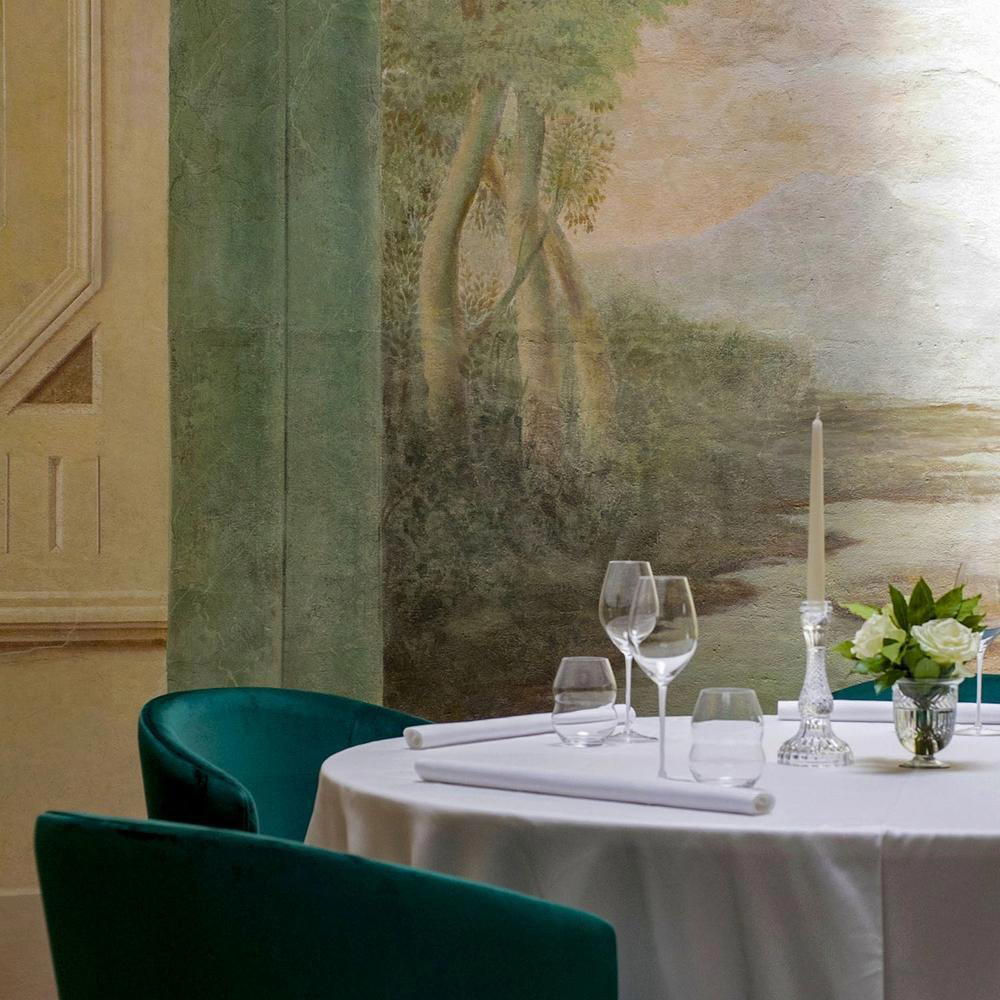
Hotels in Salamanca
Browse all →
Wineries in Salamanca
Browse all →
At a Glance
- Romantic
- Elegant
- Cozy
- Trendy
- Intimate
- Sophisticated
- Date Night
- Special Occasion
- Open Kitchen
- Extensive Wine List
- Local Sourcing
- Street Scene
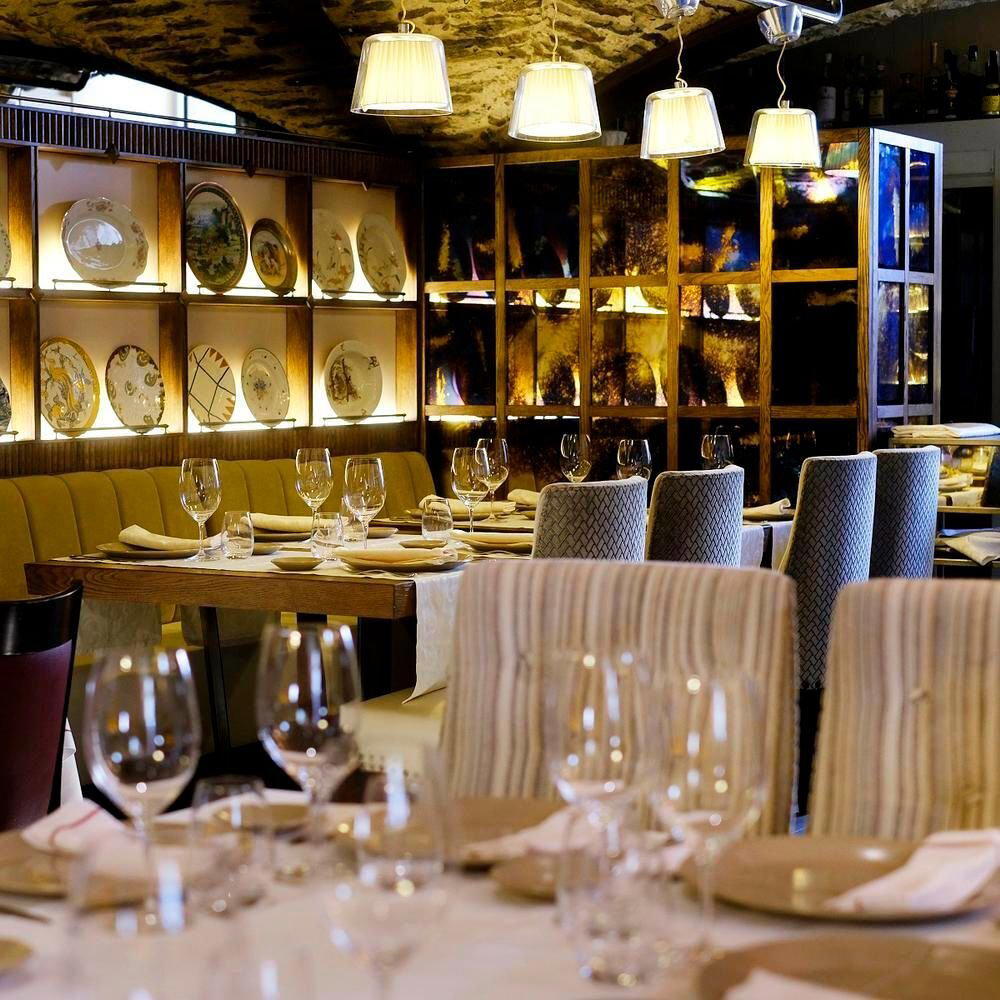
Elegant and serene dining room with contemporary atmosphere, open kitchen, subdued lighting, and romantic intimacy.