

Michelin Plate · Macarfi 7.1 Food Rating
Our verdict
Nunuka brings Georgian cooking to Madrid's Chueca district at a mid-range price point, earning a Michelin Plate in 2025 for its family-style approach to dishes rarely found elsewhere in the city. Khachapuri and khinkali anchor the menu, offering a practical entry point into a cuisine that remains genuinely underrepresented in Spanish dining rooms.

Pearl is the En Primeur Club membership app, where members save venues, book tables and use the concierge.
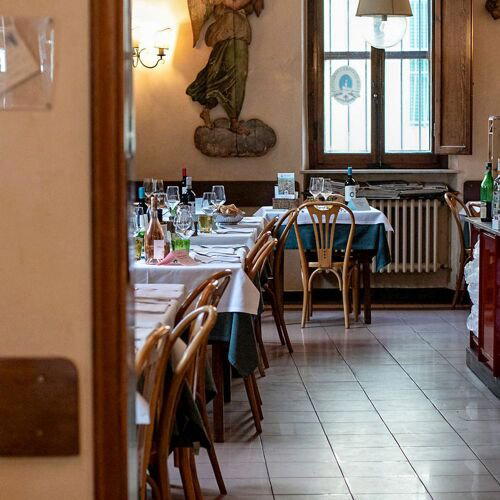
A Georgian Table in the Middle of Chueca
Calle de la Libertad cuts through one of Madrid's most animated neighbourhoods, where the density of restaurants, bars, and late-night foot traffic is as high as anywhere in the city centre. Chueca has long attracted independent operators willing to take format risks that the more conservative streets around Gran Vía or Retiro would not easily absorb. Georgian cuisine, which remains a near-novelty in Spanish dining rooms, fits that profile exactly. Nunuka occupies a position on that street that feels less like a destination and more like a neighbourhood fixture, the kind of place where the room fills from habit as much as from deliberate planning.
The family-style format matters here because Georgian food is structurally built for it. The country's cooking tradition organises meals around shared dishes, communal bread, and successive rounds of small plates rather than individual plated courses. Bringing that logic into a mid-range Madrid setting, where the dominant format runs from individual tapas to prix-fixe menus, requires some calibration, and Nunuka's approach to that translation is where most of the interest lies.
Georgian Cuisine in Madrid's Context
Georgia sits at a crossroads that its cooking reflects directly. The country's food draws from Caucasian, Persian, Ottoman, and Eastern European traditions without resolving neatly into any of them. Walnut-based sauces, herb-heavy stews, and filled doughs appear across the menu in forms that have more in common with the eastern Mediterranean than with anything you find in mainstream Western European restaurant culture. In Madrid, where the dominant foreign cuisines in the mid-range bracket run toward Japanese, Italian, Peruvian, and pan-Asian formats, Georgian sits in a genuinely separate category.
That separation is part of the editorial point about why a Michelin Plate recognition matters in context. The Madrid restaurant scene at the upper end is densely stacked with progressive Spanish cooking: DiverXO holds three stars with its progressive Asian-inflected approach, Coque operates at the €€€€ tier with creative Spanish, and the city's high-recognition cohort broadly skews toward either avant-garde technique or classical Spanish tradition. A Michelin Plate at the €€ price point for a Georgian kitchen in Chueca signals something different: consistency and identity in a category that has very few direct competitors in the city.
For comparison, international restaurants working at a similar intersection of imported culinary tradition and mid-range Madrid positioning include El Pecado, Marcano, and Taberna de Libreros, though none of those operate in the same culinary tradition. Nunuka's competitive set, if one exists at all in Madrid, is thin enough that the venue effectively defines its own micro-category within the city's dining map.
The Dishes That Define the Format
Two preparations appear consistently in any serious account of Georgian restaurant cooking, and both are present here. Khachapuri, the filled bread, is the more immediately approachable of the two: a boat-shaped dough case filled with a molten blend of cheeses, sometimes finished with butter and a raw egg cracked in at the table. The bread functions partly as vessel and partly as dish in its own right, and its texture, somewhere between a flatbread and a stuffed pastry, has no real equivalent in Spanish bakery tradition. It is the kind of preparation that explains an entire food culture in a single bite.
Khinkali, the filled dumplings, operate on a different register. They are larger and more deliberate than Chinese xiaolongbao or Central Asian manti, with a thick twisted dough knot at the leading that functions as a handle rather than something eaten. The standard filling is spiced meat in broth, though mushroom versions are common for non-meat tables. The technique for eating them, holding by the knot, biting carefully to drink the broth before eating the dumpling, is specific enough that most newcomers need direction. That learning curve is, in practice, part of the appeal.
The Michelin description for Nunuka specifically references these two dishes as the starting point for anyone new to the cuisine, which reflects their status not as novelties but as the structural pillars of Georgian restaurant cooking wherever it appears outside the country.
Where Nunuka Sits in Spain's Broader Restaurant Picture
Spain's highest-profile restaurant addresses are mostly outside Madrid. El Celler de Can Roca in Girona, Arzak in San Sebastián, Disfrutar in Barcelona, Aponiente in El Puerto de Santa María, Azurmendi in Larrabetzu, and Quique Dacosta in Dénia all anchor Spain's international reputation for creative, technically demanding cooking. Madrid's strength is different: it concentrates mid-range diversity and neighbourhood-level dining quality in a way that the more tourism-dependent coastal cities cannot replicate as easily. Nunuka sits in that Madrid strength zone, where a well-run kitchen serving a coherent and authentic foreign cuisine at an accessible price point can build a loyal local following.
For readers interested in how international kitchens operate at different scales and price points across European cities, the comparison extends beyond Madrid. Haubentaucher in Rottach-Egern and Loumi in Berlin represent other approaches to international cuisine in European contexts, though neither operates in the Georgian tradition.
Planning Your Visit
Nunuka sits at C. de la Libertad, 13, in the Centro district of Madrid, within Chueca, at the €€ price range.
| Venue | Cuisine | Price Tier | Recognition |
|---|---|---|---|
| Nunuka | Georgian / International | €€ | Michelin Plate 2025, 4.7 Google (1,623) |
| DiverXO | Progressive Asian, Creative | €€€€ | 3 Michelin Stars |
| Coque | Spanish, Creative | €€€€ | Michelin recognition |
| El Pecado | International | Varies | Madrid mid-range |
Explore more of what Madrid offers through our full Madrid hotels guide, our full Madrid bars guide, our full Madrid wineries guide, and our full Madrid experiences guide.
Frequently asked questions
at Nunuka?
The Michelin Guide specifically directs first-time visitors toward the khachapuri and khinkali, and that direction is well-grounded. Georgian cuisine has dozens of preparations, but these two dishes are the clearest entry points into the cuisine's structure and logic. The khachapuri delivers the bread-and-cheese combination that underpins Georgian hospitality culture; the khinkali demonstrate the filled-dumpling tradition that distinguishes the country's cooking from neighbouring food cultures. Both appear on the menu at a €€ price point, which means ordering generously across the table is practical rather than aspirational.
How hard is it to get a table at Nunuka?
Madrid's dining culture trends toward later evening sittings, which means demand concentrates in a narrower window than in northern European cities. Midweek lunch typically offers more flexibility than Friday or Saturday dinner at restaurants in this recognition bracket and neighbourhood. The combination of a competitive price point and consistent quality recognition means walk-in availability is likely limited during peak hours.
A Lean Comparison
| Venue | Cuisine | Price | Awards | Notes |
|---|---|---|---|---|
| NunukaThis venue (the venue you are viewing) | Authentic Georgian Bistro | $30–50 | Michelin Plate · Macarfi 7.1 Food Rating | Not listed |
| DiverXO | Avant-Garde Spanish Tasting Menu | $300–500 | 3 Michelin Stars · World's 50 Best #4 | Progressive - Asian, Creative |
| Deessa | Modern Valencian Fine Dining | $150–200 | 2 Michelin Stars · La Liste Top Restaurants | Modern Spanish, Creative |
| Smoked Room | Modern Japanese Fire Omakase | $200–300 | 2 Michelin Stars · La Liste Top Restaurants | Progressive Asador, Contemporary |
| Coque | Modern Spanish Fine Dining | $300–500 | 2 Michelin Stars · La Liste Top Restaurants | Spanish, Creative |
| Paco Roncero | Avant-Garde Spanish Fine Dining | $150–200 | 2 Michelin Stars · La Liste Top Restaurants | Creative |
Recognition history
Dated appearances from independent guides and award organizations, with the underlying list record or original source where available.
Michelin Plate
Michelin
Macarfi 7.1 Food Rating
Macarfi
Full recognition history (4 entries)
Michelin Plate
Michelin
Michelin Plate
Michelin
Continue exploring
More in Madrid
Restaurants in Madrid
All restaurants in Madrid →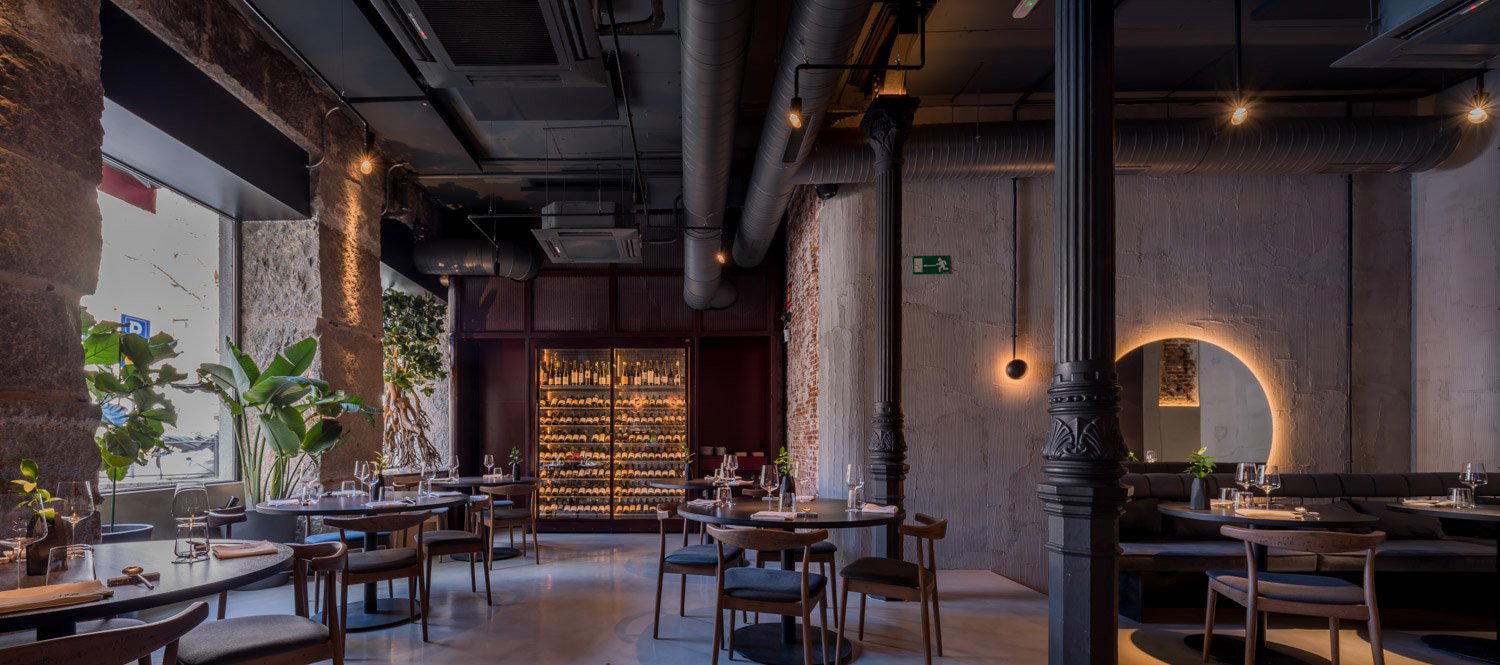
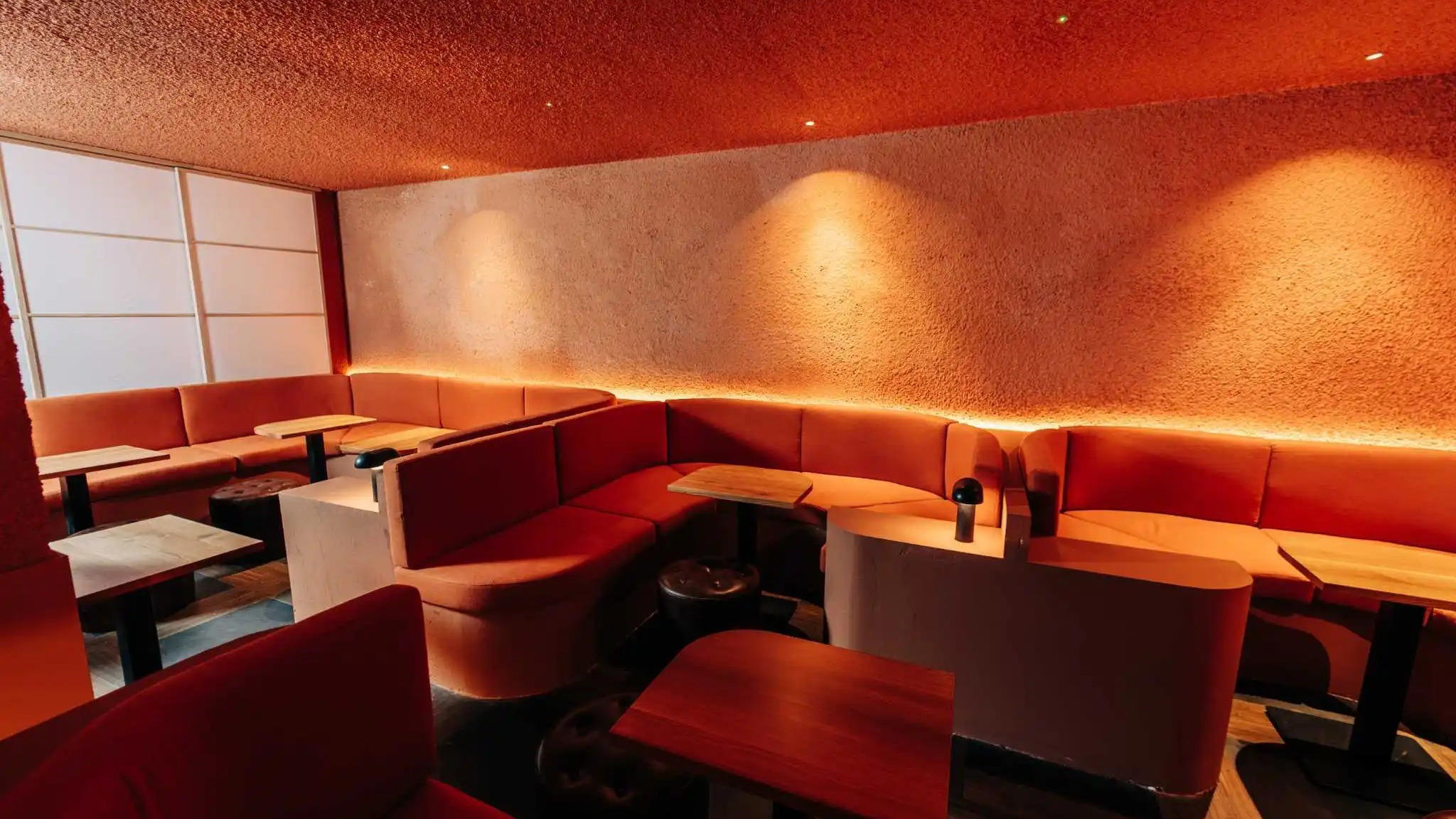
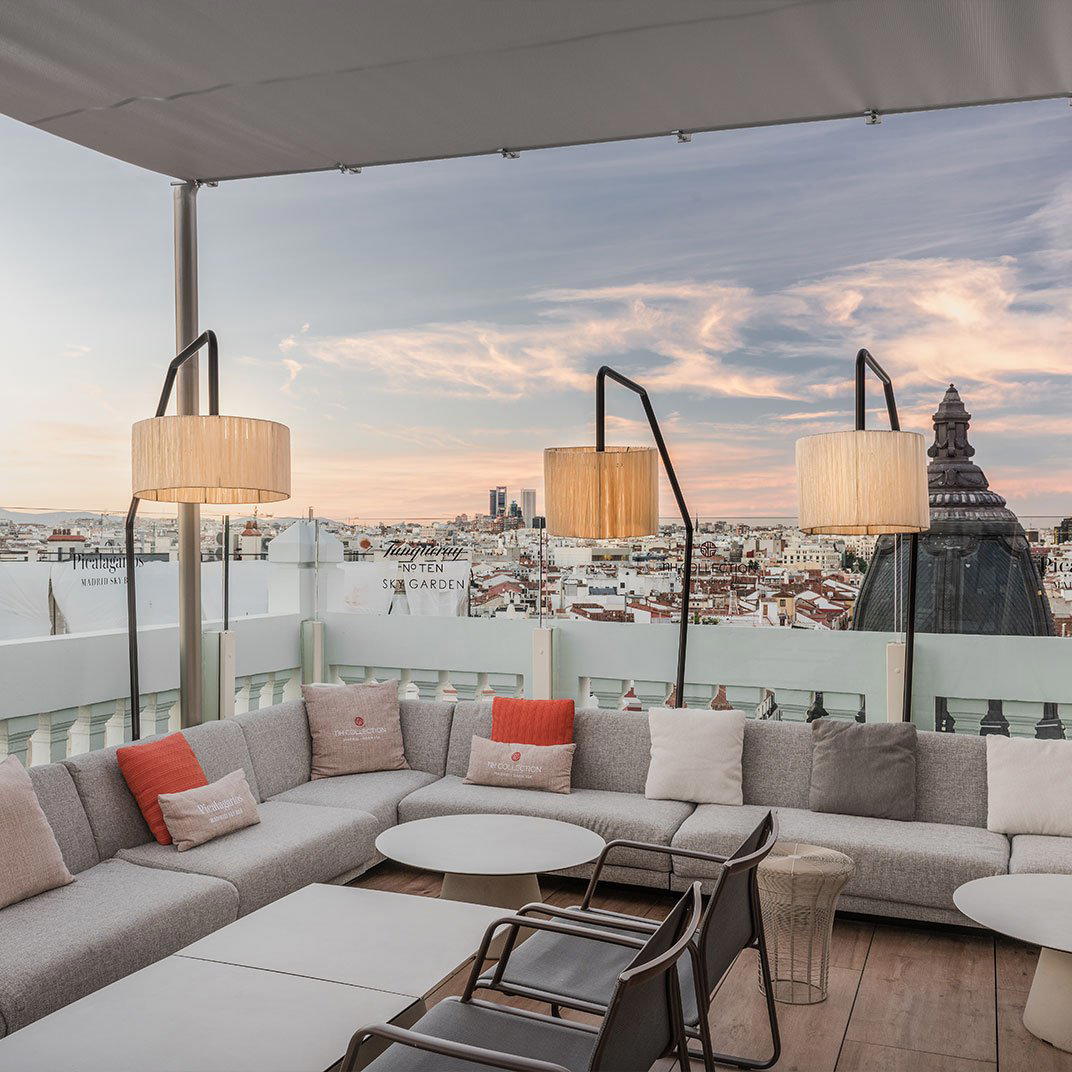
Bars in Madrid
All bars in Madrid →

Details
- Cozy
- Rustic
- Elegant
- Intimate
- Date Night
- Casual Hangout
- Special Occasion
- Open Kitchen
- Extensive Wine List
- Local Sourcing
- A La Carte
- Small Plates
- Georgian Wine
- Vegetarian Friendly
Current opening hours
- Monday
- Closed
- Tuesday
- 1:30–11:30 PM
- Wednesday
- 1:30–11:30 PM
- Thursday
- 1:30–11:30 PM
- Friday
- 1:30–11:30 PM
- Saturday
- 1–11:30 PM
- Sunday
- 1–11:30 PM
Hours can change for holidays and private events. Hours as of .
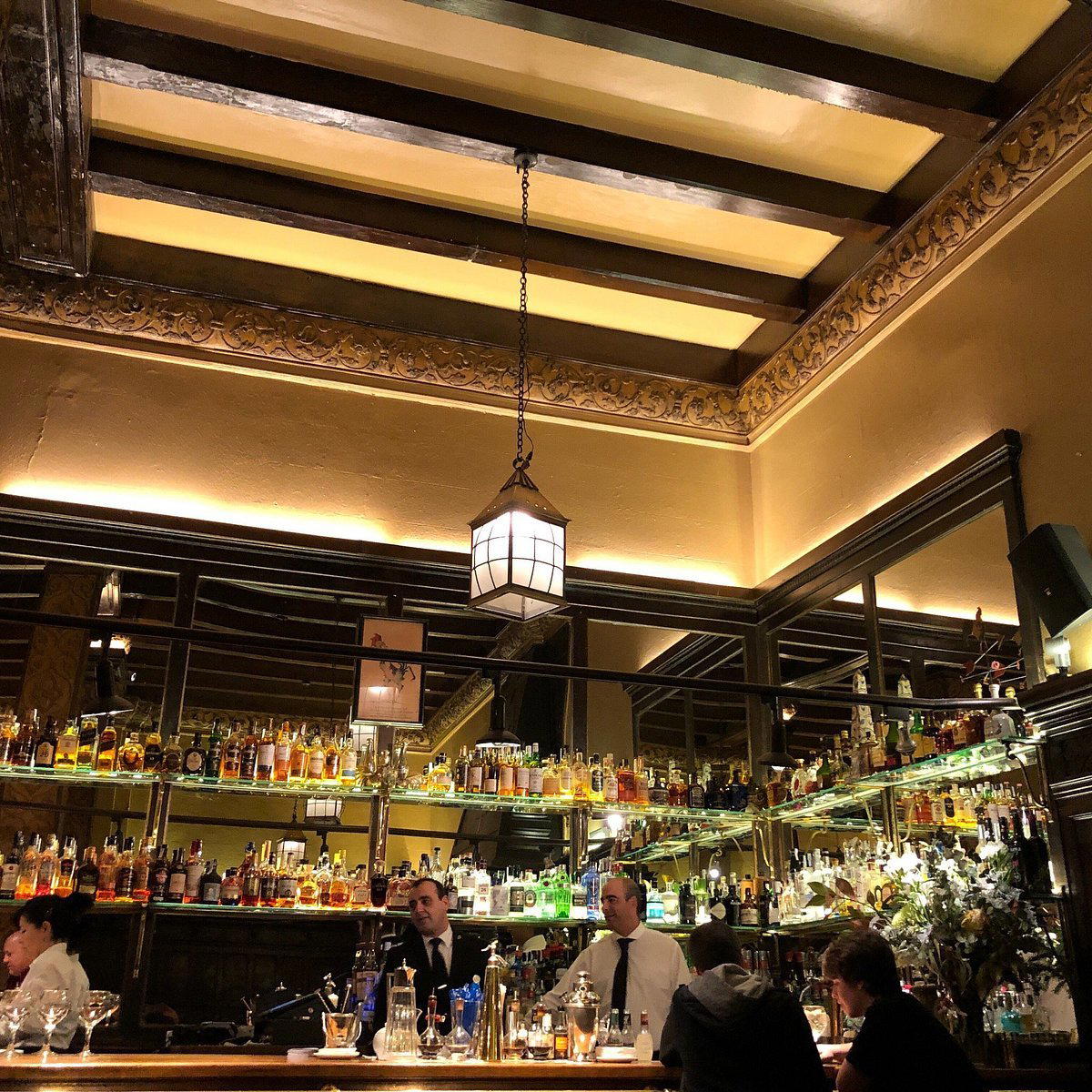
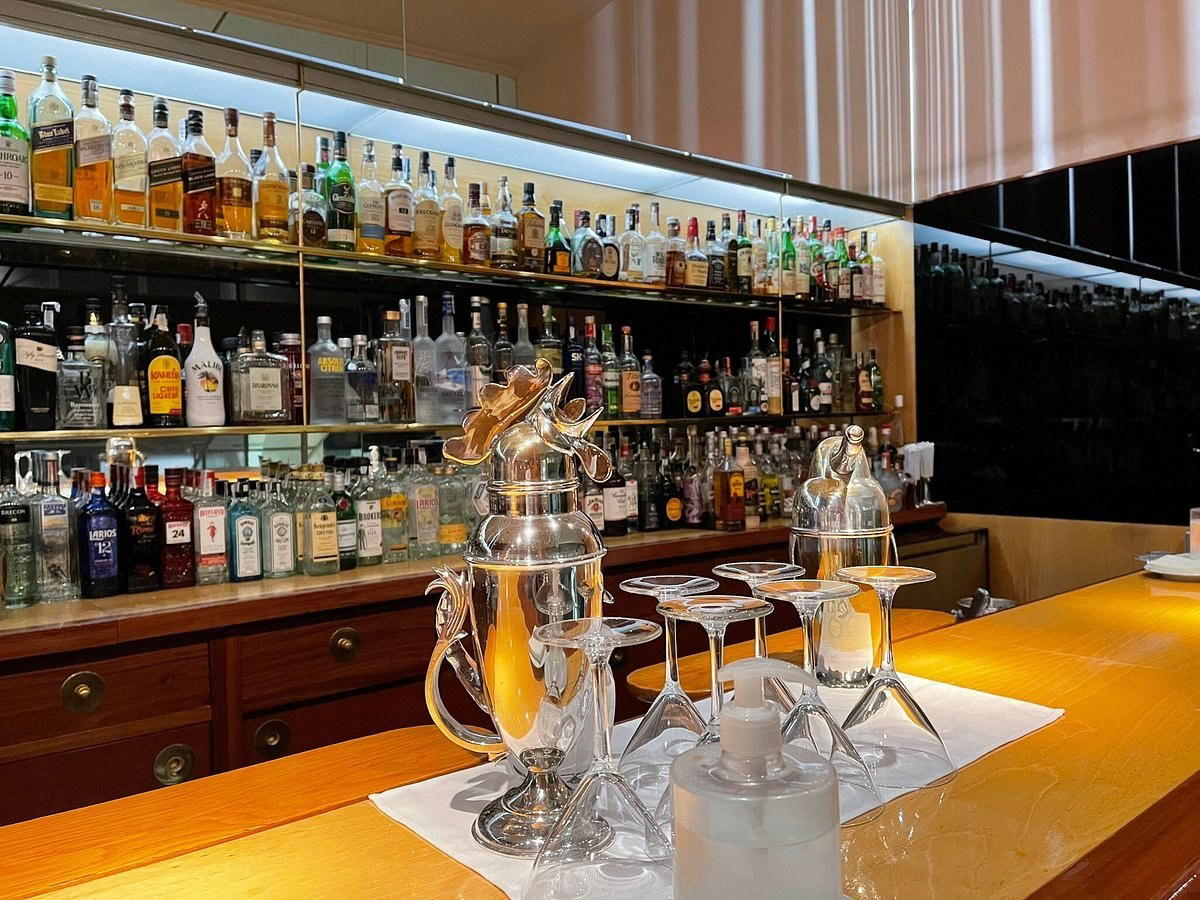
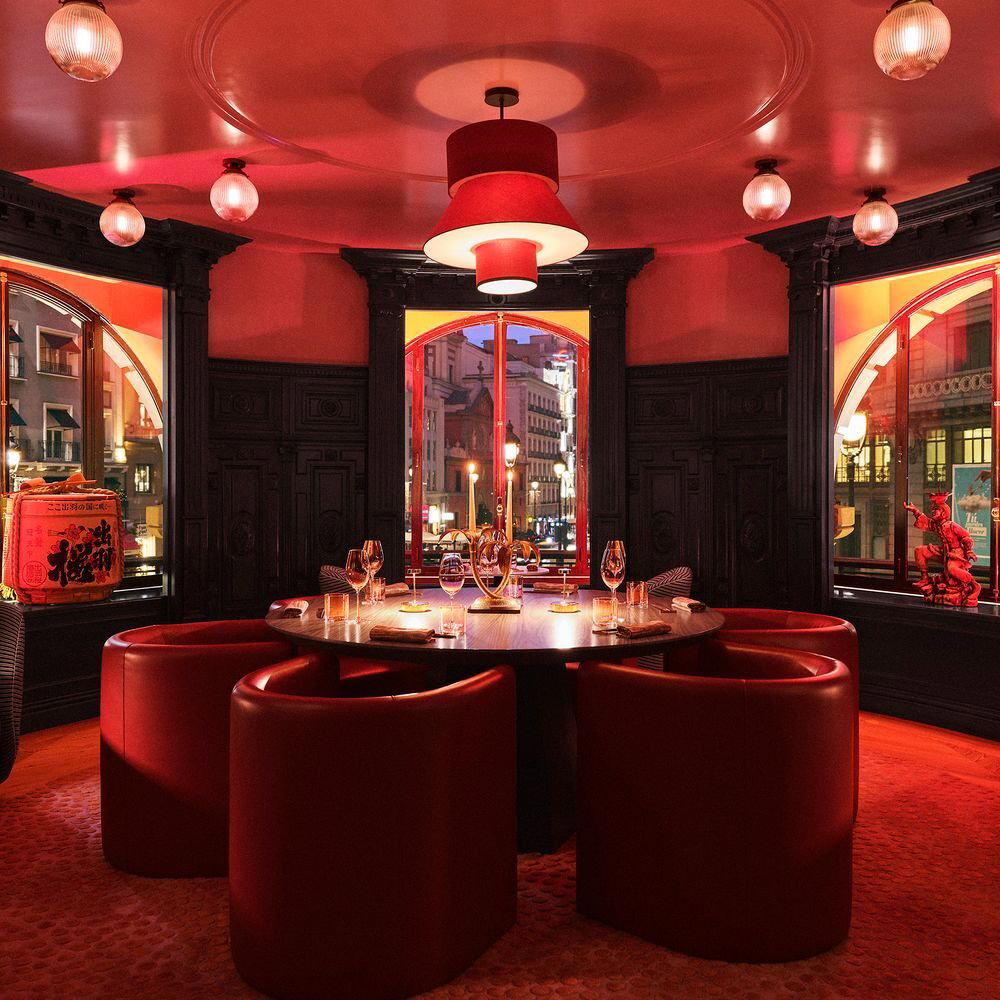
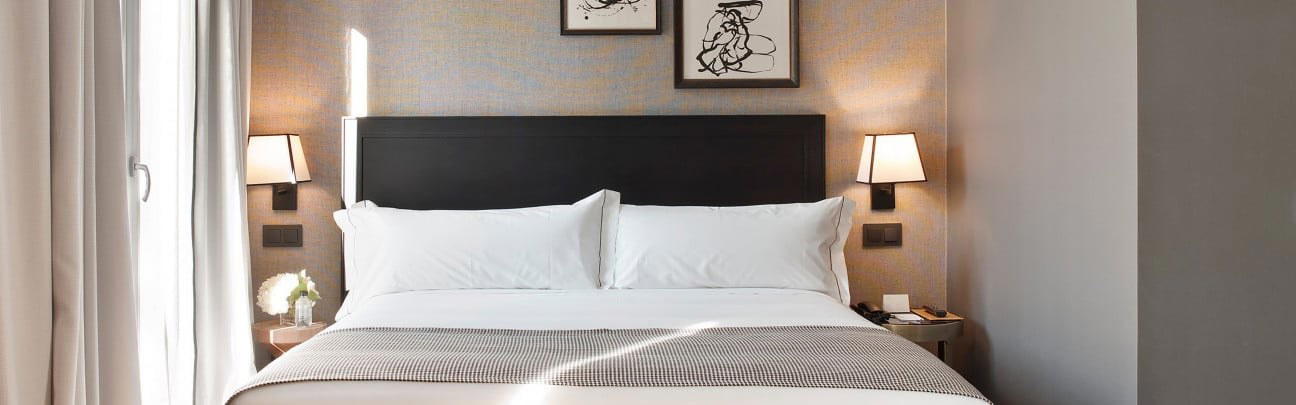
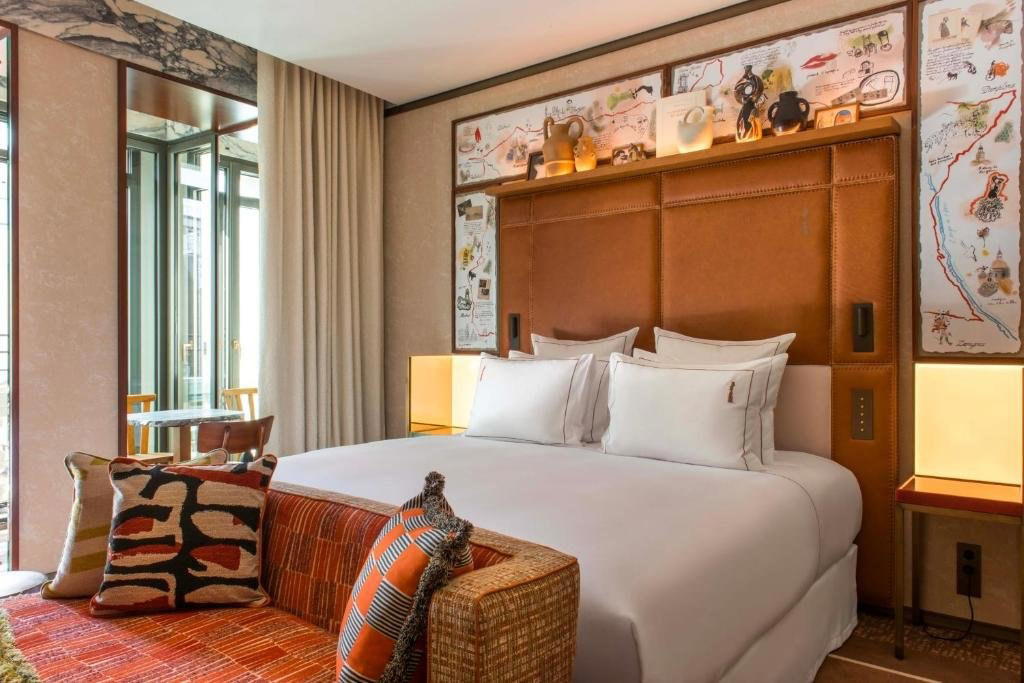
Warm and cozy with rustic charm blended with contemporary elegance, jewel-toned decor, bold sofas, and turquoise napkins creating an inviting atmosphere.