
Ta Khai, set within Rosewood Phuket on Muen-Ngern Road in Patong, takes the live-seafood model seriously: diners select from a stocked pond before the kitchen takes over. The Michelin Plate-recognised menu leans into southern Thai flavour at ฿฿฿ pricing, with terrace seating that frames Patong Bay. The BBQ sala adds a second, more hands-on format for groups.
Pearl is the En Primeur Club membership app — saves, bookings, and concierge access live there. Same editors, same standards.
- Address
- 88/28, 88/30-30, Muen-Ngern Rd In Rosewood, 28 Muen-Ngern Rd, Pa Tong, Kathu District, Phuket 83150, Thailand
- Phone
- +66 76 356 888
- Website
- rosewoodhotels.com
- Directions
- Get directions
 Saves & bookings on Pearl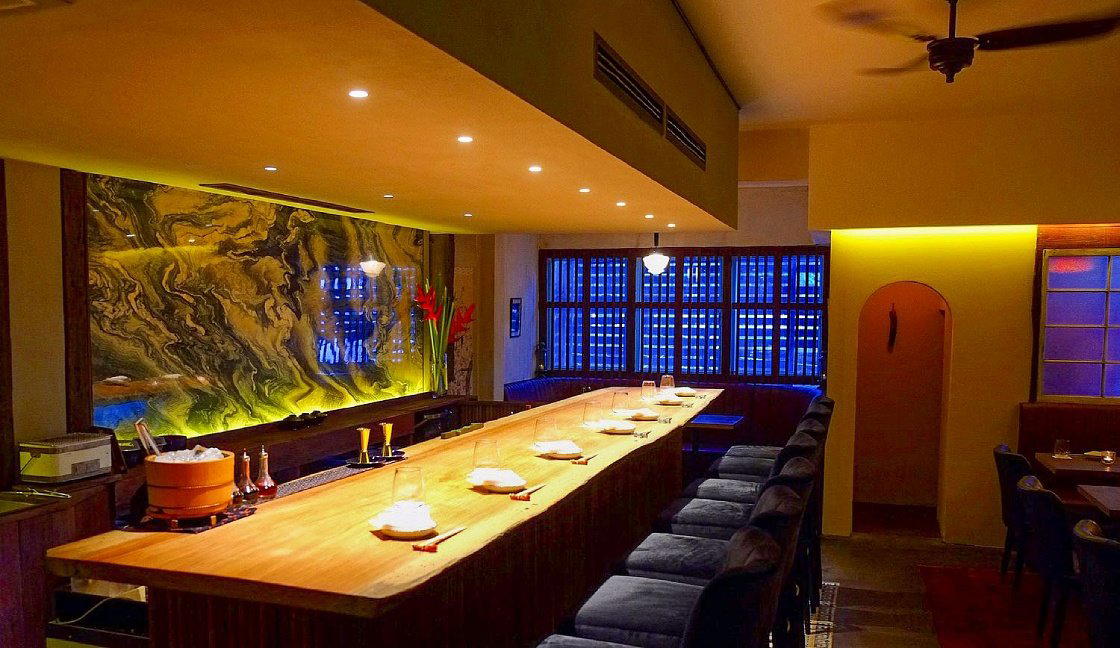
The View Before the First Dish
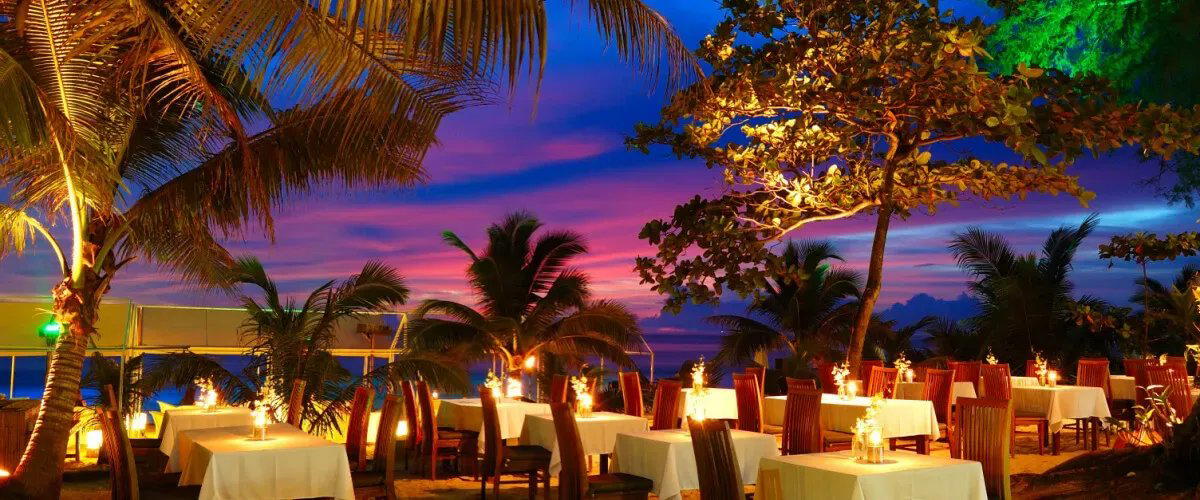
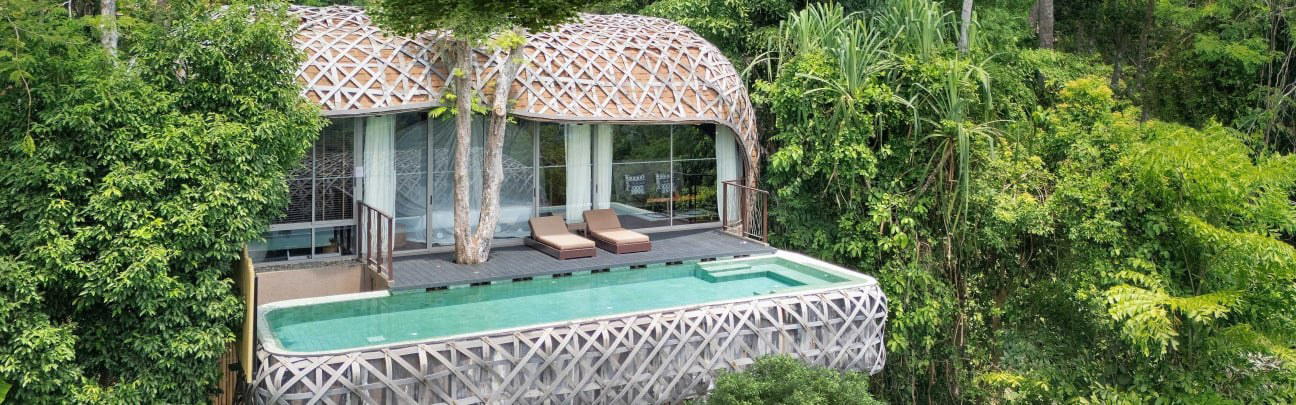
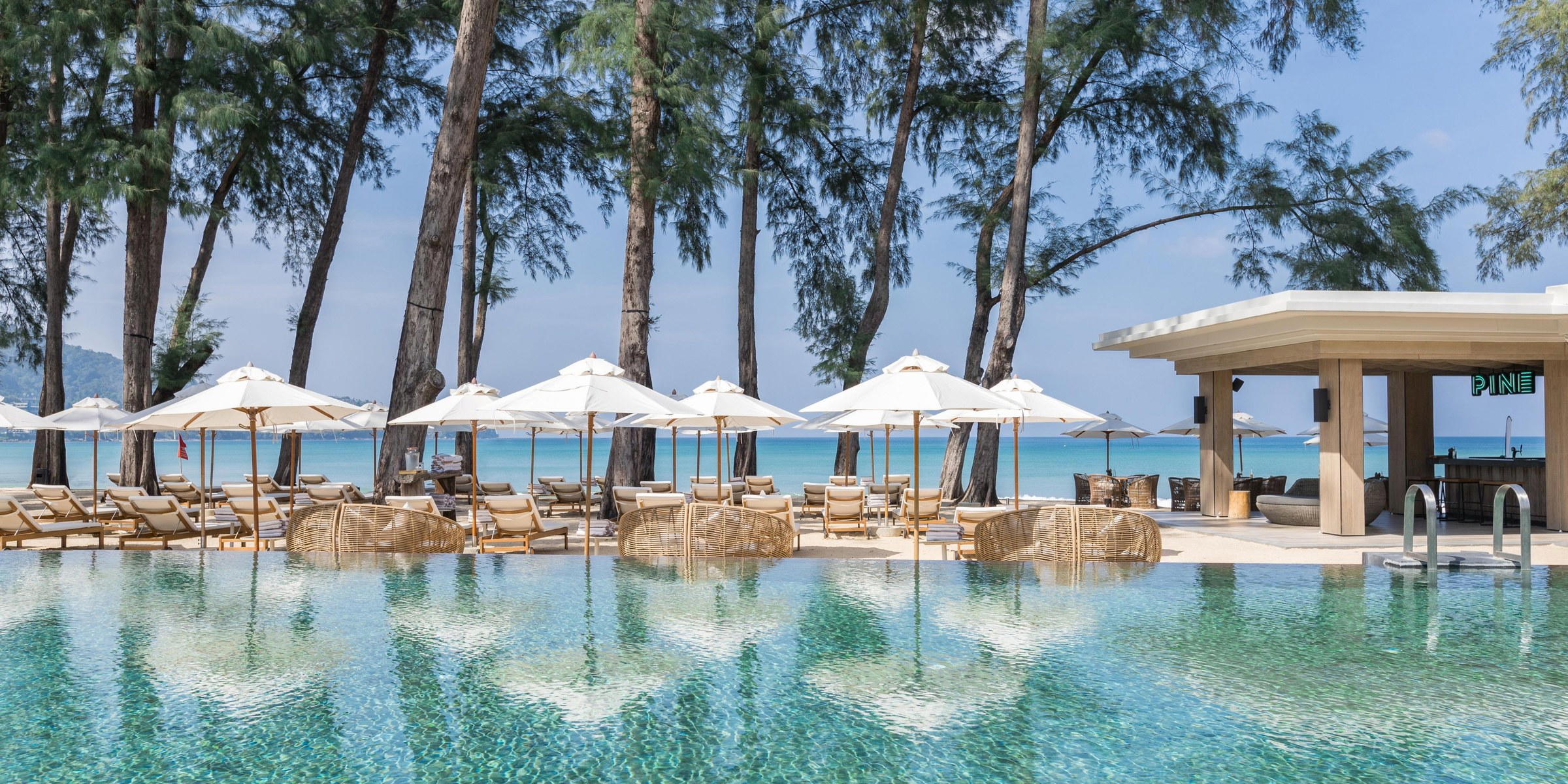
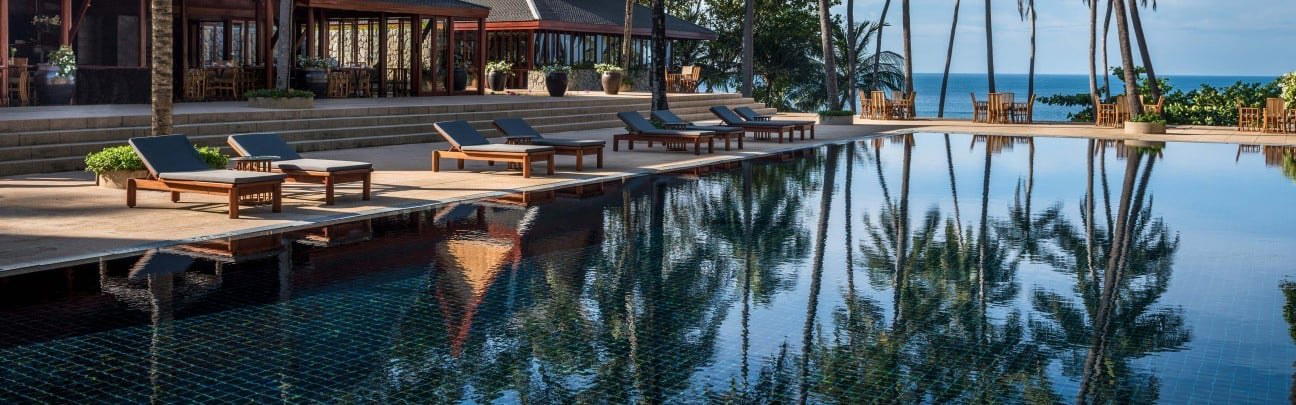
Patong Bay has a particular quality in the hour before sunset: the water shifts from blue-green to amber, and the hillside above the beach catches the last direct light. At Ta Khai, the terrace seats face that panorama directly, making the physical setting part of the dining logic before any food has arrived. The restaurant occupies a position within Rosewood Phuket on Muen-Ngern Road in Pa Tong, and the terrace orientation is deliberate rather than incidental. Request a table outside when booking; the interior, however comfortable, trades that bay-and-cityscape framing for shelter.
That framing matters because Ta Khai positions itself inside a specific register of Thai dining in Phuket, one where setting, live-ingredient theatre, and recognisable southern flavour work together as a package. The restaurant holds a Michelin Plate (2025), which in the Guide's own taxonomy signals a kitchen producing food of good quality, and places it in a competitive tier that includes Blue Elephant and Baan Rim Pa Patong at a similar price point (฿฿฿).
The Live-Seafood Model and What It Asks of the Diner
Southern Thailand's coastal restaurant tradition has long included live-selection formats, where the distance between water and plate is measured in minutes rather than supply-chain days. Ta Khai formalises that tradition inside a hotel environment: a stocked pond on-site allows diners to identify the fish or shellfish they want, and a member of the kitchen team retrieves it. Snapper cooked within a short window of leaving the water behaves differently in the oil, holds texture differently on the bone. The freshness is not a marketing claim; it is a structural feature of how the dish is made.
For those who prefer to defer the choice, two set menus cover a range of preparations and act as an orientation through the kitchen's range. Spicing can be adjusted on request, which in southern Thai terms means the kitchen is calibrated toward an international dining room without abandoning the flavour logic that defines the region. This is a common negotiation in Phuket's hotel-restaurant tier, and the restaurant handles it without stripping the food of its character. For a more direct comparison of how differently Thai restaurants in the province approach this calibration, Chuan Chim at ฿฿ offers a more local-facing register, while PRU at ฿฿฿฿ takes the modern-cuisine route.
A Note on Drinks and the Role of the Wine Programme
Southern Thai food at this level asks something specific of a drinks list: it needs to handle pronounced acidity, fish-sauce salinity, fresh herb brightness, and the structural weight of fried preparations across a single meal. That is a harder brief than pairing wine with European cuisine, and it is a brief that Phuket's hotel-restaurant sector has become increasingly competent at meeting as the island's visitor profile has shifted toward longer-stay, higher-spend travellers.
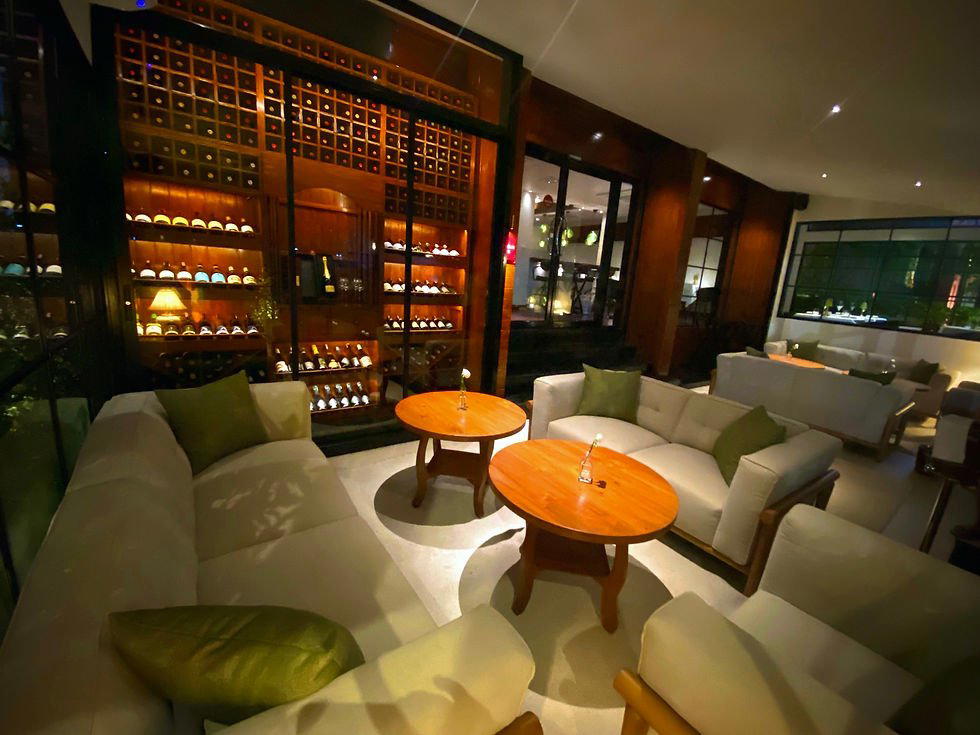
The drinks programme at the restaurant operates within the Rosewood context, which at its properties globally typically means a curated list rather than a warehouse-scale cellar. Alsatian Riesling, dry Gewurztraminer, and mineral-driven whites from the Loire are the academic answers to southern Thai seafood; in practice, off-dry Rieslings from Germany's Mosel or Australian Clare Valley provide a wider practical bracket for tables with mixed spice tolerances. Thai craft beer and local spirits are the other pragmatic route, and for a live-seafood format with bay views, they read appropriately.
The BBQ Sala Format
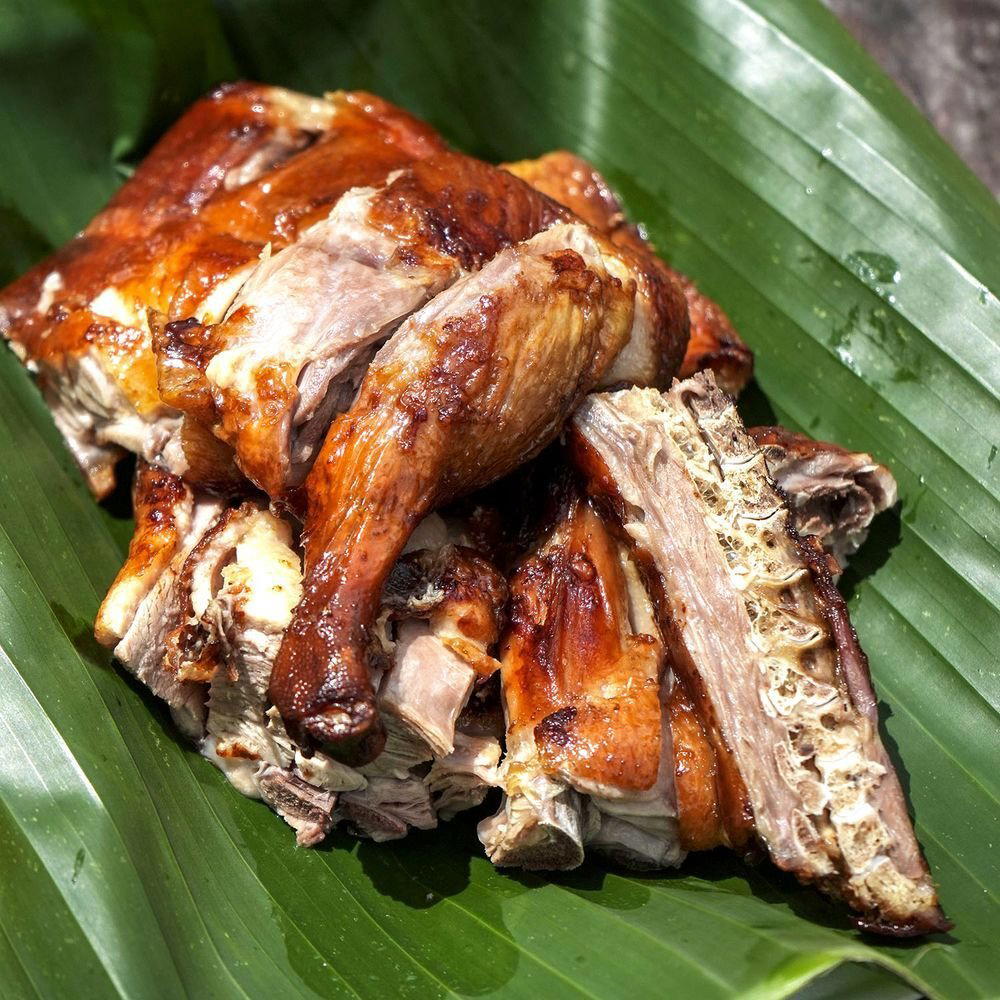
Second format on offer is the BBQ sala, a semi-private structure that separates the table from the main dining room and centres the meal on live-fire cooking. This format has a different social logic from the main terrace: it works for groups where the process of cooking is part of the entertainment, and where a longer, looser timeline suits the occasion. The sala format is a fixture in Thai resort dining at this tier, and when done properly, it extends the live-selection model into something more participatory. At ฿฿฿ pricing, it occupies a mid-premium bracket that makes it accessible without requiring the commitment of a ฿฿฿฿ tasting-menu evening.
Placing Ta Khai in Phuket's Thai Restaurant Scene
Phuket's Thai restaurant offer has stratified clearly over the past decade. At one end, southern streetfood and market formats operate at ฿ to ฿฿ pricing and prioritise local palates. At the other, modern-Thai formats with international technique and premium ingredients have claimed the ฿฿฿฿ tier. The middle ground, credentialed Thai cooking in a setting built for international visitors, is where the restaurant operates, and it is a well-populated tier in Phuket specifically because the island's visitor mix creates sustained demand for it.
The live-seafood format is what differentiates the restaurant within that middle tier. Buabok and Gorjan represent different registers of the Phuket dining scene, and none of them lead with the pond-to-plate format the way the restaurant does. For reference points further afield in Thai cuisine, Sorn in Bangkok defines the two-Michelin-star ceiling of southern Thai cooking nationally, while Nahm in Bangkok and Samrub Samrub Thai in Bangkok chart different interpretive routes through the Thai canon. Aeeen in Chiang Mai, AKKEE in Pak Kret, and Angeum in Phra Nakhon Si Ayutthaya show how regional Thai cooking plays outside the capital. Agave in Ubon Ratchathani and The Spa in Lamai Beach round out the picture of dining beyond Phuket's main strip.
Planning Your Visit
The restaurant is at 88/28, Muen-Ngern Road, Pa Tong, Kathu District, Phuket 83150, within the Rosewood Phuket property. The terrace is the priority seat, so specify it when making a reservation rather than hoping for assignment on arrival. The BBQ sala functions as a separate booking category and suits tables of four or more where a longer format works. The Michelin Plate recognition (2025) has kept the profile visible among visitors cross-referencing the Guide before arrival, so evening bookings during peak season (November through April, when Phuket's weather is most consistent) should be secured ahead of time.6 across 389 ratings, a signal of reliable consistency rather than occasional greatness.
Peers in This Market
Comparable venues nearby, for context on price, style, and recognition.
| Venue | Cuisine | Price | Notes |
|---|---|---|---|
| Ta KhaiThis venue — the venue you are viewing | Authentic Southern Thai Seafood | $$$ | Not listed |
| Bucha | Authentic Southern Thai | $$$ | Mueang Phuket |
| Talung Thai | Southern and Central Thai | $$$$ | Kathu |
| Jaras | Modern Thai Contemporary | $$$$ | Kathu |
| Peang-Prai | Southern Thai | $$ | Thalang |
| One Chun | Southern Thai Phuket Cuisine | $$ | Mueang Phuket |
Recognition history
Dated appearances from independent guides and award organizations, with the underlying list record or original source where available.
Michelin Plate
Michelin
Michelin Plate
Michelin
At a Glance
- Romantic
- Rustic
- Scenic
- Elegant
- Intimate
- Date Night
- Special Occasion
- Celebration
- Waterfront
- Open Kitchen
- Terrace
- Craft Cocktails
- Local Sourcing
- Sustainable Seafood
- Waterfront
Current opening hours
- Monday
- 6–10 PM
- Tuesday
- 6–10 PM
- Wednesday
- 6–10 PM
- Thursday
- 6–10 PM
- Friday
- 6–10 PM
- Saturday
- 6–10 PM
- Sunday
- 6–10 PM
Hours can change for holidays and private events. Last verified .
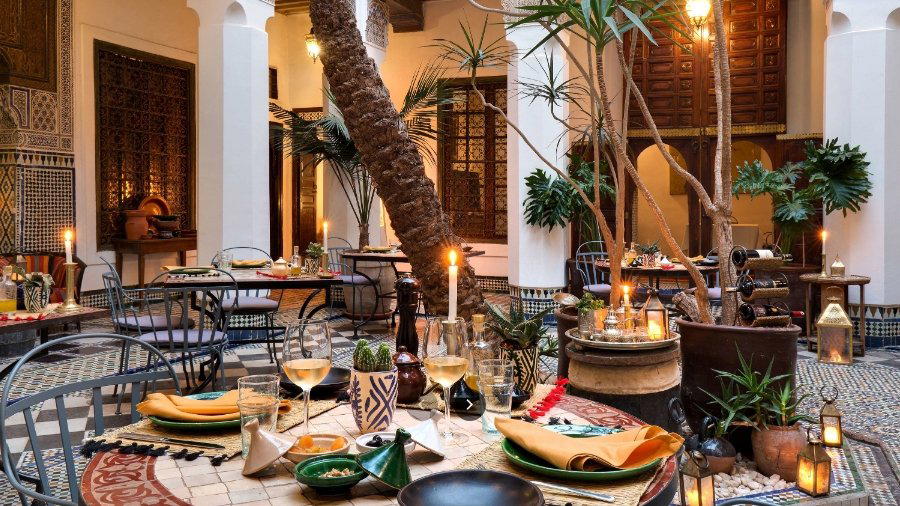
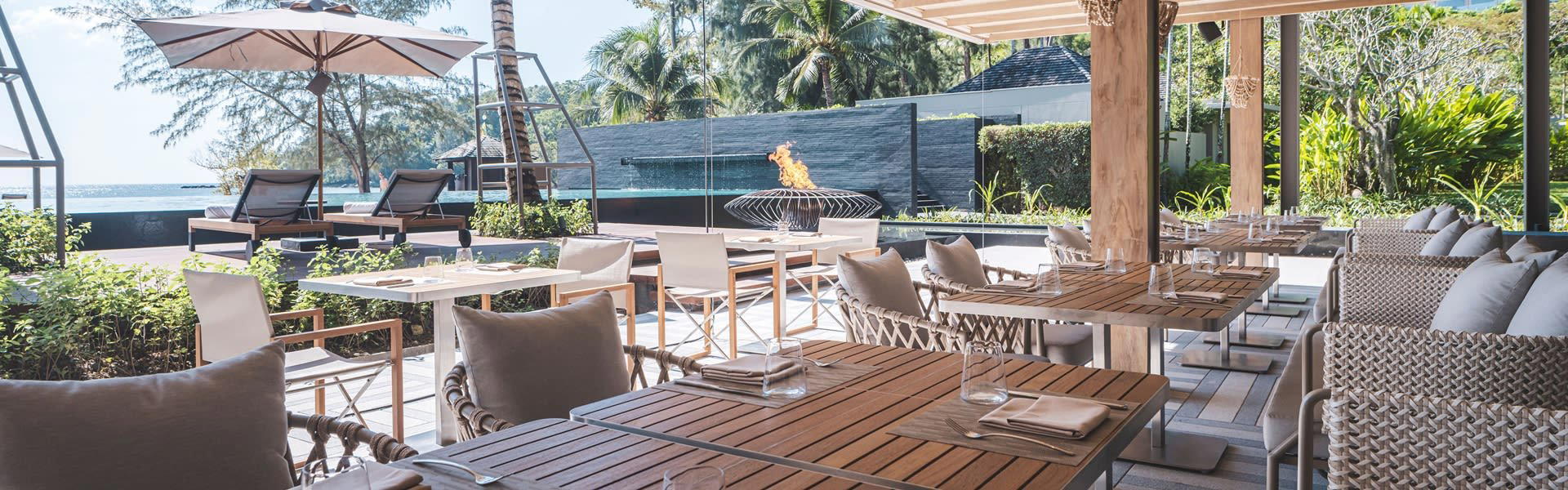
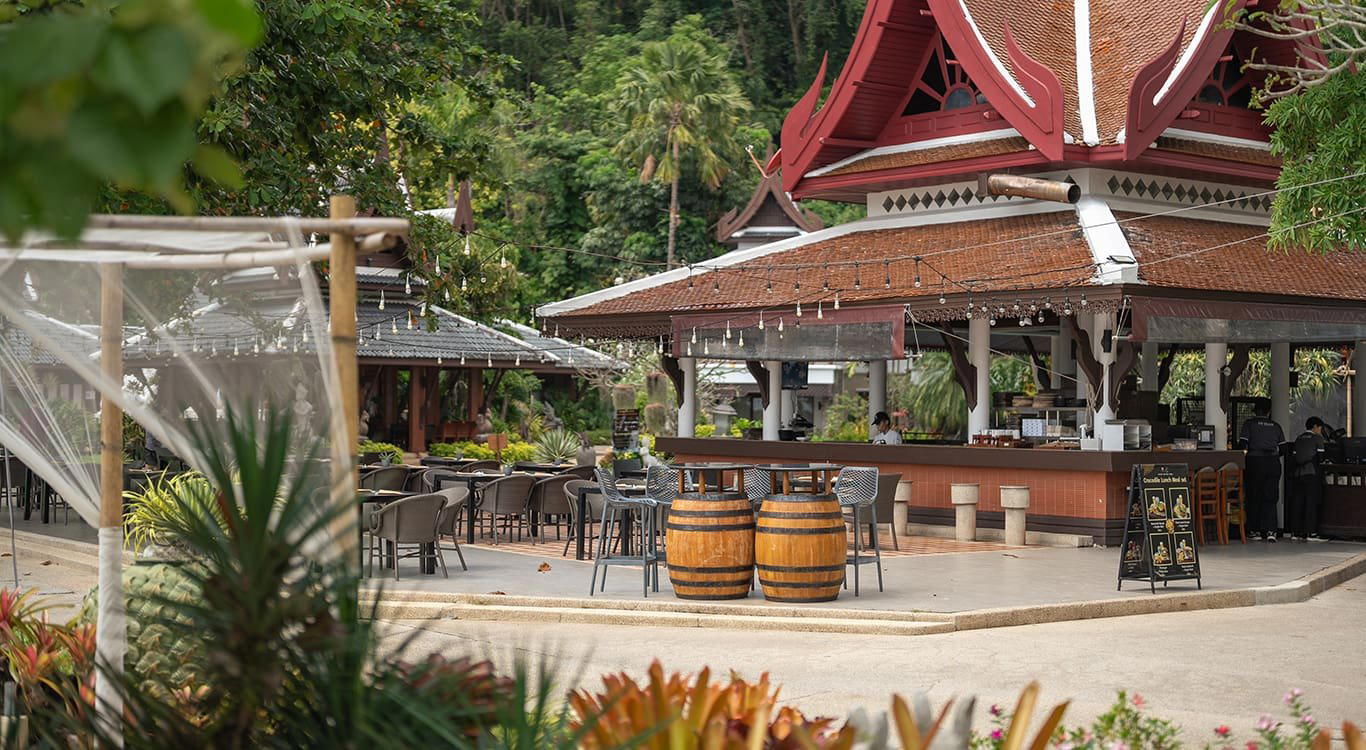
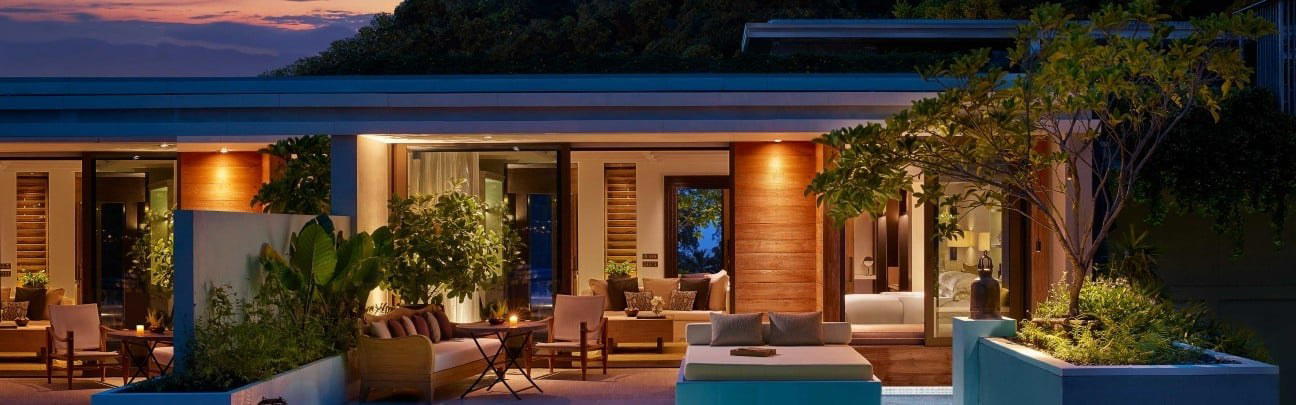
Romantic beachside setting with rustic Thai village ambiance using repurposed materials, candlelit terrace tables, serene lighting, and open kitchen views.