Sweatman's Barbeque
Sweatman's Barbeque in Holly Hill, South Carolina sits at the center of a regional whole-hog tradition that predates most of the country's current barbecue conversation. The setting is spare, the format is direct, and the sourcing reflects a Lowcountry heritage that urban pits rarely replicate. For anyone tracing American wood-smoke cooking back to its working roots, Holly Hill is the address.
Pearl is the En Primeur Club membership app — saves, bookings, and concierge access live there. Same editors, same standards.
- Address
- 1427 Eutaw Rd, Holly Hill, SC 29059
- Phone
- +18034961227
- Website
- sweatmansbbq.com
- Directions
- Get directions
 Saves & bookings on Pearl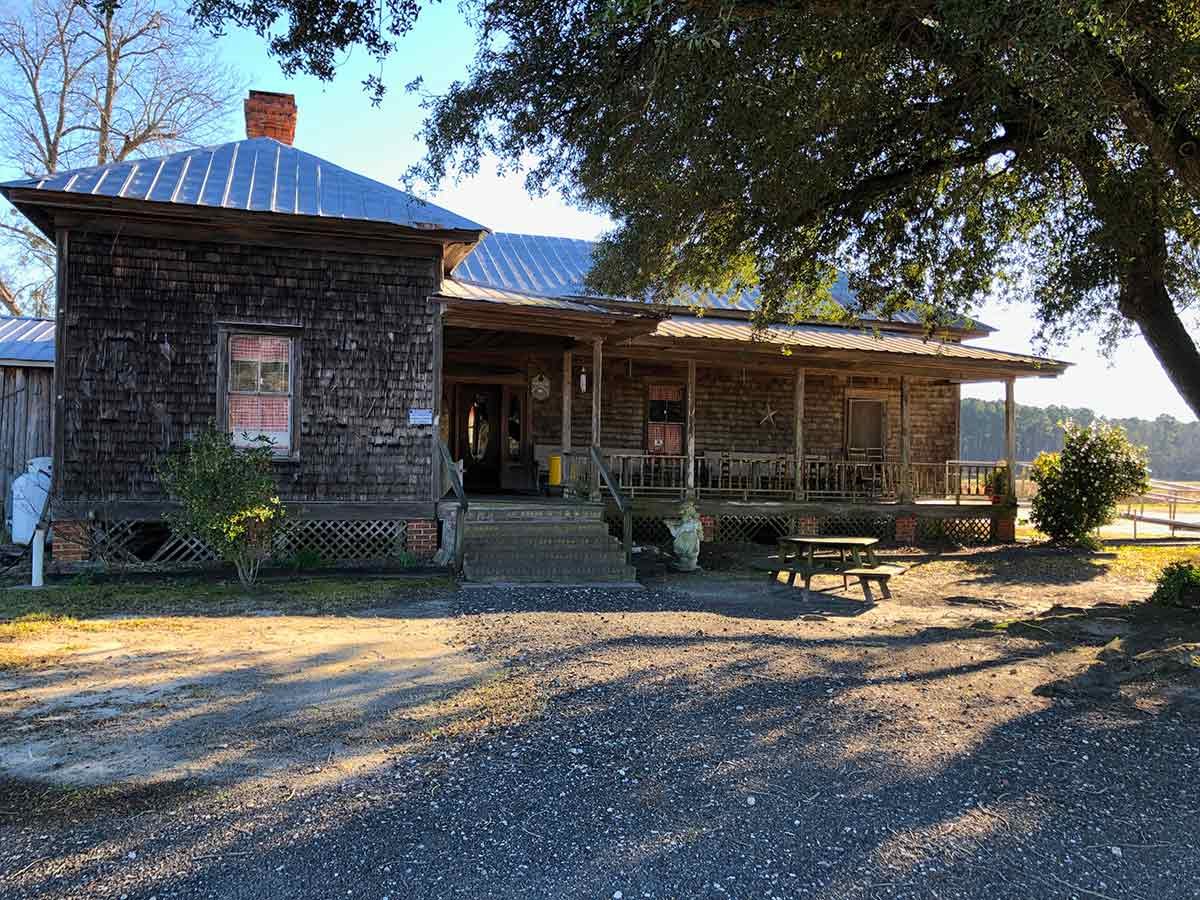
Smoke, Soil, and the South Carolina Lowcountry
On Eutaw Road in Holly Hill, South Carolina, the approach to Sweatman's Barbeque announces itself before the building comes into view. Wood smoke, dense, agricultural, carrying the particular sweetness of locally sourced hardwood, settles low over the flat Orangeburg County terrain. The structure itself is a working pit house in the truest sense: no architectural flourish, no curated signage designed to photograph well, no ambient soundtrack beyond the sounds of a kitchen that has been producing the same regional style for decades. This is what the American barbecue tradition looks like in its working form.
Holly Hill sits roughly equidistant between Columbia and Charleston, a positioning that places it deep inside the geographic corridor where South Carolina's whole-hog barbecue culture took its most durable form. That corridor matters. Lowcountry and Midlands pit traditions diverged from the broader Southern canon partly because of the hog-farming economy that shaped this part of the state, and partly because of the mustard-based sauce tradition, South Carolina's most distinctive regional marker, that separates its barbecue from the vinegar-forward pits of eastern North Carolina and the tomato-heavy styles dominant further west. Sweatman's sits within that tradition, not as a museum of it, but as a living practitioner.
Where the Food Actually Comes From
The ingredient-sourcing argument for Lowcountry whole-hog barbecue is, at its core, an argument about proximity and breed. The style requires a whole animal, cooked low and slow over wood, typically oak or hickory available from the regional timber economy, and the quality ceiling is set largely by how close the hogs are raised to the pit. In a region where hog farming has been central to the agricultural economy since colonial settlement, that proximity has historically been short. Sweatman's operates within that geography, and the distinction between a pit cooking animals sourced within the county and one shipping commodity pork across state lines is not subtle when you're eating the result.
This is the sourcing logic that places South Carolina's leading whole-hog houses in a different category from the national barbecue chains that deploy the same regional vocabulary without the supply chain to support it. The same principle applies, at a different price point and register, at farm-to-table operations like Blue Hill at Stone Barns in Tarrytown or Single Thread Farm in Healdsburg, where the sourcing is the editorial premise. At Sweatman's, sourcing isn't positioned as a concept, it's simply the way the cooking has always been done here.
The comparable set and What It Tells You
American fine dining has spent the last decade producing a wave of sourcing-conscious tasting menus, Lazy Bear in San Francisco, Alinea in Chicago, Le Bernardin in New York City, Atomix in New York City, where the provenance of ingredients is documented, narrated, and integrated into the dining experience as content. The price tier for that approach typically runs to several hundred dollars per head. Whole-hog barbecue at a Lowcountry pit house represents a different axis entirely: the sourcing discipline is equivalent, the cooking process is more labor-intensive by most measures (an overnight pit cook demands a different kind of commitment than a single mise en place shift), and the price is a fraction of the tasting-menu tier.
That gap is worth naming plainly. Venues like The French Laundry in Napa, Providence in Los Angeles, Addison in San Diego, and The Inn at Little Washington operate in a register where the sourcing story is partly what you're paying for as a signaled value. At Sweatman's, the sourcing story is embedded in the food without the overlay of editorial framing, which is, depending on your priorities, either a limitation or the whole point.
Regionally, Sweatman's sits alongside Bacchanalia in Atlanta and Emeril's in New Orleans as an example of the American South producing cooking with genuine regional specificity, but the vernacular here is pit-house, not white-tablecloth, and that distinction shapes everything from the service format to the pricing to the booking logic.
Getting There and Planning Your Visit
Holly Hill is a small town in Orangeburg County, and reaching Sweatman's on Eutaw Road requires either a car or a deliberate arrangement, this is not a walk-in destination from a nearby hotel strip. Visitors coming from Charleston should plan for roughly an hour's drive northwest; those coming from Columbia face a shorter run south and east. The surrounding area is agricultural, and the drive itself through the Lowcountry interior provides a useful frame for understanding why this kind of cooking developed where it did.
Sweatman's is open Friday and Saturday from 11:30 AM to 8 PM. Traditional South Carolina whole-hog pit houses often operate on a limited weekly schedule. Arriving early in the service window is advisable. Holly Hill also has other dining options worth considering: Chucherias Hondurenas represents a different facet of the town's food scene, and
For those building a broader South Carolina or Southeast itinerary, cross-referencing Sweatman's with destinations further afield, Causa in Washington, D.C., Frasca Food & Wine in Boulder, or Brutø in Denver, illustrates how differently regional specificity can express itself across American dining, from Peruvian-influenced tasting menus to wine-focused Italian to Lowcountry whole-hog.
How It Stacks Up
Comparable venues nearby, for context on price, style, and recognition.
| Venue | Cuisine | Price | Notes |
|---|---|---|---|
| Sweatman's BarbequeThis venue — the venue you are viewing | South Carolina Whole Hog BBQ | $$ | Not listed |
| Hominy Grill | Lowcountry Southern | $$ | historic downtown |
| The Glass Onion | Lowcountry Southern Comfort Food | $$ | West Ashley |
| Mozzo Deli | American Deli Fusion | $$ | Coleman Boulevard |
| Prohibition | Modern American Gastropub | $$ | Cannonborough - Elliottborough |
| Crooked Oak Tavern | Farm-to-Table American Gastropub | $$ | downtown |
Continue exploring
More in Holly Hill
Restaurants in Holly Hill
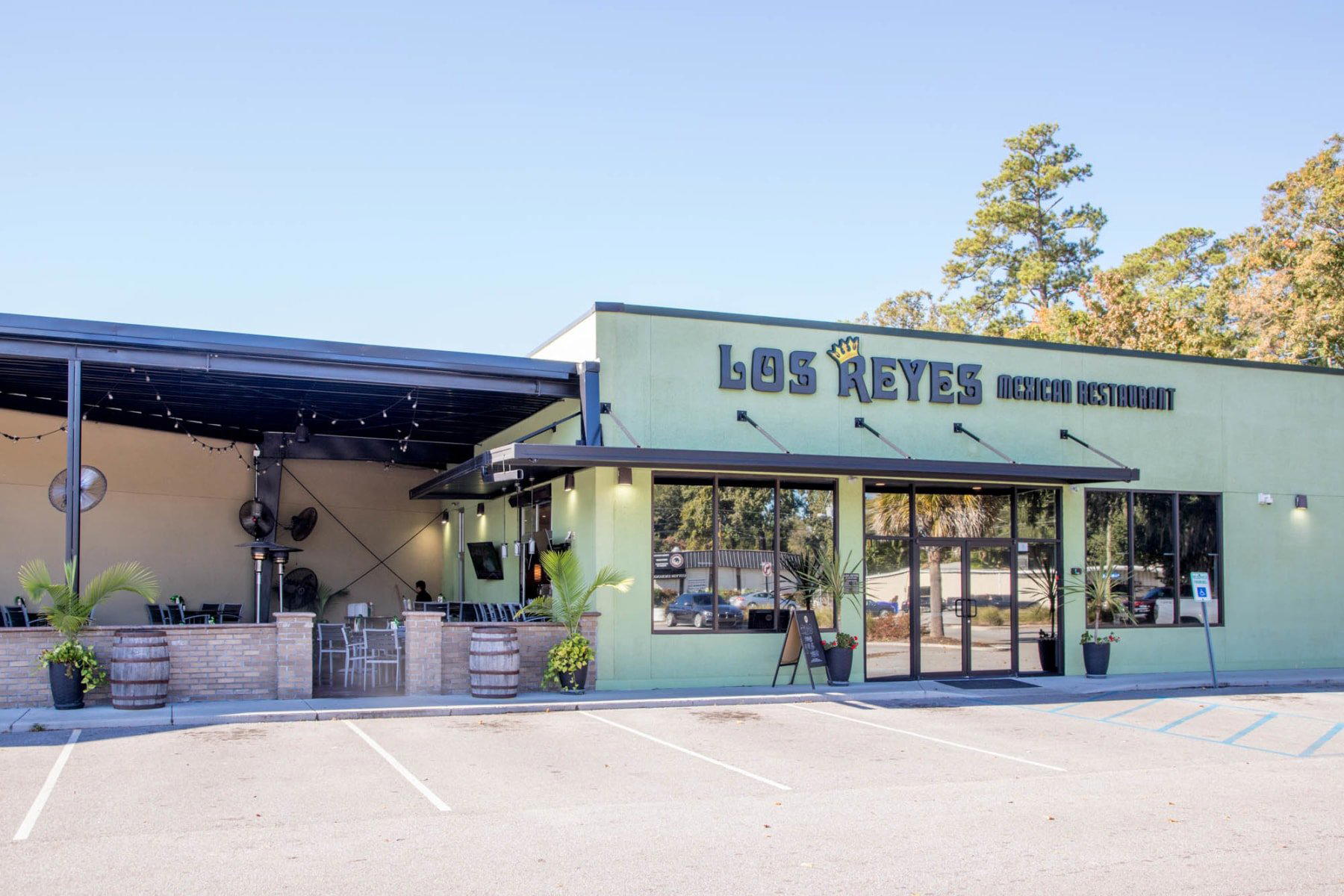
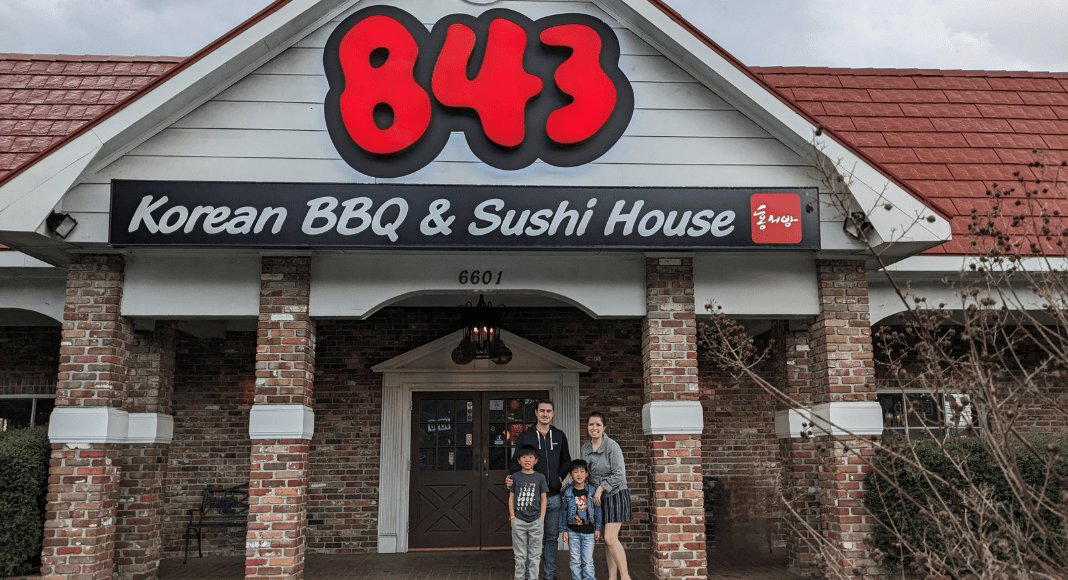
Browse all →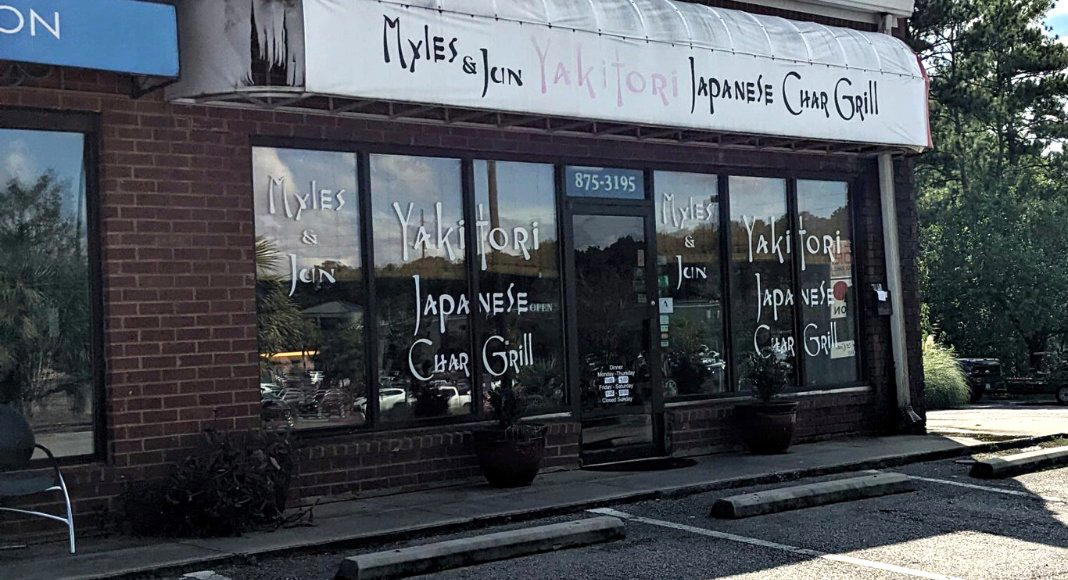
At a Glance
- Rustic
- Cozy
- Classic
- Family
- Casual Hangout
- Group Dining
- Historic Building
- Local Sourcing
Current opening hours
- Monday
- Closed
- Tuesday
- Closed
- Wednesday
- Closed
- Thursday
- Closed
- Friday
- 11:30 AM–8 PM
- Saturday
- 11:30 AM–8 PM
- Sunday
- Closed
Hours can change for holidays and private events. Last verified .
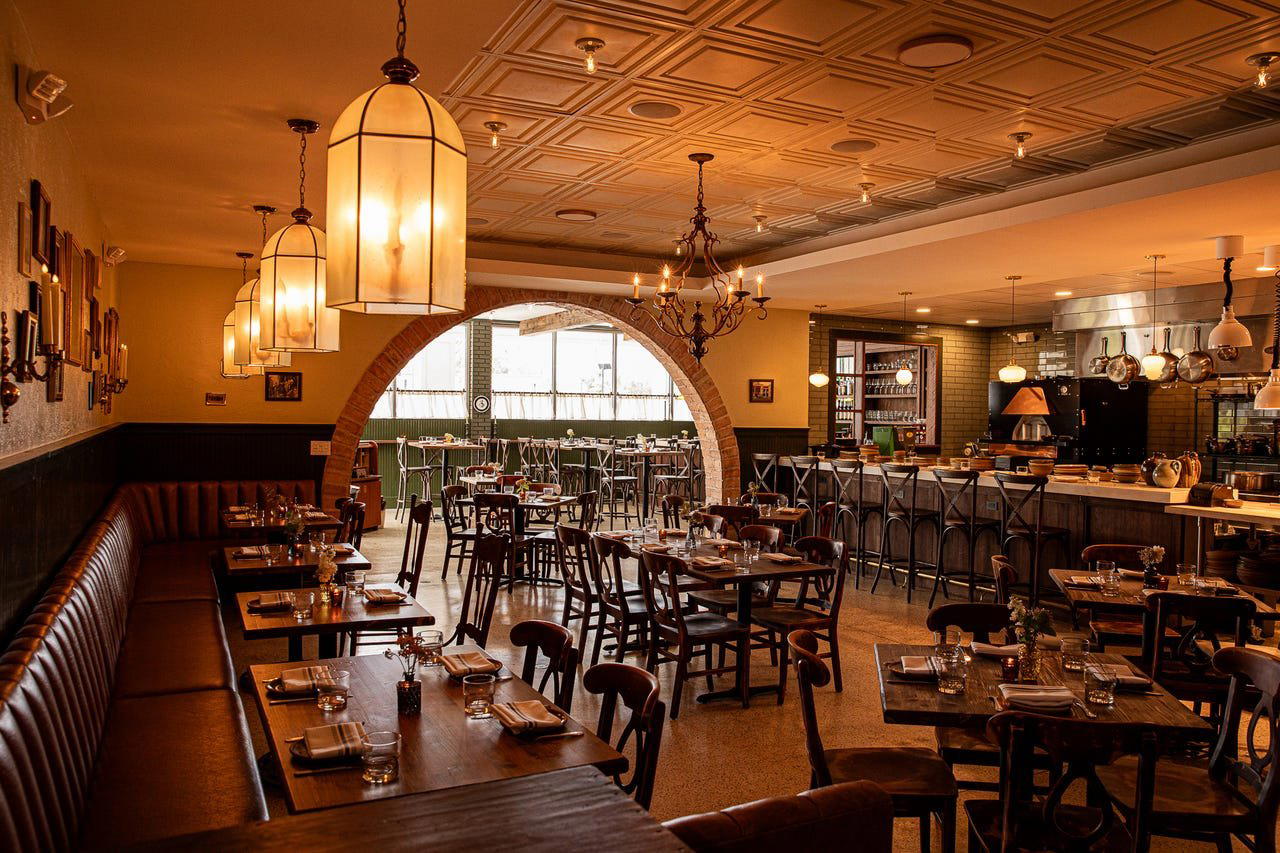
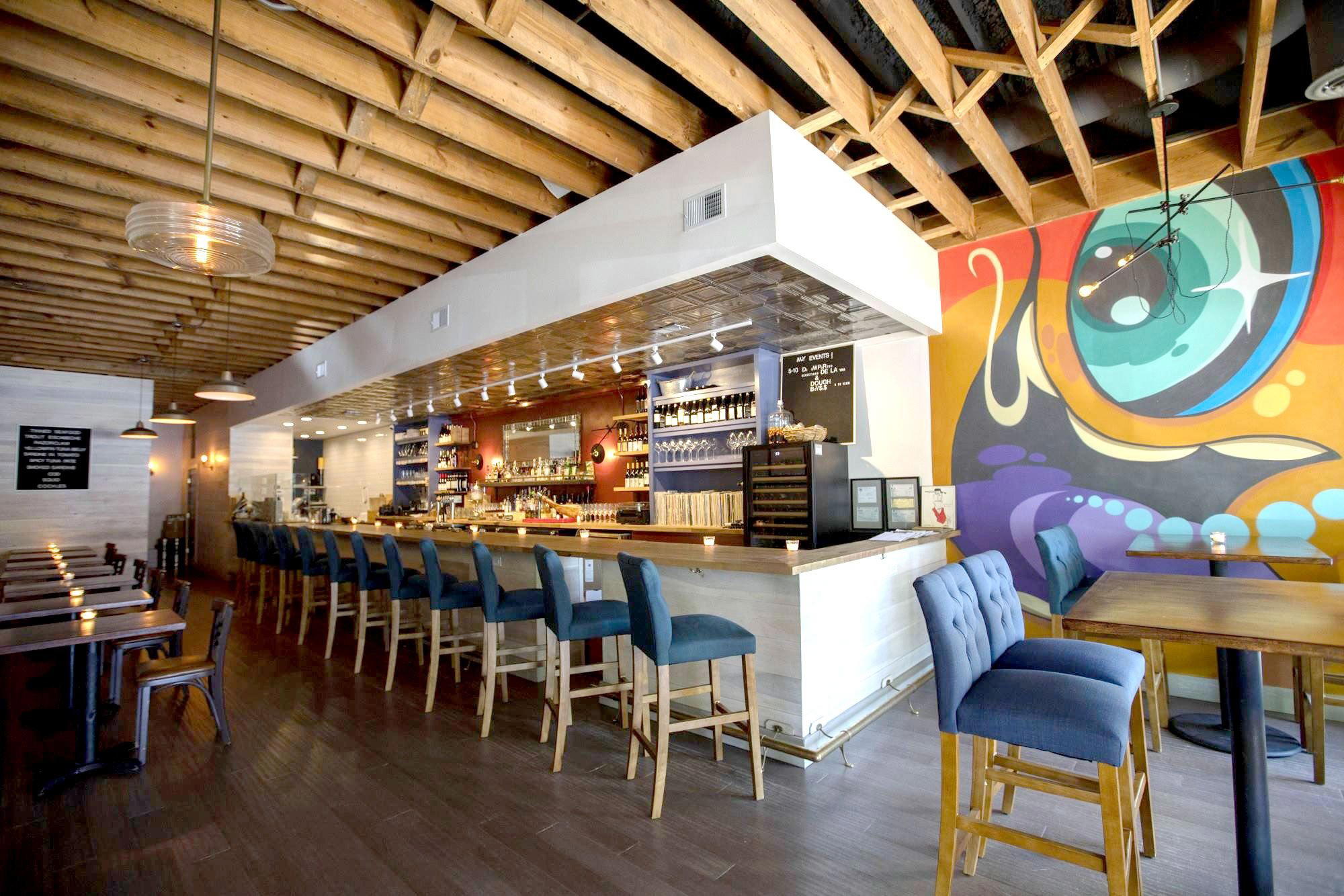
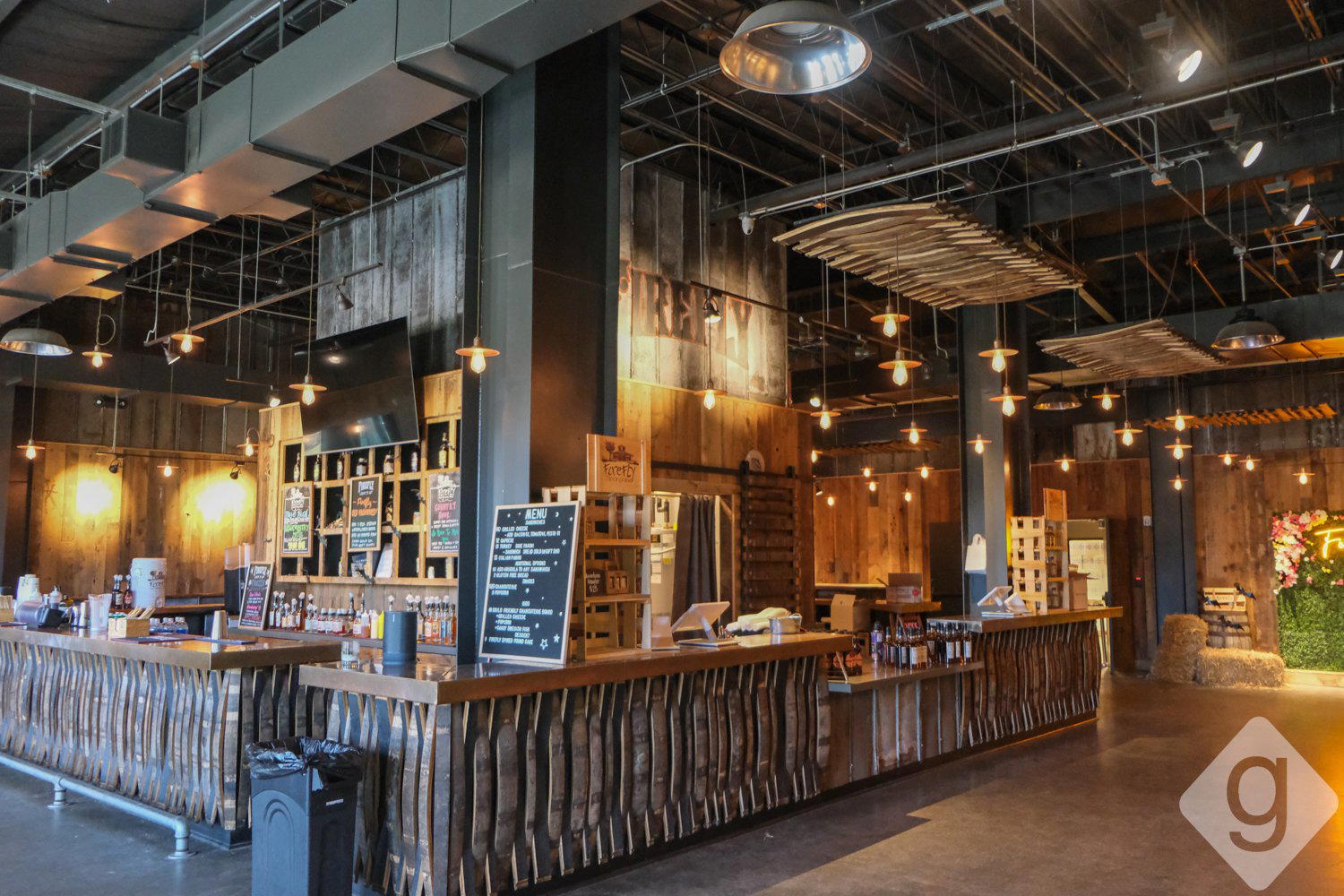
Rural farmhouse atmosphere with polished wood floors, fireplaces, and a long front porch lined with rocking chairs and flower pots.