Crooked Oak Tavern
Crooked Oak Tavern occupies a Laurel Street address in Conway, South Carolina, a town whose agricultural backbone and coastal proximity give any kitchen worth its salt a genuinely strong local pantry to draw from. The tavern format fits the grain of Conway's mid-country dining scene: informal enough for a weeknight, considered enough for a deliberate meal. Sourcing and seasonal rhythms shape what lands on the table here.
Pearl is the En Primeur Club membership app — saves, bookings, and concierge access live there. Same editors, same standards.
- Address
- 316 Laurel St, Conway, SC 29526
- Phone
- +18434880007
- Website
- crookedoaktavern.com
- Directions
- Get directions
 Saves & bookings on Pearl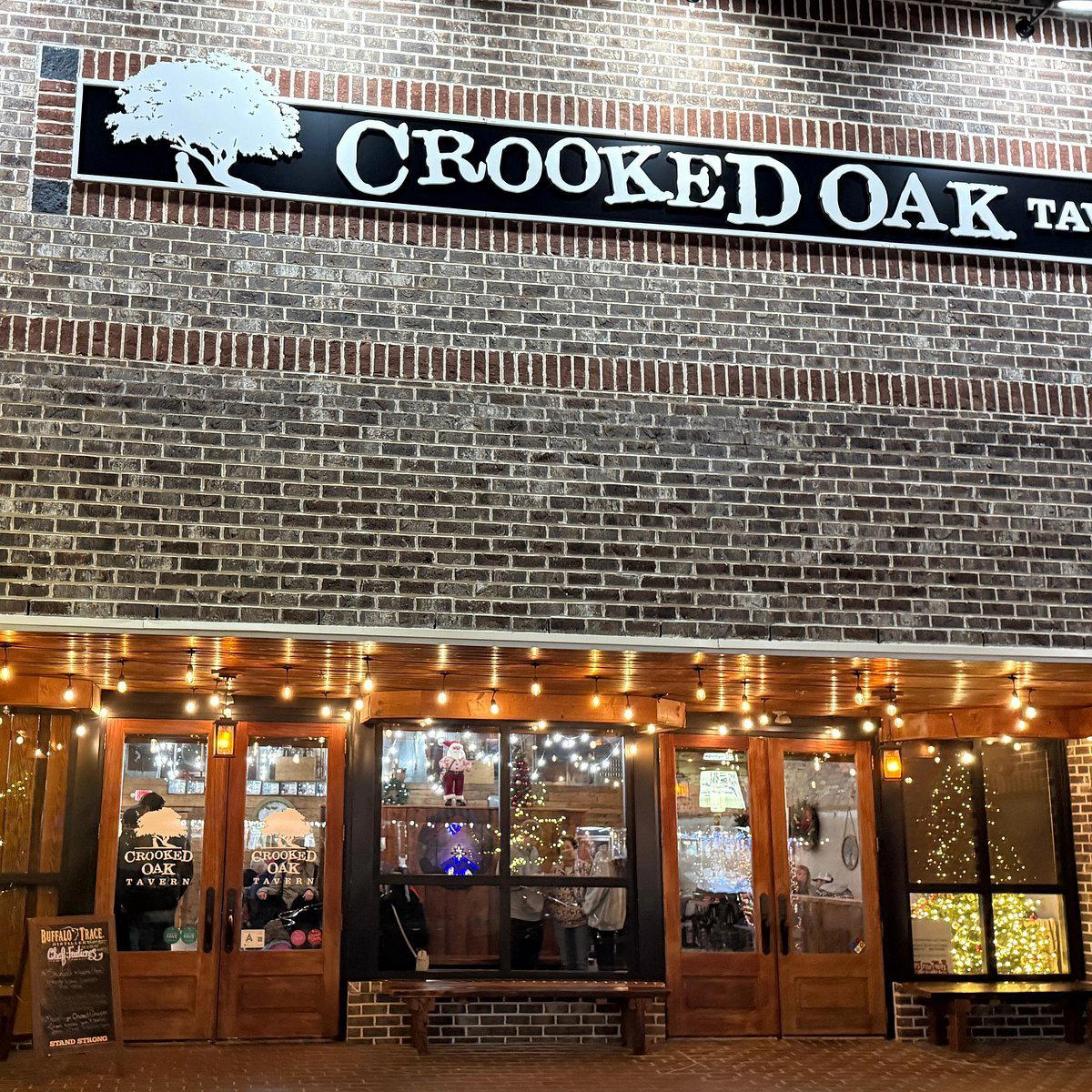
Conway's Agricultural Context and What It Means for a Kitchen
South Carolina's Grand Strand hinterland is one of the more quietly productive food-growing zones on the Eastern Seaboard. Horry County, where Conway sits as the county seat, borders the Waccamaw River to one side and opens toward the coastal plain on the other. That geography delivers a longer growing season than most of the American South, with sweet potato farms, watermelon fields, and truck gardens operating within a short drive of the town center. Any kitchen willing to work with that supply chain gains access to ingredients that arrive in a different condition than what travels through a regional food distributor, shorter intervals between ground and table tend to show on the plate.
Crooked Oak Tavern, at 316 Laurel St in Conway, occupies a position inside that agricultural zone. The tavern format, less structured than a full-service restaurant, more deliberate than a bar, has historically been the format through which American kitchens at this price tier have found one honest relationship with local supply. It sidesteps the pressure of composed fine dining while still giving cooks room to respond to what's available.
What began as a marketing position at restaurants like Blue Hill at Stone Barns in Tarrytown has filtered down through regional dining cultures to the point where sourcing transparency is now a baseline expectation rather than a differentiator. At the upper end, places like Single Thread Farm in Healdsburg have taken ingredient provenance to an almost agricultural-science level of precision. Conway's version of that conversation is quieter and less formalized, but no less connected to the land that surrounds it.
The Laurel Street Setting
Conway's downtown core along Laurel Street is one of the more intact small-city commercial streetscapes in the Carolinas. The brick storefronts, the proximity to the Riverwalk along the Waccamaw, and the absence of the resort-town energy that dominates neighboring Myrtle Beach give the area a character that rewards slowing down. A tavern at this address reads into that context: the physical approach is low-key, the street-level presence modest, the scale suited to a community that shops and eats within its own geography rather than importing its dining identity from elsewhere.
Inside, a tavern format in the American tradition prioritizes the bar counter and communal eating over the kind of table-service choreography you'd find at, say, The Inn at Little Washington or Addison in San Diego. The atmosphere tends toward wood surfaces, ambient noise at a conversational level, and a menu that reflects what the kitchen can source and execute without overreach. That restraint, when it works, produces something more readable than ambition without supply.
Sourcing Logic and What It Implies About the Menu
The South Carolina coastal plain has a particular pantry logic. Seafood from the Atlantic and the tidal inlets, shrimp most visibly, but also flounder, blue crab, and oysters from ACE Basin producers further south, sits alongside produce from inland farms and the kind of heritage pork operations that have made the Carolinas a reference point in American whole-hog barbecue tradition. A kitchen working within that supply set has options that kitchens in more urbanized markets have to work harder to access.
The ingredient-sourcing frame matters here because it shapes what a tavern in this location can credibly put on a menu. Southern American tavern cooking at its most direct borrows from that larder without translation: cornmeal from local mills, field peas, summer squash, cured meats from regional producers. The gap between that tradition and the more technically formal sourcing programs at places like Smyth in Chicago or Lazy Bear in San Francisco is one of register, not philosophy. Both approaches are fundamentally about the same question: what does this place, right now, have to offer?
For travelers routing through Conway from the broader coastal South, the tavern format here provides a useful calibration point. Bacchanalia in Atlanta and Emeril's in New Orleans anchor the regional fine-dining tier. Conway operates several brackets below that in price and formality, which is not a criticism, it's a different conversation, one that often produces more direct and less mediated encounters with regional ingredients.
Planning a Visit
Conway is accessible from Myrtle Beach in under 20 minutes by car, which makes it a practical dinner destination for travelers based on the coast who want a meal with more local texture than the resort strip provides. As a tavern-format venue, booking demand is unlikely to require the kind of advance planning needed at reservation-heavy restaurants, in contrast to tightly controlled counters at places like Le Bernardin in New York City or Atomix in New York City, where weeks or months of lead time are standard. A same-week or same-day approach is generally workable for casual tavern formats in mid-sized Southern towns, though weekend evenings in a tourist-adjacent market like Conway can create tighter conditions.
For comparison purposes, other American restaurants engaging seriously with regional ingredient sourcing include Oyster Oyster in Washington, D.C., The Wolf's Tailor in Denver, Frasca Food and Wine in Boulder, ITAMAE in Miami, and at the European end of the spectrum, Atelier Moessmer Norbert Niederkofler in Brunico, where the Alpine ingredient constraint is not unlike the Southern coastal constraint: cook what the region actually produces. Providence in Los Angeles applies a similar discipline to Pacific Coast seafood.
Comparable Spots, Quickly
Comparable venues nearby, for context on price, style, and recognition.
| Venue | Cuisine | Price | Notes |
|---|---|---|---|
| Crooked Oak TavernThis venue — the venue you are viewing | Farm-to-Table American Gastropub | $$ | Not listed |
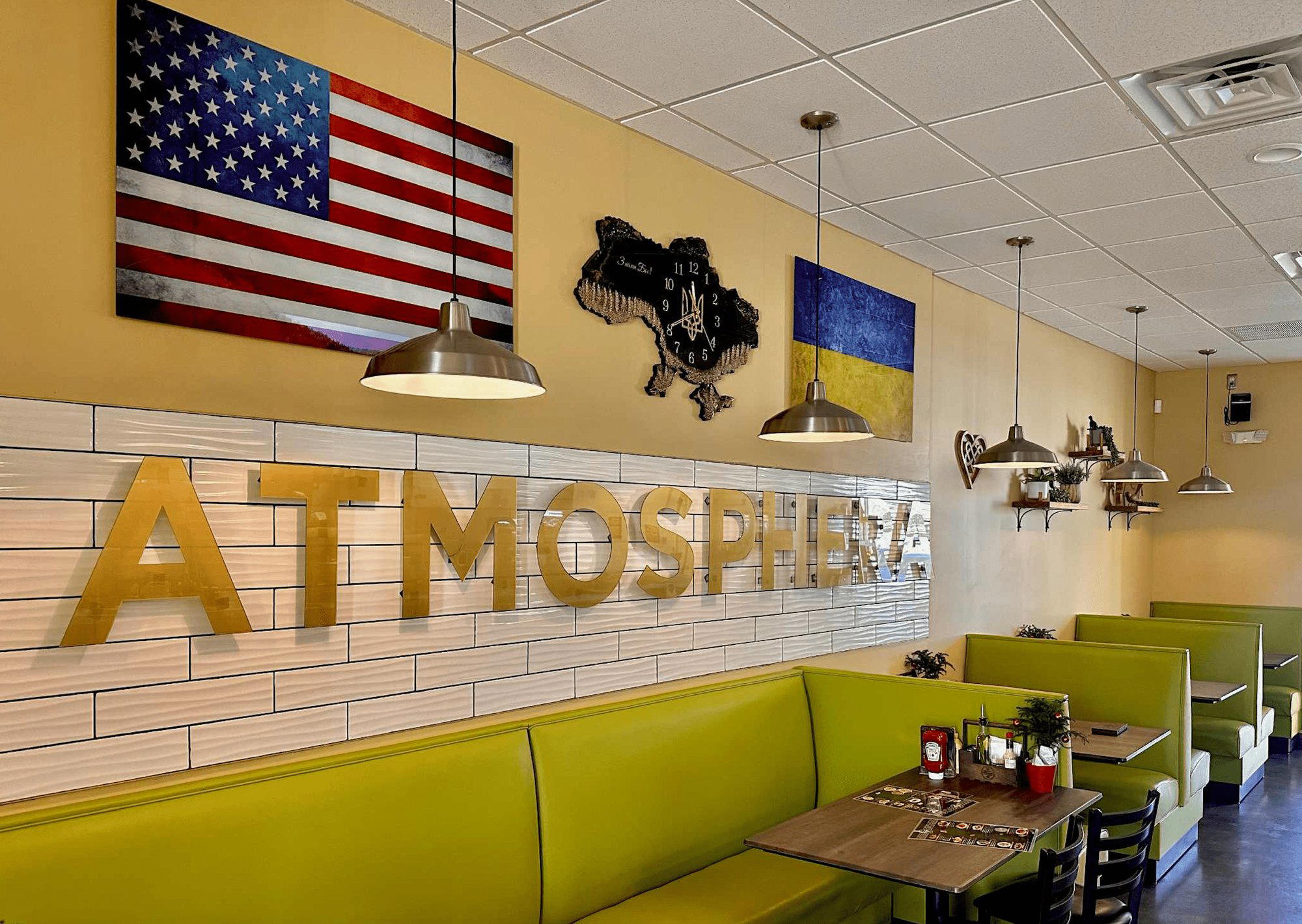
| Atmosphera Restaurant | Eastern European & Mediterranean Comfort | $$ | Market Common |
| Toasty | American Breakfast & Brunch | $$ | Arcadia |
| High Thyme | Eclectic American Bistro | $$ | Sullivan's Island |
| CurrentBurger | Polished Smash Burgers | $$ | Downtown Charleston |
| The Hangout | American Seafood & Burgers | $$ | Broadway at the Beach |
Continue exploring
More in Conway
At a Glance
- Rustic
- Cozy
- Casual Hangout
- Family
- Open Kitchen
- Craft Cocktails
- Beer Program
- Farm To Table
- Local Sourcing
Current opening hours
- Monday
- 11 AM–9 PM
- Tuesday
- 11 AM–9 PM
- Wednesday
- 11 AM–9 PM
- Thursday
- 11 AM–9 PM
- Friday
- 11 AM–10 PM
- Saturday
- 11 AM–10 PM
- Sunday
- Closed
Hours can change for holidays and private events. Last verified .
Warm and inviting tavern atmosphere evoking home-cooked meals with a modern twist.