Chucherias Hondurenas
Chucherias Hondurenas on Second Street brings Honduran street food traditions to Holly Hill, a city where Central American flavors remain underrepresented in the local dining mix. The kitchen draws on the ingredient logic of Honduran home cooking, where corn, beans, plantains, and fresh chiles form the structural base of the menu. For the Volusia County area, it occupies a distinct niche with few direct equivalents nearby.
Pearl is the En Primeur Club membership app — saves, bookings, and concierge access live there. Same editors, same standards.
- Address
- 101 2nd St #500, Holly Hill, FL 32117
- Phone
- +13862390548
- Website
- chucheriasrestaurant.com
- Directions
- Get directions
 Saves & bookings on Pearl
Holly Hill's Central American Gap and Where Chucherias Hondurenas Fits
The dining character of Holly Hill and the broader Volusia County corridor is defined largely by Gulf Coast seafood traditions, Florida-inflected barbecue, and the kind of casual American formats that anchor strip-mall stretches along US-1. Central American cuisine, and Honduran cooking specifically, is almost entirely absent from that picture. In cities where a single restaurant represents an entire culinary tradition, the kitchen carries the weight of being the primary reference point for that cuisine in the area. Chucherias Hondurenas occupies exactly that position in Holly Hill.
The Ingredient Logic Behind Honduran Street Food
Honduran cuisine operates from a pantry that is simultaneously narrow and deeply expressive. The structural ingredients, corn masa, red beans, ripe and green plantains, crema, queso seco, and fresh chiles, appear in dozens of permutations across the menu of any Honduran kitchen. What distinguishes the cooking is not ingredient variety but technique and proportion. A baleada, the flour tortilla folded around refried beans and crema that functions as Honduras's most recognizable street food, reads as simple on paper. In practice, the quality of the tortilla, pressed fresh and cooked to order versus held and reheated, changes the dish entirely. Honduran chucherias, the word translates roughly to snacks or street treats, are built on that same logic: familiar base ingredients transformed by process and timing.
The sourcing dimension matters here more than it does in higher-formality kitchens. At the level of street food and casual cooking, where margins are compressed and menus are priced for working communities, the decision to use fresh masa over dehydrated masa harina, or ripe plantains at peak sweetness versus convenience-stage fruit, signals a kitchen's priorities immediately. Those decisions don't appear on a menu, but they register on the plate. Restaurants operating in this category, from Honduran spots in Miami's Little Havana to the Garifuna-influenced kitchens of New York's outer boroughs, are evaluated by the same criteria: freshness of masa, quality of beans, balance of acid in the crema. The sourcing floor for this style of cooking is low-cost to maintain but easy to cut corners on, which is why the leading examples of Honduran street food in the United States tend to come from family operations with a direct stake in daily freshness.
For contrast, consider how sourcing defines identity at the opposite end of the American dining spectrum. Blue Hill at Stone Barns in Tarrytown or Single Thread Farm in Healdsburg build their entire editorial identity around farm provenance and seasonal harvest cycles. Oyster Oyster in Washington, D.C. centers its menu on hyper-local Mid-Atlantic sourcing as a political and culinary statement. The sourcing discipline at a Honduran street food kitchen works from different constraints and different traditions, but the underlying principle, that ingredient quality at the point of origin determines dish quality at the table, holds across price tiers and culinary traditions.
Where Chucherias Hondurenas Sits in the Florida Dining Context
Florida's Central American dining scene is concentrated in Miami-Dade and Broward counties, where Honduran, Guatemalan, and Salvadoran restaurants cluster around established immigrant communities. Volusia County, which includes Daytona Beach, Ormond Beach, and Holly Hill, sits outside that corridor. The further north you move from Miami along Florida's Atlantic coast, the thinner the Central American dining presence becomes. That geographic reality places the restaurant in a different context from a similar restaurant operating in, say, Hialeah or Sweetwater, where customers have multiple Honduran options within walking distance and can benchmark quality against a field of competitors.
In Holly Hill, the comparison set shifts. The nearest relevant peer is likely Sweatman's Barbeque, which represents a completely different culinary tradition but sits in the same casual, community-rooted dining category. The two kitchens share nothing in cuisine or ingredient logic but operate in the same price and accessibility register that defines Holly Hill's dining character. At the premium end of the American dining spectrum, places like The French Laundry in Napa, Le Bernardin in New York City, Addison in San Diego, or Atomix in New York City occupy a formal tier where sourcing narratives are part of the guest experience. Street food traditions like Honduran chucherias operate without that framing apparatus but are no less dependent on ingredient discipline. The difference is that the discipline is invisible, absorbed into price and assumed rather than announced.
Other reference points across the American dining map, Smyth in Chicago, Lazy Bear in San Francisco, Emeril's in New Orleans, Providence in Los Angeles, ITAMAE in Miami, The Inn at Little Washington, Frasca Food and Wine in Boulder, The Wolf's Tailor in Denver, and Atelier Moessmer Norbert Niederkofler in Brunico each represent dining traditions where provenance and sourcing are foregrounded as editorial or marketing positions. Honduran street food kitchens in working-class American cities typically don't operate that way. The sourcing story, when it exists, lives in the kitchen's daily decisions rather than on a printed menu or a server's recitation.
Planning Your Visit
The restaurant is located at 101 2nd Street, Suite 500 in Holly Hill, Florida 32117, in a commercial building format typical of the city's service corridor. Confirm operating days before visiting. The address is accessible from the main US-1 corridor that runs through Holly Hill and connects to Daytona Beach to the south and Ormond Beach to the north. For anyone approaching from outside Volusia County, the 2nd Street address puts the restaurant within a short drive of Interstate 95 via Daytona Beach exits. Dress is casual by the nature of the format, and the street food category generally means counter service or simple table service rather than a reservation-dependent format, though confirming that directly before a first visit is advisable given the limited public information currently available.
Comparable Spots, Quickly
Comparable venues nearby, for context on price, style, and recognition.
| Venue | Cuisine | Price | Notes |
|---|---|---|---|
| Chucherias HondurenasThis venue — the venue you are viewing | Honduran-Caribbean Fusion | $$ | Not listed |
| Bandeja Paisa Latin Restaurant | Colombian Latin | $$ | Sky Lake South |
| Harbour Club | Dining | Not listed | Miami Beach |
| Yao's | Modern Chinese Kitchen | $$ | Oviedo |
| Padrino's Dania Beach | Authentic Cuban | $$ | Dania Pointe |
| Woodlands | Authentic South Indian Vegetarian | $$ | Cannon Gate |
Continue exploring
More in Holly Hill
Restaurants in Holly Hill
Browse all →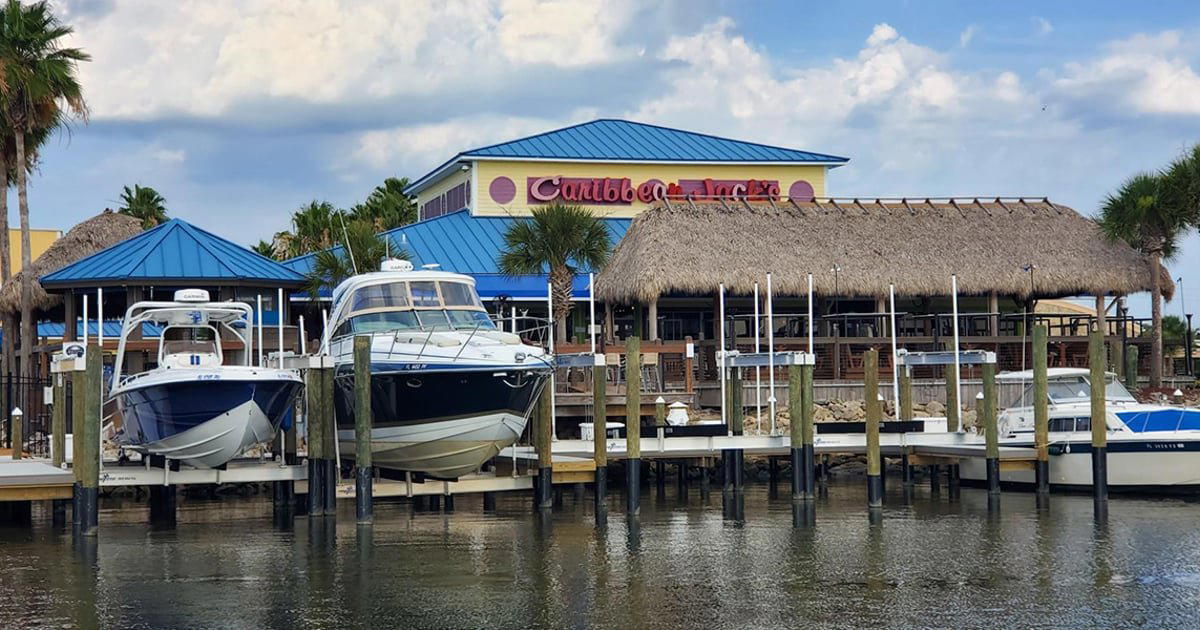
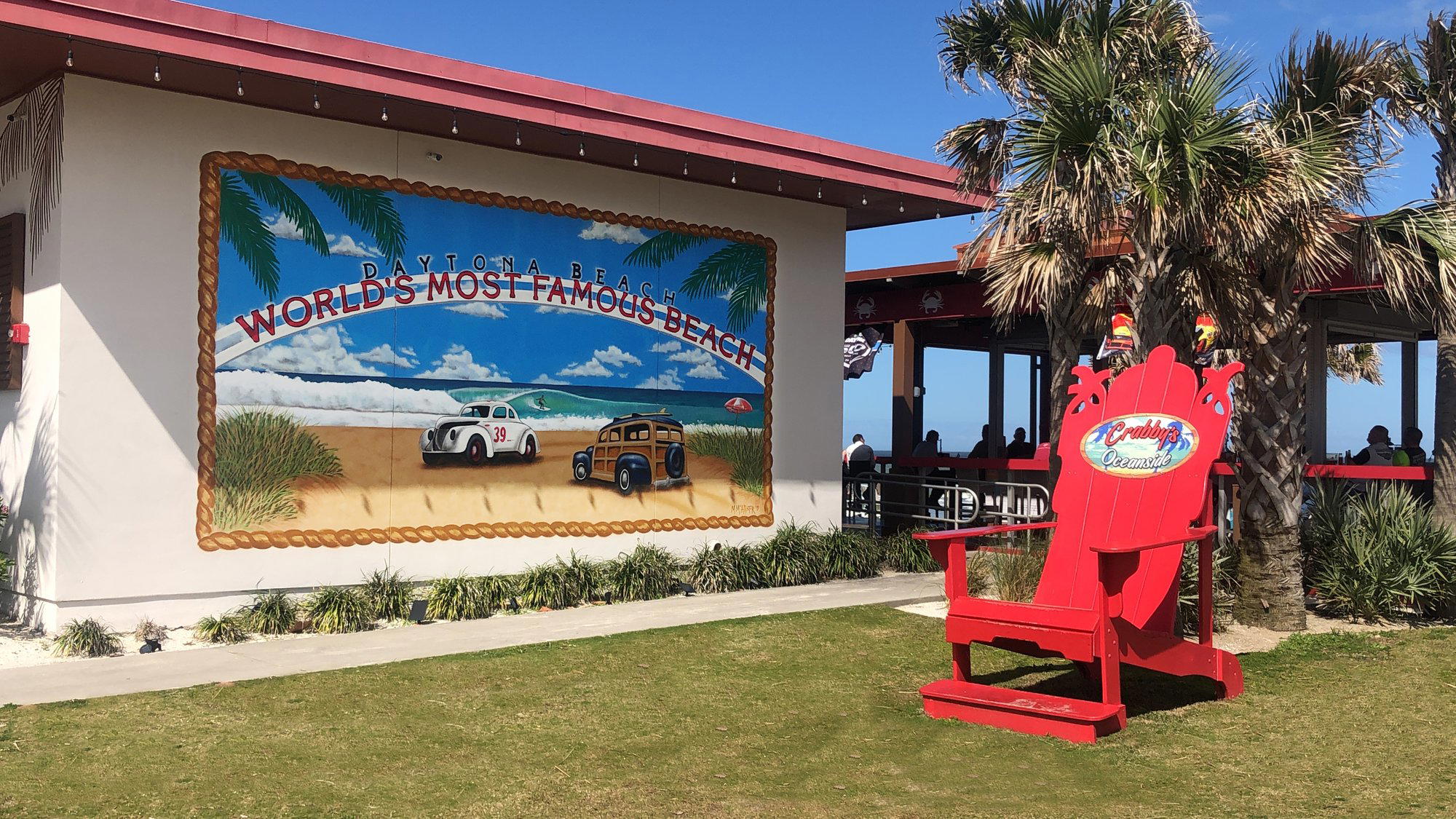
Bars in Holly Hill
Browse all →
At a Glance
- Cozy
- Intimate
- Rustic
- Date Night
- Special Occasion
- Open Kitchen
- Local Sourcing
Current opening hours
- Monday
- Closed
- Tuesday
- Closed
- Wednesday
- 4–9 PM
- Thursday
- 4–9 PM
- Friday
- 4–9 PM
- Saturday
- 4–9 PM
- Sunday
- 4–8 PM
Hours can change for holidays and private events. Last verified .
Inviting high-ceiling interior evoking Central America, breezy outdoor patio, charming with live music.