Stems & Skins
Stems & Skins operates in North Charleston's emerging craft beverage corridor, where the boundary between wine bar and cocktail program has grown deliberately thin. Positioned against a local scene that leans toward brewery taprooms and casual pours, it occupies a more technically minded tier, drawing regulars who treat the bar counter as a place for conversation about what's in the glass as much as what's on the plate.
Pearl is the En Primeur Club membership app — saves, bookings, and concierge access live there. Same editors, same standards.
- Address
- 1070 E Montague Ave # B, North Charleston, SC 29405
- Phone
- +1 843 805 4809
- Website
- stemsandskins.com
- Directions
- Get directions
 Saves & bookings on Pearl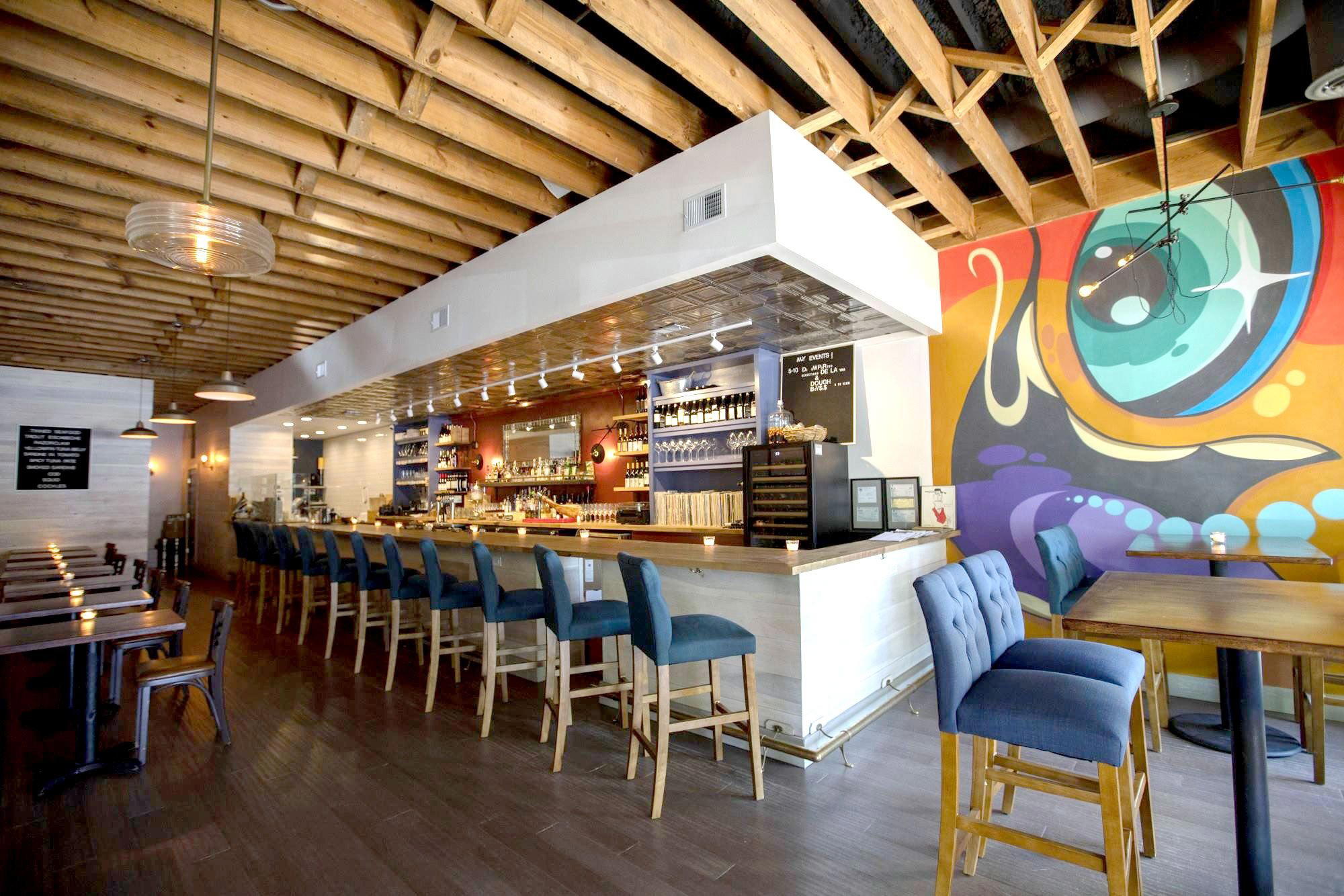
A Bar Counter as Editorial Statement
North Charleston's drinking culture has shifted considerably over the past decade. The strip of East Montague Avenue that runs through what locals call the Park Circle and upper neck areas has graduated from post-industrial vacancy to a corridor where craft breweries, distillery tasting rooms, and concept-driven bars now operate within blocks of each other. COAST Brewing Company anchors one end of the spectrum; Firefly Distillery draws visitors with its flavored spirits heritage. What Stems & Skins represents is a narrower, more considered category: the bar where the program itself is the point.
The address, 1070 East Montague Avenue, Suite B, places it in North Charleston's Park Circle area. That positioning is not incidental. Bars in this tier, nationally, tend to occupy secondary spaces and rely on word-of-mouth precisely because their audience already knows what to look for. It is a format that has worked in cities with more established cocktail cultures, and it maps onto Charleston's growing sophistication as a drinking destination.
The Craft Behind the Counter
The editorial angle that best explains Stems & Skins is the one that focuses on what happens at the bar itself. Across American cities where the cocktail program has matured beyond the speakeasy novelty phase, particularly durable bars have shifted their identity toward the person behind the counter and the discipline that person brings to the glass. Kumiko in Chicago built a reputation on Japanese technique and seasonal sourcing, translating a philosophy into a repeatable, recognizable drink identity. Bar Leather Apron in Honolulu earned its standing through a similar focus on precision over spectacle. Jewel of the South in New Orleans draws on historical drink research to give its program depth that menus alone cannot communicate. What these places share is a bartender-led identity where technique, hospitality philosophy, and product knowledge converge.
Stems & Skins operates inside that same orientation. The name itself signals a particular sensibility: the parts of the grape that most winemakers treat as byproduct, the elements that influence extraction, texture, and structure without appearing in the finished bottle's marketing language. Choosing that as a brand identity is an implicit argument about where the real interest lies, away from the polished surface and toward the process underneath. Whether that translates into the glass through a natural wine list, skin-contact wines, or a cocktail program that borrows from fermentation methodology is a question the program itself answers on any given visit.
Where It Sits in the Local Conversation
Compared to others in the North Charleston orbit, Stems & Skins occupies a different competitive set. Jackrabbit Filly and The Bearded Ax Social Tavern represent the sociable, volume-driven end of the local bar scene, where atmosphere and accessibility drive the visit. Stems & Skins operates at a smaller scale, by design. Bars in this format, nationally, tend to keep seat counts deliberately low, partly for quality control and partly because the business model depends on a higher per-seat spend and a clientele that returns for the program rather than for proximity or convenience.
That distinction matters when thinking about how to approach the visit. The bars that share Stems & Skins' orientation nationally, including Julep in Houston, Superbueno in New York City, and ABV in San Francisco, are places where the bar team engages with guests about what's in the glass rather than processing volume efficiently. The social contract at this type of bar is different. You are expected, at least implicitly, to participate in the conversation about what you're drinking.
The Wider Context: Charleston as a Drinking City
Charleston's food and drink scene has received sustained editorial recognition over the past several years, largely on the restaurant side. The bar program has developed more quietly, with pockets of serious craft work appearing in neighborhoods that were not on any tourist map five years ago. East Montague Avenue in North Charleston is one of those pockets. The fact that a bar with a name as programmatically specific as Stems & Skins has established itself here reflects a broader maturation in the local market: there is now a large enough audience in the Charleston metro area to sustain a technically minded, lower-volume bar program without depending entirely on visitor traffic.
For those who track the direction of American cocktail culture more broadly, the Charleston scene's arc mirrors what happened in secondary markets like Detroit, Nashville, and Richmond over the past decade, where a combination of lower overhead, genuine local demand, and migration of trained hospitality professionals from larger cities created conditions for serious programs to take hold. The Parlour in Frankfurt illustrates the same dynamic in a European context: serious bar programming can thrive outside the cities most associated with cocktail culture when the conditions are right.
Planning the Visit
Stems & Skins sits at 1070 East Montague Avenue, Suite B, in North Charleston, a short drive from downtown Charleston across the Ashley River corridor. The suite designation suggests a secondary entrance or shared commercial building, which is consistent with the format. For those arriving from outside the immediate area, East Montague runs through a neighborhood with other evening destinations, making it practical to combine with other stops on the avenue. Given the bar's scale and program focus, arriving early in the evening before the room fills gives the leading conditions for a proper conversation with whoever is behind the counter.
A Minimal comparable set
Comparable venues nearby, for context on price, style, and recognition.
| Venue | Cuisine | Price | Notes |
|---|---|---|---|
| Stems & SkinsThis venue — the venue you are viewing | Not listed | $$ | Not listed |
| Jackrabbit Filly | Not listed | $$ | Park Circle, cocktail_bar |
| The Tattooed Moose | Not listed | $$ | North Charleston, dive_bar |
| Firefly Distillery | North Charleston, lounge | $$ | Not listed |
| COAST Brewing Company | Not listed | $$ | Dorchester, beer_bar |
| The Bearded Ax Social Tavern | Dorchester, pub | $ | Not listed |
Continue exploring
More in Dorchester
Bars in Dorchester
Browse all →
Restaurants in Dorchester
Browse all →
At a Glance
- Cozy
- Trendy
- Date Night
- Casual Hangout
- Standalone
- Seated Bar
- Lounge Seating
- Natural Wine
- Craft Cocktails
Current opening hours
- Monday
- 12–11 PM
- Tuesday
- 12–11 PM
- Wednesday
- 12–11 PM
- Thursday
- 12 PM–12 AM
- Friday
- 12 PM–12 AM
- Saturday
- 2 PM–12 AM
- Sunday
- 2 PM–12 AM
Hours can change for holidays and private events. Last verified .
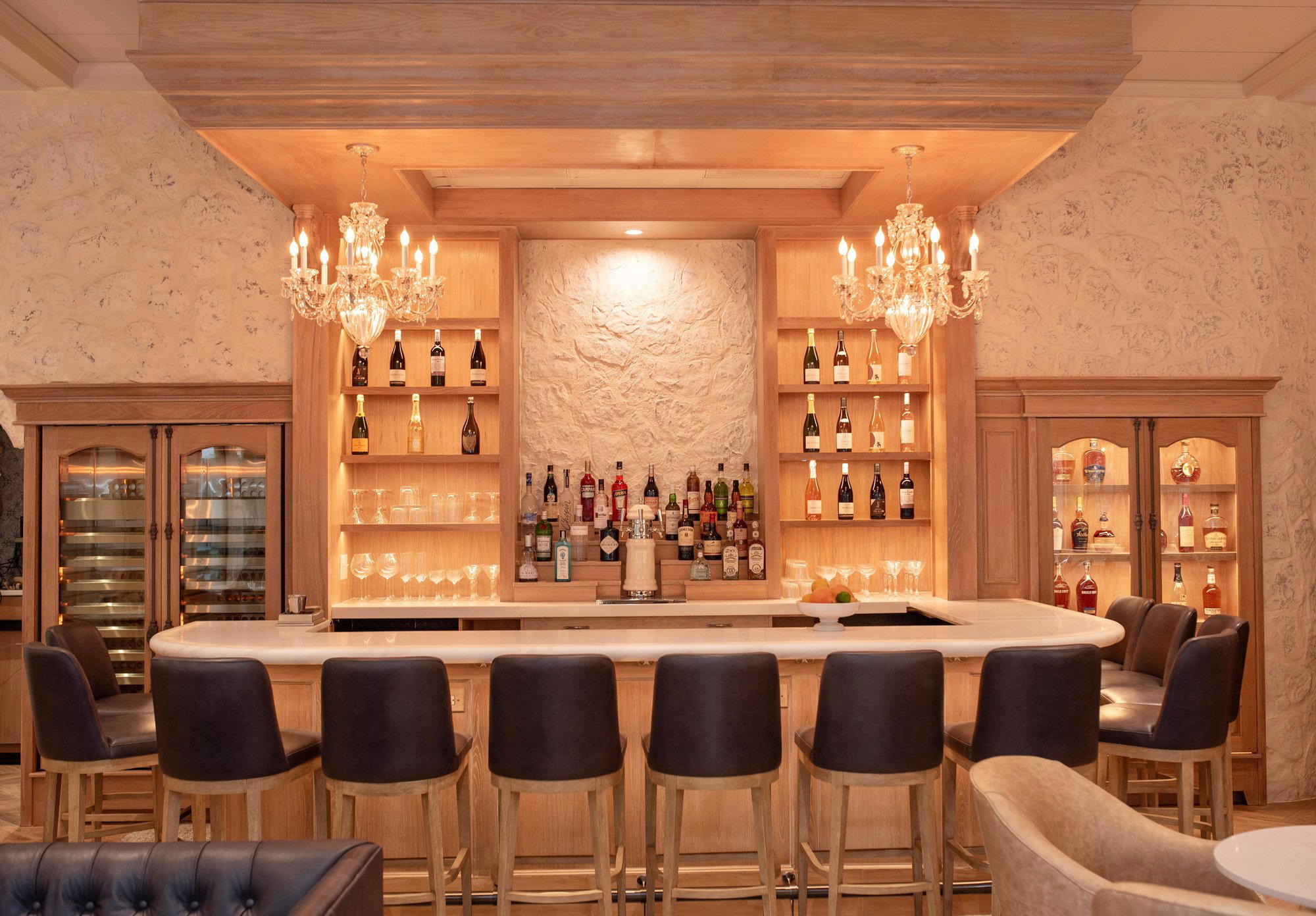
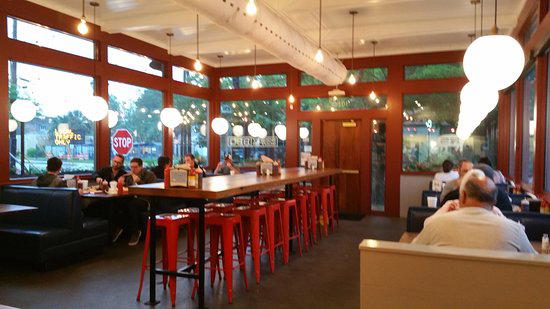
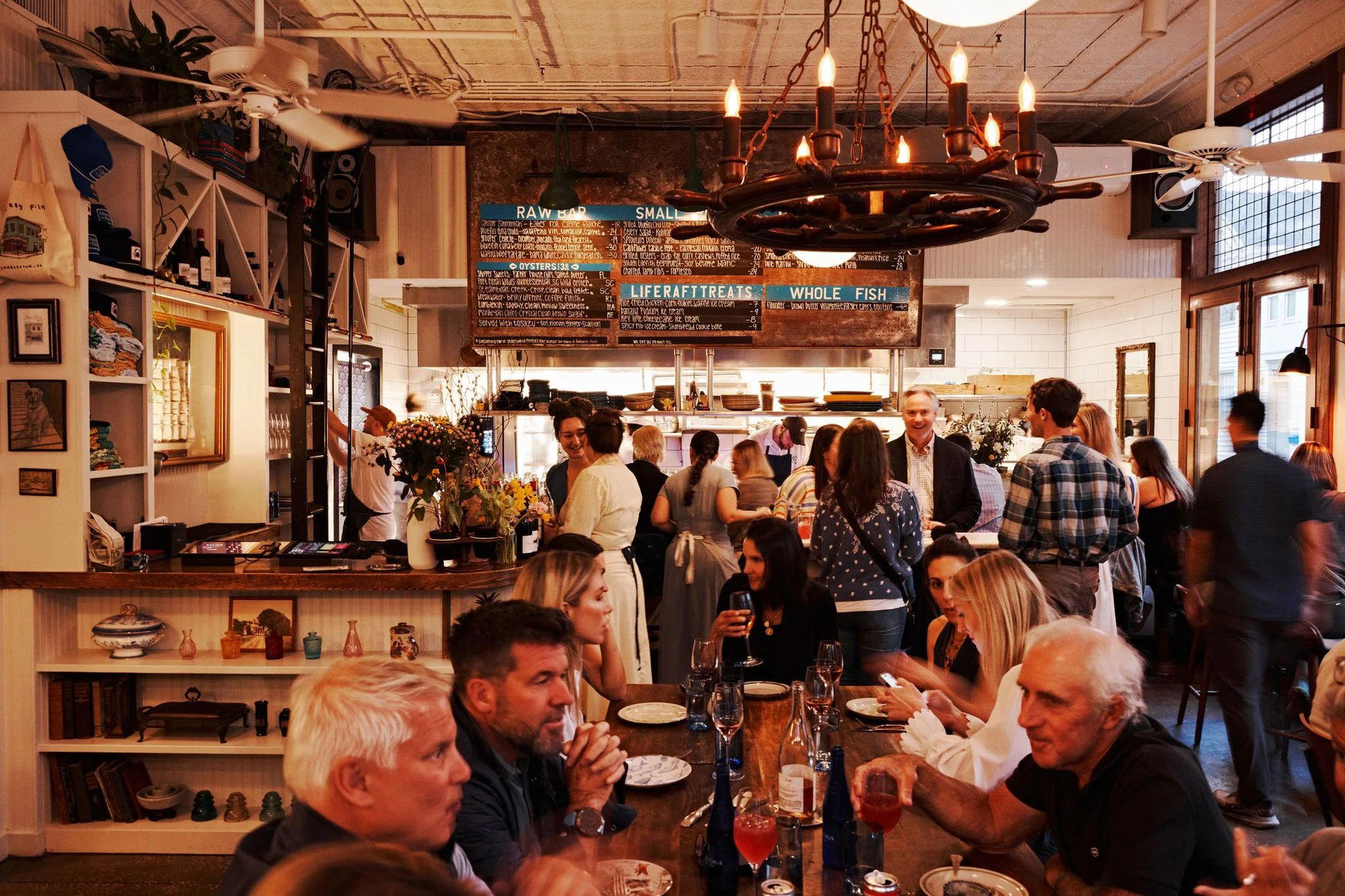
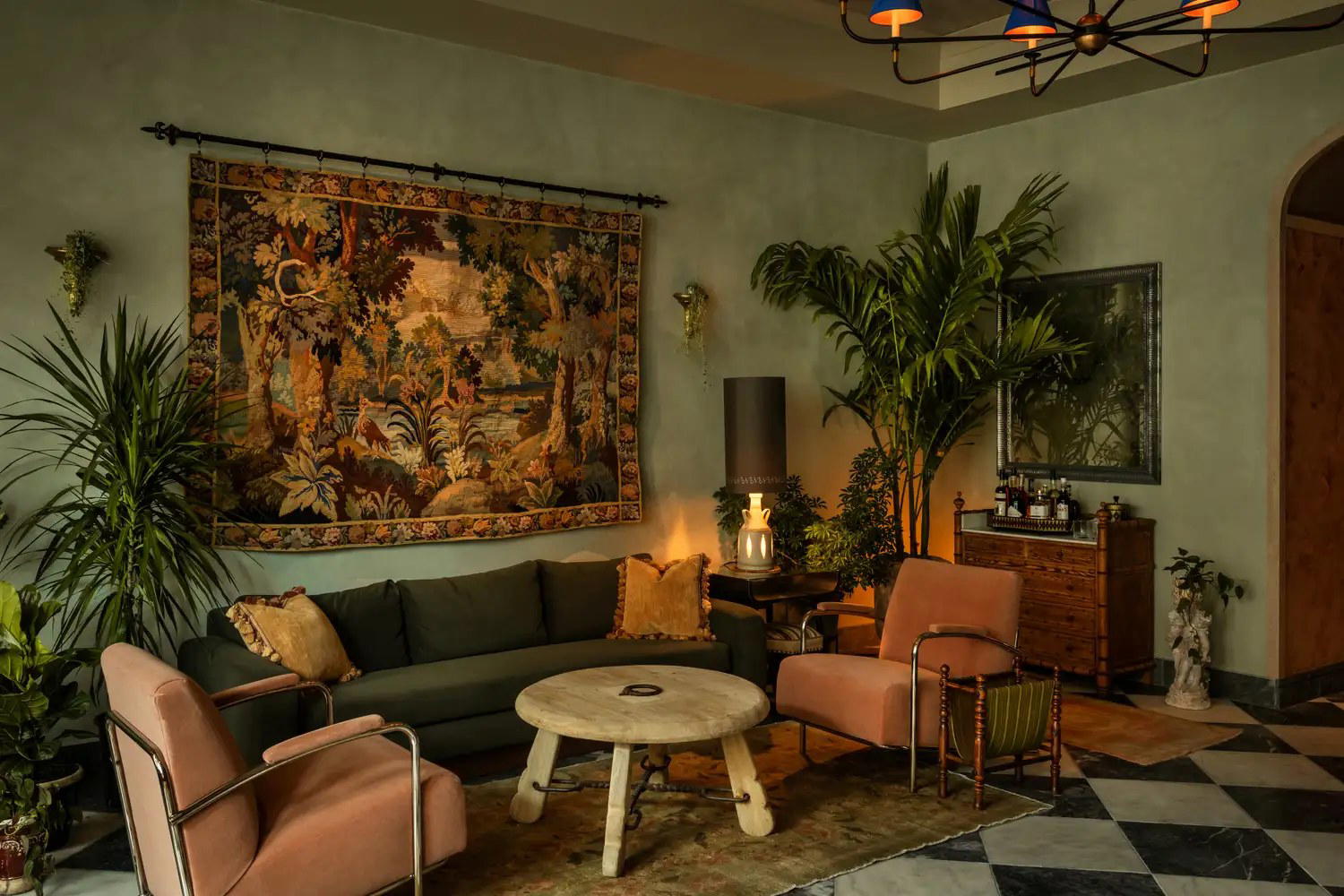
Cozy and relaxed atmosphere with a hip, trendy vibe.