Myles and Jun Yakitori Japanese Char Grill
Yakitori in the American South occupies a small and specific niche, and Myles and Jun in Summerville, SC makes a case for why the format travels well. The charcoal grill disciplines the menu and keeps the focus on ingredient quality rather than kitchen elaboration. For the Summerville area, it represents a direct import of Japanese skewer culture into an unlikely but genuinely receptive setting.
Pearl is the En Primeur Club membership app — saves, bookings, and concierge access live there. Same editors, same standards.
- Address
- 710 Bacons Bridge Rd Ste C, Summerville, SC 29485
- Phone
- +18438753195
- Website
- mylesandjunyakitori.com
- Directions
- Get directions
 Saves & bookings on Pearl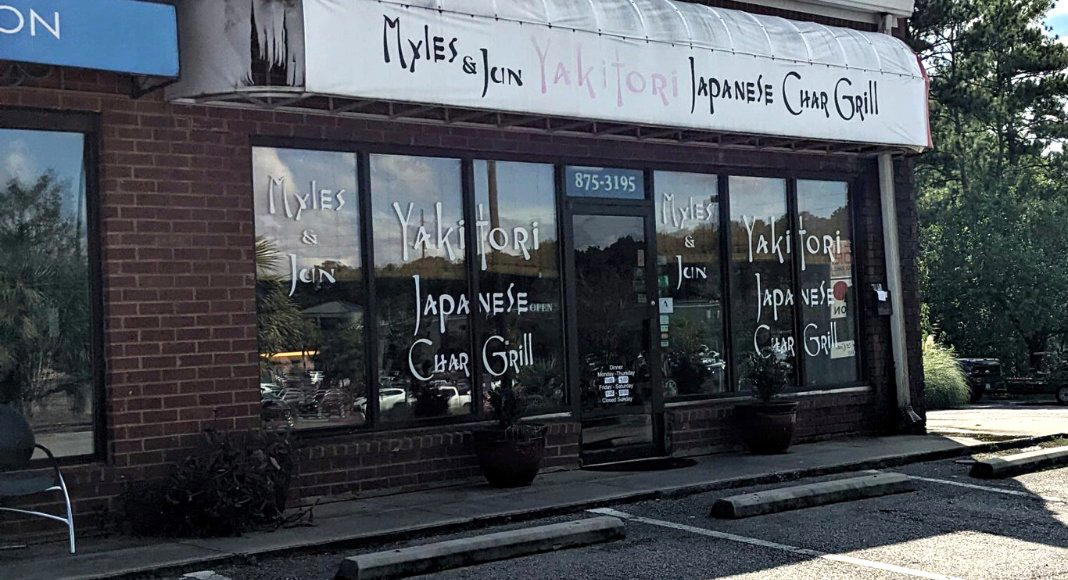
Smoke, Skewers, and the Logic of the Charcoal Grill
Myles and Jun Yakitori Japanese Char Grill is a casual yakitori restaurant in Summerville, South Carolina, at 710 Bacons Bridge Rd Ste C. There is a particular kind of restaurant that announces itself not through signage or decor but through smell. Approach the strip-mall suite on Bacons Bridge Road in Summerville, South Carolina, and the charcoal smoke reaches you before anything else does. That is by design. Yakitori, the Japanese tradition of grilling bite-sized chicken cuts and accompanying skewers over binchotan or hardwood charcoal, is a cuisine defined almost entirely by heat management and raw material quality. The grill does not flatter poor sourcing. It exposes it.
Myles and Jun Yakitori Japanese Char Grill operates inside a format that is almost entirely absent from the American South. Where cities like New York have seen dedicated yakitori counters emerge as a serious subcategory, and where venues like Atomix in New York City demonstrate how Asian culinary traditions can anchor high-concept American dining, the Southeast has been slower to host the genre in its focused, format-pure form. A restaurant that names itself after the technique rather than a chef or a concept is making a deliberate argument about where the interest lies.
Why Sourcing Is the Whole Conversation in Yakitori
The editorial angle that yakitori demands, more than almost any other Japanese genre, is provenance. A sushi counter can work with frozen fish of acceptable grade. A ramen shop builds depth through long broth cooking that masks some ingredient variation. Yakitori has no such buffer. The format involves small cuts grilled quickly over high heat and served with minimal transformation: salt, or a reduced tare glaze, or both. Every variable in the supply chain shows up on the skewer.
In Japan, particularly serious yakitori establishments specify breed and farm for their chicken, often using regional birds such as Jidori or Nagoya Cochin, whose higher fat-to-muscle ratio and firmer texture produce a result that commodity poultry cannot replicate. The leading American practitioners of the form have followed that model. Blue Hill at Stone Barns in Tarrytown built its entire reputation on the argument that sourcing and farming practice determine what arrives on the plate more than any kitchen technique. Yakitori makes the same argument in a more compressed, street-food-adjacent form.
The question any serious yakitori operation in a market like Summerville must answer is: where is the bird coming from, and what decisions were made before it reached the grill? South Carolina's agricultural base includes poultry producers, and the region around Charleston has developed a network of farms that supply the restaurant trade with heritage and pasture-raised animals. The cuisine type makes sourcing the central question. A restaurant dedicated to grilled skewers in this format is implicitly making a claim about ingredient honesty.
The Format in American Context
Yakitori in the United States sits in an interesting position relative to the broader Japanese-food spectrum. It is neither the prestige tier occupied by multi-course omakase, nor the fast-casual accessibility of ramen and sushi burritos. It is a working restaurant format, historically a food of izakayas and train-station stalls in Japan, that in American cities has been adopted both by casual operators and by serious culinary practitioners who see it as a vehicle for precision.
The format has found traction in places with existing Japanese dining culture. ITAMAE in Miami represents the kind of Japanese-adjacent precision thinking that overlaps with yakitori's philosophy even as it operates in a different mode. Single Thread Farm in Healdsburg and The French Laundry in Napa are useful reference points for the farm-to-table sourcing discipline that the leading yakitori shares, even if the price tier and occasion type are entirely different. The comparison is methodological, not experiential.
Summerville is a commuter suburb of Charleston, a city that has developed meaningful culinary credentials over the past decade. That proximity matters. The Charleston dining market has created consumer familiarity with ingredient-forward restaurants and with cuisines that require some explanation. A yakitori operation in Summerville is not arriving into a culinary vacuum; it arrives into a region where the conversation about sourcing and technique has already started.
What the Menu Structure Tells You
Yakitori menus are architecturally different from most Western restaurant formats. They are organized by cut and part rather than by course. Serious counters in Tokyo will run through the bird methodically: breast, thigh, skin, liver, heart, gizzard, wing, cartilage, and the prized neck meat. Each cut has a different optimal cooking time, a different texture profile, and a different case for salt versus tare. That organizational logic reflects the format's philosophical core: nothing is wasted, and each component of the animal deserves its own consideration.
American operators adapting the format sometimes narrow the menu to the approachable cuts and add izakaya-style accompaniments, which is a reasonable adjustment for a market building its familiarity with the cuisine. Other operators maintain the full spectrum and use the more unusual skewers as an education for guests willing to follow. Either approach is defensible. What the format does not accommodate well is incoherence: a yakitori restaurant that drifts too far from the skewer program loses the disciplining logic that makes the format coherent.
Venues like Lazy Bear in San Francisco and Causa in Washington, D.C. demonstrate how format clarity can anchor a dining room's identity even when the cuisine is being interpreted rather than replicated. The same principle applies at the skewer level. Bacchanalia in Atlanta and Frasca Food and Wine in Boulder have built long-term reputations through format discipline and sourcing consistency, values that translate directly to what the yakitori format requires, even across different cuisine categories.
Planning Your Visit
Myles and Jun Yakitori Japanese Char Grill is located at 710 Bacons Bridge Road, Suite C, in Summerville, South Carolina. The suite address places it in a commercial strip context, which is standard for serious yakitori operations in American suburban markets where rent economics favor that format over standalone buildings. Hours run Monday through Thursday from 4 to 9 PM, Friday and Saturday from 4 to 10 PM, and Sunday is closed. Reservations are recommended. The Summerville location is direct to reach from Charleston by car.
Given the charcoal-grill format, arriving with some tolerance for smoke is sensible. Yakitori counters in Japan are rarely odorless environments, and that is part of the appeal rather than a compromise. Dress expectations in this format are casual by default. The cuisine does the work; the room does not need to.
Comparable Venues
Comparable venues nearby, for context on price, style, and recognition.
| Venue | Cuisine | Price | Notes |
|---|---|---|---|
| Myles and Jun Yakitori Japanese Char GrillThis venue — the venue you are viewing | Yakitori Japanese Char Grill | $$ | Not listed |
| Poogan's Porch | Classic Southern Lowcountry | $$ | historic district |
| Gaulart & Maliclet Fast and French Inc. | Authentic French Bistro | $$ | Downtown Charleston |
| Bessinger's | South Carolina Mustard BBQ | $$ | West Ashley |
| Edmund's Original (Formerly Edmund's Oast) | New American Brewpub | $$ | East Central |
| Wren | Modern American Bistro | $$ | Downtown Beaufort Historic District |
Continue exploring
More in Summerville
Restaurants in Summerville
Browse all →
Bars in Summerville
Browse all →


At a Glance
- Intimate
- Cozy
- Date Night
- Casual Hangout
- Family
- Open Kitchen
- Sake Program
Current opening hours
- Monday
- 4–9 PM
- Tuesday
- 4–9 PM
- Wednesday
- 4–9 PM
- Thursday
- 4–9 PM
- Friday
- 4–10 PM
- Saturday
- 4–10 PM
- Sunday
- Closed
Hours can change for holidays and private events. Last verified .
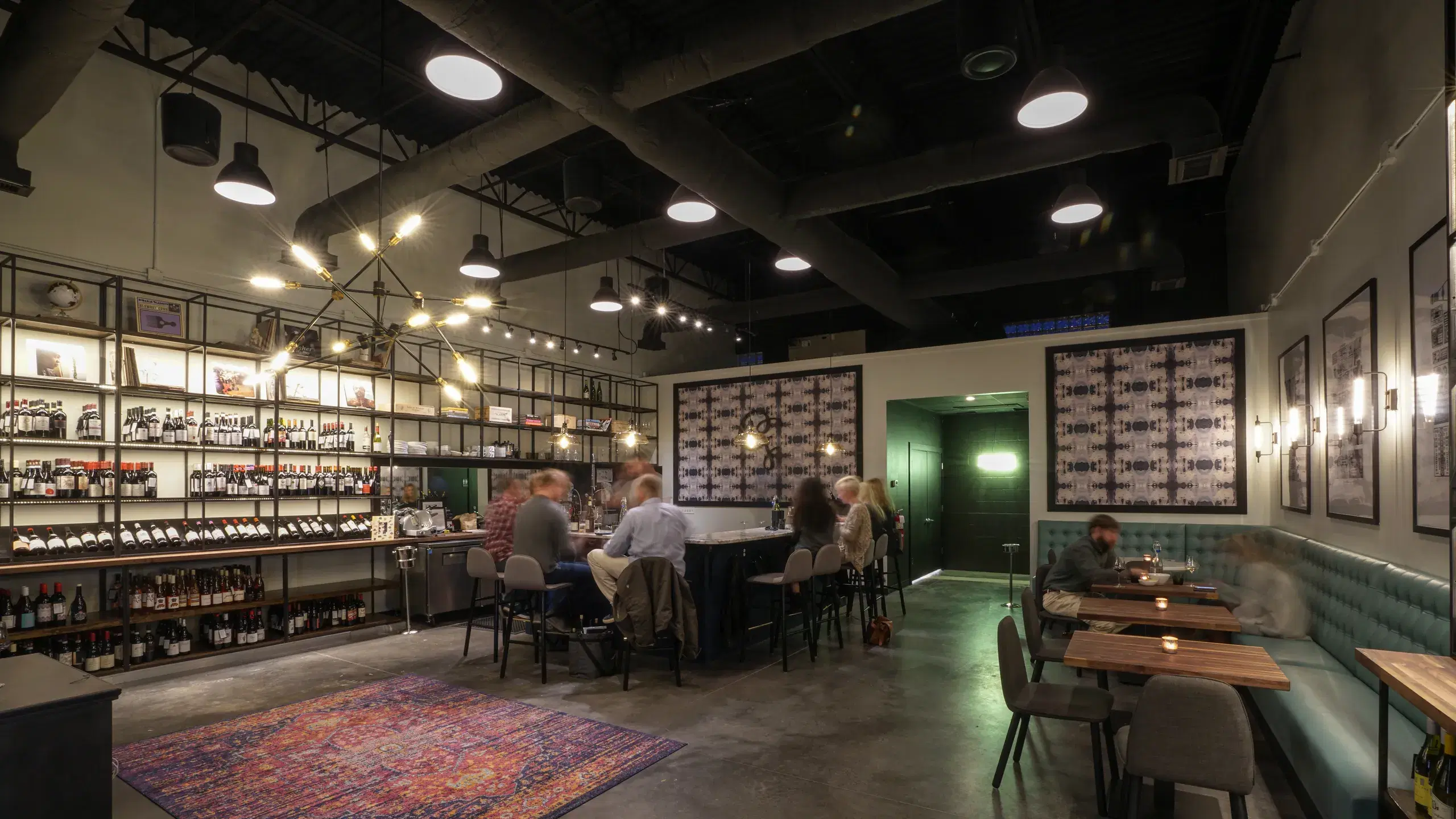
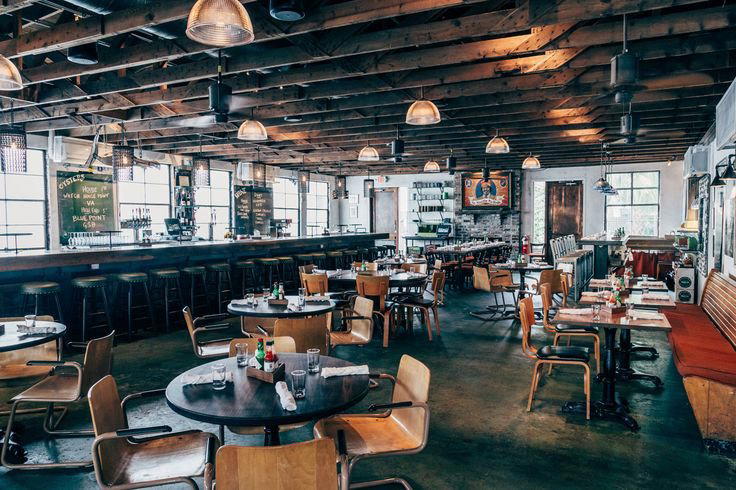
Clean, open space with focused attention on fresh grilled flavors from the visible kitchen; cozy and welcoming atmosphere praised for its transformation from unassuming exterior.