
Tabelog 100 #83
Our verdict
elarte gives Fujisawa a serious Spanish address outside the Tokyo orbit, with Basque cooking, wine-bar habits, and a fish-led point of view. Its Tabelog Spanish Cuisine 100 selection in 2024 and 2026 places it in a selective national conversation while keeping the scale compact and local.

Pearl is the En Primeur Club membership app, where members save venues, book tables and use the concierge.
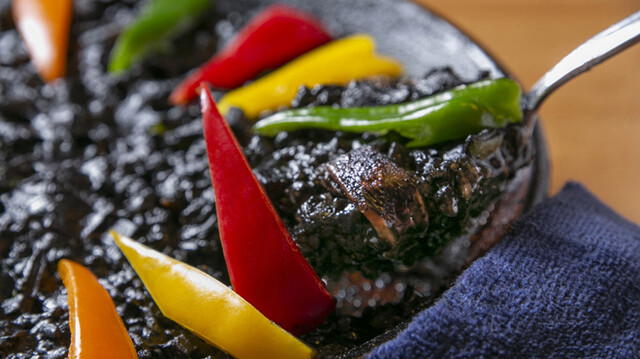
The menu
What to order
- Seafood paella (Paella de Mariscos)
- Tapas selection
- Basque regional dishes
In Fujisawa, the dining rhythm can shift quickly from everyday movement to restaurants where the evening is shaped by wine, conversation, and a slower table. In that setting, elarte reads as a local answer to Spanish dining: wine-aware, comfortably placed, and suited to a city that eats seriously without performing metropolitan ceremony.
Spanish dining makes sense in Fujisawa
Spanish restaurants in Japan often split into two camps: urban rooms built around ceremony, and neighbourhood places where wine, conversation, and repeated visits matter more than spectacle. Fujisawa suits the second model. The city is close enough to Tokyo for destination diners but grounded enough to reward restaurants that feel local rather than imported wholesale.
Spanish cooking travels well in Japan because it does not require theatrical translation. Olive oil, wine, and product-focused cooking all sit comfortably beside Japanese expectations for seasonality and restraint. elarte works within that overlap rather than chasing a generic party-tapas mood. The category listing, Spanish, wine bar, and dining bar, matters: it signals a restaurant built around both food and drinking, not a formal European dining template dropped into Fujisawa.
The national recognition gives the restaurant sharper context. Tabelog Hyakumeiten recognition for 2026, with a listed score of 3.59, puts elarte into a broader national conversation rather than merely a local one. That distinction matters in a city where the restaurant scene is varied rather than single-track: Fujisawa can support Chinese, Sichuan, sushi, wine-led rooms, and other dining without forcing every serious table into one luxury format. For a wider read on that spread, see Our full Fujisawa restaurants guide.
The category argument is the strongest reason to choose it
The useful way to read elarte is through format rather than décor or biography. Its listing as Spanish, wine bar, and dining bar gives the restaurant its editorial weight. In Japan, Spanish dining becomes more persuasive when it treats the local setting as the starting point rather than as a stage set. Fujisawa helps that argument: the city has enough serious dining demand to support a specialist room without needing it to behave like a capital-city grand restaurant.
That positioning also separates the restaurant from several Fujisawa peers. Chinese Shunsai Chaamaen speaks to Fujisawa’s appetite for polished Chinese dining. fu-fu shisen works through Sichuan heat and structure. Other Fujisawa dining rooms pull the conversation toward sushi, specialist cooking, or ingredient-led formats. elarte belongs in that local pattern, but its Spanish frame gives the conversation a different grammar: wine, convivial pacing, and a dining-bar instinct that lets the meal stay relaxed.
The wine-bar identity reinforces that position. Spanish dining at this scale is rarely only about plates. The more convincing rooms understand pacing: a first glass, a sequence of dishes, another pour, and a final course that does not require the table to change emotional register. Fujisawa has enough everyday energy to reward efficiency, but elarte’s format points toward lingering without the stiffness of a formal tasting room.
How to place it in a Fujisawa itinerary
For travelers, elarte is strongest as a Fujisawa dinner rather than a detour appended to another city’s day out. Fujisawa has its own dining identity, and treating it as a stopover undersells the point. The surrounding scene is broad enough to build a weekend around food rather than a single reservation: compare the area’s restaurants with broader Fujisawa guides to hotels, bars, wineries, and experiences if the plan extends beyond one meal.
The broader Kanagawa and Japan comparison is useful, but it should not flatten the restaurant into a generic travel checklist. Nearby cities and larger urban centers have their own dining logic, from formal destination rooms to casual specialist counters and café-driven lunches. Fujisawa’s advantage is different: it can feel local without being thin, serious without chasing the rituals of the most obvious restaurant districts.
That is why elarte is better understood as a regional confidence marker. A Spanish, wine-bar, and dining-bar format with Tabelog Hyakumeiten recognition in 2026 says something about where Japanese dining has moved: serious European cooking no longer needs a capital-city postcode, a hotel lobby, or a chef-driven mythology to earn attention. It needs a clear format, a setting that fits its city, and enough discipline to make locals return. Fujisawa has several such arguments, and this is the Spanish one.
Readers mapping a wider Japan itinerary can use that same lens elsewhere. Unnamed specialist restaurants in other cities often show how non-capital or non-obvious dining choices can sharpen a trip when the category is chosen with intent. The same principle applies to compact specialist formats outside Japan as well: the question is not whether a place has the loudest reputation, but whether its format, budget range, and city fit together.
Frequently asked questions
Can I bring kids to elarte?
Those details are not published. With its Spanish, wine bar, and dining bar listing, elarte in Fujisawa reads more as a wine-led dining choice than a family-focused venue. Check the venue's official channels for the latest details.
How would you describe the vibe at elarte?
elarte is listed as Spanish, wine bar, and dining bar. That mix suggests a polished but not overly formal feel in Fujisawa.
How much does it cost to eat at elarte?
Pricing at elarte is listed as Dinner: JPY 8,000 - JPY 9,999; Lunch: JPY 4,000 - JPY 4,999.
Where is elarte in Fujisawa?
Fujisawa.
Do they take walk-ins at elarte?
Given elarte's Tabelog Hyakumeiten recognition for 2026, booking ahead is the safer choice where possible.
In Context: Similar Options
Comparable venues by cuisine and price in the same metro.
| Venue | Cuisine | Price | Awards | Notes |
|---|---|---|---|---|
| elarteThis venue (the venue you are viewing) | Spanish & Basque restaurant and wine bar | $30–50 | Tabelog 100 #83 | Not listed |
| Sushi Tomi | Traditional Sushi Counter | $50–100 | Tabelog 100 #11 | Fujisawa |
| Hilo Homemade Ice Cream | Hawaiian-style Ice Cream Shop | $1–10 | Tabelog 100 #76 | Kugenumakaigan |
| COOKER'S GRILL | American Grill / Burgers | $10–20 | Tabelog 100 #13 | Tsujido |
| fu-fu shisen | Organic Pescatarian Sichuan Course Dining | $50–100 | Tabelog 100 #43 | Fujisawa |
Recognition history
Dated appearances from independent guides and award organizations, with the underlying list record or original source where available.
Tabelog 100 #83 · No. 83
Tabelog · Tabelog 100 - Spanish cuisine - 2026
Continue exploring
More in Fujisawa
Restaurants in Fujisawa
All restaurants in Fujisawa →



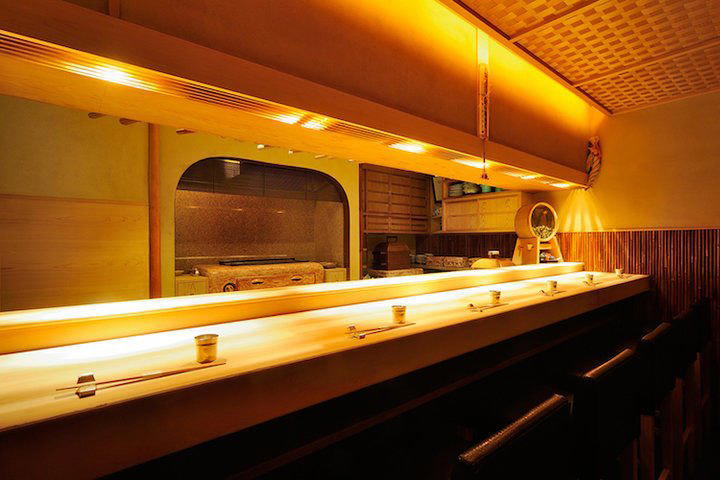
Bars in Fujisawa
Browse all →






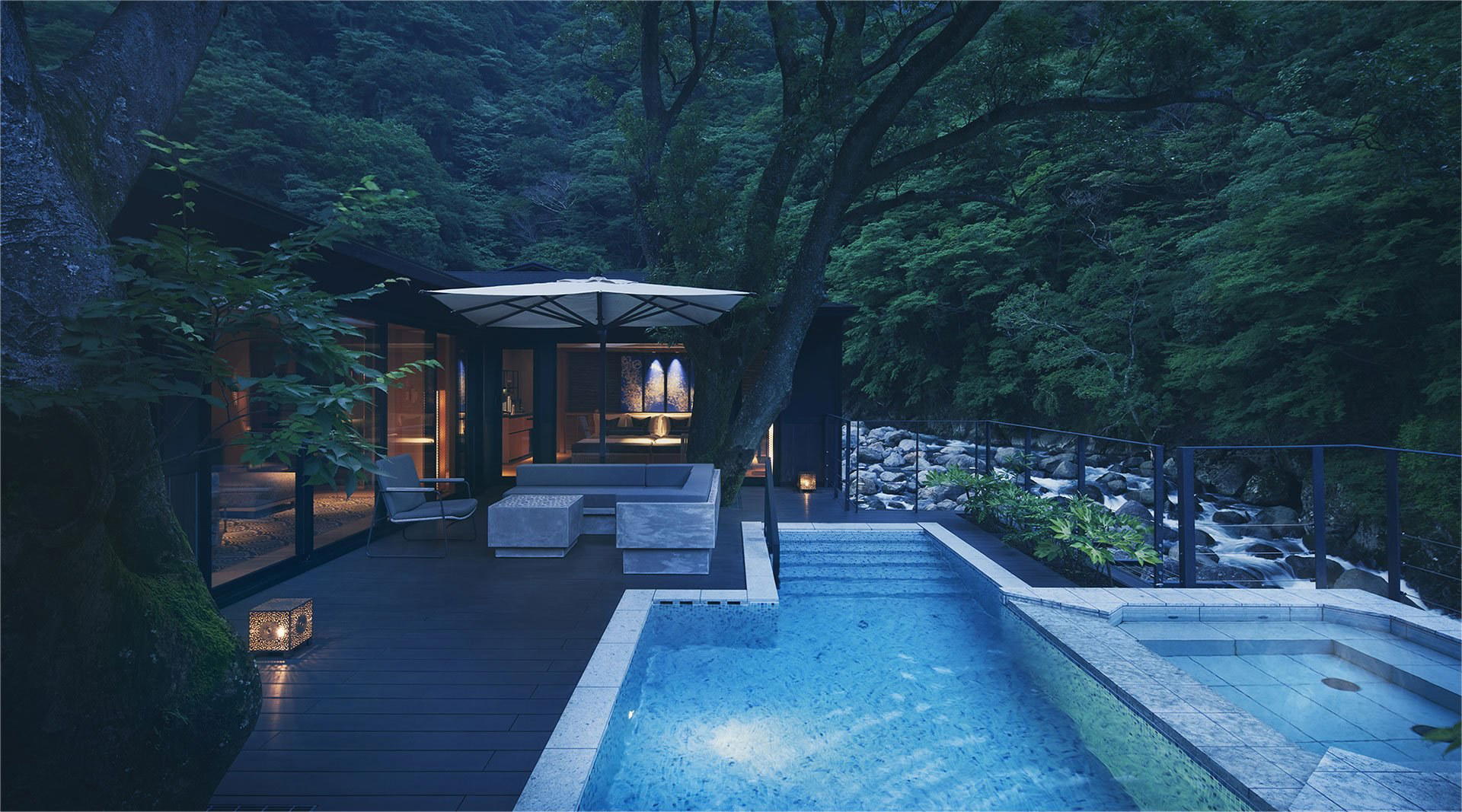
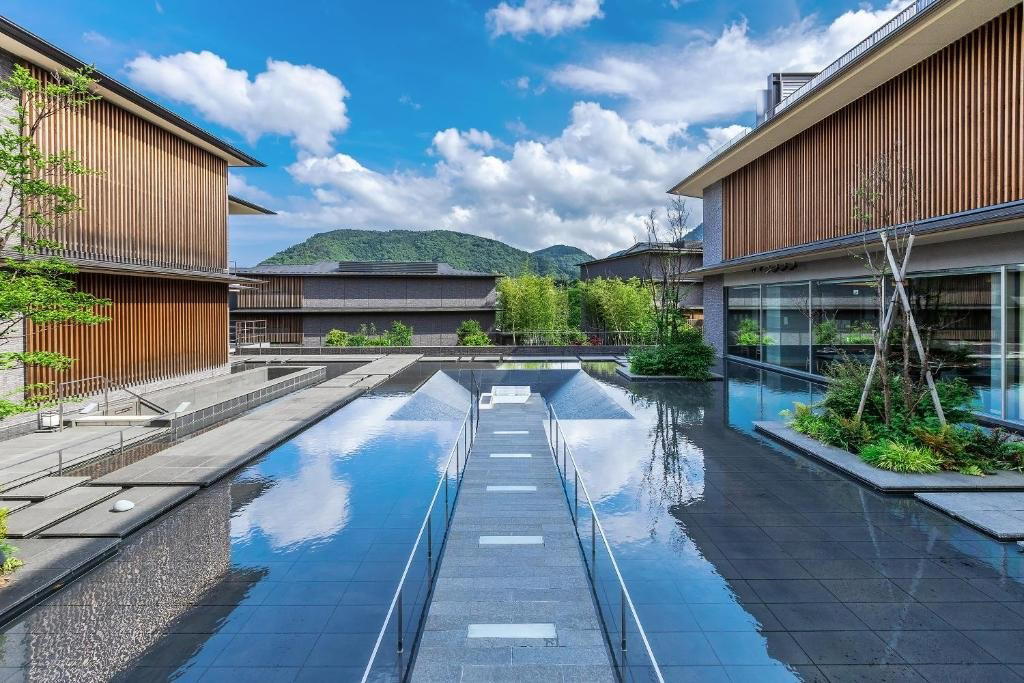
Details
- Cozy
- Lively
- Intimate
- Modern
- Date Night
- Group Dining
- Casual Hangout
- After Work
- Celebration
- Wine Cellar
- Standalone
- Design Destination
- Extensive Wine List
- Beer Program
- Local Sourcing
- A La Carte
- Small Plates
- Set Menu
- Wine
- Beer
Current opening hours
- Monday
- Closed
- Tuesday
- Closed
- Wednesday
- Closed
- Thursday
- 11:30 AM–2:30 PM, 5–11 PM
- Friday
- 11:30 AM–2:30 PM, 5–11 PM
- Saturday
- 11:30 AM–3 PM, 5–11 PM
- Sunday
- 11:30 AM–3 PM, 5–10:30 PM
Hours can change for holidays and private events. Hours as of .
Warm, cozy neighborhood spot with a casual yet slightly modern wine-bar feel, Spanish art on the walls, and a relaxed atmosphere suited to lingering over tapas and wine.