
Our verdict
Sushi Tokami on Canton Road has held a position inside Opinionated About Dining's Top 100 Restaurants in Asia for three consecutive years, ranking as high as #62 in 2024. Positioned in Tsim Sha Tsui, the restaurant operates at the premium tier of Hong Kong's omakase circuit, where seasonal Japanese fish and rigorous counter technique define the format.

Pearl is the En Primeur Club membership app, where members save venues, book tables and use the concierge.

The menu
What to order
- Tuna tossaki temaki
- Double decker uni sushi
- Chu-toro
- O-toro
Where Canton Road Meets the Counter
Tsim Sha Tsui's dining strip along Canton Road has long been a staging ground for Hong Kong's most capital-intensive restaurant concepts. The street carries international luxury retail at street level, and a sequence of serious restaurant floors above, drawing a clientele that crosses between mainland China, Japan, and the international business community. Within that context, omakase sushi has claimed one of the most durable positions, because its format, a chef-directed counter with no menu decisions required of the guest, suits both the spending power and the time constraints of the area's visitors.
Sushi Tokami sits inside that dynamic. Its address at 3-27 Canton Rd places it in one of Hong Kong's most commercially saturated corridors, yet the counter format operates on exactly the opposite logic: small, focused, and built around the rhythm of a meal where each course arrives on the chef's timing rather than the guest's request. This structural tension, luxury commerce outside, considered restraint inside, is characteristic of how premium omakase has taken root in Hong Kong more broadly.
Three Consecutive Years in Asia's Ranked Tier
Opinionated About Dining, which ranks restaurants through aggregated critic and enthusiast scoring rather than institutional panels, has listed Sushi Tokami among its Leading Restaurants in Asia for three consecutive years: #76 in 2023, #62 in 2024, and #75 in 2025. The movement across those three rankings is instructive. Holding inside the Top 100 across three cycles, rather than appearing once and dropping, suggests a consistency of execution that the OAD methodology tends to reward over novelty.
Hong Kong's presence in Asian fine dining rankings has generally been anchored by a mix of French technique, Cantonese tradition, and Japanese precision. The city's premium French houses, including Amber and Caprice, have historically dominated the upper tiers, while Cantonese institutions like Forum anchor a different kind of authority. Japanese-inflected formats, whether pure omakase or the Franco-Japanese hybrids represented by venues like Ta Vie, have expanded steadily over the past decade as the city's appetite for counter-format dining has deepened. Sushi Tokami competes within that Japanese tier and its rankings indicate it holds its ground against Tokyo-origin counters that have opened Hong Kong outposts with existing brand recognition.
The Wine Dimension at an Omakase Counter
The editorial angle that most distinguishes premium omakase in markets outside Japan is the beverage program. In Tokyo, the dominant pairing tradition at sushi counters remains sake and Japanese whisky, with wine treated as an accommodation rather than a feature. Hong Kong is a different market. The city's wine trading culture, historically one of the most active in Asia following tariff eliminations in 2008, has produced a dining public with both the interest and the cellar access to drink seriously at the table. Premium counters in Hong Kong that cannot meet that expectation tend to lose ground to French dining rooms like 8 1/2 Otto e Mezzo Bombana, where the wine list is a primary reason to be there.
At omakase counters operating in this environment, the wine program functions as a signal of which guest the restaurant has decided to serve. A list built around Champagne, white Burgundy, and aged Riesling tells a specific story: the kitchen understands that high-acid, lower-tannin whites can follow the progression of raw fish, lightly vinegared rice, and delicate garnishes without dominating them. This is the same structural logic applied at reference-level seafood rooms elsewhere in the world, from Le Bernardin in New York City to Aponiente in El Puerto de Santa María, where the beverage selection is curated to complement rather than overwhelm the primary ingredient.
What is clear from the venue's positioning and market context is that operating at this price and ranking tier in Hong Kong requires a beverage offering that meets the expectations of a wine-literate clientele. Guests with specific pairing preferences should enquire directly when making a reservation.
The Omakase Format in Hong Kong's Counter Scene
Hong Kong has developed one of Asia's most concentrated omakase markets outside Japan over the past fifteen years. Counter seats in the premium tier book weeks in advance, and the gap between accessible neighbourhood sushi and high-end omakase has widened considerably. The upper bracket, where Sushi Tokami operates based on its OAD rankings, is defined by sourcing relationships with Japanese fish markets, rice provenance, and the technical precision applied to knife work, temperature management, and the balance of vinegar and fat across the progression of a meal.
This is also a format with almost no tolerance for inconsistency. Unlike a French tasting menu where a less successful course can be absorbed into the whole, omakase sushi presents each piece individually, making every decision visible. The counters that maintain positions in regional rankings year on year do so by sustaining a standard of execution across that full sequence, not by producing occasional exceptional dishes. Sushi Tokami's three-year OAD consistency is the clearest available signal that execution here has not been episodic.
For context on what high-level counter dining looks like across different format types, EP Club covers venues from Atomix in New York City to Lazy Bear in San Francisco and Alain Ducasse at Louis XV in Monte Carlo, each of which demonstrates how counter and tasting formats have developed distinct identities across different culinary traditions. For European comparison points at the formal restaurant tier, see also Alléno Paris au Pavillon Ledoyen and Arzak in San Sebastián. And for a contrast in American dining formats, Emeril's in New Orleans illustrates how different the logic of large-format American dining rooms is from the counter tradition.
Planning Your Visit
Sushi Tokami is located at 3-27 Canton Road, Tsim Sha Tsui, Hong Kong. The area is well served by the MTR at Tsim Sha Tsui station, and the restaurant is accessible from most Kowloon and Hong Kong Island hotels within a short taxi ride. Given the counter format and the premium tier at which the restaurant operates, advance booking is advisable.
For a broader view of what Hong Kong's dining, drinking, and hotel scene offers at this tier, see our full guides: Hong Kong restaurants, Hong Kong hotels, Hong Kong bars, Hong Kong wineries, and Hong Kong experiences.
Quick reference: 3-27 Canton Rd, Tsim Sha Tsui. OAD Leading Restaurants in Asia: #76 (2023), #62 (2024), #75 (2025). Booking and pricing: confirm directly with the restaurant.
Frequently asked questions
Can I bring kids to Sushi Tokami?
The omakase counter format at this price tier is typically structured around a fixed progression of courses with little flexibility for substitution, and the pace and atmosphere are calibrated for adult guests. Hong Kong's premium sushi counters are not generally designed around children's dining needs. Families with younger children are better served by the city's more accommodating international dining rooms, where menus offer more range and the format does not require engagement with a fixed sequence of courses.
What's the vibe at Sushi Tokami?
The atmosphere at a counter of this tier in Hong Kong tends toward focused and quiet. The counter format concentrates attention on the sequence of courses and the chef's work rather than on ambient noise or social spectacle. Tsim Sha Tsui's restaurant clientele skews toward business dining and informed food travellers, and a venue with three consecutive years in the OAD Asia Top 100 attracts guests who are there specifically for the quality of the meal rather than for occasion theatre. For guests used to the energy of Hong Kong's larger hotel dining rooms, such as those at Amber or Caprice, the register here is more contained.
What's the signature dish at Sushi Tokami?
Omakase format means there is no single signature dish in the conventional sense. The menu changes with seasonal availability of fish, and the progression of courses is determined by the kitchen on the day. At the ranking tier Sushi Tokami occupies in the OAD Asia listings, tuna, in its various cuts including otoro and chutoro, is typically central to the meal at any high-level sushi counter, as is the balance struck between rice temperature, vinegar intensity, and the weight of individual fish. Specific current dishes should be taken as they come rather than anticipated in advance.
Pricing, Compared
| Venue | Cuisine | Price | Awards | Notes |
|---|---|---|---|---|
| Sushi TokamiThis venue (the venue you are viewing) | Classic Japanese Omakase | $200–300 | Not listed | Not listed |
| 8 1/2 Otto e Mezzo Bombana (Hong Kong) | 3 Michelin-Star Italian Fine Dining | $200–300 | 3 Michelin Stars · World's 50 Best #94 | Italian |
| Ta Vie | Modern French-Japanese Fine Dining | $300–500 | 3 Michelin Stars · World's 50 Best #68 | Japanese - French, Innovative |
| Caprice | Contemporary French Fine Dining | $200–300 | 3 Michelin Stars · World's 50 Best #35 | French, French Contemporary |
| Feuille | Modern Vegetable-Forward French | $200–300 | 1 Michelin Star · World's 50 Best #93 | French Contemporary |
| Neighborhood | Modern French with Asian Influences | $50–100 | 1 Michelin Star · World's 50 Best #24 | International, European Contemporary |
Recognition history
Dated appearances from independent guides and award organizations, with the underlying list record or original source where available.
Opinionated About Dining Top Restaurants in Asia Ranked #75
Opinionated About Dining
Full recognition history (3 entries)
Opinionated About Dining Top Restaurants in Asia Ranked #62
Opinionated About Dining
Opinionated About Dining Top Restaurants in Asia Ranked #76
Opinionated About Dining
Continue exploring
More in Hong Kong
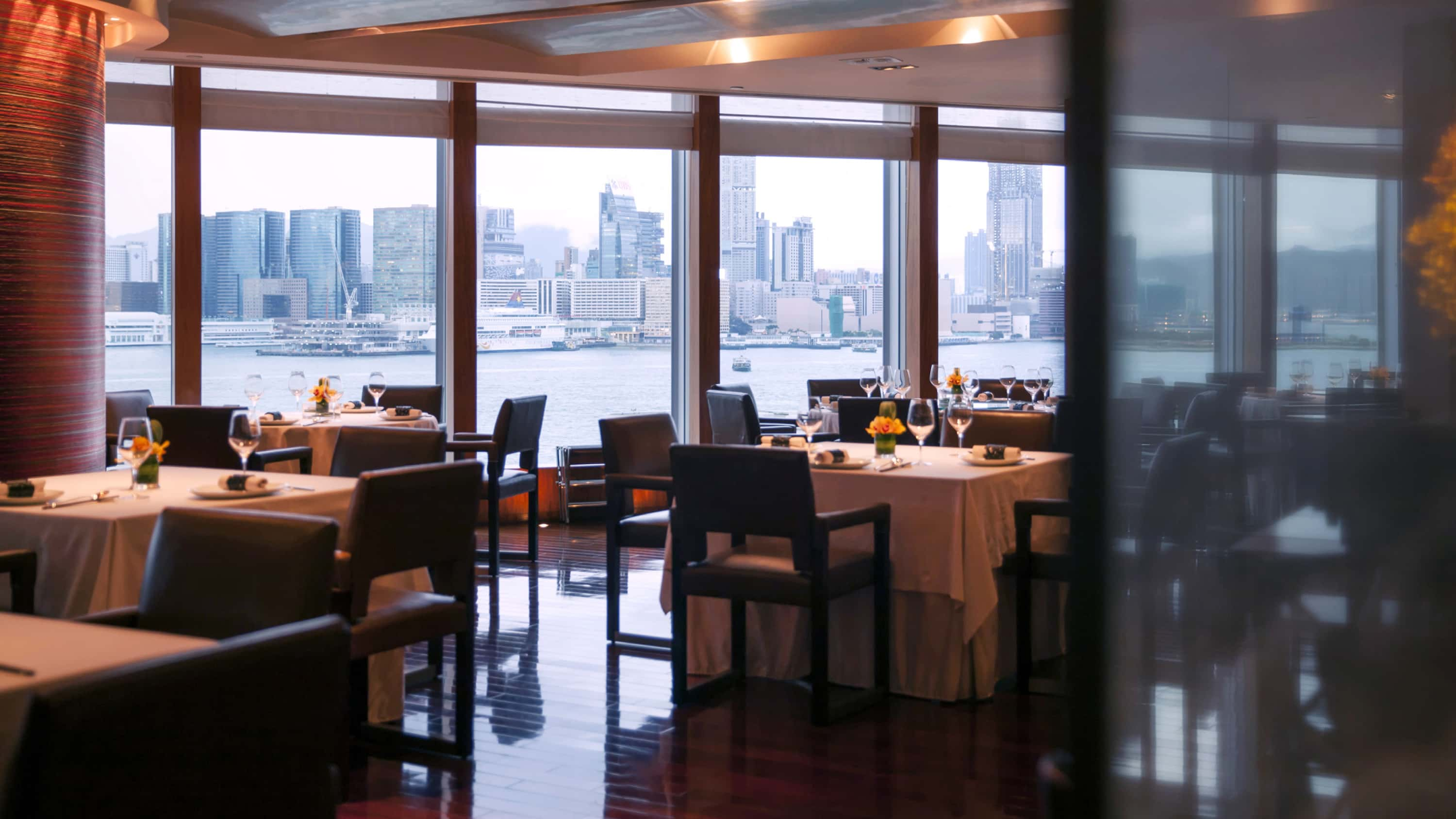
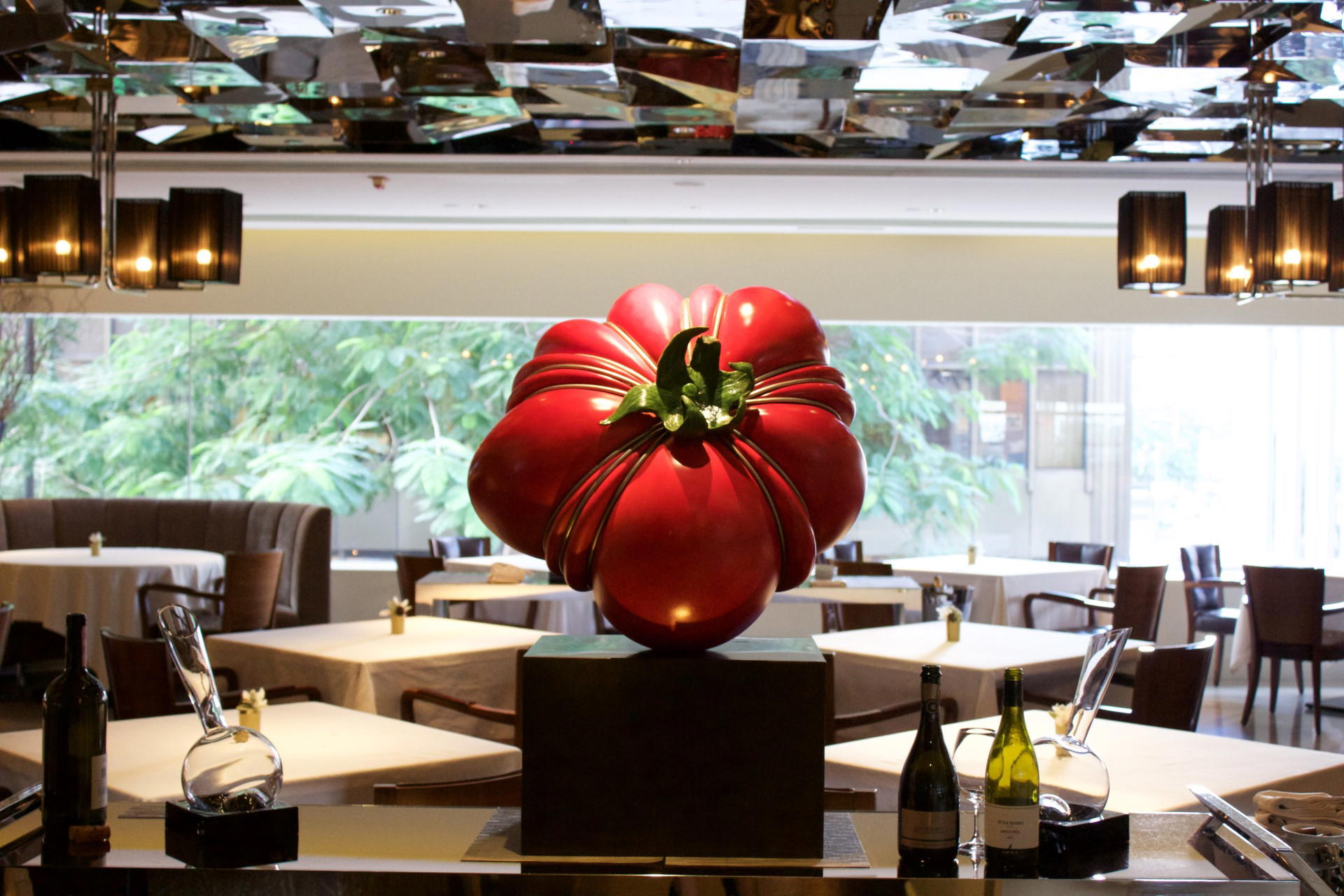
Restaurants in Hong Kong
All restaurants in Hong Kong →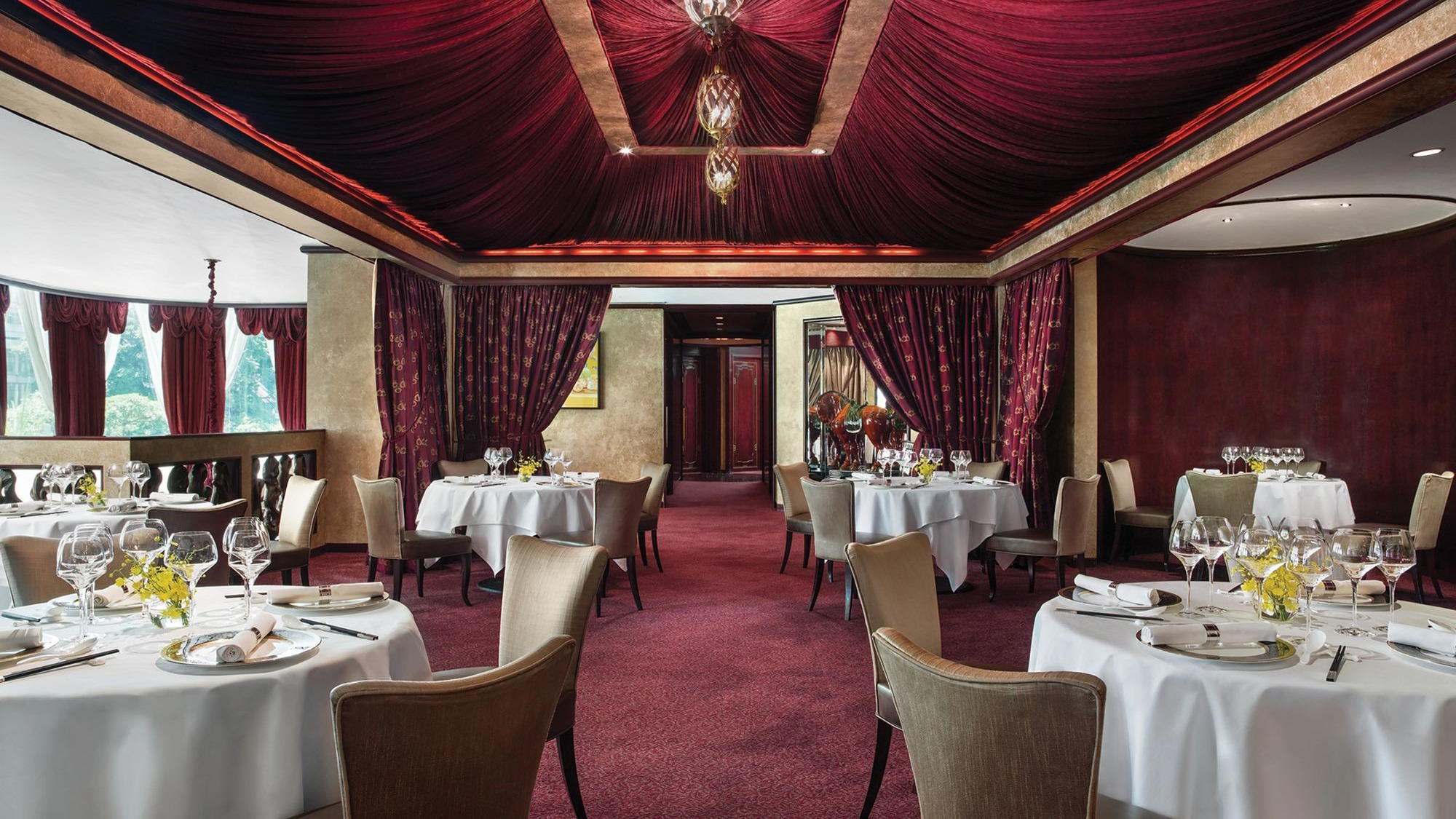
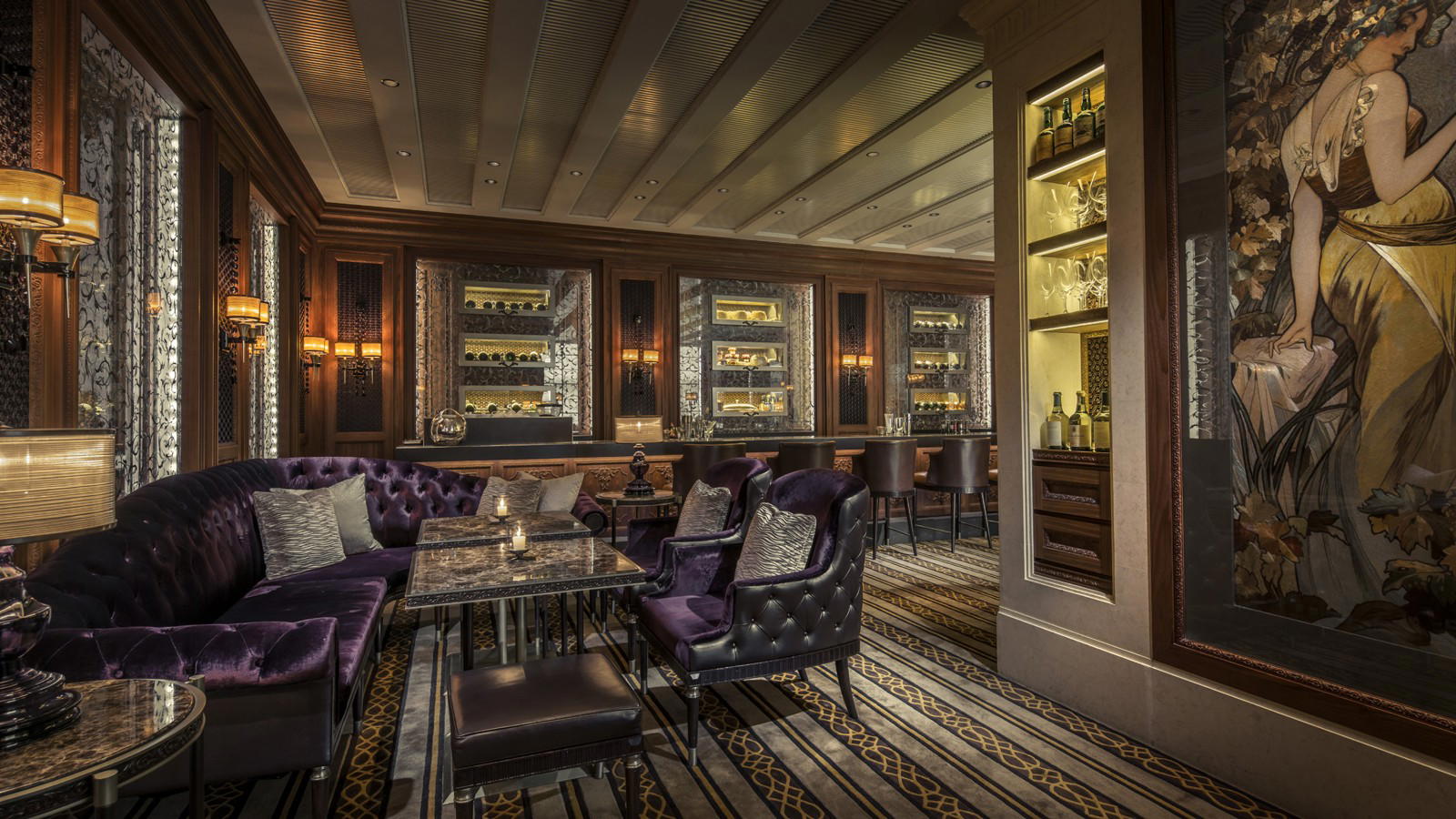
Bars in Hong Kong
All bars in Hong Kong →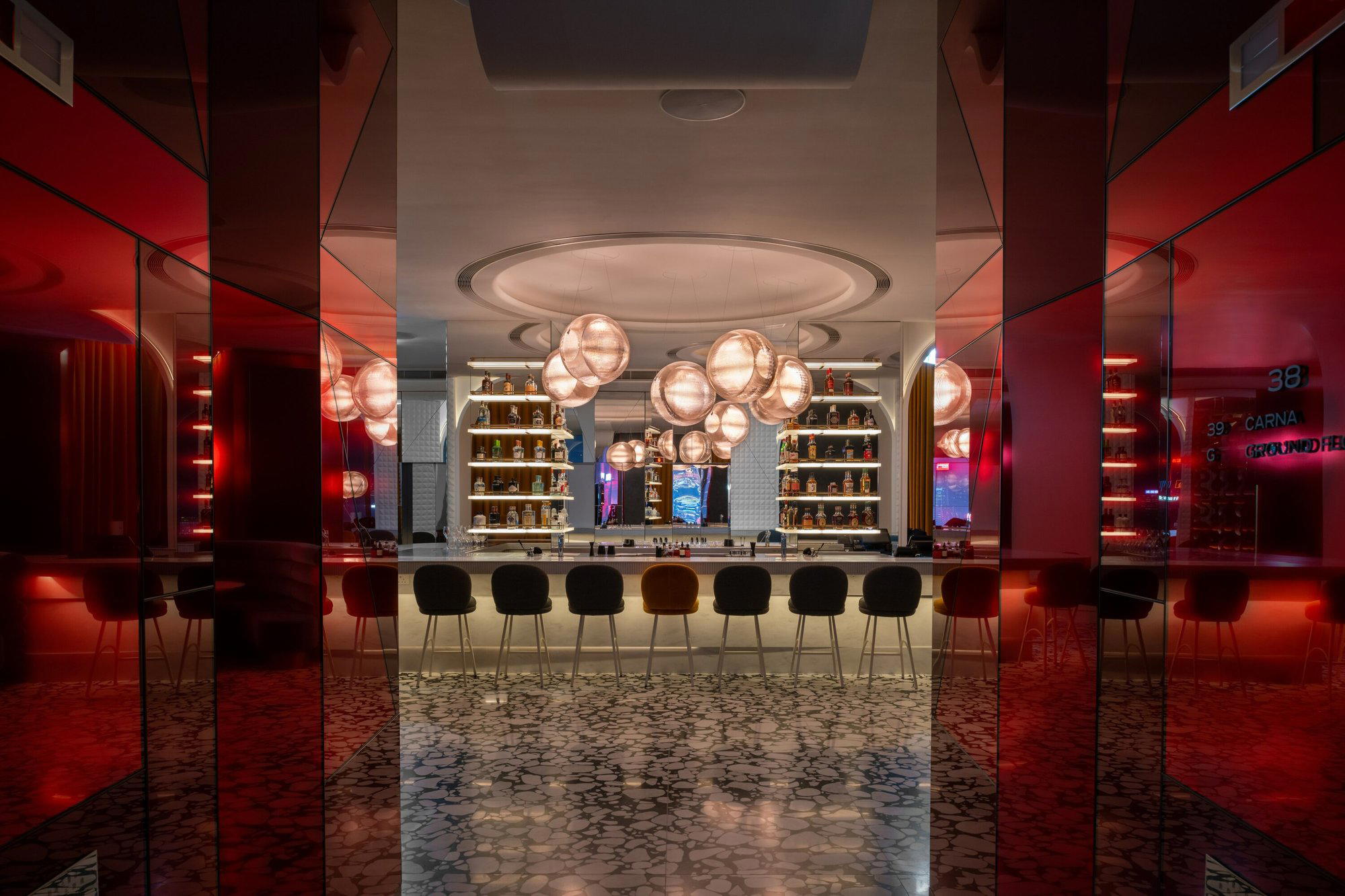
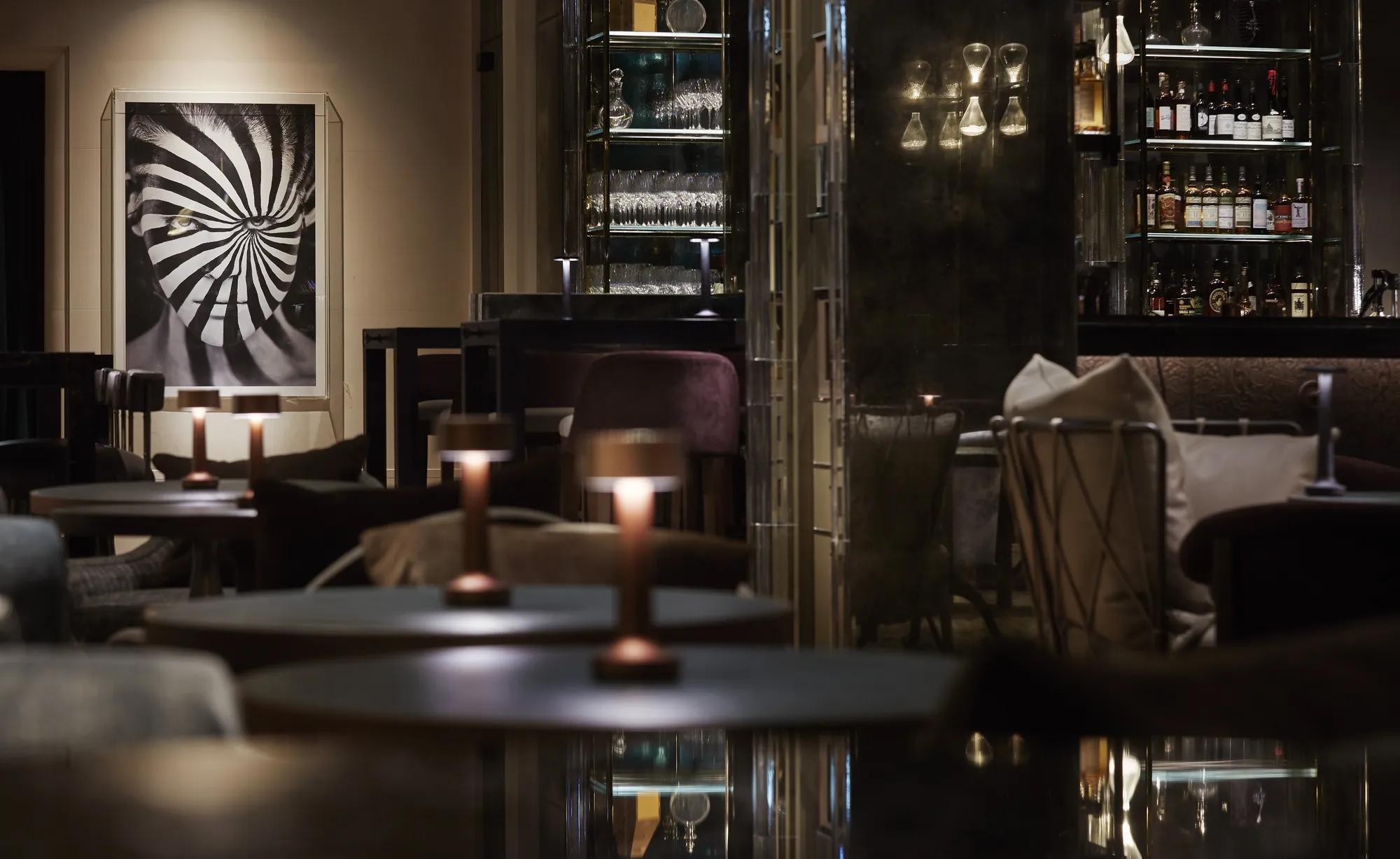
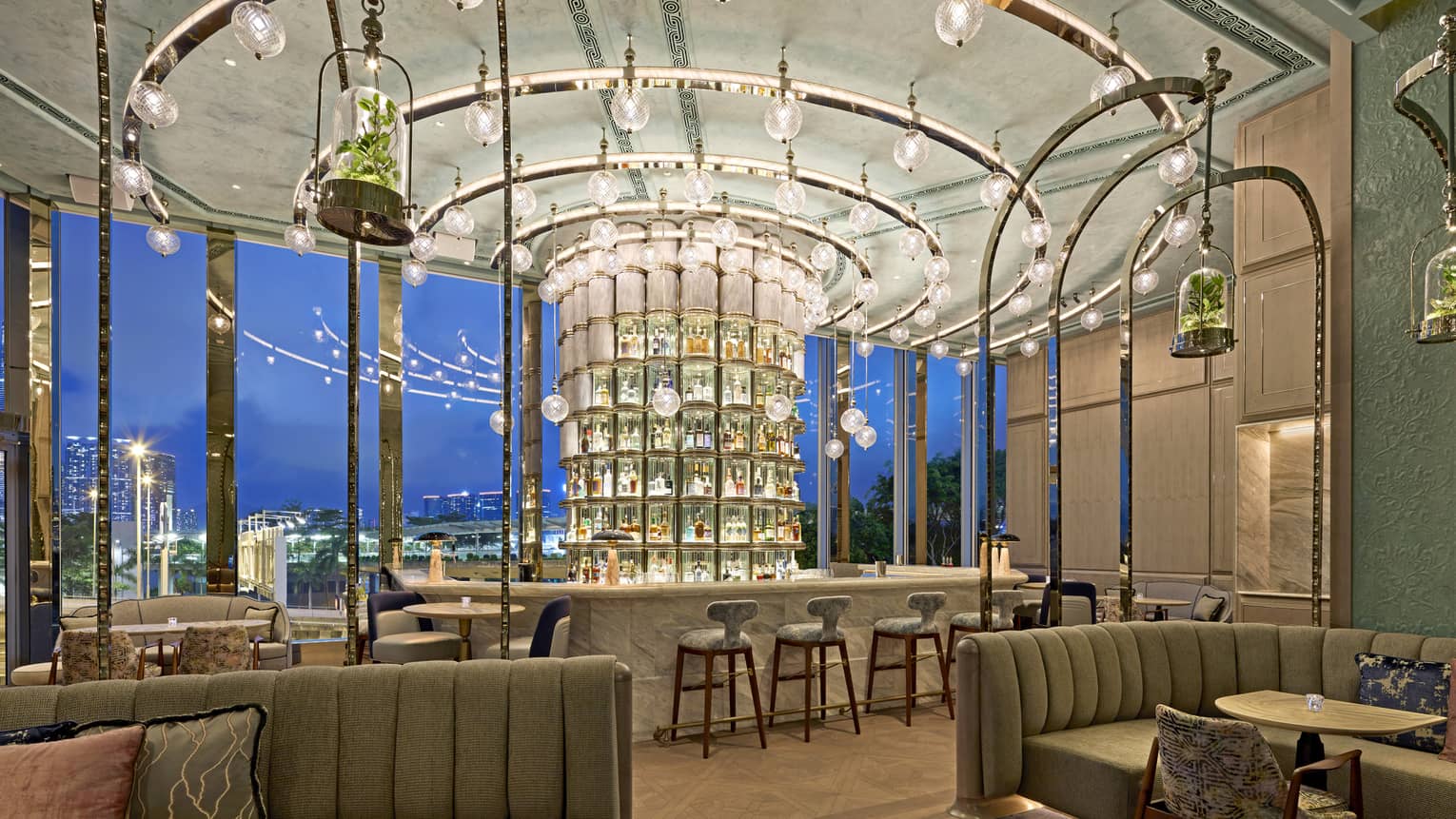
Hotels in Hong Kong
All hotels in Hong Kong →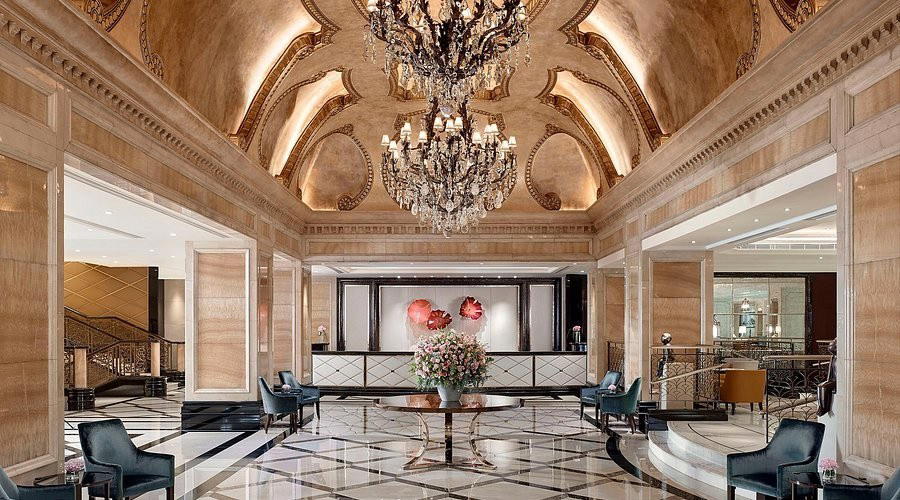
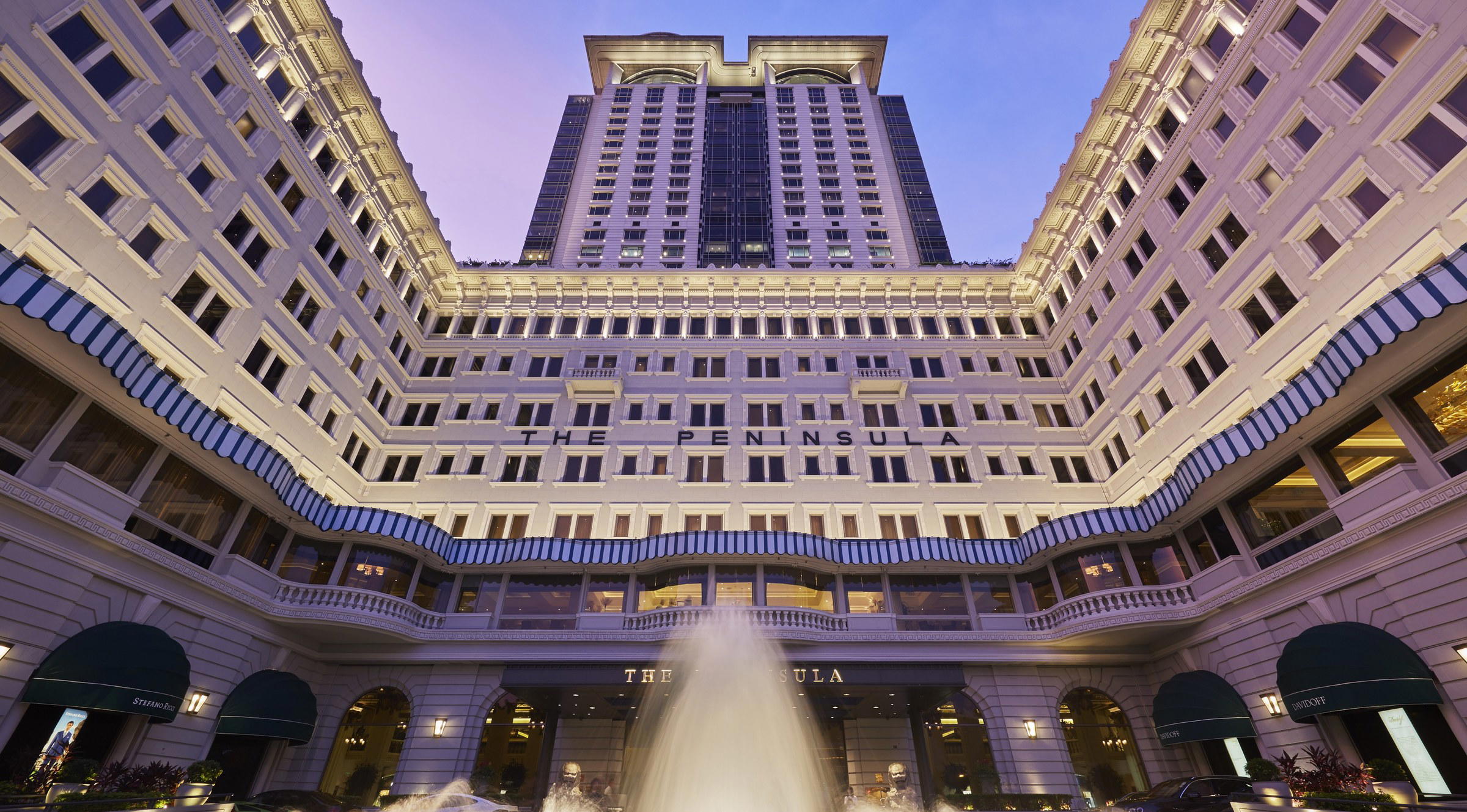
Wineries in Hong Kong
All wineries in Hong Kong →
Details
- Elegant
- Intimate
- Sophisticated
- Date Night
- Special Occasion
- Business Dinner
- Chefs Counter
- Sake Program
- Sustainable Seafood
- Omakase
- Counter Dining
- Sake Program
Current opening hours
- Monday
- 12–3 PM, 6–10:30 PM
- Tuesday
- 12–3 PM, 6–10:30 PM
- Wednesday
- 12–3 PM, 6–10:30 PM
- Thursday
- 12–3 PM, 6–10:30 PM
- Friday
- 12–3 PM, 6–10:30 PM
- Saturday
- 12–3 PM, 6–10:30 PM
- Sunday
- 12–4 PM, 6–10:30 PM
Hours can change for holidays and private events. Hours as of .
Cozy and secluded sushi counter atmosphere tucked away in a mall, with friendly chef interaction and a focus on the artistry of sushi preparation.