
Tabelog 100 #72
Our verdict
Sushi to Amakusa Daio Amane brings a compact counter format to Yakuin, with sushi, chicken dishes and Japanese cuisine framed by Amakusa sourcing. Its selection for Tabelog 100 Sushi WEST 2025 places it in a serious regional sushi conversation rather than a casual neighbourhood category.

Pearl is the En Primeur Club membership app, where members save venues, book tables and use the concierge.
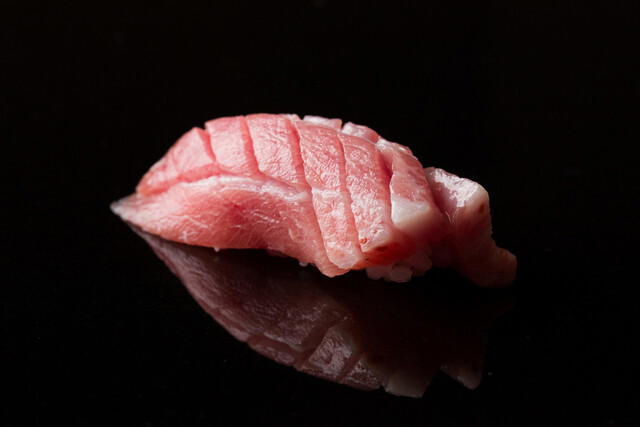
The menu
What to order
- Omakase sushi course featuring Amakusa seafood
- Chawanmushi with Amakusa Daio chicken
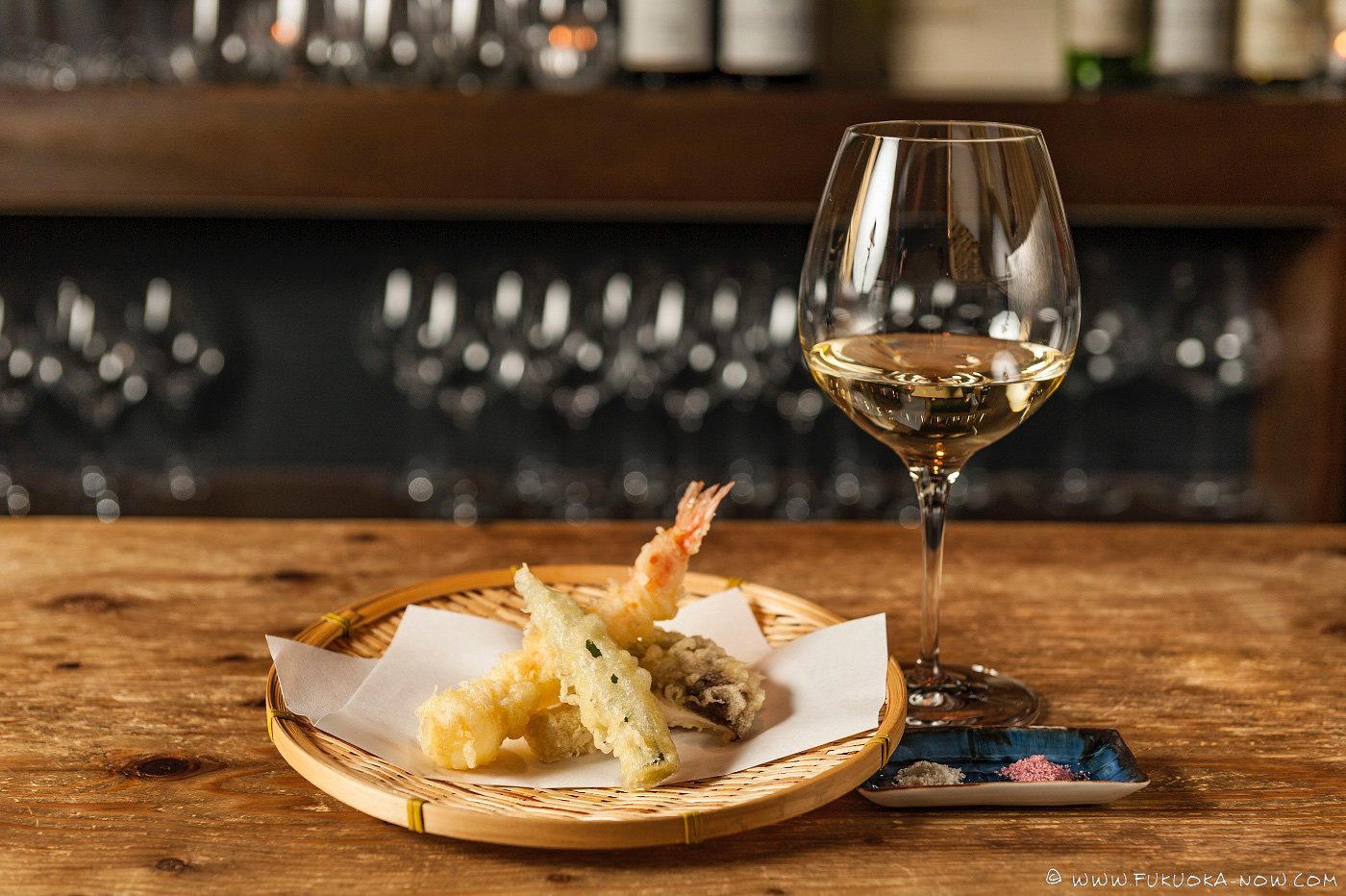
- Chicken and shiitake tempura
- Amakusa Daio chicken sashimi
Fukuoka moves at a different tempo from Japan’s larger station-side dining districts. Streets thin, rooms shrink, and dinner often feels less like a citywide performance than a more deliberate restaurant choice. In that setting, Sushi to Amakusa Daio Amane fits a Fukuoka pattern: a recognised dining room whose Kyushu identity is suggested by its name and city, rather than treated as background decoration.
Fukuoka’s dining culture has an advantage that larger, more exposed markets cannot copy directly. The city sits within a region known for strong food traditions and shifts between commercial appetite and quieter restaurant circuits. Serious meals here do not need big-city theatre. They need discipline, clarity, and a clear reason to choose one focused address over louder options elsewhere in the city.
Amakusa identity gives the restaurant a Kyushu argument
The name signals the point before the first course: Amakusa matters to the restaurant’s identity. In Kyushu dining, that reference is not just a decorative flourish; it points diners toward a regional frame. The listed categories, sushi, chicken dishes and Japanese cuisine, place it slightly beyond a narrow single-category reading. That matters in Fukuoka, where higher-spend Japanese dining often competes across sushi, tempura and broader Japanese formats rather than one rigid lane.
The critical signal is external recognition. Selection for Tabelog Hyakumeiten in 2025 places the restaurant among addresses that have cleared a meaningful user-and-editorial threshold. Tabelog’s Hyakumeiten lists are not Michelin, and should not be read as star equivalents, but in Japan they carry real dining-market weight. For travellers, the selection separates a serious listing from the long field of competent restaurants that rarely register outside local networks.
Price positioning reinforces that reading. Within the Fukuoka comparison set, Chinese Sai KHAOS and Tempura Tenko sit in a lower dinner band, while Daidokoro is slightly more accessible. Bomber Kitchen Yakuin honten and Soba Ozaki belong to a different everyday category. Sushi to Amakusa Daio Amane is not competing with casual Fukuoka meals; it sits in the narrower tier where format, ingredient cost and access define the decision.
That tier is not only about spending. Fukuoka rewards restaurants that feel local without becoming provincial. The strongest rooms let the city and region speak through product and rhythm while keeping the service precision expected at this level. The restaurant’s listed categories support that reading: sushi remains central, but chicken dishes and Japanese cuisine broaden the frame.
Recognition matters more in a small-room city
In a city of compact, reputation-driven dining, recognition can be unusually powerful. A restaurant does not need mass demand to become difficult to plan around; it needs only steady locals, repeat visitors and travelling diners who understand the signal. In Fukuoka, less internationally overexposed than Tokyo or Kyoto, a Tabelog Hyakumeiten selection can move a room quickly from local knowledge to planned itinerary.
The Fukuoka setting shapes the experience. This is not simply a stop between bigger tourist cities; its appeal is quieter: independent restaurants, local dining habits, and enough distance from the most familiar national circuits to make dinner feel intentional. Diners comparing areas should use Our full Fukuoka restaurants guide for the broader map, then cross-check hotels through Our full Fukuoka hotels guide if staying close to dinner matters.
The city’s range is part of the point. Fukuoka can move from everyday local eating to specialist Japanese rooms, spice-led meals, casual counters and regional comfort. Against that spread, a recognised restaurant in a higher price band plays a specific role: the planned meal that anchors a food-focused trip.
For travellers building an evening around the booking, surrounding categories are useful, not secondary. Fukuoka’s bar scene can extend dinner without turning the night into a crawl; start with Our full Fukuoka bars guide. For daytime structure, Our full Fukuoka experiences guide balances markets, neighbourhoods and cultural stops. Wine-focused travellers will find the city less cellar-driven than Tokyo or Osaka, but Our full Fukuoka wineries guide keeps the regional drinks lens in view.
The decision: a serious Fukuoka sushi booking, not a casual add-on
The better way to judge this restaurant is not by asking whether it resembles Tokyo omakase. It does not need to. Its value lies in how Fukuoka and Kyushu can support a focused Japanese dining experience without importing the capital’s full grammar. The Amakusa identity, listed categories and 2025 Tabelog Hyakumeiten selection make it a strong candidate for diners seeking local logic and recognised standing.
Planning discipline is sensible. This is a restaurant for diners comfortable with a meal shaped by the venue’s sequence rather than broad à la carte browsing. In this category, the guest’s restraint is part of the format, and the appeal depends on accepting the restaurant’s pace rather than treating it as a casual add-on.
Readers mapping Japan more broadly can compare specialist restaurants across cities, from focused Japanese rooms to everyday local restaurants, regional noodle shops and other compact dining formats. Outside Japan, the same specialist logic appears differently across sushi bars, sake-led rooms and casual Japanese concepts. The common thread is not luxury for its own sake; it is focus, format and a clear reason for the meal to exist.
Frequently asked questions
What's the pricing like at Sushi to Amakusa Daio Amane?
Pricing at Sushi to Amakusa Daio Amane is listed as Dinner: JPY 20,000 - JPY 29,999; Lunch: JPY 8,000 - JPY 9,999.
What's the address for Sushi to Amakusa Daio Amane?
Fukuoka.
Can I walk in to Sushi to Amakusa Daio Amane?
This is best treated as a planned meal rather than an assumed casual drop-in. Dinner is listed at JPY 20,000 - JPY 29,999 and lunch at JPY 8,000 - JPY 9,999, so confirming arrangements in advance is sensible.
What is Sushi to Amakusa Daio Amane known for?
Sushi to Amakusa Daio Amane is known for sushi, chicken dishes and Japanese cuisine in Fukuoka, with Tabelog Hyakumeiten recognition in 2025.
Cost Snapshot
Comparable venues for orientation by cuisine and category.
| Venue | Cuisine | Price | Awards | Notes |
|---|---|---|---|---|
| Sushi to Amakusa Daio AmaneThis venue (the venue you are viewing) | Omakase Sushi & Amakusa Daio Chicken | $100–150 | Tabelog 100 #72 | Not listed |
| 井本 | Modern Kyoto Kaiseki | $200–300 | Tabelog Bronze #133 | Chūō, Traditional Japanese |
| Yakitori Morimoto | Yakitori | Not listed | Tabelog 100 #75 | Chūō, Yakitori |
| Kamoryori Marimo Honten | Duck hot pot & kaiseki-style Japanese | $50–100 | Tabelog 100 #9 | Hakata, Duck hot pot & kaiseki-style Japanese |
| Ningyocho Imahan JR hakata shiti ten | Traditional Japanese sukiyaki & shabu-shabu | $50–100 | Tabelog 100 #70 | Hakata, Traditional Japanese sukiyaki & shabu-shabu |
| Teppanyaki Akatsuki | Teppanyaki & Wagyu Steakhouse | $50–100 | Tabelog 100 #60 | Chūō, Teppanyaki & Wagyu Steakhouse |
Recognition history
Dated appearances from independent guides and award organizations, with the underlying list record or original source where available.
Tabelog 100 #72 · No. 72
Tabelog · Tabelog 100 - Sushi - WEST - 2025
Continue exploring
More in Fukuoka
Restaurants in Fukuoka
All restaurants in Fukuoka →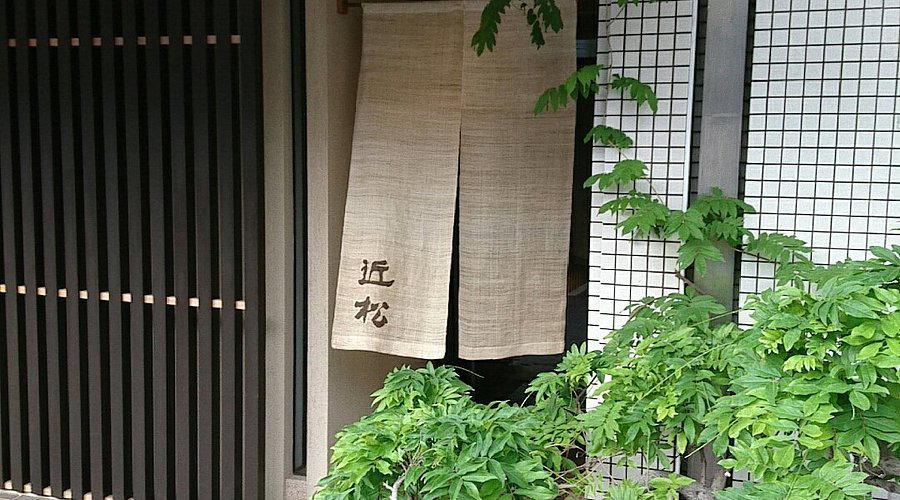
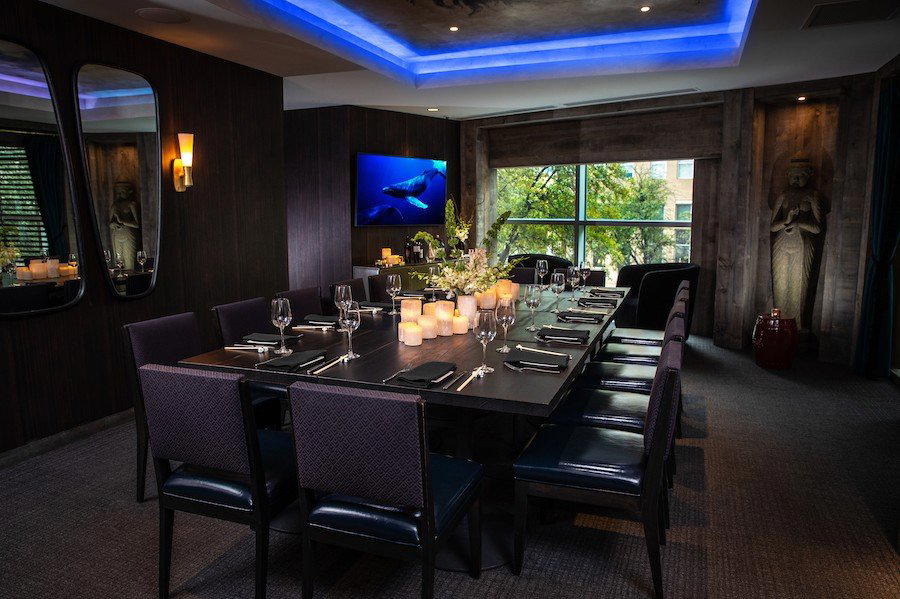
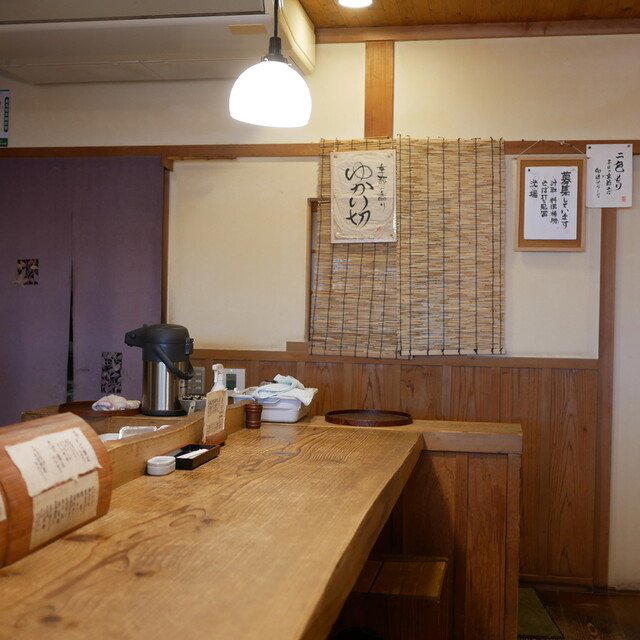
Sushi to Amakusa Daio Amane
The wine
- Wine program
- Deep wine list
- Extensive wine list
- Sake program
- Beer program
Details
- Intimate
- Elegant
- Cozy
- Modern
- Date Night
- Special Occasion
- Celebration
- Business Dinner
- Solo
- Chefs Counter
- Standalone
- Wine Cellar
- Sake Program
- Extensive Wine List
- Beer Program
- Local Sourcing
- Farm To Table
- Sustainable Seafood
- Omakase
- Counter Dining
- Tasting Menu
- Sake
- Shochu
- Wine
- Beer
- Pescatarian Friendly
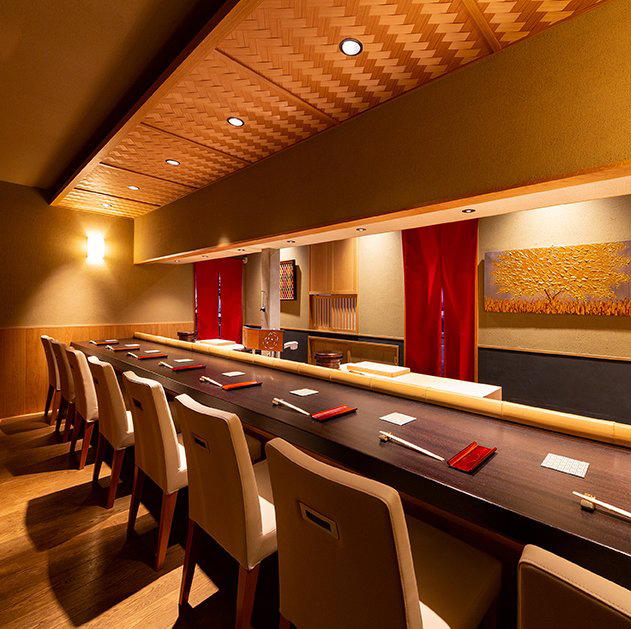
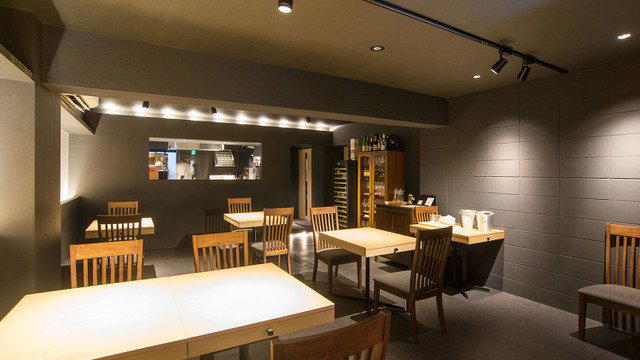
An intimate counter sushi shop with a small number of seats, warm modern decor, and a calm, refined atmosphere suited to lingering over an omakase course rather than a quick meal.