
Tabelog 100 #60
Our verdict
Teppanyaki Akatsuki puts Fukuoka’s steak-and-teppan dining into a compact Yakuin room built around counter heat, private-room discretion, and a price tier below the city’s luxury sushi counters. Its 2025 Tabelog 100 Steak / Teppanyaki WEST selection gives it a clear credential in a category where format and room control matter as much as beef sourcing.

Pearl is the En Primeur Club membership app — saves, bookings, and concierge access live there. Same editors, same standards.
The menu
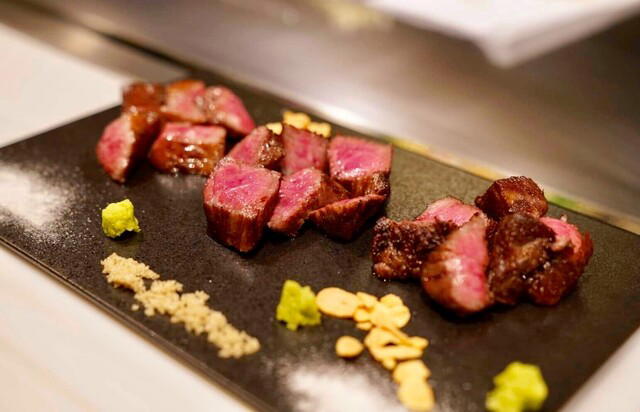
What to order
- Takamori Wagyu steak
- Japanese Black Beef teppanyaki
- Live abalone teppanyaki
- Seasonal live seafood assortment
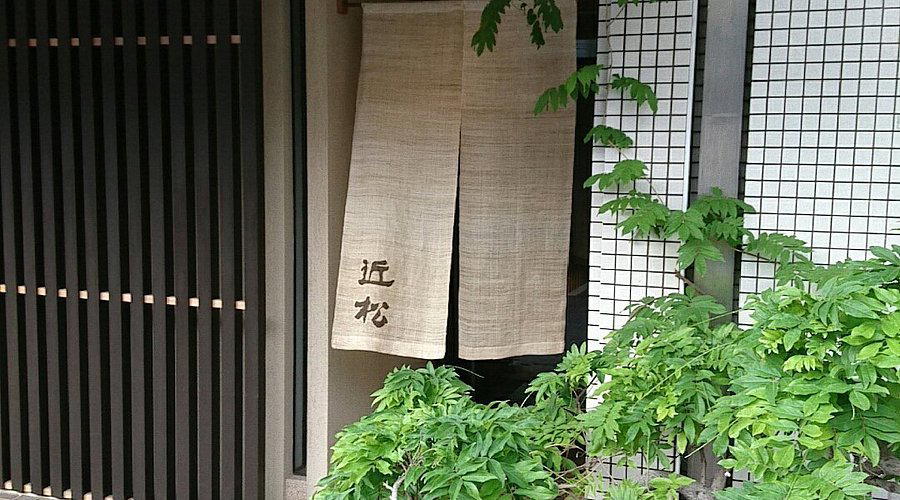
Fukuoka’s dining rooms can run quieter than the city’s louder restaurant blocks: smaller doors, fewer street-level signals, and meals built around regulars who know how to plan ahead. Here, teppanyaki makes practical sense. The meal is shaped by heat, timing, smoke management, guest pacing, and the privacy often expected for business dinners or anniversaries.
Fukuoka’s premium dining conversation often starts with sushi, seafood izakaya, and Hakata staples, but steak-and-teppan rooms occupy another lane: surface temperature, seating rhythm, and grill choreography in the guest’s sightline. Teppanyaki Akatsuki fits that lane, with a Tabelog 100 Steak / Teppanyaki WEST 2025 selection. Because the category is regional, not city-only, that places it in a western Japan steak and teppanyaki field, not just a Fukuoka neighborhood list.
A teppan room where the cooking surface defines the meal
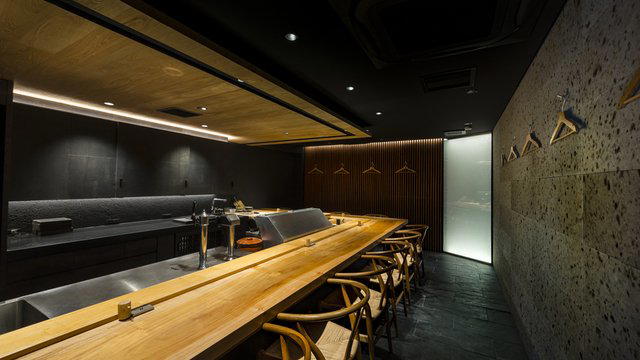
This is not just a generic teppanyaki idea where service can feel detached from the cooking surface. A focused teppanyaki format changes the contract. Cooking in view makes the grill central; a more discreet service rhythm can move the same cooking culture toward occasions that require control. That split matters in Fukuoka, where premium restaurants serve client dinners, family celebrations, small groups, and visitors wanting more structure than a casual night out.
The format sits between everyday steak counters’ quick-turn energy and the ceremonial pacing of luxury kappo or sushi. The listed dinner range of JPY 8,000 to JPY 9,999 positions it below some higher-priced Fukuoka sushi rooms such as Sushi to Amakusa Daio Amane, while far above casual gyoza pricing at Gyoza Li. In that middle-premium bracket, teppanyaki is persuasive: diners sit near the action without the cost structure of a rarefied omakase counter.
Its drinking logic also differs from sushi. Steak and teppanyaki can support several pairing languages without making one of them mandatory. That flexibility points to a dinner that need not be a narrowly scripted tasting menu. For travelers mapping the city’s food culture, it contrasts with other Fukuoka dining rooms, from seafood-focused counters and casual local specialists to everyday addresses across the city.
Fukuoka's steak tier, read through space rather than spectacle
Visitors often misread teppanyaki as performance dining. In Japan, the serious version is closer to spatial discipline. The room should let guests watch without crowding the cook; it should handle heat without feeling heavy; pacing must respect ingredients that cannot wait once they reach the iron plate. Layout matters as much as menu vocabulary.
Akatsuki is best understood through its format rather than through unverified claims about size or exclusivity. It is a teppanyaki and steak venue in Fukuoka with recognition in a regional Tabelog category. That makes it useful for planned dinners where diners want the cooking process, timing, and service rhythm to be part of the evening.
The Tabelog score of 3.42 should be read through Japanese review culture. Mid-three scores can signal strong local traction, especially outside hyper-reviewed metropolitan counters. The stronger trust signal is the 2025 Tabelog 100 Steak / Teppanyaki WEST selection, which narrows the field by cuisine and region. For diners comparing Fukuoka categories, that credential separates Akatsuki from a general steak dinner and places it among recognized specialists in a defined format.
The category itself also matters. In teppanyaki, ingredient selection, portioning, timing, and grill control matter because the method leaves little room to hide behind sauces or elaborate plating. The question is not whether the room feels dramatic, but whether the format gives the beef, heat, and cook enough focus.
Fukuoka’s dining range sharpens that choice. A night in an everyday local dining room speaks to appetite and routine; a sushi reservation to precision and hierarchy; Chinese Sai KHAOS to another premium lane. Teppanyaki Akatsuki offers tactile luxury built around iron, proximity, and a room scaled in feeling for watching without turning dinner into theater.
How to place it in a Fukuoka itinerary
Fukuoka is useful for travelers because it supports serious dining without forcing every meal into a single default decision. The city rewards planning across categories: restaurants first, then bars, hotels, and daytime experiences. For a wider city read, start with a full Fukuoka restaurants guide, then pair dinner planning with Fukuoka hotels, bars, wineries, and experiences resources.
Choose this room for controlled heat and a focused setting rather than a long sushi progression or roaming izakaya night. Its listed dinner price band and Tabelog 100 Steak / Teppanyaki WEST 2025 recognition make it legible for visitors, while the format itself rewards advance planning. That is normal for many Japanese dining rooms, and helps protect pace and service.
For Japan-wide comparison, set Fukuoka’s teppanyaki scene against other regional specialties rather than forcing every dinner into one ranking. Beef-focused formats in other cities can belong to different traditions from teppan cooking, and sushi, gyoza, Chinese dining, and other specialist counters change the meal as much as the cuisine label. Wider casual and specialist addresses underline the same point: room and service model tell diners what kind of evening to expect before the first order.
Akatsuki is strongest as a design-and-format choice within Fukuoka: a teppanyaki and steak room with recognized regional standing, a dinner price band accessible relative to some luxury counters, and a cooking format suited to occasions needing control. The value is not spectacle. It is how the format compresses cooking, seating, and attention into a contained dinner.
Frequently asked questions
What's the address for Teppanyaki Akatsuki?
Fukuoka.
What does dinner at Teppanyaki Akatsuki typically cost?
Pricing at Teppanyaki Akatsuki is listed as JPY 8,000 - JPY 9,999.
Can I walk in to Teppanyaki Akatsuki?
Teppanyaki Akatsuki is a recognized Fukuoka teppanyaki and steak venue, and the Tabelog 100 selection for Steak / Teppanyaki WEST 2025 points to a restaurant that rewards planning.
What's Teppanyaki Akatsuki best at?
Its strongest credential is the 2025 Tabelog 100 selection for Steak / Teppanyaki WEST. The focus sits squarely on teppanyaki and steak rather than broad menu theatrics.
How does Teppanyaki Akatsuki handle allergies?
For allergy questions, contact the restaurant directly in advance. The venue is in Fukuoka.
Is Teppanyaki Akatsuki a family-friendly restaurant?
Check directly with the restaurant when planning a visit with children. Teppanyaki Akatsuki is a focused teppanyaki and steak venue, so advance confirmation is the safest approach.
City Peers
Nearby venues at a similar price tier for orientation.
| Venue | Cuisine | Price | Awards | Notes |
|---|---|---|---|---|
| Teppanyaki AkatsukiThis venue (the venue you are viewing) | Teppanyaki & Wagyu Steakhouse | $50–100 | Tabelog 100 #60 | Not listed |
| æç åç¿ | Japanese Coffee House | Not listed | Not listed | Not listed |
| Gyoza Li | Traditional Chinese & Dumpling House | $10–20 | Tabelog 100 #79 | JPY 1,000 - JPY 1,999 |
| Sushi Gyoten | 3-Star Michelin Edomae Omakase | Not listed | La Liste Top Restaurants · Tabelog Bronze #89 | Sushi |
| Sushi to Amakusa Daio Amane | Omakase Sushi & Amakusa Daio Chicken | $100–150 | Tabelog 100 #72 | JPY 20,000 - JPY 29,999 JPY 8,000 - JPY 9,999 |
| Chinese Sai KHAOS | Theatrical Modern Chinese using Kyushu ingredients | $100–150 | Tabelog 100 #40 | JPY 15,000 - JPY 19,999 JPY 6,000 - JPY 7,999 |
Recognition history
Dated appearances from independent guides and award organizations, with the underlying list record or original source where available.
Tabelog 100 #60 · No. 60
Tabelog · Tabelog 100 - Steak / Teppanyaki - WEST - 2025
Continue exploring
More in Fukuoka
Restaurants in Fukuoka
All restaurants in Fukuoka →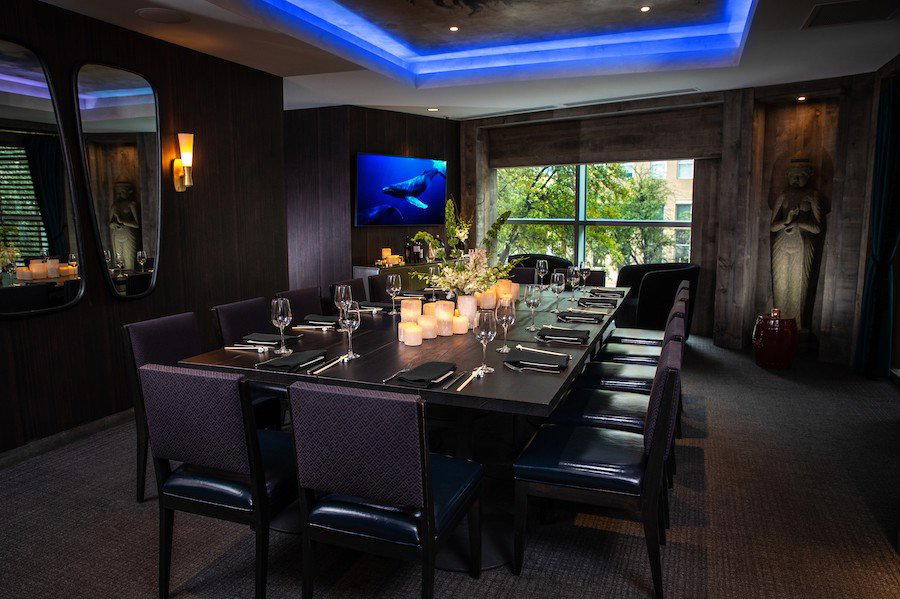
Details
- Romantic
- Cozy
- Intimate
- Elegant
- Date Night
- Special Occasion
- Celebration
- Business Dinner
- Group Dining
- Chefs Counter
- Open Kitchen
- Standalone
- Private Dining
- Sake Program
- Beer Program
- Local Sourcing
- Sustainable Seafood
- Counter Dining
- Set Menu
- A La Carte
- Sake
- Beer
- Pescatarian Friendly
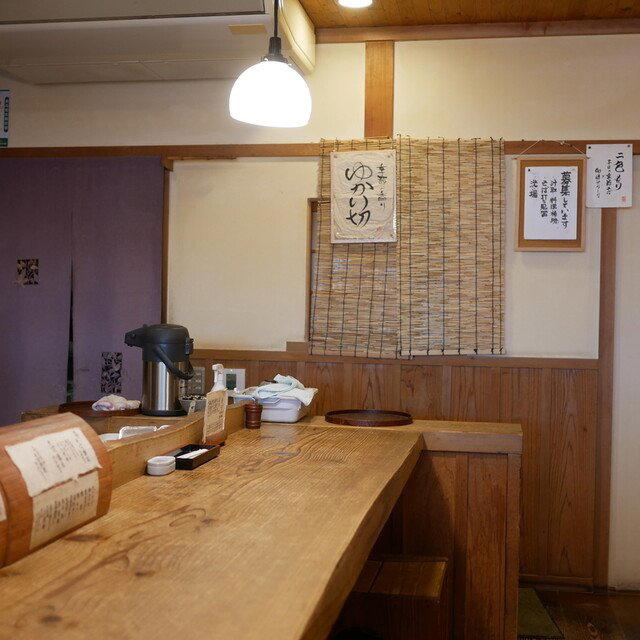
Calm, grown‑up hidden‑house atmosphere with a long teppan counter as the focal point, dim and relaxed lighting, and a focus on enjoying the live cooking performance and conversation with the chef rather than a noisy showy setting.