
Tabelog 100 #75
Our verdict
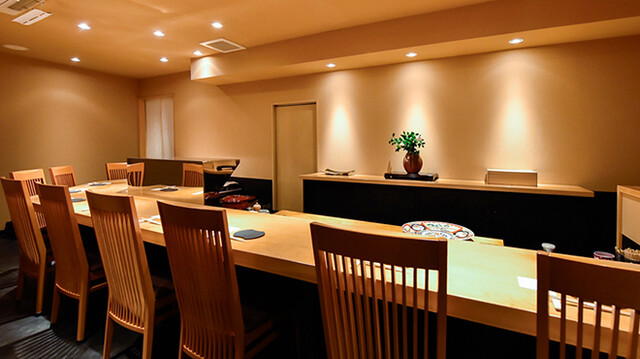
Fukuoka’s yakitori scene rewards small counters where grill work, drink pacing, and room control have to move together. Yakitori Morimoto sits in that serious Haruyoshi bracket: a 16-seat restaurant with counter seating, a private room, Tabelog Yakitori WEST 100 selections in 2024 and 2025, and a dinner spend listed at JPY 10,000 to JPY 14,999.

Pearl is the En Primeur Club membership app, where members save venues, book tables and use the concierge.
The menu
What to order
- Toyo no Shamo chicken course
- Charcoal-grilled yakitori
Fukuoka after dark is built for small decisions: a turn off the main flow, the shift from street noise to counter discipline, and the choice to make one meal the evening’s focus. In Fukuoka, yakitori at this level is not just a casual skewer stop; it is a paced dinner where grill work and room rhythm need to feel aligned. Yakitori Morimoto operates in that serious yakitori register, with the meal centered on grilled chicken skewers rather than a broader izakaya spread.
Fukuoka’s serious dining culture can be approached through many different kinds of meals, but yakitori has its own demands. The stronger counters turn repetition into precision: chicken cuts move from familiar to specialist, seasoning is calibrated rather than decorative, and the meal’s rhythm matters because smoke, salt, fat, and heat change the way an evening unfolds. Morimoto belongs in that more deliberate lane.
Fukuoka's serious yakitori tier runs on timing, not theatre
Fukuoka is a useful base for this kind of restaurant. It has enough dining depth to reward planning, but still allows smaller-scale evenings built around one focused counter meal. That matters for yakitori. A compact-feeling room depends on concentration: the cooking sequence, the read of the table, the arrival of each skewer, and the atmosphere staying calm enough for heat and smoke to do the talking.
Yakitori Morimoto’s recognition gives the format outside validation. It was selected for Tabelog Hyakumeiten in 2025, placing it within a recognized set of yakitori addresses rather than general-purpose Japanese restaurants. Its Tabelog score is 3.61, and the dinner budget is JPY 10,000 to JPY 14,999, marking it as a planned dinner rather than an everyday skewer stop.
The comparison inside Fukuoka is useful. Kiharu no Gomasaba ya is a different decision: local dining in a separate register and a more casual Fukuoka evening. Sudo Haruyoshi, クッカーニャ, Tamura, and 白金 にし田 show the breadth of Fukuoka dining rather than direct substitutes. Morimoto is for the narrower question: where does yakitori become the main event, not a prelude to drinks elsewhere?
The counter depends on the team as much as the grill
The assigned drama of yakitori is usually the cook at the coals, but the better experience is a coordinated triangle. Grill work sets the tempo; service stretches or tightens it; the room’s pacing protects the meal from drag. In a focused yakitori restaurant, the margin for mistiming can feel thin. A slow handoff, a crowded exchange, or a table that misses the pace changes the evening. This is where small restaurants feel either alive or strained.
Morimoto’s format suggests a restaurant built around that coordination. The point is not spectacle for its own sake, but the confidence to let grilled chicken skewers carry the dinner. At this level, the details matter: salt, heat, doneness, smoke, and the rhythm between pieces. The appeal is practical as much as atmospheric, because a yakitori meal succeeds when the sequence feels natural rather than forced.
That flexibility is also why Fukuoka’s yakitori scene should not be reduced to a single outside model. The city has its own relationship with focused counter dining and late-evening meals. Serious rooms can feel relaxed without becoming loose. At this level, informality is not a lack of order; it is the ability to make a meal feel natural while sequencing stays controlled.
For readers mapping a broader Fukuoka stay, Morimoto fits the city’s high-focus dinner category rather than its snack-and-wander category. The wider restaurant field can be cross-checked through Our full Fukuoka restaurants guide, while hotel planning sits separately in Our full Fukuoka hotels guide. For after-dinner decisions, use Our full Fukuoka bars guide; for broader trip structure, there are also Our full Fukuoka experiences guide and Our full Fukuoka wineries guide.
How to place it in a Fukuoka eating itinerary
A strong Fukuoka itinerary should not force every meal into the same price band. Morimoto is the controlled yakitori dinner. Around it, the city can swing looser: casual local cooking, everyday counter meals, and regional comfort food all serve different purposes. The point is contrast: one evening for precision, another for speed, another for regional appetite.
Travelers extending the Japan dining thread beyond Fukuoka can use contrast rather than chase one genre. Other cities offer their own versions of counter dining, charcoal cooking, cafe culture, contemporary dining, and other formats. Those experiences sit in different registers. Morimoto should be judged on its own terms: as a Fukuoka yakitori address whose focus is grilled chicken skewers and the pacing of a serious dinner.
The practical read is simple: choose this for a focused yakitori dinner where regional recognition, a Tabelog score of 3.61, and a listed dinner budget of JPY 10,000 to JPY 14,999 suggest a serious meal rather than a casual skewer stop. It is best approached as a planned dinner in Fukuoka, with expectations set around yakitori, pacing, and the restaurant’s recognized place within the city’s dining field.
Frequently asked questions
What are the operating hours at Yakitori Morimoto?
Specific operating hours are not provided here. Check the venue's official channels for the latest schedule before visiting.
What's the pricing like at Yakitori Morimoto?
Pricing at Yakitori Morimoto is listed as JPY 10,000 - JPY 14,999 for dinner.
What part of town is Yakitori Morimoto in?
Yakitori Morimoto is located in Fukuoka.
What's Yakitori Morimoto best at?
Yakitori Morimoto is strongest as a focused yakitori dinner in Fukuoka. Its Tabelog Hyakumeiten 2025 recognition gives it clear third-party credibility.
Is Yakitori Morimoto allergy-friendly?
Those details are not provided here. Check the venue's official channels for the latest allergy and dietary information before booking.
Is Yakitori Morimoto a family-friendly restaurant?
Family-specific details are not provided here.
The Minimal Set
Side-by-side context: comparable cuisine and price.
| Venue | Cuisine | Price | Awards | Notes |
|---|---|---|---|---|
| Yakitori MorimotoThis venue (the venue you are viewing) | Yakitori | Not listed | Tabelog 100 #75 | Not listed |
| Sudo Haruyoshi | Premium Omakase Yakiniku | $150–200 | Tabelog Bronze #424 | Not listed |
| Tamura | Korean Yakiniku Omakase | $150–200 | Tabelog Bronze | Not listed |
| 白金 にし田 | Seasonal Kaiseki | $300–500 | Not listed | Not listed |
| Kiharu no Gomasaba ya | Mackerel-focused Japanese Izakaya | $30–50 | Tabelog 100 #16 | JPY 4,000 - JPY 4,999 |
Recognition history
Dated appearances from independent guides and award organizations, with the underlying list record or original source where available.
Tabelog 100 #75 · No. 75
Tabelog · Tabelog 100 - Yakitori - WEST - 2025
Continue exploring
More in Fukuoka
Restaurants in Fukuoka
All restaurants in Fukuoka →
Details
- Intimate
- Sophisticated
- Quiet
- Date Night
- Business Dinner
- Celebration
- Special Occasion
- Private Event
- Private Dining
- Standalone
- Sake Program
- Local Sourcing
- Omakase
- Set Menu
- Sake
Current opening hours
- Monday
- 6–11 PM
- Tuesday
- 6–11 PM
- Wednesday
- 6–11 PM
- Thursday
- 6–11 PM
- Friday
- 6–11 PM
- Saturday
- 6–11 PM
- Sunday
- Closed
Hours can change for holidays and private events. Hours as of .
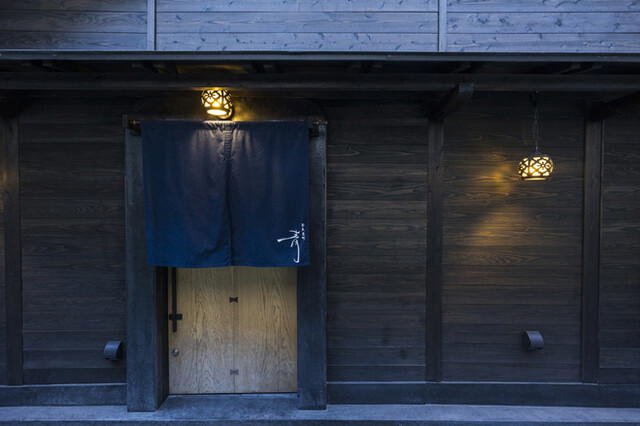
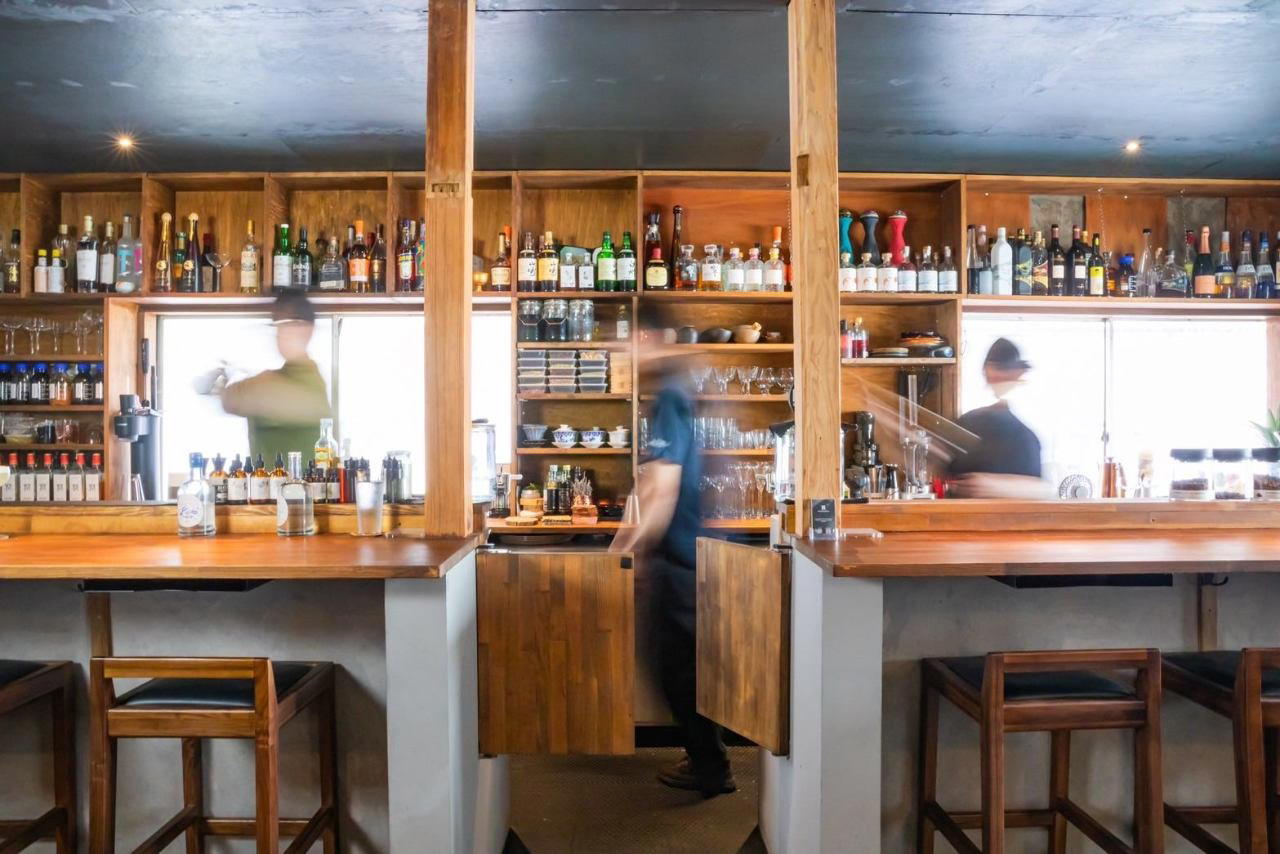
A calm, hidden-gem atmosphere suited to private meals and special occasions, with a refined focus on charcoal-grilled yakitori and course dining.