
Tabelog 100 #70
Our verdict
A station-building sukiyaki and shabu-shabu address in Hakata, Ningyocho Imahan JR hakata shiti ten places Tokyo beef-hot-pot polish inside Fukuoka’s main rail hub. Its Tabelog 100 Hot Pot 2024 selection gives it a stronger credential than the surrounding casual dining tier, while the format suits travellers who want a composed Japanese meal without leaving the station district.

Pearl is the En Primeur Club membership app, where members save venues, book tables and use the concierge.
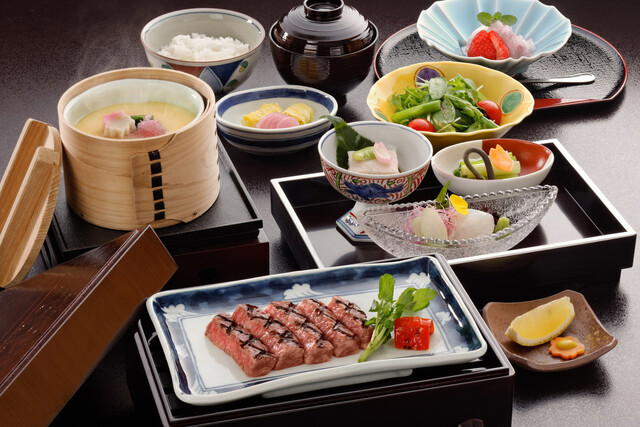
The menu
What to order
- Ningyocho Imahan sukiyaki
- Shabu-shabu with kuroge wagyu
- Seasonal lunch course with signature sukiyaki
The first cue is Fukuoka’s urban dining rhythm at work: escalators, shopping floors, rail-linked traffic, and the steady movement of travellers folding dinner into a larger itinerary. In Fukuoka, where food reputation often starts with fast, informal, and highly local meals, a sukiyaki and shabu-shabu room occupies a different register. It is less about late-night street energy than controlled hot-pot service, table pacing, and the comfort of a meal that can sit between a business arrival, a family gathering, and a train-day lunch.
Ningyocho Imahan JR hakata shiti ten belongs to that useful category of Japanese dining that is formal enough to mark an occasion but accessible enough for a tightly planned Fukuoka stay. The kitchen’s lane is clear: sukiyaki, the sweet soy hot pot, and shabu-shabu, the Japanese hot-pot format. That distinction matters in Fukuoka because the city’s better-known comfort dishes often lean quick, casual, or high-speed. Here, the meal is slower and more structured, with hot pot as the anchor rather than a faster single-dish format as the main event.
Fukuoka dining with a hot-pot credential
Major Japanese city dining zones are not merely about convenience; they can gather quick sweets, cafes, local staples, and polished restaurant rooms in one compact circuit. Fukuoka’s central dining scene has that same sharp segmentation. Within that ecosystem, Tabelog’s 2024 recognition gives this room a clearer signal than the average practical restaurant listing. The recognition places it in a hot-pot conversation rather than only the convenience-driven category.
That context is useful because transport-adjacent dining in Japan can be misunderstood by travellers used to airports and food courts. Japanese urban dining often compresses serious regional and national formats into spaces designed for precision: lunch before onward travel, dinner after check-in, or a family meal that does not require crossing town. Compared with nearby options such as Campbell Early, Chocolate Shop Hakata no Ishidatami, Cafe Ospitale, or Asahi Ken Ekimae honten, this is a higher-commitment meal built around hot pot rather than a quick stop. Against Aji Dokoro Taro Gen Sougyou ten, also in Fukuoka, it reads less like broad casual dining and more like a focused hot-pot decision.
The Fukuoka dining map rewards that kind of precision. A traveller can spend one day tracing other dining rooms across the city, from casual meals and drinking food to sweets, cafes, and quick local comfort meals. The hot-pot choice works because it does not compete with those genres. It gives the itinerary a calmer, more structured counterweight.
Sukiyaki and shabu-shabu in a city better known for speed
Sukiyaki and shabu-shabu demand a different tempo from the Fukuoka meals that dominate first-time travel plans. Sukiyaki is seasoned, sweet-savoury, and built for a deeper sauce profile; shabu-shabu is cleaner and more broth-driven, asking the diner to pay attention to texture and dipping condiments rather than a single dominant seasoning. Both formats are social, but they are also procedural. The value lies in pacing, heat control, and the sequence of the meal as much as in any single ingredient.
That makes the Fukuoka setting more logical than it may sound. The city is a transfer point for business travel, shopping, sightseeing, and airport connections, so the audience is broad: office diners, families, visitors with luggage, and locals using Fukuoka as a meeting point. The restaurant points toward a public dining-room experience rather than a secluded counter ritual. The occasion is polished, but not brittle.
The meal’s appeal also sits squarely in Japan’s hot-pot grammar. Sukiyaki brings sweetness, richness, and ceremony; shabu-shabu offers a cleaner sequence built around swishing, dipping, and pacing. That is a better clue than any attempt to read the restaurant as a nightlife venue. It is a table-service hot-pot room in a city where convenience and credibility have to coexist.
How to place it in a Fukuoka itinerary
The strongest case for Ningyocho Imahan JR hakata shiti ten is not that it replaces Fukuoka’s street-level classics. It is that it solves a different travel problem: a composed Japanese meal in the city, with Tabelog 2024 hot-pot recognition and a format that suits mixed-age groups. For a first Fukuoka trip, it belongs beside rather than above the city’s casual, local, and quick-service meals. For repeat visitors, it offers a useful reminder that Fukuoka’s food culture is not only about informality and speed.
Readers building a broader plan should use Our full Fukuoka restaurants guide for the city’s dining spread, then pair it with Our full Fukuoka hotels guide, Our full Fukuoka bars guide, Our full Fukuoka wineries guide, and Our full Fukuoka experiences guide. For a wider Japan comparison, other unnamed hot-pot specialists show how the genre changes outside Fukuoka, while unnamed city restaurants across Japan underline how specific each dining decision becomes once location, format, and occasion are taken seriously. Abroad, Japanese food outside Japan often narrows into drinking-bar or casual-specialist forms, while Fukuoka can support a full hot-pot room inside everyday urban flow.
The editorial verdict is practical rather than romantic. Choose this for sukiyaki or shabu-shabu when Fukuoka is already part of the day and the meal needs structure, comfort, and a recognized hot-pot credential. Choose elsewhere if the aim is Fukuoka’s louder, looser street-food identity.
Frequently asked questions
When is Ningyocho Imahan JR hakata shiti ten open?
Current opening hours for Ningyocho Imahan JR hakata shiti ten should be confirmed directly with the restaurant.
What's the pricing like at Ningyocho Imahan JR hakata shiti ten?
Pricing at Ningyocho Imahan JR hakata shiti ten is listed as Dinner: JPY 10,000 - JPY 14,999; Lunch: JPY 5,000 - JPY 5,999.
Where is Ningyocho Imahan JR hakata shiti ten located?
Fukuoka.
What is Ningyocho Imahan JR hakata shiti ten known for?
Ningyocho Imahan JR hakata shiti ten is known for sukiyaki and shabu shabu in Fukuoka.
Just the Basics
Comparable venues in the metro at similar price points.
| Venue | Cuisine | Price | Awards | Notes |
|---|---|---|---|---|
| Ningyocho Imahan JR hakata shiti tenThis venue (the venue you are viewing) | Traditional Japanese sukiyaki & shabu-shabu | $50–100 | Tabelog 100 #70 | Not listed |
| Campbell Early | Fruit-focused cafe with parfaits and pancakes | $20–30 | Tabelog 100 #17 | JPY 1,000 - JPY 1,999 JPY 1,000 - JPY 1,999 |
| Chocolate Shop Hakata no Ishidatami | Japanese Western-style chocolate & cake shop | $1–10 | Tabelog 100 #96 | JPY 999 - JPY 999 |
| Cafe Ospitale | Not listed | $10–20 | Tabelog 100 #10 | JPY 999 - JPY 999 |
| Asahi Ken Ekimae honten | Hakata gyoza & chicken wings izakaya | $20–30 | Tabelog 100 #4 | JPY 2,000 - JPY 2,999 |
| Aji Dokoro Taro Gen Sougyou ten | Seafood Kaiseki | $50–100 | Tabelog 100 #96 | JPY 6,000 - JPY 7,999 |
Recognition history
Dated appearances from independent guides and award organizations, with the underlying list record or original source where available.
Tabelog 100 #70 · No. 70
Tabelog · Tabelog 100 - Hot Pot - 2024
Continue exploring
More in Fukuoka
Restaurants in Fukuoka
All restaurants in Fukuoka →
Details
- Quiet
- Elegant
- Classic
- Cozy
- Business Dinner
- Date Night
- Special Occasion
- Group Dining
- Family
- Standalone
- Sake Program
- A La Carte
- Set Menu
- Sake
- Beer
- Spirits
Current opening hours
- Monday
- 11 AM–10 PM
- Tuesday
- 11 AM–10 PM
- Wednesday
- 11 AM–10 PM
- Thursday
- 11 AM–10 PM
- Friday
- 11 AM–10 PM
- Saturday
- 11 AM–10 PM
- Sunday
- 11 AM–10 PM
Hours can change for holidays and private events. Hours as of .
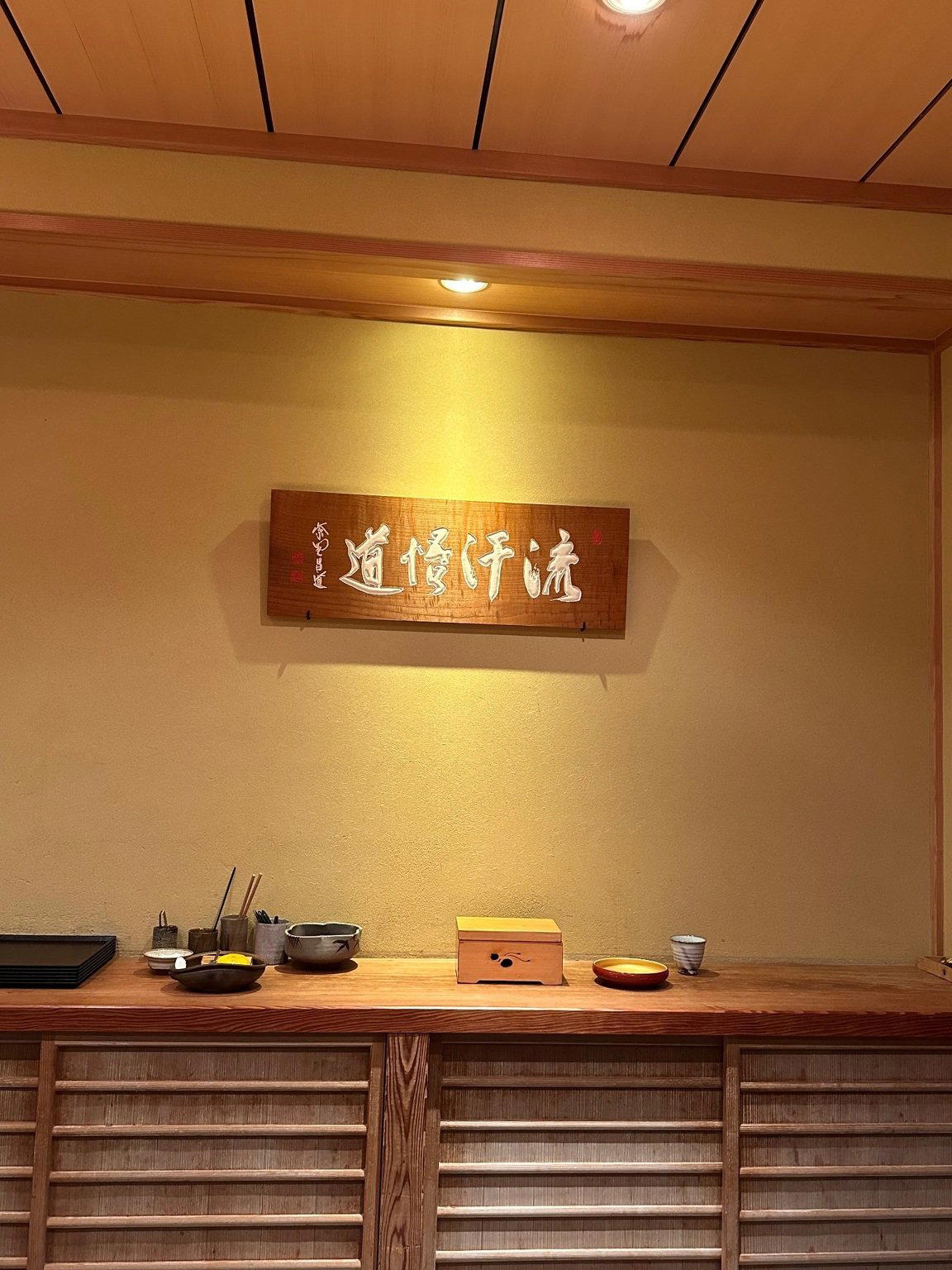
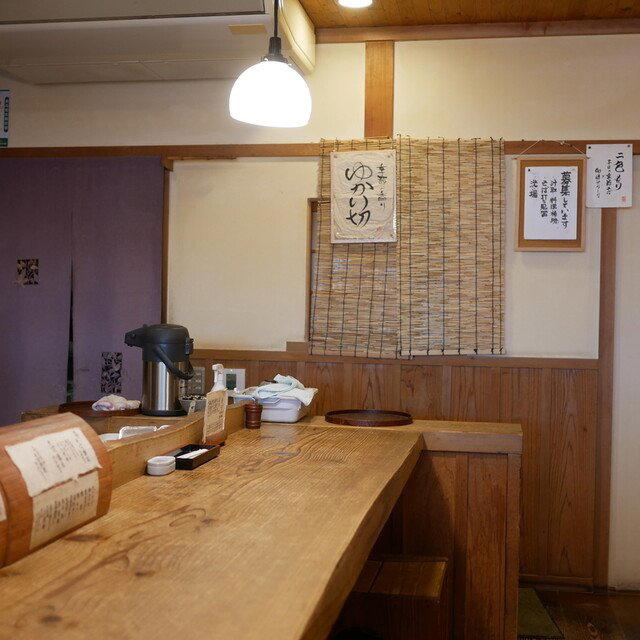
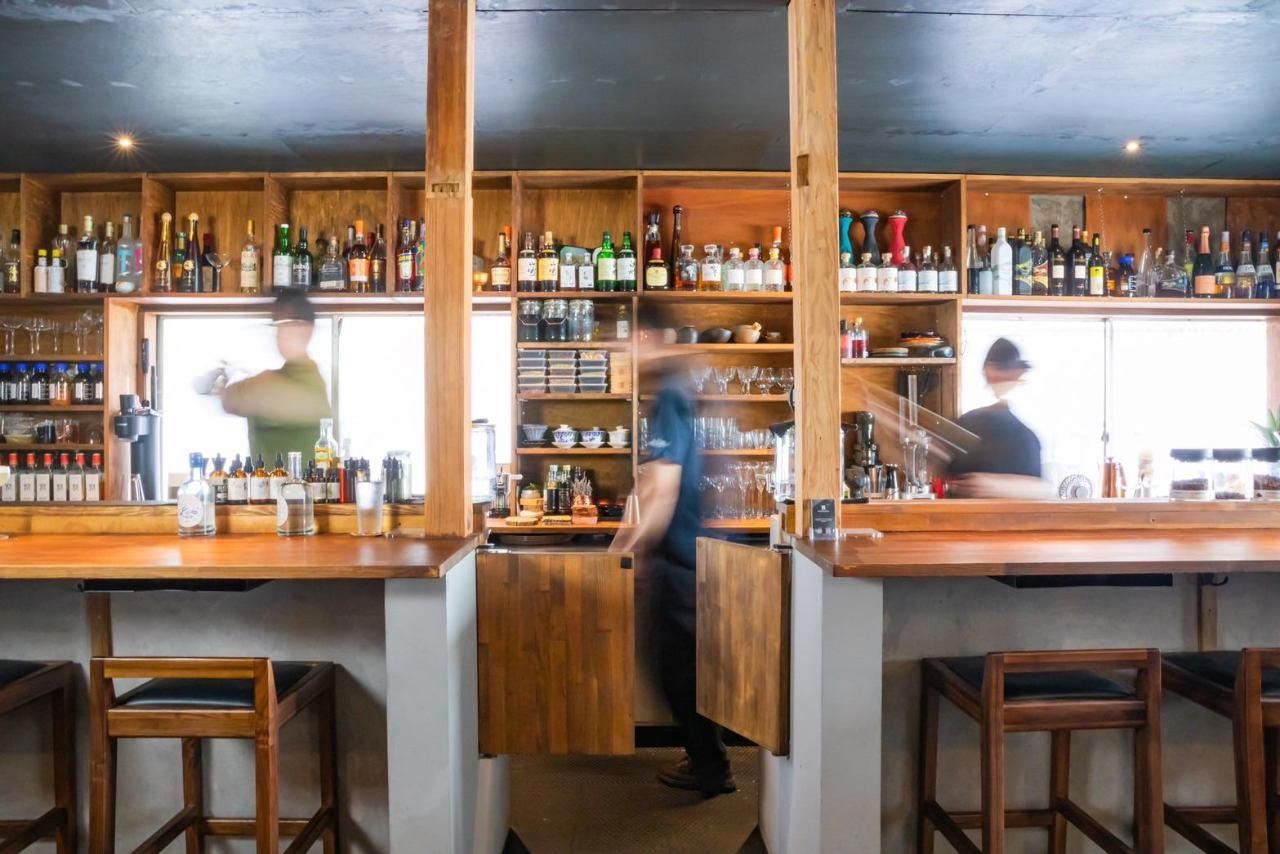
Refined but relaxed atmosphere with a calm, softly lit dining room designed for enjoying sukiyaki at a leisurely pace in the bustle of JR Hakata City.