
Tabelog 100 #9
Our verdict
Kamoryori Marimo Honten is a Hakata duck specialist recognized in Tabelog 100 for chicken cuisine in 2025. Its appeal sits in a disciplined, narrow format: Sara Udon at lunch, a duck course at dinner, and a drinks register that spans nihonshu, shochu, and wine.

Pearl is the En Primeur Club membership app, where members save venues, book tables and use the concierge.
The menu
What to order
- Hakata kamo udon (duck udon)
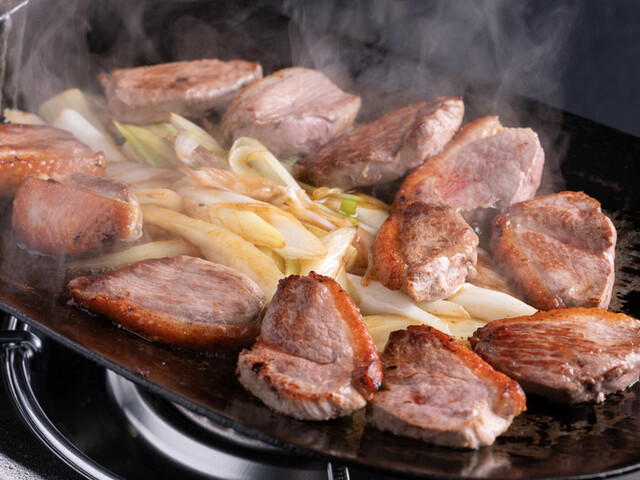
- Duck shabu-shabu hot pot
- Kawachi duck tataki
- Teppan-grilled thick-cut duck
Fukuoka moves at a different tempo from Japan’s larger restaurant capitals. Its streets can feel closer to old Hakata’s working grid: offices, small counters, and dining rooms built for repeat local use rather than spectacle. Here, a poultry-focused restaurant reads less as novelty than as a reminder that Fukuoka’s strength has never been only ramen, motsunabe, or yatai culture. The city rewards specialists that narrow the brief and execute consistently.
Kamoryori Marimo Honten belongs to that tier. Tabelog selected it for the 2025 Tabelog Hyakumeiten in the chicken-dishes field, with its listed categories also including shabu shabu and nabe. In Fukuoka, where poultry cookery competes with louder local signatures, that recognition signals category command rather than hotel polish or chef-theatre dining.
Chicken and hotpot cooking in a city better known for noodles and hotpot
Fukuoka’s food identity is often reduced to speed: ramen counters, late-night stalls, quick seafood, and high-rotation lunch rooms. Poultry and hotpot cooking work at a different pace, requiring control over sourcing, portioning, broth, fat, and timing, and often belonging to rooms where the meal is planned rather than improvised. That contrast is the point: a city famous for casual immediacy also keeps a parallel tradition of narrow, specialist dining where the category carries prestige.
The format is best understood through focus rather than breadth. The restaurant is listed for chicken dishes, shabu shabu, and nabe, which keeps the frame tight and avoids the sprawling all-purpose menu that can blur a restaurant’s identity. It does not need to cover every local signature; it presents a compact argument around poultry-led Japanese cooking and hotpot-adjacent comfort.
Within Fukuoka, this places the restaurant apart from lower-priced everyday rooms such as Miyake or CHOCOLATE SHOP Honten, and from mid-range neighborhood cooking like Koryoriya Sono Hen or Shinshu Soba Murata. Los Pinchos sits nearer in dinner spend, but the comparison clarifies the distinction: Fukuoka’s higher-priced meals are not one genre. Some are built around different formats and moods; this one concentrates on chicken dishes, shabu shabu, and nabe.
For readers mapping the city by appetite rather than district, the broader Fukuoka list helps. The range moves from casual counters to other focused dining rooms, from local Japanese rooms to comfort cooking across the city. Poultry specialists fit the wider pattern: small categories, clear identities, and menus that need little explanation.
Why the Tabelog 100 signal carries weight here
Tabelog’s Hyakumeiten lists are useful in Japan because they reward category depth, not only fine-dining formality. A place can enter the conversation through a tightly defined specialty, and the signal is often strongest when the format is narrow. Kamoryori Marimo Honten’s 2025 selection in chicken cuisine points to a reputation formed inside a specialized field rather than a generalized luxury bracket.
That matters for travelers. Michelin-style recognition often steers visitors toward tasting menus and international service codes. Tabelog category recognition can be more revealing for Japan’s everyday and specialist dining culture, especially outside Tokyo. In Fukuoka, where dining value is often discussed through local loyalty and repeat custom, a poultry-focused Tabelog Hyakumeiten selection gives a clearer read than broad claims of popularity.
The Tabelog listing also gives practical context. Kamoryori Marimo Honten carries a score of 3.65 and a dinner budget of JPY 10,000 to JPY 14,999, while lunch is listed up to JPY 999. That spread suggests a restaurant that can sit differently in a traveler’s day depending on when it is visited, without needing to be framed as a conventional luxury room.
The scale of the proposition reinforces the reading. Rather than breadth, the attraction is category discipline: chicken dishes, shabu shabu, and nabe, presented with enough focus to stand out inside a city full of easier, louder choices. The point is control, not grandeur: a narrower promise, a clearer reason to book, and a reputation attached to a specific Japanese dining category.
How to place it in a Fukuoka itinerary
This is not just a casual fallback after a long day of sightseeing. It belongs in the planned-meal column, especially for travelers who already understand Fukuoka’s mainstream pleasures and want a category-specific restaurant with local credibility. Pair it with a stay in Fukuoka or a day built around the city’s older food culture, rather than treating it as one stop in a rushed checklist.
Fukuoka rewards specialization more than checklist dining. A traveler can eat extremely well by following categories instead of chasing one prestige hierarchy: build one day around noodles and yatai, another around other local dining, and reserve a focused meal for poultry or another tightly defined format. Kamoryori Marimo Honten fits that last slot.
For broader planning, use Our full Fukuoka restaurants guide alongside Our full Fukuoka hotels guide, Our full Fukuoka bars guide, Our full Fukuoka wineries guide, and Our full Fukuoka experiences guide. Readers extending a Japan dining route can compare how single-category restaurants change by region, from local comfort rooms to other specialist formats across Japan. For a different Japanese-food context abroad, overseas examples show how the vocabulary shifts once it leaves Japan.
The editorial read is clear: choose this restaurant for focus, not breadth. Its value lies in commitment to a specific poultry and hotpot-adjacent Japanese tradition, the discipline supporting it, and a 2025 Tabelog Hyakumeiten selection placing the kitchen inside Japan’s category-led reputation system. In a city where obvious meals are easy to find, that focus is the stronger reason to pay attention.
Frequently asked questions
Where is Kamoryori Marimo Honten in Fukuoka?
Fukuoka.
Is Kamoryori Marimo Honten more mid-range or high-end?
Pricing at Kamoryori Marimo Honten is listed as dinner JPY 10,000 - JPY 14,999 and lunch up to JPY 999.
What days is Kamoryori Marimo Honten closed?
Specific opening days and closures are not provided here, so confirm directly before visiting. The listed phone number is +81-92-281-0380.
What's the standout thing about Kamoryori Marimo Honten?
Its defining trait is focus: Kamoryori Marimo Honten is listed for chicken dishes, shabu shabu, and nabe, and earned Tabelog Hyakumeiten recognition in the chicken cuisine category in 2025 in Fukuoka.
Is Kamoryori Marimo Honten allergy-friendly?
The listing identifies chicken dishes, shabu shabu, and nabe, but detailed allergy accommodations are not provided here. Diners with allergies should confirm specifics directly before booking.
Price Lens
Comparable venues in the metro at similar price points.
| Venue | Cuisine | Price | Awards | Notes |
|---|---|---|---|---|
| Kamoryori Marimo HontenThis venue (the venue you are viewing) | Duck hot pot & kaiseki-style Japanese | $50–100 | Tabelog 100 #9 | Not listed |
| Warayaki Mikan | Traditional Japanese Izakaya & Warayaki | $50–100 | Tabelog 100 #53 | Chūō, Traditional Japanese Izakaya & Warayaki |
| Taigen Honkan | Yakiniku & Teppanyaki with House-Raised Wagyu | $50–100 | Tabelog 100 #51 | Chūō, Yakiniku & Teppanyaki with House-Raised Wagyu |
| Oryori Uchiyama | Japanese Izakaya | $50–100 | Tabelog 100 #56 | Chūō, Japanese Izakaya |
| Kuwaman | Traditional Japanese Izakaya & Sake Bar | $50–100 | Tabelog 100 #14 | Chūō, Traditional Japanese Izakaya & Sake Bar |
| Tori Kami Garden City | Yakitori | $30–50 | Tabelog 100 #88 | Chūō, Yakitori |
Recognition history
Dated appearances from independent guides and award organizations, with the underlying list record or original source where available.
Tabelog 100 #9 · No. 9
Tabelog · Tabelog 100 - Chicken cuisine - 2025
Continue exploring
More in Fukuoka
Restaurants in Fukuoka
All restaurants in Fukuoka →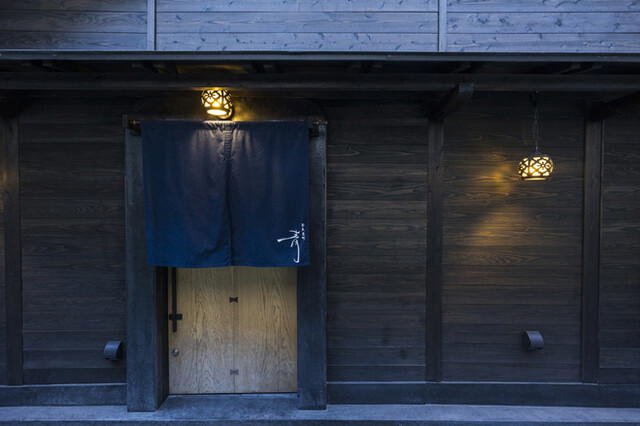
Details
- Cozy
- Intimate
- Classic
- Date Night
- Business Dinner
- Group Dining
- Special Occasion
- Solo
- Standalone
- Local Sourcing
- Tasting Menu
- Set Menu
Current opening hours
- Monday
- 11 AM–1:15 PM, 6–10 PM
- Tuesday
- 11 AM–1:15 PM, 6–10 PM
- Wednesday
- 11 AM–1:15 PM, 6–10 PM
- Thursday
- 11 AM–1:15 PM, 6–10 PM
- Friday
- 11 AM–1:15 PM, 6–10 PM
- Saturday
- Closed
- Sunday
- Closed
Hours can change for holidays and private events. Hours as of .
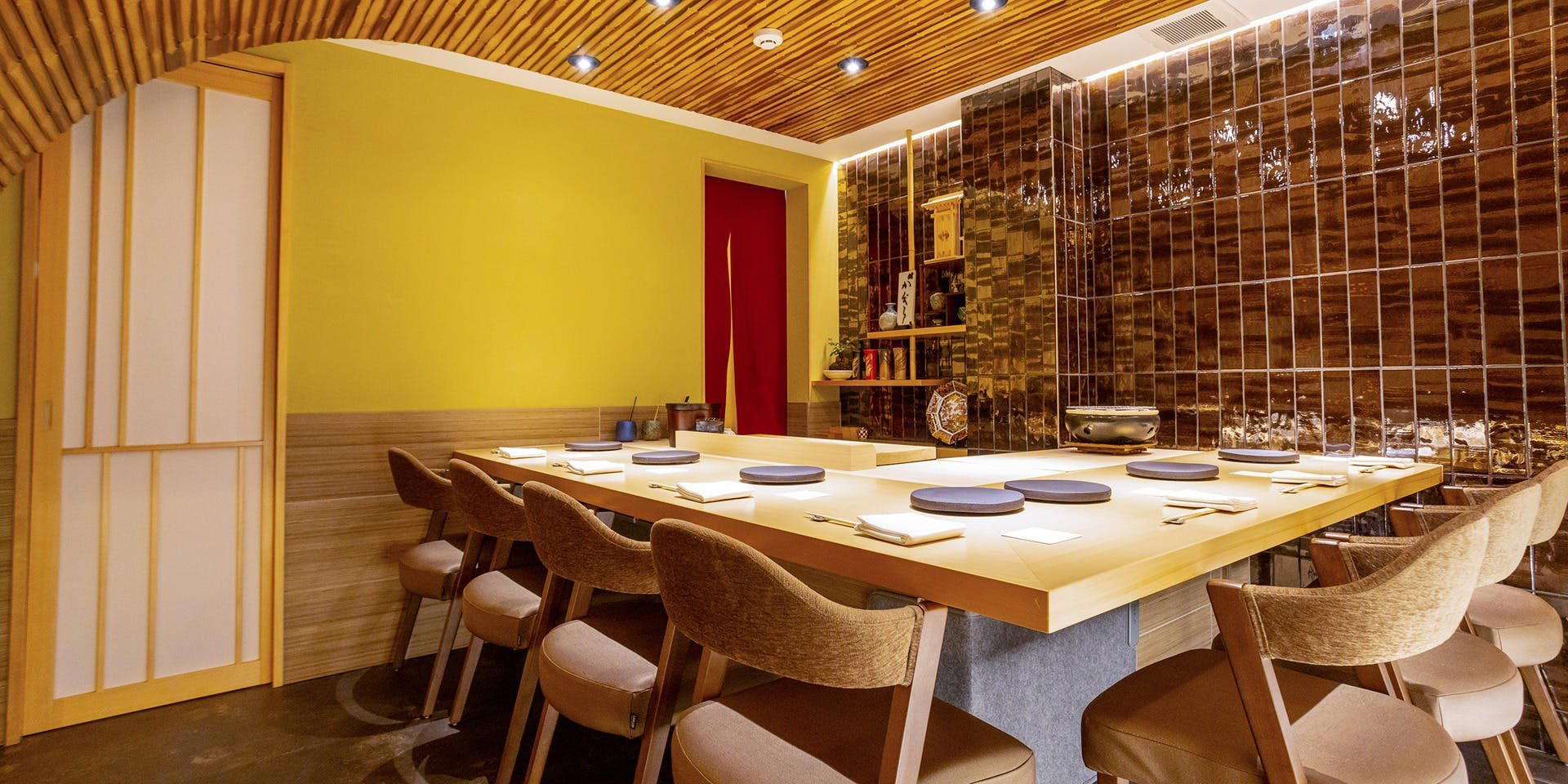
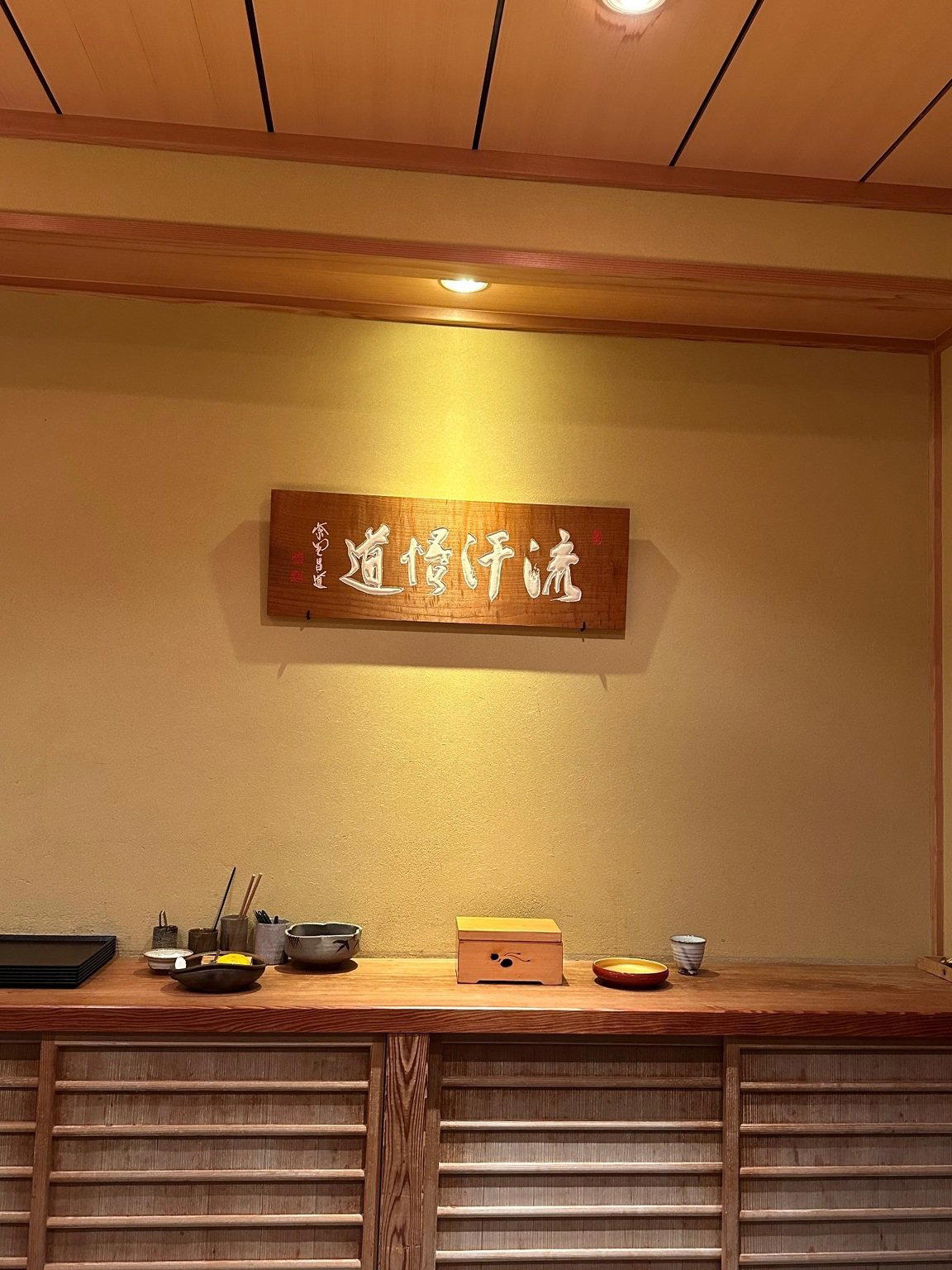
Small, homey and quietly convivial, with the owner cooking carefully in a compact space while his wife and daughter provide warm, family-style hospitality that feels like visiting a classic neighborhood hideaway rather than a formal restaurant.