Sushi Sai
Sushi Sai sits on South Atlantic Boulevard in Monterey Park, the San Gabriel Valley city that functions as one of Southern California's most concentrated corridors for Chinese and pan-Asian dining. Against that backdrop, a Japanese counter operation here occupies a different register than its neighbors, drawing diners who treat the SGV as a broader Asian dining destination rather than a single-cuisine circuit.
Pearl is the En Primeur Club membership app — saves, bookings, and concierge access live there. Same editors, same standards.
- Address
- 625 S Atlantic Blvd, Monterey Park, CA 91754
- Phone
- +16263008495
- Directions
- Get directions
 Saves & bookings on Pearl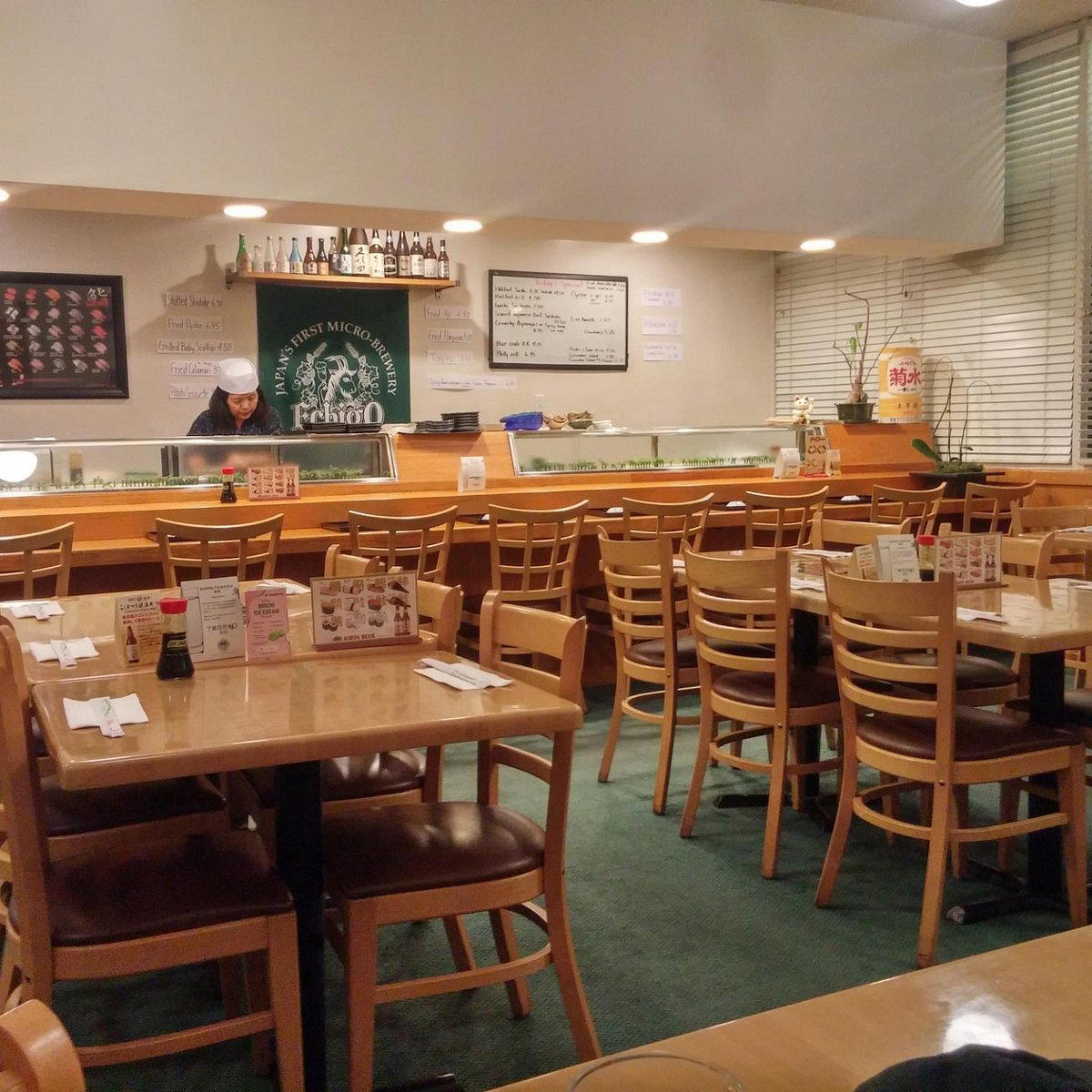
South Atlantic Boulevard runs through the commercial spine of Monterey Park, a city whose dining identity is shaped by the density and depth of its Chinese restaurant community. Elite anchors the Cantonese fine-dining tier a short distance away. Mama Lu's Dumpling House draws lines for its handmade dumplings. iWagyu ATS BBQ and Kim Tar Restaurant fill out a range that runs from grilled wagyu to Cantonese seafood. Within that context, a Japanese sushi operation at 625 S Atlantic Blvd occupies a specific niche: it exists not as a destination in spite of its surroundings, but as a natural extension of a neighborhood that takes precision cooking seriously across multiple traditions.
The neighborhood's overall dining culture sets a high bar for ingredient sourcing and kitchen technique regardless of cuisine category, and that standard shapes expectations in a way that benefits a serious Japanese counter more than it might elsewhere in Los Angeles County.
The Role of Japanese Dining in the San Gabriel Valley
The San Gabriel Valley's Japanese dining scene has historically operated in the shadow of the larger Chinese community, but that understates how embedded Japanese food culture is in this part of Southern California. The SGV's Japanese American history runs deep, and the restaurant landscape reflects that layering: casual ramen shops, izakayas, and sushi operations coexist with the dominant Chinese establishments.
Within that broader pattern, sushi counters in the SGV occupy a different competitive position than those in West Hollywood or downtown Los Angeles. They tend to draw from a local customer base with specific, formed opinions about fish quality, rice temperature, and the ratio of fish to rice in nigiri, rather than from a tourist or expense-account crowd. That local specificity can be demanding, and it tends to keep standards up in ways that broader audiences might not enforce. For a fuller picture of what Monterey Park's dining scene offers across categories, the full Monterey Park restaurants guide maps the range more completely.
Placing Sushi Sai in the California Sushi Context
California's sushi scene operates across a wide range of formats and price points, from omakase counters priced comparably to European fine dining through to neighborhood operations where the emphasis is on consistent, fairly priced nigiri. The gap between those two ends has widened over the past decade. At the leading, counters in Los Angeles and the Bay Area now price against peers in New York and Tokyo rather than against local competition. At the neighborhood level, quality has also improved, driven partly by better fish distribution networks and partly by a more educated dining public.
Monterey Park's sushi operations generally sit in the latter category: places where technical discipline and ingredient quality matter, but where the format is accessible rather than ceremonial. That positioning makes the experience different in character from, say, Providence in Los Angeles, which operates at the high-formality end of California seafood dining, or from the kaiseki-adjacent experience at Single Thread Farm in Healdsburg. The reference points are different. Nationally, the contrast is even sharper: Le Bernardin in New York City, Alinea in Chicago, or The French Laundry in Napa all represent a formality tier and price bracket that operates in a fundamentally different register from neighborhood sushi in the SGV.
That distinction is not a criticism. Neighborhood-tier sushi done with genuine care for sourcing and technique is a different thing from omakase ceremony, and in some respects a more honest expression of what the cuisine can be at scale. The question for any specific counter is whether the discipline holds when the format is low-key. That question is worth asking directly about Sushi Sai.
What to Know Before You Go
Sushi Sai is located at 625 S Atlantic Blvd, Monterey Park, CA 91754, in a commercial stretch that is walkable from several of the city's other dining anchors. Current contact information, hours, and booking method should be verified directly before visiting. The restaurant's position on a busy arterial road means parking is generally available on adjacent streets and in nearby lots, consistent with the car-dependent logistics of most SGV dining. For context on how the restaurant fits alongside the broader dining options in the area, Luminarias Restaurant and Special Events represents the neighborhood's event-dining tier on the same general corridor.
Diners planning a wider Southern California itinerary might also consider how Monterey Park fits into a broader sweep: Addison in San Diego covers the fine-dining end of Southern California's range, while Atomix in New York City and 8 1/2 Otto e Mezzo Bombana in Hong Kong provide international reference points for the kind of Asian-influenced precision dining that the SGV corridor approaches from a different angle. Lazy Bear in San Francisco, Emeril's in New Orleans, Blue Hill at Stone Barns in Tarrytown, and The Inn at Little Washington round out the national fine-dining landscape for context, though they occupy a categorically different market position.
At a Glance
Comparable venues nearby, for context on price, style, and recognition.
| Venue | Cuisine | Price | Notes |
|---|---|---|---|
| Sushi SaiThis venue — the venue you are viewing | Monterey Park, Traditional Sushi | $$ | Not listed |
| Shinano | Not listed | $$ | Monterey Park, Classic Japanese Sushi and Tempura |
| NBC Seafood Restaurant | Not listed | $$ | Monterey Park, Cantonese Dim Sum & Seafood |
| Luminarias Restaurant & Special Events | Not listed | $$ | Monterey Park, New American with Latin influence |
| iWagyu ATS BBQ | Not listed | $$$ | Monterey Park, Premium Yakiniku Wagyu BBQ |
| Mama Lu’s Dumpling House | Monterey Park, Shanghai Dumpling House | $ | Not listed |
Continue exploring
More in Monterey Park
Restaurants in Monterey Park
Browse all →
Bars in Monterey Park
Browse all →
Hotels in Monterey Park
Browse all →
Wineries in Monterey Park
Browse all →
At a Glance
- Classic
- Quiet
- Casual Hangout
- Open Kitchen
Current opening hours
- Monday
- 11:30 AM–2:30 PM, 5:30–9:30 PM
- Tuesday
- 11:30 AM–2:30 PM, 5:30–9:30 PM
- Wednesday
- 11:30 AM–2:30 PM, 5:30–9:30 PM
- Thursday
- 11:30 AM–2:30 PM, 5:30–9:30 PM
- Friday
- 11:30 AM–2:30 PM, 5:30–10 PM
- Saturday
- 11:30 AM–2:30 PM, 5:30–10 PM
- Sunday
- Closed
Hours can change for holidays and private events. Last verified .
Stark but tranquil whitewashed dining room with blond wood sushi bar.