iWagyu ATS BBQ
Our verdict
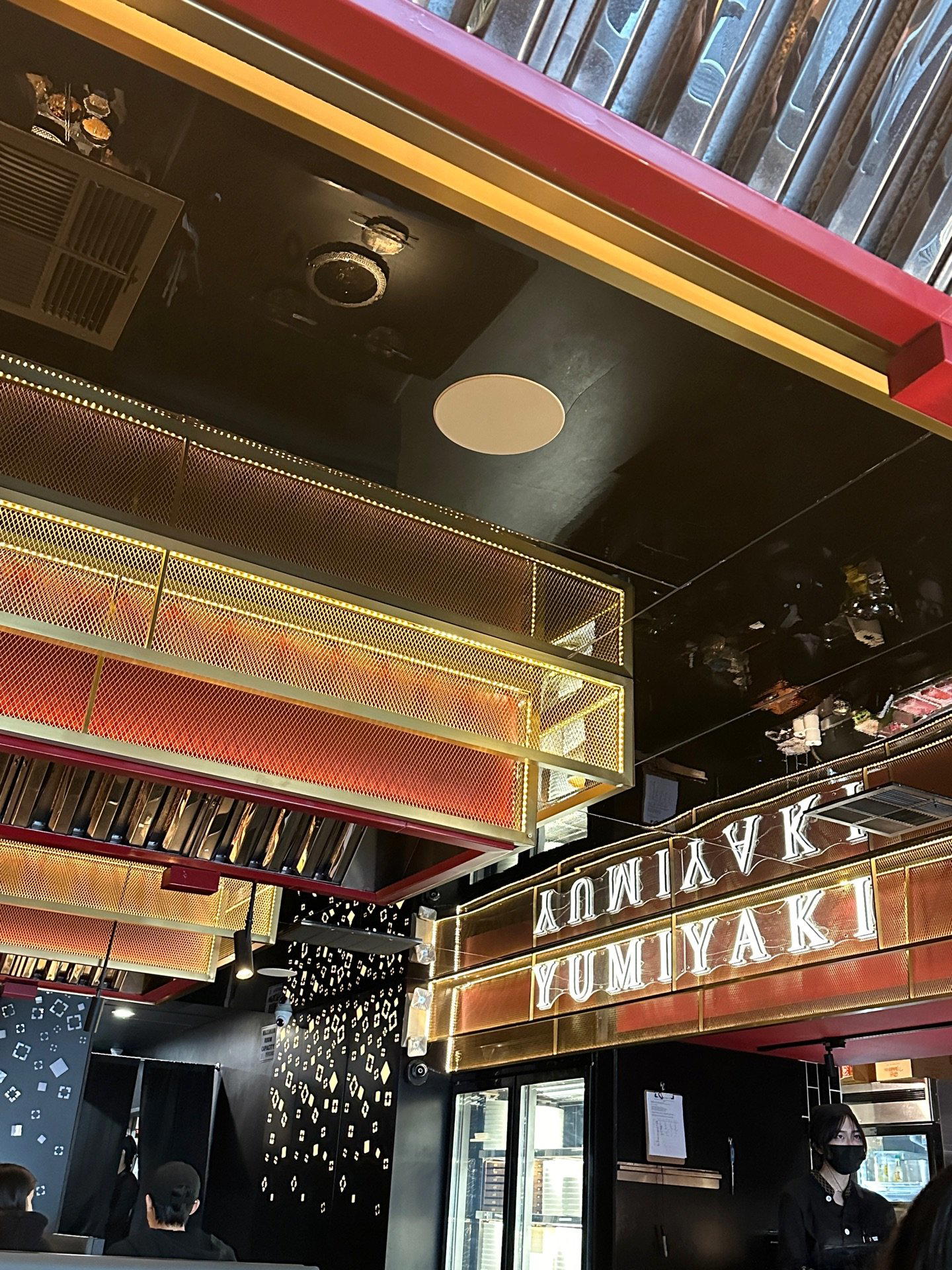
iWagyu ATS BBQ at 500 N Atlantic Blvd in Monterey Park sits inside the San Gabriel Valley's dense corridor of Korean and Japanese-influenced BBQ houses, where wagyu-grade beef has become the reference point for the category. The address places it within easy reach of Monterey Park's broader dining circuit, a stretch well covered in our full Monterey Park restaurants guide.

Pearl is the En Primeur Club membership app, where members save venues, book tables and use the concierge.
Wagyu BBQ and the San Gabriel Valley Standard
The San Gabriel Valley has spent the better part of two decades building one of the most concentrated corridors of East Asian dining in North America. Monterey Park sits near the center of that corridor, and along Atlantic Boulevard specifically, the density of Korean-style BBQ houses, Japanese izakayas, and hybrid smoke-and-grill concepts has reached a point where differentiation requires something more than a charcoal grill and a ventilation hood. The shift toward wagyu-grade beef as a defining category marker is part of that competitive pressure. When a venue names itself after the product, the product becomes the argument.
iWagyu ATS BBQ, at 500 N Atlantic Blvd #109, operates within that logic. The address places it in a retail strip along one of Monterey Park's primary commercial spines, a stretch that also anchors dim sum institutions and Cantonese seafood houses drawing from across the greater Los Angeles basin. The surrounding block is representative of the SGV's layered food culture: Chinese-American, Taiwanese, Korean, and Japanese influences compress into a few square miles in a way that has no real analogue elsewhere in Southern California. For the BBQ segment specifically, that compression creates a demanding customer base with cross-reference points across multiple traditions.
The Cultural Architecture of Korean-Style BBQ
Korean BBQ as a format carries specific expectations that have calcified into ritual. The tableside grill, the rotating banchan, the cuts arriving in sequence, the social choreography of shared cooking, these are not incidental features but structural ones. In the United States, the format first took firm commercial root in Koreatown Los Angeles before spreading into adjacent communities, including the San Gabriel Valley, where Korean and Chinese dining cultures frequently overlap in the same household and the same sitting. That overlap has produced hybrid expectations: the meat quality signaling of wagyu alongside the communal format of Korean BBQ, sometimes combined with Japanese yakiniku presentation standards, which tend toward thinner slices, more precise sourcing language, and a quieter room.
Wagyu itself is a designation with geographic and genetic specificity. In Japan, four breeds qualify, with Kuroge Washu (Japanese Black) accounting for the overwhelming majority of graded beef. The marbling scale runs from 1 to 12 on the BMS (Beef Marbling Standard), with A5 representing the upper ceiling for Japanese domestic export. American Wagyu, which has grown significantly as a commercial category, typically refers to crossbred animals with varying percentages of Wagyu genetics and is graded on the USDA scale rather than the Japanese BMS. Both categories now appear on menus in the SGV with some regularity, though the sourcing transparency varies considerably between venues. In the context of Atlantic Boulevard's competitive BBQ tier, the name iWagyu signals an orientation toward that premium beef category as a primary identity rather than a menu add-on.
Where iWagyu ATS BBQ Sits in the Monterey Park Dining Circuit
Monterey Park's dining circuit spans a wide price and format range. At one end, Elite represents the Cantonese banquet tradition, a format defined by whole-table ordering, seasonal seafood, and a room calibrated for large groups. At the other, Mama Lu's Dumpling House operates in the counter-service dumpling register, where the value proposition is volume and consistency rather than ingredient premium. BBQ-focused venues occupy a middle tier that can shade toward either end depending on sourcing ambition and format discipline.
The broader Los Angeles region offers comparison points at considerably higher price brackets. Providence in Los Angeles anchors the city's fine-dining end with Michelin recognition and a seafood-forward tasting format. Nationally, Le Bernardin in New York City and Alinea in Chicago define what three-Michelin-star commitment looks like in terms of both product sourcing and spatial investment. The wagyu BBQ category in the SGV does not compete in that register, nor is it positioned to. Its competitive logic is local and specific: which venue in a densely populated corridor offers the most transparent sourcing, the most consistent grilling surface, and the most coherent format for the product it names itself after.
For Korean-influenced fine dining with Michelin recognition as a frame of reference, Atomix in New York City provides a useful national benchmark at the genre's highest formal expression. The SGV operates in a different register entirely, but the same underlying logic applies: the format must justify the product, and the product must justify the name.
Planning a Visit
iWagyu ATS BBQ is located at 500 N Atlantic Blvd #109, Monterey Park, CA 91754, in a retail complex along Atlantic Boulevard. Parking in the SGV is generally accessible by strip-mall lot, and Atlantic Boulevard is served by Metro bus routes connecting to the broader Los Angeles transit network. Current hours, pricing, and reservation availability are best confirmed directly before visiting, as the venue's operational details are not publicly aggregated through third-party booking platforms at the time of writing. Atlantic Boulevard sees consistent weekend foot traffic, and BBQ venues at this end of the format spectrum tend to draw groups, so arriving early in a dinner service or visiting on a weekday reduces wait exposure.
For broader orientation in Monterey Park, the full Monterey Park restaurants guide covers the range of formats across the city. The Monterey Park hotels guide and bars guide provide logistical context for extended visits. For those exploring the wider SGV food corridor with wine or winery stops in mind, the Monterey Park wineries guide and experiences guide round out the planning picture. Comparisons further afield include Lazy Bear in San Francisco, Single Thread Farm in Healdsburg, The French Laundry in Napa, Blue Hill at Stone Barns in Tarrytown, Addison in San Diego, Emeril's in New Orleans, and 8 1/2 Otto e Mezzo Bombana in Hong Kong for those building a comparative frame across the broader premium dining category.
Frequently asked questions
How do I find iWagyu ATS BBQ?
iWagyu ATS BBQ is located at 500 N Atlantic Blvd #109, Monterey Park, CA 91754, Monterey Park.
Is iWagyu ATS BBQ in Monterey Park different from a standard Korean BBQ restaurant?
The distinction is in the beef sourcing: iWagyu ATS BBQ centers wagyu specifically, which carries a higher fat content and marbling score than the USDA Choice or Select cuts common at volume-driven Korean BBQ spots. Monterey Park sits inside the San Gabriel Valley, a region with some of the most competitive East Asian dining density in North America, so a wagyu-specific focus represents a deliberate positioning within that market. The tableside grill format remains consistent with Korean BBQ convention, but the ingredient emphasis separates it from the corridor's more generalist operators.
What should I eat at iWagyu ATS BBQ?
The venue's name signals its focus: wagyu is the anchor, and in the Korean BBQ format that means selecting cuts graded for fat marbling rather than commodity beef. At tableside grill restaurants in this tier of the San Gabriel Valley circuit, the priority is typically to order premium cuts early and pace through supporting items. Confirm the current cut selection directly with the restaurant at 500 N Atlantic Blvd #109, Monterey Park, as menus in this format change with supply.
How hard is it to get a table at iWagyu ATS BBQ?
iWagyu ATS BBQ operates from a retail complex on Atlantic Boulevard, one of Monterey Park's main commercial corridors, where foot traffic and local dining demand are consistently high. No advance booking data is publicly documented, but Korean BBQ counters with a wagyu focus in the San Gabriel Valley routinely fill on weekend evenings. Calling ahead or arriving early on weekdays is the practical approach for this format in this market.
What's the defining dish or idea at iWagyu ATS BBQ?
The premise is Korean BBQ restructured around wagyu as the primary protein, which shifts the format from a broad banchan-and-standard-cuts experience toward a more ingredient-specific proposition. That positioning places iWagyu ATS BBQ in a narrower category within the San Gabriel Valley's dense East Asian dining corridor, where most Korean BBQ venues operate on volume rather than breed-specific sourcing.
Booking and Cost Snapshot
Comparable venues nearby, for context on price, style, and recognition.
| Venue | Cuisine | Price | Notes |
|---|---|---|---|
| iWagyu ATS BBQThis venue (the venue you are viewing) | Premium Yakiniku Wagyu BBQ | $50–100 | Not listed |
| Shinano | Classic Japanese Sushi and Tempura | $20–30 | Monterey Park, Classic Japanese Sushi and Tempura |
| Sushi Sai | Traditional Sushi | $20–30 | Monterey Park, Traditional Sushi |
| Kim Tar Restaurant | Authentic Asian Seafood | Not listed | Monterey Park, Authentic Asian Seafood |
| NBC Seafood Restaurant | Cantonese Dim Sum & Seafood | $20–30 | Monterey Park, Cantonese Dim Sum & Seafood |
| Mama Lu’s Dumpling House | Shanghai Dumpling House | $10–20 | Monterey Park, Shanghai Dumpling House |
Continue exploring
More in Monterey Park
Restaurants in Monterey Park
All restaurants in Monterey Park →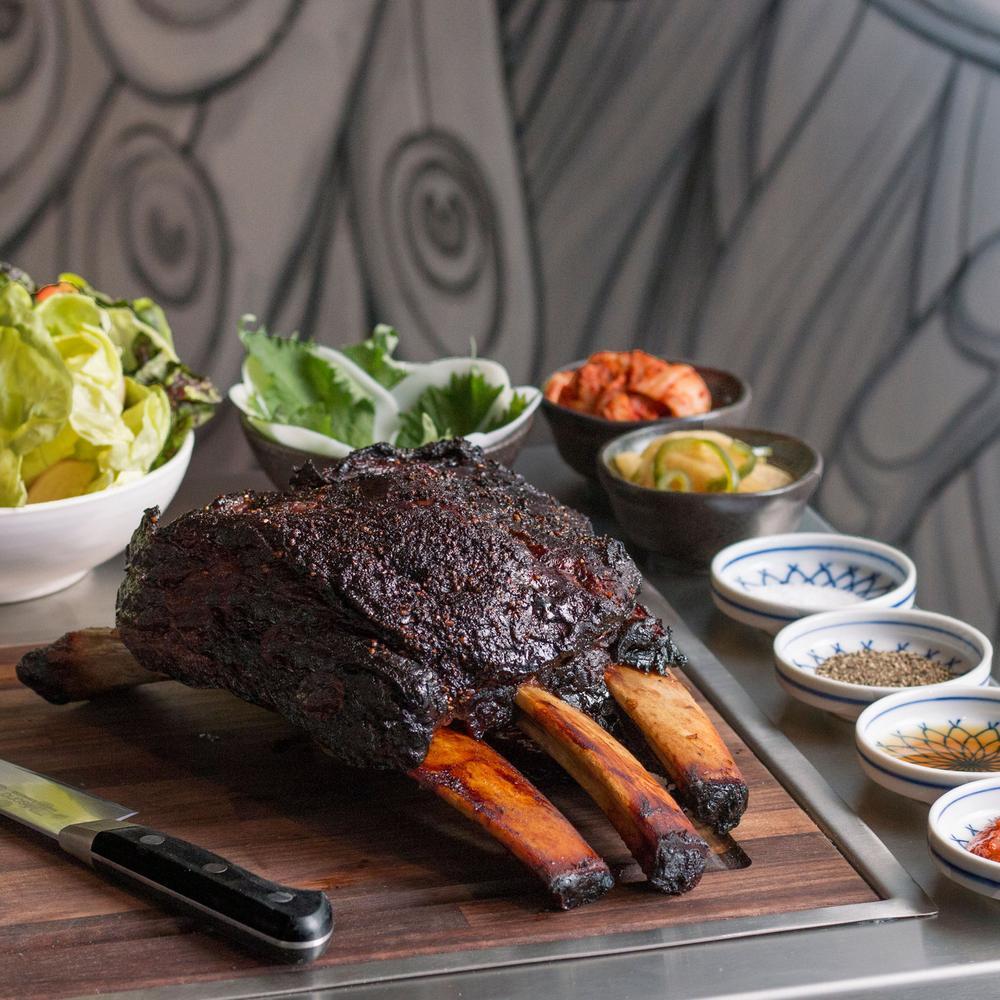
Bars in Monterey Park
Browse all →
Hotels in Monterey Park
Browse all →
Wineries in Monterey Park
Browse all →
Details
- Lively
- Trendy
- Group Dining
- Celebration
- Date Night
- Open Kitchen
- Sake Program
- Craft Cocktails
- Local Sourcing
- A La Carte
- Sake
- Cocktails
Current opening hours
- Monday
- 5 PM–12 AM
- Tuesday
- 5 PM–12 AM
- Wednesday
- 5 PM–12 AM
- Thursday
- 5 PM–12 AM
- Friday
- 5 PM–12:30 AM
- Saturday
- 11:30 AM–12:30 AM
- Sunday
- 11:30 AM–12 AM
Hours can change for holidays and private events. Hours as of .
Celebratory atmosphere with excellent service and high-end meat focus.