
Tabelog 100 #45
Our verdict
Shibuya’s sushi scene rewards small counters that can hold discipline without Ginza formality. Sushi Rizaki Shibuya sits in that serious middle-upper bracket: a 10-seat sushi and seafood counter in Kamiyamacho, selected for Tabelog Sushi TOKYO 100 in 2021, 2022, and 2025, with drinks spanning sake, shochu, and wine.

Pearl is the En Primeur Club membership app, where members save venues, book tables and use the concierge.
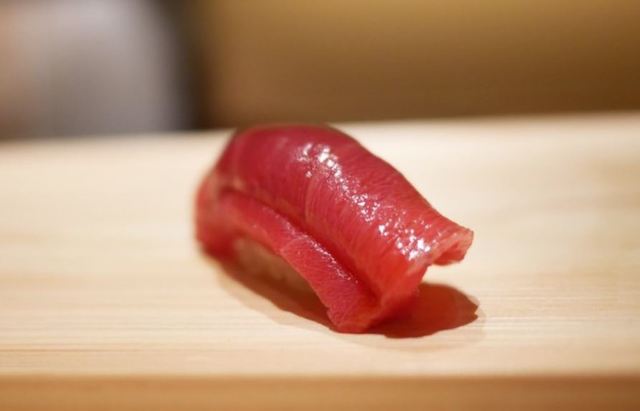
Tokyo changes the rhythm of a sushi meal from one room to the next. The city’s busiest dining areas can feel bright, fast, and heavily signposted, while smaller restaurants often move at a quieter pace: fewer distractions, closer conversation, and a sharper focus on the sequence in front of you. In Tokyo, that shift matters. The city’s sushi culture is often read through its most formal destination rooms, but there is also a parallel lane of focused venues where diners care about fish quality, rice temperature, and pacing without needing the meal to feel ceremonial.
Sushi Rizaki Shibuya belongs to that lane. Its public signals are clear enough to set expectations without overexplaining the room: Sushi, Seafood, a 2025 Tabelog Hyakumeiten recognition, a listed dinner budget of JPY 30,000 - JPY 39,999, and a Tabelog score of 3.69. Those details matter more than decorative claims. Tokyo’s sushi field is dense, opinionated, and unforgiving; recognition in that environment suggests a restaurant that remains visible in a category where attention moves quickly and where diners compare meals across a deep bench of sushi rooms.
Tokyo gives the sushi counter a different tempo
Tokyo is not a decorative label; it changes the dining calculus. The city supports restaurants that benefit from proximity to nightlife, hotels, offices, and destination dining without all sharing the same mood. For sushi, that means a room can feel urban rather than hushed, serious rather than stiff. A focused format can keep the meal intimate, while the broader Tokyo setting keeps it from becoming museum-like.
That distinction is useful when comparing Tokyo sushi formats. At one end are casual fish counters and neighbourhood sushi restaurants, where value and speed shape the meal. At another are high-prestige venues with international reservation pressure and prices that signal destination dining. Sushi Rizaki Shibuya’s listed dinner range of JPY 30,000 - JPY 39,999 places it firmly beyond a casual stop, while its recognition gives travellers a practical reason to treat it as part of a serious Tokyo sushi plan.
The food category is also narrower than a general Japanese fine-dining room. Sushi and seafood are the stated centre, with attention naturally falling on fish rather than a broad multi-cuisine structure. That keeps the focus on sourcing, knife work, seasoning, and the sequence of pieces. In Tokyo, where even casual sushi can be technically competent, this kind of restaurant is judged less by novelty than by control: how cleanly the meal moves, how drinks fit the fish, and whether the experience sustains focus across the full sitting.
Recognition here is a signal of consistency, not spectacle
Tabelog Hyakumeiten recognition is a useful trust marker because it sits inside Japan’s own restaurant-review culture rather than an imported luxury vocabulary. For travellers, it should be read as a local relevance signal, not a guarantee of a particular style of performance. The 2025 recognition places Sushi Rizaki Shibuya in a competitive Tokyo category where even being noticed carries practical weight.
The listed price also says something about the intended meal. Dinner is positioned at JPY 30,000 - JPY 39,999, which is a serious commitment without needing to be described through unsupported luxury language. That range points to a restaurant for diners who treat sushi as the main event rather than a quick add-on. In Tokyo, this price band usually asks the guest to pay attention: to pacing, to texture, to temperature, and to the cumulative rhythm of the meal.
For planning purposes, the safest assumption is that the restaurant should be approached with the same care as any focused sushi venue in Tokyo. Confirm booking details directly, raise dietary restrictions before committing, and do not rely on assumptions about flexibility. Sushi restaurants often depend on preparation, timing, and a set flow, so practical communication matters as much as appetite.
How to place it within a Tokyo dining itinerary
This is a restaurant for travellers who want a Tokyo sushi meal with clear local signals rather than a casual fallback. The smarter comparison is not with broad Japanese restaurants, but with other sushi and seafood addresses in Tokyo that trade on intimacy, fish handling, and local recognition. 鮨 あい澤 and SUSHI KOURIN occupy related sushi conversations in the city, while Uoriki represents a much lower-price seafood reference point. Those comparisons clarify the role here: this is not a cheap sushi stop, and it is not trying to be a sprawling luxury dining room. It is a focused Tokyo sushi address for diners who want the meal itself to carry the evening.
For a wider Tokyo plan, use Our full Tokyo restaurants guide to separate sushi counters from yakitori, curry, seafood, and late-night dining. Nearby category contrasts can include other Tokyo dining rooms for tuna and charcoal cooking, skewers, café detours, and Tokyo’s curry culture. City planning can extend through broader Tokyo hotel, bar, winery, and experience research, depending on whether the meal is part of a single-night dinner plan or a longer food-focused itinerary.
For broader Japan and Japanese-diaspora context, compare the formality of sushi with other dining formats in Japan and abroad. The through-line is not sameness, but how Japanese dining formats travel, tighten, relax, or specialize depending on city and audience. Sushi Rizaki Shibuya should be understood within that larger map as a Tokyo sushi and seafood stop with a serious dinner budget, a 2025 Tabelog Hyakumeiten signal, and enough specificity to merit planning around rather than treating as an interchangeable reservation.
Compact Comparison
Comparable venues by price and recognition.
| Venue | Cuisine | Price | Awards | Notes |
|---|---|---|---|---|
| Sushi Rizaki ShibuyaThis venue (the venue you are viewing) | Traditional Edomae Sushi Omakase | $200–300 | Tabelog 100 #45 | Not listed |
| 鮨 あい澤 | Edomae Omakase Sushi | $150–200 | Not listed | Not listed |
| Uoriki | Traditional Japanese fish set-meal diner (teishoku) | $10–20 | Tabelog 100 #89 | JPY 1,000 - JPY 1,999 JPY 1,000 - JPY 1,999 |
| ペス | Seafood French Bistro | $50–100 | Not listed | Not listed |
| Liquid Factory | Craft Cocktails & Coffee | $10–20 | Not listed | Not listed |
| SUSHI KOURIN | Innovative Edomae Omakase | $300–500 | Michelin Bib Gourmand | Sushi |
Recognition history
Dated appearances from independent guides and award organizations, with the underlying list record or original source where available.
Tabelog 100 #45 · No. 45
Tabelog · Tabelog 100 - Sushi - TOKYO - 2025
Continue exploring
More in Tokyo
Restaurants in Tokyo
All restaurants in Tokyo →

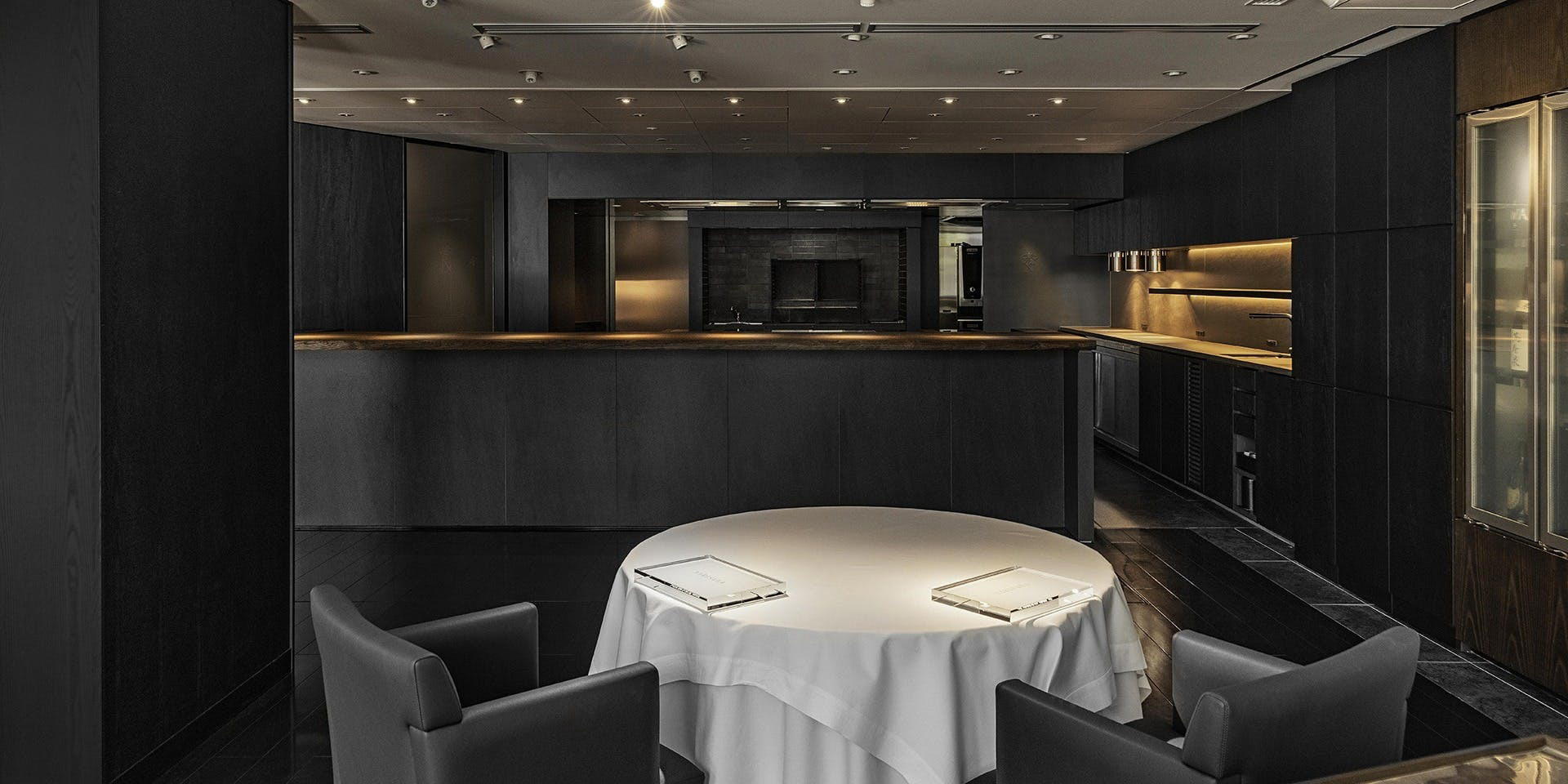

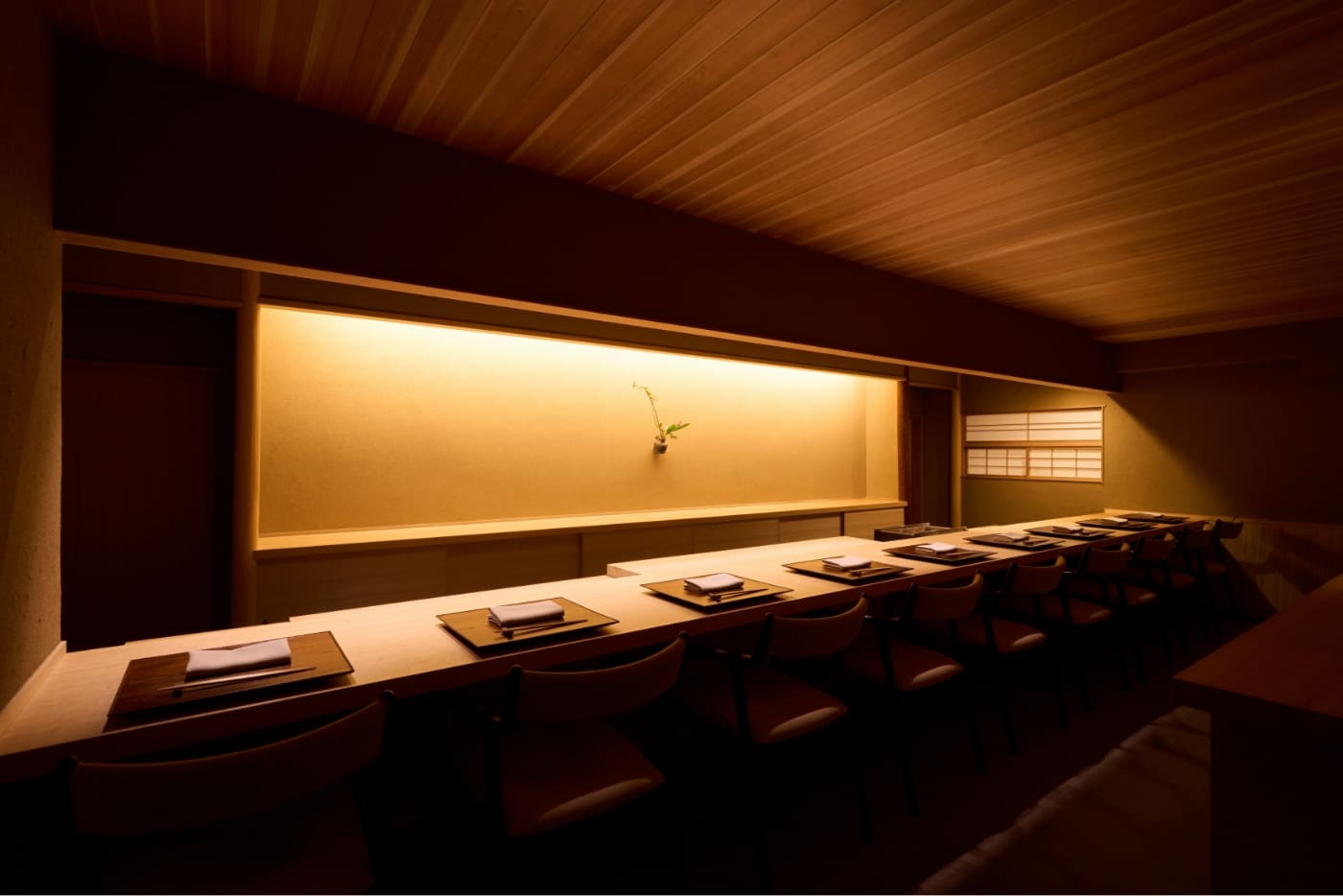
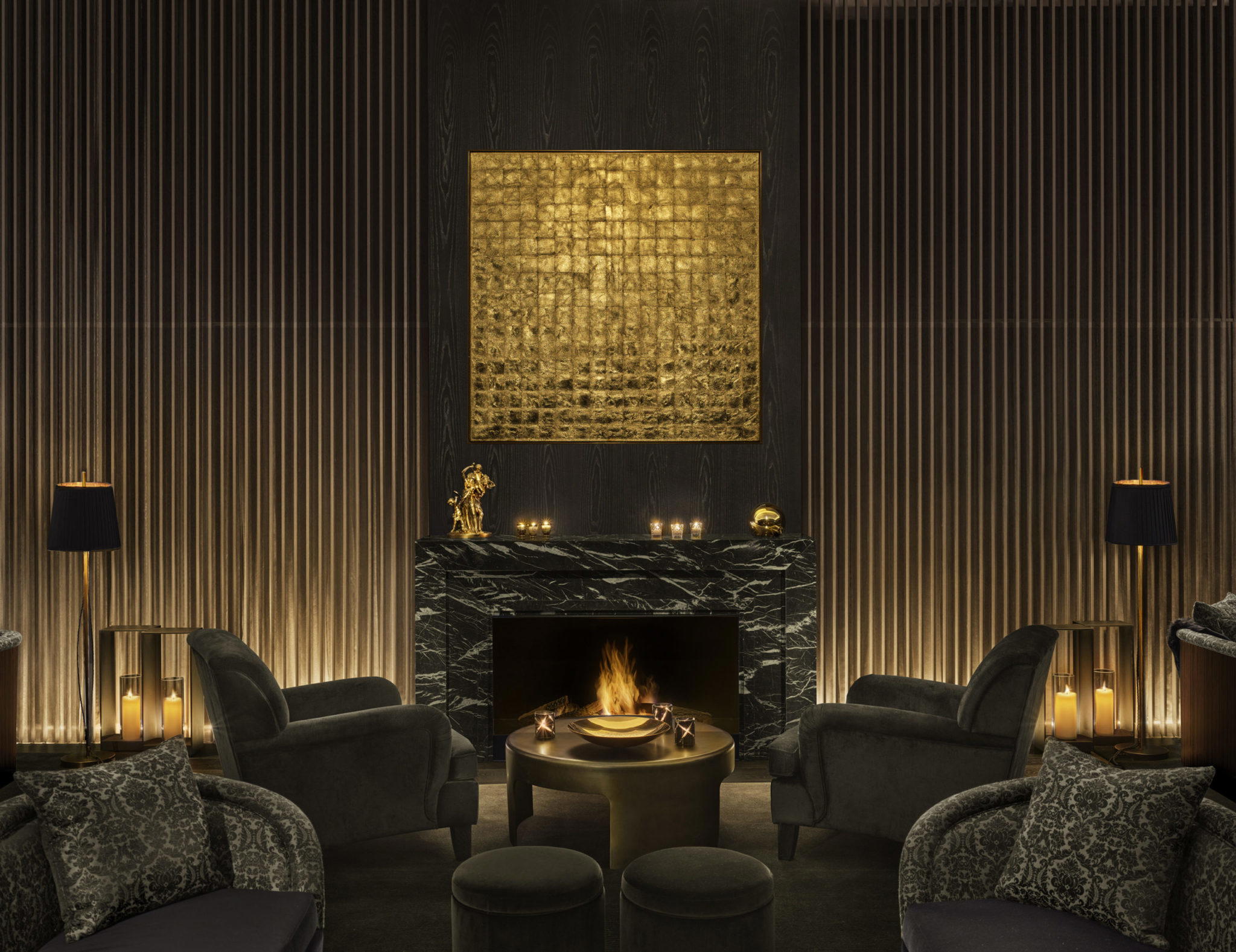
Bars in Tokyo
All bars in Tokyo →







Details
- Quiet
- Elegant
- Sophisticated
- Intimate
- Classic
- Date Night
- Special Occasion
- Business Dinner
- Solo
- Standalone
- Chefs Counter
- Sake Program
- Local Sourcing
- Sustainable Seafood
- Omakase
- Counter Dining
- Set Menu
- Sake
- Pescatarian Friendly
Current opening hours
- Monday
- 6–11 PM
- Tuesday
- 6–11 PM
- Wednesday
- 6–11 PM
- Thursday
- 6–11 PM
- Friday
- 6–11 PM
- Saturday
- 6–11 PM
- Sunday
- Closed
Hours can change for holidays and private events. Hours as of .
Tranquil, refined, and intimate, with a traditional Edomae sushi focus and a quietly attentive feel.