Sushi Rei
In District 1's Đa Kao neighbourhood, Sushi Rei occupies a corner of Ho Chi Minh City's small but serious Japanese dining tier, where counter service, seasonal fish, and front-of-house precision matter more than size or spectacle. It sits in a city increasingly willing to pay for format discipline and sourcing rigour, alongside peers like Akuna and Long Trieu at the higher end of the local table.
Pearl is the En Primeur Club membership app — saves, bookings, and concierge access live there. Same editors, same standards.
- Address
- Nguyễn Thị Minh Khai, Đa Kao, Quận 1, Thành phố Hồ Chí Minh 700000, Vietnam
- Phone
- +84764424653
- Website
- sushi-rei-vn.com
- Directions
- Get directions
 Saves & bookings on Pearl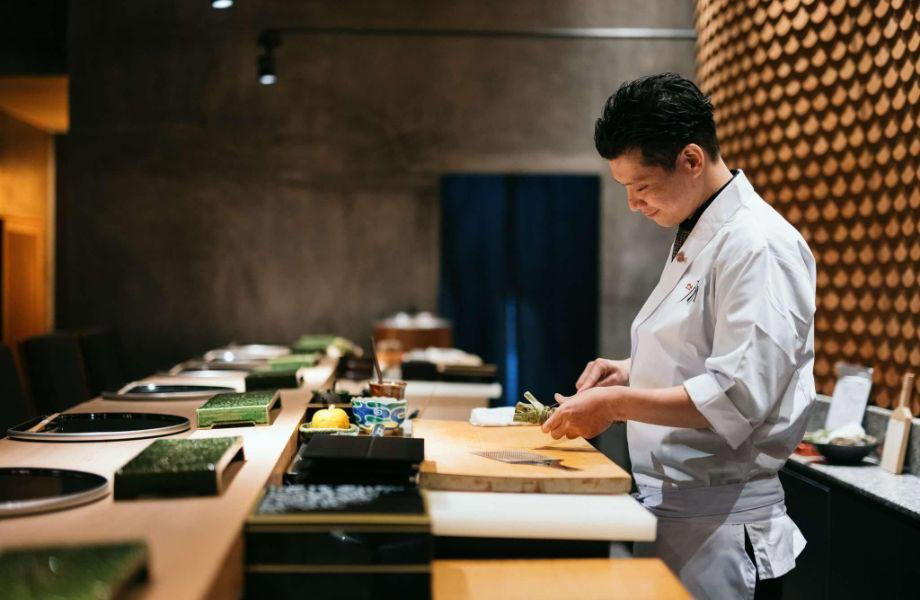
Where Japanese Counter Culture Meets a Vietnamese City
What began as a scatter of mid-range sushi bars aimed at the expatriate market has consolidated into a smaller, more considered tier of counters where omakase formats, imported fish logistics, and a trained front-of-house are the baseline expectations, not the differentiators. Sushi Rei, on Nguyễn Thị Minh Khai in the Đa Kao ward of District 1, operates inside that upper register, a neighbourhood better known for its French-colonial architecture and proximity to the city's consulate district than for dining destination traffic, which keeps the room quieter than the venues clustered around Lê Thánh Tôn further south.
The physical approach matters in this format. Japanese counter dining, particularly at the omakase or kappo end, has always been as much about spatial negotiation as it is about food. The counter is a stage and a laboratory simultaneously, and the leading rooms make that duality legible without theatrical overstatement. In Ho Chi Minh City, where the ambient temperature and street noise are constants pressing against any attempt at composed atmosphere, the interior work required to achieve that compression is more demanding than in Tokyo or Osaka. Venues that manage it tend to hold a loyalty that the broader city's more festival-like dining scene does not always generate.
The Service Architecture of a Counter Room
The editorial angle that runs through any serious counter restaurant is not the chef alone, it is the triangulated relationship between the kitchen, the floor, and the guest. At the same time, the front-of-house role shifts from order-taking to calibration, reading pace, gauging when to explain and when to stay quiet, managing the rhythm of a counter where every seat has a direct sightline to the kitchen.
This is the format discipline that separates the credible counter from the restaurant that has simply removed its tables. For diners familiar with how this works at venues like Le Bernardin in New York City or Atomix in New York City, two rooms where front-of-house is treated as a distinct craft, the expectation arriving at a counter in Ho Chi Minh City is the same: the team dynamic is the product as much as the fish. When it works, the counter feels like a private conversation between kitchen and guest, mediated by a floor team that knows exactly how much to say.
Sushi Rei in the Context of District 1's Dining Tier
District 1 carries most of Ho Chi Minh City's fine-dining and premium-casual load. The range within that single district is wide: Anan Saigon, which works Vietnamese street food references into a modern format at the ₫₫ price point, sits in an entirely different competitive set from Akuna or Long Trieu, both of which price at ₫₫₫₫ and address an audience that has eaten at equivalent venues in Hong Kong, Singapore, or Tokyo. Sushi Rei's placement on Nguyễn Thị Minh Khai puts it at a slight remove from the densest cluster of this tier, which can be read either as a liability or as a deliberate positioning choice, the kind of address that filters for guests who arrive with purpose rather than those who are deciding between adjacent options on the same block.
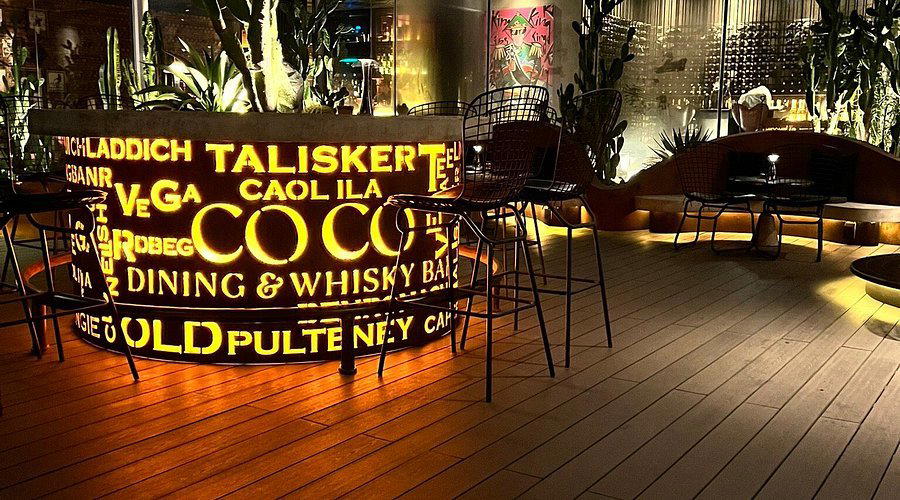
For those building a broader picture of the city's serious dining circuit, the comparison set extends beyond Japanese cuisine. CieL and Coco Dining occupy the innovative tier at ₫₫₫ and ₫₫₫₫ respectively, each representing the city's growing appetite for format-driven, chef-led rooms where the experience is structured rather than à la carte. The full picture of how these venues relate to each other, and to the city's emerging fine-dining identity, is mapped in our full Ho Chi Minh City restaurants guide.
Vietnam's Broader Japanese Dining Context
Ho Chi Minh City is not an isolated case. Across Vietnam, Japanese dining has established itself at multiple levels of the market, from fast-casual conveyor belt operations to serious counter formats that compete on sourcing and technique with peers in Southeast Asian capitals. Gia in Hanoi represents the northern city's approach to chef-driven tasting formats, while coastal venues like La Maison 1888 in Da Nang draw on different regional identities. The logistical advantage Ho Chi Minh City holds is its port access and its direct air freight connections, which make the imported fish supply chain more viable than in inland cities, a structural factor that underwrites the entire premium Japanese counter category here.
Further afield, the Vietnamese restaurant scene ranges from international chain presence, Jollibee in Kon Tum, King BBQ Vincom Kiên Giang in Rach Gia, Dookki Vincom Plaza Tuyên Quang in Minh Xuan, to seafood-focused regional specialists like Bien 14 Seafood Buffet Restaurant in Hao Long, and craft-specific addresses like White Rose in Hoi An. The premium counter format that restaurant represents sits at the concentrated, high-commitment end of that spectrum, a smaller audience, a higher price tolerance, and a set of expectations shaped by travel rather than habit.
Planning Your Visit
The restaurant is located at Nguyễn Thị Minh Khai in the Đa Kao ward, District 1. Reservations are essential. It is open Tuesday through Sunday from 5:30 to 10 PM and closed on Monday. Smart casual dress is appropriate. For broader dining context across Ho Chi Minh City's restaurant range, from GoGi House in Bac Lieu-style chain dining to serious independent counters, the EP Club city guide covers the full tier structure.
Comparable Spots, Quickly
Comparable venues nearby, for context on price, style, and recognition.
| Venue | Cuisine | Price | Awards | Notes |
|---|---|---|---|---|
| Sushi ReiThis venue — the venue you are viewing | Traditional Edomae Omakase | $$$$ | Not listed | Not listed |
| Margherí | Authentic Neapolitan Pizza & Regional Italian | $$$ | Not listed | Quan 7 |
| Yakiniku Yazawa Saigon | Japanese Yakiniku with A5 Wagyu Omakase | $$$$ | Not listed | Quan 3 |
| Quán Ụt Ụt | American BBQ | $$ | Not listed | Quan 2 |
| Olivia | Modern European-Australian Fusion | $$$$ | Michelin Plate | Quan 2 |
| Pendolasco | Authentic Italian Pizza and Pasta | $$$ | Not listed | Quan 2 |
Continue exploring
More in Ho Chi Minh City
Restaurants in Ho Chi Minh City
Browse all →
Bars in Ho Chi Minh City
Browse all →
At a Glance
- Sophisticated
- Elegant
- Minimalist
- Intimate
- Quiet
- Date Night
- Business Dinner
- Special Occasion
- Solo
- Chefs Counter
- Standalone
- Sake Program
- Local Sourcing
Current opening hours
- Monday
- Closed
- Tuesday
- 5:30–10 PM
- Wednesday
- 5:30–10 PM
- Thursday
- 5:30–10 PM
- Friday
- 5:30–10 PM
- Saturday
- 5:30–10 PM
- Sunday
- 5:30–10 PM
Hours can change for holidays and private events. Last verified .
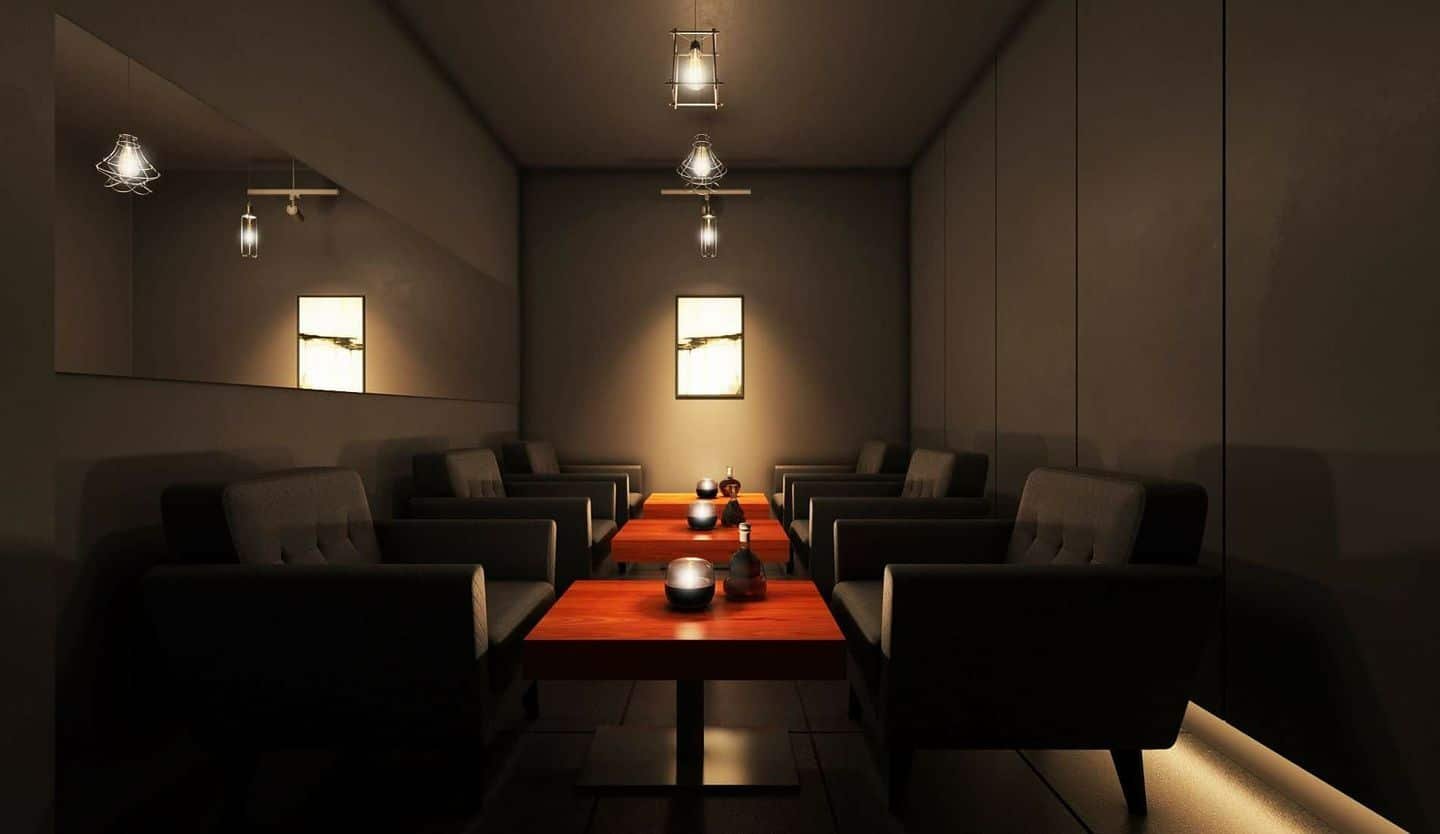
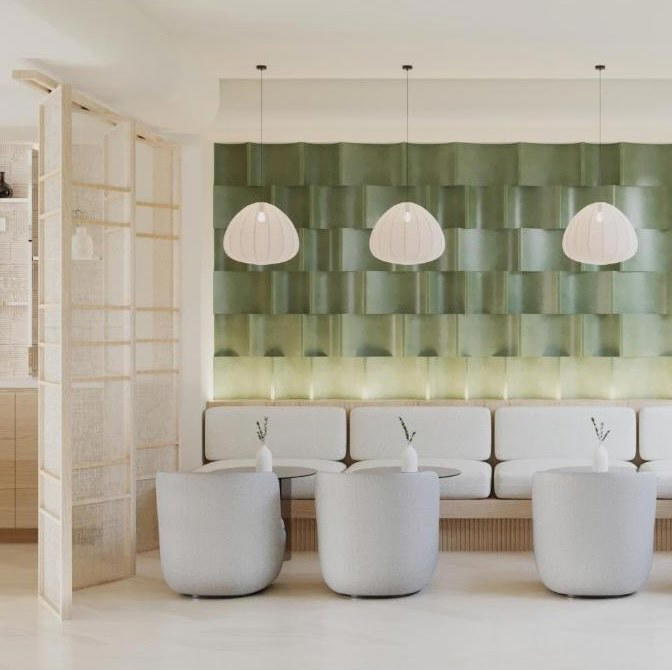
A contemporary, no-frills, minimalist space with a calm, refined atmosphere centered on the chef’s counter.