Yakiniku Yazawa Saigon
Yakiniku Yazawa Saigon brings Japanese precision grilling to Ho Chi Minh City's District 3, where the Tokyo-rooted Yazawa brand meets the intensity of Vietnam's beef culture. The format places diners in direct control of high-heat charcoal grids, with Japanese sourcing protocols applied to cuts rarely handled with this level of care in the city. It occupies a distinct tier in Saigon's premium grill scene.
Pearl is the En Primeur Club membership app — saves, bookings, and concierge access live there. Same editors, same standards.
- Address
- 219 Điện Biên Phủ, Phường 6, Quận 3, Thành phố Hồ Chí Minh 70000, Vietnam
- Phone
- +842862754129
- Website
- yazawameat.vn
- Directions
- Get directions
 Saves & bookings on Pearl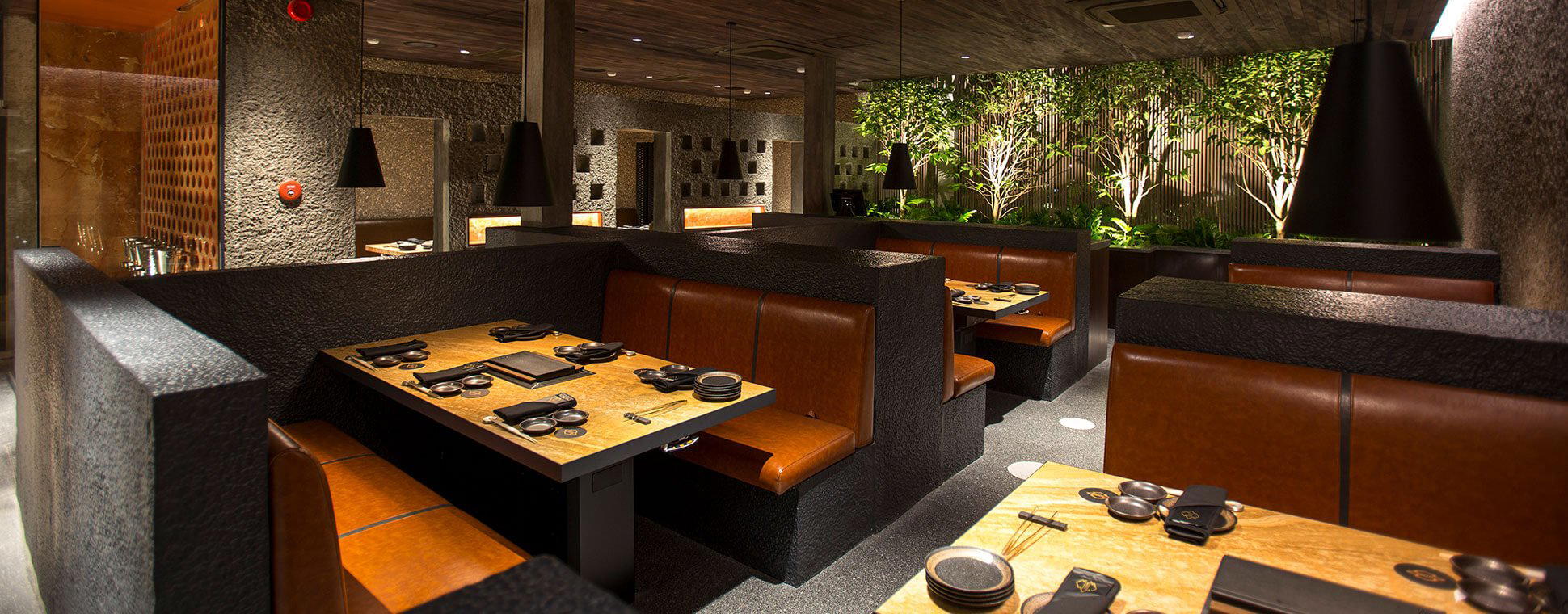
Japanese Grilling Protocol in a Vietnamese City That Takes Beef Seriously
District 3's Điện Biên Phủ corridor runs through one of Ho Chi Minh City's more compositionally layered neighbourhoods, where French-era apartment blocks shade streets that have, over the past decade, become home to some of the city's more deliberate dining addresses. Among them, Yakiniku Yazawa Saigon represents a specific kind of import: not a fusion exercise, but a transplanted methodology. The Yazawa name is associated with Japanese yakiniku, where the format is defined less by spectacle and more by the discipline applied to sourcing, cut preparation, and grill management. Bringing that template to Saigon places it in dialogue with a city that already has strong opinions about grilled meat.
Yakiniku as a format occupies a precise position in Japanese dining culture. It is neither the communal chaos of Korean barbecue nor the chef-controlled theatre of teppanyaki. The diner grills, but the kitchen's job is to make every variable before that moment count: the marbling grade, the thickness of the slice, the temperature of the grate, the sequence in which cuts arrive. At the premium end of the Tokyo market, where venues like Yazawa's parent operation compete, these variables are treated with a seriousness that the casual grill format rarely signals from the outside. Saigon's dining scene, which has absorbed Korean, Japanese, and Vietnamese grill traditions simultaneously, now has a clearer point of reference for what the Japanese iteration looks like when applied with rigour.
Where This Sits in Saigon's Premium Dining Picture
Ho Chi Minh City's upper dining tier has expanded substantially since 2018, with imported formats increasingly competing alongside locally evolved fine dining. The city's most-watched restaurants tend to split between Vietnamese-rooted modernists, like Anan Saigon at the street food-fine dining intersection, and internationally framed formats operating at the higher price points, such as Akuna and CieL in the innovative category. Yakiniku Yazawa occupies a third lane: a format import with a clear brand provenance, targeting diners who know the Tokyo reference point and want to measure the Saigon execution against it.
The competitive context matters. Yakiniku Yazawa enters with a different value proposition: the grill is the experience, the cut is the credential, and the Japanese operational standard is the differentiator. In a market where Korean-style barbecue chains have broad reach across the country, from King BBQ formats in provincial cities to GoGi House operations in smaller markets, the yakiniku model's restraint and specificity read as a clear counter-positioning.
The Intersection of Japanese Technique and Vietnamese Beef Culture
Vietnam's own grilled meat traditions are deep and regionally varied. Bo la lot, bo nuong vi, and the broader culture of tabletop cooking have made Vietnamese diners comfortable with the participatory grill format long before any Japanese import arrived. What yakiniku adds is a set of Japanese-origin protocols around beef grading, fat distribution, and cut sequencing that treat the product differently from how Vietnamese grill culture typically approaches it. The editorial angle here is not that one tradition is superior, but that the intersection is genuinely productive: Vietnamese diners who already understand beef nuance encounter a system designed to maximise exactly that nuance.
Globally, particularly watched examples of this kind of cross-cultural grill dialogue are playing out in cities with both strong local food identity and an appetite for format imports. Atomix in New York represents one model of how Korean fine dining can reframe a national tradition for an international audience with demanding credentials. The yakiniku format in Southeast Asia is attempting something analogous: taking a Japanese tradition defined by restraint and technical precision and asking whether it translates to cities where the grill is already a cultural staple. Saigon, with its existing beef literacy, is one of the more credible test cases in the region.
The broader Vietnamese dining scene rewards this kind of comparison. Gia in Hanoi has demonstrated that Vietnamese ingredients handled with international technique can produce something that reads as genuinely new rather than derivative. La Maison 1888 in Da Nang represents the other end of the spectrum, where French technique operates on Vietnamese produce. Yakiniku Yazawa sits in a middle space: the technique and format are Japanese, the operating context is Vietnamese, and the question of how those two things interact is part of what makes the address worth considering when building a Saigon dining itinerary.
Planning a Visit
Yakiniku Yazawa Saigon is located at 219 Điện Biên Phủ in Quận 3, in District 3, Ho Chi Minh City. The restaurant is open daily from 5 to 11:30 PM, and reservations are recommended. At about $150 per person, it sits firmly in the premium tier. Given the premium positioning of the Yazawa name and the relatively limited number of Japanese-brand yakiniku operations in Ho Chi Minh City at this tier, demand is likely to exceed walk-in availability during peak evening hours, particularly on weekends. Planning ahead is recommended. For contrast with the precision-grill model, the seafood-heavy format at Bien 14 in Halong and the local Vietnamese approach at White Rose in Hoi An offer useful points of comparison when thinking across Vietnam's dining geography.
Awards and Standing
Comparable venues nearby, for context on price, style, and recognition.
| Venue | Cuisine | Price | Awards | Notes |
|---|---|---|---|---|
| Yakiniku Yazawa SaigonThis venue — the venue you are viewing | Japanese Yakiniku with A5 Wagyu Omakase | $$$$ | Not listed | Not listed |
| Sushi Rei | Traditional Edomae Omakase | $$$$ | Not listed | Quan 1 |
| Pendolasco | Authentic Italian Pizza and Pasta | $$$ | Not listed | Quan 2 |
| Tre Dining | Modern Vietnamese Fine Dining | $$$$ | Michelin Plate | Quan 2 |
| Phở Việt Nam | Traditional Vietnamese Phở | $ | Not listed | Quan 1 |
| Quán Ụt Ụt | American BBQ | $$ | Not listed | Quan 2 |
Continue exploring
More in Ho Chi Minh City
Restaurants in Ho Chi Minh City
Browse all →
Bars in Ho Chi Minh City
Browse all →
At a Glance
- Sophisticated
- Elegant
- Intimate
- Modern
- Minimalist
- Special Occasion
- Date Night
- Business Dinner
- Open Kitchen
- Sake Program
Current opening hours
- Monday
- 5–11:30 PM
- Tuesday
- 5–11:30 PM
- Wednesday
- 5–11:30 PM
- Thursday
- 5–11:30 PM
- Friday
- 5–11:30 PM
- Saturday
- 5–11:30 PM
- Sunday
- 5–11:30 PM
Hours can change for holidays and private events. Last verified .
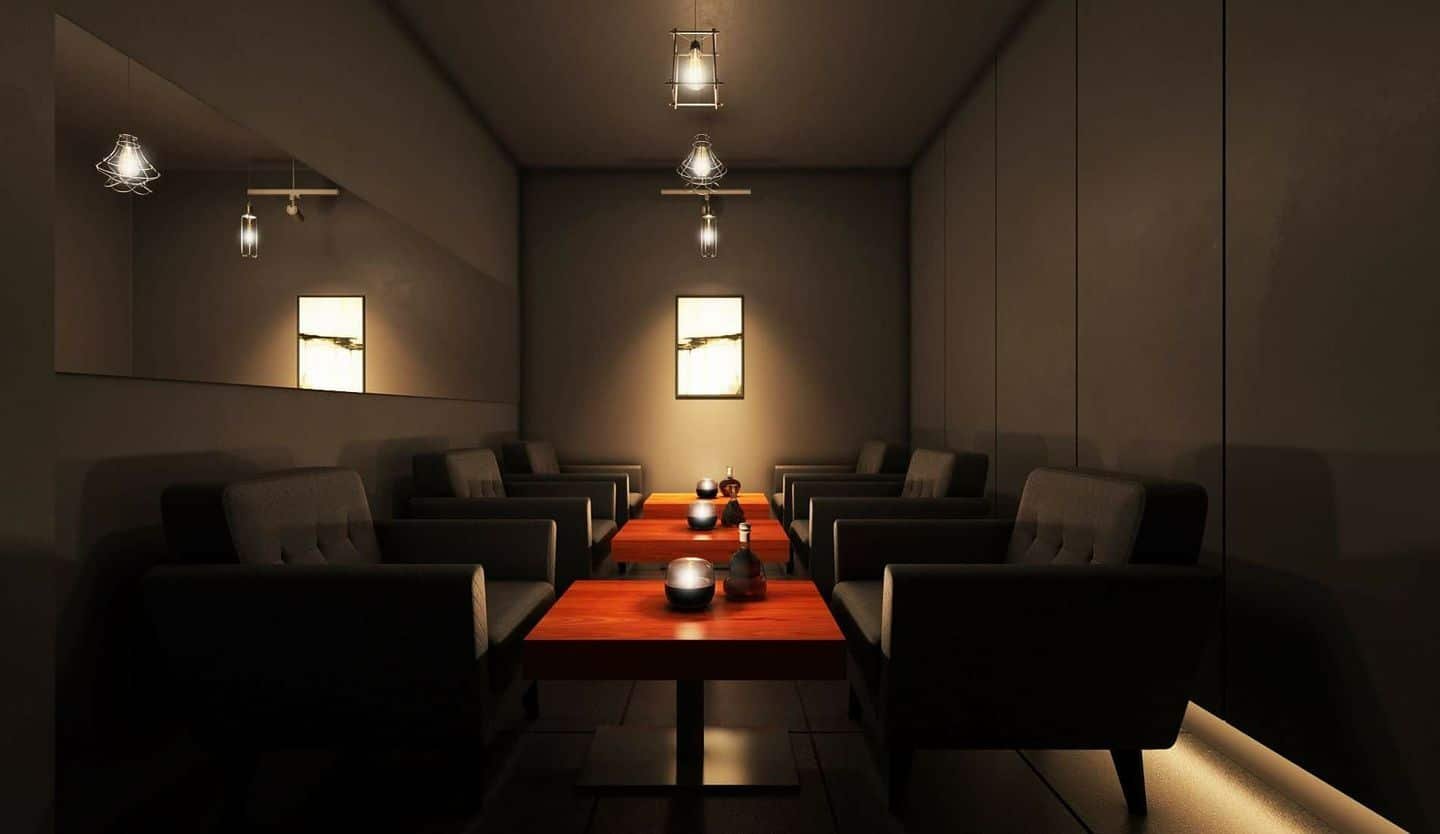
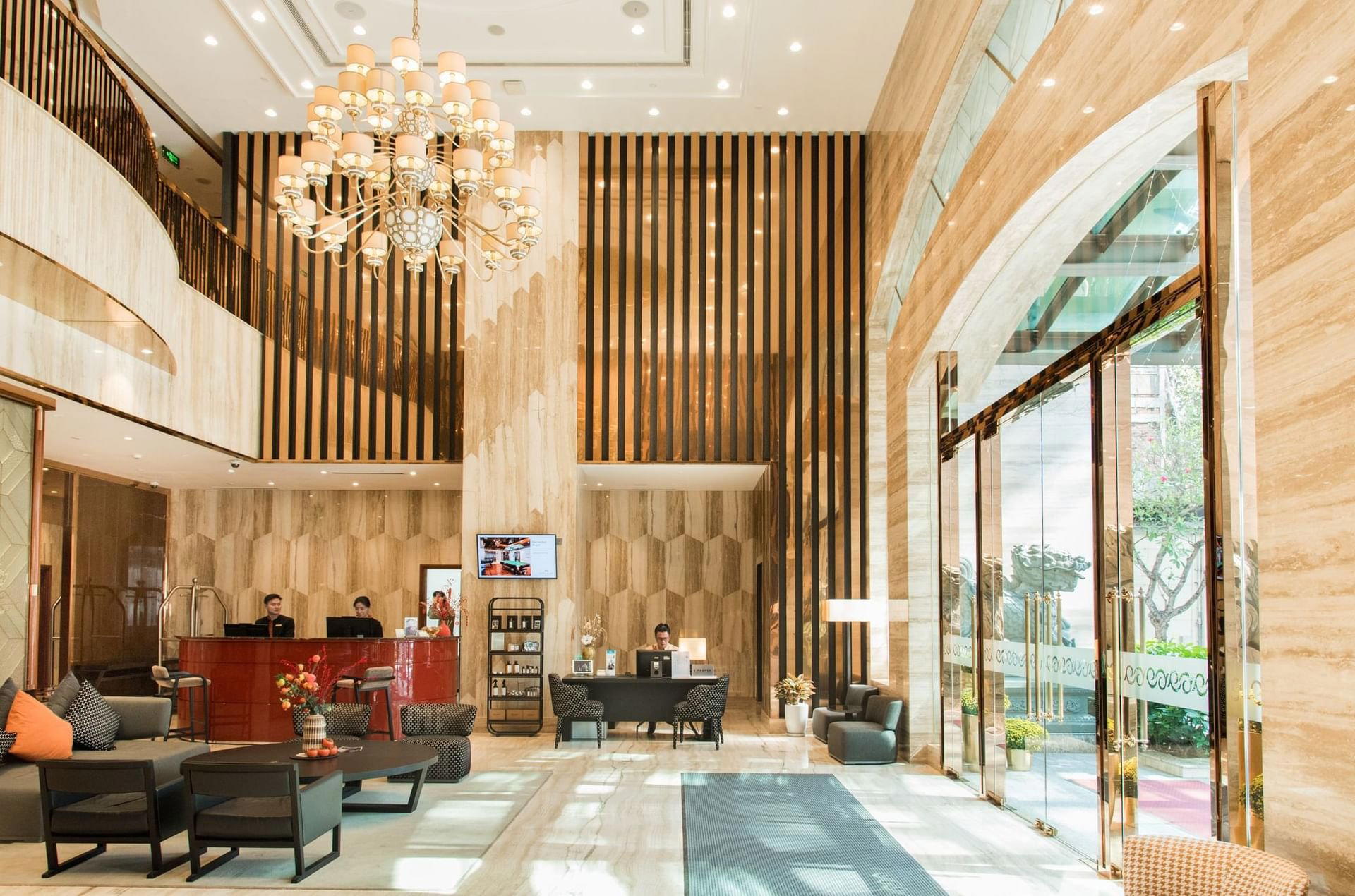
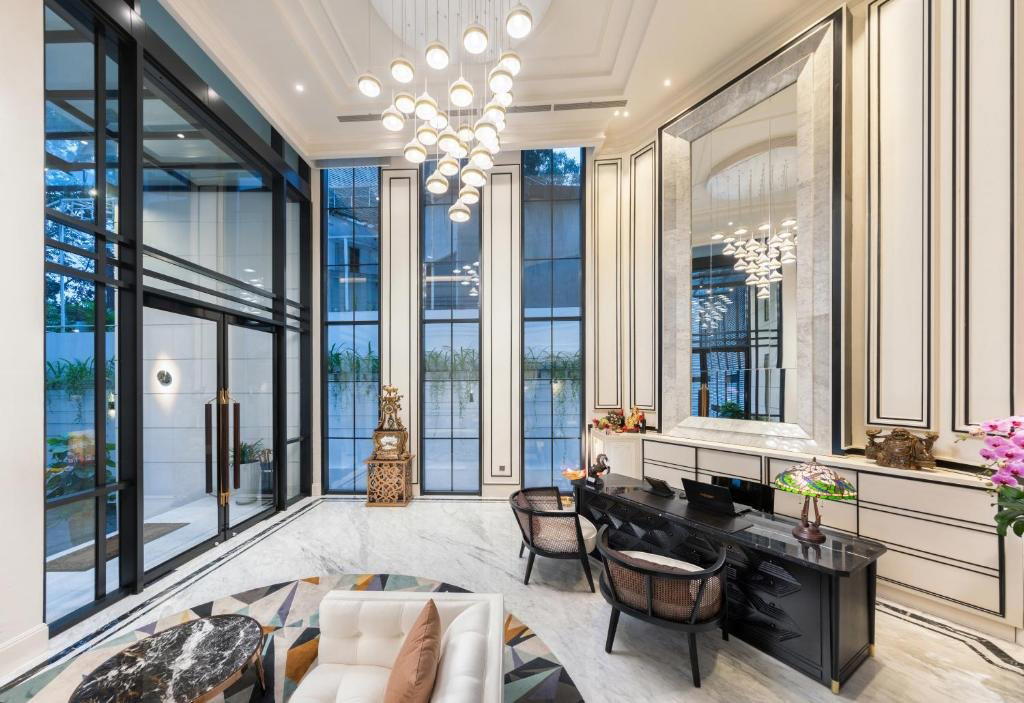
Minimalist lines and warm wooden interiors with soft lighting, natural stone walls, and noren curtains create a luxurious yet intimate, authentically Japanese atmosphere.