Dim Tu Tac (Dong Du Street)

Among Ho Chi Minh City's Cantonese options, Dim Tu Tac on Dong Du Street holds a distinct position: a Michelin Bib Gourmand recipient in 2024, operating at the ₫₫ price tier where quality-to-value ratios are under the scrutiny.
Pearl is the En Primeur Club membership app — saves, bookings, and concierge access live there. Same editors, same standards.
- Address
- 55 Đông Du, Bến Nghé, Quận 1, Thành phố Hồ Chí Minh 70000, Vietnam
- Phone
- +84 28 3826 6668
- Website
- dimtutac.com
- Directions
- Get directions
 Saves & bookings on Pearl
Dong Du Street and the Cantonese Foothold in District 1
Dong Du Street in Bến Nghé, Quận 1, has long operated as one of Ho Chi Minh City's more cosmopolitan corridors, sitting close enough to the riverside promenade to draw a mixed crowd of locals, long-term residents, and visitors staying in the surrounding hotels. The street's character is shaped less by any single venue than by a density of established addresses that have built reputations over years, sometimes decades. In that context, a shophouse-style Cantonese restaurant at number 55 reads not as an outlier but as a continuation of the area's relationship with Chinese-influenced dining, a tradition rooted in the city's Cholon heritage and its sustained appetite for dim sum formats that predate the current wave of internationally inflected restaurants.
Cantonese cuisine in Ho Chi Minh City occupies a more complicated position than its presence in Hong Kong or Macau might suggest. It sits between two pressures: the formal, high-spend tier represented by places like Long Trieu, which operates at the ₫₫₫₫ level with a Michelin Star, and a broader mid-market that is increasingly competitive. Dim Tu Tac holds the ₫₫ position in that range, which is where the Michelin Bib Gourmand designation carries its most specific meaning: inspectors are confirming that the cooking clears a quality threshold at a price point where cutting corners is common.
The Physical Container: What the Space Does
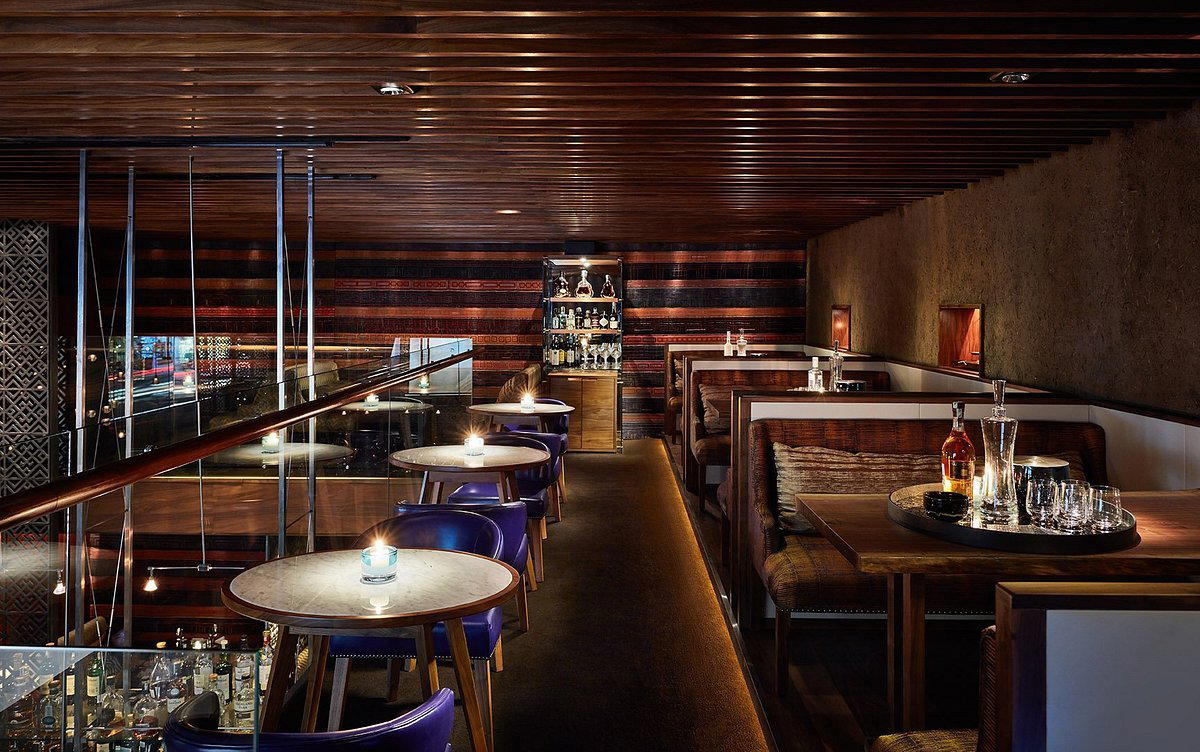
The editorial angle on a place like Dim Tu Tac is inseparable from its spatial logic. Cantonese dining at this price tier in Southeast Asia tends to resolve into one of two physical formats: the large, high-ceiling banquet hall that relies on volume and turnover, or the compressed, neighbourhood-facing room where the proximity of tables to kitchen is itself a signal about priorities. The Dong Du Street address at number 55 belongs to the latter category.
In rooms like this, the architecture does functional work. Close table spacing in a mid-century Cantonese shophouse format accelerates the social temperature of the space, noise carries, steam rises from passing carts or trays, and the experience becomes communal whether you intend it to or not. This is not incidental to Cantonese dim sum culture; it is structural to it. The format was designed for shared tables, sequential ordering, and the kind of accumulated abundance that only reads correctly when surrounded by other people doing the same thing. A pared-back room with wide table spacing would undercut the register entirely.
That physical density also has implications for timing. Rooms operating at this format and price point in District 1 tend to peak hard at weekday lunches and weekend mornings.
Cantonese at the Bib Gourmand Level: What the Award Signals
The 2024 Michelin Bib Gourmand is the relevant trust signal here. The Bib Gourmand category rewards value-conscious cooking that meets Michelin's quality floor, it is not a consolation tier below starred restaurants but a separate classification with its own logic. In cities like Hong Kong, Macau, and Taipei, Cantonese Bib Gourmand addresses consistently draw longer queues than many starred venues because the value proposition is direct and the cooking is often more instinctive.
Within the broader ecosystem of Cantonese dining recognised by Michelin guides across the region, the comparison is instructive. Forum and T'ang Court in Hong Kong, Jade Dragon and Chef Tam's Seasons in Macau, Le Palais in Taipei, and 102 House in Shanghai all sit at substantially higher price points with starred recognition. Dim Tu Tac is not competing in that tier. Its significance is different: it represents the argument that Cantonese cooking executed with care does not require a hotel dining room or a Michelin-starred kitchen budget to earn recognition.
For readers tracking Michelin-recognised dining across Vietnam more broadly, Ho Chi Minh City's own Michelin cohort spans from street-facing addresses to formal tasting menus.
Where Dim Tu Tac Sits in Ho Chi Minh City's Dining Picture
Ho Chi Minh City's Michelin-recognised restaurants now cover a range wide enough to reward several different types of visit. Anan Saigon holds a Michelin Star at the ₫₫ tier, working Vietnamese street food idioms through a more composed lens. Akuna operates at ₫₫₫₫ with starred innovative cooking. Lai adds further depth to the city's recognised addresses. And Tiệm Cơm Thố Chuyên Ký represents the claypot rice tradition at a different price point.
Dim Tu Tac holds the Cantonese position at the accessible end of that map. In a city where Cantonese influence runs through many kitchens without always being named as such, an address that carries the tradition explicitly and earns external validation for doing so at the ₫₫ level is a specific kind of resource, particularly for readers who want to understand the cuisine rather than simply encounter a version of it dressed for international audiences.
Planning a Visit
The restaurant is located at 55 Đông Du, Bến Nghé, Quận 1, walkable from the central hotel district and a short ride from most District 1 and District 3 accommodation. Arriving during off-peak hours on weekdays will offer more flexibility than weekend mornings, when demand at this price and format level in District 1 tends to run highest. The ₫₫ price positioning means a full meal lands well within the range of an everyday outing rather than an occasion spend.
Just the Basics
Comparable venues nearby, for context on price, style, and recognition.
| Venue | Cuisine | Price | Notes |
|---|---|---|---|
| Dim Tu Tac (Dong Du Street)This venue — the venue you are viewing | Cantonese | $$$ | Not listed |
| Lai | Not listed | $$$ | Quan 1, Modern Cantonese |
| Esta | Not listed | $$$ | Quan 1, Contemporary Asian Fusion |
| Xôi Bát | Binh Thanh, Vietnamese | Not listed | Not listed |
| La Villa | Not listed | $$$$ | Quan 2, Classic French Fine Dining |
| Chay Garden (District 3) | Not listed | $$ | Quan 3, Modern Vietnamese Vegetarian |
Recognition history
Dated appearances from independent guides and award organizations, with the underlying list record or original source where available.
Michelin Bib Gourmand
Michelin
Continue exploring
More in Ho Chi Minh City
Restaurants in Ho Chi Minh City
Browse all →
Bars in Ho Chi Minh City
Browse all →
At a Glance
- Modern
- Cozy
- Group Dining
- Family
- Casual Hangout
- Open Kitchen
Current opening hours
- Monday
- 10 AM–10 PM
- Tuesday
- 10 AM–10 PM
- Wednesday
- 10 AM–10 PM
- Thursday
- 10 AM–10 PM
- Friday
- 10 AM–10 PM
- Saturday
- 9 AM–10 PM
- Sunday
- 9 AM–10 PM
Hours can change for holidays and private events. Last verified .
Modern, comfortable, and well-maintained dining space with a welcoming Chinese atmosphere, spacious for groups but can feel busy and crowded during peak hours.