
Sushi Noguchi is a Kitashinchi counter for diners who read Osaka sushi through structure rather than spectacle: counter seating, sake alongside fish, and Tabelog Sushi WEST 100 selections in 2021, 2022, and 2025. Its position is in the city’s higher-spend sushi bracket, where the format asks for attention to pacing, sequence, and the way a compact room controls the meal.
Pearl is the En Primeur Club membership app — saves, bookings, and concierge access live there. Same editors, same standards.
- Address
- 1 Chome-2-8 Sonezakishinchi, Kita Ward, Osaka, 530-0002, Japan
- Phone
- +81 6-6345-3345
- Website
- tabelog.com
 Saves & bookings on Pearl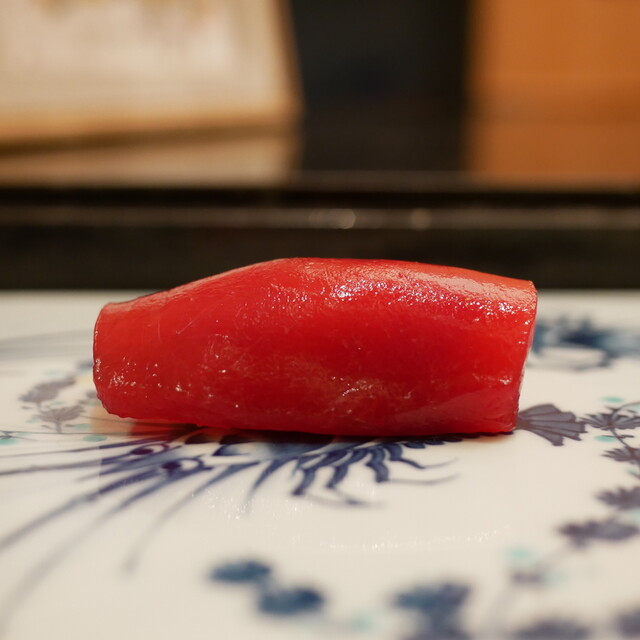
Kitashinchi changes character after office hours: elevators open into narrow dining floors, voices drop behind noren, and the serious counters begin to feel less like restaurants than small theatres of sequence and timing. Sushi Noguchi belongs to that after-dark Osaka register, where sushi is not judged by abundance but by the order in which rice, fish, temperature, sake, and silence are allowed to work. The room is counter-only, which matters. In Osaka’s premium sushi tier, the counter is not a decorative format; it is the mechanism that controls pace, portion, and attention.
For a broader read on the city’s dining range, Our full Osaka restaurants guide places this kind of counter beside bakeries, casual institutions, bars, hotels, and experiences rather than treating sushi as a sealed luxury category. Osaka rewards that wider view. A diner can move from 551 Horai (551蓬莱) to a formal sushi counter in the same trip and understand something essential about the city: precision and appetite are not opposites here.
Counter sushi in Kitashinchi is built around sequence, not display
The menu architecture at a counter like this is the point. A sushi meal in this tier usually depends on controlled progression: lighter fish before richer pieces, pauses that let sake or conversation reset the palate, and a final stretch that tests whether the rice has remained in balance. Sushi Noguchi is listed for sushi, with fish and nihonshu called out as defining features, so the experience reads through that classic pairing rather than through a sprawling à la carte logic.
That structure places it closer to Osaka’s compact, serious sushi rooms than to the city’s broader high-end restaurant field. La casa TOM Curiosa and LES SOUVENIRS, both in Osaka, sit in different European traditions, where course construction often travels through sauces, bread service, and wine pacing. Sushi Minoki occupies a lower listed spend band, while Kuukai sits lower again, which makes the comparison useful: Sushi Noguchi is not merely another sushi address, but part of the higher-spend counter category where value is measured by handling, progression, and restraint rather than volume.
The Tabelog Sushi WEST 100 selections in 2021, 2022, and 2025 give the counter a concrete trust signal inside western Japan’s sushi conversation. Tabelog’s WEST framing is useful because Osaka sushi is too often flattened into a Tokyo comparison. The city has its own dining grammar: less ceremonial on the surface, direct in appetite, but exacting when the format narrows to twelve counter seats. At that scale, the meal has little room for drift. Every handoff is visible, and the order of pieces becomes an argument about what kind of sushi counter this is.
Osaka's premium dining map is broader than sushi, and that helps explain the appeal
Osaka’s reputation still leans heavily on casual eating, but the city’s stronger dining pattern is range. The same itinerary can hold 52CHO-ME BAKERY, .cafe, 99 Pizza Napoletana Gourmet, and a canto (Italian) without losing the thread. The restaurant makes more sense in that context. It is not competing with the city’s street-level pleasures; it offers a compressed, higher-concentration version of Osaka’s appetite for craft.
Kitashinchi also matters. The district’s dining rooms are built for adults who already know how they want to spend an evening. That creates a different mood from tourist-heavy food streets: fewer visual signals, more reliance on reservation culture, repeat diners, and small rooms where etiquette carries weight. Counter seating amplifies that. Solo diners and small groups fit the format better than celebratory sprawl, and the absence of private rooms keeps attention on the line between guest and counter.
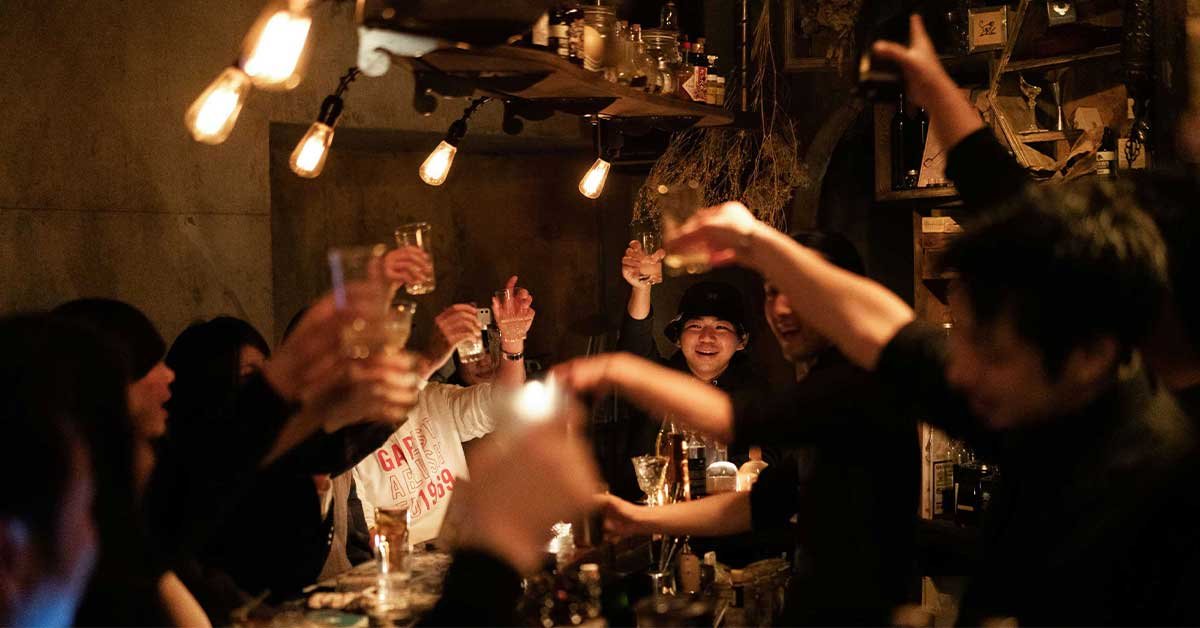
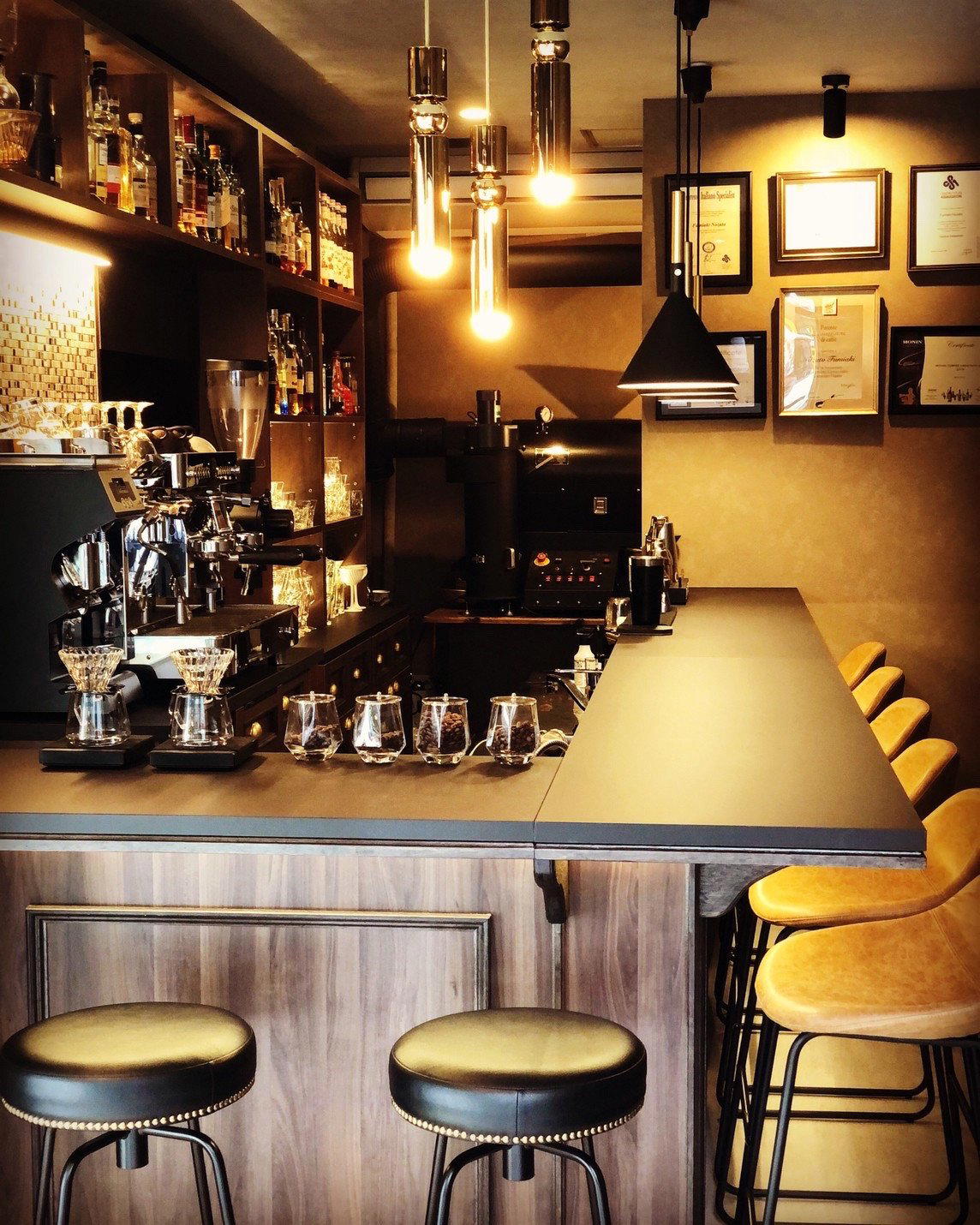
Readers planning a wider Osaka stay should think beyond dinner alone. Our full Osaka hotels guide helps anchor the city by neighborhood; Our full Osaka bars guide is useful after a counter meal; Our full Osaka experiences guide gives cultural structure to the hours around dinner; and Our full Osaka wineries guide is there for travelers mapping drinks with the same seriousness they bring to restaurants.
How to read the decision
The case for the restaurant is strongest for diners who want a disciplined sushi counter in Osaka rather than a maximalist meal. The indicators are clear: repeated Tabelog Sushi WEST 100 recognition, a compact counter-only room, sake as the natural drink register, and a place in the city’s higher-spend sushi bracket. Those details point to a meal where the format carries as much meaning as the fish.
The trade-off is equally clear. This is not the address for diners who want menu sprawl, private-room separation, or a casual drop-in rhythm. It belongs to the category of restaurants where the evening is shaped by the counter’s pace. For travelers assembling a Japan itinerary, that distinction matters. A sushi counter in Osaka will not mirror a sushi counter in Ginza, and it. The interest here is local: Kitashinchi’s adult dining culture, western Japan recognition, and a menu structure that makes sequence the central pleasure.
For a broader national comparison, the links around it tell a useful story about how varied Japanese dining can be: -Grilled beef Sukiyaki- KAMAKURA TANUKIAN 鎌倉 たぬき庵 in Kamakura. 鮪と炭火焼き うお炭 秋葉原店 in Tokyo.know in Kumamoto, (Shoku) Vietnam in Kawasaki, [Curry Senmon Ten] Maruyama Kyoju. in Sapporo, and [ki:] in Kyoto each point to a different dining grammar. Even outside Japan, Jōdo Saké Bar in Los Angeles and Onigiri Time in Pasadena show how Japanese formats travel, adapt, and simplify. The restaurant is valuable because it does the opposite: it narrows the frame and asks the diner to pay attention to what happens inside it.
A Pricing-First Comparison
Comparable venues at a similar level for quick context.
| Venue | Cuisine | Price | Notes |
|---|---|---|---|
| Sushi NoguchiThis venue — the venue you are viewing | Kita, Traditional Edomae Sushi Omakase | $$$$ | Not listed |
| Kitan-in | Not listed | $$$$ | Chūō, Modern Dry-Aged Wagyu Omakase Yakiniku |
| Kakigori Laboratory | Not listed | $$$ | Nishi-ku, Modern Kakigori (Shaved Ice) |
| Takuya | Kita, Modern tonkatsu & pork dishes | $$$ | Not listed |
| Sumi Daruma | Not listed | $$$ | Kita, Seasonal Seafood & Yakitori Izakaya |
| Shushi Mon | Kita, Traditional Japanese Izakaya | $$$ | Not listed |
Recognition history
Dated appearances from independent guides and award organizations, with the underlying list record or original source where available.
Tabelog 100 #62 · No. 62
Tabelog · Tabelog 100 - Sushi - WEST - 2025
Continue exploring
More in Osaka
Restaurants in Osaka
Browse all →




Bars in Osaka
Browse all →


Hotels in Osaka
Browse all →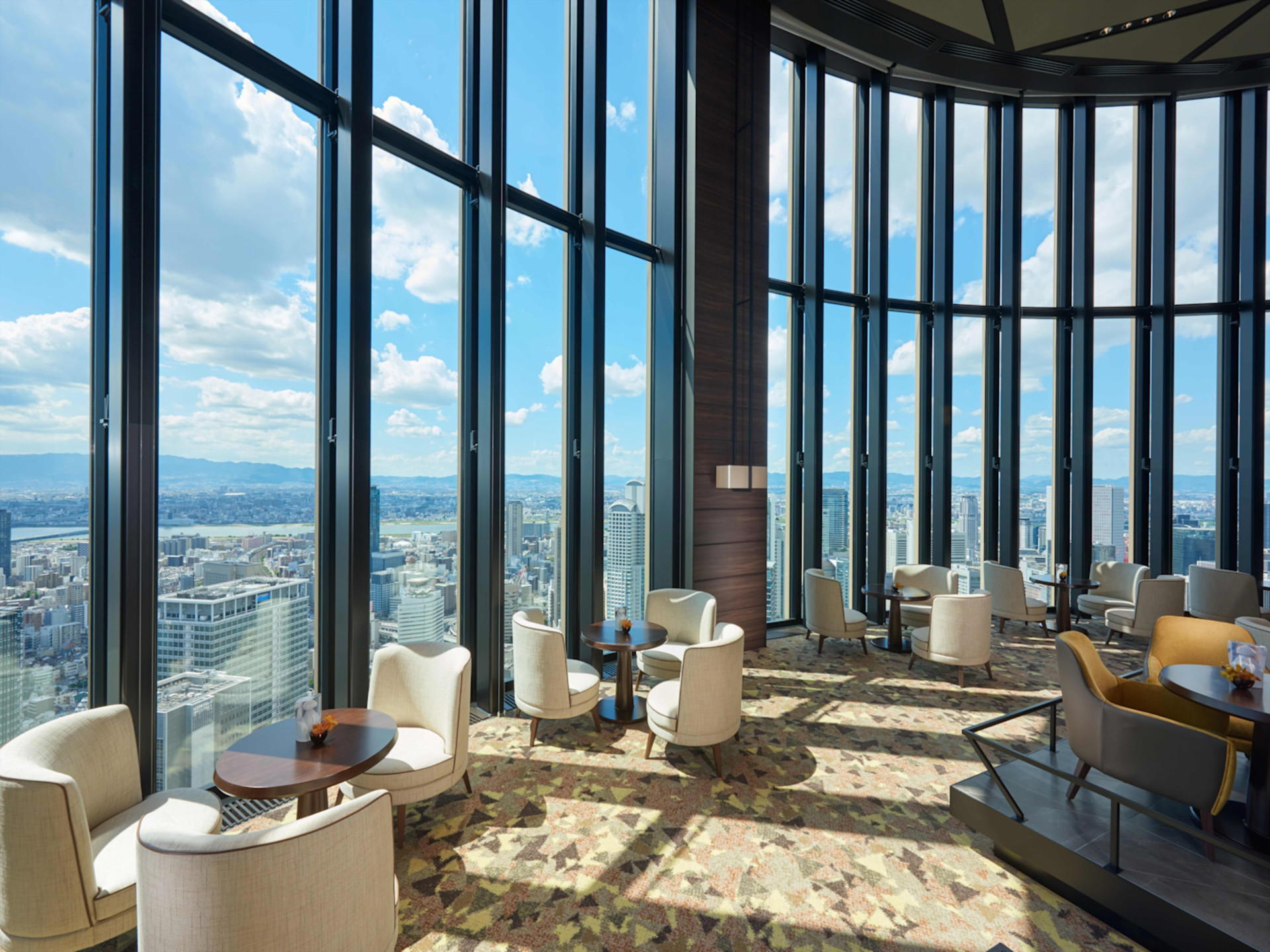




Wineries in Osaka
Browse all →
At a Glance
- Intimate
- Elegant
- Classic
- Sophisticated
- Date Night
- Business Dinner
- Solo
- Special Occasion
- After Work
- Celebration
- Chefs Counter
- Standalone
- Sake Program
- Sustainable Seafood
Current opening hours
- Monday
- 6–11 PM
- Tuesday
- 6–11 PM
- Wednesday
- 6–11 PM
- Thursday
- 6–11 PM
- Friday
- 6–11 PM
- Saturday
- 6–11 PM
- Sunday
- Closed
Hours can change for holidays and private events. Last verified .
A small, non-smoking counter-only sushi bar with just 12 seats, creating a quiet, focused atmosphere where guests interact closely with the chef; the mood is refined yet relaxed and friendly, suited to serious sushi appreciation rather than casual drinking crowds.