

In Osaka's Namba district, Kitan-in runs an omakase-format yakiniku built around dry-aged wagyu, charcoal-grilled over open fire in an intimate setting with private rooms. Chef Hiroyuki Takeshita sources beef with deliberate attention to aging method, offering a structured progression through cuts and preparations that reflects serious engagement with Japanese beef traditions.
Pearl is the En Primeur Club membership app — saves, bookings, and concierge access live there. Same editors, same standards.
- Address
- 1 Chome-1-7 Namba, Chuo Ward, Osaka, 542-0076, Japan
- Phone
- +81 6-6226-7428
- Website
- kitangroup.jp
- Directions
- Get directions
 Saves & bookings on Pearl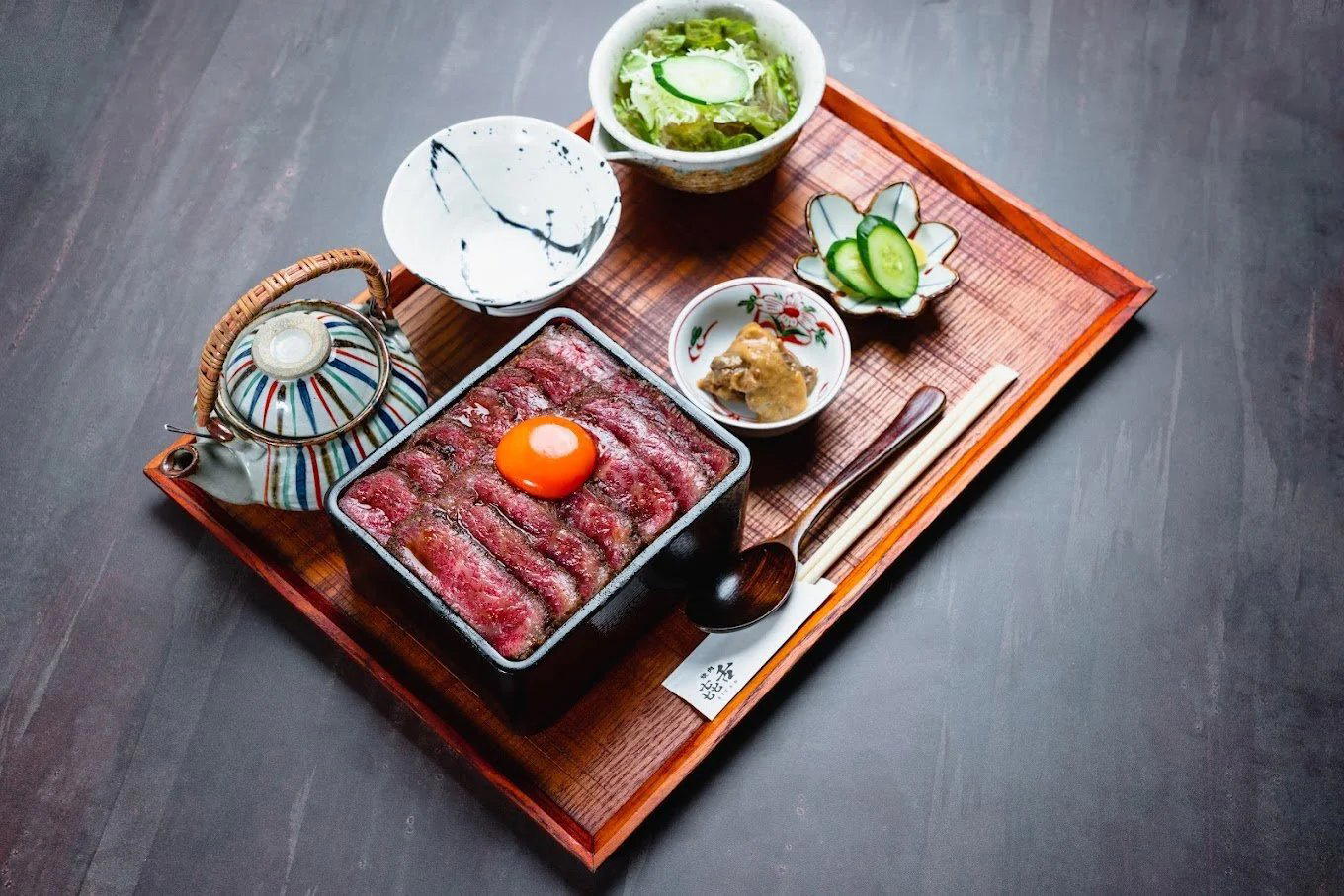
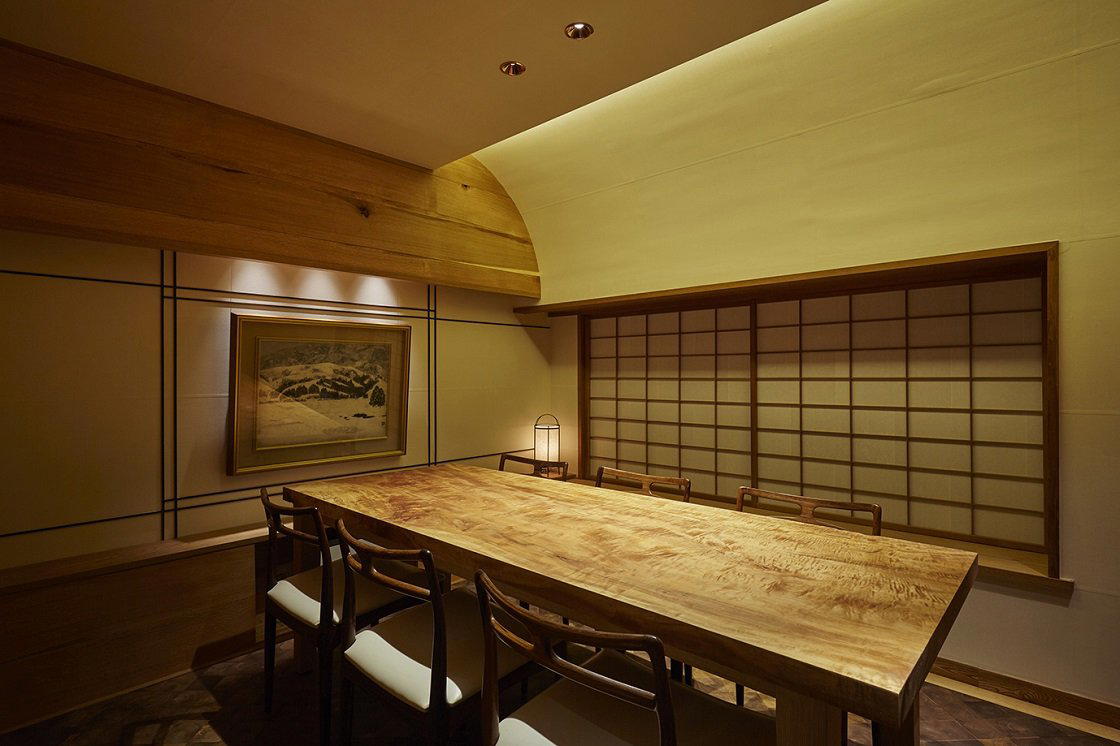
The room is spare: dark wood, minimal decoration, the soft glow of a charcoal grill at the centre of the table. In Namba, where Osaka's busiest eating streets pull most diners toward raucous izakayas and counter sushi, this kind of deliberate stillness registers as a statement. Yakiniku in Japan spans an enormous range, from rowdy group grills to formal omakase progressions. Kitan-in sits at the structured end of that spectrum, and the silence of its private rooms makes the intention clear before the first cut arrives.
How the Menu Is Built
It began as the dominant structure in sushi and kaiseki, then moved into tempura, then ramen, and more recently into yakiniku. The logic is the same in each case: remove the pressure of the à la carte decision and give the kitchen control over pacing, sequence, and the internal logic of a meal. At Kitan-in, that structure organises a wagyu omakase around a specific approach to aging.
Menu distinguishes between wet and dry-aged preparations, which is an editorial choice as much as a culinary one. Wet aging retains moisture and produces a cleaner, more linear beef flavour; dry aging concentrates, sometimes sharpens, and introduces a complexity that reads differently on the palate. Offering both within a single progression allows the menu to function as a study in contrast rather than a demonstration of one technique's superiority. The dry-aged ribeye is the anchor, aged to intensify depth and soften the muscle fibres, then cooked over open-fire charcoal at a temperature the diner controls at the table. The ichibo tataki steak, from the rump cap, takes a different route: seared quickly, sliced thin, the fat barely rendered. Each cut appears in the sequence with a specific cooking instruction and a specific rationale, even if that rationale is communicated through the cut's placement rather than explanation.
This is the defining characteristic of serious omakase-format yakiniku: the menu teaches through order and contrast, not through narration. By the time a diner reaches the final course, the progression has made an argument about what dry aging does and doesn't do, about where fat placement matters, about why a particular cut requires high heat and another requires restraint. Kitan-in's menu architecture operates on that premise.
The Charcoal Question
Japan's premium yakiniku scene splits between gas and charcoal grills, and the choice is not cosmetic. Gas produces consistent, controllable heat; charcoal produces volatile, aromatic heat that adds its own flavour dimension to the fat as it renders and falls. Open-fire charcoal grills, the format the restaurant uses, require more attention from the diner and produce results that vary minute to minute. For dry-aged beef, where the surface is already more complex in flavour than fresh-cut wagyu, charcoal adds another layer of char and smoke that can read as complementary or overwhelming depending on timing. The format places some responsibility on the person holding the tongs. That is, again, a statement about what kind of experience the restaurant is designing.
Osaka's fine-dining scene is broad enough to contain different approaches to this question. HAJIME (three Michelin stars) and Fujiya 1935 (two Michelin stars) both operate in the French innovative register, where precision and control are architectural. Taian and Kashiwaya Osaka Senriyama, both three-star kaiseki rooms, keep the diner in a receptive position, receiving rather than participating. La Cime (two Michelin stars) occupies a French precision niche. The restaurant's charcoal grill format introduces a participatory element that none of these share. The diner is not passive.
Chef and Sourcing Context
Chef Hiroyuki Takeshita brings Miyazaki Prefecture training to the program. Miyazaki wagyu occupies a specific position in Japan's beef hierarchy: it has won the national wagyu olympics (the Zenkoku Wagyu Noryoku Kyoshinkai) multiple times and is associated with high marbling alongside a certain leanness of flavour relative to some Kobe or Matsusaka cuts. Six years of training in that prefecture shapes a particular sensibility about fat distribution and the relationship between breed, feed, and aging response. That background is relevant not because it adds biographical colour but because it explains the sourcing logic: Miyazaki-trained chefs often prioritise cuts where aging has more to work with, where the fat is distributed finely enough to benefit from concentration rather than just rendered fat-cap weight.
Where Kitan-in Sits in Osaka's Dining Map
The address is in Namba, Chuo Ward, Osaka's most heavily trafficked dining district. That placement within Minami-Semba puts it in the middle of the city's premium casual belt, where streets like Shinsaibashi and Dotonbori generate enormous foot traffic. The private-room format, the omakase structure, and the dry-aging program are all designed to create separation from the surrounding noise, within a neighbourhood that requires active effort to step away from.
Outside Osaka, parallels to this omakase-yakiniku format appear in a few other Japanese cities. Harutaka in Tokyo operates in the structured omakase tradition, though in sushi. Gion Sasaki in Kyoto applies similar sequencing discipline to Japanese cuisine. For those extending a Kansai trip, akordu in Nara offers a contrasting European perspective within an hour's travel. Further afield, Goh in Fukuoka and 6 in Okinawa represent the structured tasting-menu format in other parts of Japan.
For those comparing structured premium beef omakase to Western formats, the closest analogues in editorial terms are counter experiences like Atomix in New York City, where the chef controls the sequencing logic entirely, or the sourcing rigour visible at Le Bernardin. The frame of reference is different, but the underlying philosophy, that ingredient provenance and preparation sequence are the menu's primary architecture, is shared.
Know Before You Go
- Location: 1 Chome-1-7 Namba, Chuo Ward, Osaka 542-0076
- Format: Omakase-style yakiniku with private rooms
- Beef program: Wet and dry-aged wagyu, open-fire charcoal grill
- Chef: Hiroyuki Takeshita (Miyazaki wagyu background)
- Booking: Advance reservation essential given private-room format
- Setting: Minimalist private rooms, traditional Japanese design elements
Reputation First
Comparable venues nearby, for context on price, style, and recognition.
| Venue | Cuisine | Price | Notes |
|---|---|---|---|
| Kitan-inThis venue — the venue you are viewing | Modern Dry-Aged Wagyu Omakase Yakiniku | $$$$ | Not listed |
| Noguchi Jiro | Members-only Osaka Izakaya with Polished Chicken Wings | $$$$ | Kita |
| Oimatsu Miyamoto | High-end Yakitori Counter | $$$$ | Kita |
| Shizuku | Modern Creative Omakase Sushi | $$$$ | Kita |
| Ippou Honten | Traditional Kansai-Style Tempura Ryotei | $$$$ | Nishi |
| takigawa | High-End Yakiniku (Japanese BBQ) | $$$$ | Kita |
Recognition history
Dated appearances from independent guides and award organizations, with the underlying list record or original source where available.
Tabelog 100 #80 · No. 80
Tabelog · Tabelog 100 - Yakiniku - WEST - 2025
World's Best Steaks 101 Best Steak Restaurants #46
World's Best Steaks
Continue exploring
More in Osaka
Restaurants in Osaka
Browse all →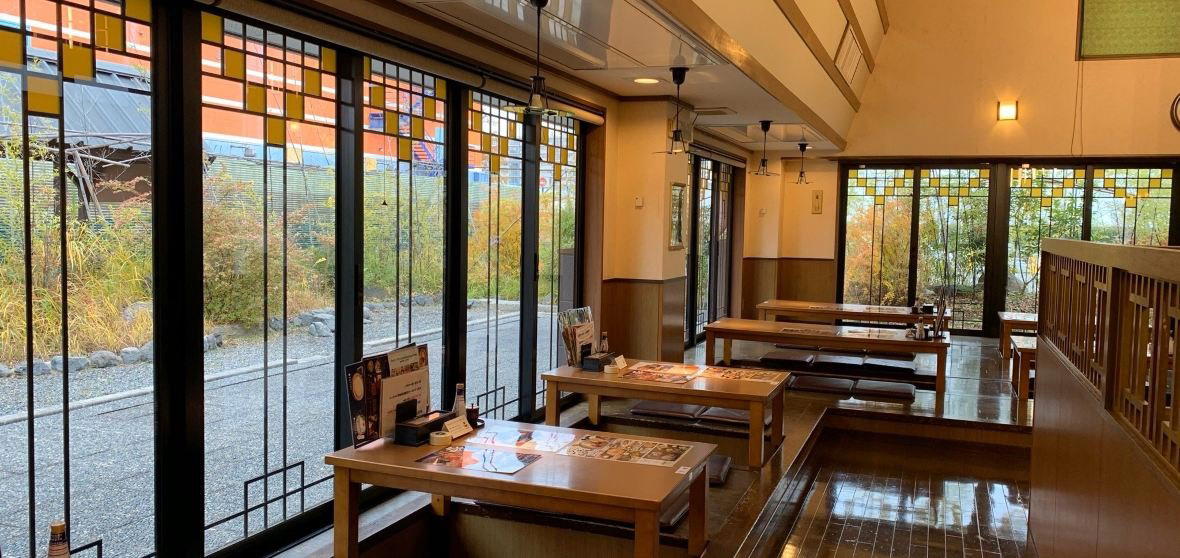


Bars in Osaka
Browse all →
Hotels in Osaka
Browse all →


Wineries in Osaka
Browse all →
At a Glance
- Intimate
- Elegant
- Sophisticated
- Special Occasion
- Date Night
- Chefs Counter
- Historic Building
- Sake Program
- Local Sourcing
Current opening hours
- Monday
- 12–3 PM, 5–11 PM
- Tuesday
- 12–3 PM, 5–11 PM
- Wednesday
- 5–11 PM
- Thursday
- 12–3 PM, 5–11 PM
- Friday
- 12–3 PM, 5–11 PM
- Saturday
- 12–3 PM, 5–11 PM
- Sunday
- 12–3 PM, 5–11 PM
Hours can change for holidays and private events. Last verified .
Serene and refined minimalist Japanese design with subdued lighting, creating an intimate theater-style counter experience focused on the chef's craft.