
Tabelog 100 #10
Our verdict
Sushi Nara gives Zushi a serious six-seat counter for Edo-style sushi shaped by local Sagami Bay fish rather than Tokyo ceremony. Its 2025 Tabelog Sushi EAST 100 selection puts it in a narrower Kanagawa conversation: small-format, fish-led sushi with sake, shochu, wine, and BYO flexibility.

Pearl is the En Primeur Club membership app, where members save venues, book tables and use the concierge.
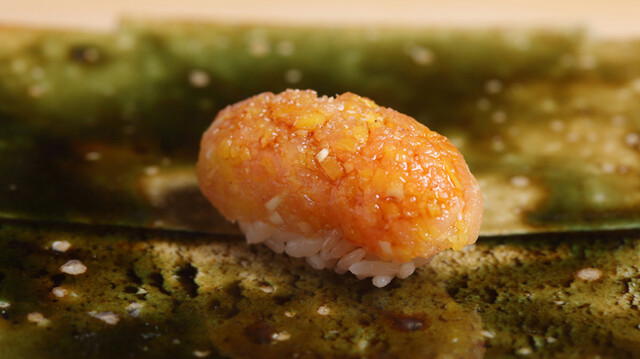
The menu
What to order
- Omakase sushi course featuring local Sagami Bay fish
Approaching a small sushi restaurant in Zushi changes the rhythm of the meal before the first piece arrives. The city sits close enough to Tokyo for a dinner run, but its food identity is pulled toward the water, local markets, and the quieter Kanagawa towns where seafood is not treated as imported theatre. Sushi Nara belongs to that register. The useful question is not whether it mimics Ginza, but what happens when a serious sushi booking is placed in a compact coastal city rather than a metropolitan luxury district.
Zushi’s dining map is compact and uneven in a productive way. Bread shops, curry rooms, casual cafés, and seafood counters sit within the same small-city orbit, so the premium sushi tier reads as a distinct decision rather than default luxury. A day here can move from BOULANGERIE E.S. or Panya Cotto to the low-key everyday register of moomoo's, then toward spice at spice tree or a more contemporary meal at Celery. Against that spread, Sushi Nara has sharper contours: a focused sushi choice, a higher dinner budget, and a meal built around concentration rather than breadth.
Zushi gives the counter its reason to exist
Sushi has always been a cuisine of handling fish: seasoning, temperature, rice, timing, and restraint. In Tokyo, that tradition is often discussed through lineage and price. In Zushi, the more interesting axis is place. The city’s appeal lies in the possibility of a sushi meal that feels tied to its surroundings rather than a parade of prestige labels. Sushi Nara is best understood in that frame: a Zushi sushi restaurant whose draw comes from seriousness, setting, and the way a focused meal can read differently outside the capital.
This is where small restaurants justify themselves. Limited scale can keep the conversation tight between procurement and service, even when public details are spare. Fish-led sushi depends on the daily reality of what arrives, how it is held, and how assertively the rice and neta are balanced. The known public markers point less to spectacle than to a restaurant for diners who are choosing sushi as the main event, not simply adding it to a general night out.
The 2025 Tabelog Hyakumeiten recognition gives the restaurant a useful external marker, alongside a listed Tabelog score of 3.73 and a dinner budget of JPY 20,000 - JPY 29,999. Tabelog’s Hyakumeiten lists are not Michelin stars, and they should not be read that way, but they do identify restaurants that have gathered enough attention in a competitive category to merit notice. In Kanagawa, that recognition places Sushi Nara in a field where the benchmark is no longer merely local popularity; it is being measured within a broader sushi conversation.
A Zushi sushi meal, not a Tokyo transplant
The distinction matters for travelers. Tokyo’s acclaimed sushi counters tend to reward those seeking a tightly coded luxury ritual: set pacing, formal room language, and a price structure that often reflects international demand. Zushi asks for a different reading. The better comparison is not with a high-rise Ginza counter but with the local logic of Kanagawa, where the meal can feel less shaped by metropolitan performance.
Sushi Nara’s appeal intensifies through that local character. The restaurant belongs to the category where the room and the sequence matter as much as the city, and where the guest is likely booking for a focused sushi experience rather than a sprawling evening of mixed dishes. That can be rewarding for diners who enjoy close attention to pacing and sourcing; it can be less suitable for anyone wanting a broad, casual, all-purpose meal.
The cost level is also revealing. Premium sushi in Japan covers a wide range, and Sushi Nara’s listed dinner band of JPY 20,000 - JPY 29,999 places it firmly in the deliberate-booking category. In a city where casual options are easy to find, this remains the more intentional dinner choice: not simply a convenient stop, but a restaurant to plan around if sushi is the point of the evening.
How to place it within a Zushi itinerary
Zushi works well as part of a Kanagawa route rather than a single-purpose dining sprint. The city connects naturally with day-trip planning and small-scale eating across the area. Readers building a wider plan can start with Our full Zushi restaurants guide, then layer in Our full Zushi hotels guide, Our full Zushi bars guide, Our full Zushi wineries guide, and Our full Zushi experiences guide depending on how much time the trip allows.
For nearby contrast, other dining in Zushi and the surrounding area can lean into day-trip traffic, sweets, casual meals, and broader tourism patterns. Further afield, Japan’s urban range runs from seafood-led rooms and charcoal cooking to coffee browsing, contemporary small restaurants, Vietnamese cooking, and specialist curry. Even outside Japan, the same sourcing question appears in different forms, from sake-bar culture to rice-focused casual Japanese formats. Those comparisons are useful only in a broad sense: they show how much a restaurant’s identity depends on place, scale, and the expectations diners bring to the table.
The case for Sushi Nara is specific: a Zushi sushi restaurant with a 2025 Tabelog Hyakumeiten recognition, a listed score of 3.73, and a dinner budget of JPY 20,000 - JPY 29,999. That is enough to separate it from the city’s casual lunch-and-snack circuit without forcing it into Tokyo’s luxury sushi mythology. For travelers already in Zushi, it offers a serious argument for staying in the city for dinner rather than treating it as a pass-through stop.
Frequently asked questions
Is Sushi Nara okay with children?
Public details provided for Sushi Nara do not specify a child policy. The restaurant is in Zushi, and the listed dinner price band is JPY 20,000 - JPY 29,999. Check the venue's official channels for the latest details.
What's the vibe at Sushi Nara?
Expect a focused sushi restaurant in Zushi. Its 2025 Tabelog Hyakumeiten recognition, listed score of 3.73, and dinner budget of JPY 20,000 - JPY 29,999 point to a serious dinner choice rather than a casual all-purpose stop.
Is Sushi Nara more mid-range or high-end?
Pricing at Sushi Nara is listed as JPY 20,000 - JPY 29,999 for dinner.
What part of town is Sushi Nara in?
Zushi.
Snapshot
Comparable venues by cuisine and price in the same metro.
| Venue | Cuisine | Price | Awards | Notes |
|---|---|---|---|---|
| Sushi NaraThis venue (the venue you are viewing) | Edomae Omakase Sushi | $150–200 | Tabelog 100 #10 | Not listed |
| spice tree | Indian-style Curry House | $10–20 | Tabelog 100 #68 | Zushi |
| Celery | Vegetable-focused Chinese | Not listed | Tabelog 100 #92 | Zushi |
| Panya Cotto | Dining | Not listed | Tabelog 100 #48 | Zushi |
| moomoo's | Soft serve ice cream shop | $1–10 | Tabelog 100 #68 | Zushi |
| BOULANGERIE E.S. | French-style bakery | $1–10 | Tabelog 100 #30 | . Zushi |
Recognition history
Dated appearances from independent guides and award organizations, with the underlying list record or original source where available.
Tabelog 100 #10 · No. 10
Tabelog · Tabelog 100 - Sushi - EAST - 2025
Continue exploring
More in Zushi
Restaurants in Zushi
All restaurants in Zushi →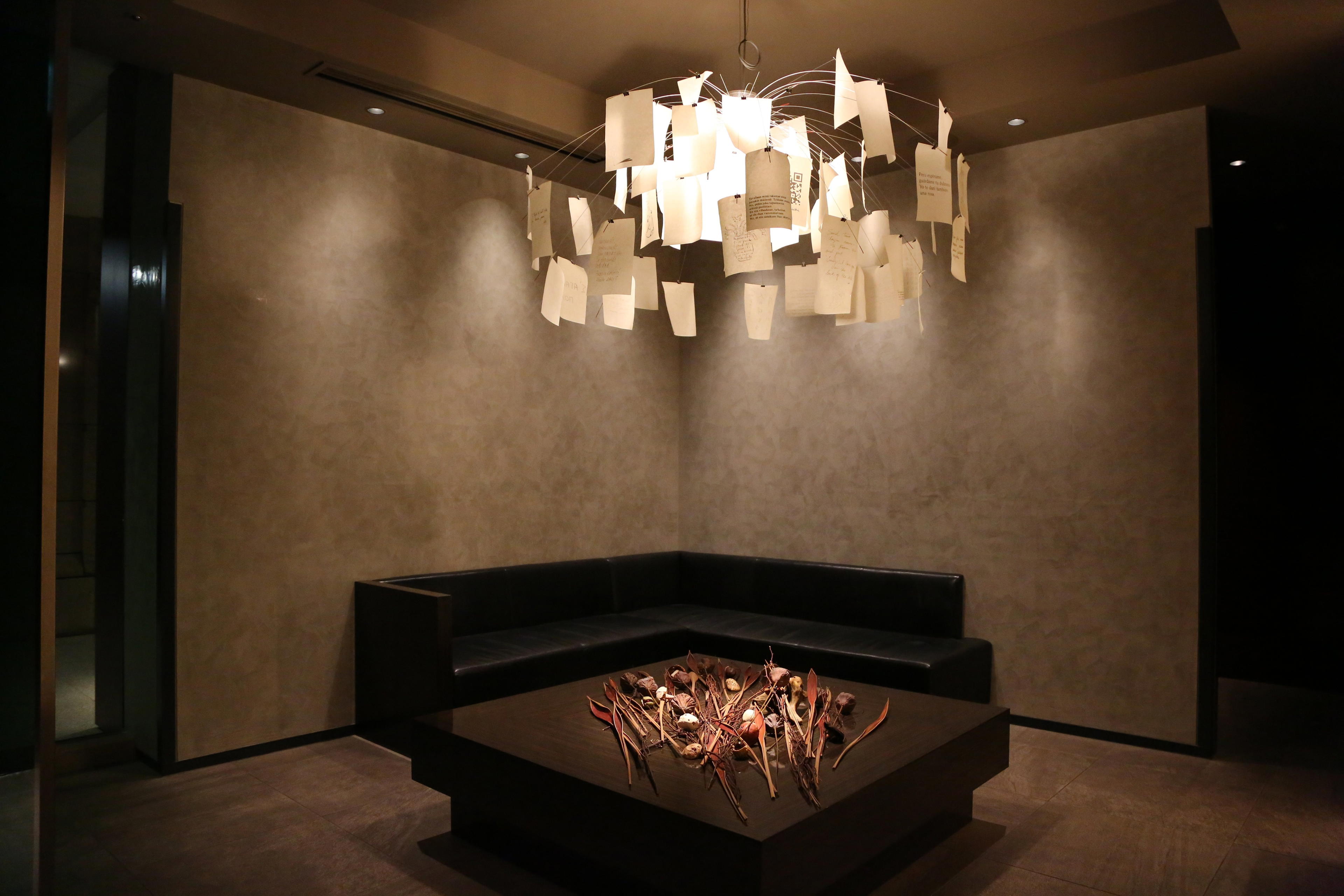

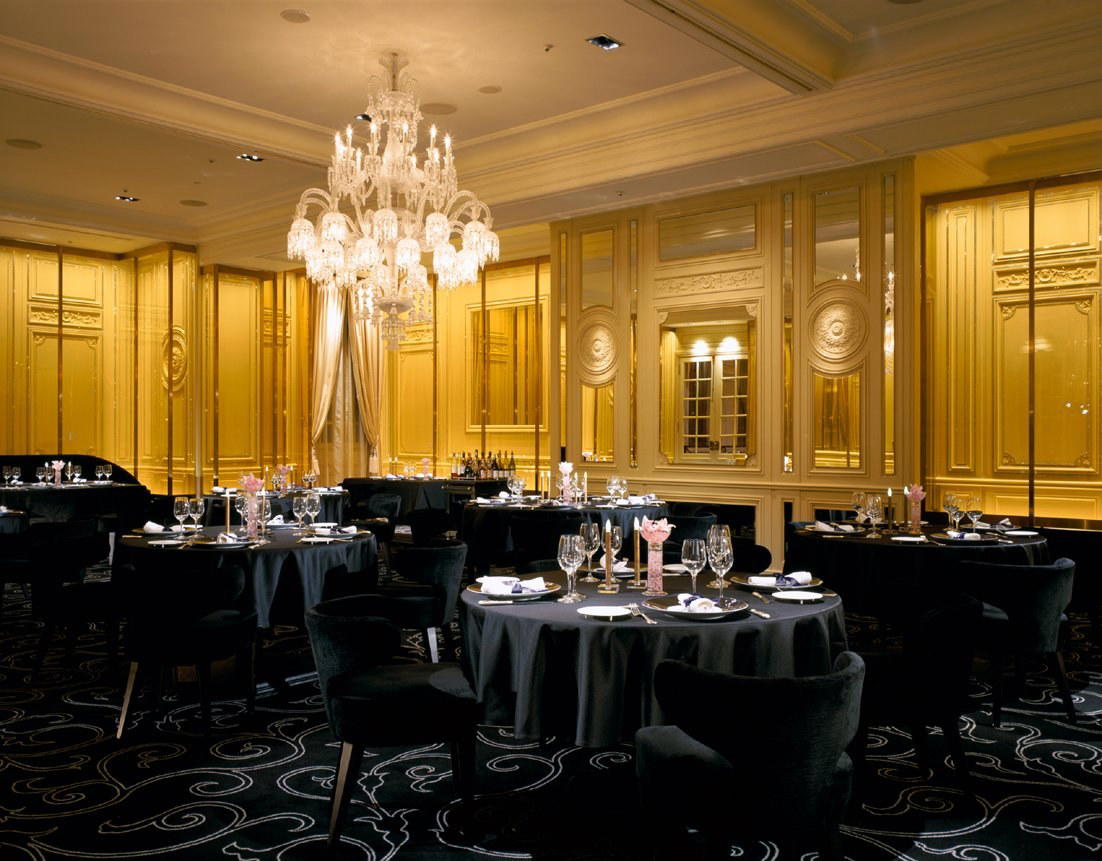


Bars in Zushi
Browse all →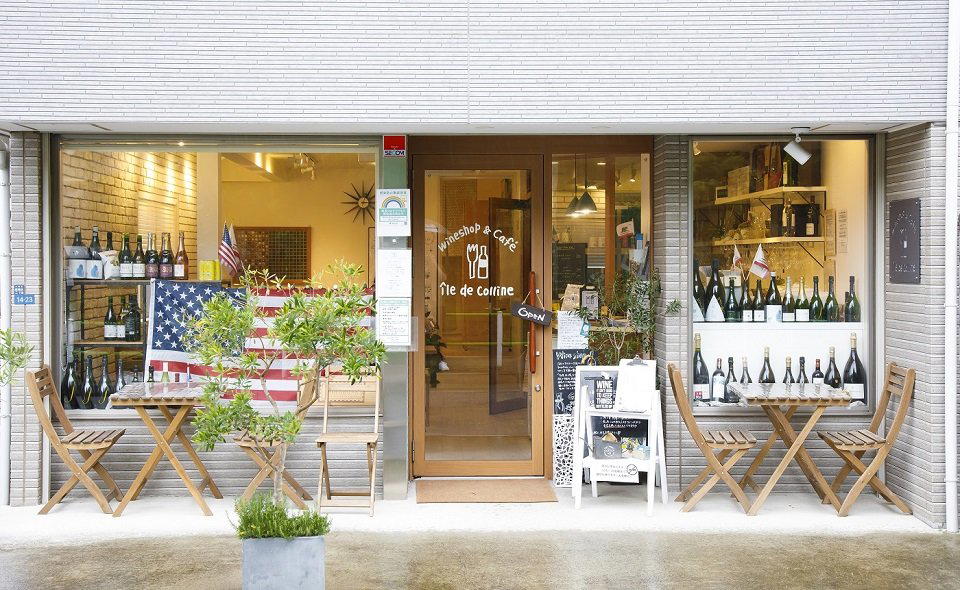






Details
- Intimate
- Cozy
- Elegant
- Quiet
- Date Night
- Special Occasion
- Solo
- Business Dinner
- Family
- Chefs Counter
- Standalone
- Design Destination
- Sake Program
- Byob
- Local Sourcing
- Sustainable Seafood
- Omakase
- Tasting Menu
- Counter Dining
- Sake
- Shochu
- Wine
- Pescatarian Friendly
A tiny, high-quality sushi counter hidden away from the station bustle, with only six non-smoking seats and a calm, luxurious yet relaxed atmosphere focused on an intimate interaction with the chef.