

Sushi Mizumi occupies a particular position in Macau's Japanese dining tier: linked to Mizumi at Wynn Palace, it assembles a team of sushi masters whose combined credentials place it alongside the territory's most serious omakase counters. For travellers calibrating a Cotai dining itinerary around precision Japanese technique, it belongs in the first conversation.
Pearl is the En Primeur Club membership app — saves, bookings, and concierge access live there. Same editors, same standards.
- Address
- Avenida Da Nave Desportiva Cotai Macau, MO
- Phone
- 853-8889-3663
- Website
- wynnpalace.com
- Directions
- Get directions
 Saves & bookings on Pearl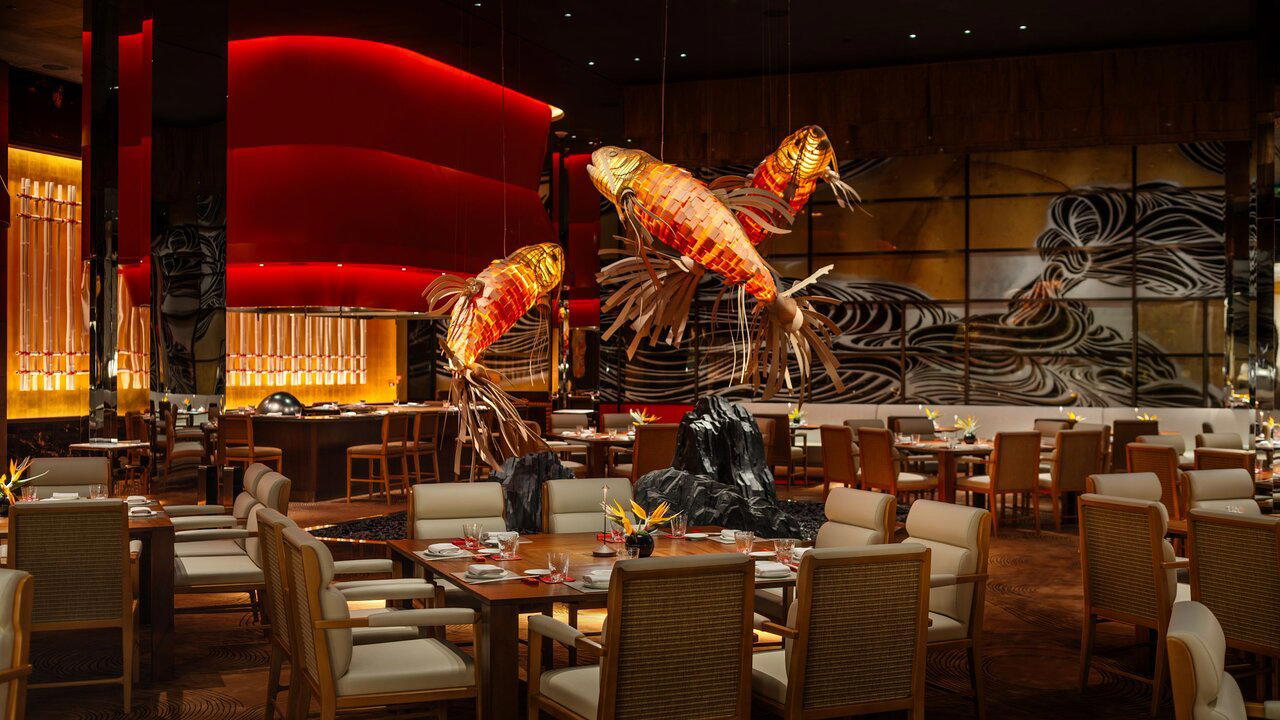
The Counter, the Setting, the Expectation
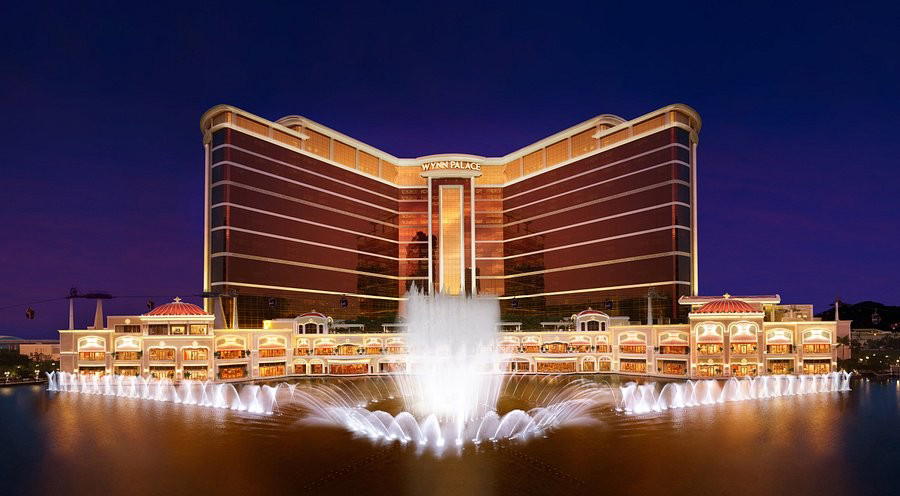
Macau's Cotai Strip is home to Sushi Mizumi, a Premium Omakase Sushi restaurant in Cotai, Macau, with a price tier of $$$$ and an essential reservation policy. Within that framework, Japanese omakase has become one of the more contested categories. The form rewards intimacy and restraint, which makes the resort context a genuine test of execution. Sushi Mizumi, located at Avenida da Nave Desportiva in Cotai, operates inside this tension and resolves it through the kind of team assembly that defines serious Japanese counters at this price tier. The physical approach, through the architecture of a major resort property, gives way to the focused world of a sushi counter, where the spatial logic shifts entirely toward the craft in front of you.
The venue is closely linked to Mizumi at Wynn Palace, the broader Japanese dining destination that shares lineage and operational philosophy. That relationship matters in terms of understanding what Sushi Mizumi is: not an isolated satellite, but part of a deliberate tiering strategy in which the sushi counter function is separated and given dedicated space and dedicated hands.
What the Progression Reveals
The editorial angle most useful for understanding the restaurant is the arc of the meal itself, specifically, what a multi-course sushi progression in this category communicates about Japanese fine dining in Macau.
At the serious omakase tier across Asia, the tasting arc follows a logic that is almost architectural: lighter, more delicate preparations in early courses establish palate and trust, while the mid-sequence builds through richer fish, aged cuts, and cooked intermediary elements before the final nigiri sequence closes with precision and restraint. The kitchen's command of that arc is the real measure of a sushi counter, not any single piece. At the restaurant, the staffing with an all-star cast of sushi masters signals an investment in exactly that kind of sequential mastery: each stage of the progression handled with specialism rather than generalism.
This approach mirrors what has happened at the summit tier of Japanese counters in cities like Tokyo and Hong Kong, where the move from single-chef auteur models toward assembled teams of specialists has allowed for greater consistency across a full service and greater depth in each course category. The counter format amplifies this: seated at the bar, diners observe the sequencing directly, which makes the pacing and the transitions as visible as the fish itself.
For diners building a Cotai itinerary around serious Japanese technique, the restaurant occupies a different register than Aji, the Nikkei and innovative Japanese option in Macau's competitive set, which operates at the same price tier but with a distinctly Latin-inflected format. Where Aji prioritises fusion and invention, the restaurant's identity is grounded in traditional Japanese preparation executed at high volume with resort-level polish. Both are $$$$ propositions; the choice depends on whether the evening calls for technique within tradition or technique applied across cultural boundaries.
Macau's Japanese Dining in Context
Macau's fine dining scene has historically skewed toward Cantonese and French Contemporary, the two dominant traditions in the territory's Michelin universe. Properties like Jade Dragon and Chef Tam's Seasons anchor the Cantonese end, while Robuchon au Dôme and Alain Ducasse at Morpheus represent the French Contemporary tier. Japanese omakase has grown as a third axis in recent years, partly driven by the same Hong Kong and mainland Chinese clientele who have made the format one of Asia's dominant premium dining categories.
The geography of Macau's dining is also relevant. The peninsula and Cotai operate as distinct dining zones, with Cotai's resort concentration producing a density of high-end options that functions almost like a self-contained dining district. For visitors focused on Cotai, and many itineraries are, given the resort hotels, the local fine dining comparable set is relevant to understanding the restaurant's positioning. Within that set, its Japanese identity and sushi counter format give it a distinct lane, complemented by options like Feng Wei Ju for Hunan-Sichuan cooking at the more accessible end of the price spectrum.
Across the broader region, the comparison set extends to Japanese-influenced fine dining in mainland China. Counters operating at comparable levels in cities like Shanghai, exemplified by venues such as 102 House in Shanghai, or the precision Chinese cooking at Xin Rong Ji in Beijing, serve as reference points for the calibration of this tier. Even further afield, the comparison with approaches to luxury precision cooking at places like Le Bernardin in New York City is instructive: at that level, the measure is always technique sustained across a full progression, not a single standout moment.
Planning a Visit
The restaurant is located at Avenida da Nave Desportiva in Cotai, within a major resort property. Reservations at serious omakase counters in Macau's resort tier are strongly advisable, particularly on weekends and during high-traffic periods such as public holidays and major events, when the territory's hotel occupancy compresses available covers across all upper-tier restaurants. Given the counter format, seat count is inherently limited, and demand from hotel guests adds pressure beyond walk-in availability. For those extending beyond the Macau peninsula or Cotai, the regional dining context across southern China is covered through listings including Imperial Treasure Fine Chinese Cuisine in Guangzhou, Ru Yuan in Hangzhou, and Xin Rong Ji in Chengdu.
City Peers
Comparable venues nearby, for context on price, style, and recognition.
| Venue | Cuisine | Price | Notes |
|---|---|---|---|
| Sushi MizumiThis venue — the venue you are viewing | Premium Omakase Sushi | $$$$ | Not listed |
| Tenmasa at Altira Macau | Traditional Japanese Tempura | $$$$ | Taipa |
| The Kitchen Grand Lisboa Hotel Macau | Modern Steakhouse | $$$$ | Avenida de Lisboa |
| Chún – MGM Cotai | Modern Cantonese Fine Dining | $$$$ | Cotai |
| L'Attitude | Modern French Brasserie | $$$$ | Cotai |
| Teppanyaki Shou at Raffles at Galaxy Macau | Japanese Teppanyaki Omakase | $$$$ | Cotai |
Recognition history
Dated appearances from independent guides and award organizations, with the underlying list record or original source where available.
Forbes 5-Star
Forbes
Wine Spectator Best of Award of Excellence
Wine Spectator
At a Glance
- Elegant
- Sophisticated
- Intimate
- Special Occasion
- Celebration
- Date Night
- Chefs Counter
- Hotel Restaurant
- Open Kitchen
- Sake Program
- Sommelier Led
- Sustainable Seafood
Current opening hours
- Monday
- Closed
- Tuesday
- Closed
- Wednesday
- 5:30–10 PM
- Thursday
- 5:30–10 PM
- Friday
- 5:30–10 PM
- Saturday
- 5:30–10 PM
- Sunday
- 5:30–10 PM
Hours can change for holidays and private events. Last verified .
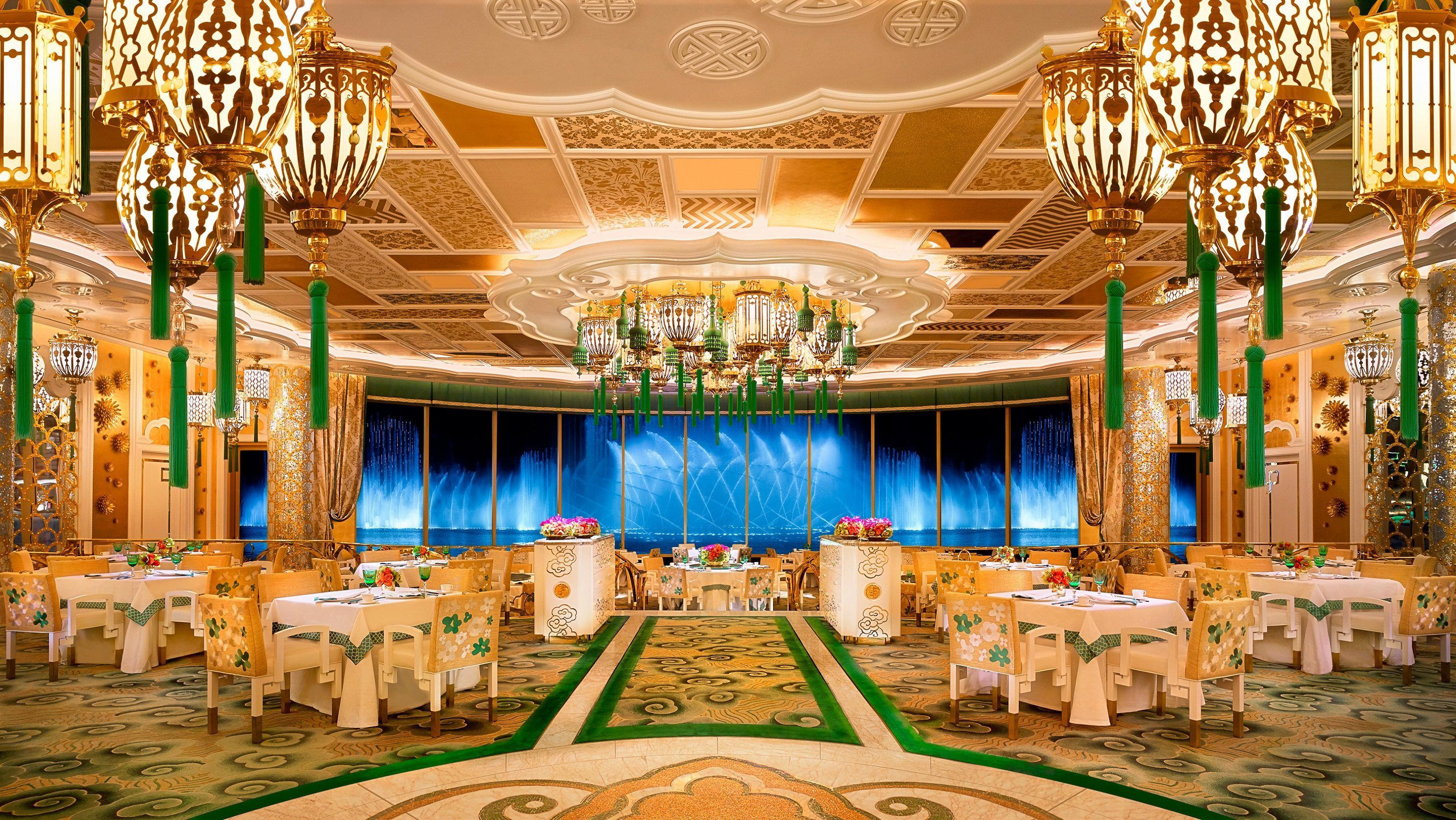
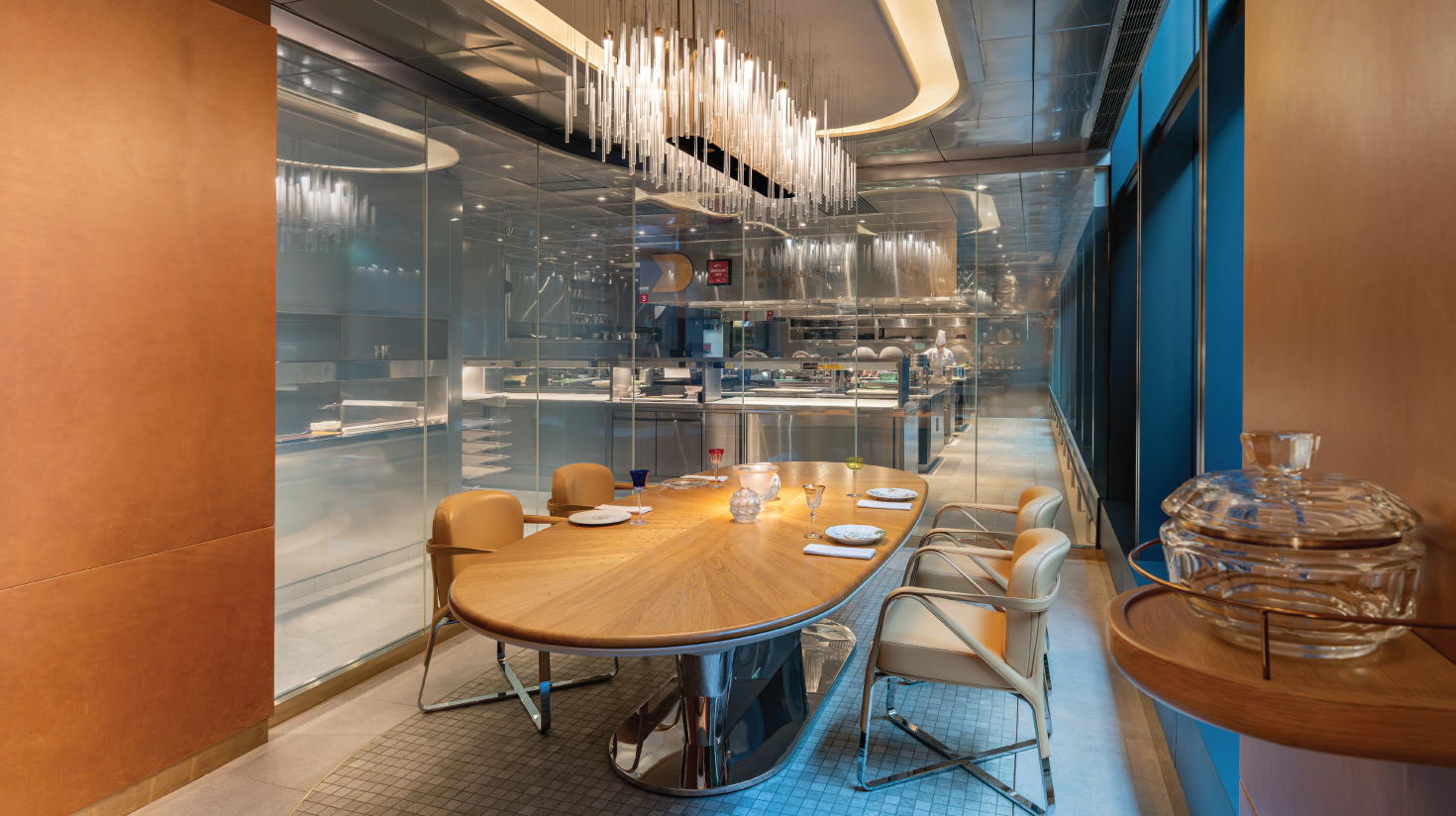
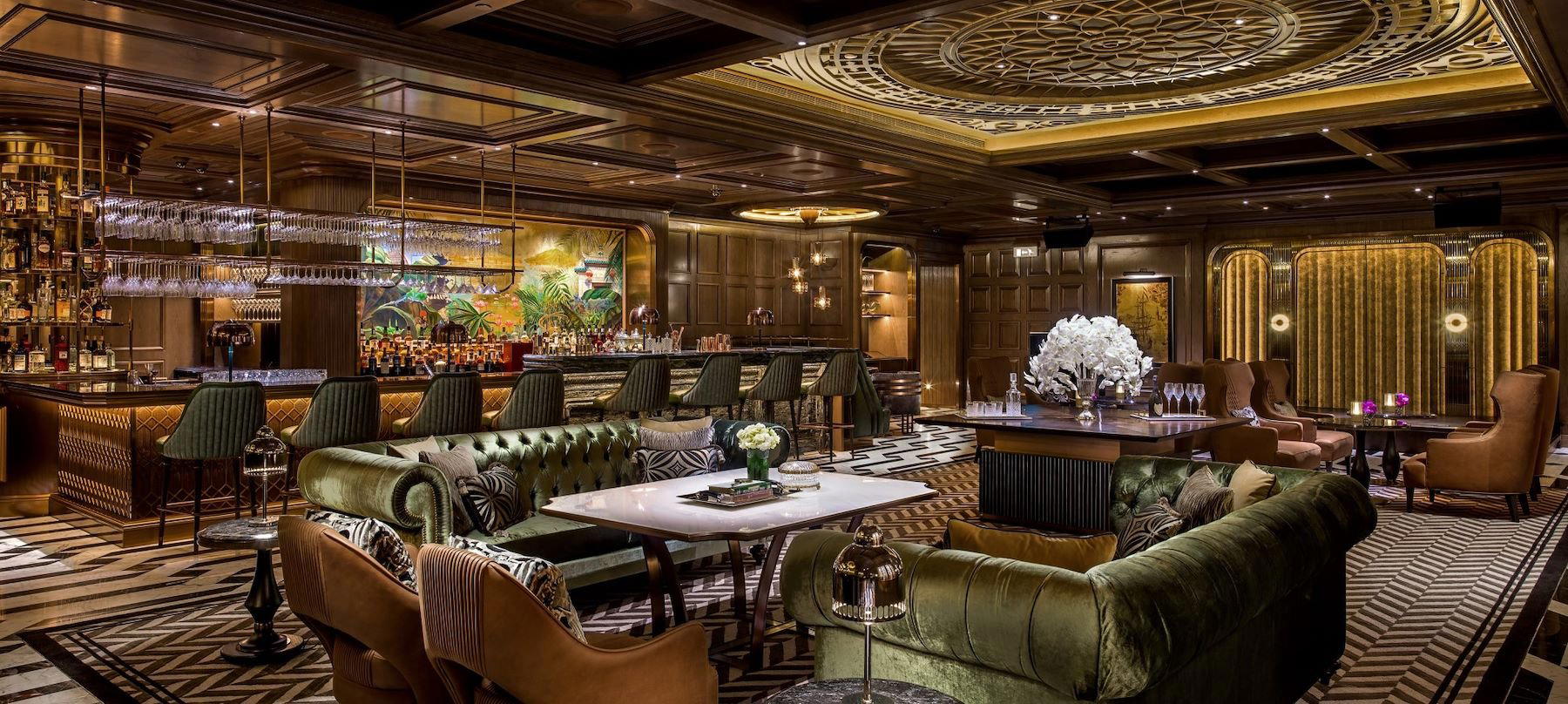
Intimate, refined atmosphere with handspun Japanese pottery and hand-cut Japanese crystal tableware; part of the larger Mizumi restaurant complex known for its striking koi centerpiece and sophisticated design.