
Teppanyaki Shou at Raffles at Galaxy Macau applies omakase discipline to the teppan iron, shifting the format from tableside theatre into a course-driven, precision-led experience. Positioned on the second floor of the Raffles tower within Galaxy Macau's Cotai complex, it occupies a specific niche in a city where French fine dining and Cantonese prestige long defined the upper tier of the dining circuit.
Pearl is the En Primeur Club membership app — saves, bookings, and concierge access live there. Same editors, same standards.
- Address
- 2F, Raffles at Galaxy Macau, Cotai
- Phone
- 853-8883-2221
- Website
- galaxymacau.com
- Directions
- Get directions
 Saves & bookings on Pearl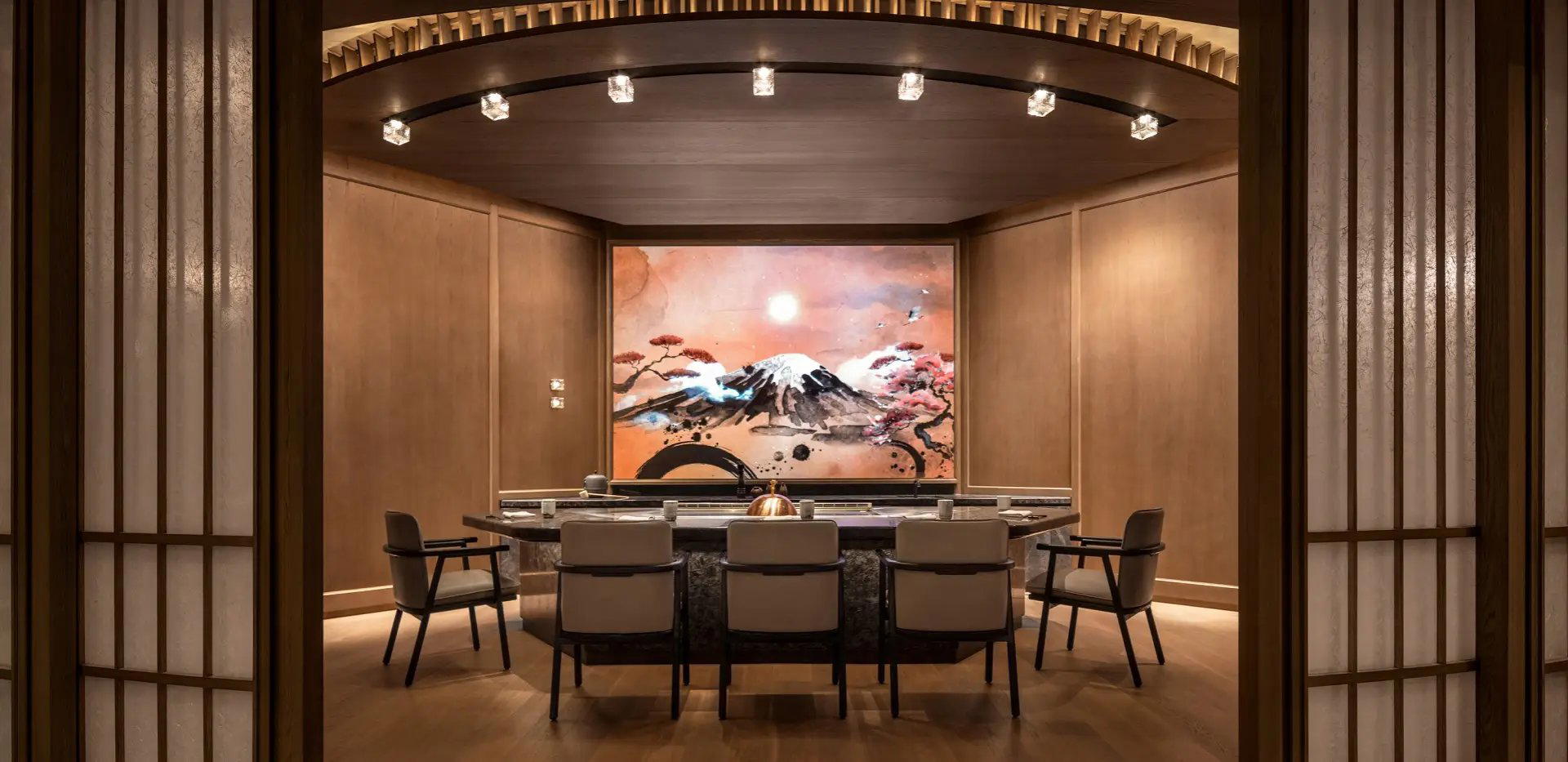
Where the Teppan Counter Meets Omakase Discipline
Cotai's casino-resort corridor has always packaged fine dining as spectacle, and teppanyaki arrived in that ecosystem as entertainment first, cooking second. The format travelled from Japan to the West and back again, accumulating theatrical associations, flames, spatula flourishes, the communal grill, that often overshadowed what the technique actually demands: precise heat control, exact timing, and an intimate understanding of protein texture. What Teppanyaki Shou at Raffles at Galaxy Macau does is pull that format back toward its more rigorous register, framing the teppan counter through the logic of omakase rather than the logic of performance.
The Omakase Argument on the Iron
Omakase's defining principle is the transfer of editorial control from guest to kitchen, you eat what the chef judges to be at its leading, in the sequence the chef determines makes structural sense. Applied to teppanyaki, that principle changes everything. The counter stops being a stage and becomes a workspace. The progression of courses becomes the point, not the backdrop. Proteins are selected and sequenced for contrast and pacing rather than for crowd-pleasing volume. This is the approach Teppanyaki Shou has adopted, and it puts the venue in direct conversation with Japan's higher-tier teppanyaki counters, where the influence of kaiseki sequencing has long shaped how the format operates at the premium end.
Across Macau's upper dining tier, this kind of format discipline is concentrated in French and Cantonese kitchens. Robuchon au Dôme and Alain Ducasse at Morpheus represent the French side of that prestige tier, while Chef Tam's Seasons and Jade Dragon anchor the Cantonese end. A Japanese-technique teppanyaki counter operating at omakase scale is a narrower proposition, which is precisely what gives Teppanyaki Shou its editorial interest.
Local Ingredients, Imported Architecture
The editorial angle that makes this format genuinely compelling in a city like Macau is the intersection of a Japanese structural logic with the ingredient sourcing possibilities of the Pearl River Delta and the broader Chinese supply chain. That intersection has been explored in different ways across the region. At the Nikkei end of the spectrum, fusion explicitly acknowledges the import, as Aji in Macau does with its Japanese-Latin approach. Teppanyaki Shou operates differently: the technique is Japanese, the counter format is Japanese, but the sourcing opportunity is rooted in proximity to particularly productive coastal and agricultural zones in southern China.
Southern Chinese seafood in particular, hairy crab from Shanghai's lakes in autumn, live reef fish from coastal Guangdong, freshwater eels from the Pearl River Delta, represents raw material that teppanyaki's dry-heat precision is well suited to handling. The iron's ability to produce a clean, hard sear without moisture loss makes it particularly appropriate for proteins that carry delicate fat structures. Whether Teppanyaki Shou works that regional ingredient story into its omakase sequence is a question worth asking when booking; the format invites exactly that kind of seasonal sourcing variation. This same tension between imported method and regional produce drives particularly interesting cooking elsewhere in China, from Xin Rong Ji in Beijing to Ru Yuan in Hangzhou and Xin Rong Ji in Chengdu.
The Raffles Context
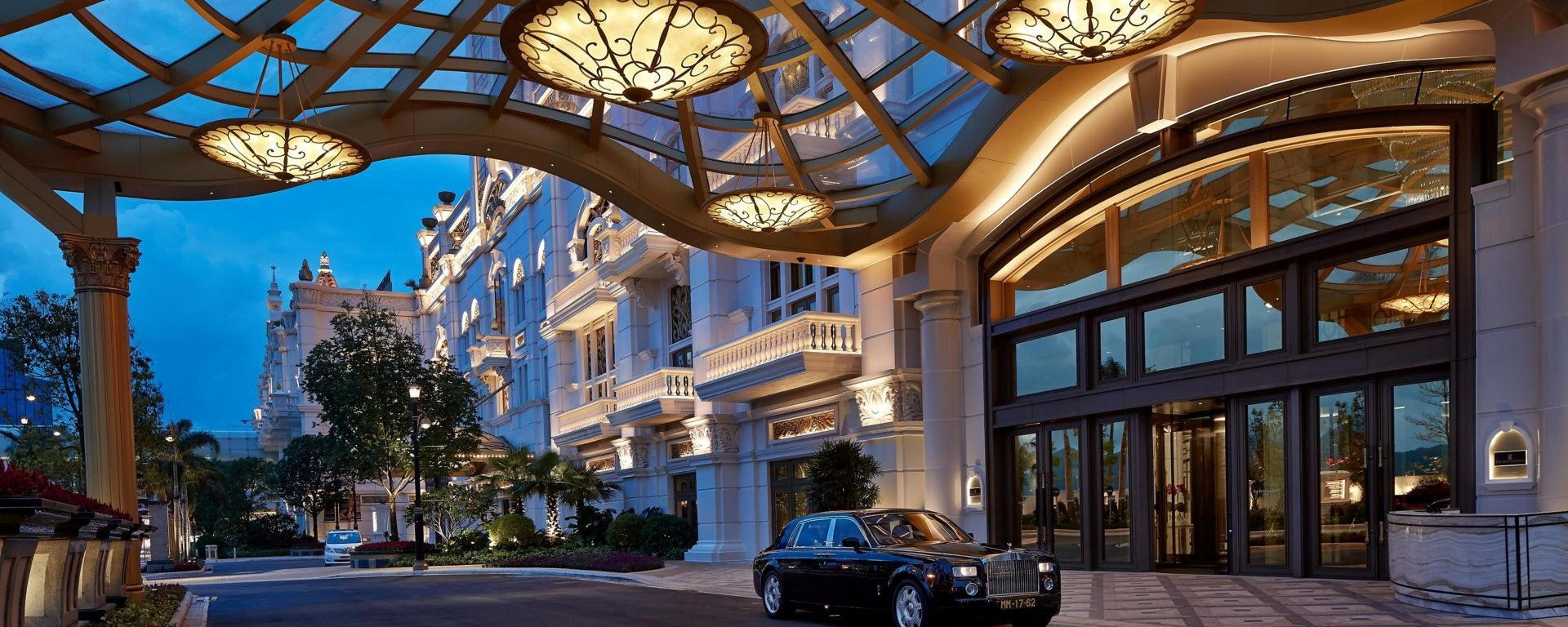
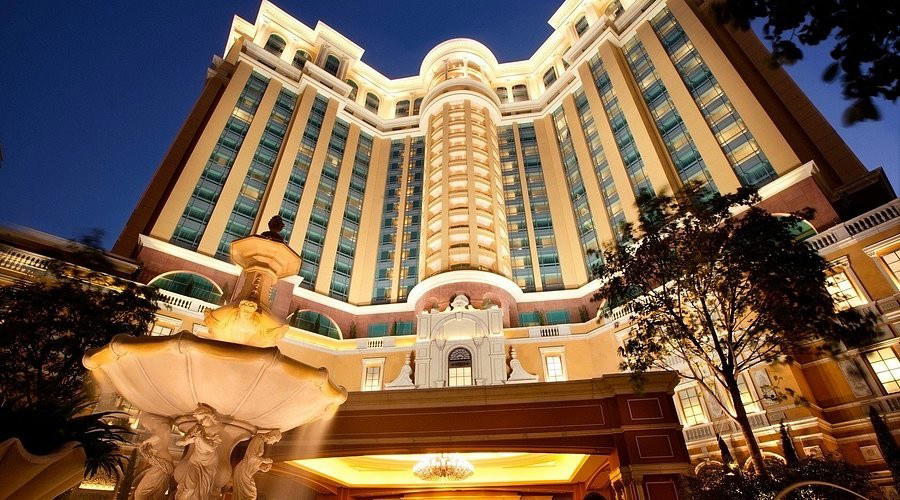
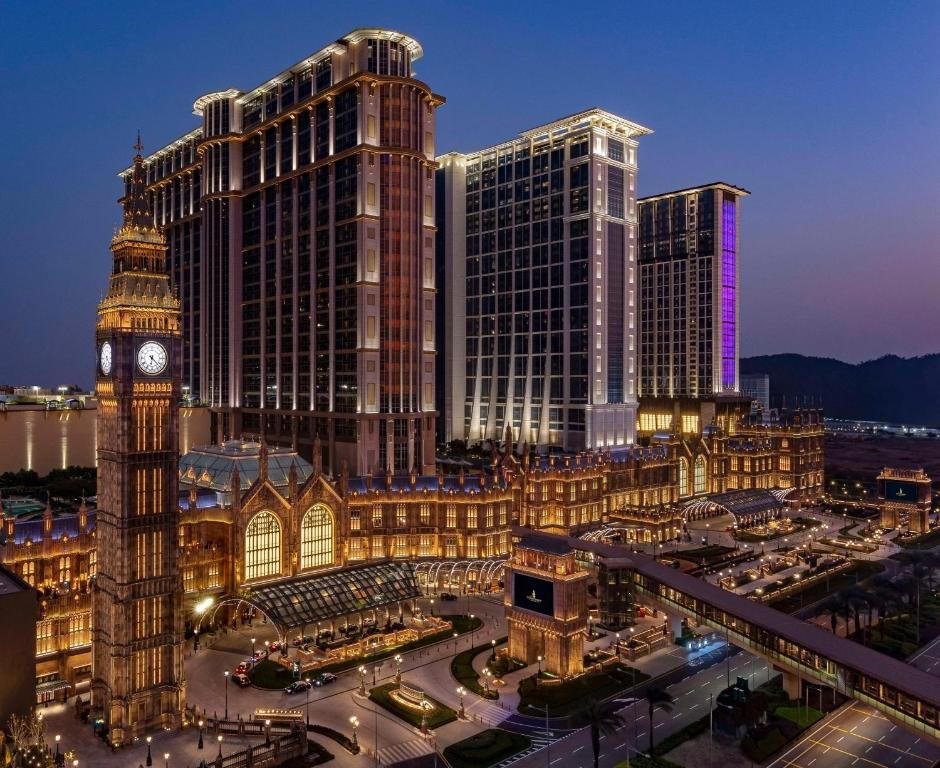
The Raffles brand's integration into Galaxy Macau's Cotai property places Teppanyaki Shou inside one of the territory's larger integrated resort ecosystems, but the Raffles positioning within that complex is deliberately calibrated toward a quieter, more residential register than the casino floors below. That separation matters for a counter format that requires attention and pacing. Omakase teppanyaki doesn't work against a backdrop of ambient noise and high turnover; it requires a room where the counter is the event. The second-floor location within the Raffles tower creates some of that separation from the broader resort energy.
For visitors assembling a multi-night Macau itinerary across the city's hotel options, the Raffles tower's position within Galaxy Macau means Teppanyaki Shou is convenient but not exclusively accessible to in-house guests. Cotai's grid makes most of the major properties walkable or a short taxi ride apart, so combining a teppanyaki counter dinner here with, say, Feng Wei Ju's Hunan-Sichuan kitchen for a contrast in technique and heat register is a logical sequence across two nights.
How Teppanyaki Shou Positions in Macau's Wider Circuit
Macau's high-end restaurant circuit is heavily weighted toward French technique and Cantonese tradition, with outposts like Imperial Treasure Fine Chinese Cuisine in Guangzhou and Dai Yuet Heen in Nanjing showing how Cantonese formats travel across the region's premium circuit. Japanese formats at the teppanyaki level occupy a smaller share of the prestige tier here than they do in Tokyo or Osaka, which makes Teppanyaki Shou a less obvious choice but a more considered one for diners who have already worked through the Cantonese and French options across multiple visits.
The omakase framing also changes how the meal should be approached practically. Counter dining at this level rewards advance planning: arrive without a rigid time constraint, treat the sequence as fixed rather than negotiable, and engage with the kitchen's logic rather than importing a list of requests. The counter format, by definition, is most rewarding when the guest surrenders the menu decision to the people holding the spatulas. That disposition travels well across formats, from Le Bernardin in New York to 102 House in Shanghai and Emeril's in New Orleans, and it applies here with particular force.
Planning a Visit
Teppanyaki Shou sits on the second floor of the Raffles tower within Galaxy Macau's Cotai complex, accessible from the main resort entrance. Given the omakase format, reservations are essential. For those exploring Macau's bar scene, wine programming, or the broader experiences circuit, the Galaxy Macau campus provides enough density to anchor an evening without needing to leave the complex, though Cotai's broader restaurant grid is worth mapping across a longer stay.
Comparison Snapshot
Comparable venues nearby, for context on price, style, and recognition.
| Venue | Cuisine | Price | Notes |
|---|---|---|---|
| Teppanyaki Shou at Raffles at Galaxy MacauThis venue — the venue you are viewing | Japanese Teppanyaki Omakase | $$$$ | Not listed |
| L'Attitude | Modern French Brasserie | $$$$ | Cotai |
| Wynn Palace Hotel - Chef Tam Season’s | Modern Seasonal Cantonese | $$$$ | Cotai |
| Sushi Mizumi | Premium Omakase Sushi | $$$$ | Cotai |
| Vista 38 | Modern Sichuan Fine Dining | $$$$ | Cotai Strip |
| 58 Degree Grill | Modern Grill Steakhouse | $$$$ | Cotai |
Recognition history
Dated appearances from independent guides and award organizations, with the underlying list record or original source where available.
SCMP 100 Top Tables Restaurants
SCMP 100 Top Tables
At a Glance
- Elegant
- Sophisticated
- Lively
- Modern
- Special Occasion
- Group Dining
- Celebration
- Chefs Counter
- Open Kitchen
- Hotel Restaurant
- Sake Program
- Local Sourcing
Current opening hours
- Monday
- Closed
- Tuesday
- 6–10:30 PM
- Wednesday
- 6–10:30 PM
- Thursday
- 6–10:30 PM
- Friday
- 6–10:30 PM
- Saturday
- 12–2:30 PM, 6–10:30 PM
- Sunday
- 12–2:30 PM, 6–10:30 PM
Hours can change for holidays and private events. Last verified .
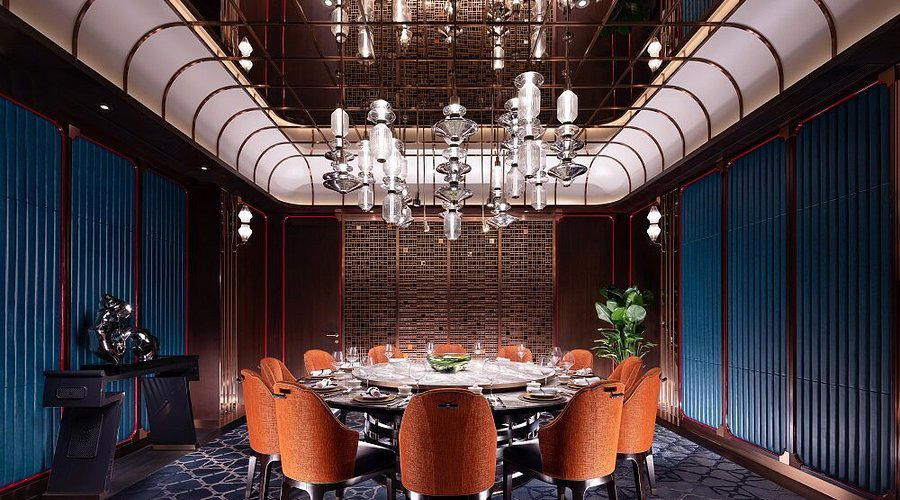
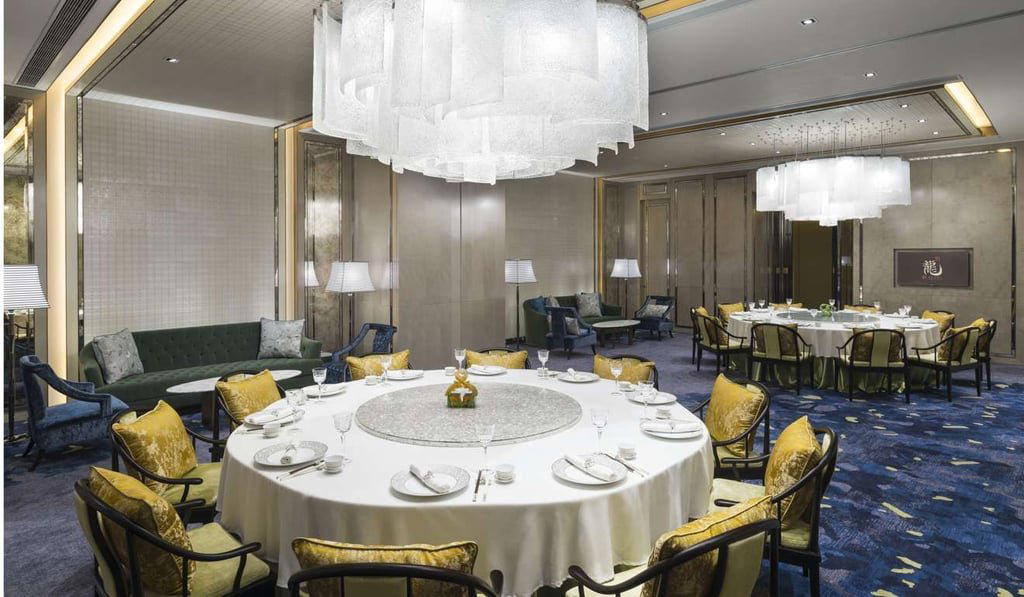
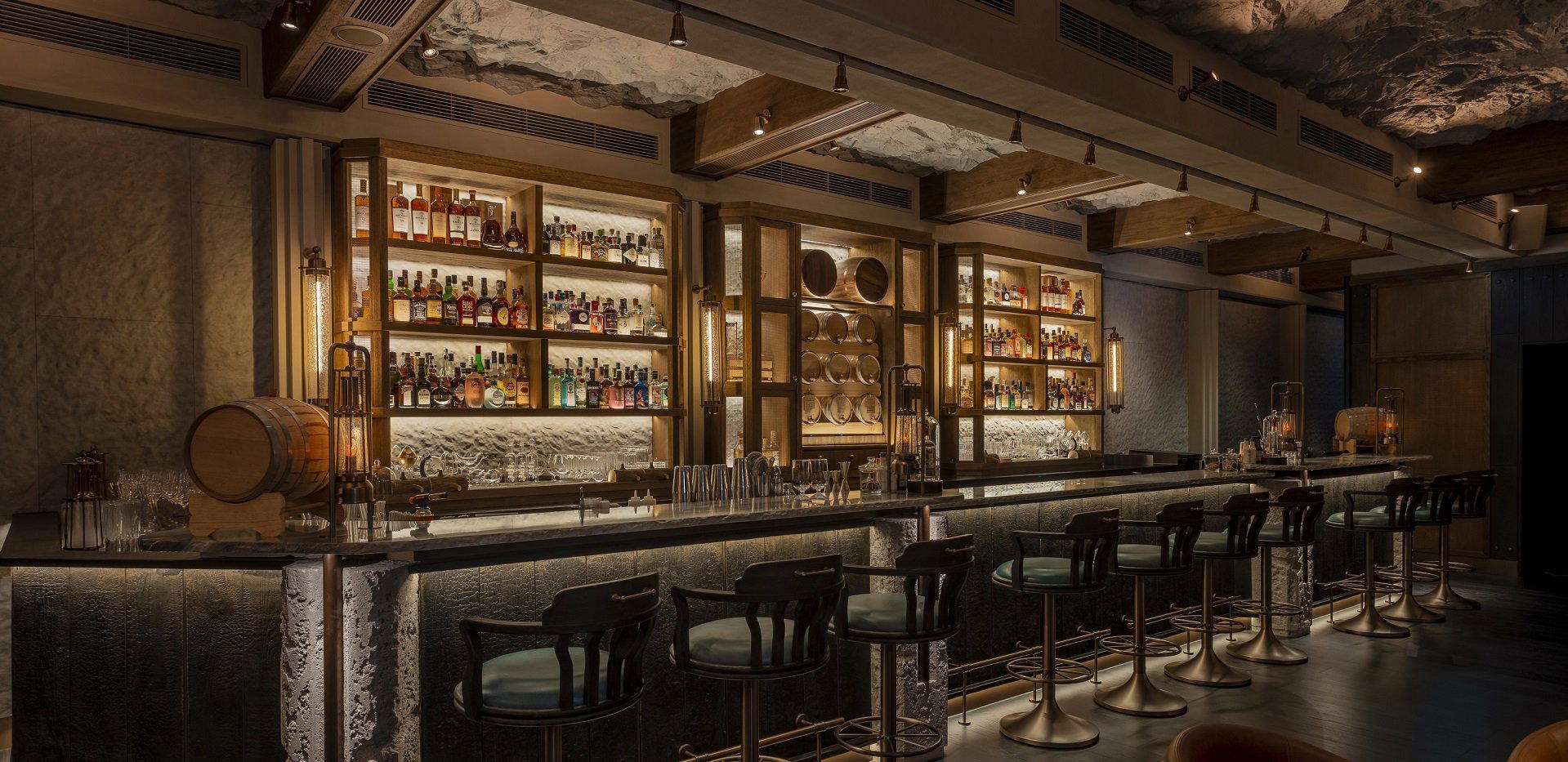
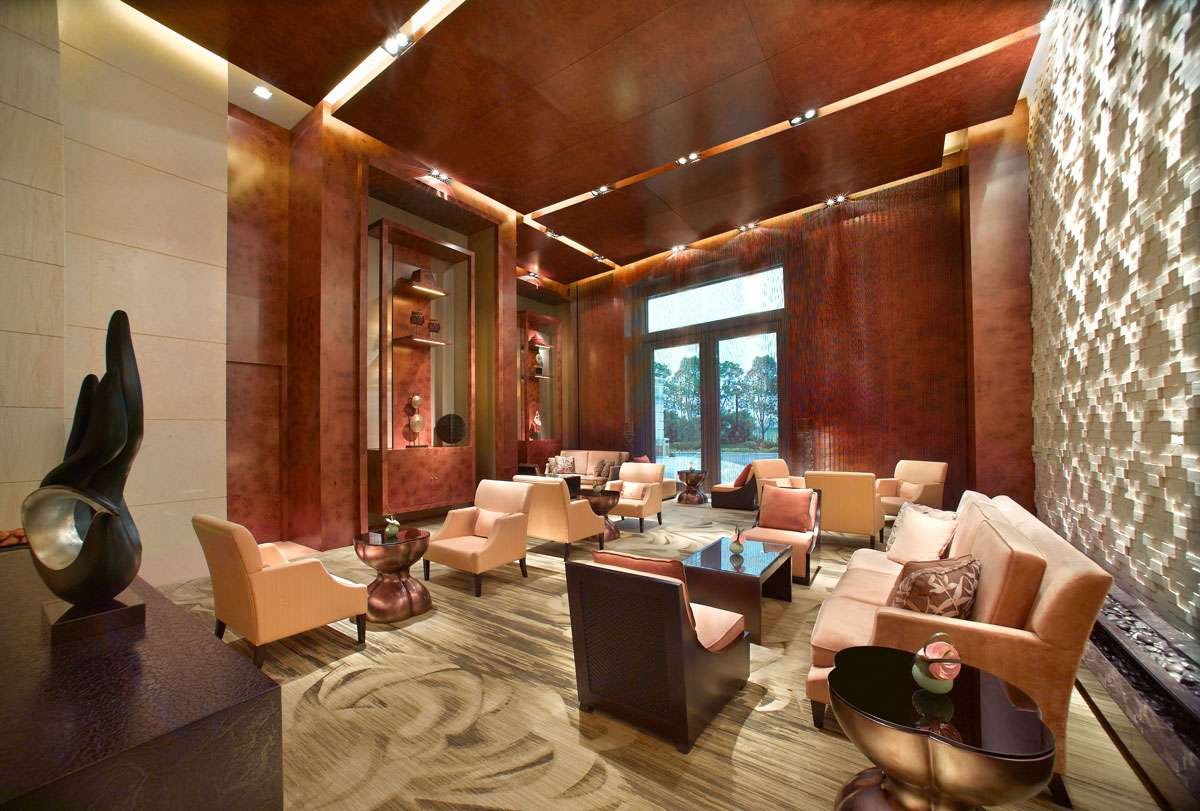
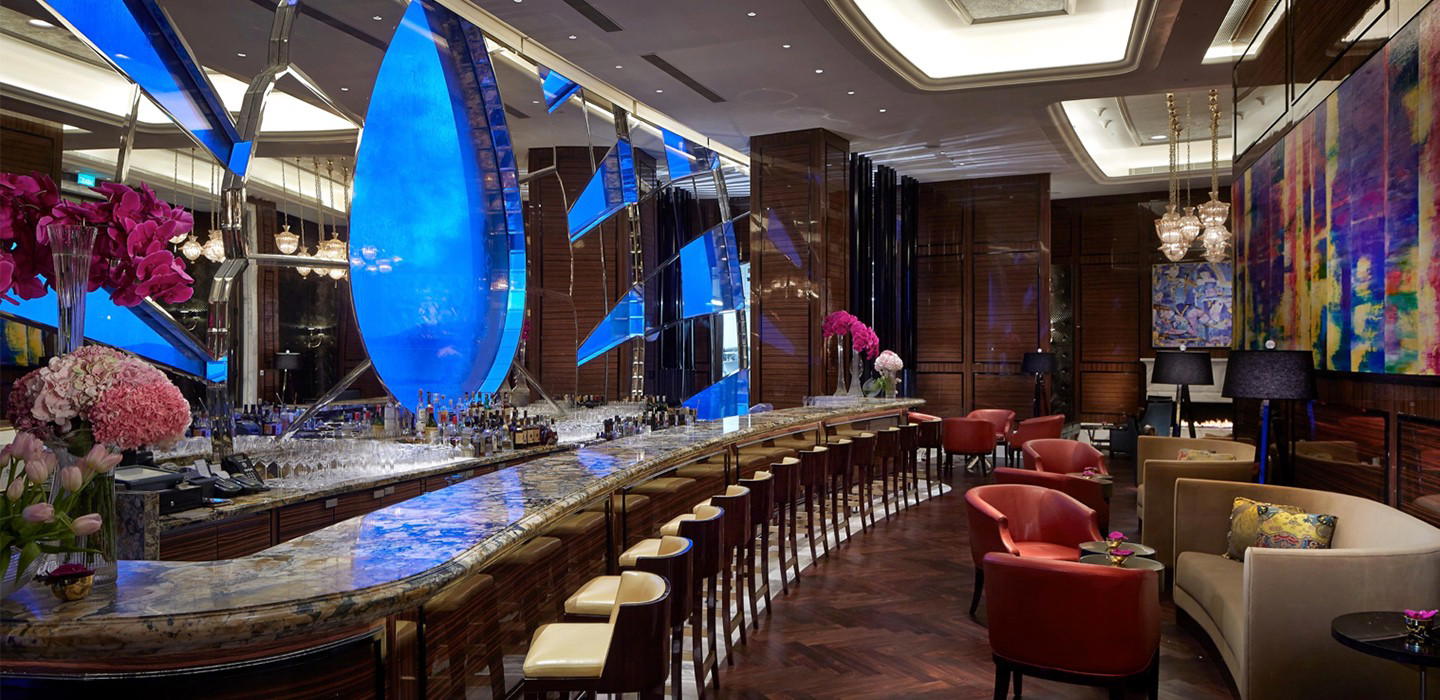
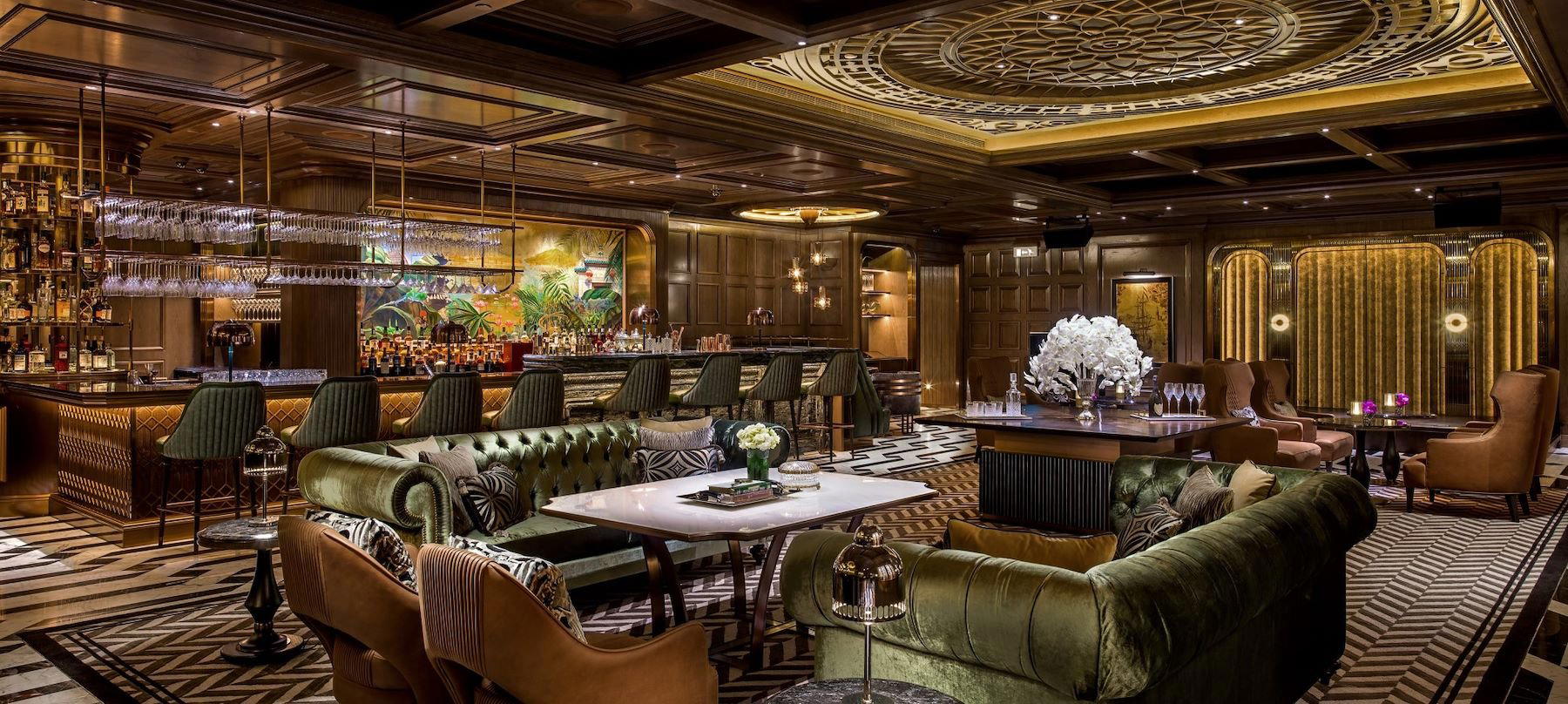
Dramatic modern decor with traditional roots, counters of solid hewn rock, curated art, inviting and elegant atmosphere.