Bar Patuá sits in Macau’s Cotai orbit, addressed on Avenida da Nave Desportiva at the Emerald lobby. With public venue data thin on hours, pricing, awards, and drink formats, it is better read through the city’s hotel-bar culture: a lobby-adjacent stop where the decision hinges on setting, convenience, and how it compares with Macau’s more documented cocktail rooms.

Pearl is the En Primeur Club membership app — saves, bookings, and concierge access live there. Same editors, same standards.
- Address
- 4HW9+78V, Av. da Nave Desportiva, Macao (Emerald lobby)
- Phone
- +853 8802 8888
- Hours
- Daily 6 PM–1 AM
- Directions
- Get directions
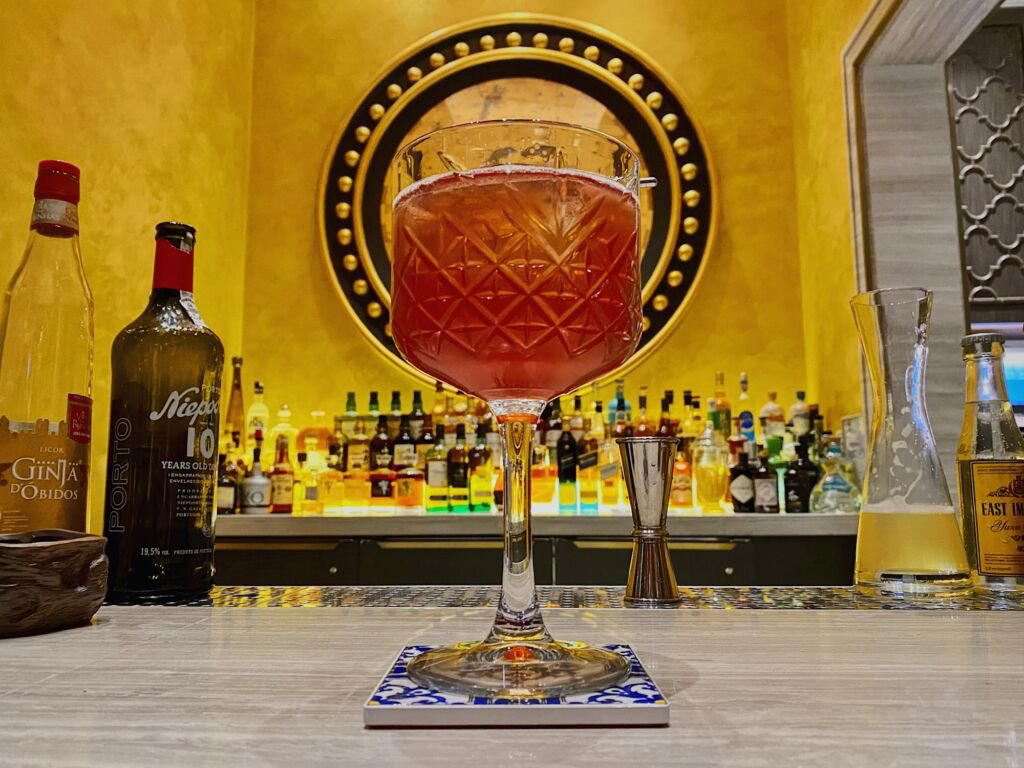
Macau's lobby-bar grammar, read from Cotai
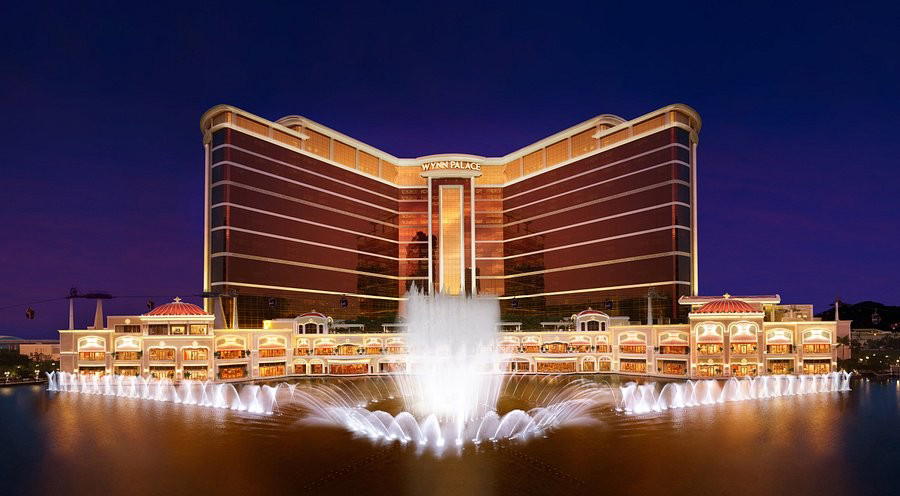
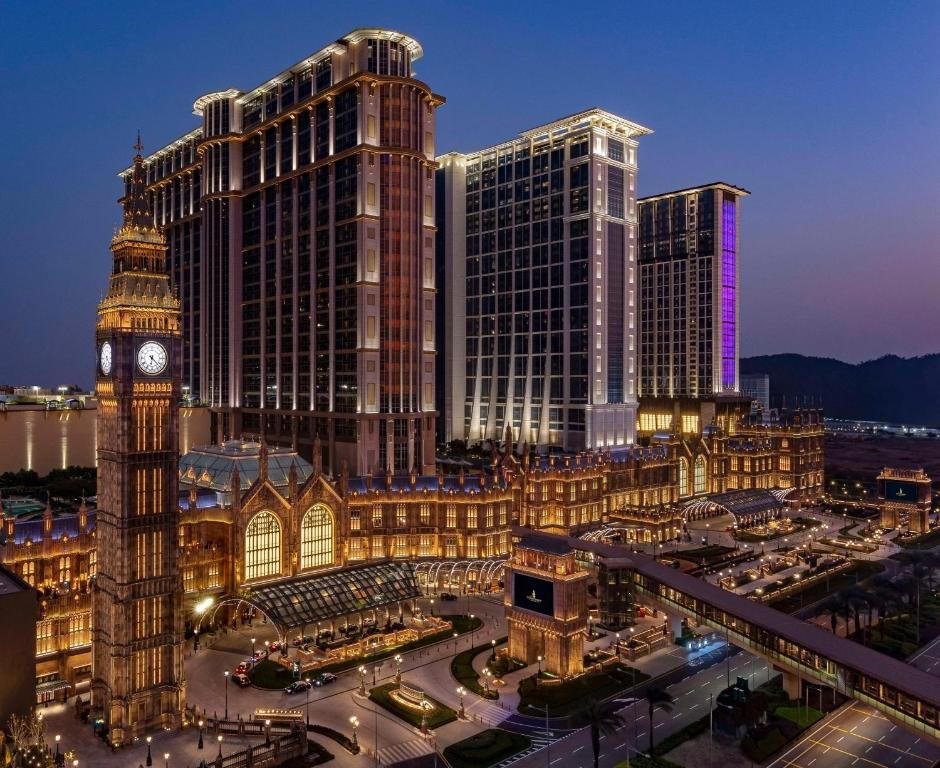
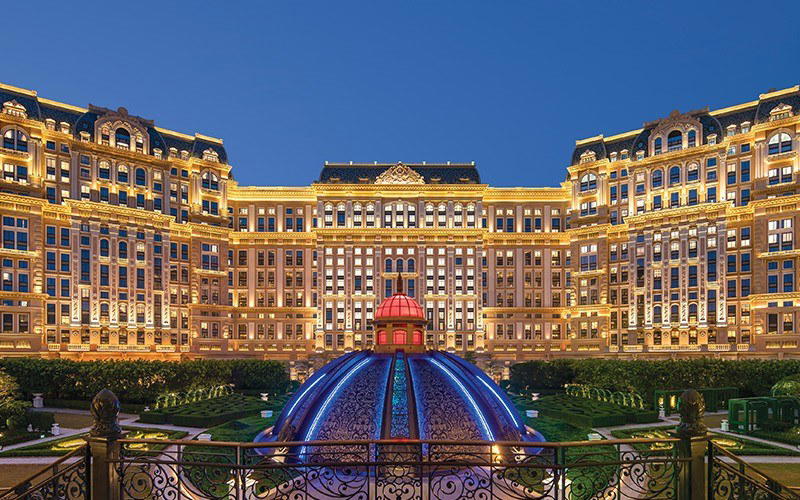
Approaching a Macau hotel bar rarely begins at the bar itself. It begins with scale: porte-cochères built for chauffeured arrivals, casino corridors that compress and release foot traffic, and lobbies designed to make a first impression before anyone asks for a drinks list. Bar Patuá is addressed at 4HW9+78V, Avenida da Nave Desportiva, in the Emerald lobby, which places it inside that particular Cotai rhythm. The first editorial clue is not a garnish, a glass shape, or a bartender biography; it is the lobby setting, because Macau’s drinking culture has long been shaped by hotels where bars function as meeting point, decompression chamber, and status signal in equal measure.
That context matters because the contemporary cocktail conversation in Macau is not identical to Hong Kong, Shanghai, or Singapore. The city’s bar scene is closely tied to integrated resorts, casino-adjacent hospitality, and international hotel groups, so the room often carries as much weight as the recipe. In a dense urban cocktail city, a bar may win attention through a doorway with no sign, a tiny counter, or a single house technique. In Macau, the question is different: does the programme create enough identity within a large hospitality envelope, or does it operate as a polished pause between dinner, gaming floors, and late-night movement across Cotai?
Publicly available data for Bar Patuá does not list awards, a named head bartender, a published price band, hours, capacity, or signature drinks. That absence should not be treated as mystery. It simply changes the way a serious reader should evaluate the venue. The useful comparison is not with a neighbourhood dive or a members’ lounge, but with other Macau bars where setting, service format, and cocktail ambition meet.
The cocktail programme question
A cocktail programme in Macau has to answer a local problem: how to serve guests who may be arriving from fine dining, high-limit rooms, shopping galleries, convention schedules, or a quiet hotel stay, often in the same hour. The strongest hotel bars in the region solve that problem by making the list legible without flattening it. Technique can sit behind the drink rather than in front of it; the guest sees balance, pacing, glassware, and temperature before seeing the laboratory. That is the direction in which much of Asia’s serious hotel-bar culture has moved: fewer gimmicks, more control.
The more useful editorial frame is to ask what a lobby-positioned Macau bar should be expected to do. It should offer a clear aperitif register for early evening, a drinks list that can handle both short and long serves, enough non-cocktail range for mixed groups, and service that understands the tempo of hotel life. In Macau, where dinner reservations and showtimes can dictate the night, a bar that reads the guest’s clock has an advantage over a bar that insists on ceremony for every order.
The city’s higher-profile drinking rooms provide the benchmark. The Ritz-Carlton Bar & Lounge sits in the luxury hotel tradition where room scale, afternoon-to-evening service, and formal pacing matter. The St. Regis Bar (Macau) belongs to a brand lineage that has made bar ritual part of its identity across multiple cities. 38 Lounge is a useful contrast because height and city views shift the decision from lobby convenience toward skyline theatre. ABA Bar adds another hotel-bar reference point for readers comparing atmosphere and pre-dinner practicality.
Why Macau bars feel different from mainland cocktail rooms
Macau’s cocktail culture should be read with geography in mind. The city receives leisure guests from across the Pearl River Delta, but its hospitality infrastructure is compressed into a small territory with heavy resort concentration. That creates a different competitive pressure from Beijing or Shanghai, where independent bars can build identity around neighbourhood regulars, bartender-led concepts, and repeat local traffic. In Macau, many bars must speak to transient guests who may only be in the city for one or two nights. The result is a style of service that often prizes clarity, speed, and immediate atmosphere.
The comparison with mainland bars sharpens the point. Janes & Hooch in Beijing belongs to a capital-city cocktail culture where late-night social drinking, expat history, and independent bar identity have played a larger role. Sober Company in Shanghai reflects a more layered metropolitan model, with concept, food, and beverage often folded into a single urban project. Macau is less about that street-level ecosystem and more about the hotel as container. The question for any bar here is whether the cocktail programme can hold its own within architecture built to impress at scale.
There is also a useful transoceanic comparison. Café La Trova in Miami operates from a culture of live energy, Cuban-American hospitality, and a bar-as-stage sensibility. Macau hotel bars can borrow drama, but their default cadence is different: arrivals, meetings, aperitifs, nightcaps, and private conversations often drive the room. For a lobby bar, restraint can be more valuable than volume. A bar that lets guests talk, decide quickly, and move on to dinner may serve the city better than one trying to turn every drink into a performance.
What the Emerald lobby address tells the reader
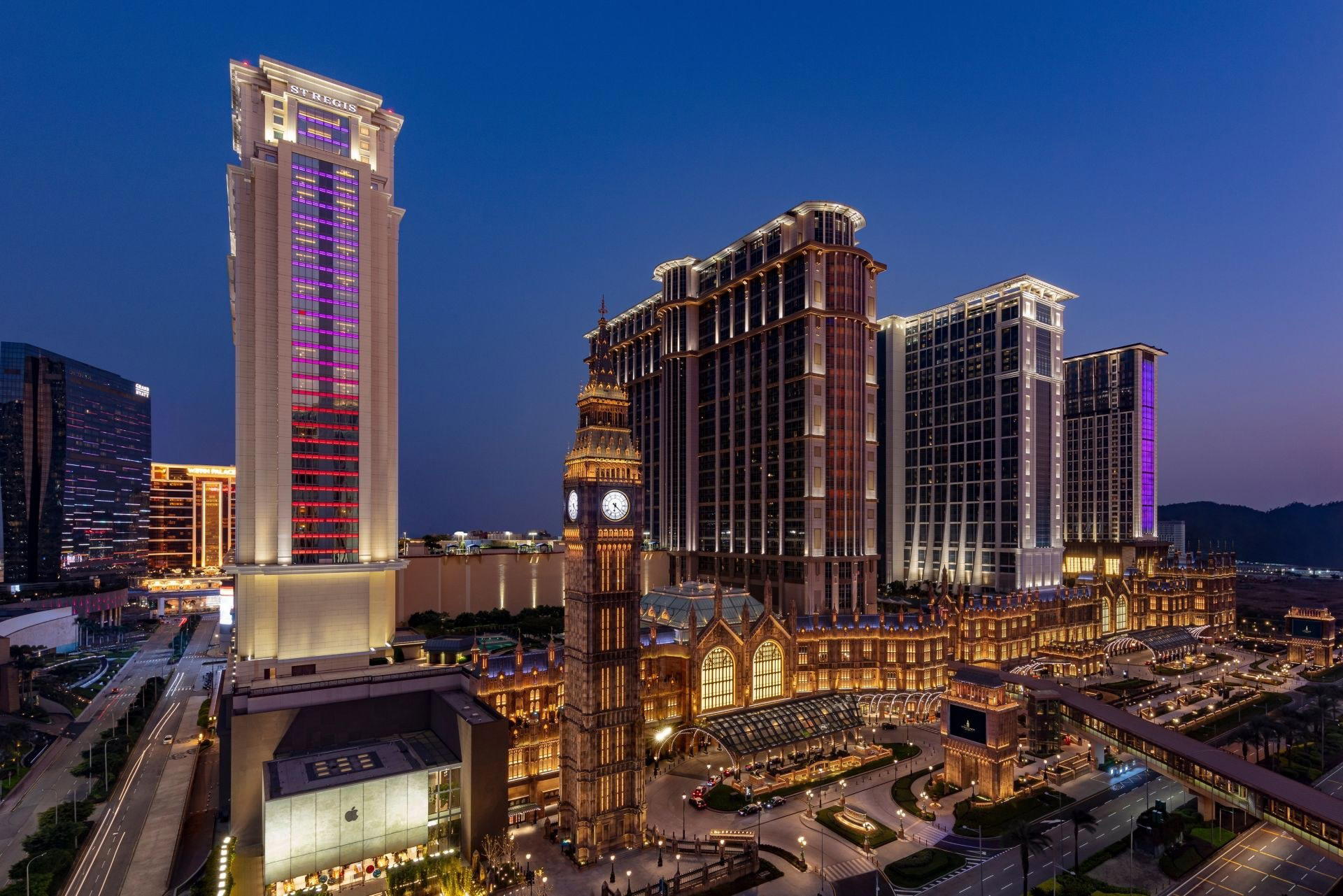
The address, Avenida da Nave Desportiva in the Emerald lobby, is the hard data point here. It places the venue in the Cotai-side hotel environment rather than the older peninsula bar routes around Senado Square, old clubs, and Portuguese-Macanese dining rooms. Cotai was built as a resort district, and its hospitality logic is newer, larger, and more vertically integrated. Restaurants, bars, rooms, retail, and gaming floors are often connected under one roof or across short indoor transfers. That changes how people use a bar: the stop may be planned, but it may also be opportunistic after dinner or before returning upstairs.
For travellers, the practical implication is simple. It should be approached as a Macau hotel-lobby bar whose value depends on the moment in the itinerary. If the night is already centred on Cotai, a lobby bar can reduce friction. If the goal is a bar-led evening built around documented awards, published menus, or a named drinks team, readers should compare it carefully with venues that provide more public evidence.
That distinction is not a slight. In premium travel, convenience can be a serious luxury when the surrounding district is built at resort scale. The better question is not whether a lobby bar has the aura of a destination counter, but whether it solves a real travel problem: where to meet without committing to a long dinner, where to pause between bookings, or where to extend the evening without crossing the city. In Macau, where hotel interiors can absorb entire nights, the practical bar often earns its place by reducing decisions rather than multiplying them.
How to place it within a Macau itinerary
Macau rewards planning by district. The peninsula carries much of the older urban texture: colonial street grids, Portuguese-influenced dining, family-run institutions, and a denser sense of civic history. Cotai carries the resort era: big hotels, branded restaurants, show venues, retail promenades, and casino-linked circulation. Bar Patuá belongs to the latter pattern. That makes it more logical around Cotai dinners, hotel stays, and evening plans already concentrated near Avenida da Nave Desportiva than as a standalone reason to cross town.
Readers building a full eating and drinking plan should separate categories rather than collapse them into one list. For restaurants, Our full Macau restaurants guide is the stronger starting point, especially because the city’s dining identity stretches from Cantonese banquet rooms to Macanese cooking and chef-led hotel restaurants. For hotels, Our full Macau hotels guide helps explain why the property context matters so much to a bar decision. For drinks, Our full Macau bars guide gives the better peer comparison, because a lobby bar, a rooftop lounge, and a cocktail counter answer different needs.
Macau’s category sprawl also affects expectations. A reader looking for cellar visits should know that the city is not a wine-region destination in the same way as Burgundy, Napa, or the Douro, but wine culture appears through restaurants, hotel lists, and private collecting. Our full Macau wineries guide is useful for understanding how EP Club categorises wine-related discovery in a city without a conventional vineyard circuit. Likewise, Our full Macau experiences guide helps frame the non-restaurant side of a trip, where shows, heritage walks, art, spa time, and hotel programming often compete with another round of drinks.
Planning notes without overclaiming
For a reader, that means the sensible planning move is verification close to the date of travel, especially in a hotel environment where operating hours and access can change with events, occupancy, or property-level programming. The address itself, 4HW9+78V, Avenida da Nave Desportiva, Macao, with the Emerald lobby noted, is the reliable anchor. In practice, that is enough to place it within Cotai planning, but not enough to promise a particular format.
Timing also matters. Early evening in Macau hotel bars tends to serve a different purpose from late night. Before dinner, the bar is a rendezvous point and aperitif stop; after dinner, it becomes a lower-commitment alternative to a second venue. What can be said is that lobby bars are generally at their most useful when they connect two parts of a night: the moment between check-in and dinner, the pause after a show, or the final drink before returning to the room.
Price should be treated with the same caution. Macau luxury hotels often price cocktails in line with international resort expectations, but Bar Patuá’s record does not provide a price band. Readers comparing value should look at the entire occasion rather than the drink in isolation: transport time saved, ease of meeting, room atmosphere, service pacing, and proximity to the rest of the evening. In a compact but resort-heavy city, a slightly higher drink can be rational if it removes a taxi transfer or keeps the group together before a fixed reservation.
Details
- Elegant
- Cozy
- Intimate
- Sophisticated
- Modern
- Ornate
- Date Night
- After Work
- Late Night
- Group Outing
- Special Occasion
- Solo
- Design Destination
- Hotel Bar
- Seated Bar
- Lounge Seating
- Booth Seating
- Private Rooms
- Craft Cocktails
- Whiskey
- Gin
- Classic Cocktails
- Zero Proof
Current opening hours
- Monday
- 6 PM–1 AM
- Tuesday
- 6 PM–1 AM
- Wednesday
- 6 PM–1 AM
- Thursday
- 6 PM–1 AM
- Friday
- 6 PM–1 AM
- Saturday
- 6 PM–1 AM
- Sunday
- 6 PM–1 AM
Hours can change for holidays and private events. Last verified .
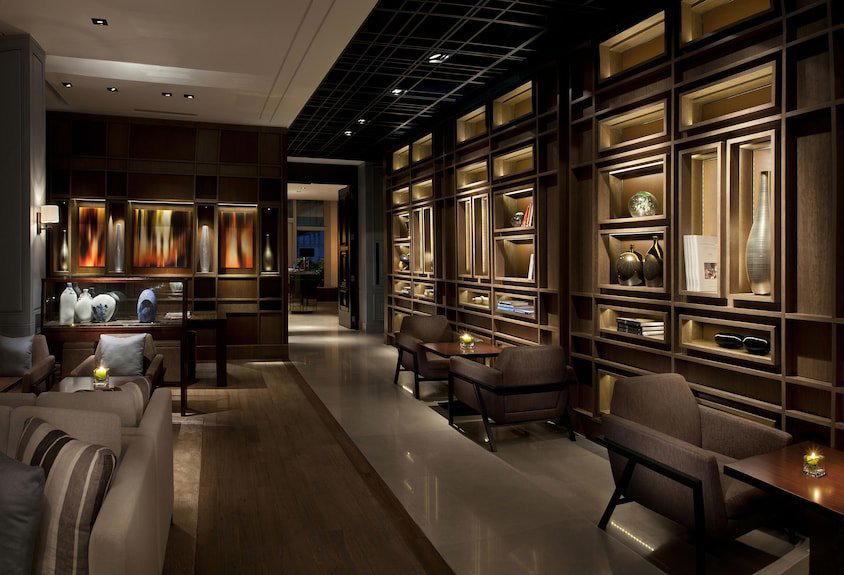
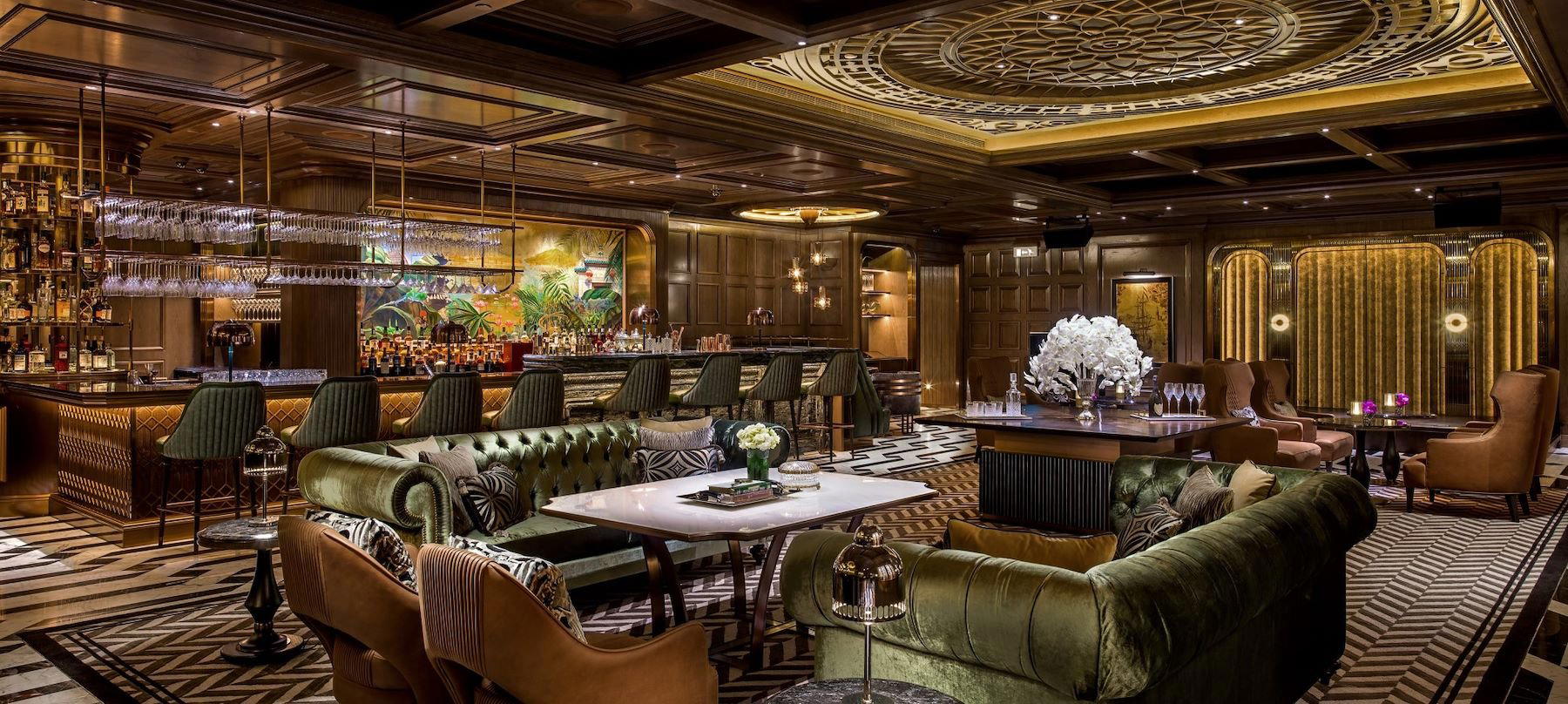
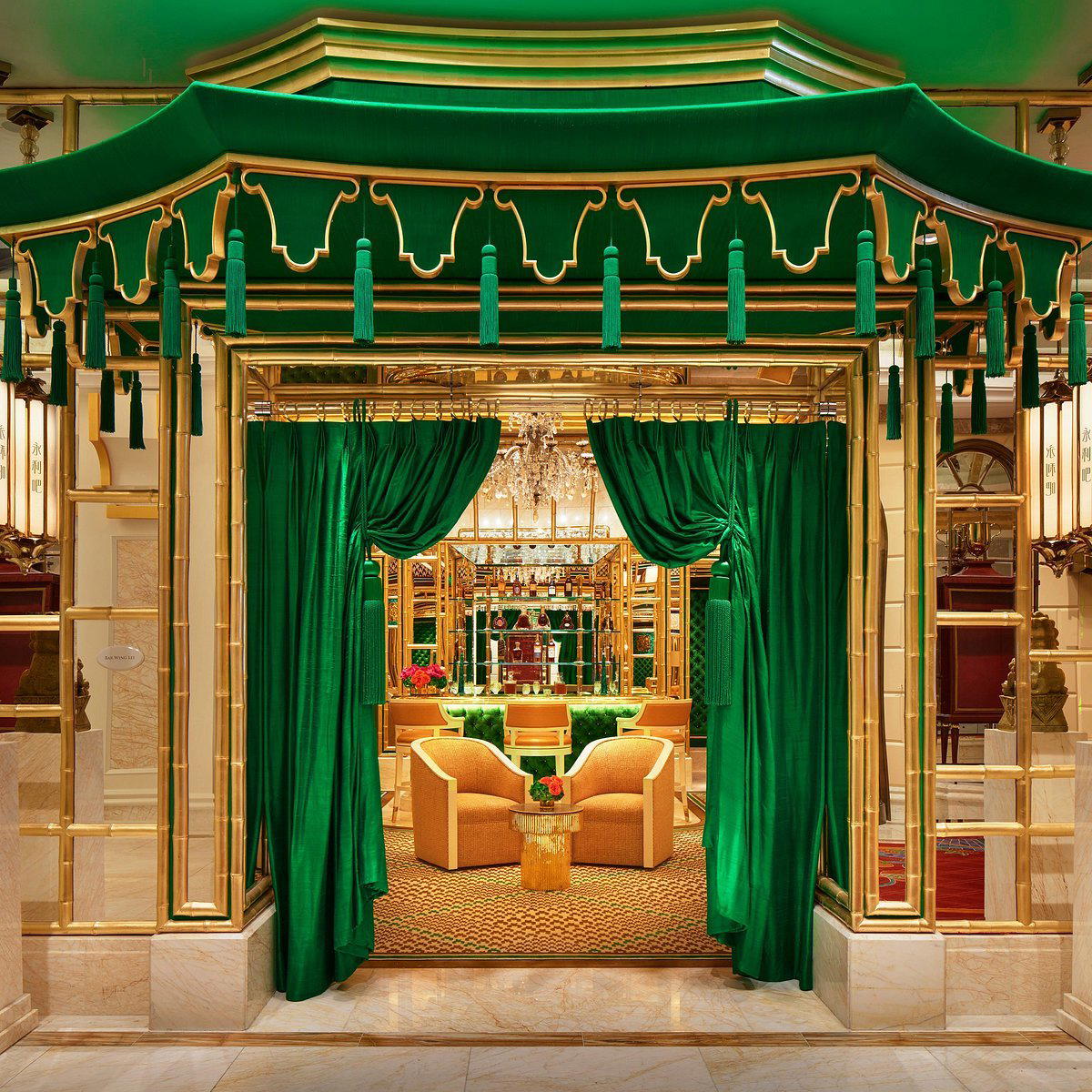
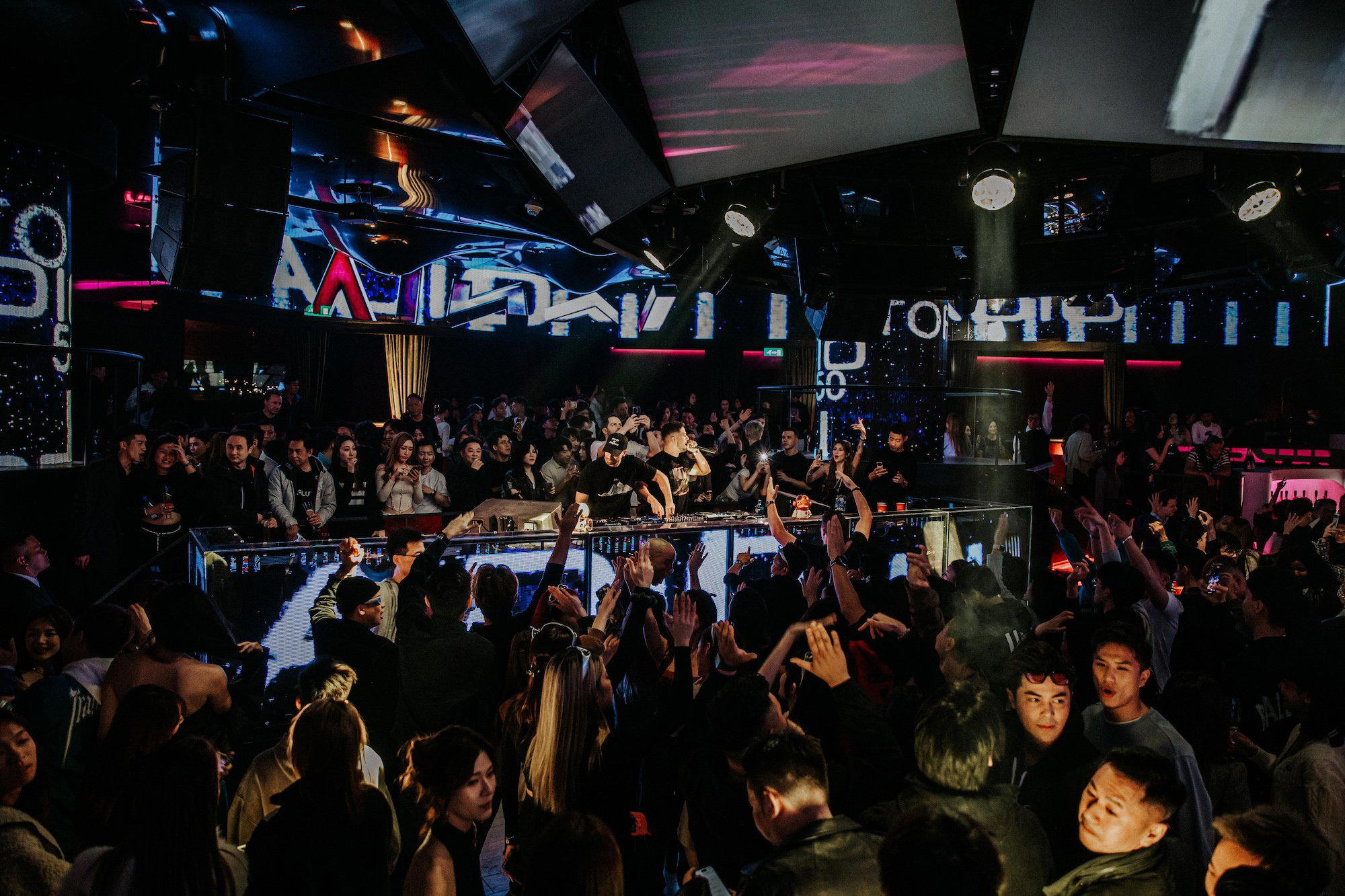
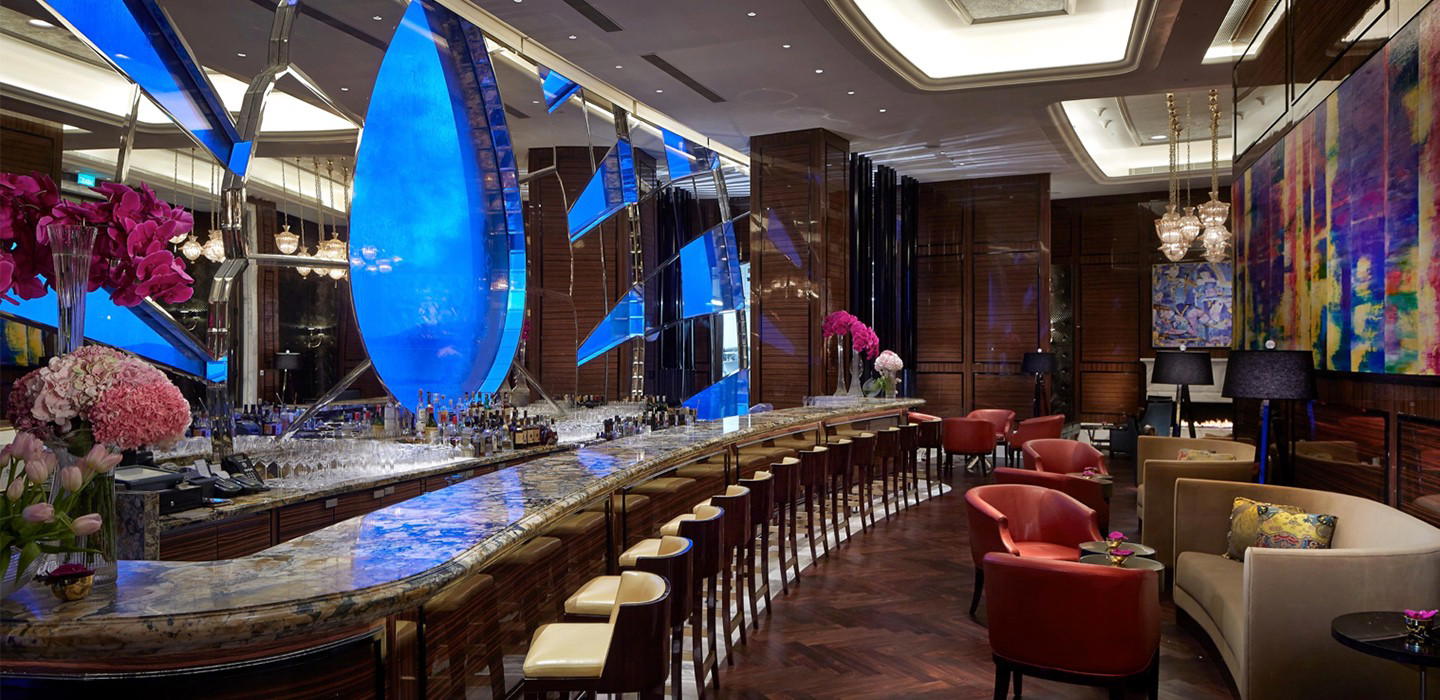
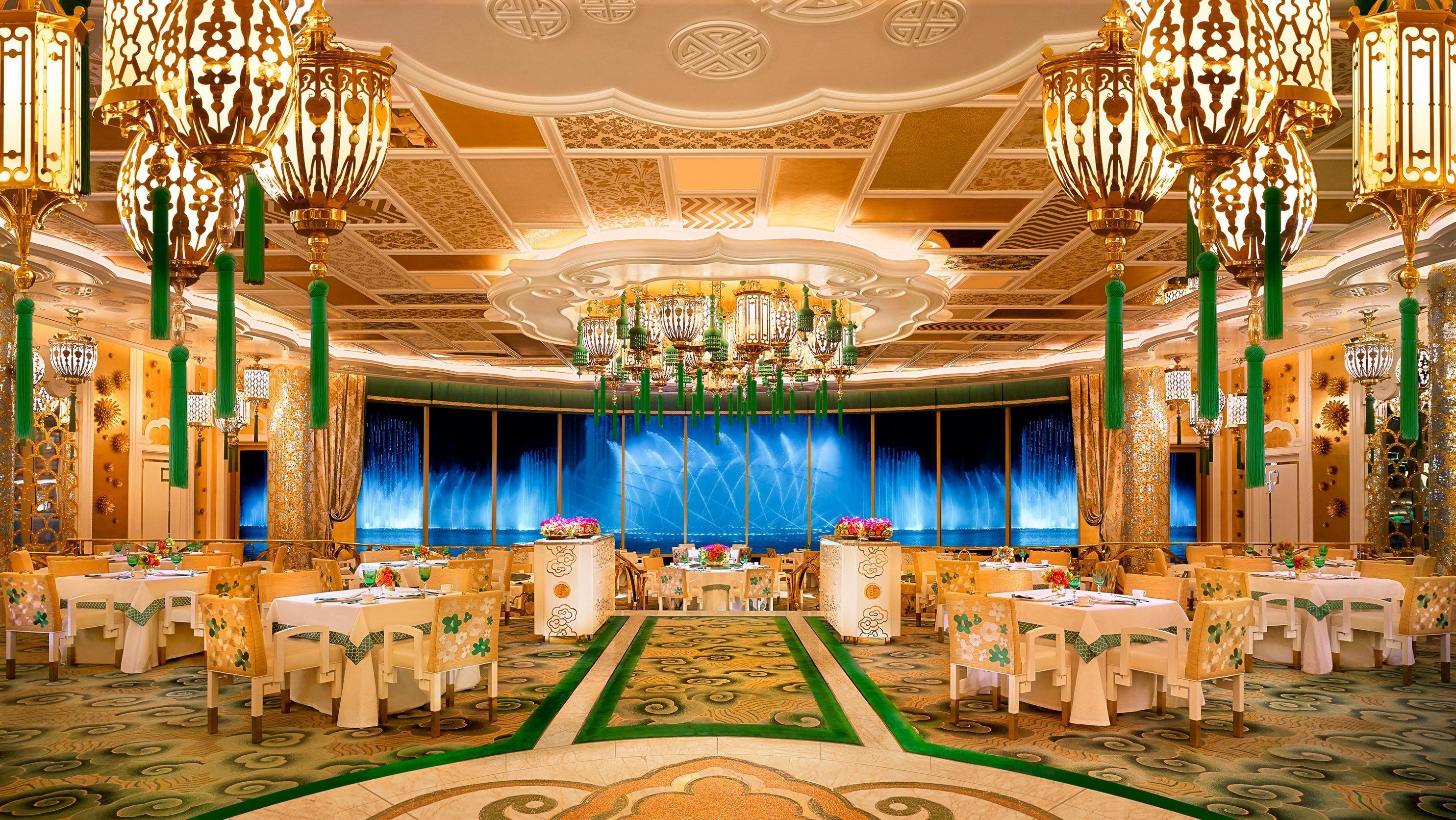
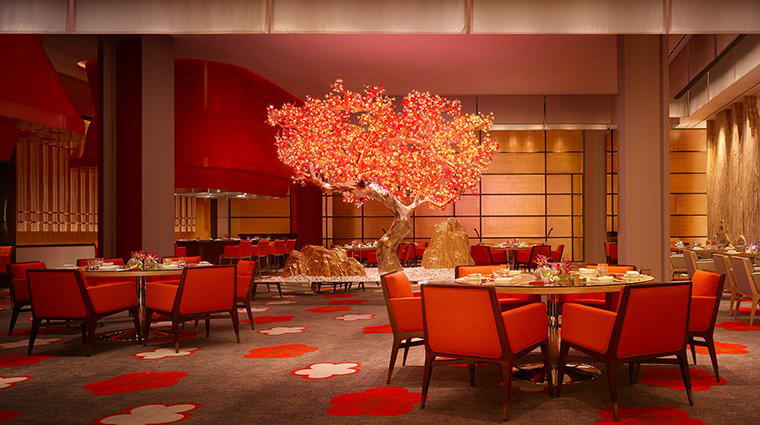
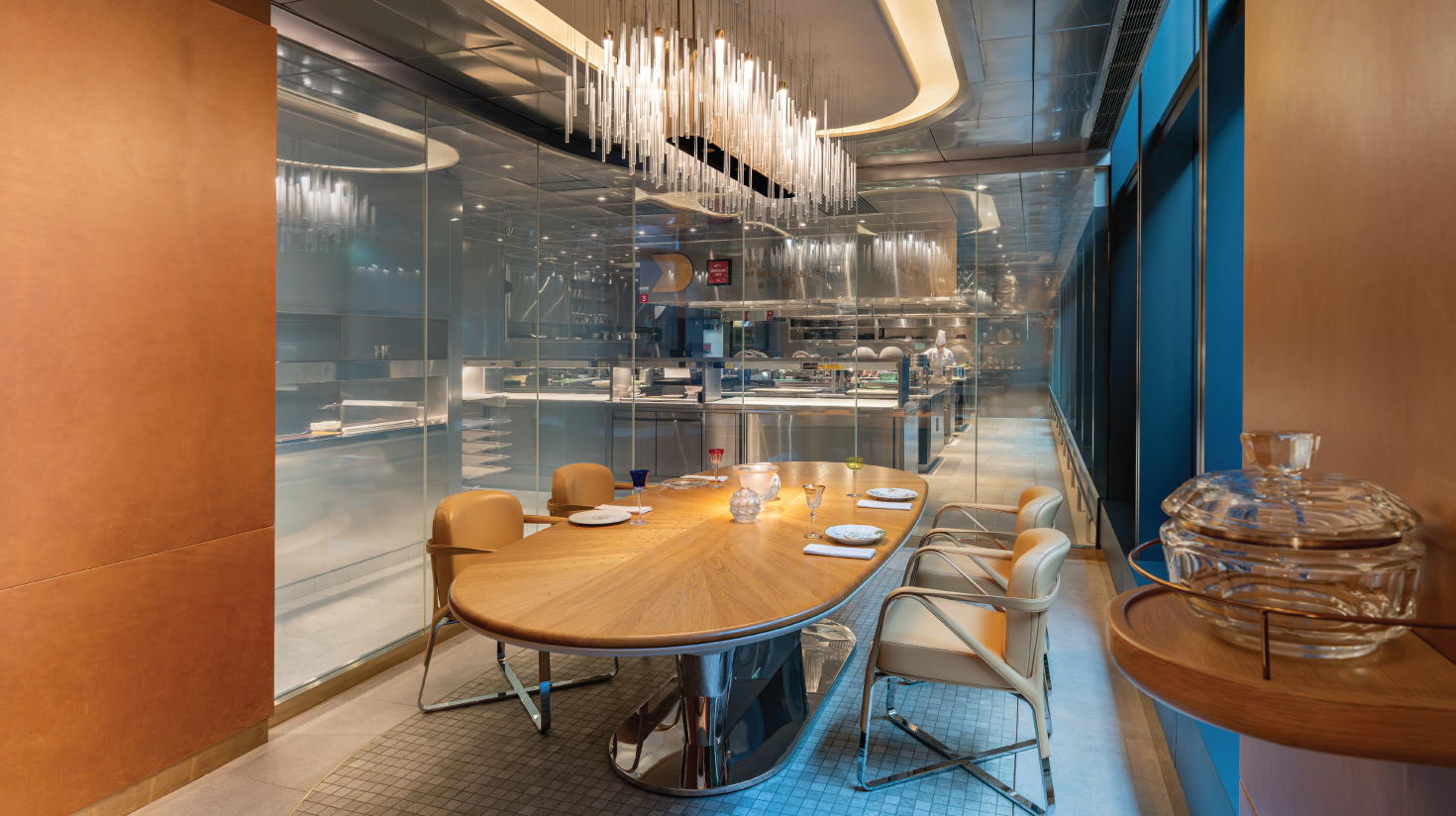
Warm, ambient lighting, velvety sofas, and a layered East‑meets‑West design create a quiet, intimate and refined hotel-bar feel, with semi‑hidden nooks and themed rooms that emphasize privacy, storytelling, and relaxed conversation.