Our verdict
Sushi Library sits inside Doha City Center, placing Japanese technique within one of the Gulf's fastest-evolving dining cities. The format positions it inside a growing tier of Doha restaurants that apply precision-led culinary methods to a region increasingly confident in its own dining ambitions. For those tracking the city's shift toward specialist Asian dining, it warrants attention alongside the wider Doha scene.

Pearl is the En Primeur Club membership app — saves, bookings, and concierge access live there. Same editors, same standards.
- Address
- Doha City Center (4th street), الدوحة
- Directions
- Get directions
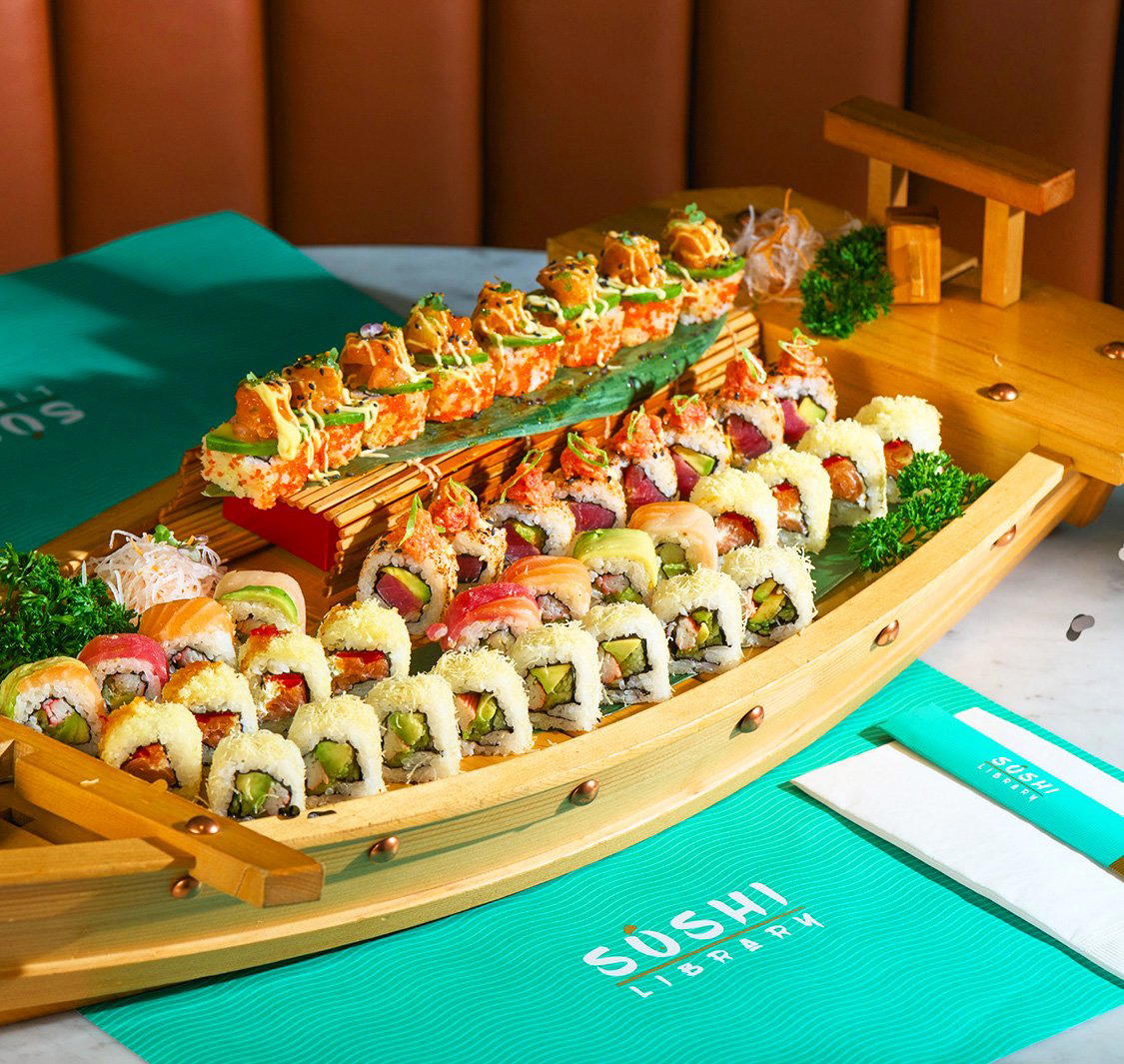
The menu
What to order
- Lobster Volcano
- Chef Suli's Supreme Roll
- Kunafa Sushi
Japanese Precision in the Gulf: What Doha's Sushi Scene Tells You About the City
Walk into Doha City Center and the dining floor operates at a register that rewards paying attention. The Gulf's premium restaurant tier has expanded sharply over the past decade, and Japanese cuisine has arrived not as a novelty but as a sustained commitment. Sushi Library, positioned along the fourth street of Doha City Center, sits within that broader pattern: a city that has moved from hotel-dependent fine dining toward a wider spread of specialist formats, with Japanese and sushi-focused restaurants occupying an increasingly serious position in the mix.
The context matters because Doha's dining development has not followed a linear path. Early premium dining here concentrated inside five-star hotels, with venues like IDAM by Alain Ducasse setting a benchmark for what international technique could look like when transplanted to the Gulf. What has happened since is a gradual dispersal: restaurants moving into malls, waterfront developments, and urban corridors, reaching a broader resident and visitor base. Sushi Library's mall address reflects that dispersal.
The Intersection of Imported Method and Local Context
Japanese cooking as practiced outside Japan exists on a spectrum. At the other end, sushi becomes shorthand for a broad category of raw fish presentations with little connective tissue to the tradition. The more interesting territory lies between those poles, where trained technique meets the practical reality of a different supply chain and a different dining culture.
Doha's position in the Gulf makes it a useful case study in how that middle territory operates. The city draws ingredients through international supply routes that have improved considerably as Qatar's hospitality sector has matured. Premium seafood, Japanese-standard rice, and specialist condiments are accessible to operators who prioritise them. The question for any Japanese restaurant here is whether the technique applied to those ingredients carries the discipline the format demands. That question is worth asking of Sushi Library as it is of any comparable address in the region.
For comparison, Doha's Japanese dining scene includes Morimoto, a higher-price-point operation that has established itself as a reference point for Japanese Contemporary in the city. Sushi Library at Doha City Center occupies a different position in the price-tier structure, which shapes both its audience and its competitive logic. Mall-adjacent Japanese restaurants across the Gulf have increasingly been asked to hold a middle ground: approachable enough for regular visits, precise enough to satisfy residents who have dined across Asia and Europe. That is a credible and difficult position to hold consistently.
Doha's Wider Dining Pattern and Where Specialist Asian Fits
Doha's restaurant geography has fractured productively. The hotel circuit, anchored by addresses like Al Sufra at Marsa Malaz Kempinski on The Pearl, still commands serious attention for traditional Gulf and Levantine cooking. The city's Middle Eastern tier, which includes addresses such as Baron and heritage-focused operations like Al Nahham, draws visitors who want to understand Qatari and regional culinary tradition. Al Liwan represents the buffet-format end of that spectrum, while operators such as Koo Madame in Lusail push toward contemporary Asian fusion in a newer urban setting.
What specialist Japanese adds to that picture is a discipline of preparation that is harder to approximate than it looks. The ratio of rice to vinegar, the temperature at which fish is served, the sequencing of courses in an omakase: these are technical variables, not aesthetic choices. Cities like Hong Kong have built strong Japanese dining ecosystems over decades, with addresses like Amber and 8 1/2 Otto e Mezzo Bombana demonstrating what sustained investment in precision looks like. Doha is earlier in that arc, which is partly what makes the category interesting to track now rather than later.
For a broader map of what the city offers across all formats and price points, the full Doha restaurants guide provides the clearest orientation. Readers interested in how Gulf cities more broadly handle the integration of global technique into local dining culture will find useful reference points in the contrast between Doha's hotel-based fine dining and its newer independent and mall-format operators.
Planning a Visit: Practical Notes
Doha City Center is accessible from central Doha without requiring a long transit, and the mall format means parking and access are direct for both residents and visitors staying in the city's main hotel corridors.
Visitors comparing options across the city's Japanese and broader Asian tier should factor in that mall-based dining in Doha skews toward walk-in availability compared to standalone fine dining addresses, though that pattern varies by day of the week and season. The cooler months between October and April represent the period when Doha's dining scene operates at its most active, with outdoor terraces opening at nearby properties and the city's resident population most engaged with restaurant culture.
Those also considering the French contemporary tier would find value in comparing the approach at IDAM by Alain Ducasse with what specialist Asian formats offer: both represent the application of internationally trained technique to a Gulf dining context, but with very different sourcing priorities and service formats. Globally, the contrast between how precision dining operates in cities like New York (see Atomix or Le Bernardin) and how it translates to Gulf markets is one of the more instructive comparisons available to a well-travelled diner.
Frequently asked questions
Where is Sushi Library located?
Sushi Library is located at Doha City Center (4th street), الدوحة, Doha.
Is Sushi Library in Doha a standalone restaurant or part of a wider dining group with multiple Qatar locations?
For travellers comparing it against Doha's broader Japanese dining options, its City Center positioning places it within a mixed commercial dining environment rather than the hotel-anchored premium circuit typified by addresses on The Pearl.
What's the signature dish at Sushi Library?
What the Doha City Center address and the 'Library' concept suggest is a menu organised around curated sushi selections rather than a broad pan-Asian spread. For the current offering, checking directly with the restaurant on arrival or via the mall directory is the practical approach.
How hard is it to get a table at Sushi Library?
Specialist Japanese counters in Doha's premium tier have grown in demand as the city's dining scene has broadened, so visiting off-peak hours or contacting the venue ahead of time is advisable. The mall setting does provide a practical fallback for timing flexibility.
What's the signature at Sushi Library?
The name positions the venue within a curation-led approach to Japanese dining, common among specialist sushi addresses that organise their menus around seasonal or chef-selected pieces rather than a fixed headline item. Confirming specifics directly with the restaurant will give the clearest picture of what's currently on offer.
Can Sushi Library adjust for dietary needs?
Japanese restaurants working with raw fish and soy-based preparations carry inherent constraints around certain dietary restrictions, particularly shellfish allergies and gluten intolerance from soy sauce use. Raising requirements directly with the team at Doha City Center before visiting is the most reliable way to confirm what adjustments are possible.
City Peers
Comparable venues nearby, for context on price, style, and recognition.
| Venue | Cuisine | Price | Awards | Notes |
|---|---|---|---|---|
| Sushi LibraryThis venue — the venue you are viewing | Modern Japanese Fusion Sushi | $30–50 | Not listed | Not listed |
| Sora Restaurant | Modern Japanese Rooftop | Not listed | Not listed | Msheireb Downtown |
| Zuma | Modern Japanese Robata | $150–200 | Michelin Plate | Al Maha Island |
| Opus | Mediterranean with Qatari Fusion | Not listed | Not listed | Msheireb Downtown |
| Liang at Mandarin Oriental, Doha | Authentic Cantonese | $100–150 | Michelin Plate | Msheireb Downtown |
| Al Liwan | Levantine & International Buffet | Not listed | Not listed | Al Khulaifat |
Continue exploring
More in Doha
Restaurants in Doha
Browse all →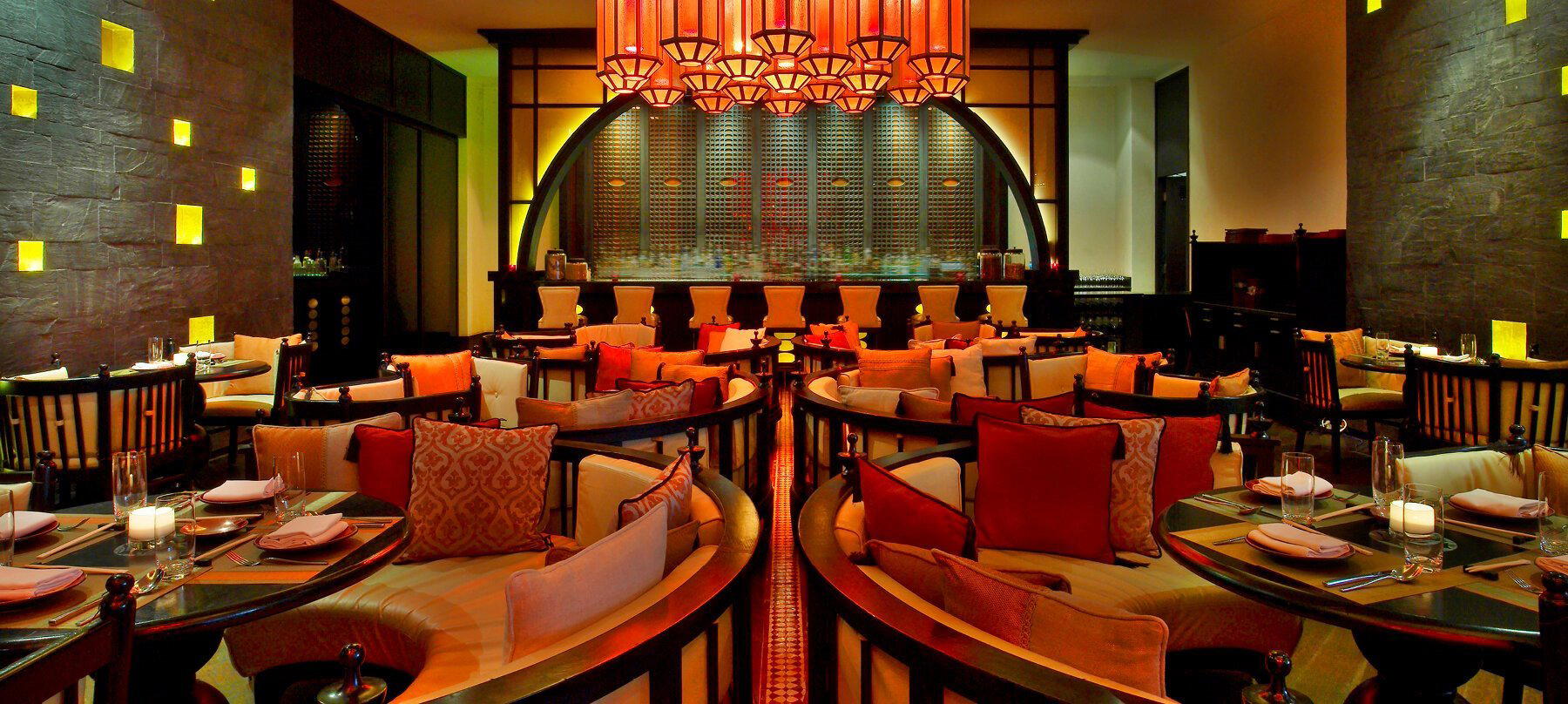
Details
- Modern
- Trendy
- Elegant
- Date Night
- Casual Hangout
- Open Kitchen
- Sake Program
- A La Carte
- Small Plates
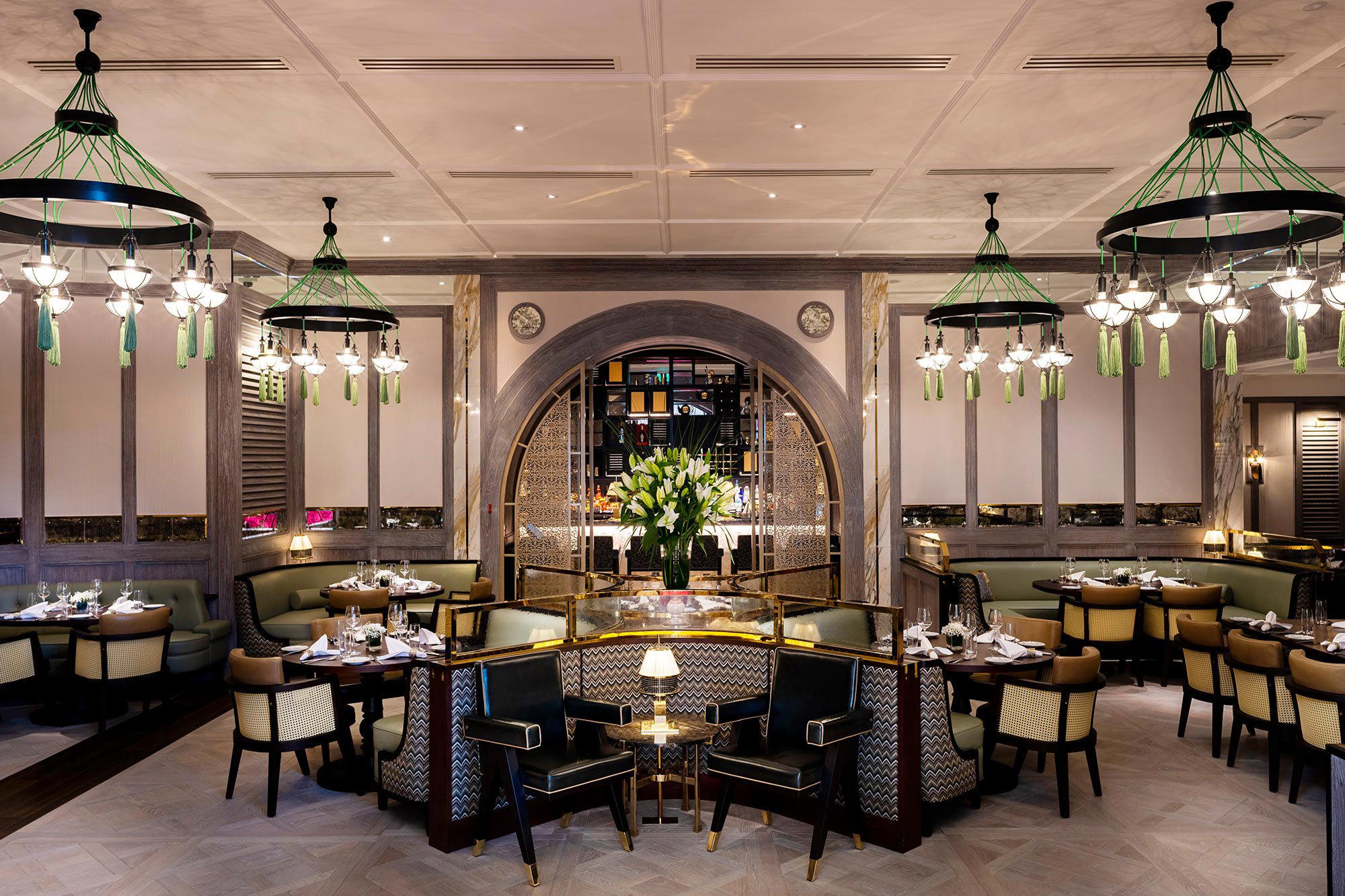
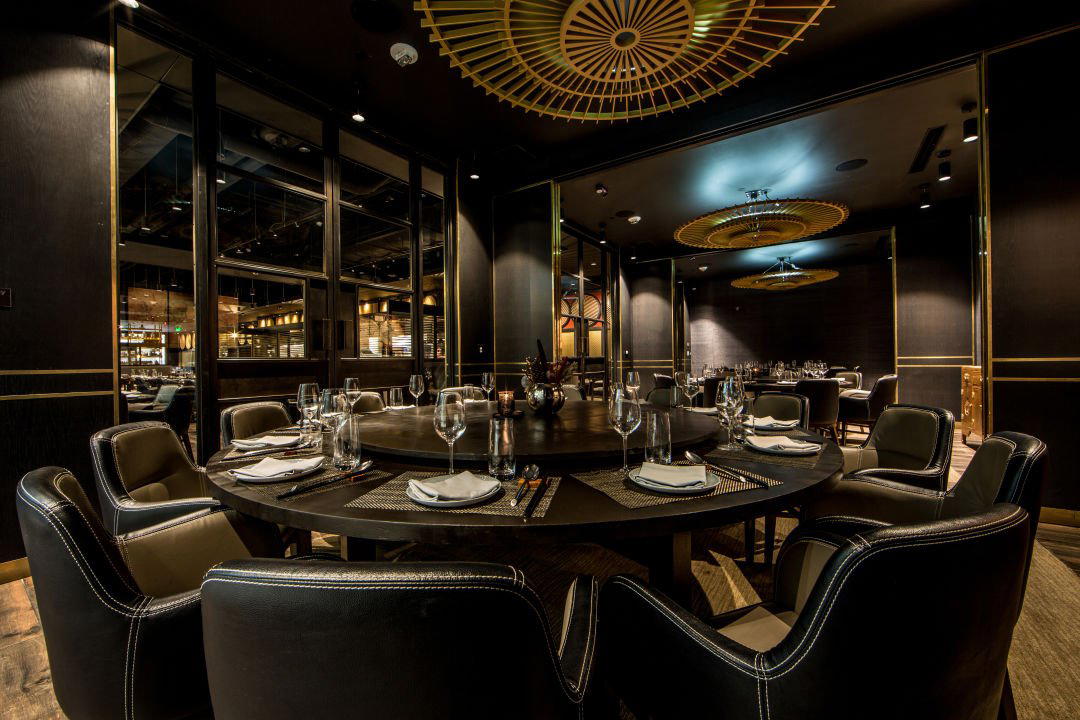
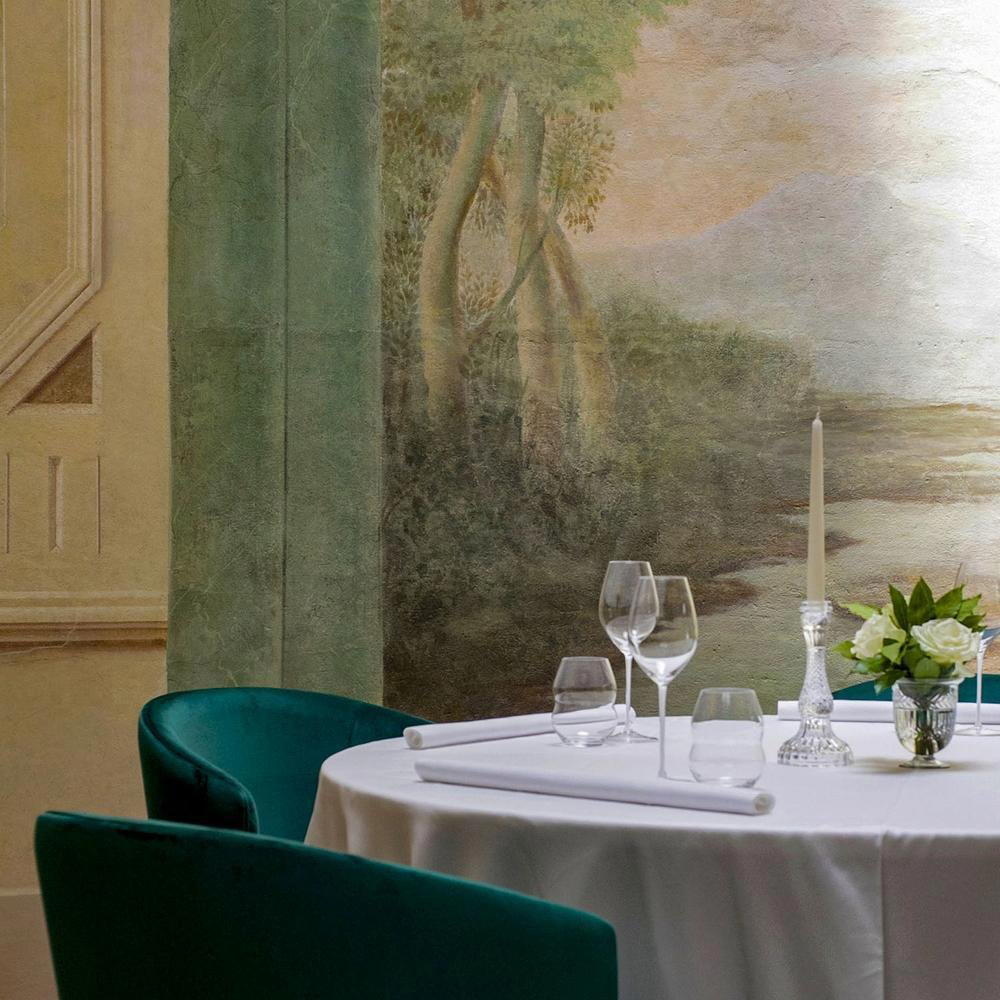
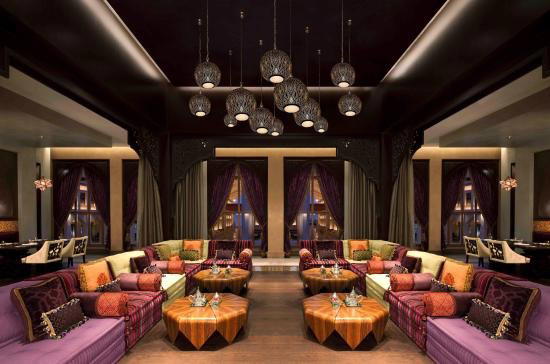
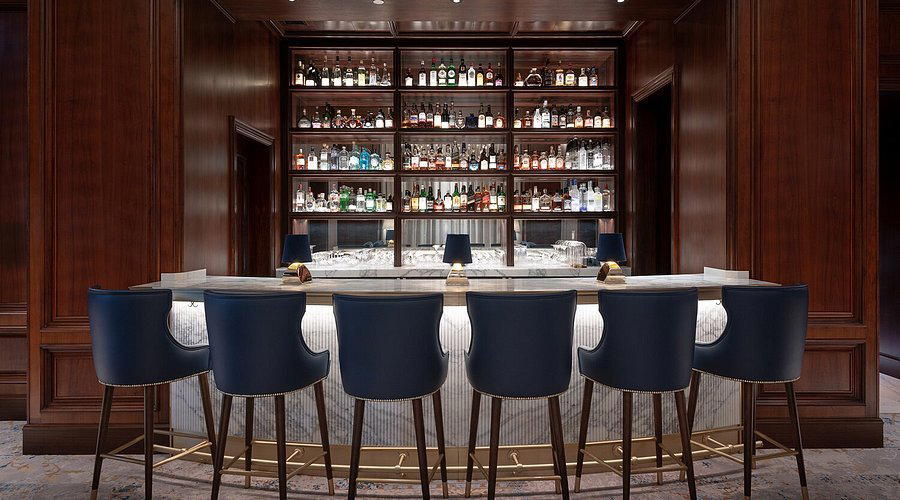
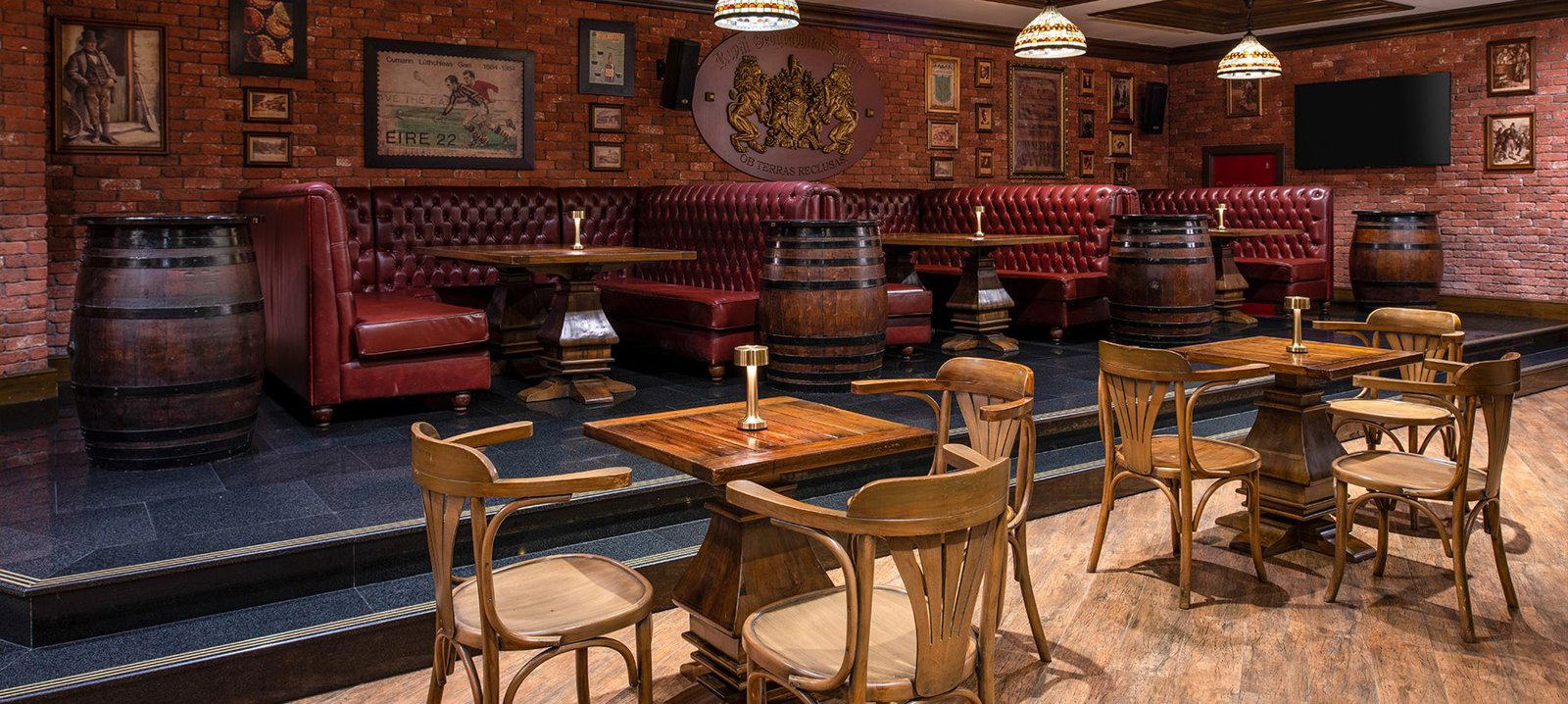
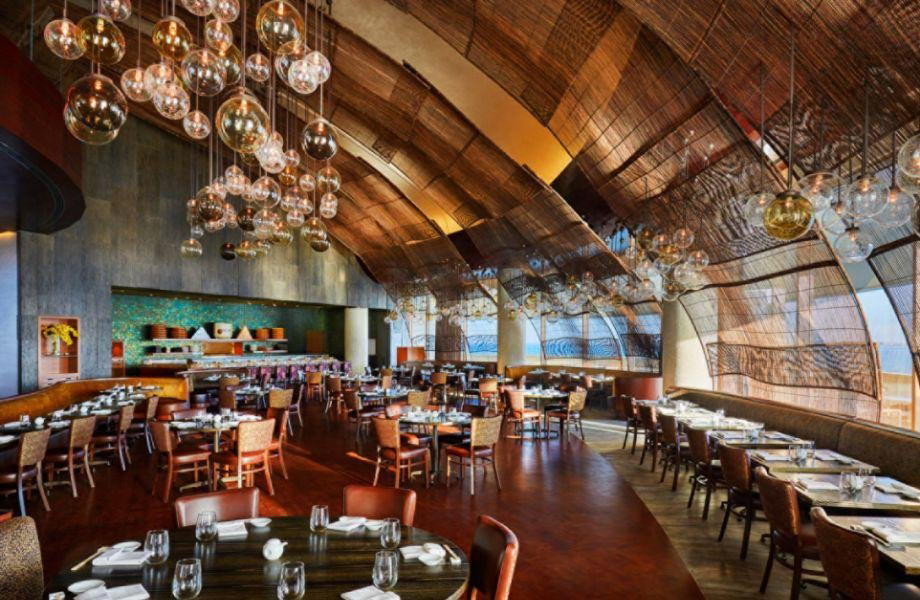
Chic and modern atmosphere with culinary adventures and trending flavors.