Al Liwan sits on Ras Abu Abboud Street in Doha, placing it within the city's broader circuit of Arabic-heritage dining that draws on Gulf sourcing traditions and regional culinary craft. Where many Doha restaurants lean into international formats, Al Liwan operates within a distinctly local register, making it a reference point for visitors trying to read the city's dining culture on its own terms.
Pearl is the En Primeur Club membership app — saves, bookings, and concierge access live there. Same editors, same standards.
- Address
- Ras Abu Abboud St, Doha, Qatar
- Phone
- +974 3338 2589
- Website
- ritzcarlton.com
- Directions
- Get directions
 Saves & bookings on Pearl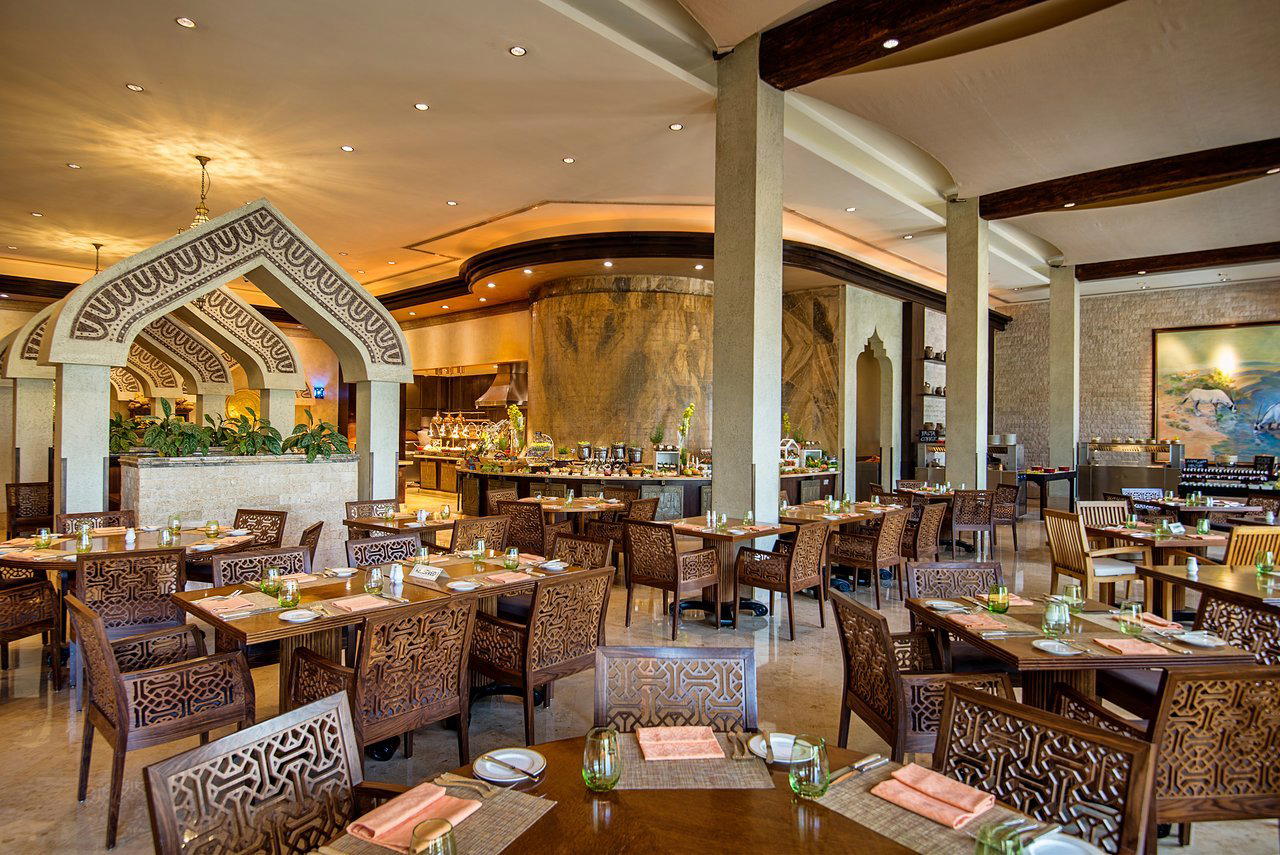
Where Doha's Gulf Dining Tradition Takes Shape
Ras Abu Abboud Street traces the edge of Doha Bay, and the address alone signals something about the kind of dining Al Liwan occupies. This is not the polished hotel corridor of the West Bay district, nor the design-conscious enclave of The Pearl. It sits in a part of the city where the relationship between food and place is more direct, where the sourcing logic of Gulf cooking — fish from nearby waters, spices moving through a trade corridor that predates most of the city's skyline — still has visible weight. In that context, Al Liwan reads as a venue whose identity is tied to a culinary geography rather than a brand strategy.
Doha's restaurant circuit has expanded rapidly over the past decade, with international operators claiming the upper tier of the market. Venues like IDAM by Alain Ducasse anchor the French-contemporary bracket at the leading price point, while Baron and Al Mourjan Restaurants each carve out positions within Middle Eastern formats aimed at different audiences. Al Liwan sits within this expanding field as a marker of the city's commitment to preserving a Gulf-specific dining register rather than defaulting entirely to the international template.
The Sourcing Logic Behind Gulf Cooking
Understanding why a restaurant like Al Liwan matters in Doha requires a brief account of what Gulf cuisine actually draws from. The Arabian Peninsula's food culture is not a monolithic tradition, it is layered, the product of Persian, Indian, Levantine, and East African influence moving through trade routes that made Doha a transit point long before it became a capital. Saffron arrived from Persia. Dried limes came from Oman. Rice preparations carry Mughal echoes. The protein base, heavily fish-dependent along the coast, with lamb and camel meat inland, was shaped by what the Gulf and the desert could provide.
That sourcing structure is what distinguishes Gulf cooking from its Levantine neighbors at a fundamental level. Where Lebanese or Syrian cuisine organizes itself around mezze pluralism and vegetable abundance, Gulf cooking tends toward concentrated flavor built from long-cooked proteins, aromatic rice, and spice combinations that are applied with patience rather than generosity. The result is food that rewards attention more than it announces itself. Venues that work within this tradition, such as Al Nahham, which has built a reputation around Qatari seafood, represent a specific and increasingly deliberate choice by a city that could easily outsource its culinary identity to international operators.
For those tracking where Doha's local dining scene sits relative to its international counterparts, our full Doha restaurants guide maps the city's key categories and price tiers.
How Al Liwan Positions Within Doha's Arabic Dining Tier
Doha's Arabic-heritage dining tier is more competitive than it was five years ago. Properties like Al Sufra at the Marsa Malaz Kempinski on The Pearl have established that Gulf-influenced formats can carry hotel luxury pricing and still attract local clientele. The mid-range Arabic category, by contrast, is less defined, it is the space where authenticity claims are loudest and verification is hardest. Al Liwan on Ras Abu Abboud occupies a position in this terrain that is defined more by its address and its community-facing orientation than by a manicured international presentation.
That is not a shortcoming. In a city where ALBA in Lusail and other newer developments are pulling dining northward toward the city's expanding edge, venues with longstanding presence in older Doha neighborhoods serve as anchors of a different kind of continuity. The comparison with globally recognized addresses, Le Bernardin in New York for its sourcing discipline, or HAJIME in Osaka for its regional ingredient commitment, illuminates what it means for a restaurant to operate as a genuine expression of place rather than a branded concept dropped into a city's hospitality grid.
The Physical Context: Approaching Al Liwan
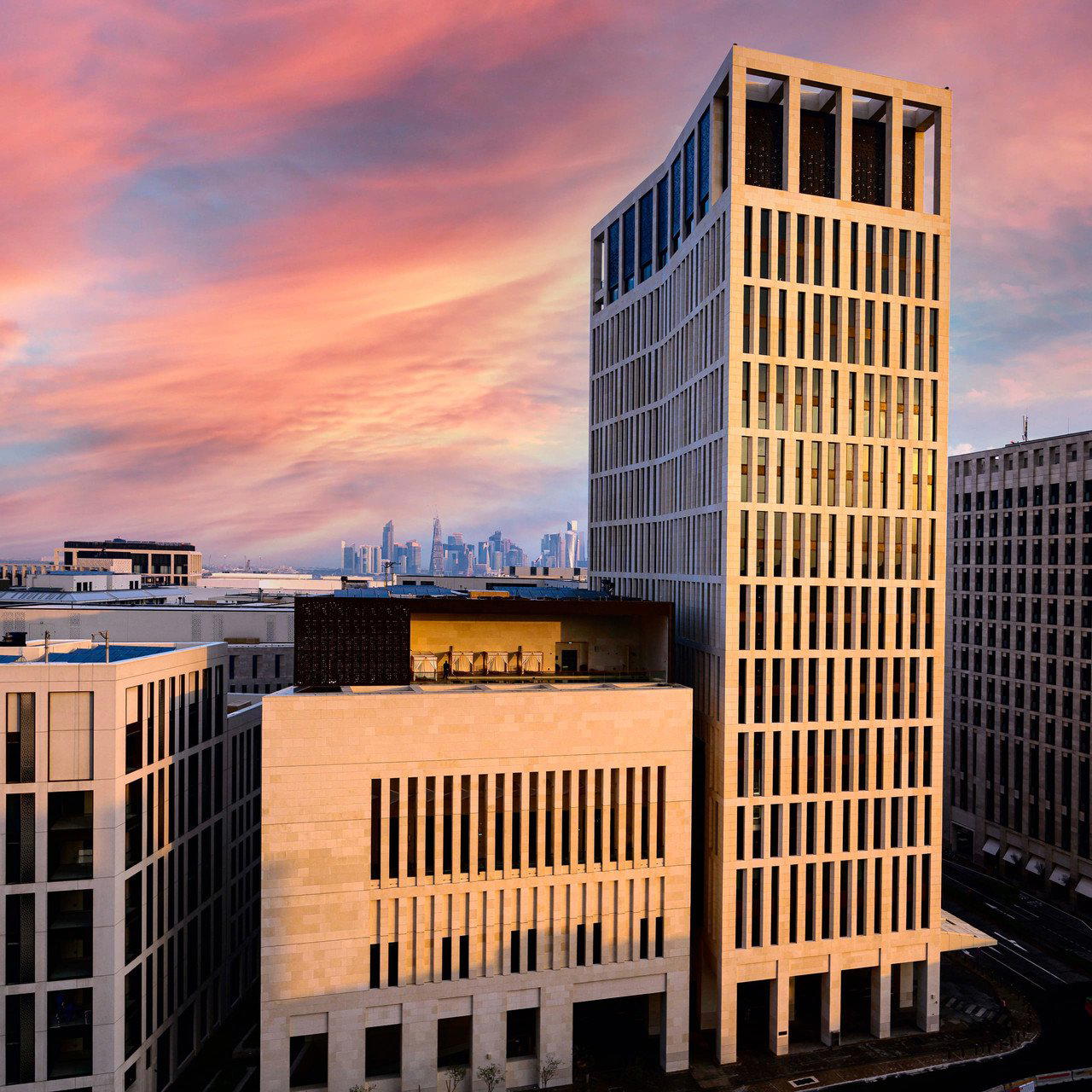
The stretch of Ras Abu Abboud that frames Al Liwan carries the ambient character of Doha before the large-scale redevelopment era fully arrived. The bay view is present but not packaged. The approach does not involve a valet plaza or a hotel lobby as intermediary. This is a different kind of entry into a meal, one where the surrounding urban fabric is part of the experience, not something to be insulated from. For diners accustomed to the hermetic quality of Doha's leading hotel restaurants, that directness can read as a recalibration.
Gulf dining at its most grounded tends to be communal and unhurried, organized around shared platters rather than sequential courses. The table becomes a space of accumulation rather than progression. That format is resistant to the tasting-menu logic that has shaped premium dining globally, venues like Atomix in New York or Reale in Castel di Sangro represent one end of the formalized, sequenced-experience spectrum. Gulf communal formats sit at the opposite end, and Al Liwan's positioning in a neighborhood-facing location suggests alignment with that more open, less choreographed tradition.
Planning Your Visit
Al Liwan is located on Ras Abu Abboud Street in Doha, accessible by road from most central districts. Given the limited publicly available data on current hours, booking methods, and pricing, the practical recommendation is to confirm details directly on arrival or through local concierge contact before building an itinerary around the venue. Doha dining hours typically shift during Ramadan and around national holidays, so seasonal timing matters. For visitors exploring the wider Arabic-heritage dining category in the city, pairing Al Liwan with a visit to Al Nahham gives a useful read on the range between more formal Qatari seafood presentations and neighborhood-scale Gulf cooking.
Doha's dining scene is expanding in multiple directions simultaneously. Carluccio's in Leabaib and Planet Hollywood in Msheireb represent the international casual tier that fills a different function in the city's hospitality architecture. For those whose interest is specifically in Gulf culinary tradition, the sourcing logic, the spice grammar, the communal format, Al Liwan on Ras Abu Abboud is a point on that map worth locating.
How Al Liwan Doha compares with similar nearby venues.
| Venue | Cuisine | Price |
|---|---|---|
| Bayt Sharq | Middle Eastern | ﷼ |
| Jiwan | Middle Eastern | ﷼﷼ |
Continue exploring
More in Doha
Bars in Doha
Browse all →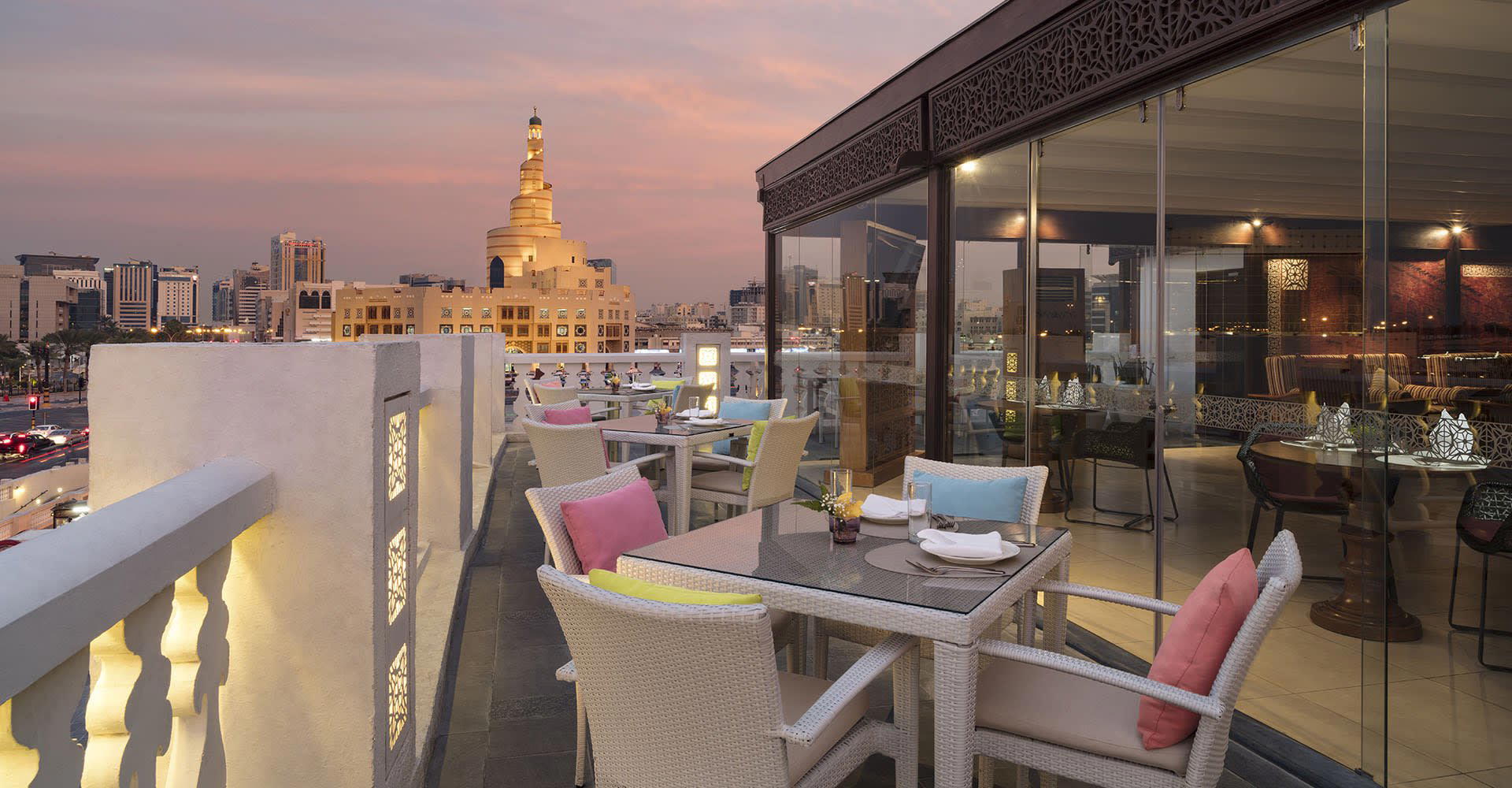
At a Glance
- Elegant
- Cozy
- Family
- Brunch
- Hotel Restaurant
- Open Kitchen
Current opening hours
- Monday
- 6:30–10:30 AM, 12:30–3:30 PM, 6:30–10 PM
- Tuesday
- 6:30–10:30 AM, 12:30–3:30 PM, 6:30–10 PM
- Wednesday
- 6:30–10:30 AM, 12:30–3:30 PM, 6:30–10 PM
- Thursday
- 6:30–10:30 AM, 12:30–3:30 PM, 6:30–10 PM
- Friday
- 6:30–11 AM, 6:30–10:30 PM
- Saturday
- 6:30–11 AM, 12:30–4 PM, 6:30–10:30 PM
- Sunday
- 6:30–10:30 AM, 12:30–3:30 PM, 6:30–10 PM
Hours can change for holidays and private events. Last verified .
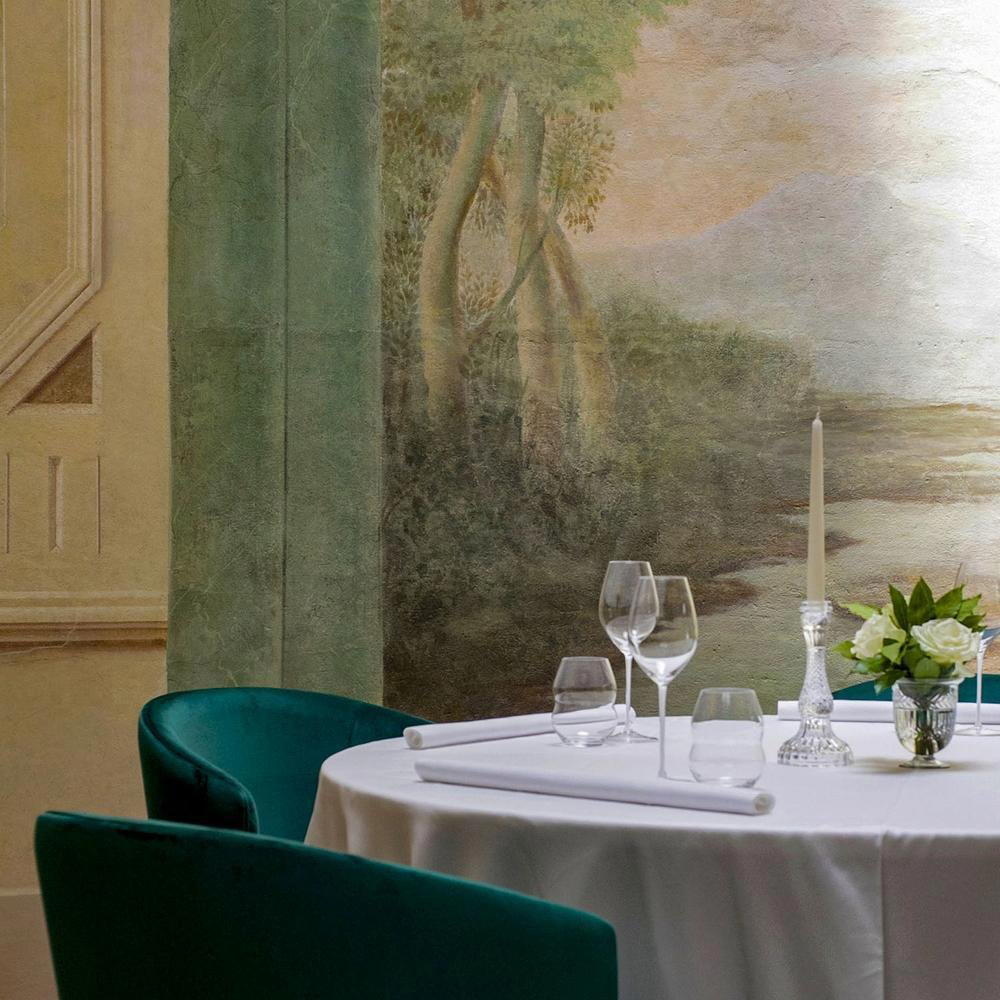
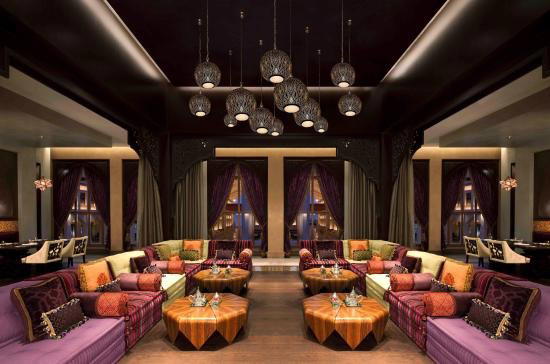
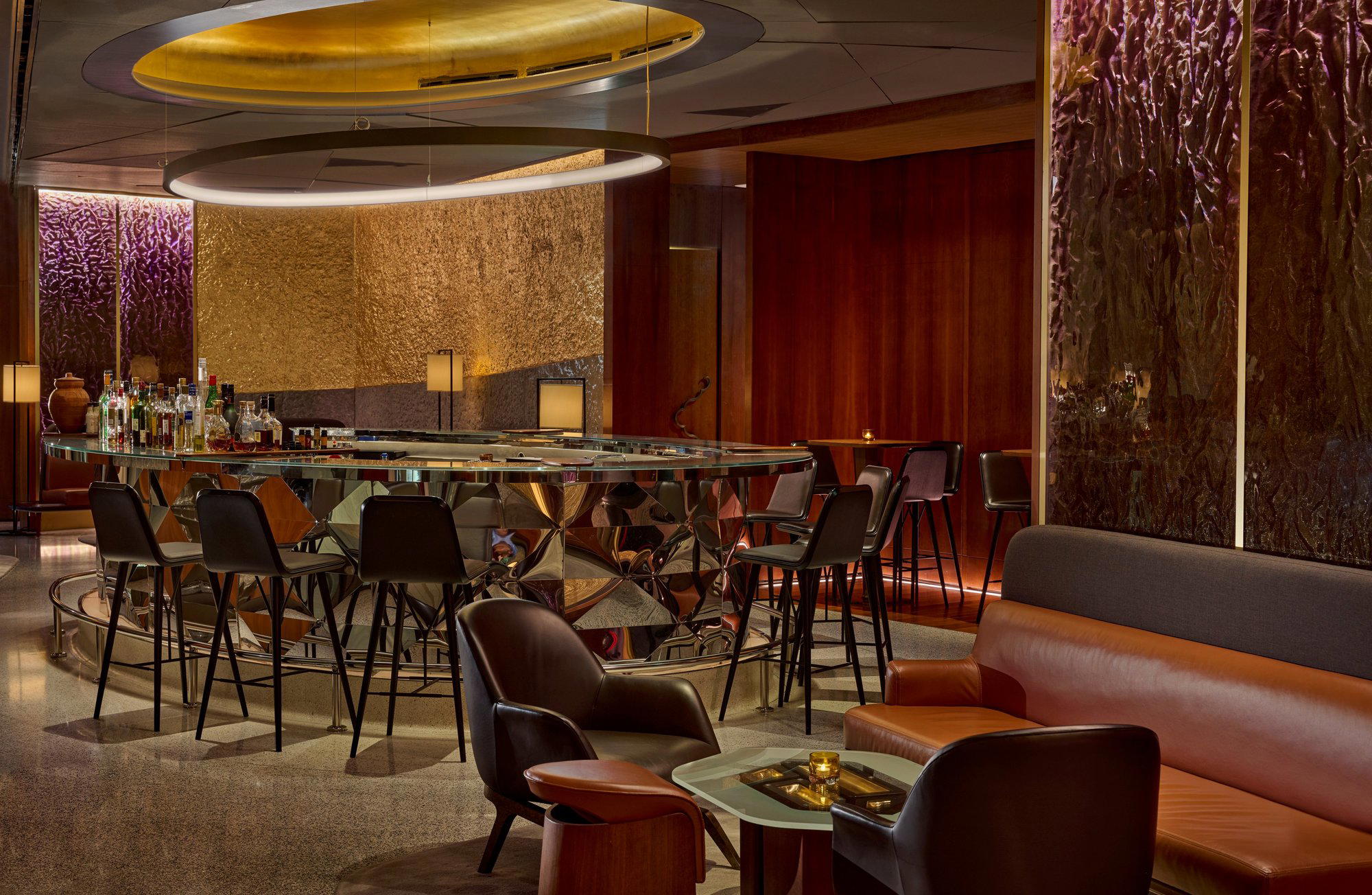
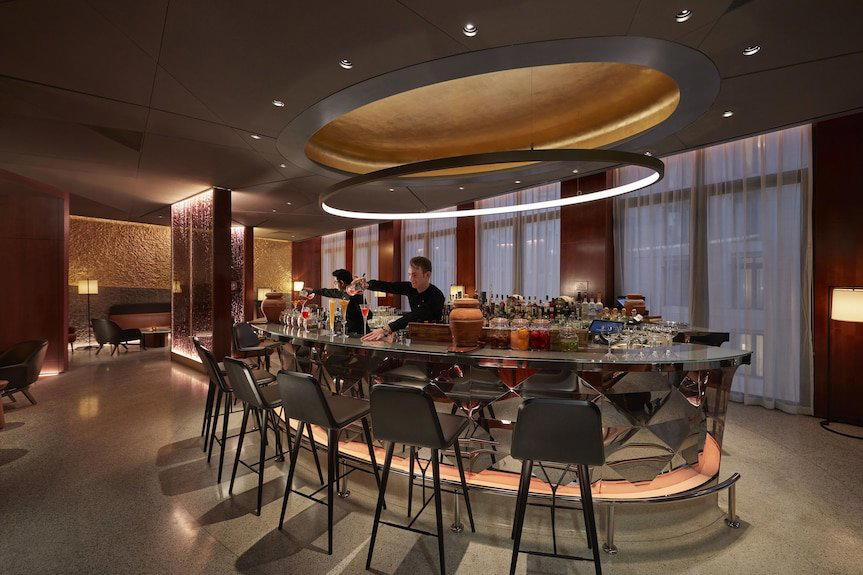
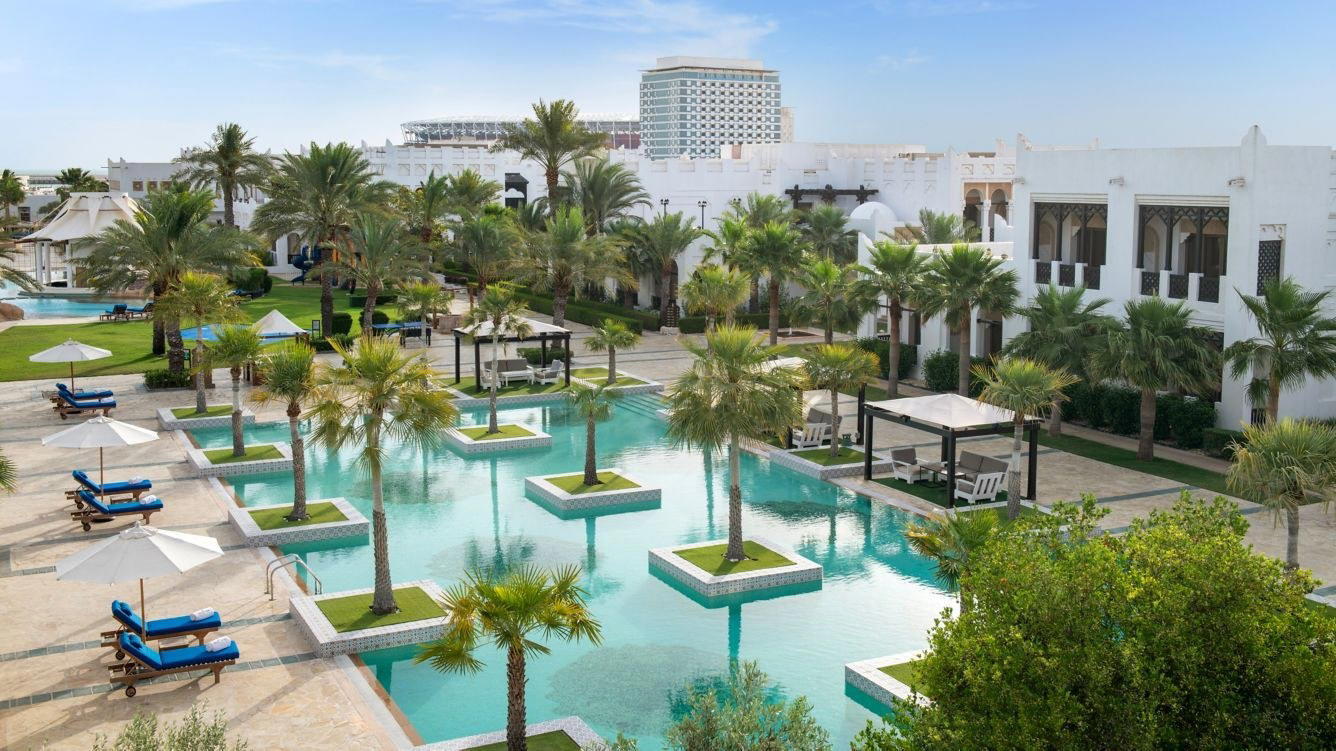
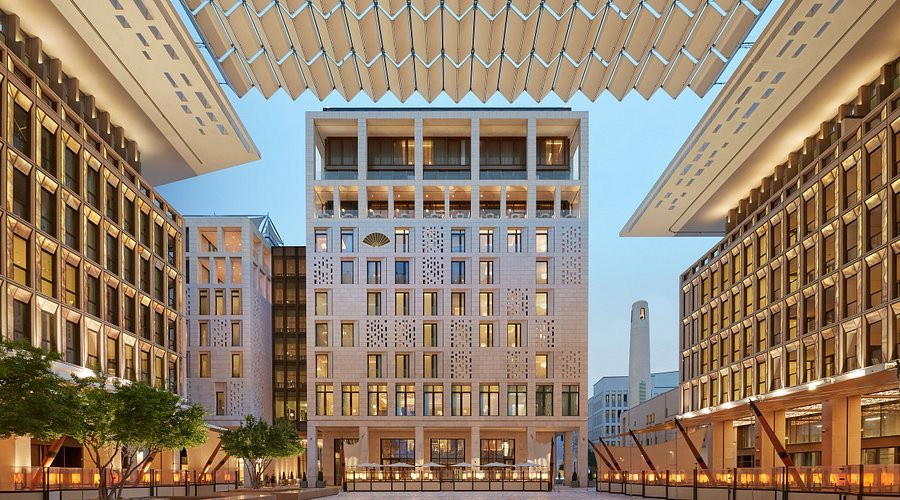
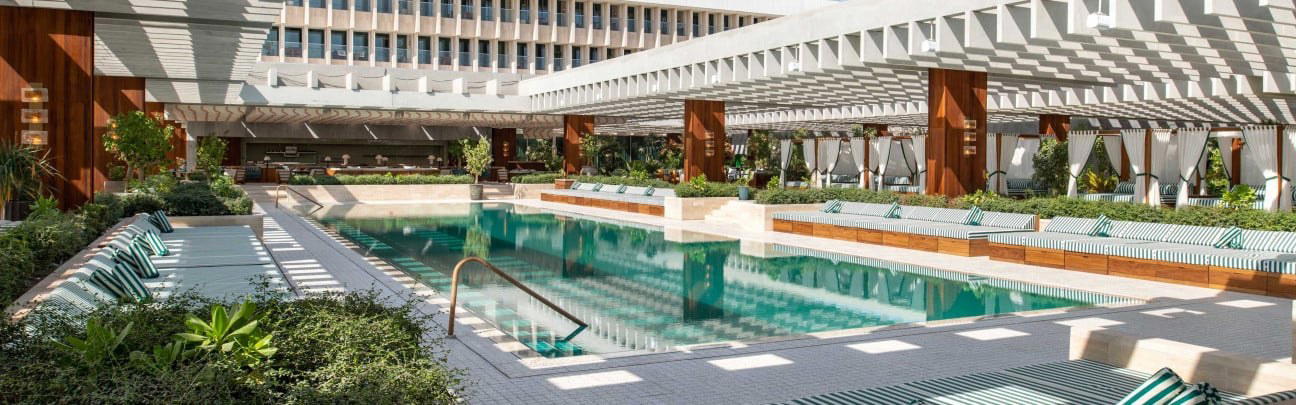
Elegant yet relaxed atmosphere with graceful architecture, colorful displays, and a beautiful setting.
Know Before You Go
- Getting there
- Ras Abu Abboud St, Doha, Qatar