
Al Sufra at Marsa Malaz Kempinski brings together the distinct culinary traditions of Lebanon, Cyprus, Syria, Jordan, and Palestine under one roof on The Pearl's Marina Drive. Chef Julien Al Khal, a multiple award recipient for his Levantine cooking, shapes a menu where vegetables and aromatics carry as much weight as proteins. The pricing sits firmly in the upper tier of Doha's dining scene, and the kitchen's execution justifies that position.
Pearl is the En Primeur Club membership app — saves, bookings, and concierge access live there. Same editors, same standards.
- Address
- The Pearl - Doha Costa Malaz Bay, Marina Drive، Doha, Qatar
- Phone
- +974 4035 5555
- Website
- kempinski.com
- Directions
- Get directions
 Saves & bookings on Pearl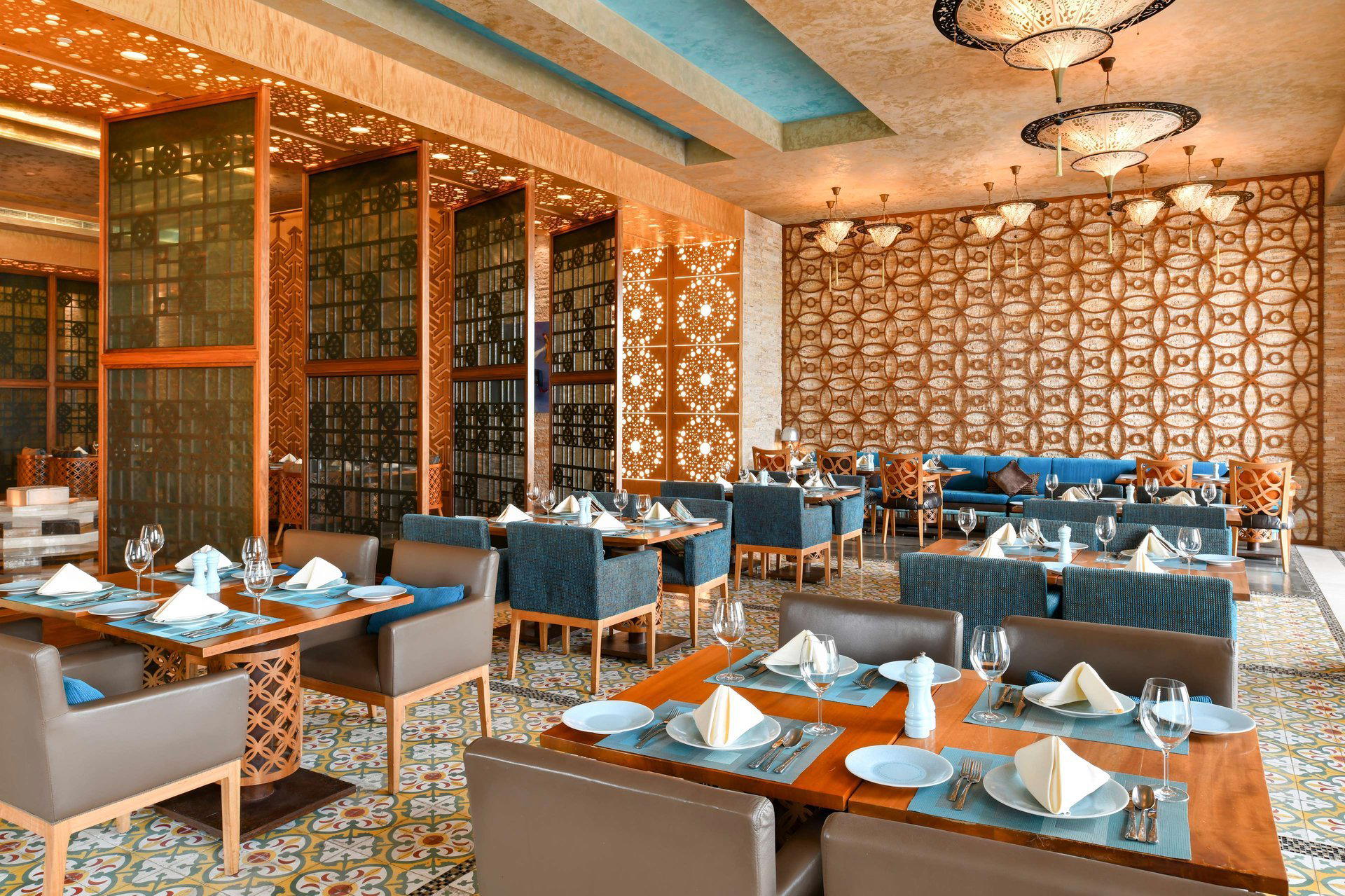
Where the Eastern Mediterranean Table Meets The Pearl
The Pearl's waterfront promenade has a way of recalibrating expectations before you even sit down. Marina Drive draws a crowd that moves between superyacht berths and designer boutiques, and the properties lining it have had to earn their place in that setting rather than simply occupy it. Al Sufra, inside the Marsa Malaz Kempinski, occupies a position on that strip that is less about spectacle and more about a particular kind of seriousness: the seriousness of a kitchen that takes the Eastern Mediterranean pantry as its primary subject.
That pantry spans five distinct culinary traditions. Lebanese, Cypriot, Syrian, Jordanian, and Palestinian cooking each carry their own logic around spice, acidity, and the role of the vegetable, and Al Sufra's menu treats that breadth as a starting point rather than a selling point. The result is a dining room where the food carries the conversation, not the view.
The Levantine Ingredient Tradition and Why It Matters Here
Eastern Mediterranean cooking is, at its structural core, a vegetable-forward tradition. The cuisines of Lebanon, Syria, Jordan, Palestine, and Cyprus share an orientation toward legumes, fresh herbs, and fermented preparations that predates any trend toward plant-based dining by centuries. What distinguishes a technically accomplished kitchen in this tradition from a competent one is the quality and treatment of those foundational ingredients: the brightness of the lemon, the depth of the sumac, the freshness of the za'atar, the precise char on an aubergine.
In Doha's hotel dining circuit, this tradition is most often represented through a broad Middle Eastern category that conflates Gulf cooking with Levantine cooking, collapsing significant culinary distinctions for the sake of menu legibility. Al Sufra takes a more specific position. The kitchen is oriented around the Mediterranean corridor rather than the Gulf, which means aromatics and vegetables carry structural weight on the plate rather than appearing as accompaniments to grilled proteins.
Chef Julien Al Khal has accumulated recognition across the region for his approach to this tradition, and the awards reflect a consistent positioning: a kitchen that works within a defined culinary geography and executes it with precision. That kind of geographic discipline is relatively rare in a hotel dining environment where menus tend to expand rather than contract to maintain broad appeal.
Doha's Upper Dining Tier and Where Al Sufra Sits
Pricing at Al Sufra runs high, consistent with its position inside a Kempinski property on The Pearl. That price bracket in Doha is occupied by a small set of restaurants operating at genuine technical depth. IDAM by Alain Ducasse anchors the French contemporary end of that tier, while Baron addresses the broader Middle Eastern register at a different price point. Al Sufra's specific claim in that competitive set is geographic focus: the Levantine and Eastern Mediterranean corridor, executed at a level of refinement that the awards record bears out.
For context, the comparable international tier includes restaurants like Le Bernardin in New York City, Alain Ducasse's Louis XV in Monte Carlo, and 8½ Otto e Mezzo Bombana in Hong Kong, all of which operate from a position of geographic and culinary specificity within their respective hotel contexts. Al Sufra operates on the same principle applied to the Eastern Mediterranean.
Within Doha's own dining spread, the restaurant sits alongside Al Nahham for those interested in regionally rooted cooking, while Argan addresses the North African side of the broader Mediterranean table at a lower price point. Alba covers the Italian Mediterranean register for those whose interest runs west rather than east.
What the Menu's Geography Means in Practice
Covering Lebanon, Cyprus, Syria, Jordan, and Palestine within a single menu is an exercise in restraint as much as range. Each of those culinary traditions has specific technical hallmarks: Lebanese cooking's emphasis on freshness and acid balance, Cypriot cooking's use of halloumi and grain preparations, Syrian cooking's depth with spice blends like baharat, Jordanian mansaf traditions around fermented dairy, Palestinian musakhan with its sumac-forward profile. A kitchen that takes these seriously cannot treat them interchangeably.
The Mediterranean character of the menu, as noted in the venue's positioning, comes from a consistent reliance on vegetables, olive oil, and aromatics rather than the heavier fat and protein orientations that define Gulf cooking further east. That distinction matters for how the meal reads over multiple courses: the cumulative effect is lighter, more acidic, and more herb-driven than a comparable spend at a restaurant working from a Gulf-centered menu.
For readers who want to trace the broader logic of ambitious Mediterranean cooking at this price point, the reference points extend internationally to kitchens like Aponiente in El Puerto de Santa María, where geographic specificity and ingredient discipline define the project, or Lazy Bear in San Francisco for the principle of a tasting format built around a defined culinary point of view rather than crowd-pleasing breadth.
Planning a Visit
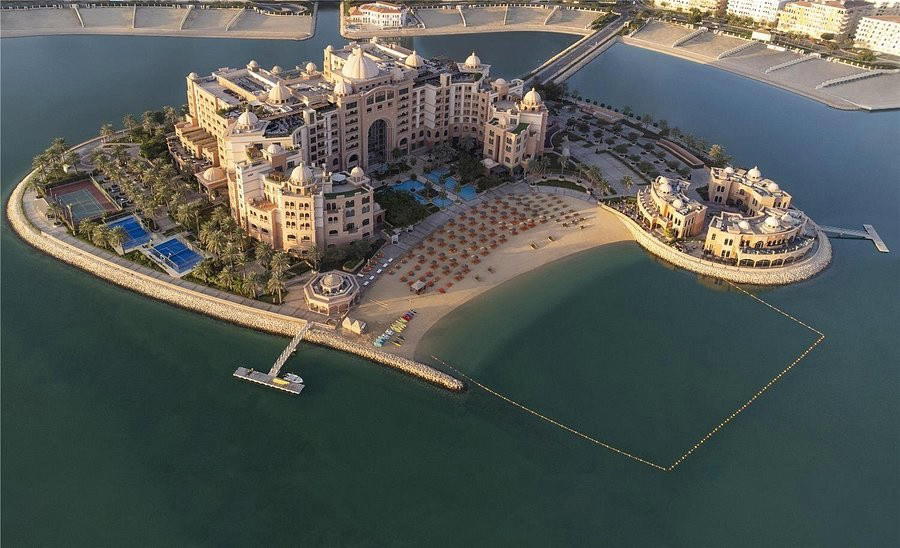
Al Sufra is located at the Marsa Malaz Kempinski on Marina Drive, Costa Malaz Bay, The Pearl, Doha. The address places it on the western waterfront of The Pearl island development, accessible by car from central Doha in under twenty minutes depending on traffic, and walkable from other Pearl waterfront properties. Given the pricing tier and the kitchen's reputation for awards-backed consistency, reservations are advisable rather than optional, particularly on weekends when The Pearl's dining footfall increases significantly. Phone and direct booking details are best confirmed through the Kempinski property directly. Dress code aligns with the standards of a five-star hotel dining room.
For broader orientation around where this restaurant fits within Doha's dining scene, EP Club's full Doha restaurants guide maps the city's dining tiers in detail. Those planning a longer stay will find the Doha hotels guide and the Doha bars guide useful for building an itinerary around this part of the city. The Doha experiences guide and Doha wineries guide round out the picture for those spending several days in Qatar's capital.
How Al Sufra - Marsa Malaz Kempinski - The Pearl, Doha compares with similar nearby venues.
| Venue | Cuisine | Price | Awards |
|---|---|---|---|
| Al Sufra - Marsa Malaz Kempinski - The Pearl | Not listed | Not listed | We're Smart World 2025, 2 Radishes |
| BiBo | Spanish | ﷼﷼﷼ | Not listed |
| Kai’s Songbird | Chinese | ﷼﷼﷼ | Not listed |
| TONO | Peruvian | ﷼﷼﷼ | Not listed |
Recognition history
Dated appearances from independent guides and award organizations, with the underlying list record or original source where available.
We're Smart World 2 Radishes
We're Smart World
Continue exploring
More in Doha
Restaurants in Doha
Browse all →
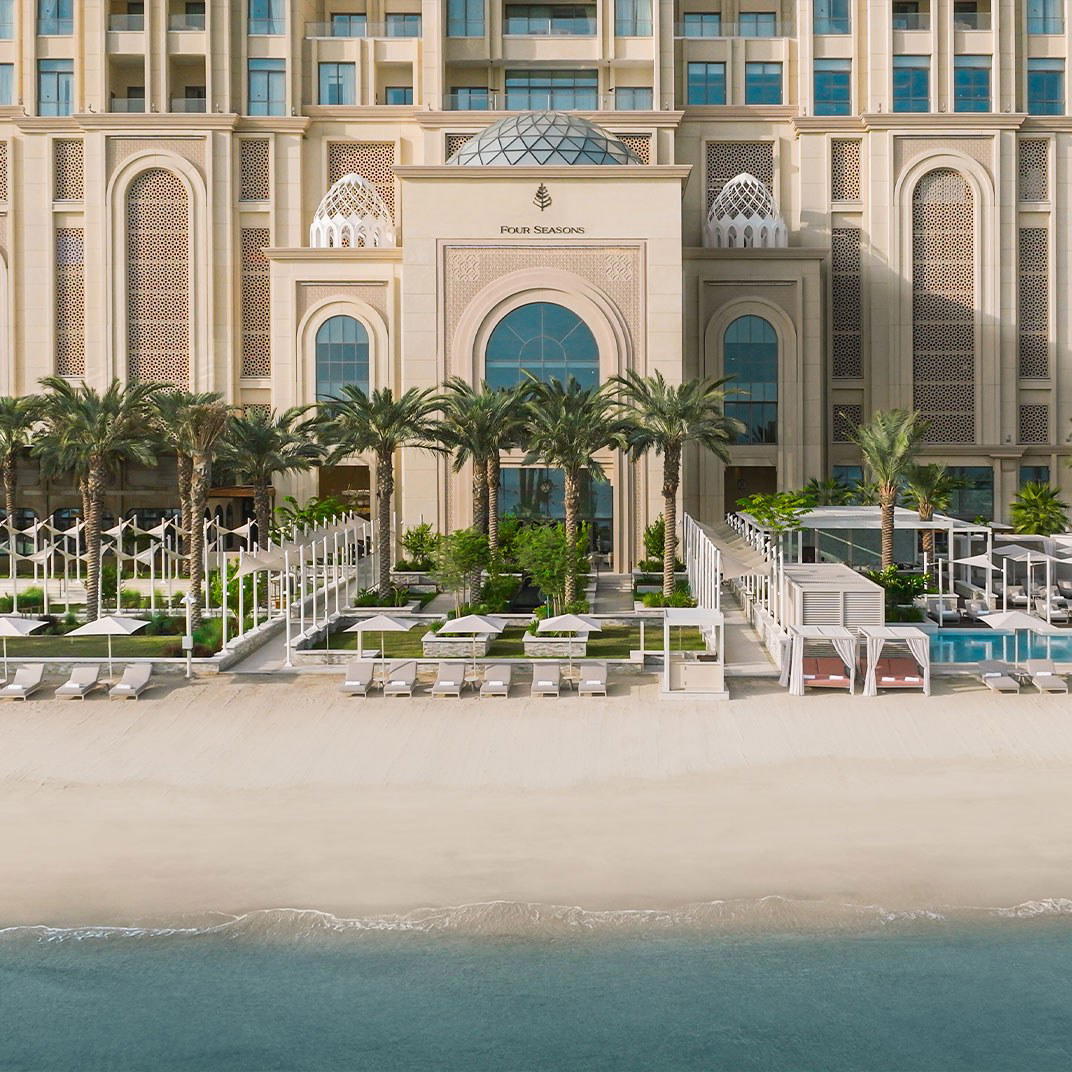
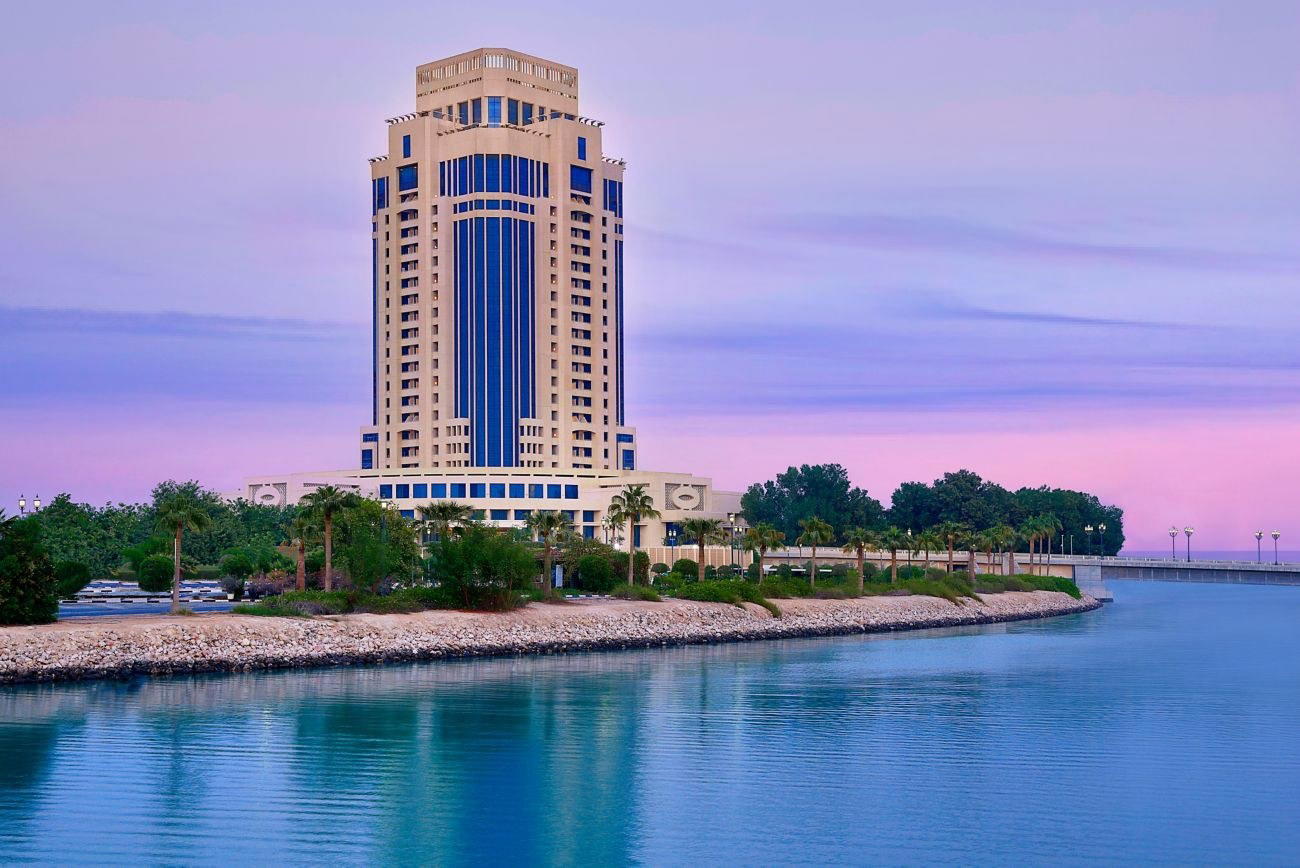
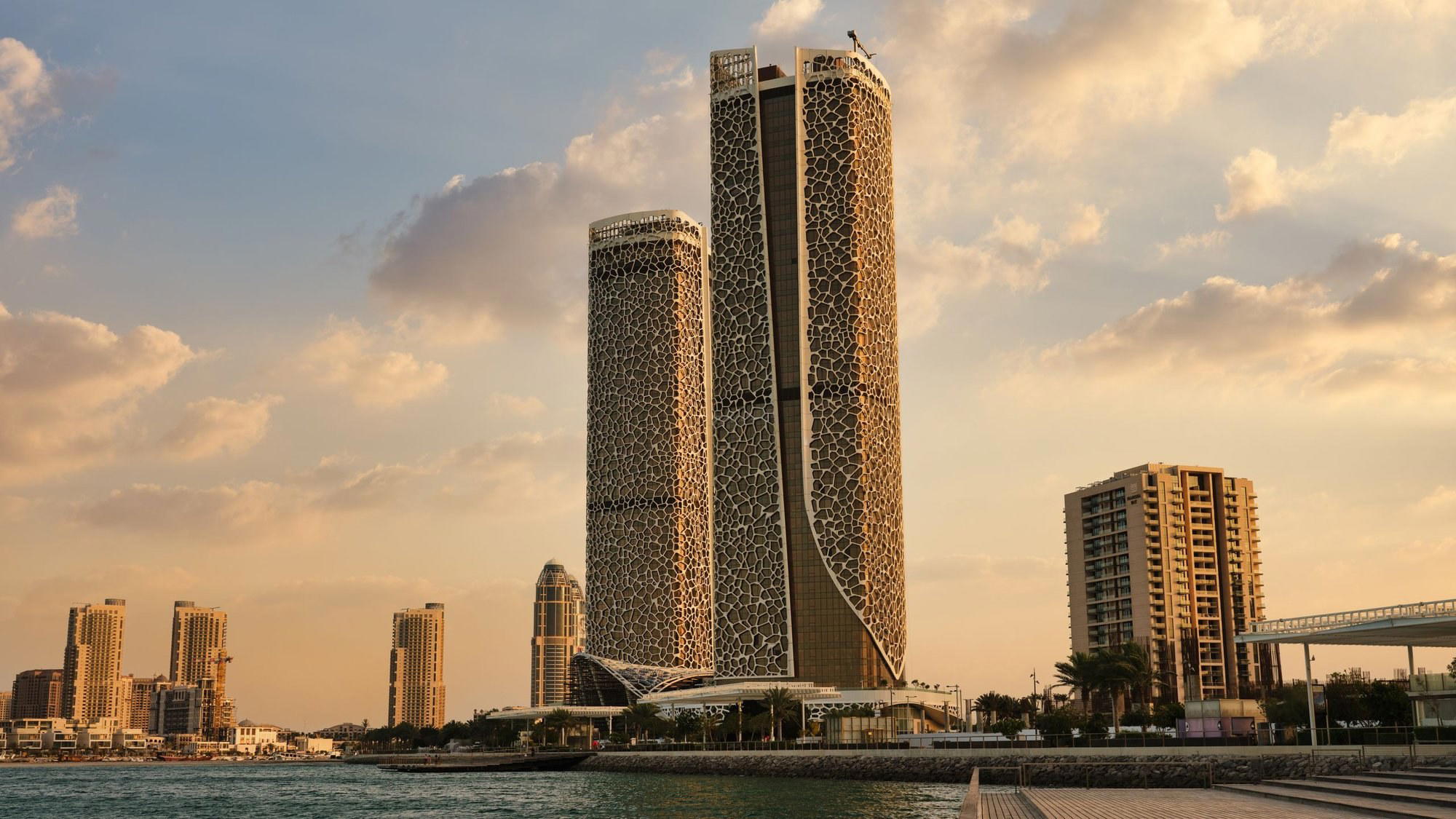
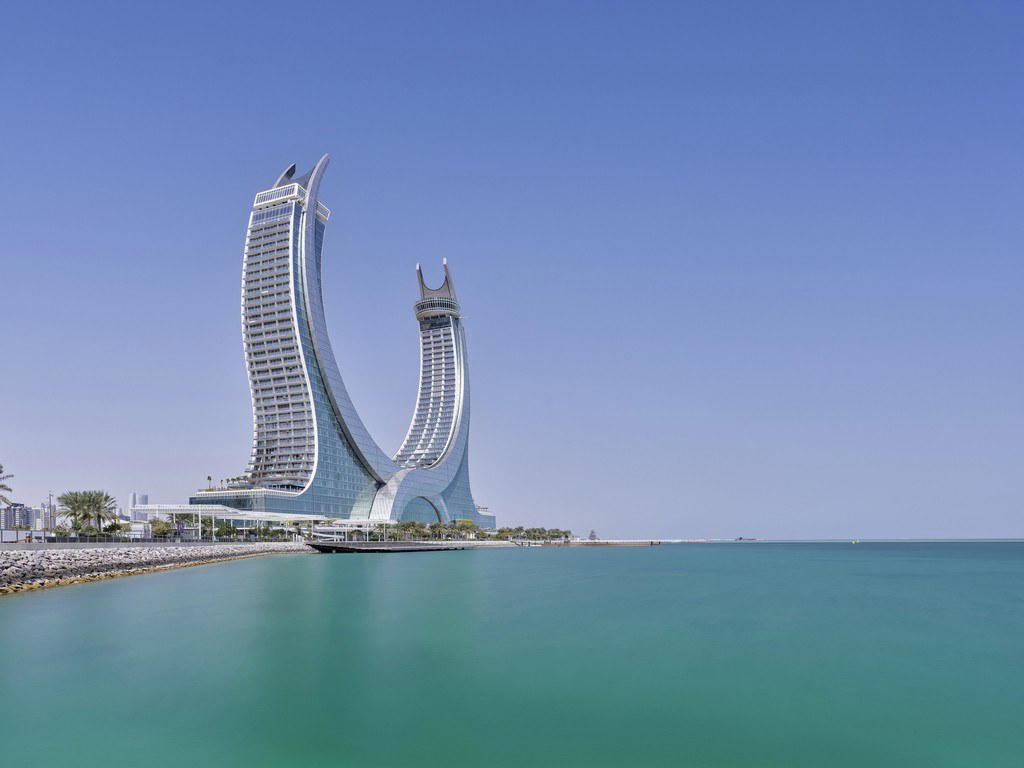
At a Glance
- Elegant
- Sophisticated
- Brunch
- Special Occasion
- Hotel Restaurant
- Terrace
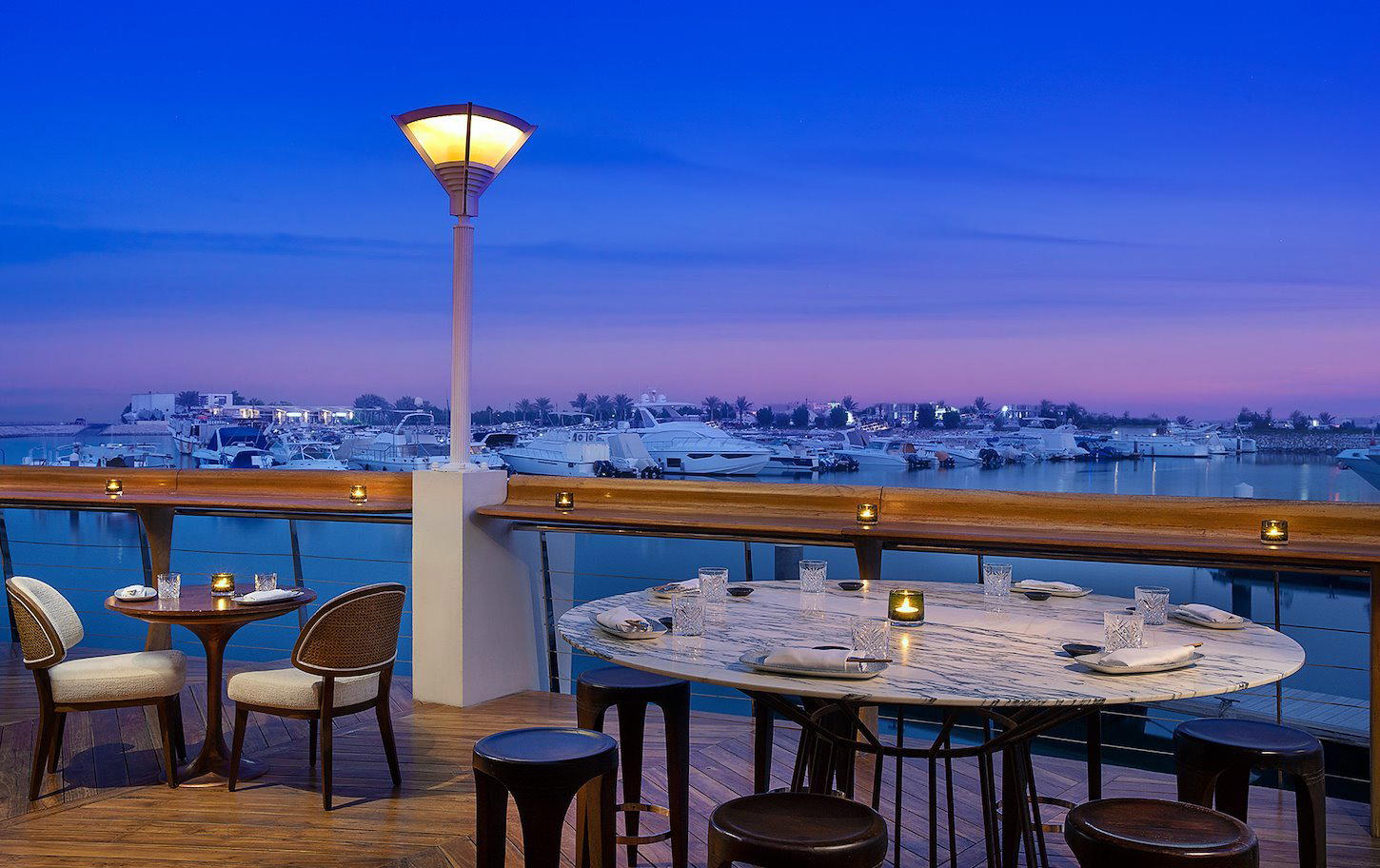
- Waterfront
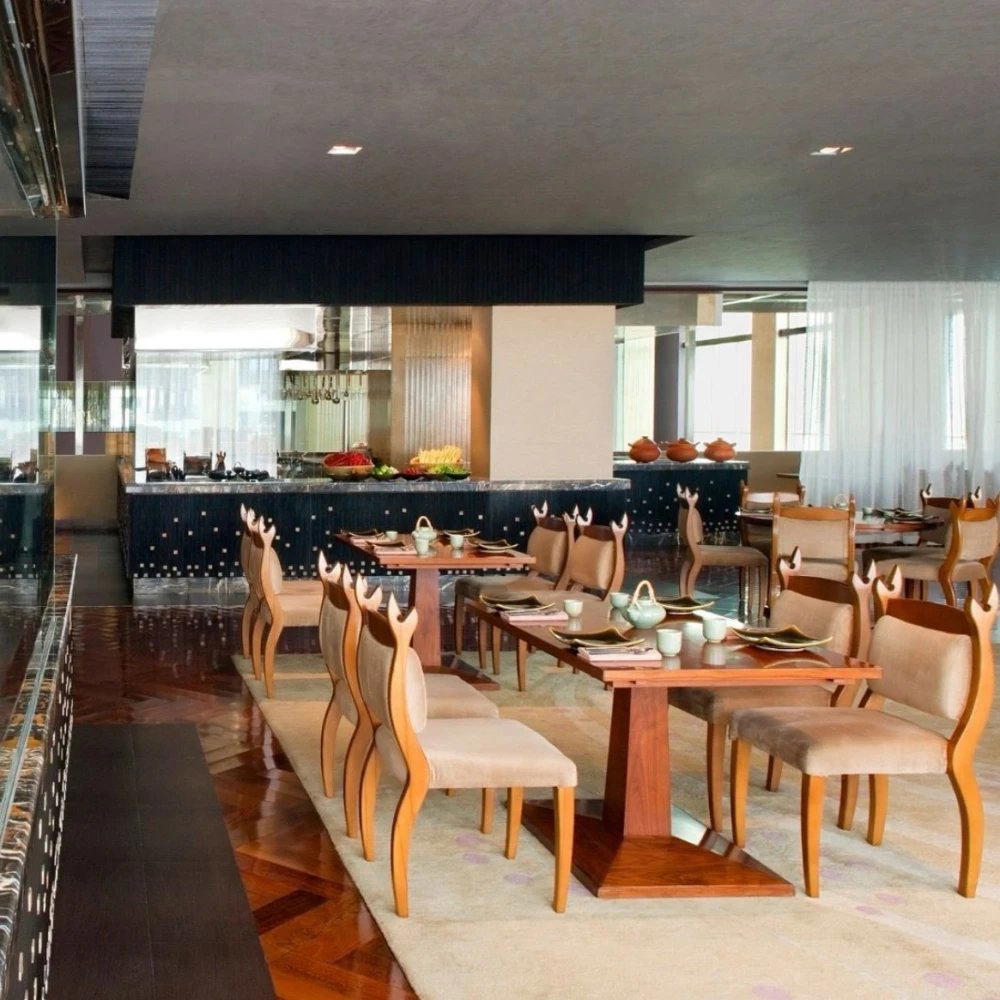
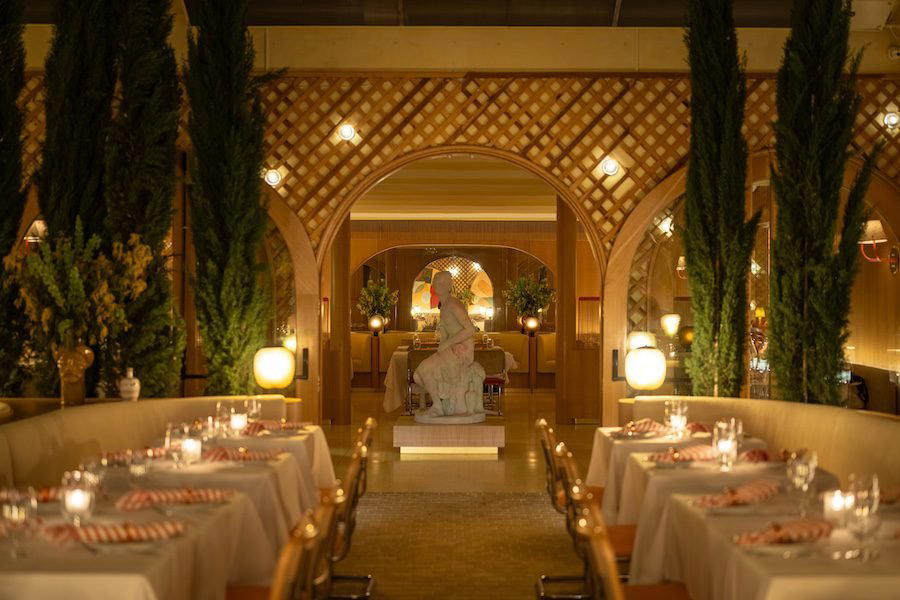
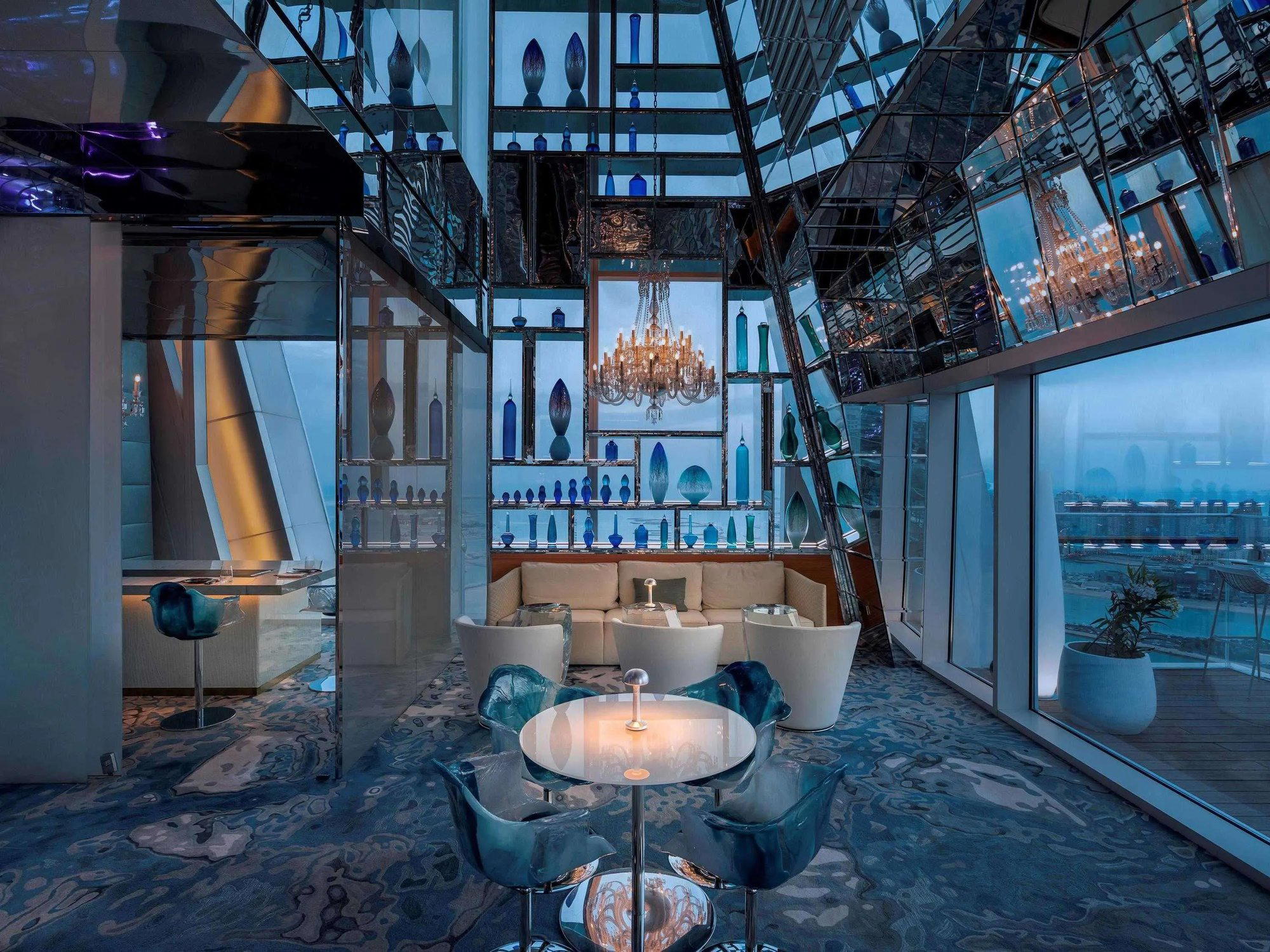
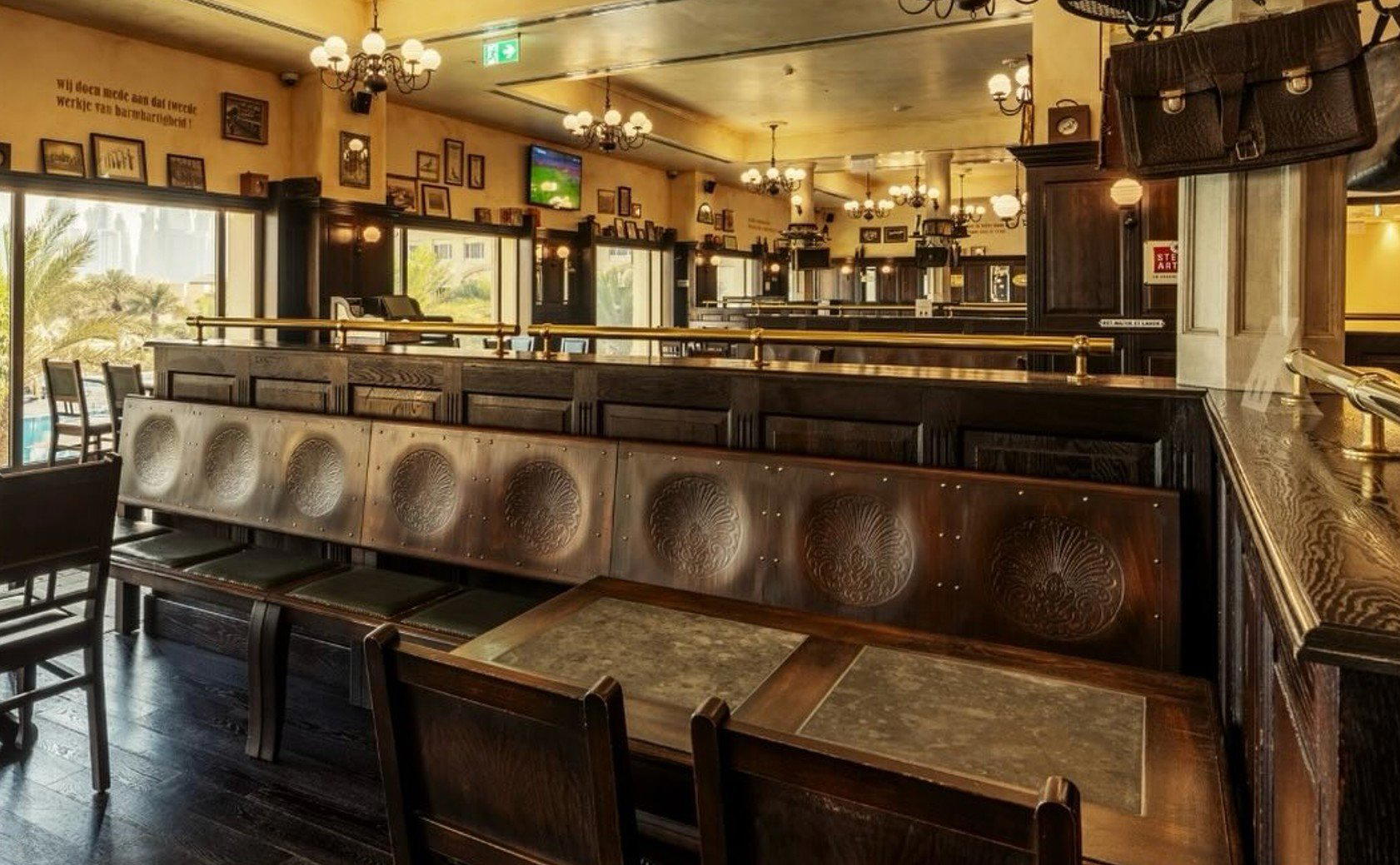
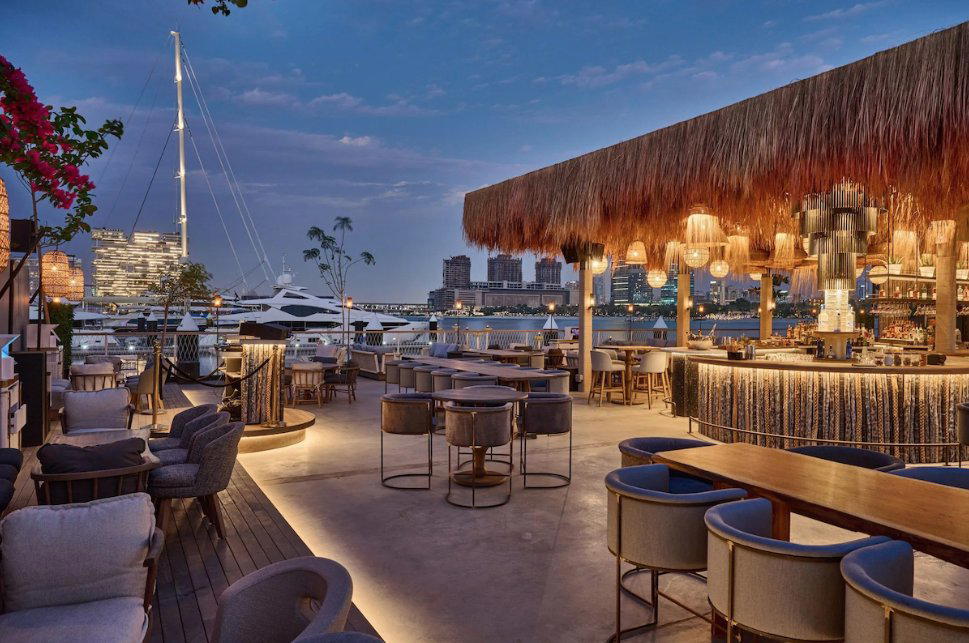
Contemporary gold and turquoise decor with dramatic art and ornaments, offering a timeless charm, spacious seating, coffee lounge, and open terrace.
Know Before You Go
- Getting there
- The Pearl - Doha Costa Malaz Bay, Marina Drive، Doha, Qatar