
Michelin Bib Gourmand
Our verdict
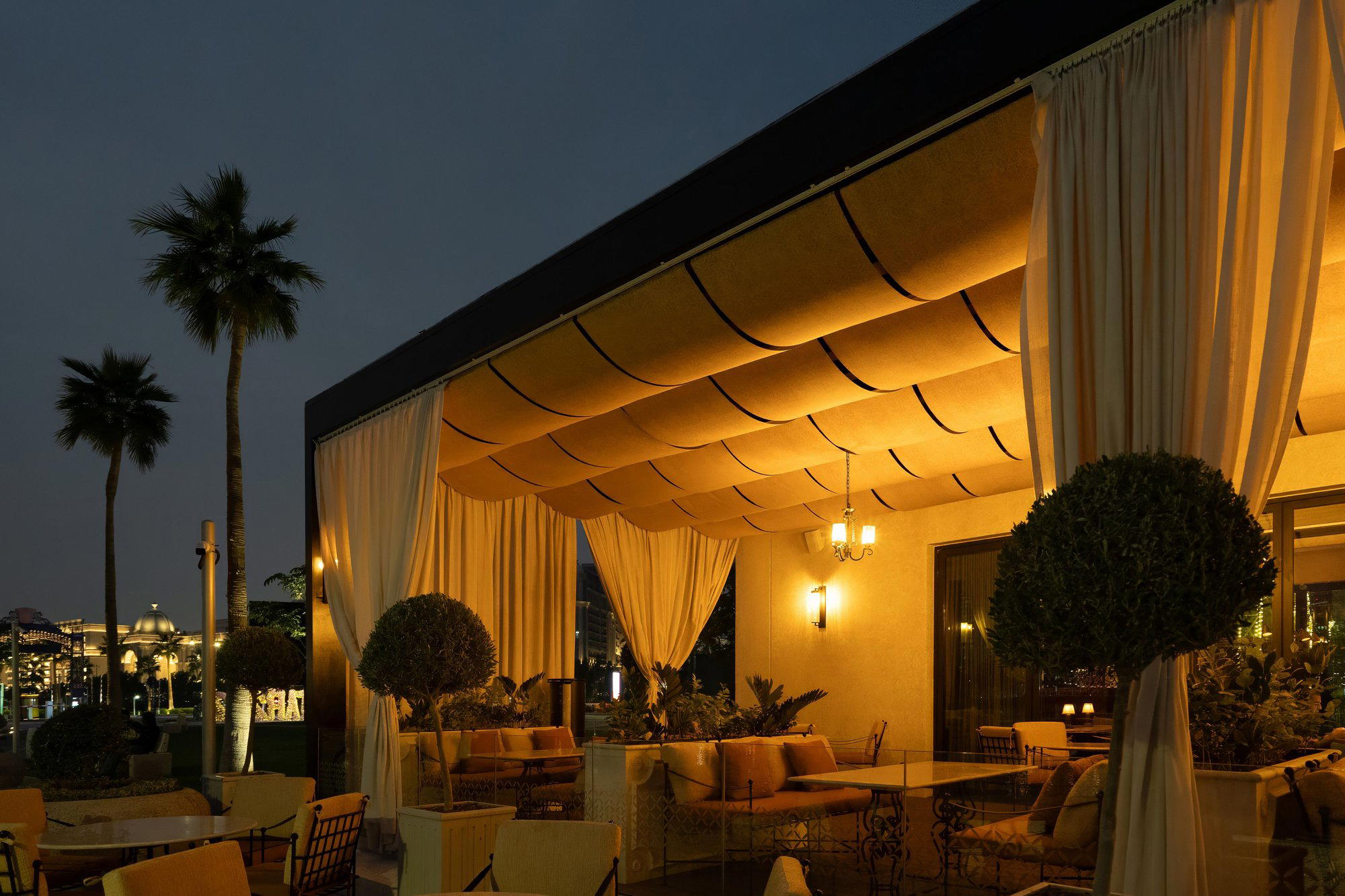
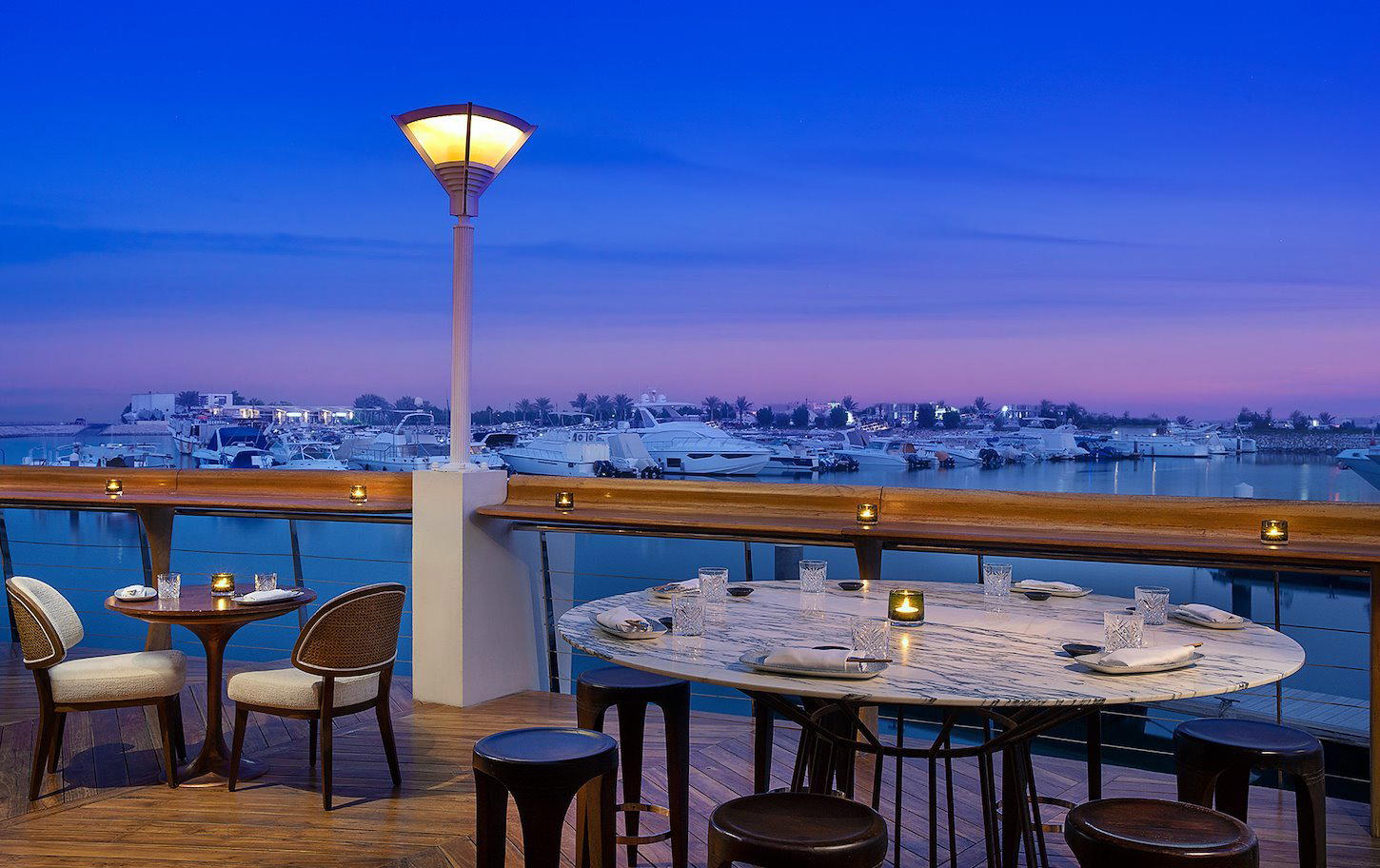
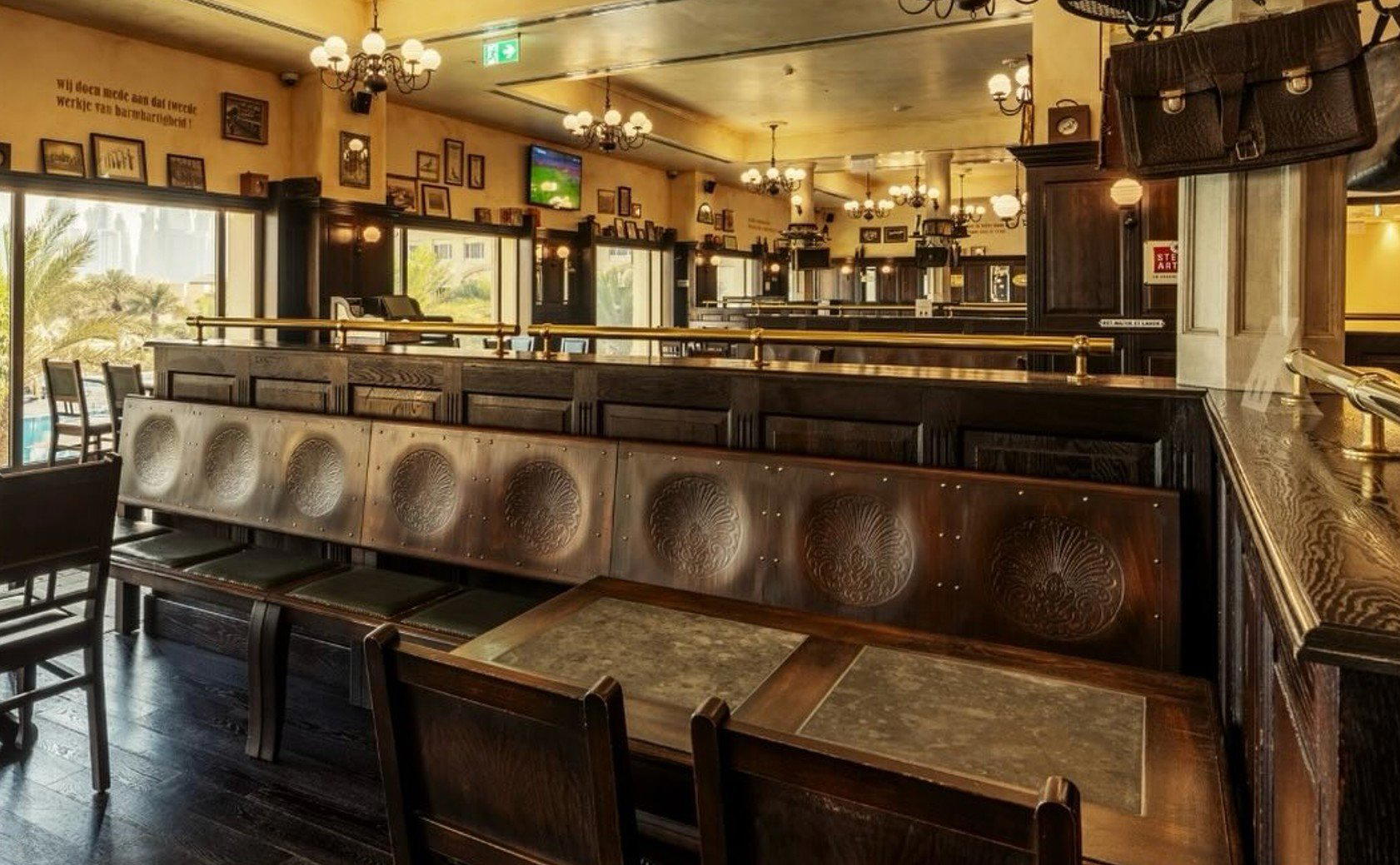
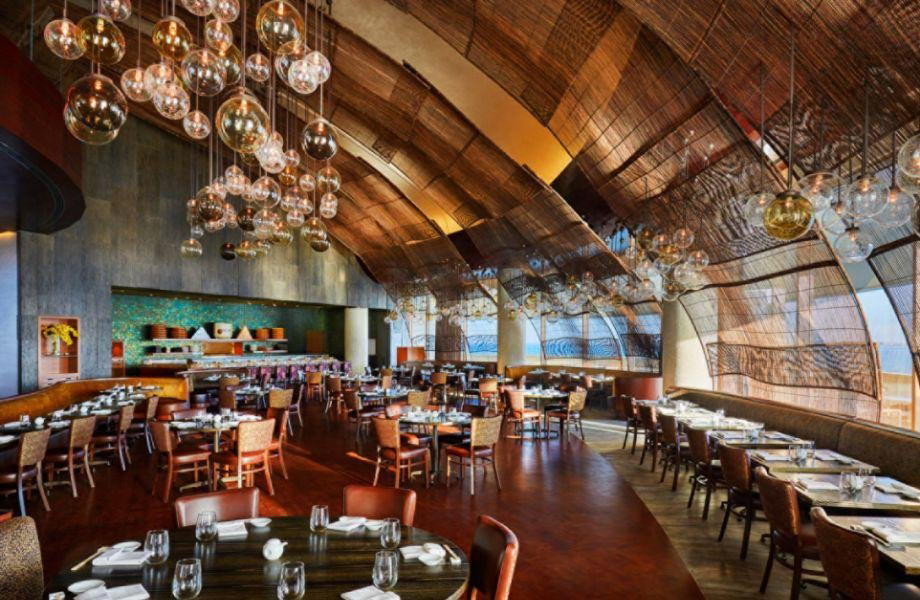
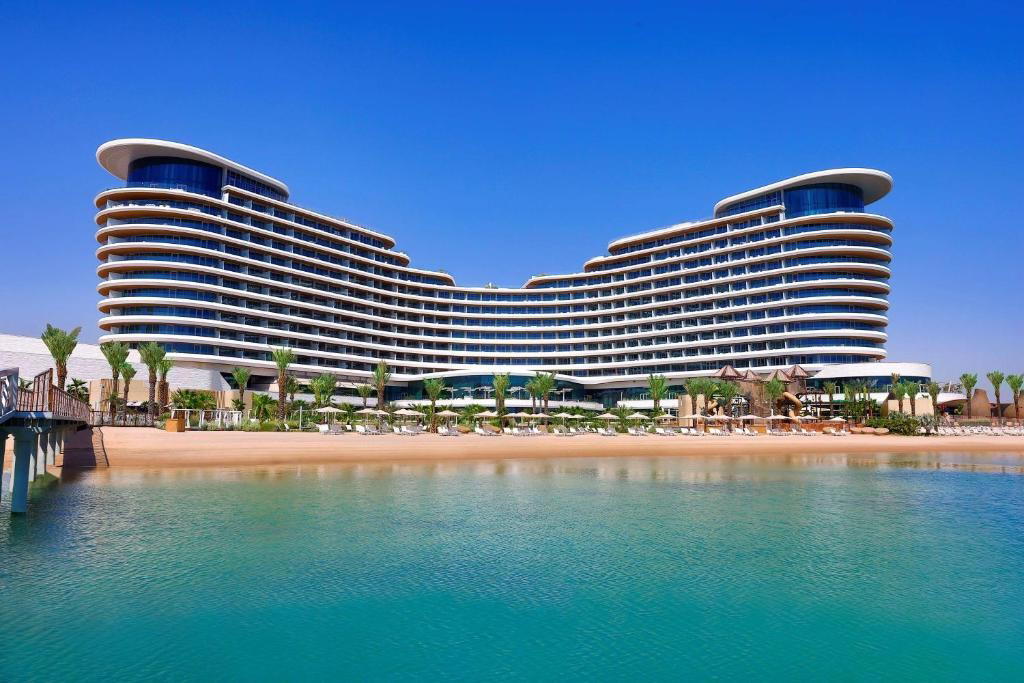
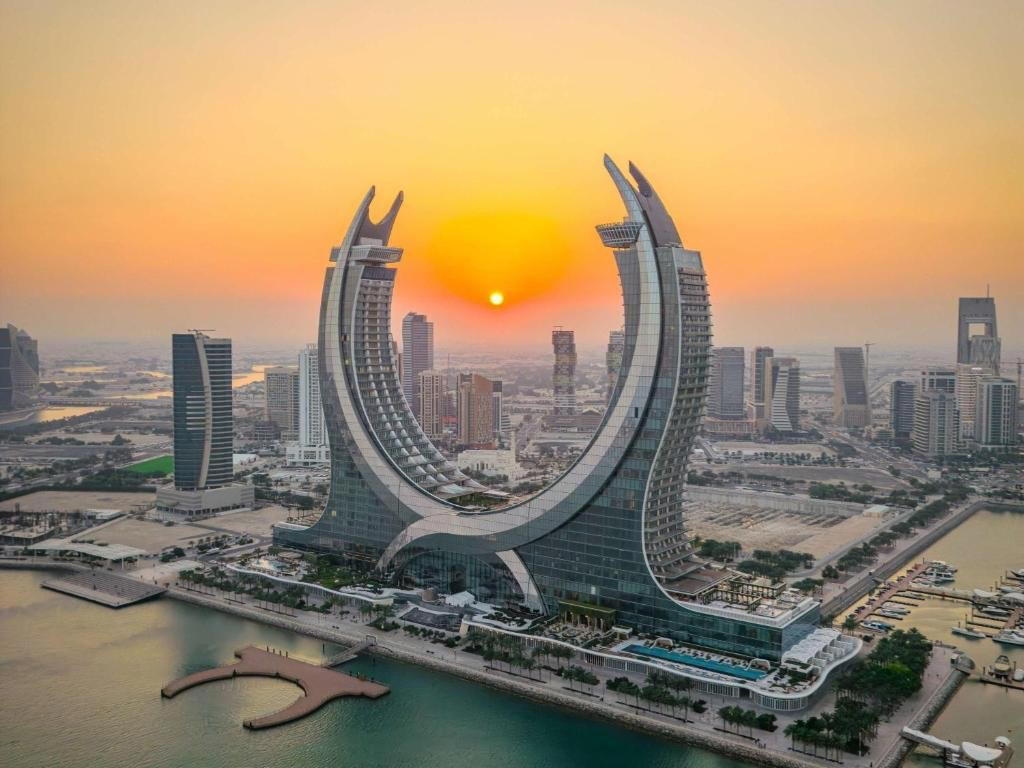
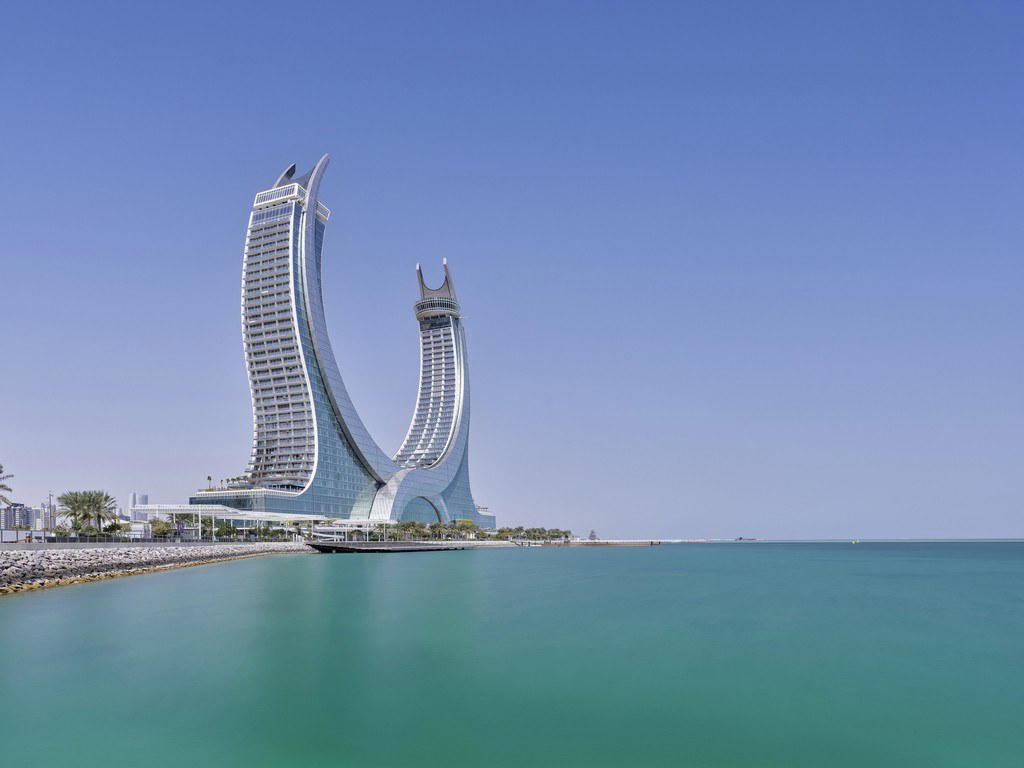
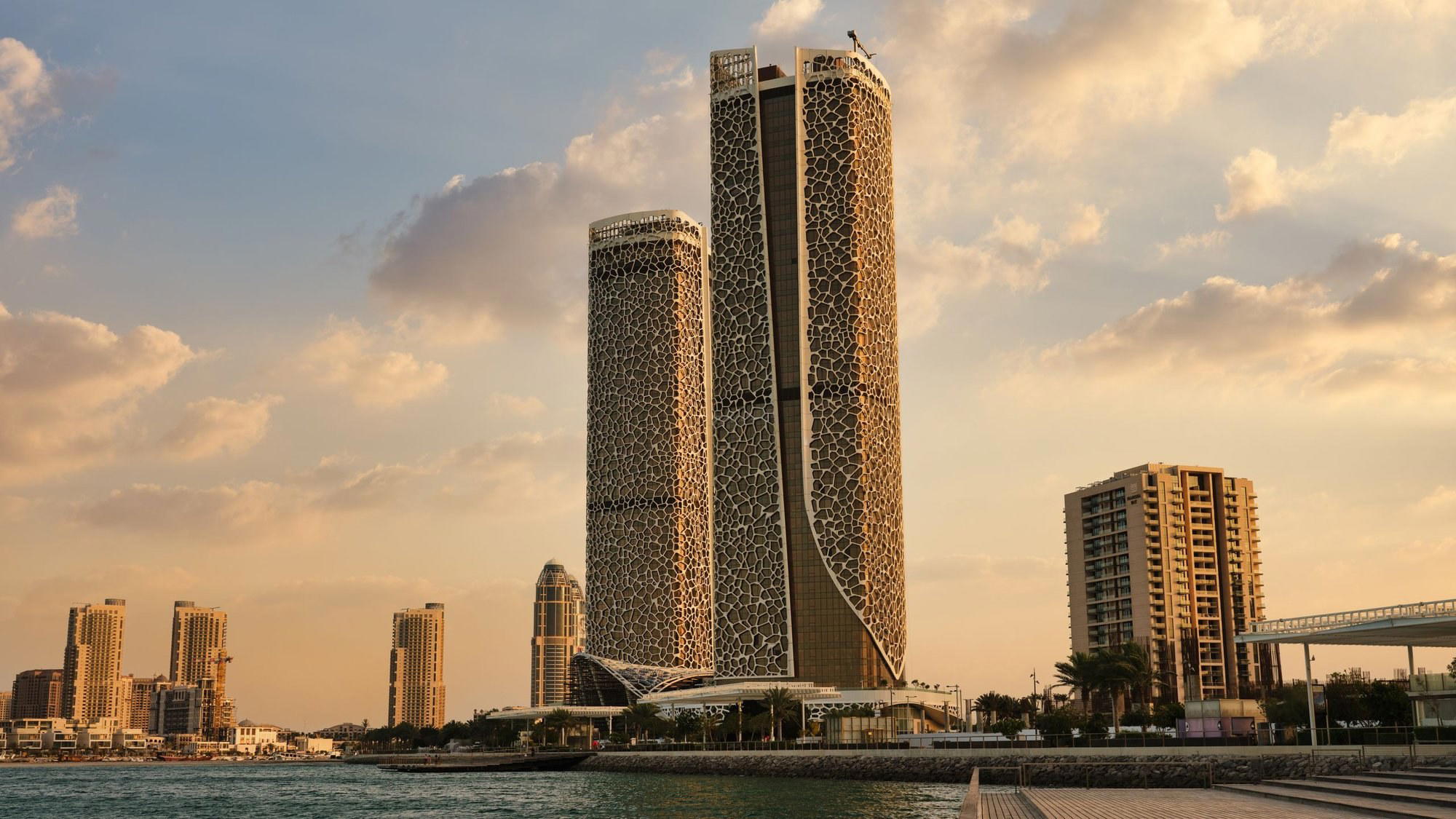
On Al Maha Island with unobstructed views of the Doha skyline, Berenjak brings Persian cooking to one of the city's most sought-after waterfront settings. The menu reads as a survey of Iranian kitchen traditions: coal-fired kebabs, Ghormeh Sabzi stew, black chickpea hummus, and saffron crème caramel alongside freshly baked breads. A terrace seat when the weather holds is the standard recommendation for good reason.

Pearl is the En Primeur Club membership app, where members save venues, book tables and use the concierge.
The menu
What to order
- Black chickpea hummus
- Kebabs
- Ghormeh Sabzi
Persian cooking with a Doha skyline as backdrop
Al Maha Island has become one of Doha's most reliable addresses for waterfront dining, and the restaurants positioned there compete less on neighbourhood foot traffic and more on the quality of the experience they offer against that setting. Berenjak Al Maha Island occupies that space with a menu rooted entirely in Persian cooking traditions, a format that distinguishes it from the broader Middle Eastern and international options dominating the island's dining scene. In a city where IDAM by Alain Ducasse anchors the French fine dining tier and Baron represents regional contemporary, Berenjak operates in a different register: specific, traditional, and built around the actual architecture of a Persian kitchen rather than a fusion interpretation of it.
The terrace, when Doha's climate allows, frames the meal against the city skyline in a way that no interior setting can replicate. That view is part of why a terrace seat is consistently recommended as the first choice. The approach to the space underlines what Al Maha Island does well: placing restaurants where the environment becomes an active part of the dining experience rather than neutral backdrop.
How the menu is organised and what it tells you
The structure of Berenjak's menu follows a logic that mirrors the actual sequence of a Persian table rather than the starter-main-dessert rhythm borrowed from European service. Bread arrives as a foundation rather than an afterthought. The black chickpea hummus sits in the category of dishes that reward attention on their own terms before the larger plates land. These are not incidental openings; in Iranian cooking, bread and legume preparations carry genuine weight, and a menu that treats them seriously signals intent.
Kebabs cooked over coals form the centre of the menu, which is precisely where they sit in Persian culinary tradition. The coal-fire method is not a stylistic choice but a historical one: the khoresh and kebab formats that have defined Iranian cooking for centuries depend on that direct heat and the char it produces. Berenjak's commitment to that technique places it within a lineage rather than at a distance from it.
The Ghormeh Sabzi deserves particular note. This herb and kidney bean stew, flavoured with dried limes, is one of the oldest dishes in Persian cooking and one of the most demanding to execute with the depth it requires. Restaurants that include it on a menu make an implicit claim about their kitchen's knowledge of Iranian food. It is a dish to share, as the menu correctly signals, and one that benefits from being eaten alongside rice and bread rather than in isolation.
The meal closes with a saffron-flavoured crème caramel, a dessert that reflects the Persian kitchen's long relationship with saffron as a defining flavour. That the dessert section of the menu anchors on saffron rather than a more generic sweet course is consistent with the menu's overall fidelity to Iranian flavour principles.
One practical note with real bearing on the experience: tea is the preferred end to a meal here, not coffee. This is not an eccentricity but a reflection of Iranian hospitality culture, where tea plays a role that coffee occupies in other regional traditions. Arriving at the end of a meal with that expectation already in place makes the rhythm of the closing course feel intentional rather than incomplete.
Where Berenjak sits in Doha's dining range
Doha's restaurant scene has expanded considerably across price tiers, from the high-end hotel dining that Alba and Michelin-recognised addresses represent, to more accessible formats. Berenjak Al Maha Island occupies a mid-register position, though the island location and waterfront setting give it a context that reads as occasion dining without requiring the price point of the city's formal fine dining rooms. For comparison, Argan represents Moroccan cooking at the lower price tier, while Bayt Sharq works the Middle Eastern format at a similar accessible register.
The specificity of Persian cooking within the Gulf restaurant market matters here. While broader Middle Eastern menus are common across Doha, a kitchen that focuses on the Iranian canon specifically, with its distinct use of dried limes, saffron, pomegranate, and herb-heavy stews, occupies a narrower and less contested position. Globally, restaurants working in this space have drawn sustained interest: the Berenjak group, which originated in London, built a reputation on exactly this kind of fidelity to Iranian recipes over fusion adaptation. That context is relevant to how the Doha location positions itself, even if the settings are very different.
For readers building a wider picture of Doha's dining options, the full range is covered in our Doha restaurants guide. The city's bar scene, hotel options, and experiences are mapped separately in our Doha bars guide, our Doha hotels guide, and our Doha experiences guide.
Planning a visit
Al Maha Island is among Doha's most visited dining destinations, and Berenjak sits within a competitive cluster of restaurants on the island. The terrace fills quickly during the cooler months, roughly October through April, when outdoor dining in Doha is genuinely comfortable. Visiting during that window and timing an evening booking to catch the skyline at dusk represents the strongest version of what the setting offers. During summer months, the terrace is less viable given Qatar's heat, and the experience shifts accordingly to an interior format.
Given the island's popularity and the terrace's limited capacity relative to demand during peak season, booking ahead is advisable rather than optional. Berenjak Doha draws from both the resident dining public and visitors using the island as a destination in itself, which means spontaneous walk-ins carry risk, particularly on weekends. For the full Doha context, including what else is on and around the island, our Doha wineries guide and the broader experiences guide cover the surrounding options.
Frequently asked questions
Is Berenjak Al Maha Island okay with children?
Al Maha Island is one of Doha's most visited family dining destinations, and Berenjak's format suits families well. The Persian menu centres on shareable dishes, breads, hummus, kebabs, stews, which work across age groups. The terrace seating and open waterfront setting give children room to breathe without disrupting other diners.
Is Berenjak Al Maha Island formal or casual?
Berenjak reads as a casual-to-relaxed dining venue. The terrace is the preferred spot when weather allows, and the menu is built around sharing plates rather than a structured tasting format.
Has Berenjak Al Maha Island won any awards?
Berenjak Al Maha Island has received recognition including: Part of an ever-growing group, this Persian restaurant is located on the popular Al Maha Island with great views of the city – a seat on the terrace is always a top choice when weather permits. The food is pure Persian; all the favourites a….
What's the must-try dish at Berenjak Al Maha Island?
The Ghormeh Sabzi, a herb-based Persian stew, is flagged as a standout worth ordering, alongside the black chickpea hummus and coal-cooked kebabs. Save room for the saffron-flavoured crème caramel, which closes the meal in keeping with the Persian kitchen's use of saffron as a primary flavouring. Tea is the drink of choice here rather than coffee.
What's the address for Berenjak Al Maha Island?
Berenjak Al Maha Island is located at Al Maha Island, Doha, Qatar, Doha.
Do I need a reservation for Berenjak Al Maha Island?
Al Maha Island draws consistent footfall as one of Doha's busiest dining clusters, and terrace seats, the preferred option when the weather is good, are the first to go. Booking ahead is advisable, particularly on weekends and during the cooler months when outdoor dining in Doha is at peak demand.
Awards and Standing
Comparable venues nearby, for context on price, style, and recognition.
| Venue | Cuisine | Price | Awards | Notes |
|---|---|---|---|---|
| Berenjak Al Maha IslandThis venue (the venue you are viewing) | Authentic Persian | $50–100 | Michelin Bib Gourmand | Not listed |
| Mila | Modern Levantine Mediterranean | $50–100 | Michelin Bib Gourmand | Marina District |
| Fenyal | Modern Qatari | $20–30 | Michelin Bib Gourmand | The Pearl |
| Em Sherif Cafe | Authentic Lebanese Café | $30–50 | Not listed | Al Sadd |
| Bayt Sharq | Authentic Qatari | $50–100 | Michelin Plate | Doha International Airport |
| Dar Yema | Moroccan & North African | $50–100 | Michelin Plate | Mushaireb |
Recognition history
Dated appearances from independent guides and award organizations, with the underlying list record or original source where available.
Michelin Bib Gourmand
Michelin
Continue exploring
More in Doha
Restaurants in Doha
All restaurants in Doha →
Bars in Doha
All bars in Doha →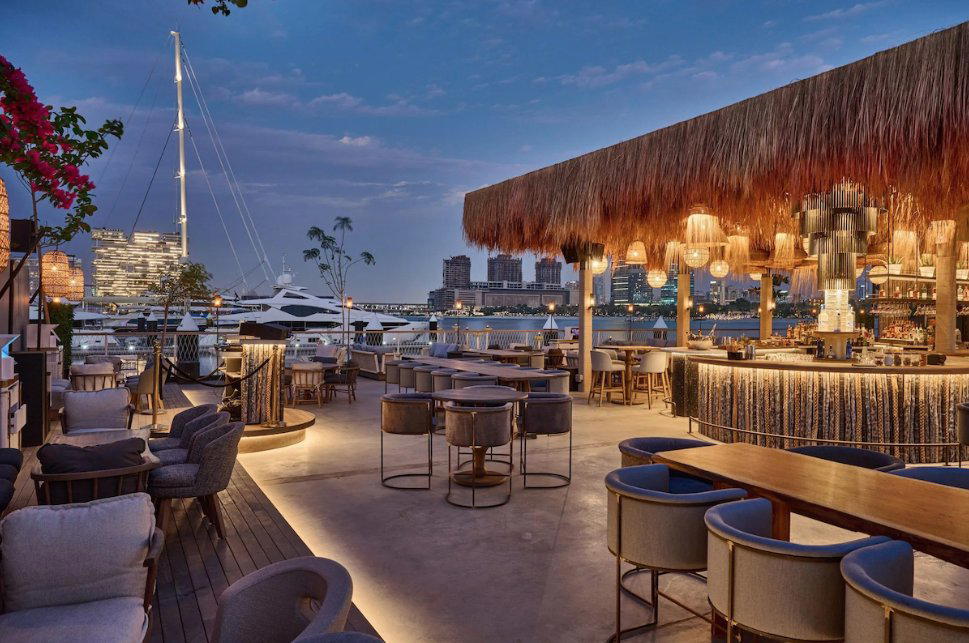
Details
- Elegant
- Cozy
- Scenic
- Date Night
- Family
- Group Dining
- Celebration
- Terrace
- Waterfront
- Waterfront
- Skyline
- Small Plates
- A La Carte
- Family Style
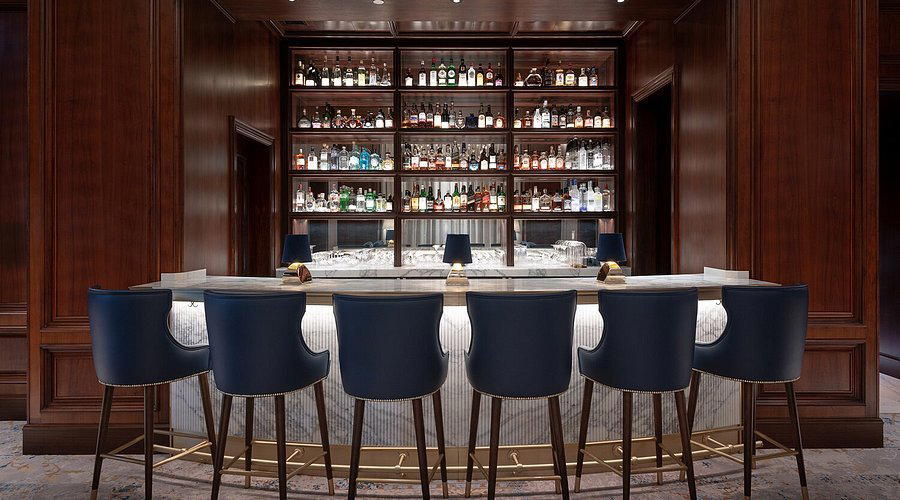
Cozy and authentic Persian atmosphere with elegant terrace seating and beautiful sea or city views.