Michelin Plate
Our verdict
Zuma on Lusail's Al Maha Island brings the format that reshaped informal Japanese dining in London to the Gulf, pairing an izakaya-inspired menu with a robata grill program and the kind of high-energy room that has made the brand a fixture in Doha's premium dining circuit.

Pearl is the En Primeur Club membership app — saves, bookings, and concierge access live there. Same editors, same standards.
- Address
- Al Maha Island, Lusail, Qatar
- Phone
- +974 4497 1666
- Hours
- Mon–Wed 12:30 PM–1 AMThu–Sun Closed
- Website
- zumarestaurant.com
- Directions
- Get directions
- Booking
- Book on the venue's website
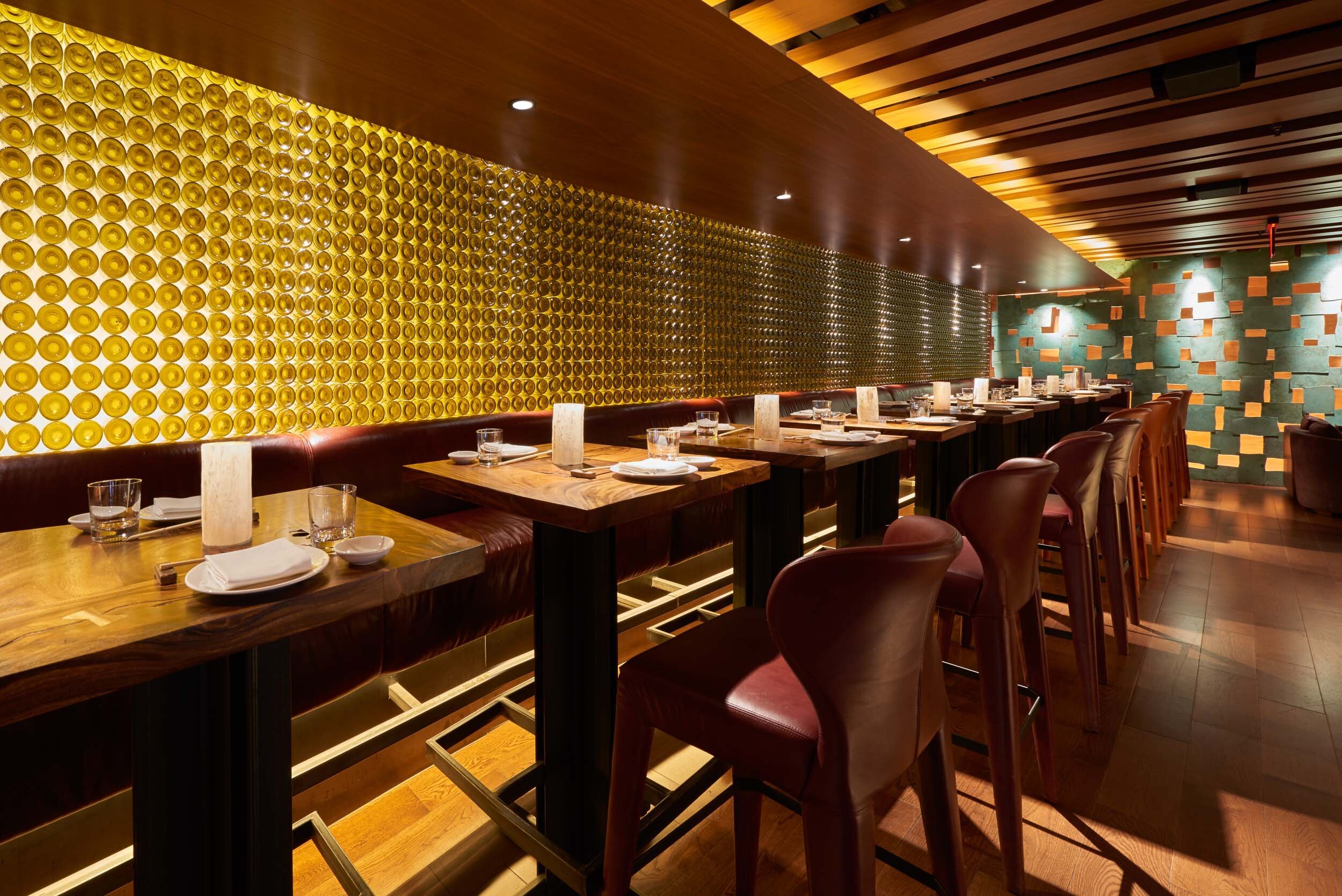
The Room Before the Meal
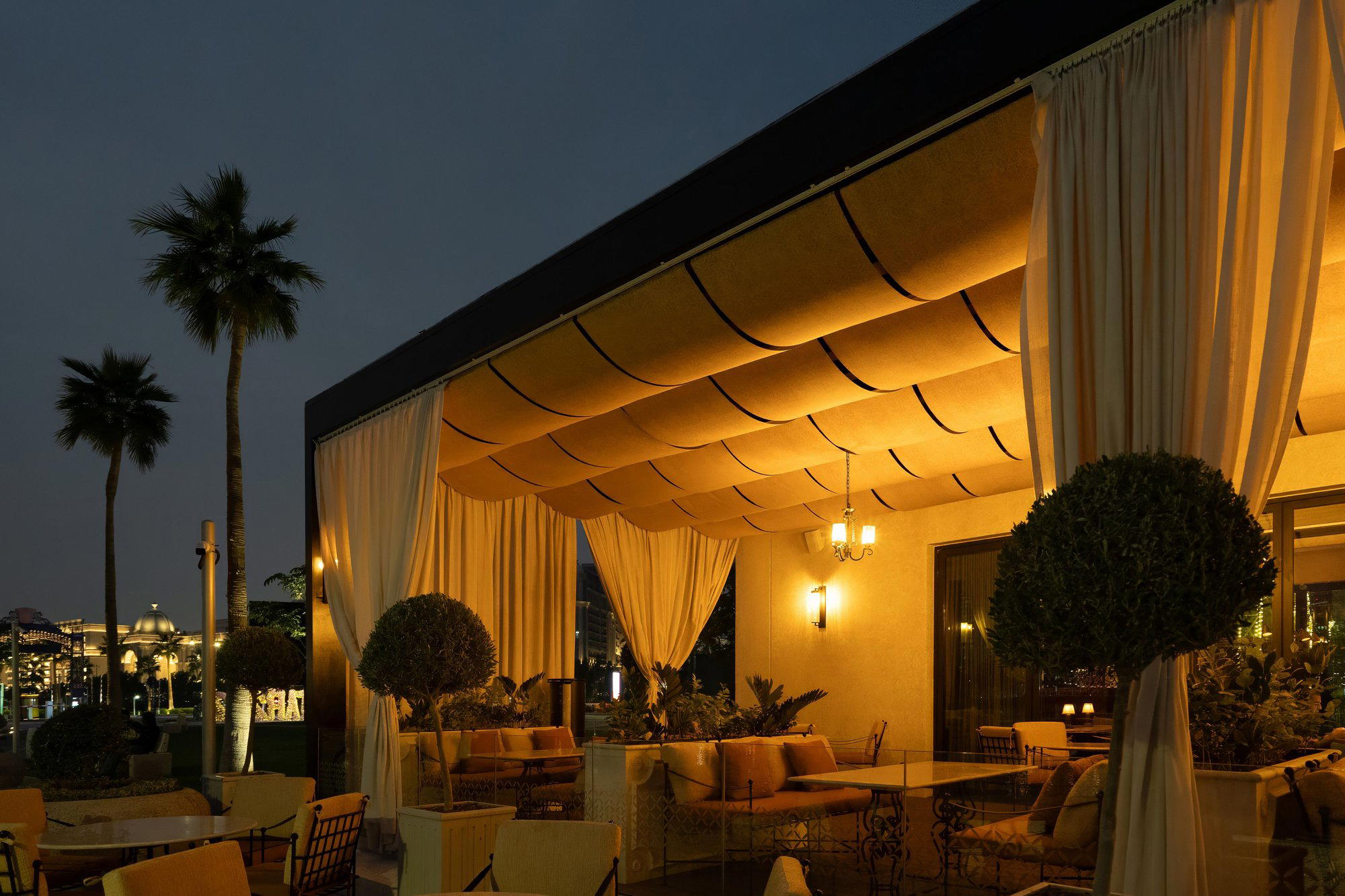
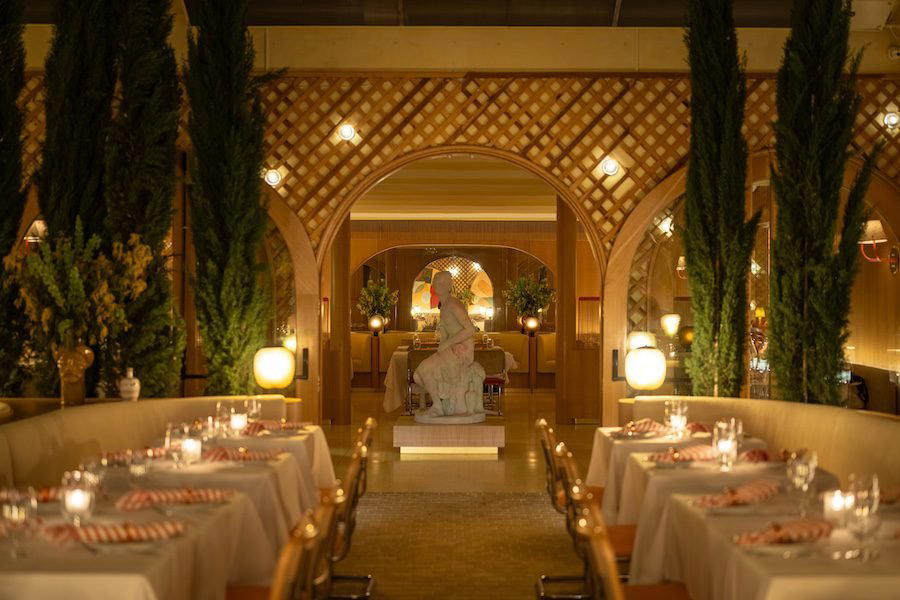
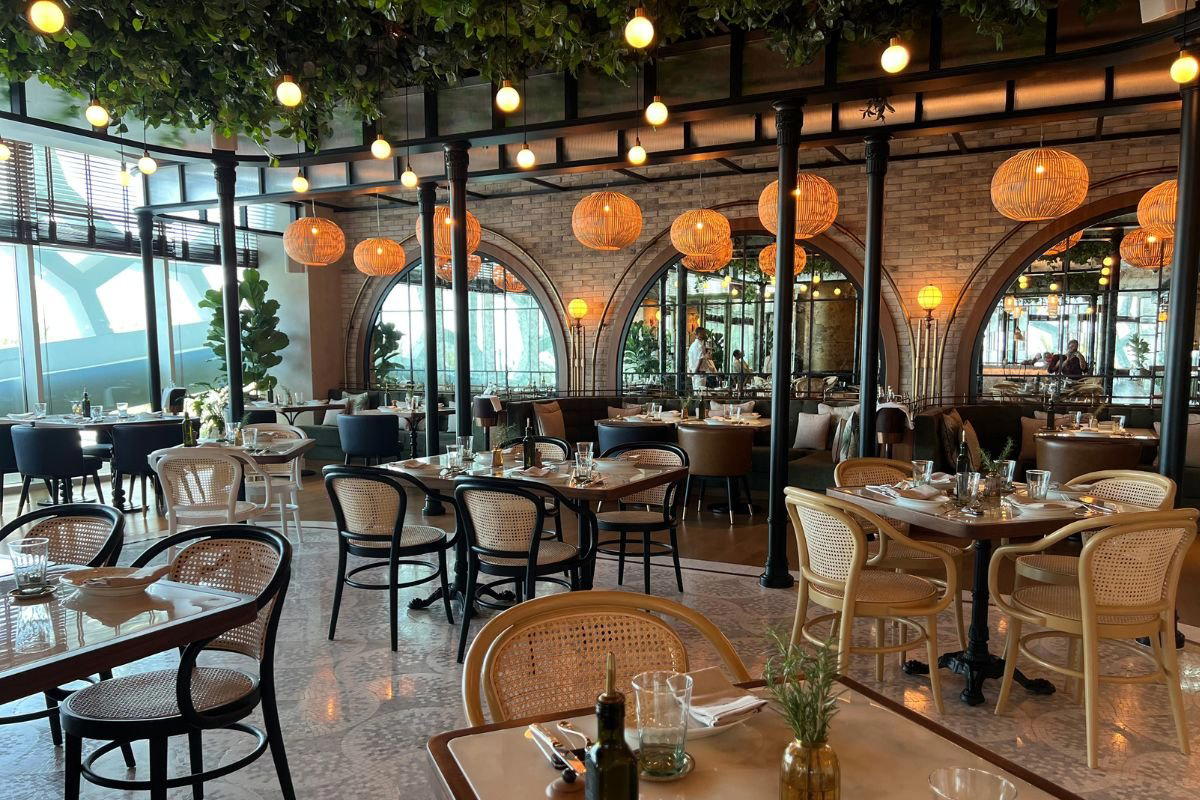
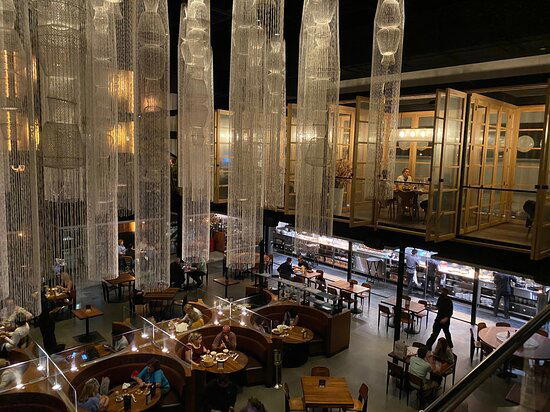
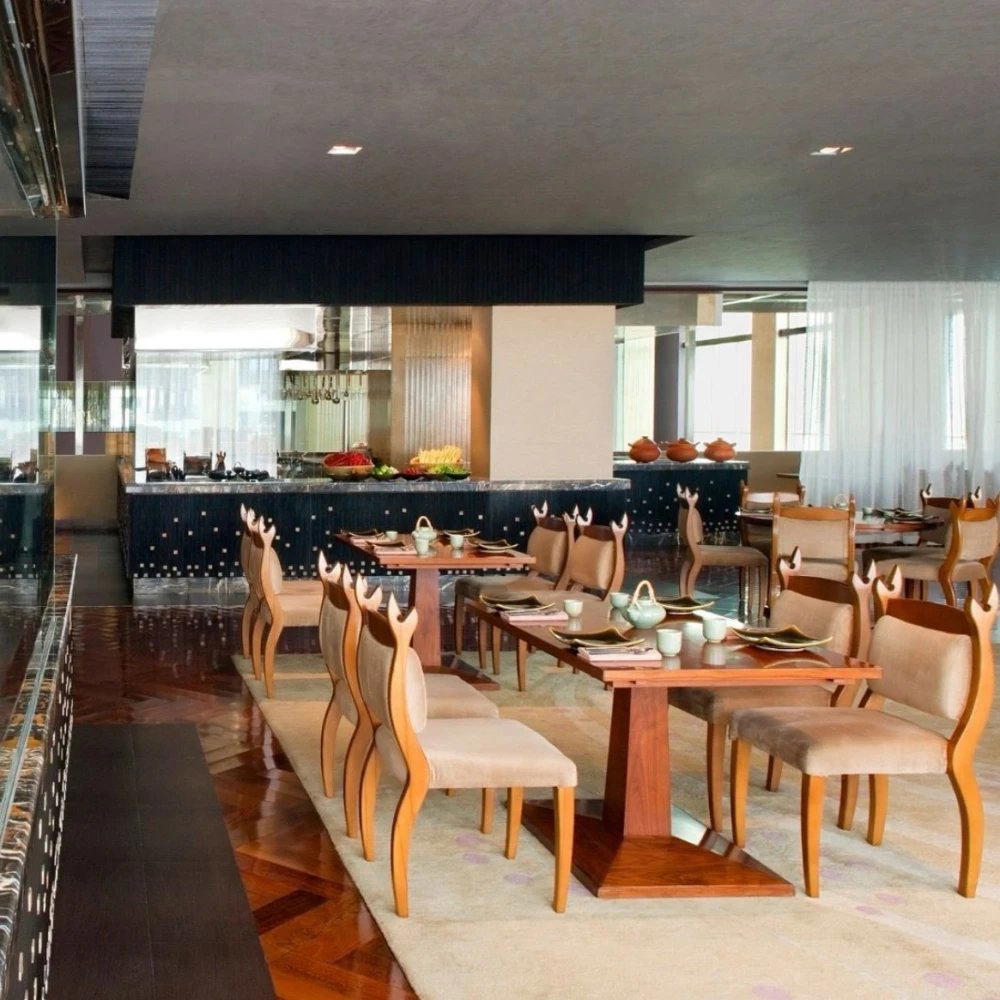
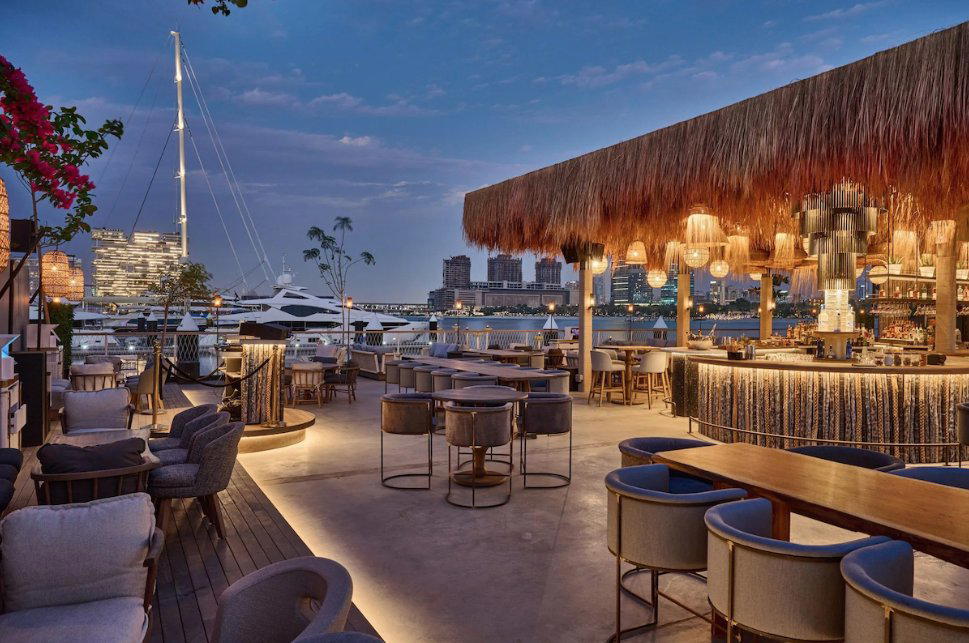
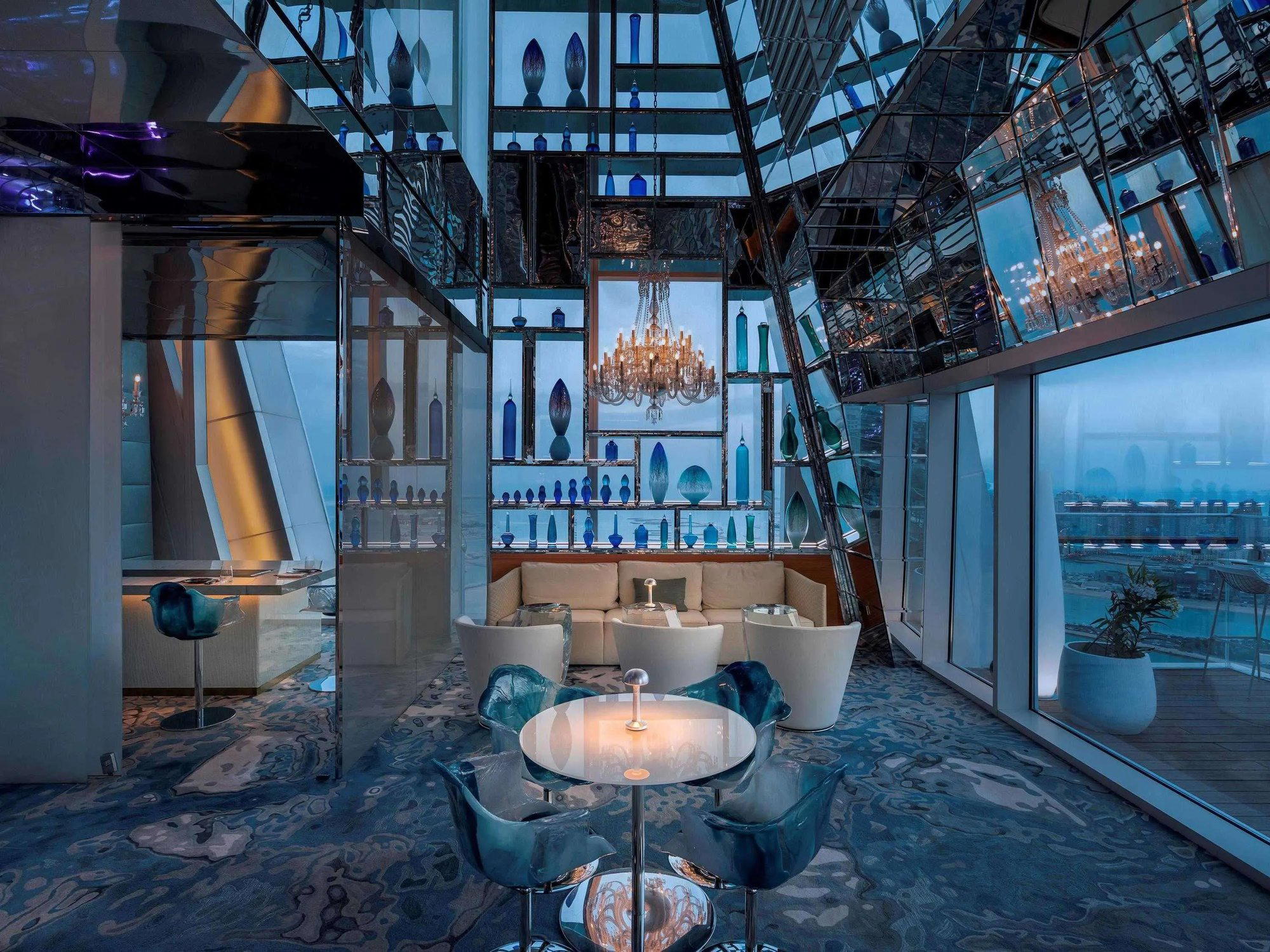
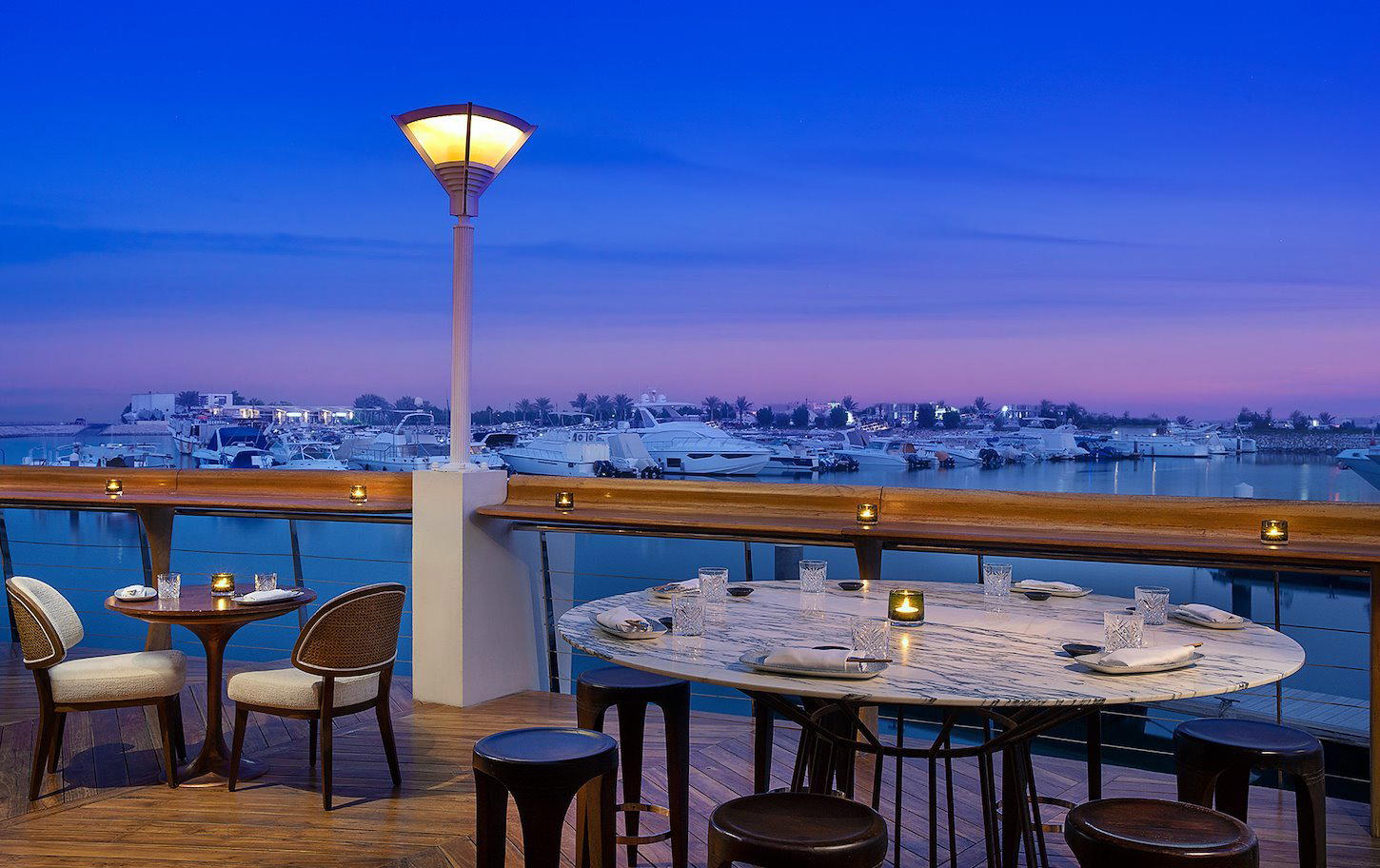
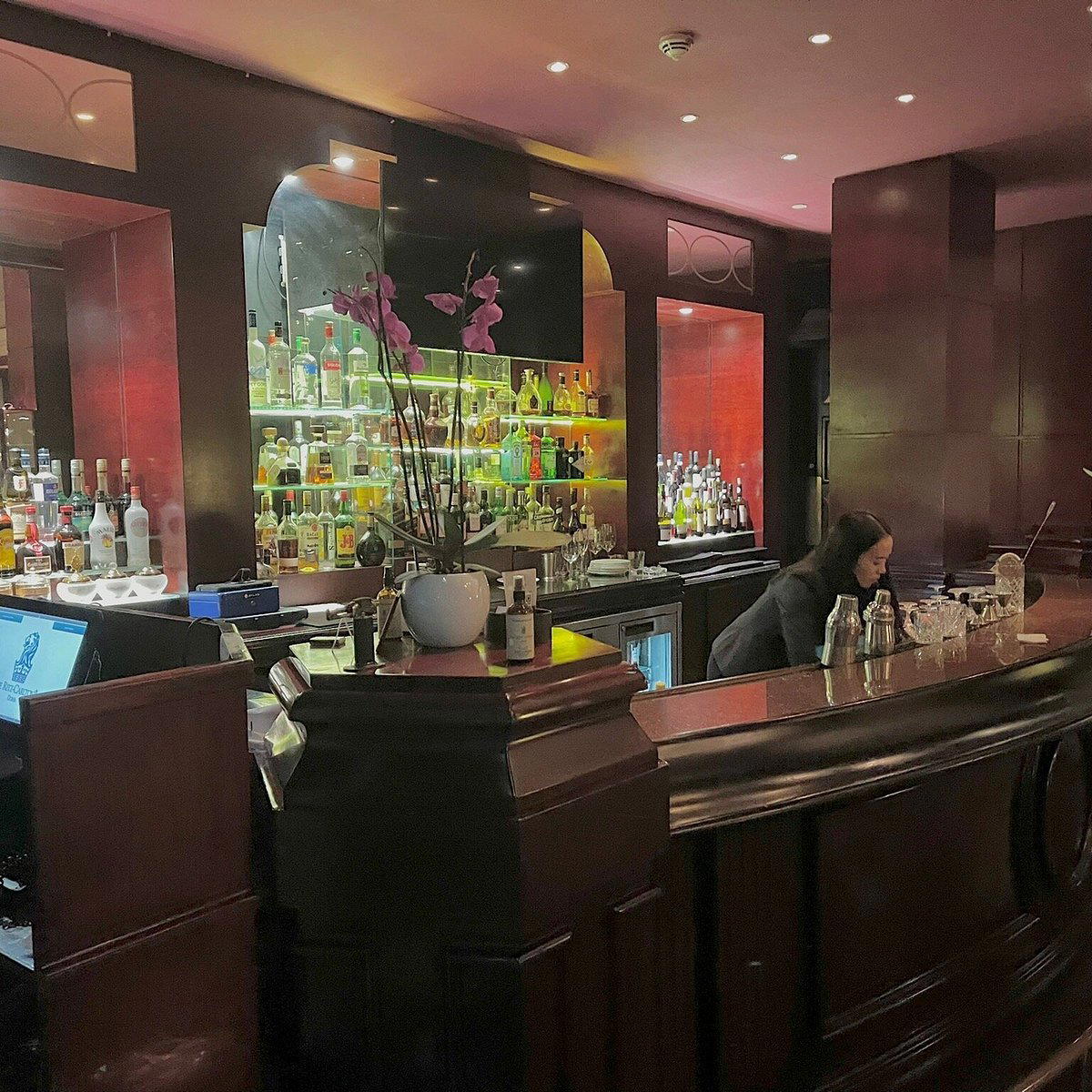
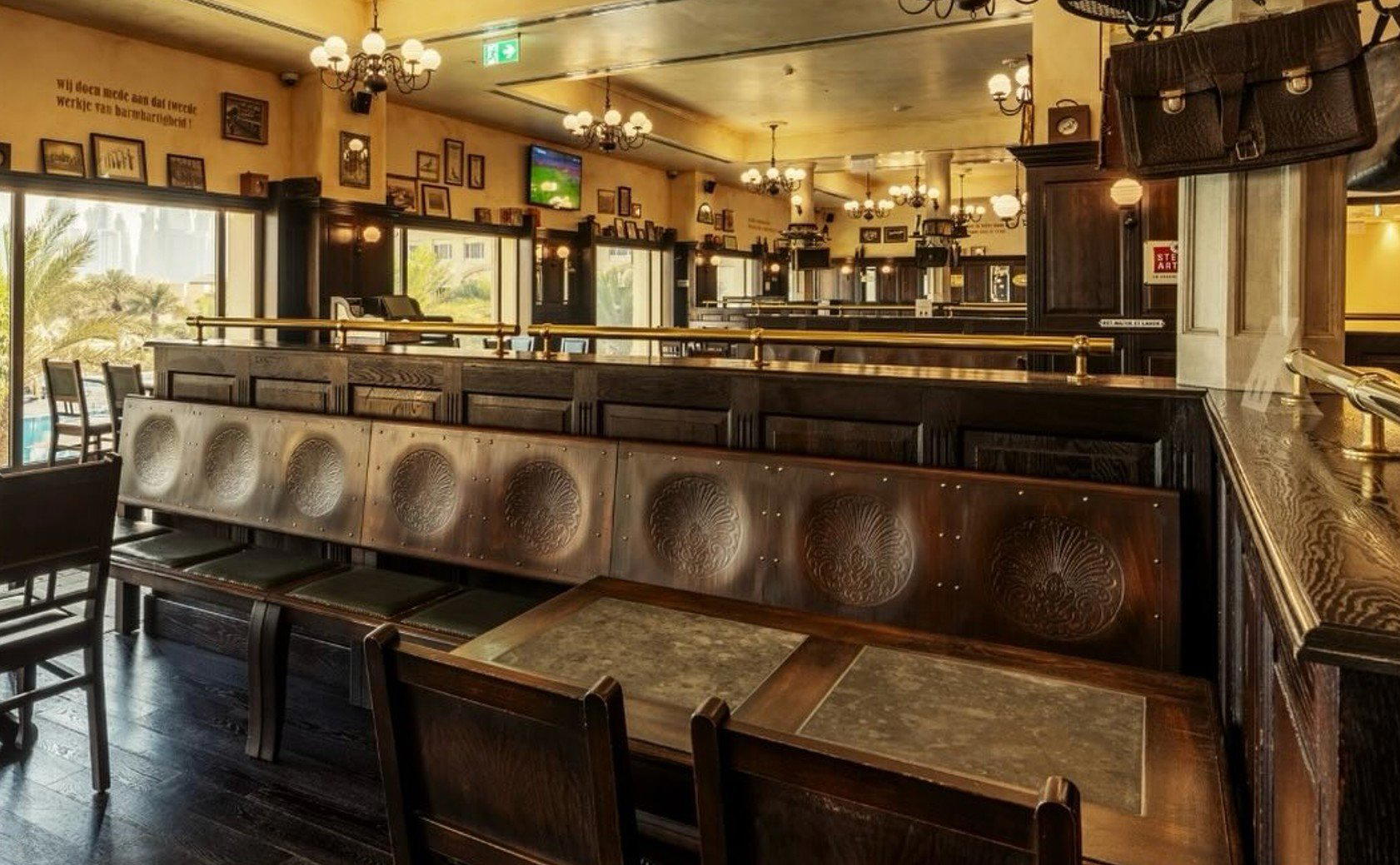
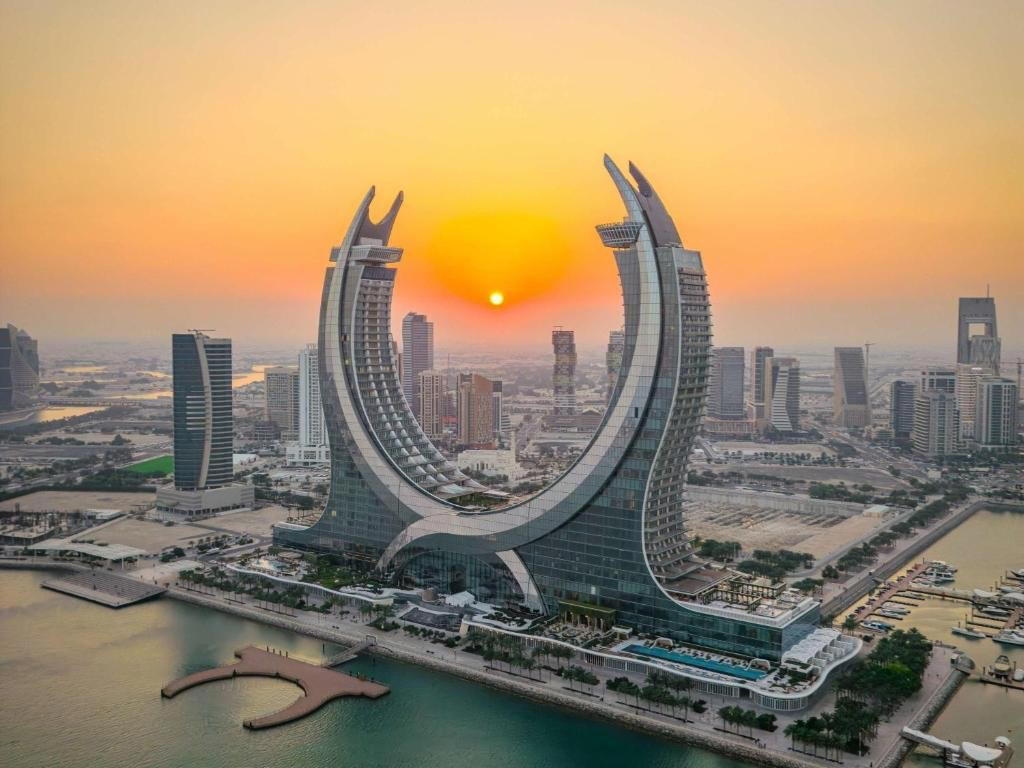
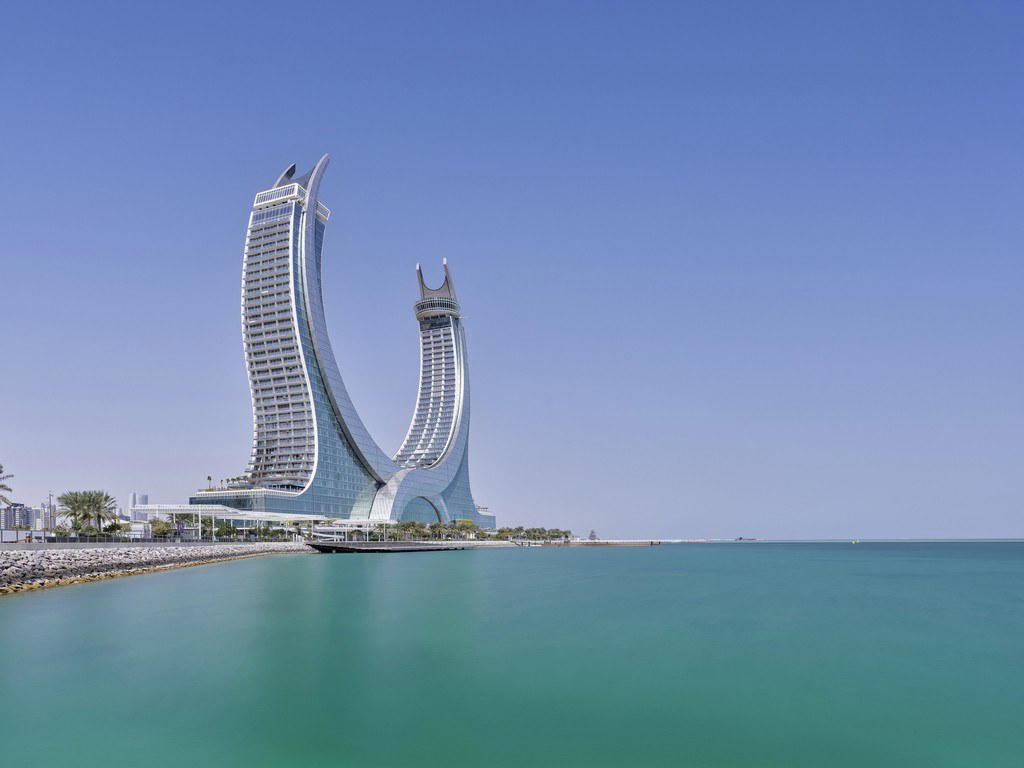
Arriving at Al Maha Island in Lusail, the architecture announces the register before you sit down. The dining room at Zuma operates at a volume that most high-end Japanese restaurants elsewhere would avoid: open, animated, and built around visibility. That energy is deliberate. The izakaya tradition that informed the original Zuma format in Knightsbridge — informal communal eating, multiple dishes arriving across an extended evening, a counter at the centre of proceedings — translates to the Gulf context in ways that feel less like a cultural transplant and more like a natural fit. Doha's dining culture has always prized the shared table and the extended meal, and Zuma's format asks for exactly that.
The room positions itself within Doha's leading price tier, alongside addresses like IDAM by Alain Ducasse and Alba, where the four-riyal price bracket signals an evening that will require both time and commitment. That positioning is reinforced by a 2025 Michelin Plate, a recognition that sits below star level but confirms consistent cooking quality within the guide's framework.
The Logic of the Izakaya Format
Japanese contemporary dining in cities like Doha tends to split into two modes: the austere, counter-focused omakase experience and the larger, menu-driven format where the diner controls the pace. Zuma belongs firmly to the second category. The izakaya framework, where eating is secondary to gathering, and the table is expected to order widely rather than deeply, suits the social architecture of Gulf hospitality in a way that tasting-menu formats rarely do.
This is not a restaurant where ordering conservatively makes sense. The menu is designed around variety, and the experience compounds with each additional dish. The robata grill sits at the operational centre: a charcoal cooking method that rewards proximity and patience, delivering a character to proteins and vegetables that sautéed or steamed preparations cannot replicate. Regulars and first-timers alike are pointed toward the robata section first, the high heat and the char are what differentiate this kitchen from the city's other Japanese options, including Baron and the more Middle Eastern-inflected tables at Bayt Sharq.
For context on how the Japanese contemporary category has developed across the region, the Gulf circuit now includes a number of serious addresses: 3Fils in Dubai and Mimi Kakushi both represent different points on the informal-to-refined spectrum, while NIRI in Abu Dhabi pushes toward a more restrained register. Globally, the category spans formats as different as Eika in Taipei, Murakami in São Paulo, and Sankai by Nagaya in Istanbul. Zuma's position within that spectrum is identifiable: high-energy, sharing-format, brand-consistent, with the robata grill as the primary culinary argument.
How the Meal Actually Works
The pacing of a meal at Zuma is something the room enforces rather than leaves to the diner. Dishes arrive as they are ready from the grill and the kitchen, which means the table fills incrementally rather than in a structured sequence. This is a feature of the format, not a service gap: the izakaya model assumes that the evening unfolds around arrival patterns, with earlier orders from the cold sections giving way to grilled preparations as the grill reaches its working temperature.
The sharing imperative is built into the menu's architecture. A single diner ordering solo will find the experience thinner than a table of four working through the full range of sections. The format rewards groups that are willing to defer to the menu's logic, ordering broadly across cold, hot, and robata categories, rather than anchoring on individual preferences. For those who want more curated, quieter Japanese dining, addresses like The Japanese Restaurant in Andermatt or Izakaya in Zagreb represent a different end of the contemporary Japanese spectrum.
Compared to Doha's other high-ticket options, Zuma's atmosphere is notably less formal than Argan or the occasion-dining frame of IDAM. That informality is not a compromise, it is the product. The room is intended to feel alive, and the clientele, dressed for the Lusail address, sustains that energy through the evening.
Where It Sits in the Doha Scene
Doha's premium restaurant circuit has expanded considerably over the past decade, with the Lusail development bringing a second concentration of high-end addresses to sit alongside the established West Bay and Corniche clusters. The four-riyal price tier in Doha now contains a range of internationally credentialed concepts, from the French formality of IDAM to the Moroccan register of Argan and the Italian focus of Alba. Zuma competes in that tier on energy and format consistency rather than on local culinary narrative, which is a legitimate strategic position in a market that attracts a mobile, globally travelled clientele.
The Michelin Plate in 2025 places it within the guide's quality threshold without carrying the expectation load of a star. That is a useful signal for the first-time visitor: the kitchen is competent and consistent, the experience is calibrated, and the format is proven across two decades of operation. The original Knightsbridge restaurant, which the awards note describes as the originator of the izakaya-inspired format that the brand now operates globally, provides the lineage that the Doha outpost trades on, and, to its credit, continues to deliver.
For planning purposes, the Al Maha Island address in Lusail requires a car or pre-arranged transport from the city centre; the development is not walkable from the main Corniche or West Bay clusters. The four-riyal price bracket applies to an evening that includes multiple shared dishes and drinks, and the format strongly suggests ordering widely across the menu rather than limiting the table to three or four plates. Bookings are advisable, particularly on weekends, though the size of the operation means same-week availability is more likely here than at smaller specialist venues in the city.
For a broader view of where Zuma sits within Doha's full dining, drinking, and accommodation offer, EP Club's guides cover the ground: the full Doha restaurants guide, the Doha hotels guide, the Doha bars guide, the Doha wineries guide, and the Doha experiences guide are all available.
Frequently asked questions
What awards or recognition does Zuma have?
Zuma has received recognition including: Zuma may now be a global brand, but this long-standing Knightsbridge restaurant was the originator of its informal, izakaya-inspired Japanese cuisine. Managing to still feel fresh over 20 years after opening, its home to a glamorous cliente….
Is Zuma expensive?
Pricing at Zuma is listed as ﷼﷼﷼﷼.
What do regulars order at Zuma?
The robata grill is the consistent anchor of a meal here — the format that originally defined Zuma's reputation when the concept launched in London over 20 years ago. Regulars tend to build around it, with items ranging from tofu to chicken wings coming off the coals. Given the extensive menu, ordering across multiple sections rather than committing to a single track is the standard approach.
What's the cuisine at Zuma?
What's Zuma's location?
Zuma is located at Al Maha Island, Lusail, Qatar, Doha.
Can I walk in to Zuma?
Zuma Doha operates at a volume and profile that draws a consistent crowd at peak hours, particularly given the Lusail address on Al Maha Island. Walk-ins are possible during off-peak periods, but the room fills quickly in the evenings. Booking ahead is the practical choice for dinner, especially at weekends.
What's the signature at Zuma?
The robata grill defines Zuma's identity across every location, and Doha is no different. It's the format that distinguishes the izakaya-influenced concept from the more restrained Japanese dining elsewhere in the city. The Michelin Plate recognition in 2025 reflects the kitchen's consistency within that format.
| Venue | Cuisine | Price | Awards | Notes |
|---|---|---|---|---|
| ZumaThis venue — the venue you are viewing | Modern Japanese Robata | $150–200 | Michelin Plate | Not listed |
| IDAM by Alain Ducasse | Contemporary French Mediterranean with Arabian influences | $50–100 | 1 Michelin Star · World's 50 Best #44 | French, French Contemporary, ﷼﷼﷼﷼ |
| Argan | Authentic Moroccan | $20–30 | Michelin Bib Gourmand | Moroccan, ﷼ |
| Hakkasan | Modern Cantonese | $100–150 | Michelin Plate | Chinese, ﷼﷼﷼﷼ |
| Jiwan | Modern Qatari Fine Dining | Not listed | Michelin Bib Gourmand | Middle Eastern, ﷼﷼ |
| Morimoto | Contemporary Japanese Fusion | $100–150 | Michelin Plate · Wine Spectator Award of Excellence | Japanese, Sushi, Japanese Contemporary, ﷼﷼﷼ |
Recognition history
Dated appearances from independent guides and award organizations, with the underlying list record or original source where available.
Michelin Plate
Michelin
Full recognition history (2 entries)
Michelin Plate
Michelin