
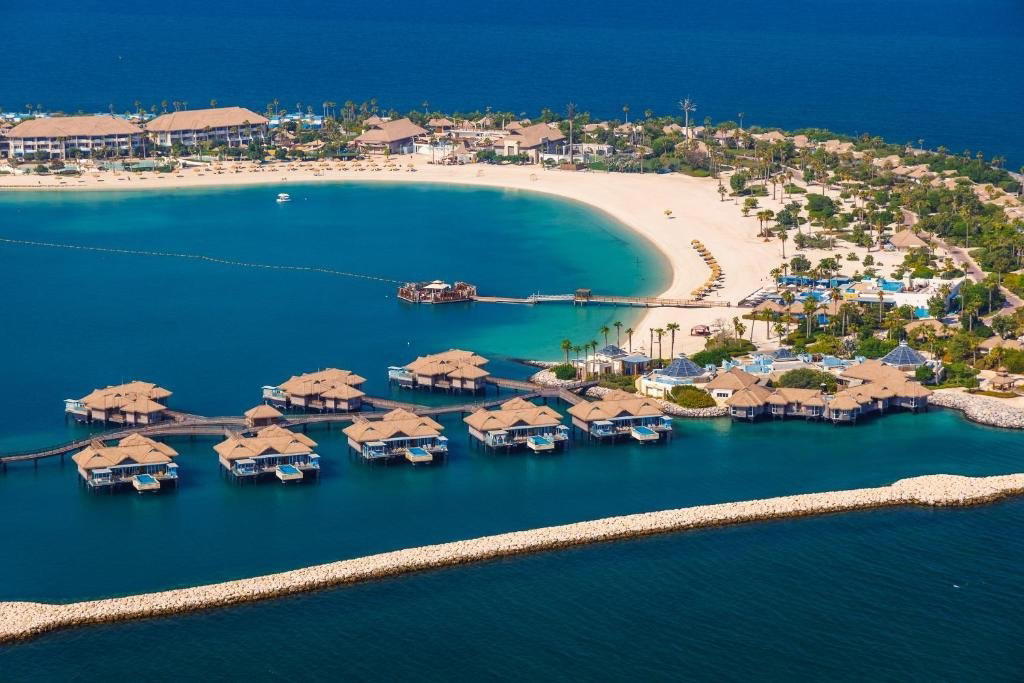
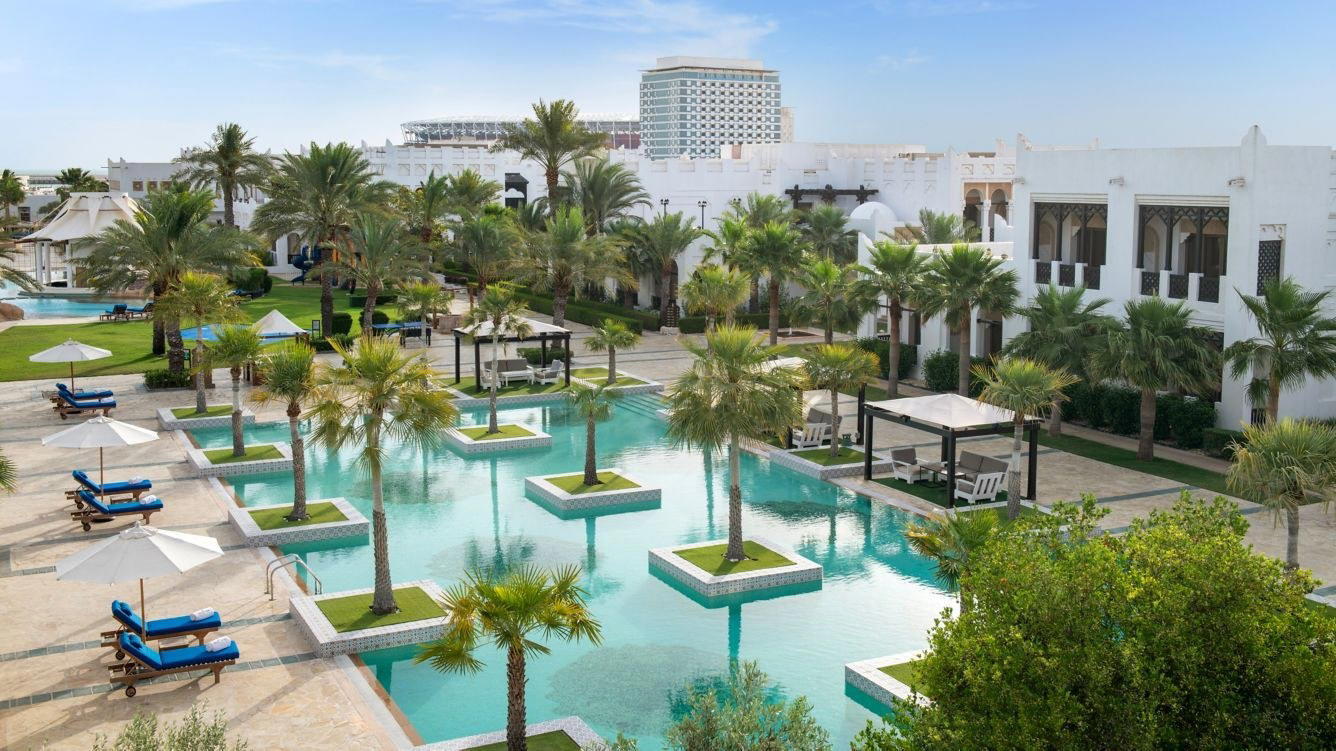
Al Nahham sits inside the Anantara resort on Banana Island, a short boat ride from the Doha coastline, and serves a menu of Qatari seafood dishes and regional specialties with sea views as the backdrop. The rice preparations and vegetable salads with nuts and olives draw particular notice, and the mint tea service signals a kitchen that takes local hospitality traditions seriously. Access is by boat, which makes the trip itself part of the proposition.
Pearl is the En Primeur Club membership app — saves, bookings, and concierge access live there. Same editors, same standards.
- Address
- Banana Island, Qatar
- Phone
- +974 4040 5075
- Website
- anantara.com
- Directions
- Get directions
 Saves & bookings on Pearl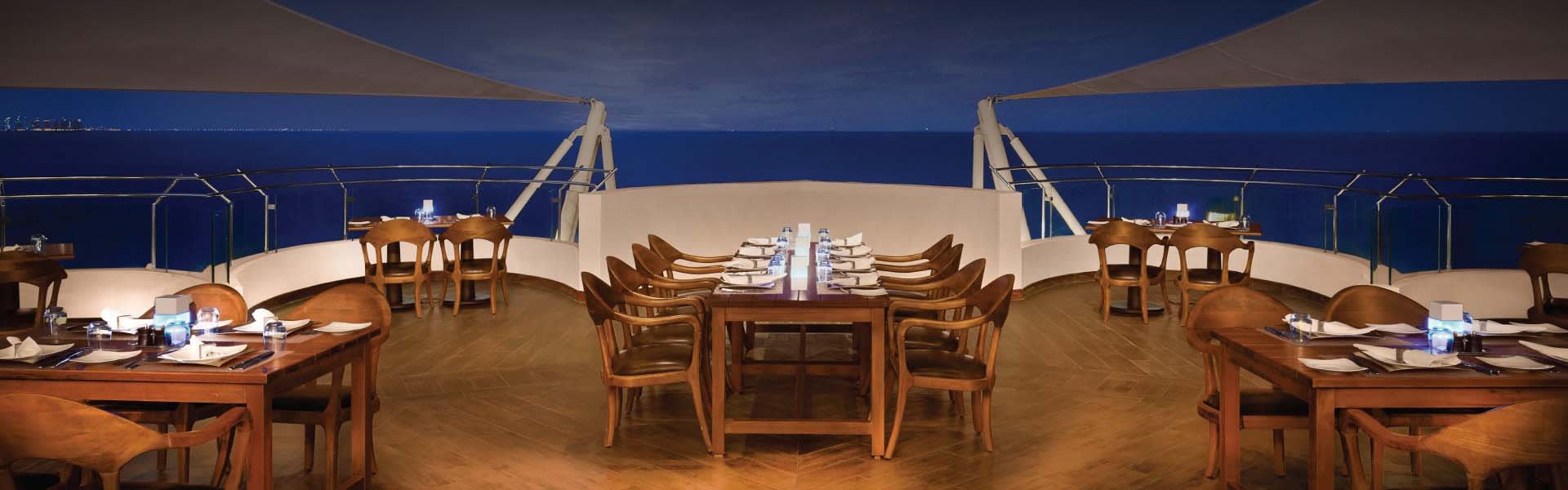
An Island Table, Off the Doha Coast
Banana Island sits a few kilometres off the Qatar coast, reached by a short boat transfer that most diners take specifically to eat here. The island is occupied entirely by an Anantara property, and the resort format means the surroundings carry the polished, slightly constructed quality common to managed island retreats. The restaurant itself is the exception to that managed quality. Positioned with a direct view of the sea, the dining room operates closer to the register of a working Gulf seafood table than to the hotel-restaurant category it technically inhabits. The water is visible, the service is genuinely warm rather than procedurally hospitable, and the food arrives with the kind of specificity that suggests a kitchen paying attention to what the Gulf actually produces rather than what an international resort menu is expected to contain.
The Qatari Table and What It Actually Looks Like
Gulf Arab cuisine rarely gets the editorial treatment it deserves in discussions of Middle Eastern food. The cuisine that has taken most of the international attention belongs to Lebanon, to the Levant more broadly, and to the centuries-old trade routes that deposited Persian, Indian, and East African flavour references into Gulf cooking. Qatar's food tradition sits inside all of those currents while remaining shaped by something more specific: the coastline, the pearl-diving history, and a relationship with rice that has more in common with the rice traditions of the Iranian littoral than with the flatbread-and-mezze conventions that define the category for most outside observers.
At Al Nahham, that tradition shows up in the rice quality, which reviewers have noted with some consistency. High-quality rice preparation is not incidental in Gulf cooking. The long-grain preparations associated with Qatari and broader Gulf cuisine require careful spice calibration, fat management, and timing. A kitchen that gets the rice right is signalling competence at the foundations of the cuisine, in the same way that a sushi counter's rice quality signals the technical baseline of the operation. Across the Gulf, the rice-centred dishes like machboos carry the culinary identity of the region in a way that grilled protein alone does not.
The fish dishes at Al Nahham reflect the Gulf's access to waters that produce hamour, zubaidi, and other locally significant species. These are not the same fish that define seafood menus in European coastal cities or at destinations like Aponiente in El Puerto de Santa María, where the chef has built an entire philosophy around Atlantic marine ecosystems. The Gulf table operates with different ingredients, different spice frameworks, and different cultural expectations around how fish is served. Where a French-lineage kitchen like Le Bernardin in New York City approaches seafood through classical sauce-work and precise protein cookery, a Gulf seafood table like Al Nahham works within a tradition where spice blending and rice integration are the primary technical disciplines.
The Vegetable Salads and What They Suggest
One of the more noted elements of the Al Nahham menu is the vegetable salads with nuts and olives, which have drawn specific attention from visitors who expected the kitchen's strengths to lie exclusively with protein. This is worth registering. Gulf cuisine is not typically framed as a vegetable-forward tradition, and the convention at many regional restaurants is that vegetables appear as supporting elements to meat and fish rather than as stand-alone preparations worth noting. A kitchen that produces vegetable salads substantial enough to attract independent praise is doing something more deliberate than the category default.
The nut and olive combinations suggest a cuisine reading that draws on the broader Levantine and Mediterranean ingredient proximity of Qatari cooking, where the spice trade and regional geography have always produced kitchens comfortable with a wider pantry than the Gulf seafood-and-rice framing implies. Within Doha's current dining range, the strong regional focus at Al Nahham sits in a different tier from the Moroccan positioning of Argan, or the high-end French-Arab synthesis at IDAM by Alain Ducasse. It is closer in spirit to Al Sufra at the Marsa Malaz Kempinski, which similarly positions itself around regional cuisine within a luxury hotel context, though Al Nahham's island setting and boat-access format give it a different social function in the city's dining map.
Mint Tea, Service, and the Hospitality Register
The mint tea at Al Nahham is mentioned by reviewers alongside the food rather than as a footnote, which is a meaningful signal. In Gulf and broader Arab hospitality culture, the tea and coffee service carries social weight disproportionate to its position on a Western menu hierarchy. Offering mint tea well, at the right temperature, at the right moment, and with the right intent, is part of a hospitality tradition that precedes the restaurant format entirely. A kitchen that pays attention to this is operating within a cultural frame rather than simply executing a menu, and that distinction tends to show up in the overall atmosphere at the table.
Service has been described as genuinely friendly, which in the context of an island resort is not the default outcome. Many hotel-adjacent restaurants in this part of the world operate with service that is technically correct and personally distant. Al Nahham appears to sit outside that pattern, which connects to the broader point about the restaurant functioning differently from the resort that contains it. For Doha diners exploring the full range of what the city's restaurant scene offers, from the high-design Italian of Alba to the Middle Eastern positioning of Baron, the Al Nahham experience occupies a specific niche: regionally grounded cooking in a setting that requires some logistical commitment to reach.
Getting There and Planning Your Visit
Access to Al Nahham is by boat from the Doha coast, which makes the restaurant a half-day or evening proposition rather than a quick dinner option. The boat transfer is organised through the Anantara property on Banana Island. Given the island format and the logistics involved, visiting in the cooler months between October and April is the practical recommendation for Qatar; summer heat on open water and at an exposed island setting is a material factor. The transfer requirement also means this is not a venue suited to spontaneous walk-in visits. Non-hotel guests make the trip specifically to dine, which self-selects for a table of guests who have made a considered choice to be there, and that tends to shape the atmosphere at the restaurant in ways that a city-centre venue cannot replicate.
For those building a broader Doha itinerary, EP Club's full Doha restaurants guide covers the range from casual to high-end across all cuisines. Accommodation and logistics are mapped in the Doha hotels guide, and further city programming is available through the Doha bars guide, the Doha experiences guide, and the Doha wineries guide.
How Al Nahham Doha compares with similar nearby venues.
| Venue | Awards |
|---|---|
| Al Nahham | We're Smart World 2025, 1 Radish |
Recognition history
Dated appearances from independent guides and award organizations, with the underlying list record or original source where available.
We're Smart World 1 Radish
We're Smart World
Continue exploring
More in Doha
Bars in Doha
Browse all →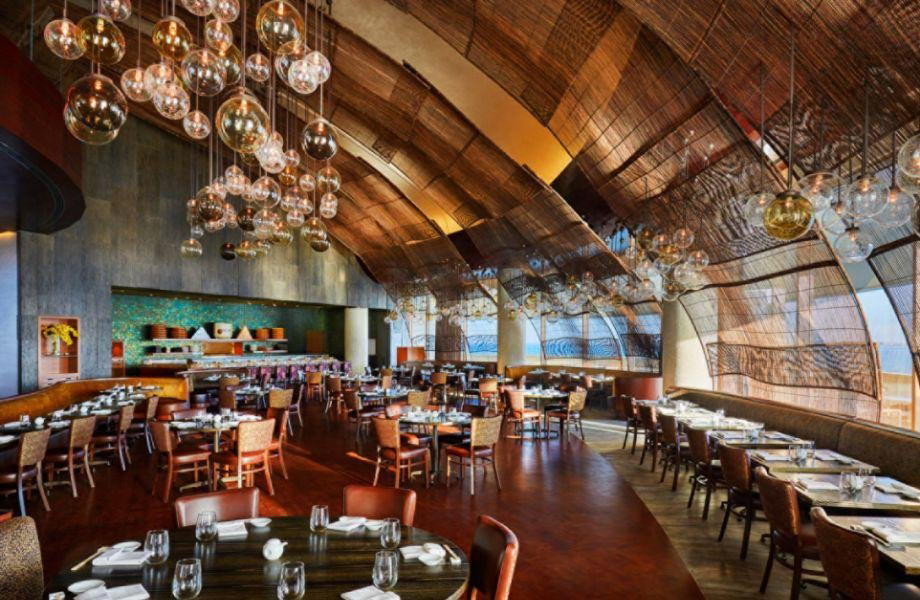

At a Glance
- Elegant
- Scenic
- Sophisticated
- Date Night
- Family
- Celebration
- Special Occasion
- Waterfront
- Terrace
- Panoramic View
- Open Kitchen
- Hotel Restaurant
- Waterfront
- Skyline
Current opening hours
- Monday
- Closed
- Tuesday
- 1–11:30 PM
- Wednesday
- 1–11:30 PM
- Thursday
- 1–11:30 PM
- Friday
- 1–11:30 PM
- Saturday
- 1–11:30 PM
- Sunday
- 1–11:30 PM
Hours can change for holidays and private events. Last verified .
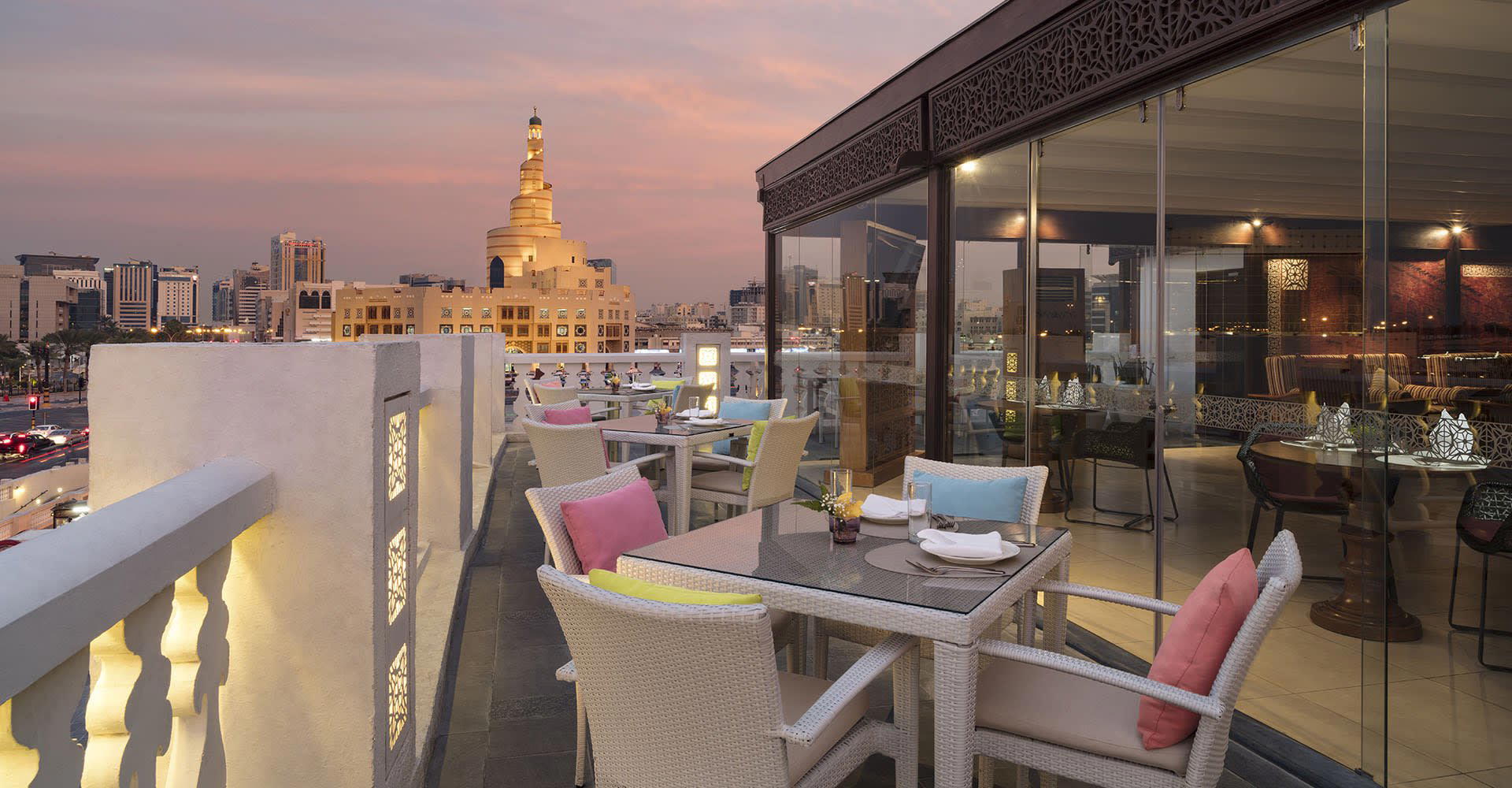
Contemporary Arabic style with eye-catching interiors, open kitchen, and relaxing terrace overlooking the emerald sea at sunset.
Know Before You Go
- Getting there
- Banana Island, Qatar