Sushi Kanesaka

1 Michelin Star
Our verdict
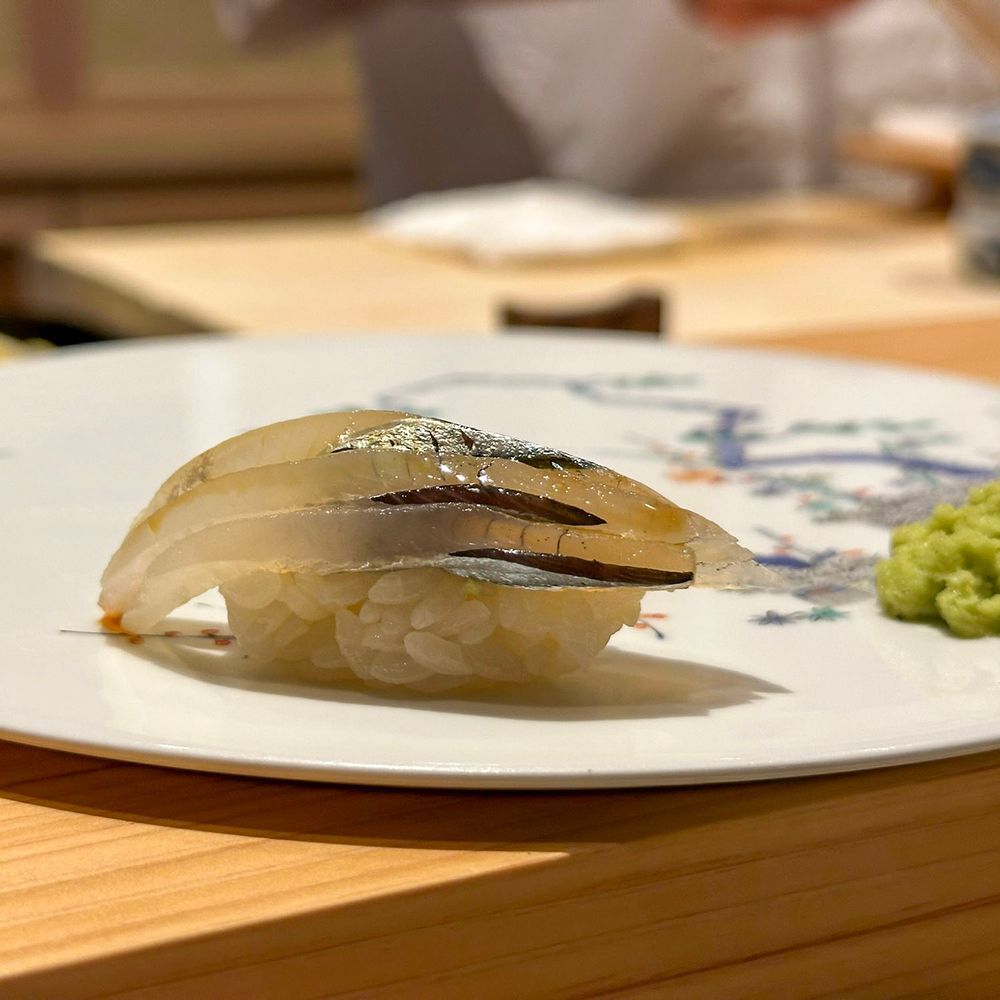
Inside the Grand InterContinental Seoul Parnas, this eight-seat hinoki counter delivers Edomae-style sushi through a Japanese chef and Korean team. Korean-sourced seafood meets rice cooked to mimic Japanese texture, seasoned with dual red vinegars. The aji sushi shows the programme's technical depth.

Pearl is the En Primeur Club membership app, where members save venues, book tables and use the concierge.
The menu
What to order
- Chef Tamaru Omakase
- Chef Jo Bongsu Omakase
- Premium Edomae nigiri selection
The eight-seat counter sits inside Hinotsuki, a minimalist room carved from hinoki cypress on the ground floor of the Grand InterContinental Seoul Parnas in Gangnam. A Japanese chef leads a Korean team through an Edomae-style progression, built on seasonal seafood caught in Korean waters and rice grown domestically. The kitchen cooks Korean grain to approximate the texture of short-grain Japanese varieties, then seasons each batch with salt and two types of red vinegar, a layering that delivers clean umami without the sweetness of rice-wine vinegar. The aji sushi, plump and deeply flavored, signals the programme's technical depth and appears intermittently depending on catch.
Where Korean waters meet Edomae technique
Seoul's sushi counters increasingly split between import-dependent omakase and programmes anchored in local sourcing. Sushi Kanesaka occupies the latter category, drawing most of its fish from the Yellow Sea and East Sea rather than Tsukiji airfreight. The seasonal calendar shifts with catch availability: mackerel and yellowtail in cooler months, sea bream and cuttlefish in spring and summer. The team dry-ages certain fish and cures others with salt or kombu, applying Edomae preservation methods to Korean species that rarely see those treatments elsewhere in the city.
The rice protocol merges adaptation and tradition. Korean medium-grain rice lacks the starch density of Koshihikari, so the kitchen adjusts water ratios and cooking times to mimic the sticky, glossy finish that Tokyo counters rely on. The dual-vinegar seasoning, both red, one sharper than the other, adds a gentle acidity that complements fattier cuts without masking leaner fish. This technical workaround matters in a city where diners compare every counter to Tokyo benchmarks, and where sourcing Japanese rice at scale raises import costs that trickle into menu pricing.
Lunch and dinner share the same sushi selection, but evening service expands the course structure with more elaborate cooked dishes and a fuller progression of small plates before the nigiri sequence begins. The kitchen treats these opening courses as a bridge between Korean ingredient familiarity and the more austere sushi cadence that follows. Diners booking dinner should expect a longer, more intricate meal; lunch condenses the format into a tighter, sushi-focused window.
Gangnam counter context and
Gangnam's luxury hotel dining corridor has absorbed several high-profile Japanese imports over the past decade, many operating as brand extensions of Tokyo or Osaka originals. Sushi Kanesaka sits within the Grand InterContinental but functions as a distinct programme rather than a licensed franchise. The eight-seat format and hinoki counter construction echo Tokyo counter aesthetics, and the Japanese chef's presence signals technical pedigree, but the sourcing strategy and rice adaptation distinguish it from import-heavy peers.
Seoul diners weighing counter options often compare seat count, chef nationality, and ingredient provenance. Our full Seoul restaurants guide lists several counters in similar price tiers, including 10G and other Gangnam programmes. Sushi Kanesaka's Korean-sourcing angle appeals to diners interested in terroir-driven sushi, while those prioritizing imported Tsukiji fish may prefer alternatives that airfreight daily. The aji sushi, when available, offers a useful benchmark: its texture and seasoning demonstrate how the kitchen handles oily, delicate species that deteriorate quickly post-catch.
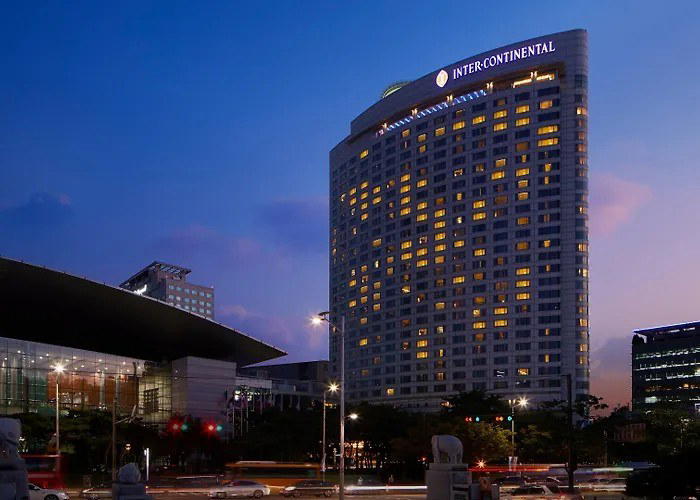
The Grand InterContinental location provides logistical ease for business diners and hotel guests, with direct elevator access from the lobby and valet parking at the hotel entrance. The counter's position inside Hinotsuki means the room shares certain operational hours and reservation protocols with the broader restaurant, though counter seating operates on a separate booking calendar. Diners planning visits during peak business-travel seasons, spring and autumn, should confirm availability at least two weeks ahead, as corporate entertainment bookings often fill the eight seats during weekday evenings.
For context within Seoul's broader dining landscape, 118-5 Banpo-dong, 24seasons (Modern Korean), and 7th Door (Korean, Contemporary) represent alternative high-end formats for diners exploring Seoul's fine-dining tier. Those seeking more casual Korean formats can consider 3rd Samgyetang or explore our full Seoul bars guide for pre- or post-dinner options.
Gangnam's Teheran-ro corridor runs east-west through the district's business core, and the Grand InterContinental sits mid-block between Samseong and Bongeunsa subway stations, both on Line 2, roughly ten minutes on foot. Taxis from Incheon International Airport take 50–70 minutes depending on traffic; the airport limousine bus (line 6705) stops at the hotel entrance. Diners combining the meal with broader Seoul exploration can reference our full Seoul hotels guide for accommodation options, or browse our full Seoul experiences guide for cultural programming nearby.
For diners interested in regional Japanese or Korean formats beyond Seoul, 100.1. Pyeongnaeng in Busan, Badang Lounge in Jeju, and ART CORDELIA in Seogwipo-si offer contrasting perspectives on Korean ingredient culture. Templestay and regional specialists such as Baegyangsa Temple in Jangseong-gun provide deeper immersion into Korean culinary traditions. Those tracking Japanese counter formats internationally may also reference Jōdo Saké Bar in Los Angeles and Onigiri Time in Pasadena for comparative US contexts.
Frequently asked questions
Does Sushi Kanesaka work for a family meal?
The eight-seat hinoki counter format and extended omakase service make this better suited to adults comfortable with multi-course Japanese dining. Children accustomed to quiet, structured tasting meals may manage the evening sequence, but the tight counter and lack of à la carte options limit flexibility for varied appetites or dietary preferences common in family groups.
What kind of setting is Sushi Kanesaka?
The counter occupies a minimalist room within Hinotsuki on the first floor of the Grand InterContinental Seoul Parnas in Gangnam. Eight seats line the hinoki wood bar, where a Japanese chef and Korean team prepare sushi in full view. The evening service includes more elaborate dishes and a longer course progression than the lunch programme.
What awards or recognition does Sushi Kanesaka have?
Sushi Kanesaka has received recognition including: Tucked inside the restaurant Hinotsuki, the minimalist room features an eight-seat hinoki counter where a Japanese chef and a Korean team serve refined sushi. The sushi rice is made with Korean rice, cooked to mimic the texture of Japanese ….
What's the address for Sushi Kanesaka?
Sushi Kanesaka is located at 1F, Grand InterContinental Seoul Parnas, 521 Teheran-ro, Gangnam-gu, Seoul, Seoul Capital Area, 06164, KOR, Seoul.
What's the best way to book Sushi Kanesaka?
Reservations typically proceed through the Grand InterContinental Seoul Parnas concierge or main dining reservations line, since the counter sits inside Hinotsuki. Given the eight-seat capacity, booking several weeks ahead for dinner is advisable, particularly for weekend slots. The hotel's international guest base often fills counter seats during peak business-travel periods.
Side-by-Side Snapshot
Comparable venues by cuisine and price in the same metro.
| Venue | Cuisine | Price | Awards |
|---|---|---|---|
| Sushi KanesakaThis venue (the venue you are viewing) | Michelin-starred Edomae Sushi Omakase | $200–300 | 1 Michelin Star |
| Wei Lou | Modern Chinese Fine Dining | $100–150 | Wine Spectator Award of Excellence |
| Gomtang Lab | Traditional Korean Gomtang | $10–20 | Michelin Bib Gourmand |
| Boreumsae | Jeju Black Beef Korean BBQ | $50–100 | Michelin Plate |
| Tim Ho Wan | Hong Kong-style Dim Sum | $10–20 | Michelin Plate |
| Oegojip Seolleongtang | Traditional Korean Seolleongtang | Not listed | Michelin Plate |
Recognition history
Dated appearances from independent guides and award organizations, with the underlying list record or original source where available.
Michelin 1 Star
Michelin
Continue exploring
More in Seoul
Restaurants in Seoul
All restaurants in Seoul →
Bars in Seoul
All bars in Seoul →
Details
- Elegant
- Minimalist
- Sophisticated
- Intimate
- Modern
- Well Known
- Date Night
- Special Occasion
- Business Dinner
- Solo
- Chefs Counter
- Design Destination
- Hotel Restaurant
- Private Dining
- Sake Program
- Extensive Wine List
- Sustainable Seafood
- Omakase
- Counter Dining
- Tasting Menu
- Set Menu
- Sake
- Wine
- Pescatarian Friendly
A serene, minimalist hinoki counter inside a luxury hotel’s Japanese fine-dining restaurant, with soft lighting, hushed conversation, and highly attentive, formal service that focuses all attention on the craftsmanship of each piece of sushi.