Sushi | Bar Hermosa Beach

OpenTable Top 100 Restaurants
Our verdict
Sushi | Bar Hermosa Beach brings the modern omakase-speakeasy format to a coastal city better known for casual dining and neighborhood regulars. Its 17-course structure and rotating use of seasonal land-and-sea ingredients place it in a more curated tier than the surrounding beach-town restaurant circuit, with sourcing and pacing doing the heavy lifting.

Pearl is the En Primeur Club membership app, where members save venues, book tables and use the concierge.
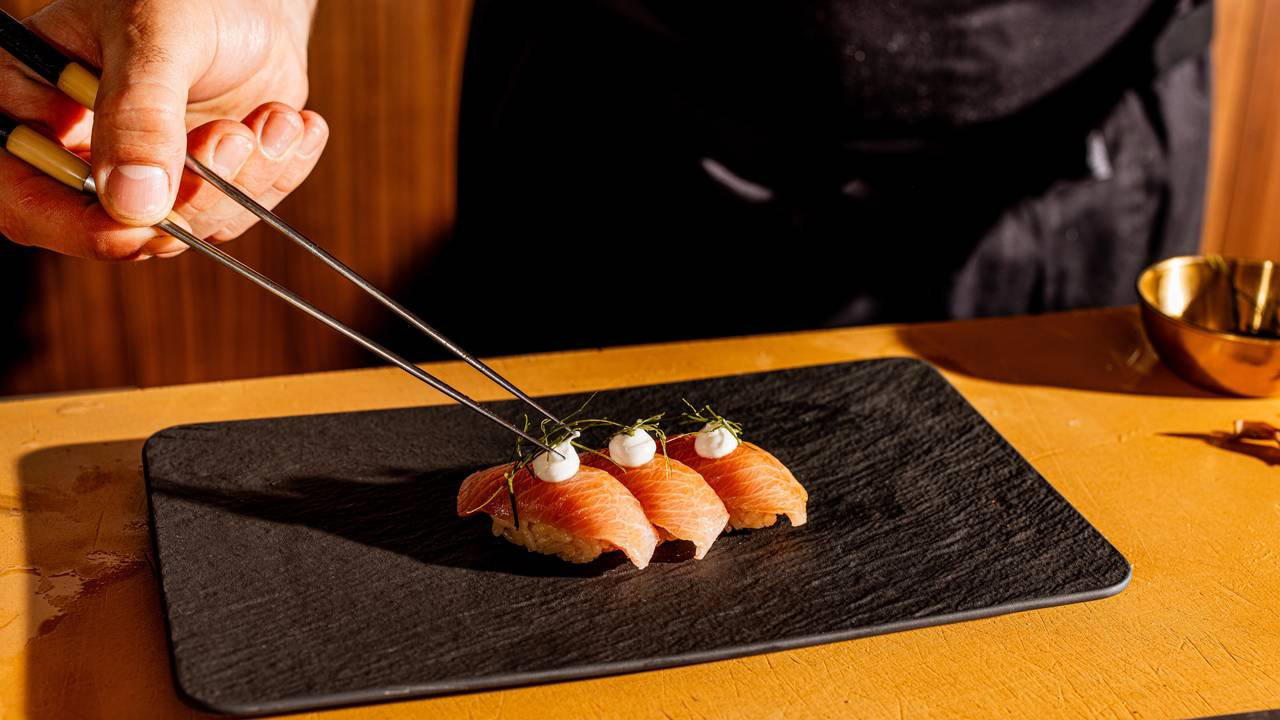
Approaching a serious omakase room in Hermosa Beach carries built-in tension: outside, the city reads as beach-city ease, with regulars, casual dinner plans, and the relaxed pull of the coast. Inside, the mood tightens. The counter becomes the stage, the sequence matters, and the meal follows a chef-led progression rather than a table’s grazing rhythm.
That contrast is the point. Hermosa Beach dining has long rewarded places that understand neighborhood use: breakfast counters, date-night rooms, wine bars, and polished casual restaurants. Sushi | Bar Hermosa Beach occupies a narrower lane, using the omakase-speakeasy model to pull attention from beach-city cues toward seasonal ingredients, timing, and controlled portioning across 17 courses.
A 17-course omakase built around seasonal supply
Modern omakase in Southern California has split into several categories. One tier treats sushi as luxury ceremony, often in larger dining corridors with tightly managed pacing and reservation-driven demand. Another is more playful and compact, borrowing counter discipline while accepting the California expectation that the menu can shift with market access and seasonal produce. This room belongs to the latter camp.
The advertised structure is clear: 17 courses, a rotating menu, and seasonal ingredients from land and sea. That matters because fixed-course sushi lives or dies by procurement. Ingredient quality is only part of the calculation. Temperature, cut size, garnish restraint, pacing, and the order of richer and leaner bites determine whether the sequence feels coherent. In a shorter à la carte meal, a diner can self-correct. In omakase, the house controls the arc.
The land-and-sea framing signals a California reading of the form. Traditional counters may privilege a narrow set of core elements and technique above all else. Contemporary West Coast omakase often stretches the vocabulary with seasonal vegetables, coastal produce, and richer composed bites. That approach can become cluttered when technique chases novelty. It works when variety supports rhythm rather than distraction.
Hermosa Beach gives this format a different audience than larger dining corridors. The decision is not merely where to eat sushi; it is whether to trade the flexibility of a neighborhood dinner for a set sequence. Nearby restaurants such as AttaGirl, Decadence, and Martha's Hermosa Beach show that broader local range, from special-occasion dining to everyday coastal meals. Against that set, Sushi | Bar Hermosa Beach asks for more attention and less improvisation.
The speakeasy format shifts the Hermosa Beach dining rhythm
Speakeasy language has become common in restaurants and bars, but in a sushi context it has a practical effect: it compresses the room’s social energy. An intimate omakase environment reduces conventional dining-room noise and foregrounds course timing. The diner is not studying a long menu or negotiating shared plates; the experience is sequenced, and the kitchen’s editorial control is part of the value.
That format is especially legible in a beach city. Hermosa Beach restaurants often trade on openness, daylight, and a loose transition from sand to supper. A counter-led omakase reverses that pattern. It narrows the field of view and makes dinner feel scheduled, not spontaneous. For some diners, that is the appeal: the meal becomes a contained event in a city where many meals are flexible.
The seasonal angle also separates this from generic sushi-night thinking. Seasonal ingredients are not decoration in a 17-course format; they keep repeat meals from becoming static. The menu can follow seafood availability and produce cycles, while the course count allows contrast. In practical terms, the restaurant is better understood as a set-menu experience than as a sushi bar where diners assemble a personal order.
Within the wider Southern California dining conversation, Hermosa Beach sits outside some of the densest sushi corridors, changing expectations. Diners seeking regional comparison can look to other counter-led and set-menu formats across EP Club’s coverage and beyond, but those references are not direct substitutes. The more useful point is how specific formats travel across cities, dining styles, and levels of ceremony.
Who this counter serves well
This is a stronger fit for diners who want a defined progression than for groups looking to linger over a broad menu. The 17-course structure gives the meal a beginning, middle, and finish, creating a different social contract. Conversation can happen, but the room’s logic belongs to the counter and the next bite. Families may find the format limiting if younger diners need menu flexibility, shorter pacing, or simpler ordering.
Dress expectations in Hermosa Beach tend to be relaxed, but omakase carries its own code. It rewards punctuality, attention, and willingness to follow the sequence. The better comparison is not formal versus casual in clothing terms; it is structured versus loose. Sushi | Bar Hermosa Beach sits firmly on the structured side.
For planning around the city rather than one dinner, separate meal types. A set sushi counter serves one kind of evening; a neighborhood restaurant, bar, hotel stay, winery visit, or local experience serves another. EP Club’s wider Hermosa Beach coverage helps map those choices through Our full Hermosa Beach restaurants guide, Our full Hermosa Beach hotels guide, Our full Hermosa Beach bars guide, Our full Hermosa Beach wineries guide, and Our full Hermosa Beach experiences guide.
Readers comparing broader casual and ingredient-led dining across EP Club may also find useful contrasts in other market-driven restaurants, coastal dining rooms, and set-menu counters. The through-line is not cuisine alone, but how tightly each place defines the diner’s role: choosing freely, following a sequence, or letting seasonal supply set the terms.
Frequently asked questions
Is Sushi | Bar Hermosa Beach good for families?
It is a tighter fit for families with young children because the experience is built around a 17-course omakase in an intimate speakeasy setting. The fixed progression in Hermosa Beach suits diners who can sit through a structured meal.
Is Sushi | Bar Hermosa Beach formal or casual?
The room reads more structured than loose, because service is centered on a curated omakase rather than an à la carte menu. The intimate speakeasy format reinforces a set-evening experience.
What awards or recognition does Sushi | Bar Hermosa Beach have?
Sushi | Bar Hermosa Beach is recognized as an intimate Omakase Speakeasy serving a whimsy of its namesake fare in 17 courses. The specially curated omakase experience is comprised of a rotating menu including seasonal ingredients from both land and sea.
What days is Sushi | Bar Hermosa Beach closed?
Check directly with Sushi | Bar Hermosa Beach for current operating days and reservation availability.
Where do I go for Sushi | Bar Hermosa Beach?
Hermosa Beach.
What has Sushi | Bar Hermosa Beach built its reputation on?
It is built around a 17-course omakase with a rotating menu that draws on seasonal ingredients from both land and sea. That format, paired with the Hermosa Beach speakeasy setting, gives it a clear identity.
Side-by-Side Snapshot
Comparable venues by cuisine and price in the same metro.
| Venue | Cuisine | Price | Awards | Notes |
|---|---|---|---|---|
| Sushi | Bar Hermosa BeachThis venue (the venue you are viewing) | Omakase Sushi Bar | $150–200 | OpenTable Top 100 Restaurants | Not listed |
| Martha's Hermosa Beach | Classic American Breakfast & Brunch | $20–30 | Not listed | Not listed |
| Slay Hermosa | California-style Farm-to-Beach | $50–100 | Not listed | Not listed |
| Vin Folk | Modern French-Californian Bistro | $50–100 | Michelin Bib Gourmand · LA Times 101 Best Restaurants #31 | Californian |
| Decadence | California-Asian Fusion | Not listed | Not listed | Not listed |
| AttaGirl | California Mediterranean | $50–100 | Not listed | Not listed |
Recognition history
Dated appearances from independent guides and award organizations, with the underlying list record or original source where available.
OpenTable Top 100 Restaurants
OpenTable
Continue exploring
More in Hermosa Beach
Restaurants in Hermosa Beach
All restaurants in Hermosa Beach →
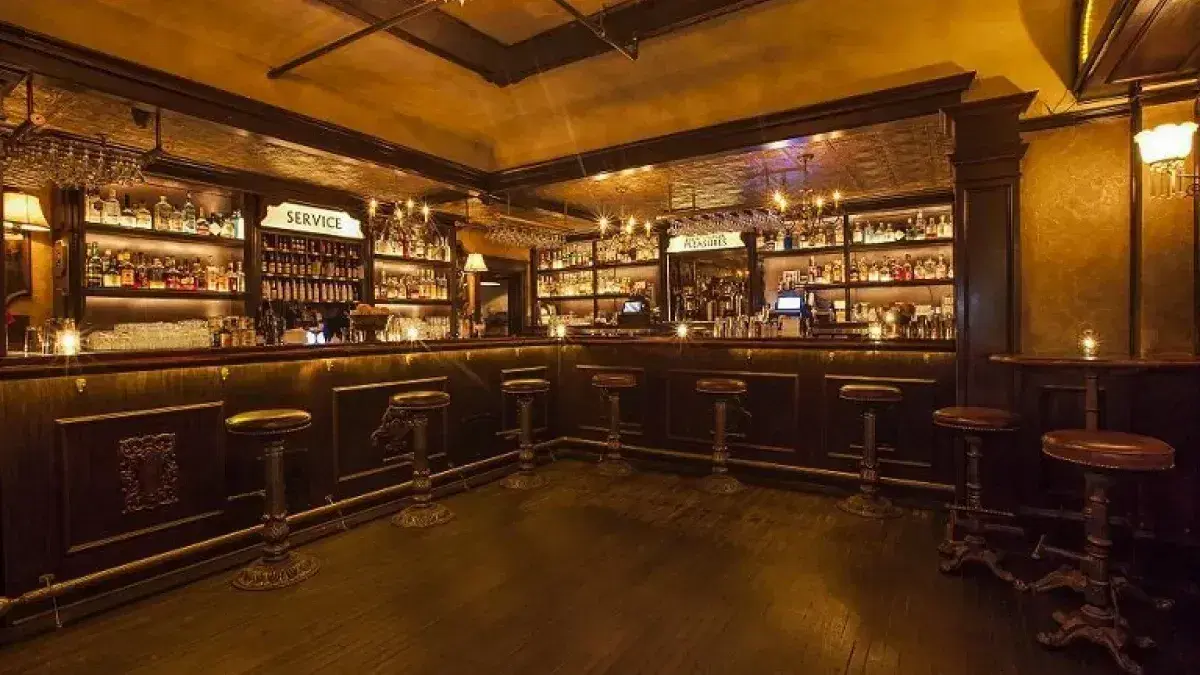
Bars in Hermosa Beach
Browse all →
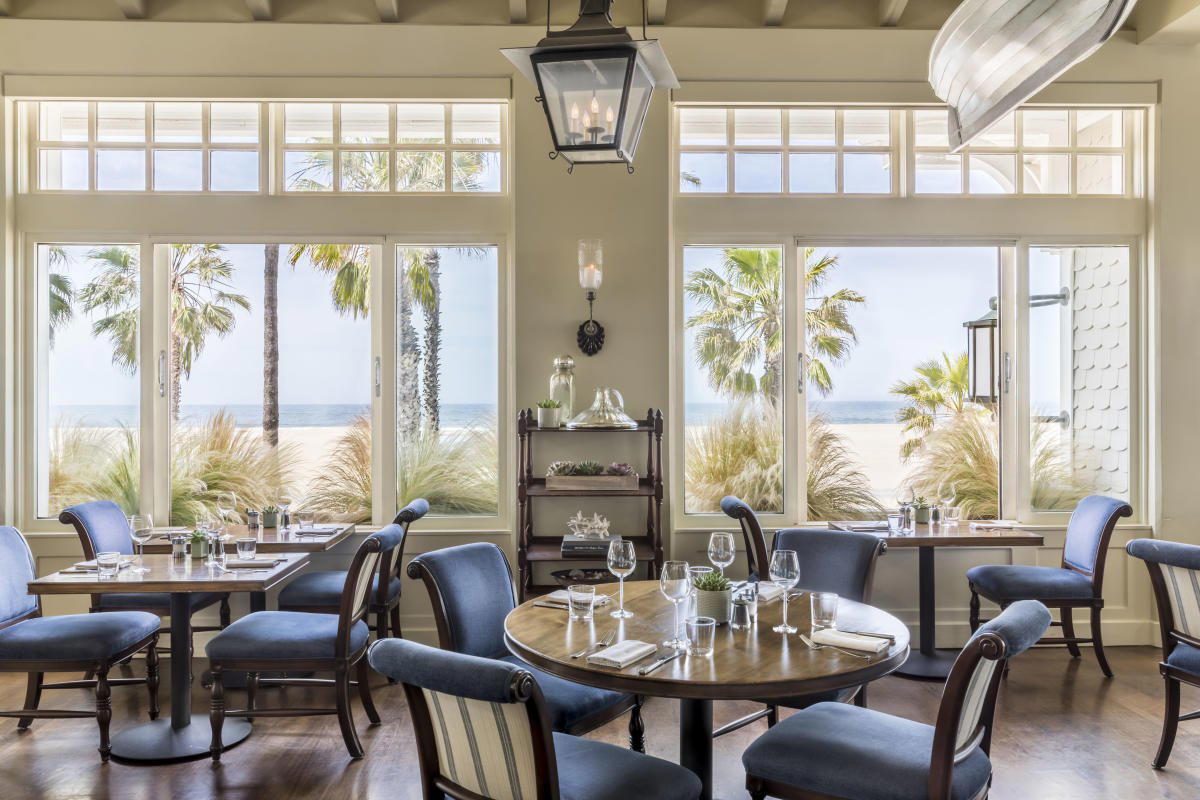
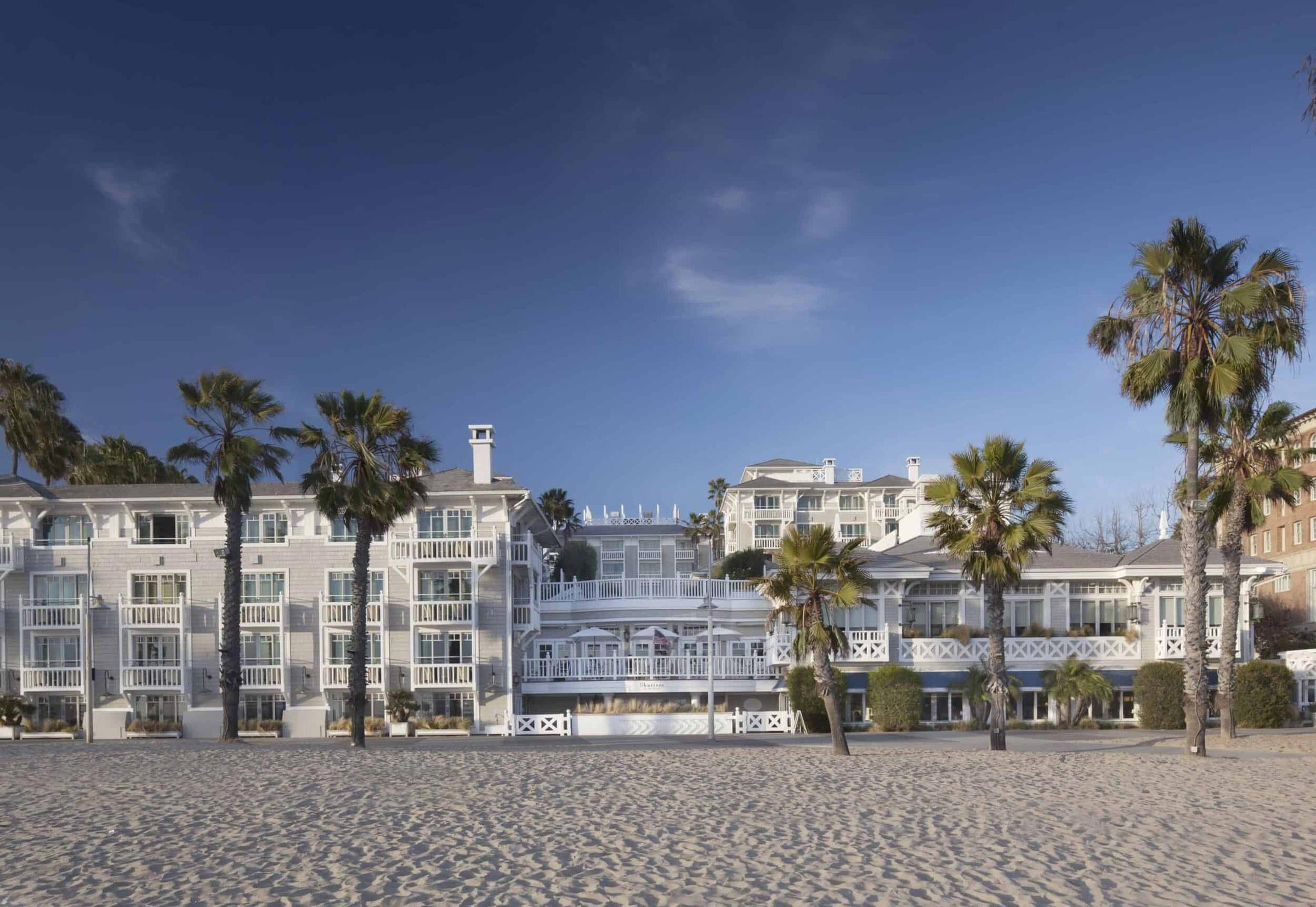
Hotels in Hermosa Beach
Browse all →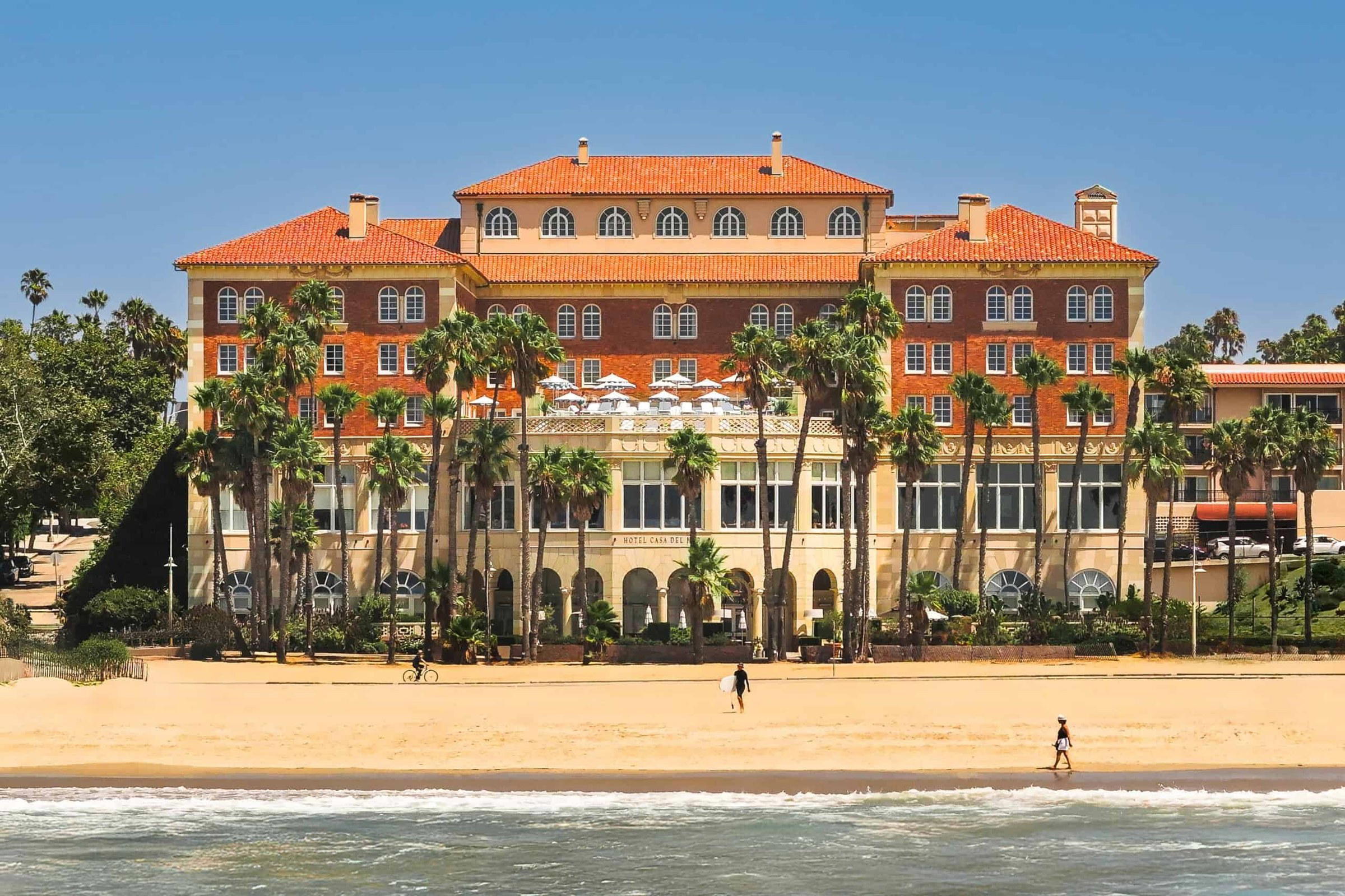
Wineries in Hermosa Beach
Browse all →
Details
- Intimate
- Sophisticated
- Elegant
- Date Night
- Special Occasion
- Chefs Counter
- Sake Program
- Omakase
- Counter Dining
- Sake Program
Current opening hours
- Monday
- Closed
- Tuesday
- Closed
- Wednesday
- 5:30–8:30 PM
- Thursday
- 5:30–8:30 PM
- Friday
- 5:30–8:30 PM
- Saturday
- 5:30–8:30 PM
- Sunday
- 5:30–8:30 PM
Hours can change for holidays and private events. Hours as of .
Magical and delightful atmosphere with moderate noise, highlighted by outstanding service and sensory engagement from chefs and sake pairings.