Sushi B.
Our verdict
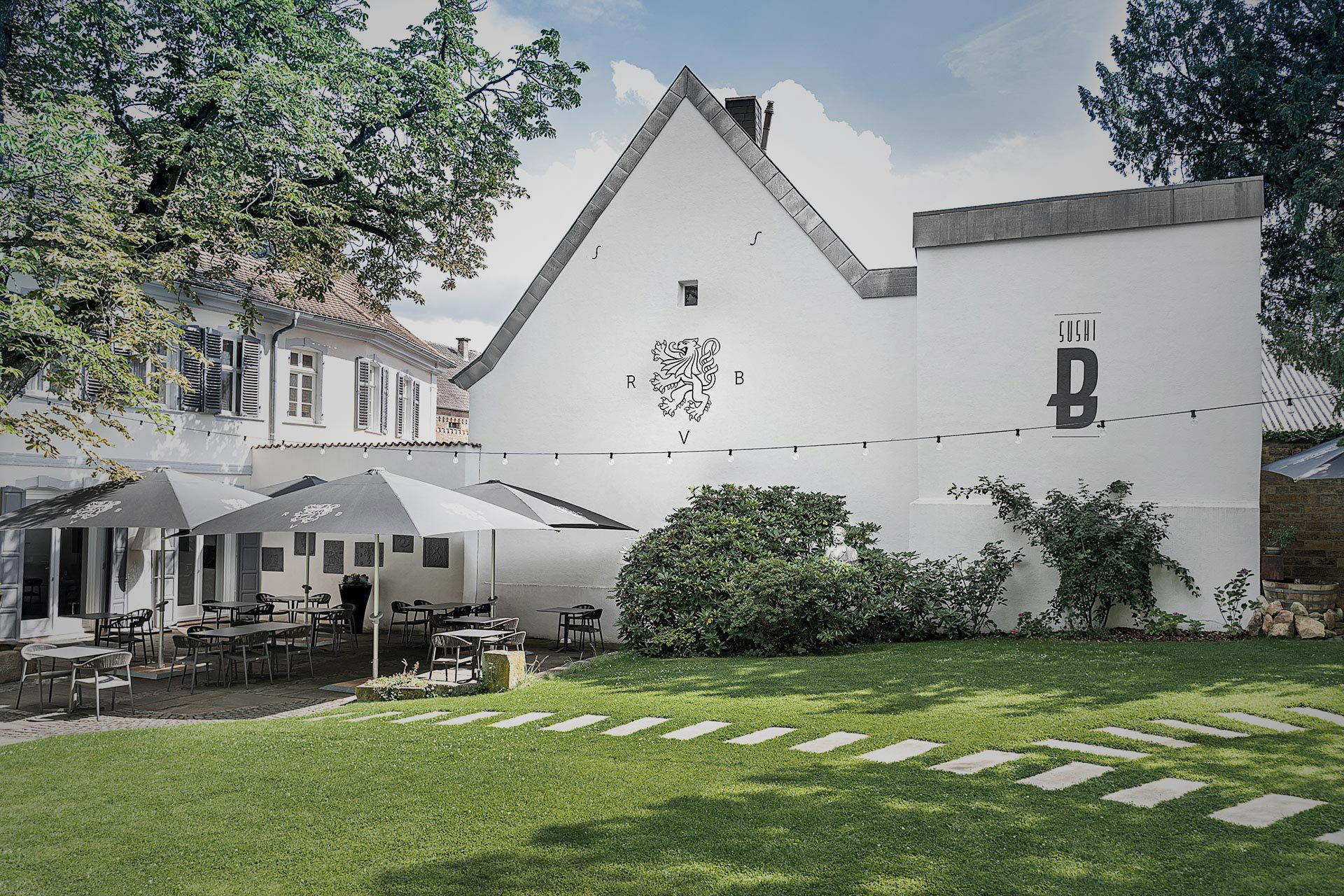
A Japanese counter restaurant on Deidesheim's wine-road main street, Sushi B. occupies an unusual position in the Palatinate dining scene — precision fish cookery in a region defined by Riesling and Spätburgunder. The address at Weinstraße 18 puts it steps from the village's Michelin-decorated neighbours, making it an intriguing outlier for those working through the town's condensed restaurant quarter.

Pearl is the En Primeur Club membership app — saves, bookings, and concierge access live there. Same editors, same standards.
- Address
- Weinstraße 18, 67146 Deidesheim, Germany
- Phone
- +496326965050
- Hours
- Mon–Wed ClosedThu–Fri 6–10 PMSat 12:30–2:30 PM, 6–10 PMSun 12:30–2:30 PM, 5–9 PM
- Website
- sushi-b.de
- Directions
- Get directions
- Booking
- Book on the venue's website
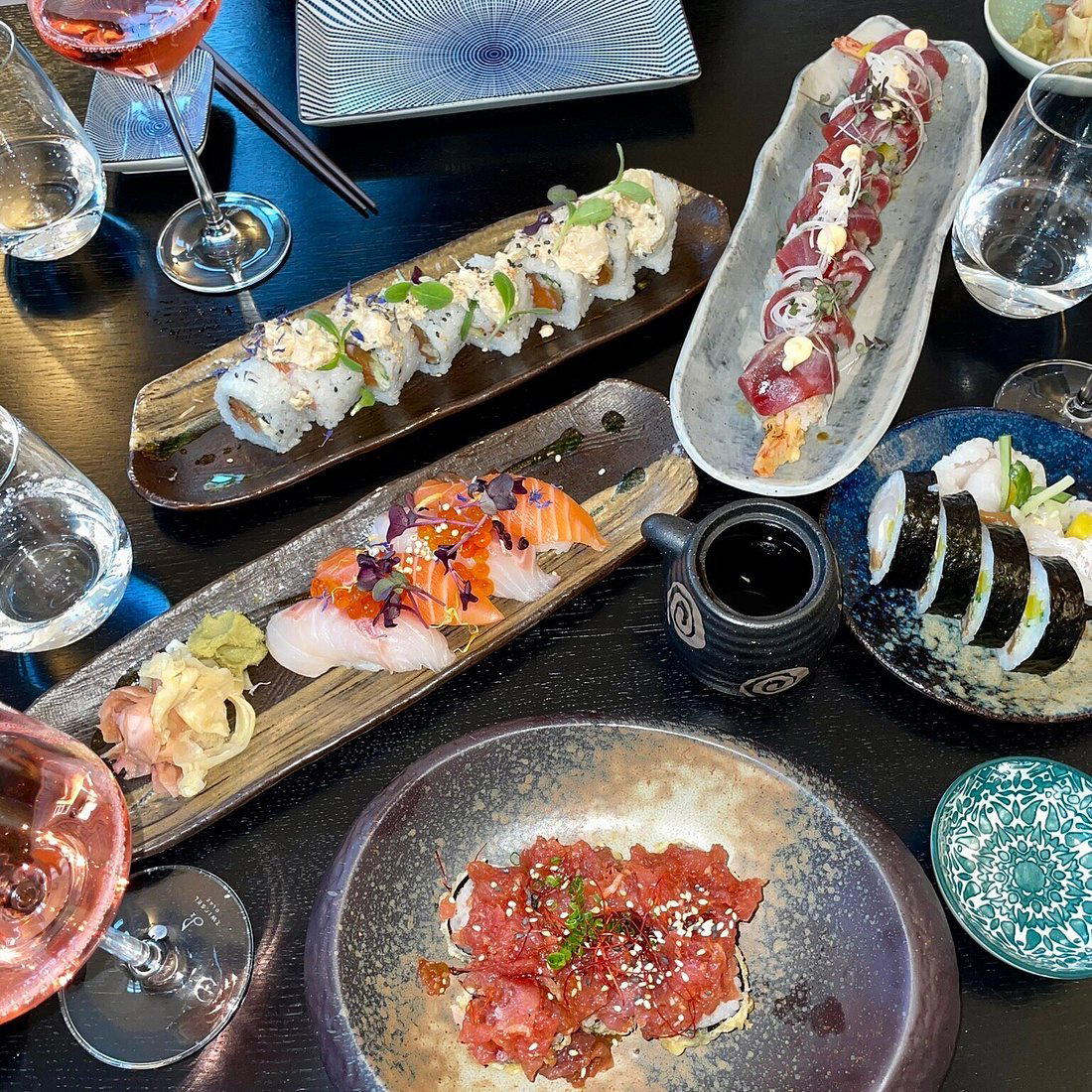
Japanese precision on a German wine road
Deidesheim is a small Palatinate town that punches well above its population in terms of serious dining. Weinstraße — the main artery running through its historic core — concentrates an unusual number of destination restaurants within a few hundred metres: L.A. Jordan with its modern German-creative format, Schwarzer Hahn applying a Modern French sensibility, and fumi working a more contemporary register. Against that backdrop, Sushi B. at Weinstraße 18 reads as an outlier, a Japanese counter in a wine-village whose culinary reputation is built almost entirely on European fine dining and country cooking traditions.
That apparent incongruity is, in some ways, the point. The town's position at the heart of the Palatinate, one of Germany's warmest and most productive wine regions, means its restaurants operate with a captive audience of visitors drawn by the Riesling estates and the broader wine-road tourism circuit. A Japanese restaurant in that context is not chasing a local habit; it is betting that a certain kind of traveller, having already made the effort to come to Deidesheim for serious eating, will be curious enough to cross category lines.
Sourcing logic in a wine-country setting
The ingredient question is the most consequential one for any serious sushi operation in continental Europe, and it is where geography presents both constraints and, sometimes, genuine advantages. Japan-trained counters in Germany's major cities, Frankfurt, Munich, Hamburg, typically source their fish through specialist importers running direct channels from Toyosu or via Nordic intermediaries supplying high-grade salmon, scallops, and shellfish caught closer to home. A Palatinate address adds logistical distance from either supply chain, which raises the bar for what the kitchen needs to do to justify a destination visit.
This is not a problem unique to Deidesheim. German fine dining at the highest tier, venues like Aqua in Wolfsburg or Vendôme in Bergisch Gladbach, has long worked around northern European geography by building relationships with specialist suppliers, adjusting seasonality expectations, and in some cases substituting local freshwater fish or regional produce where it can compete on quality. A sushi counter in the Palatinate faces the same sourcing arithmetic, with the additional variable that the region itself offers something most Japanese-concept restaurants in Germany cannot easily access: world-class local wine pairing, from producers whose cellars are within walking distance.
That wine dimension matters for how the meal functions. Palatinate Riesling, particularly from the producers clustered around Deidesheim itself, has the acidity structure and mineral register that works well against raw fish, in a way that can rival the sake pairings more standard to omakase formats. Whether Sushi B. exploits that adjacency in its beverage programme is worth establishing before booking, but the geographic logic for doing so is stronger here than almost anywhere else in Germany.
Where it sits in the Deidesheim dining order
Deidesheim's restaurant hierarchy is relatively clear. At the upper tier, the town's Michelin-decorated rooms, along Weinstraße and its immediate surrounds, attract visitors travelling specifically for the table. The mid-tier options, including Leopold and other international-format addresses, serve the broader tourism flow without requiring the same level of pre-planning. Sushi B. does not fit neatly into either bracket from the outside, which means the practical questions (price range, format, reservation lead time) are worth resolving before building an itinerary around it.
For context on what serious Japanese dining in Germany looks like at the verified end of the market, the reference points are the omakase counters in Munich and Berlin, and a small number of sushi-focused rooms that have attracted Michelin attention, including JAN in Munich and the broader contemporary Japanese wave that runs through German fine dining. CODA Dessert Dining in Berlin illustrates a parallel point: format-specific concepts in smaller or unexpected German cities can build genuine reputations when the execution is disciplined enough. The same principle applies to Sushi B.
Further afield, the template for what high-calibre fish-focused restaurants can achieve in non-coastal European settings is well established. Le Bernardin in New York City has shown for decades that geography need not limit the quality ceiling for seafood-centred cooking when sourcing relationships are serious enough. At the contemporary Japanese end, Atomix in New York City demonstrates what happens when a concept commits fully to format discipline and ingredient provenance. Those are not direct comparisons to a village restaurant in the Palatinate, but they clarify what the stakes of the sourcing question actually are.
Planning a visit
Deidesheim is most practically reached by car from Mannheim or Kaiserslautern, or by regional rail to Neustadt an der Weinstraße followed by a short taxi or bus connection. The town's restaurant concentration means a two-meal day is feasible, Gasthaus zur Kanne covers the regional lunch register well, leaving an evening slot for the town's higher-commitment options. For those building a wider wine-country dining circuit, Schanz in Piesport and Schwarzwaldstube in Baiersbronn are logical extensions into the Mosel and Black Forest respectively, both operating at a verified Michelin level. See our full Deidesheim restaurants guide for a complete view of the town's dining options across all price points.
Because phone and web booking details for Sushi B. are not confirmed in current listings, the most reliable approach is to contact the restaurant directly via its Weinstraße 18 address or through the town's tourism office, which holds current contact information for local establishments. Deidesheim's peak season runs from late spring through the October wine harvest, when tables at the better-known addresses fill well in advance; Japanese counter formats elsewhere in Germany tend to operate on tighter seat counts, which typically means booking pressure is proportionally higher. Confirming availability several weeks ahead is the pragmatic baseline.
Frequently asked questions
Does Sushi B. work for a family meal?
A sushi counter in Deidesheim is built around focused, sequential dining rather than the relaxed tempo a family meal usually requires. Younger children are unlikely to find the format comfortable, and the setting on Weinstraße 18 is oriented toward guests who want to engage with the food directly. Adults seeking a shared tasting experience will be better served than mixed-age groups.
How would you describe the vibe at Sushi B.?
Counter sushi operations of this type in continental Europe tend toward quiet concentration: conversation stays low, the focus is on the chef's work, and pacing is set by the kitchen rather than the table. Deidesheim as a town already runs at a measured register, and Sushi B. at Weinstraße 18 fits that grain. It reads as deliberate and unhurried, not casual.
Is Sushi B. in Deidesheim the only Japanese counter restaurant on the German Weinstraße?
The Palatinate's Weinstraße is known primarily for its German wine estates and regional cuisine, making a dedicated sushi counter at Weinstraße 18 in Deidesheim an uncommon proposition along this stretch. Whether it holds sole claim to the format on the route would require confirming against current local listings, but Japanese counter dining is not a category the German wine road has historically produced in any concentration. That scarcity is part of what positions Sushi B. distinctly within the Deidesheim dining order.
What should I eat at Sushi B.?
Specific menu details for Sushi B. For a Japanese counter operation in this context, the format typically centres on a set sequence determined by the kitchen, with sourcing decisions shaped by what is available and in season. Contacting the venue directly at Weinstraße 18, Deidesheim, is the clearest way to confirm the current offering before your visit.
Where is Sushi B. located?
Sushi B. is located at Weinstraße 18, 67146 Deidesheim, Germany, Deidesheim.
In Context: Similar Options
Comparable venues nearby, for context on price, style, and recognition.
| Venue | Cuisine | Price | Awards | Notes |
|---|---|---|---|---|
| Sushi B.This venue — the venue you are viewing | Modern Japanese Sushi | Not listed | Not listed | Not listed |
| fumi | Modern Japanese Fine Dining | Not listed | Not listed | Deidesheim |
| Leopold | Modern Palatinate Country Cooking | $50–100 | Michelin Plate · Falstaff Restaurant - 87 Falstaff Points | Deidesheim |
| riva | Modern Mediterranean with Italian influences | $50–100 | Michelin Plate | central Deidesheim |
| St. Urban | Traditional Palatinate Country Cooking | $50–100 | Michelin Plate | Marktplatz |
| Restaurant 1718 | French-inspired Bistro | Not listed | Michelin Plate | Deidesheim |
Continue exploring
More in Deidesheim
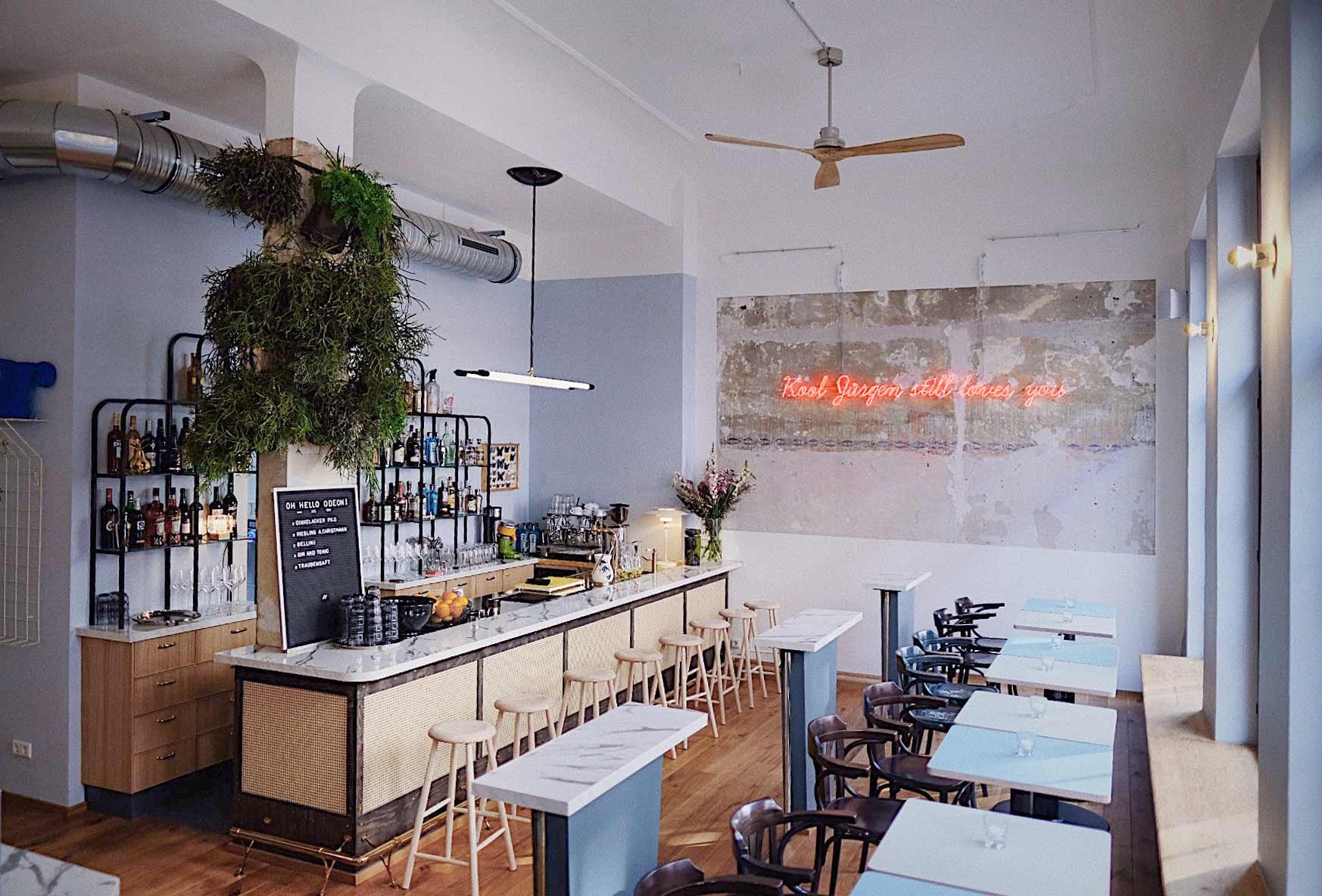
Restaurants in Deidesheim
Browse all →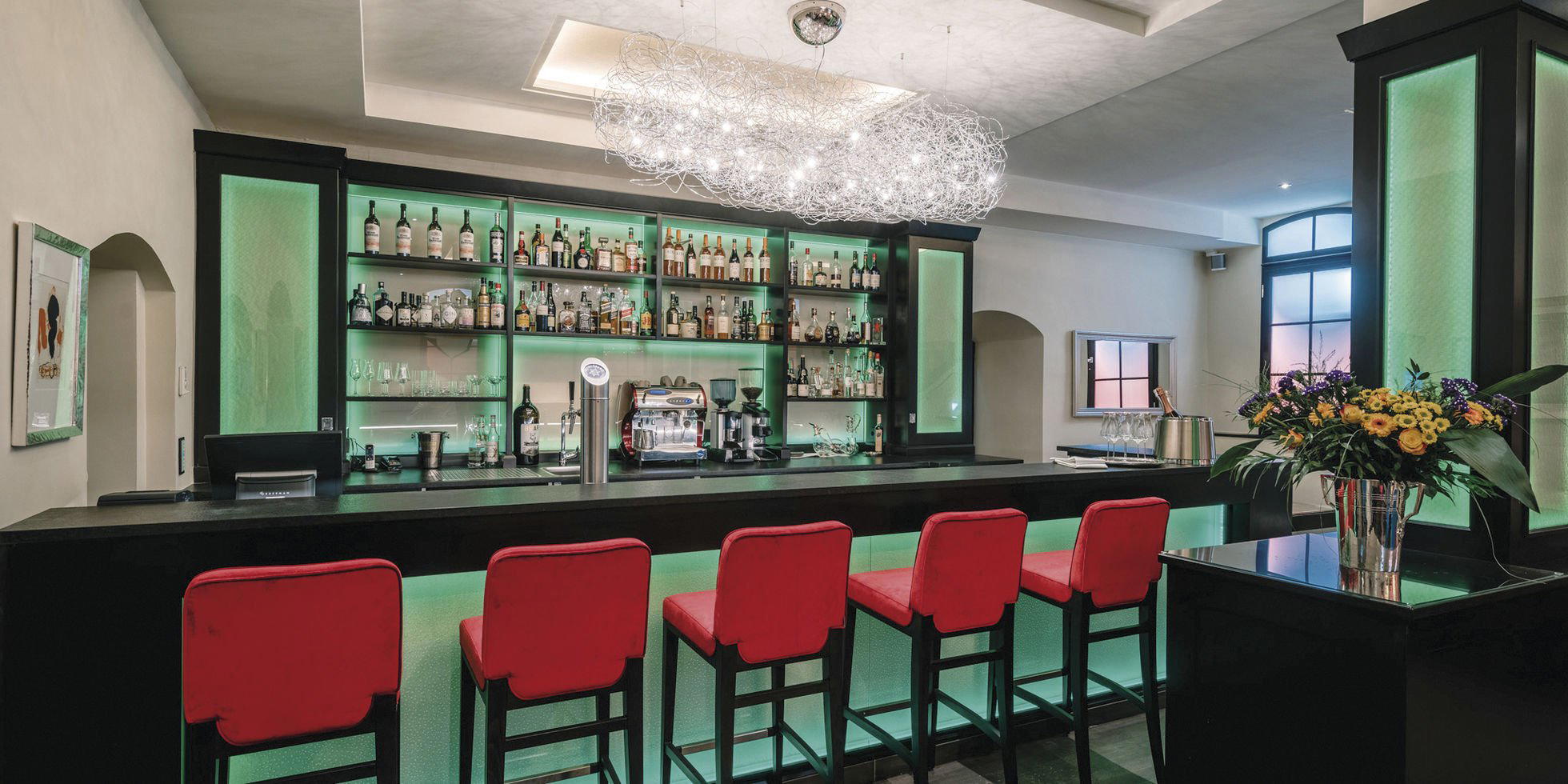
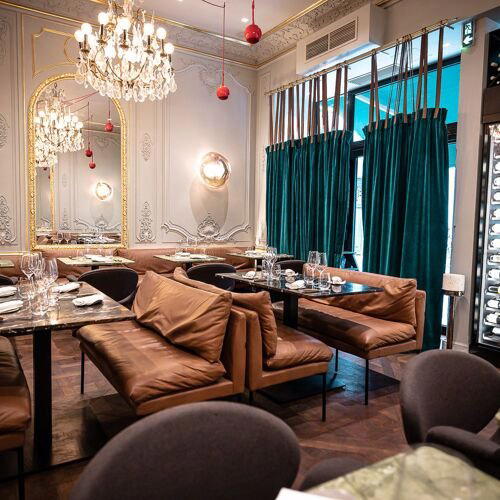
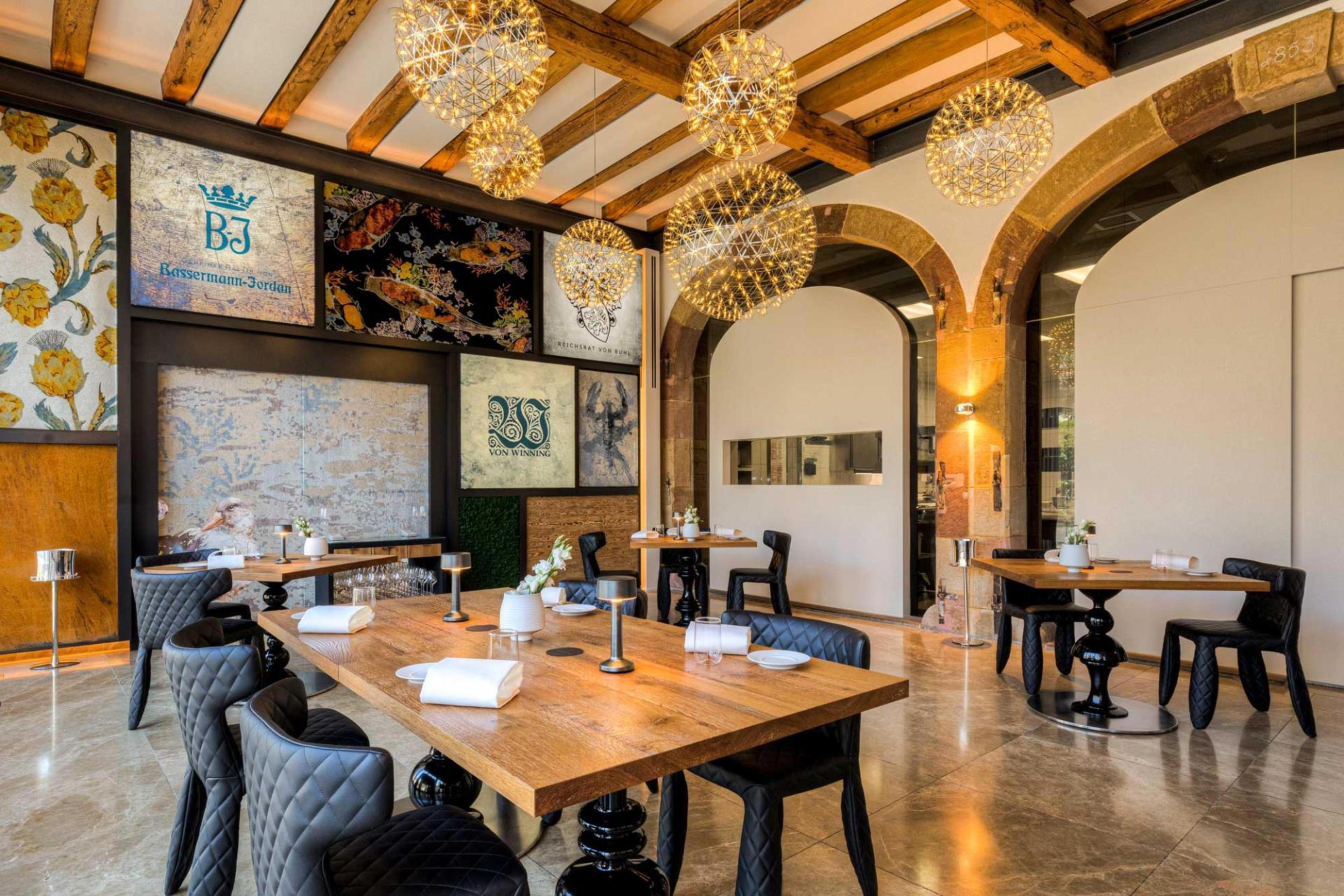
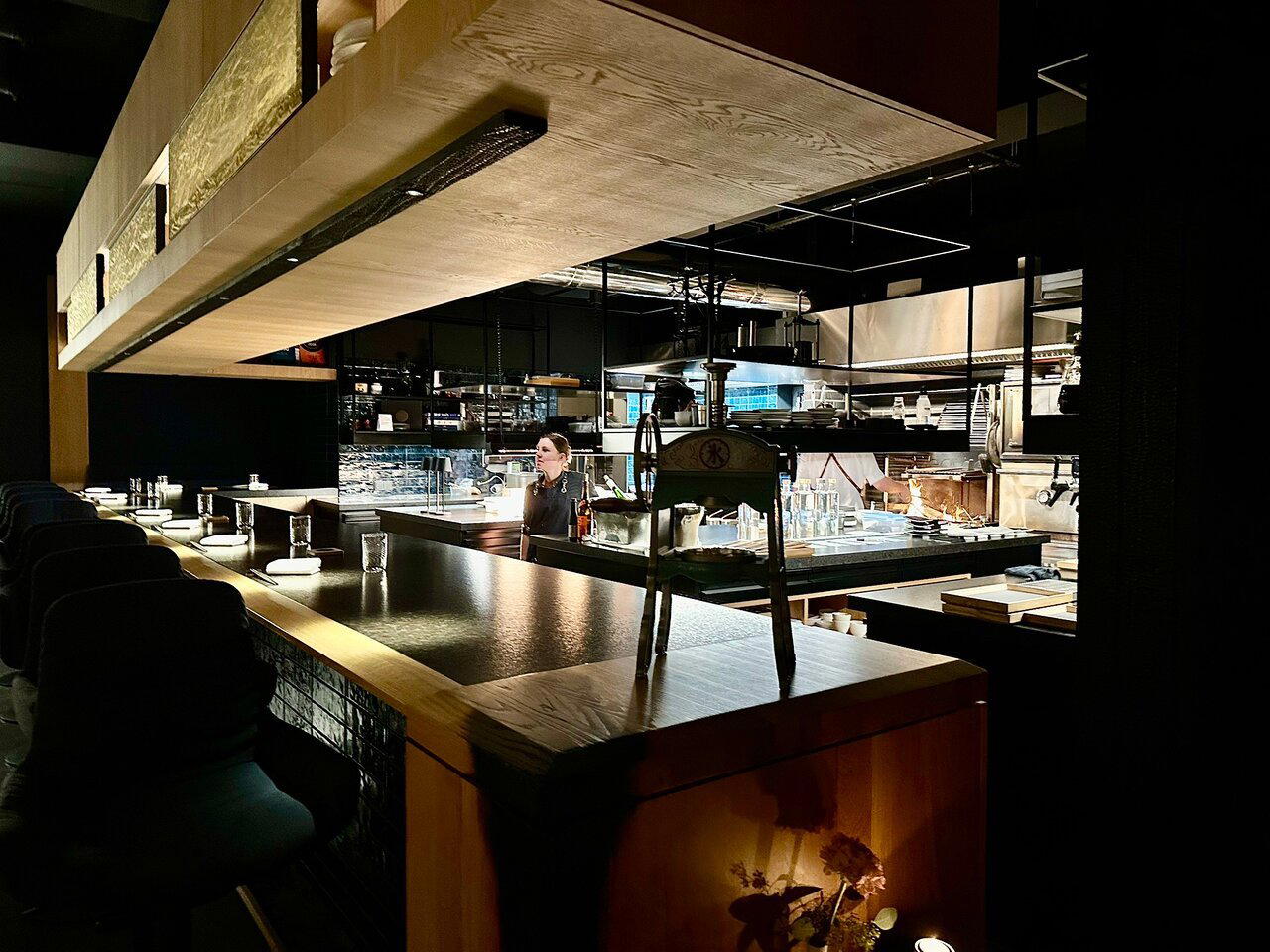
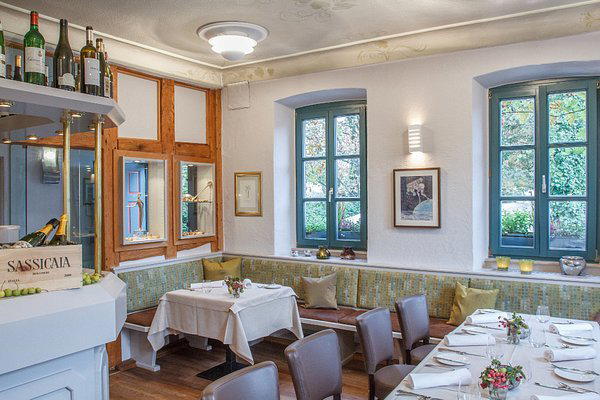
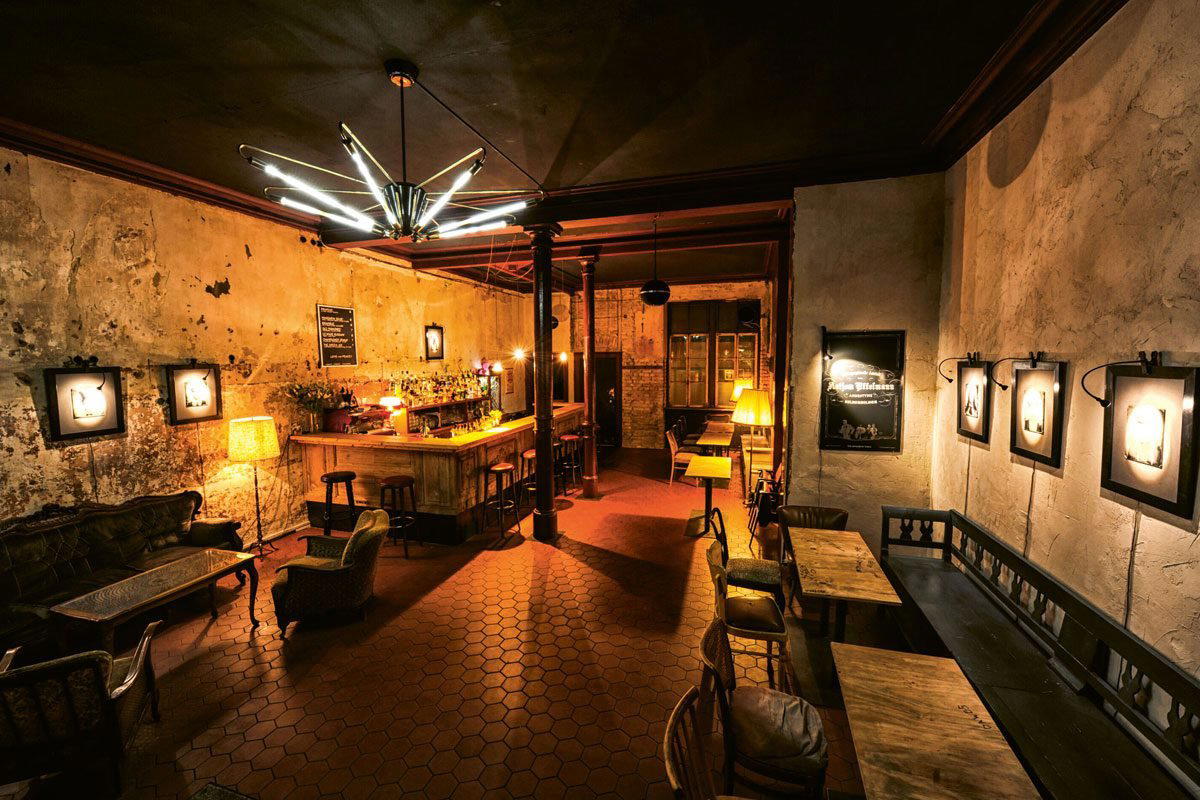
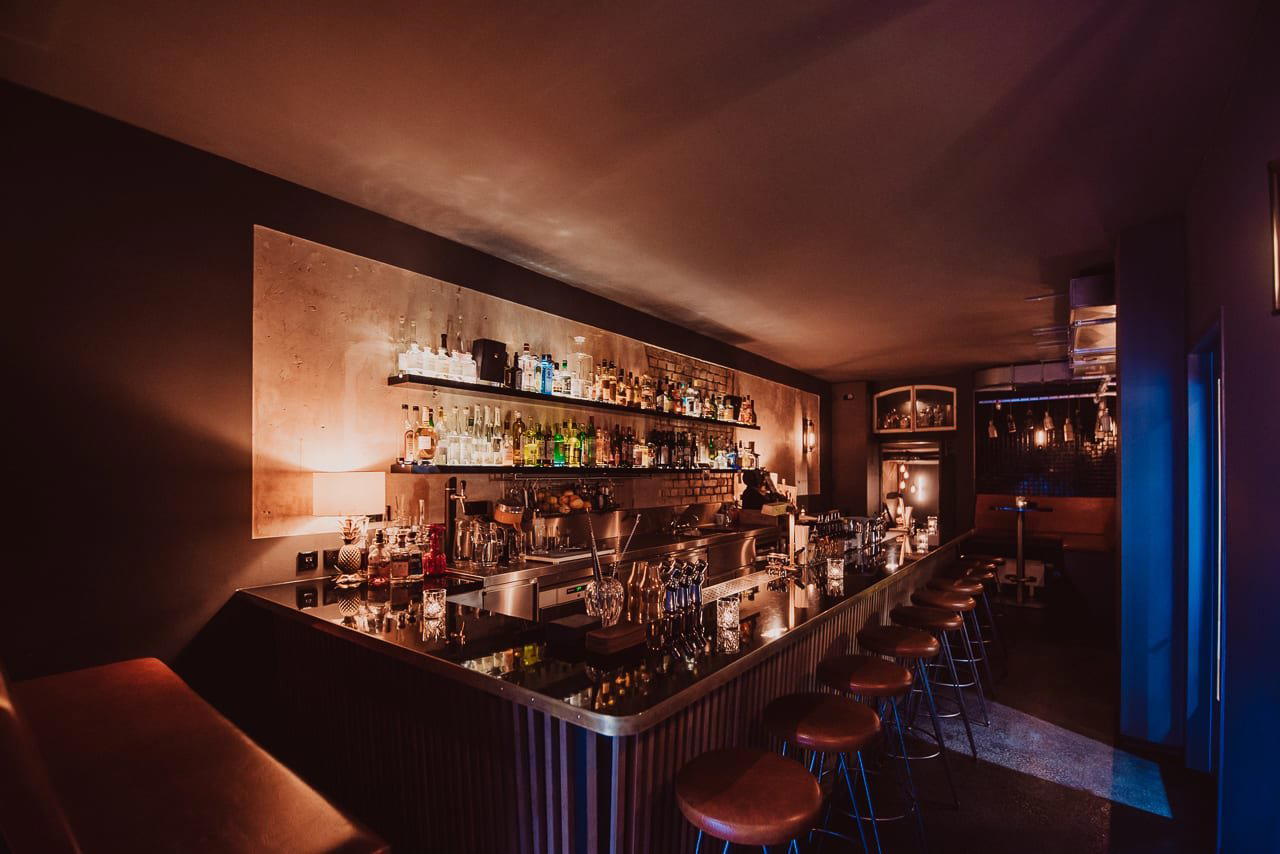
Bars in Deidesheim
Browse all →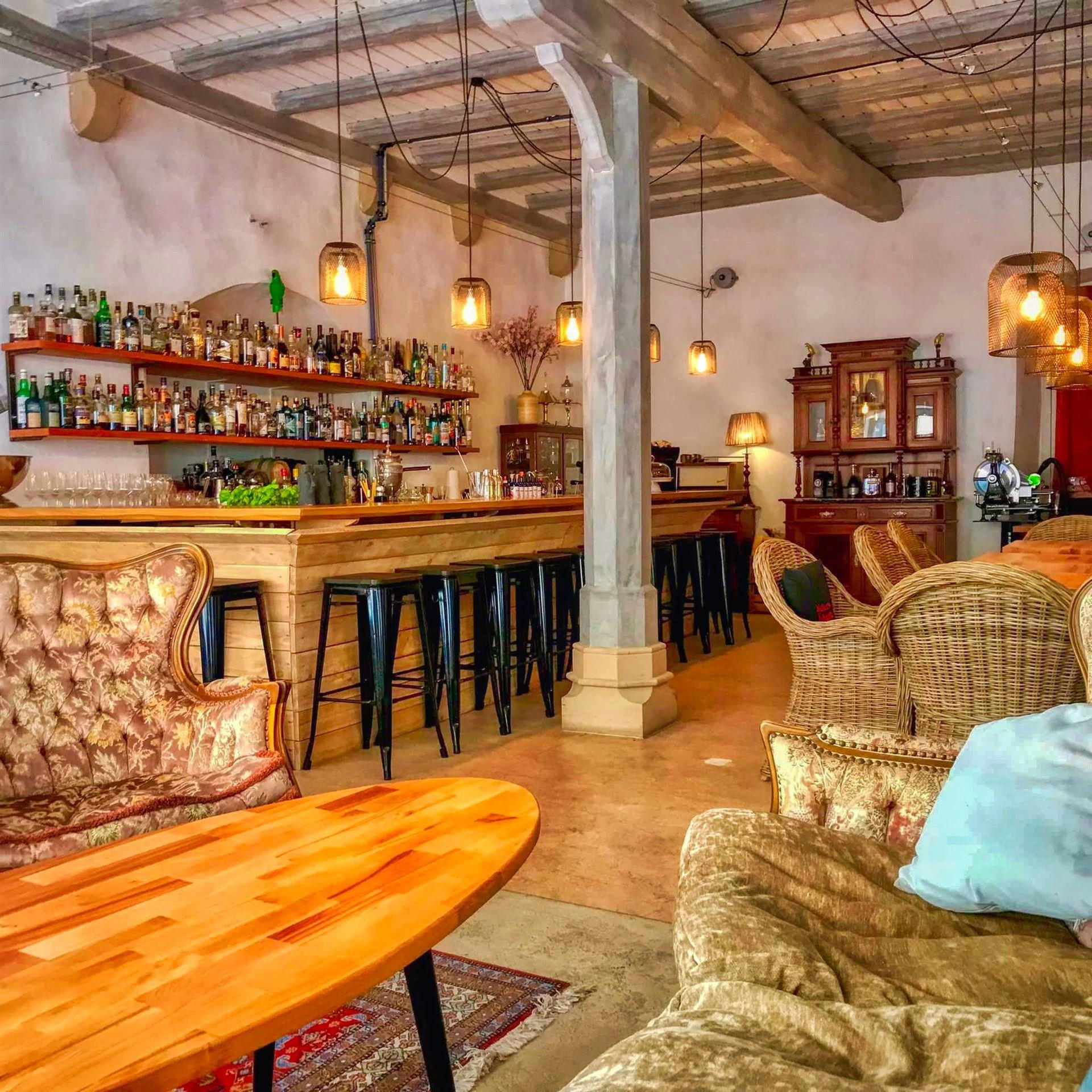
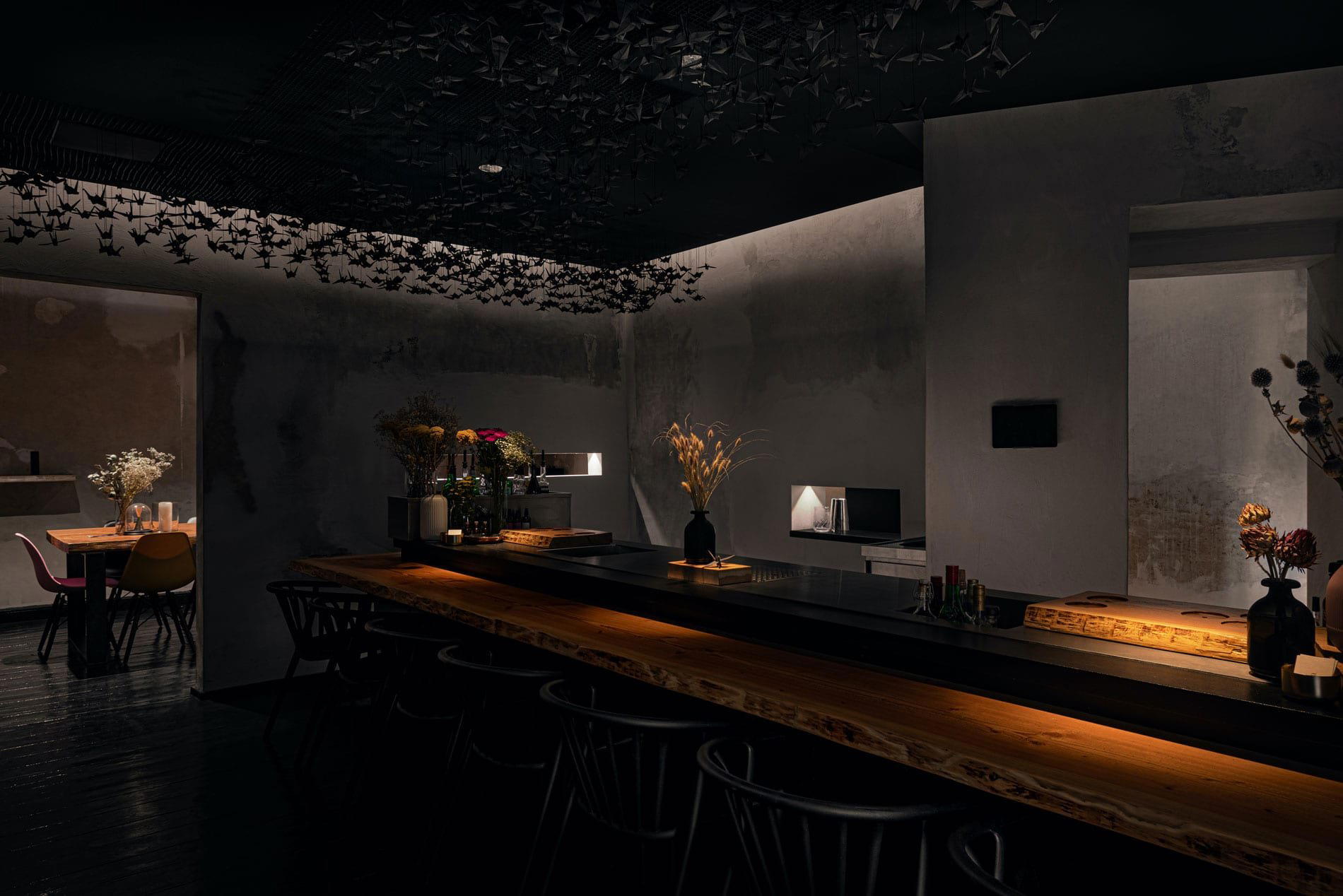
Hotels in Deidesheim
Browse all →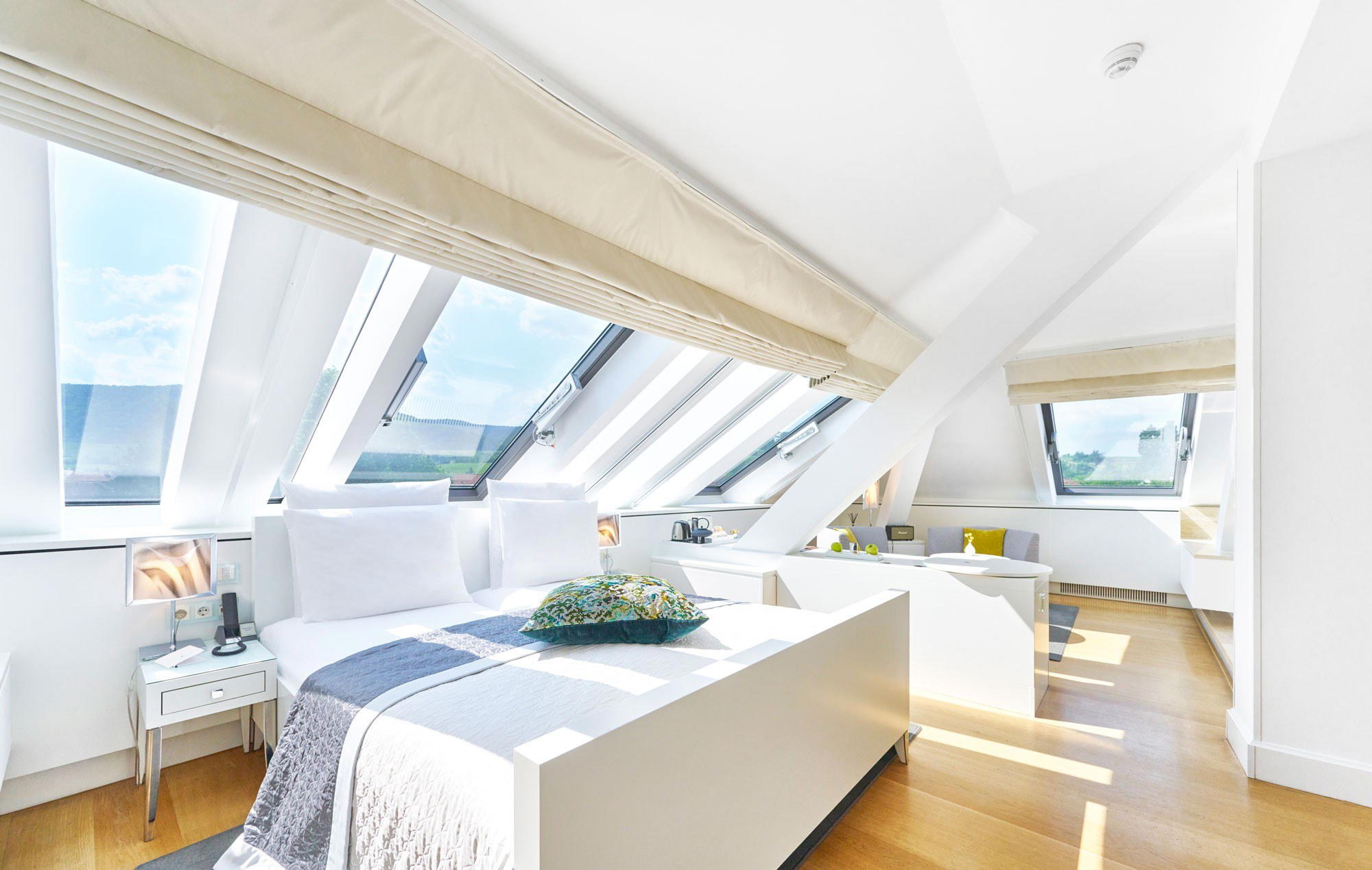
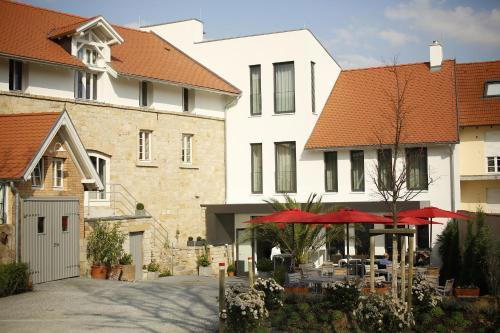

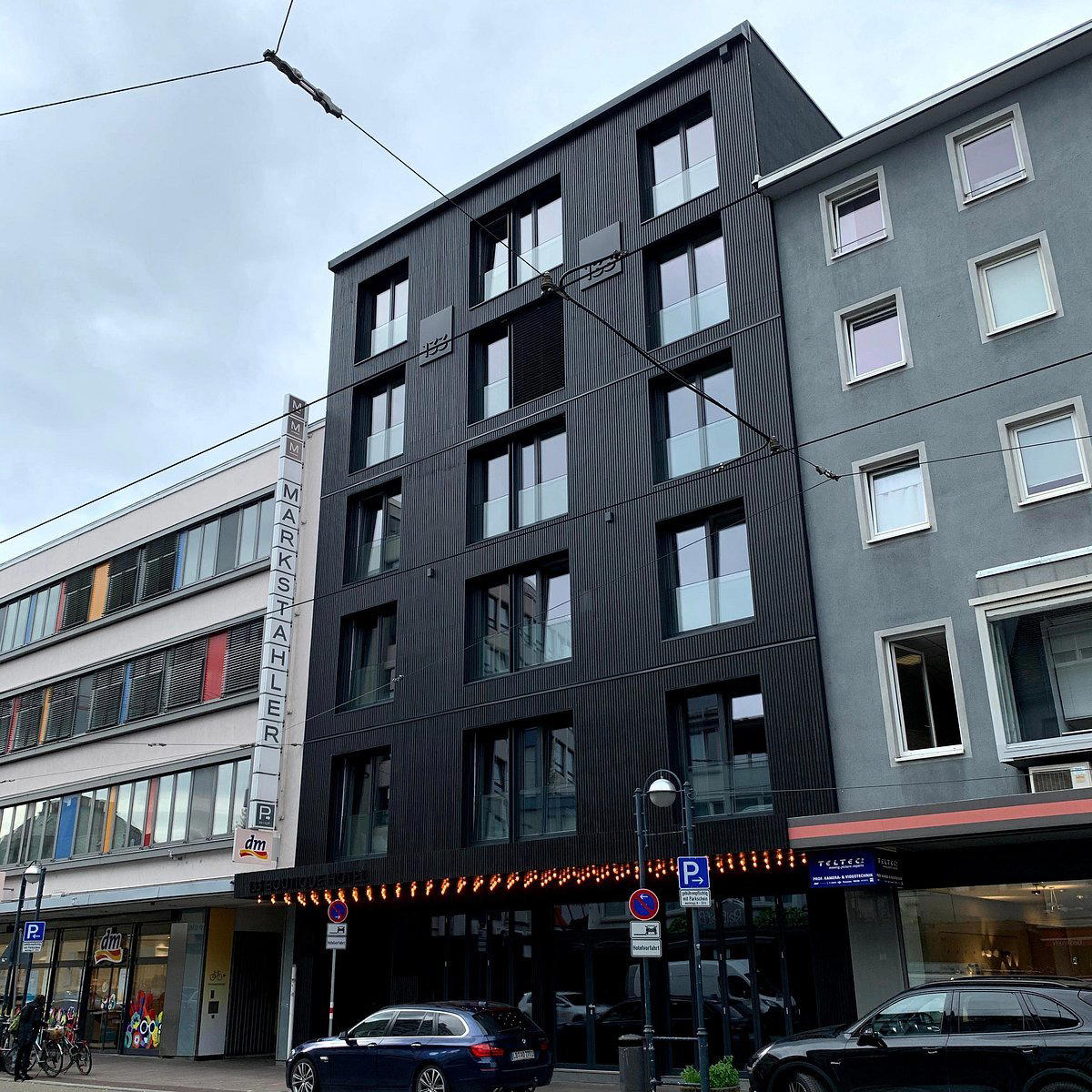
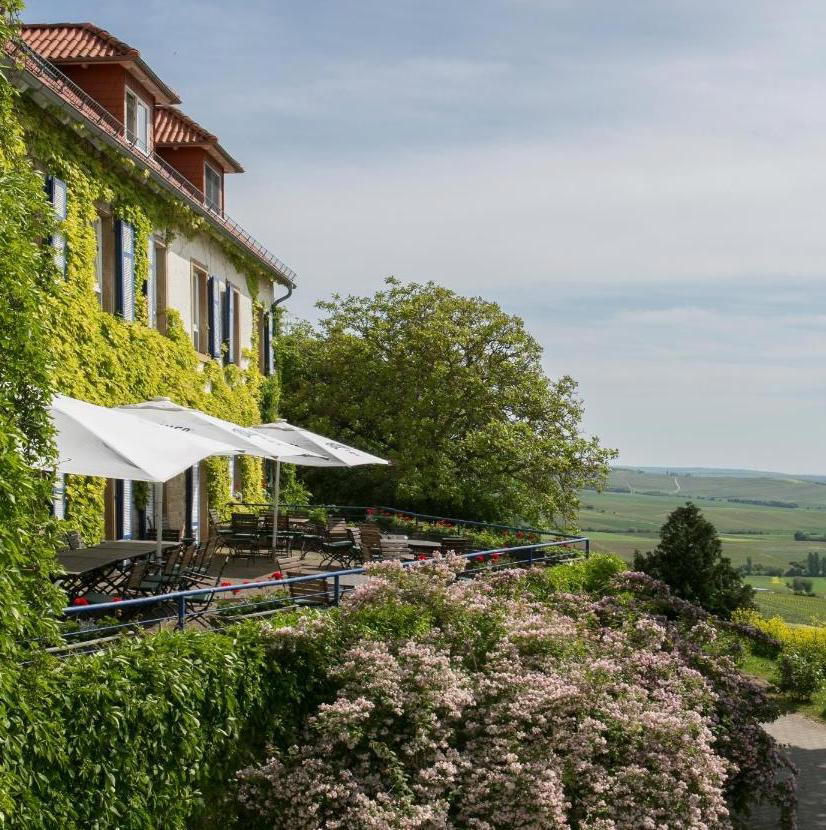
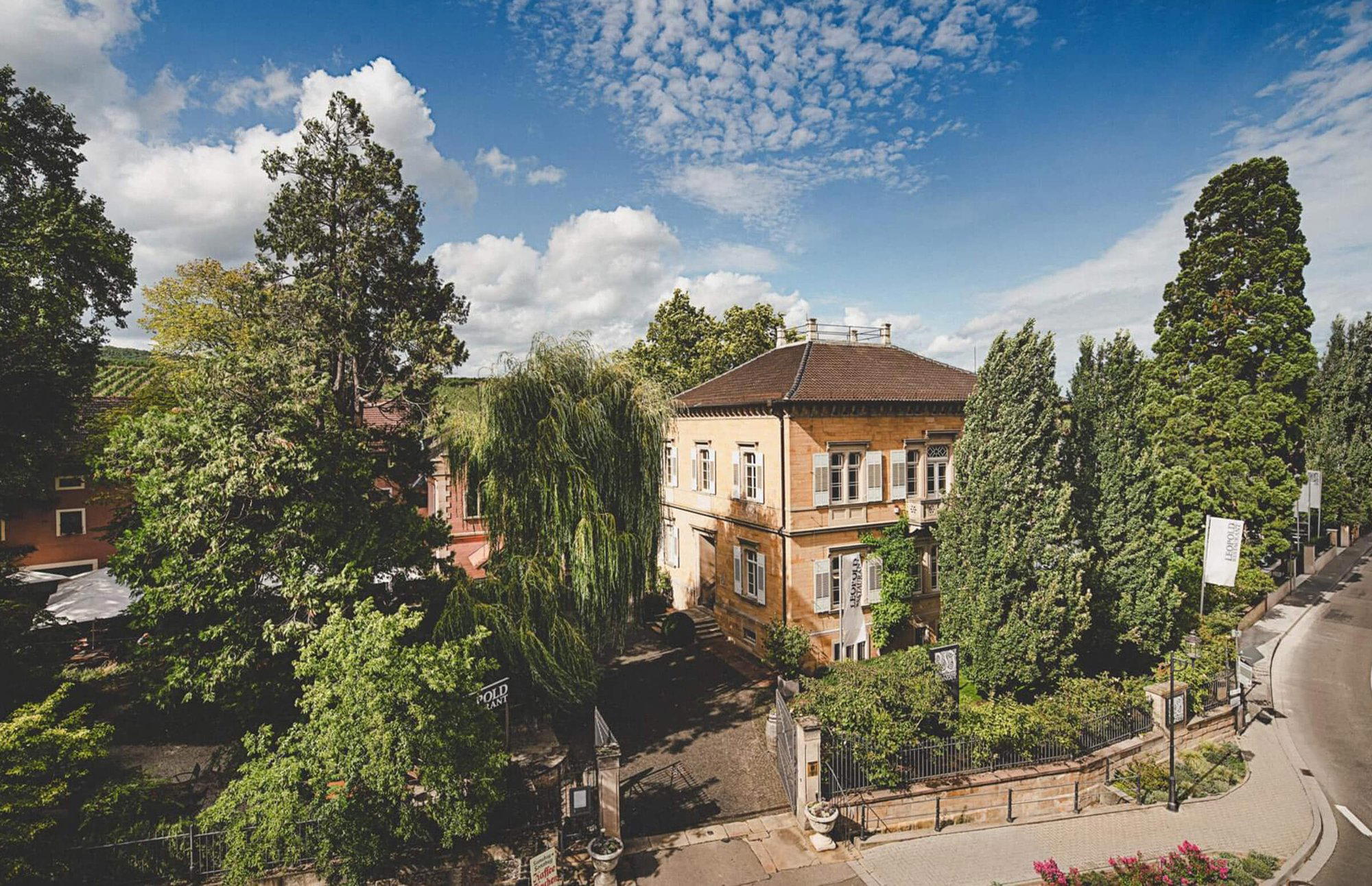
Sushi B.
The wine
- Wine program
- Curated wine list
- Extensive wine list
- Sake program
Details
- Modern
- Elegant
- Trendy
- Date Night
- Special Occasion
- Open Kitchen
- Sake Program
- Extensive Wine List
- A La Carte
- Counter Dining
- Vegetarian Friendly
- Vegan Options
Current opening hours
- Monday
- Closed
- Tuesday
- Closed
- Wednesday
- Closed
- Thursday
- 6–10 PM
- Friday
- 6–10 PM
- Saturday
- 12:30–2:30 PM, 6–10 PM
- Sunday
- 12:30–2:30 PM, 5–9 PM
Hours can change for holidays and private events. Last verified .
Deep black and radiant white rooms with colorful geisha graffiti and glamorous details create a distinctive light and feel-good atmosphere.