St. Urban

Michelin Plate
Our verdict
On Deidesheim's medieval market square, St. Urban delivers country cooking at the €€ price point with consecutive Michelin Plate recognition in 2024 and 2025. The setting alone, cobblestones, half-timbered facades, and the rhythms of a working Palatinate wine town, frames the meal before the first dish arrives. A reliable address for regional cooking in one of Germany's most food-serious small towns.

Pearl is the En Primeur Club membership app, where members save venues, book tables and use the concierge.

The menu
What to order
- Saumagen
- Bratwurst
- Leberknödel
The Square as First Course
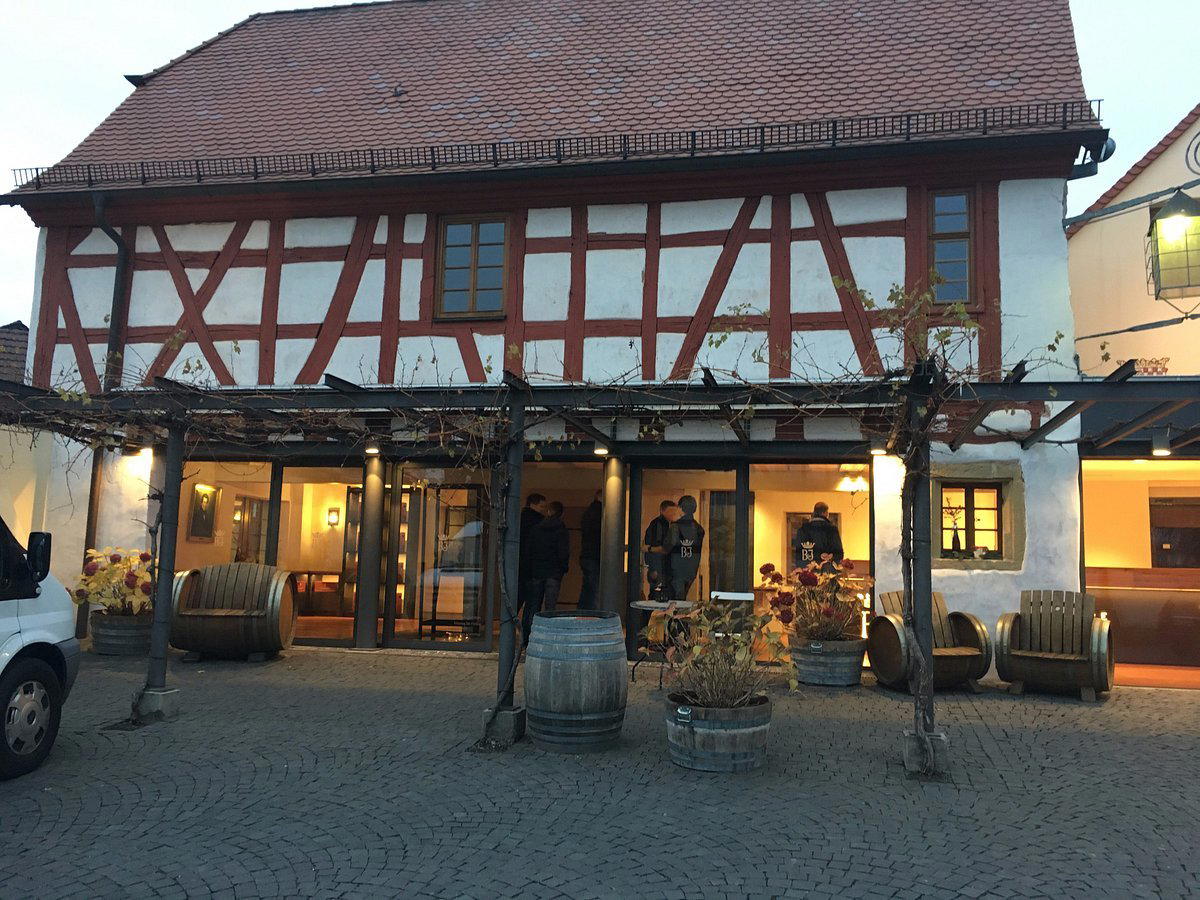
Marktplatz 1 is as literal an address as a restaurant can have. St. Urban occupies the ground floor of a building that faces directly onto Deidesheim's medieval market square, and the approach does a great deal of the restaurant's atmospheric work before you reach the door. The cobbled square, the sandstone fountain, the church tower framing the far end, these are not decorative backdrop but the operating context for a style of cooking that draws its meaning from precisely this kind of place. Country cooking in a wine town like Deidesheim is not a nostalgic conceit; it is the category that most honestly reflects how the Palatinate has always eaten, tied to what the surrounding vineyards and farms produce and what a wine-drinking crowd expects alongside a glass of Riesling or Spätburgunder.
The sensory register shifts the moment you step inside. Market-square restaurants in old German wine towns tend to carry centuries of layered use in their walls, low ceilings, thick plaster, the particular acoustic softness that stone construction gives a room. The light changes depending on the season and time of day, and at St. Urban that outdoor-to-indoor transition is part of what positions the meal in a place rather than a category. You are, unambiguously, in the Palatinate.
Country Cooking in a Michelin-Recognised Context
The Michelin Plate is a specific signal worth parsing. It is not a star, but it is a deliberate inclusion in the Guide, awarded to restaurants that Michelin's inspectors consider to serve food worth seeking out. St. Urban has held that designation for two consecutive years, 2024 and 2025, which places it in a different tier from the unmarked local inn. In Deidesheim specifically, the comparison set is worth understanding: L.A. Jordan (Modern German, Creative) and Schwarzer Hahn (Modern French) occupy the €€€€ bracket and target a different kind of occasion. St. Urban, priced at €€, is not competing with those rooms. It sits alongside Gasthaus zur Kanne in the accessible end of Deidesheim's dining spectrum, also country cooking, also at the €€ price point, where the question is not whether you can afford the meal but whether the cooking meets the promise of the setting.
Michelin Plate, sustained across two years, suggests it does. Country cooking at this level is not simple food made carelessly; it is regional tradition executed with enough precision to attract outside scrutiny. In the broader German context, the country cooking tradition has been largely overshadowed by the prestige attached to French-influenced haute cuisine, venues like Vendôme in Bergisch Gladbach or Aqua in Wolfsburg sit at the extreme opposite end of that spectrum. St. Urban occupies a different and arguably more grounded position: the kind of cooking that gives a wine region its daily identity rather than its occasion-dining prestige.
What the Palatinate Expects on the Plate
Country cooking in the Rhineland-Palatinate region means something specific. The Pfalz is one of Germany's warmest wine-growing areas, and its food culture reflects that warmth, heavier than the coast, more generous than Swabia, with a particular affinity for pork preparations, root vegetables, and the kind of bread-and-braise traditions that developed alongside winemaking communities over centuries. A restaurant classified under country cooking in Deidesheim is, implicitly, working within that tradition even when it applies contemporary technique.
For the broader picture of what's being cooked and drunk in the Palatinate, our full Deidesheim restaurants guide maps the town's dining range from the accessible to the formal. The comparison to country cooking traditions elsewhere in Europe is also instructive: 21.9 in Piobesi d'Alba and Andrea Monesi - Locanda di Orta in Orta San Giulio operate in a similar register, regional identity expressed through accessible formats, showing that this approach to cooking carries weight across wine-producing communities throughout Europe.
Deidesheim as Context
To understand St. Urban properly, it helps to understand what Deidesheim is. This is a town of roughly 3,500 people that punches well above its size in both wine and food. The Palatinate's major estates cluster nearby, and the town's market square has functioned as a social and commercial centre for the wine trade for centuries. Restaurants here do not exist in isolation from the vineyards, the wine list at any serious address in Deidesheim is partly a document of local identity, and country cooking is the cuisine most legible alongside that identity.
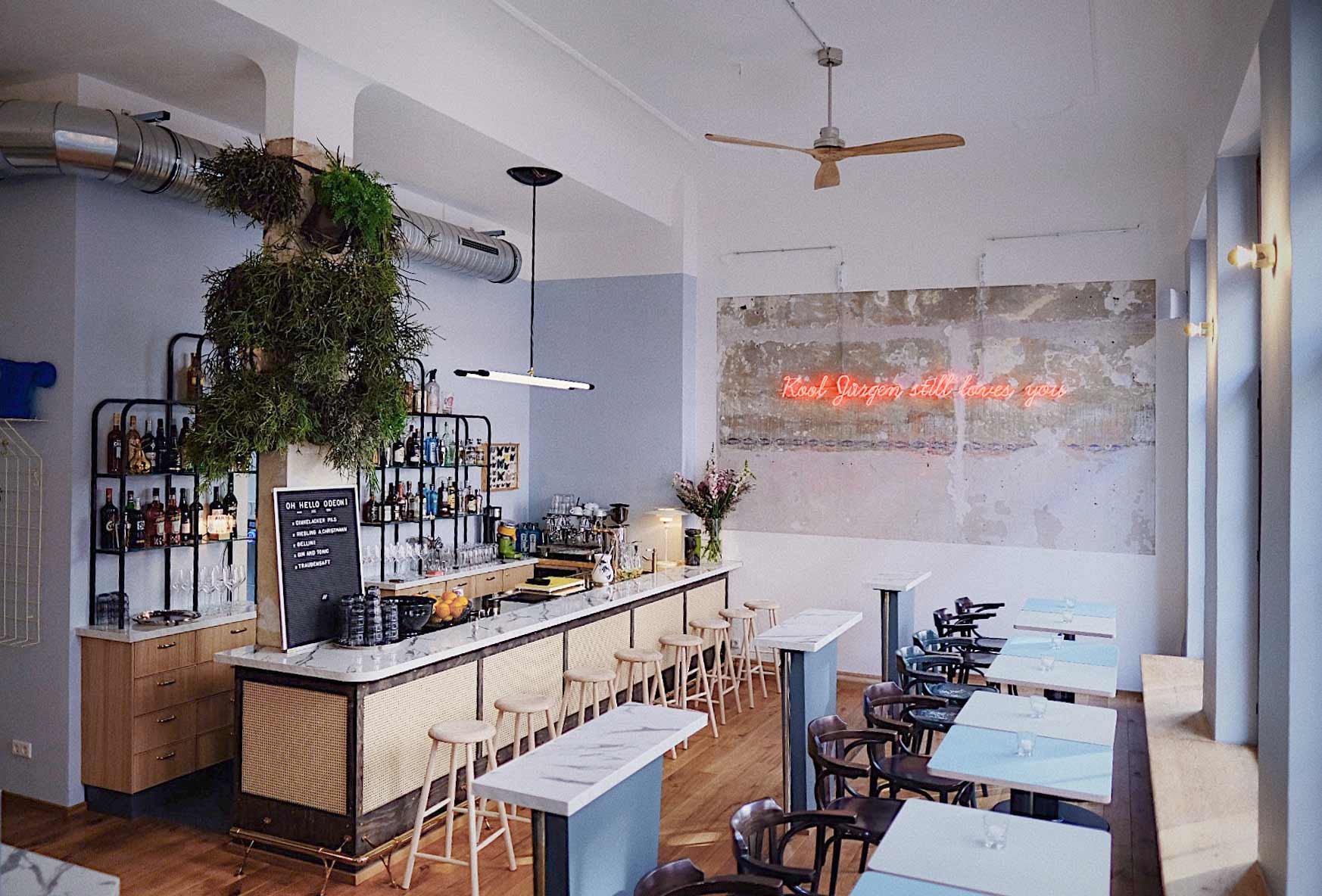
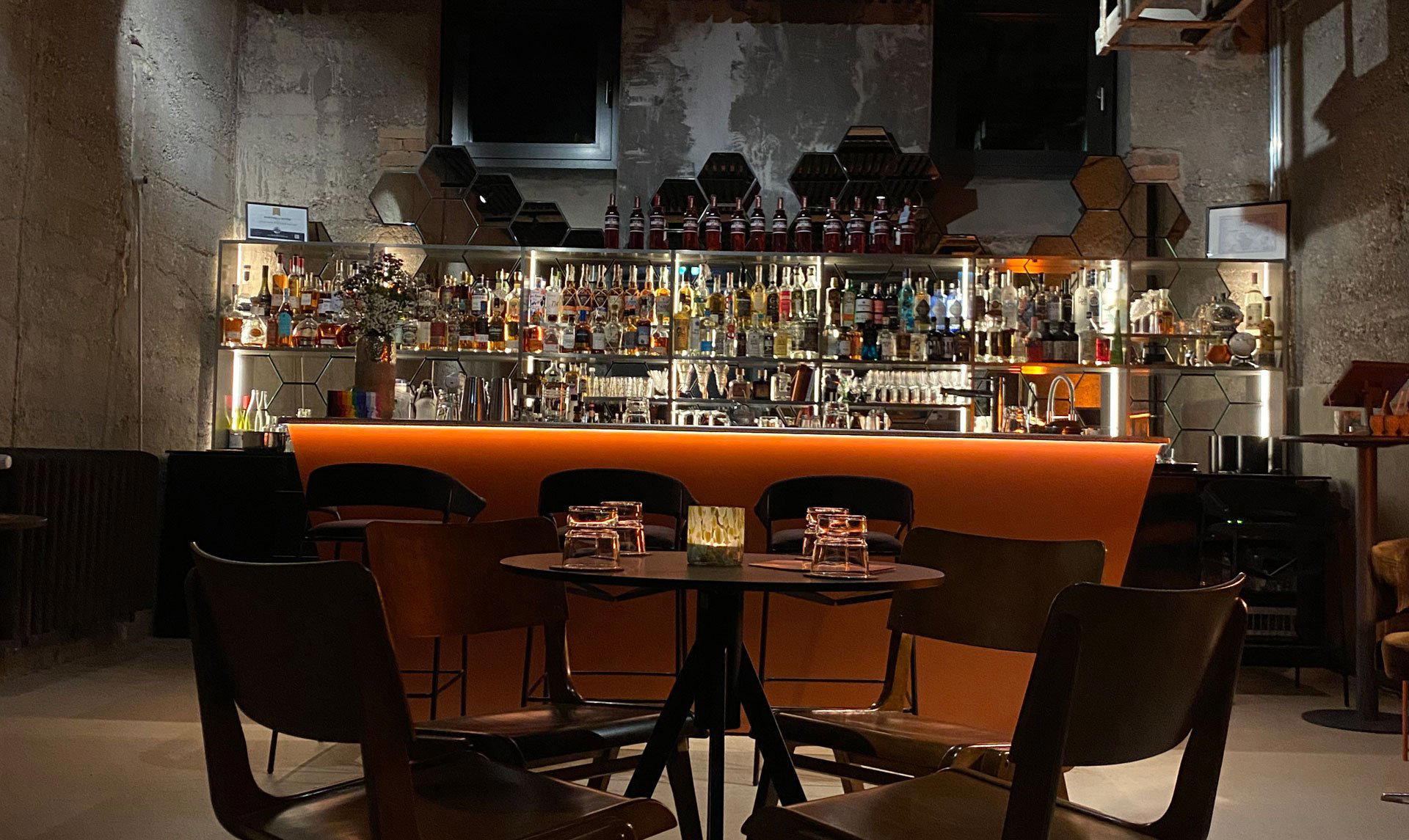
The town also supports a range of hospitality beyond the table. Our full Deidesheim hotels guide covers accommodation options for those building a longer stay, while our full Deidesheim bars guide and our full Deidesheim wineries guide track where the town's wine culture shows up outside the restaurant context. For a fuller picture of what to do in and around the town, our full Deidesheim experiences guide is the starting point.
Compared to other parts of Germany where the country cooking tradition has remained more self-contained, Deidesheim benefits from the proximity of wine tourism infrastructure that brings a discerning, food-attentive visitor base through the town regularly. Restaurants like St. Urban exist within that flow, serving both the local regulars who keep a place honest and the visitors who arrive with the Guide in hand.
Planning Your Visit
St. Urban sits directly on Marktplatz, making it one of the more direct addresses in Deidesheim to locate. The €€ pricing means a full meal, including wine, stays accessible relative to the €€€€ rooms elsewhere in town. For those building a broader Deidesheim itinerary that takes in the full range of the town's table, Leopold (International) and Restaurant 1718 (International) offer alternative formats at comparable or nearby price points, while JAN in Munich, Schwarzwaldstube in Baiersbronn, and ES:SENZ in Grassau illustrate how southern Germany's restaurant culture spans from the regional to the highly formal. CODA Dessert Dining in Berlin represents how far the German table can travel from its country-cooking roots when ambition points in a different direction entirely.
Frequently asked questions
Is St. Urban child-friendly?
At the €€ price point and with a country cooking classification, St. Urban sits in the accessible, unpretentious end of Deidesheim's dining spectrum. The Marktplatz setting is a public square rather than a hushed formal room, which sets a relaxed tone. Families visiting the Pfalz wine region for a meal here are unlikely to find it an awkward fit.
What's the overall feel of St. Urban?
This is a Michelin Plate restaurant, recognised by the Guide for cooking quality, not for ceremony, at a €€ price point on Deidesheim's central square. The frame is a regional tavern with editorial credibility, not a destination fine-dining room. Deidesheim has those elsewhere; St. Urban occupies a different and arguably more honest register.
What distinctions does St. Urban have?
St. Urban has received recognition including: Michelin Plate (2025); Michelin Plate (2024).
What should I eat at St. Urban?
The country cooking classification points toward Palatinate regional anchors: the preparations most tied to the Pfalz's warm agricultural belt and its wine-growing traditions. Consecutive Michelin Plate recognition in 2024 and 2025 suggests consistency in that regional direction rather than seasonal reinvention. Follow what reads most rooted in the area rather than anything that could appear on a menu elsewhere.
At-a-Glance Comparison
| Venue | Cuisine | Price | Awards | Notes |
|---|---|---|---|---|
| St. UrbanThis venue (the venue you are viewing) | Traditional Palatinate Country Cooking | $50–100 | Michelin Plate | Not listed |
| L.A. Jordan | Modern French-Japanese Fusion | $300–500 | 3 Michelin Stars · La Liste Top Restaurants | Modern German, Creative |
| Schwarzer Hahn | Modern German/Palatine Fine Dining | Not listed | 1 Michelin Star | Modern French |
| Gasthaus zur Kanne | Modern Palatinate German | Not listed | Michelin Bib Gourmand | Country cooking |
| Leopold | Modern Palatinate Country Cooking | $50–100 | Michelin Plate · Falstaff Restaurant - 87 Falstaff Points | International |
| riva | Modern Mediterranean with Italian influences | $50–100 | Michelin Plate | International |
Recognition history
Dated appearances from independent guides and award organizations, with the underlying list record or original source where available.
Michelin Plate
Michelin · 2026 Michelin Plate
Full recognition history (3 entries)
Michelin Plate
Michelin
Michelin Plate
Michelin
Continue exploring
More in Deidesheim
Restaurants in Deidesheim
All restaurants in Deidesheim →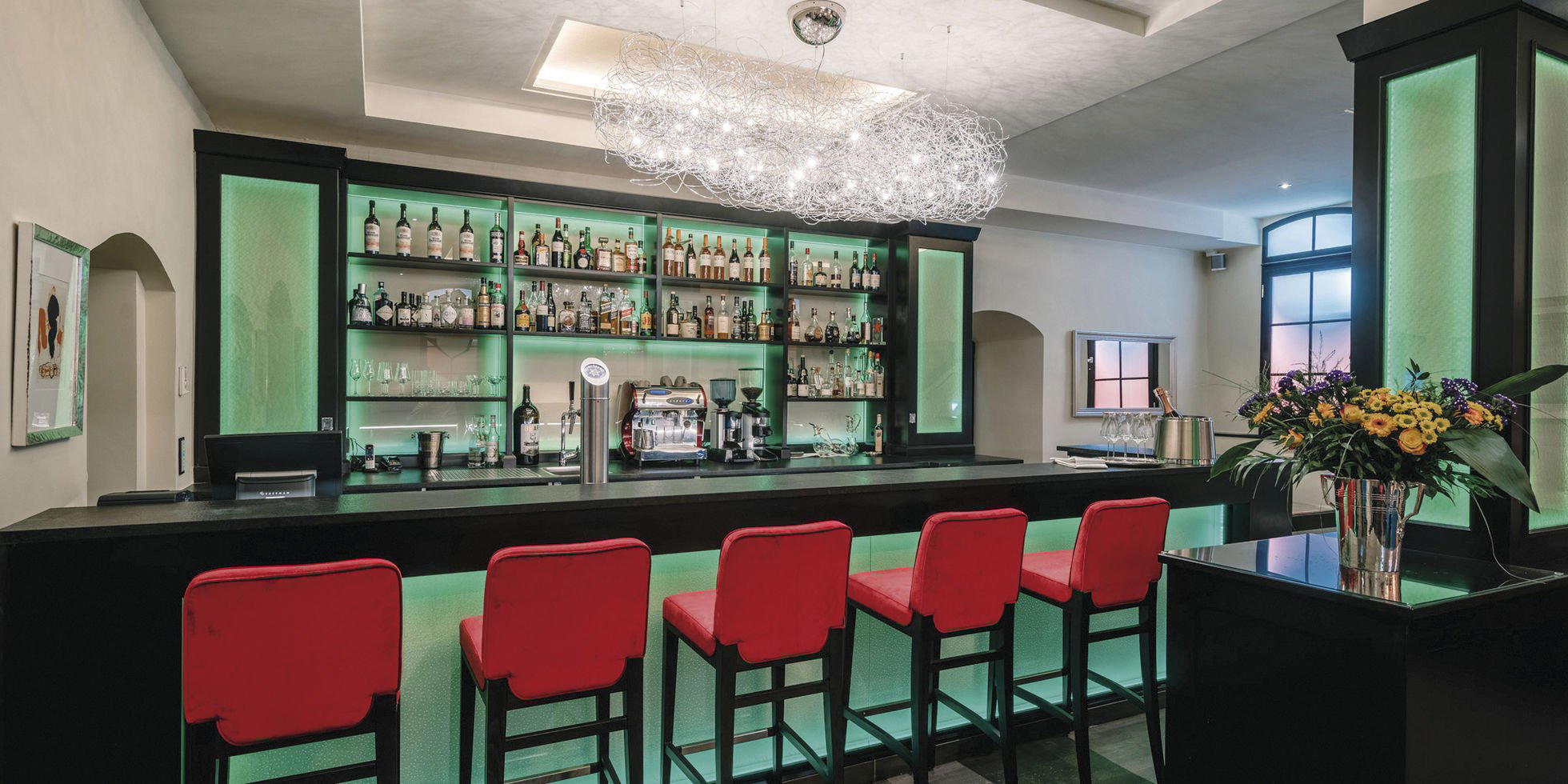
Bars in Deidesheim
Browse all →
Hotels in Deidesheim
All hotels in Deidesheim →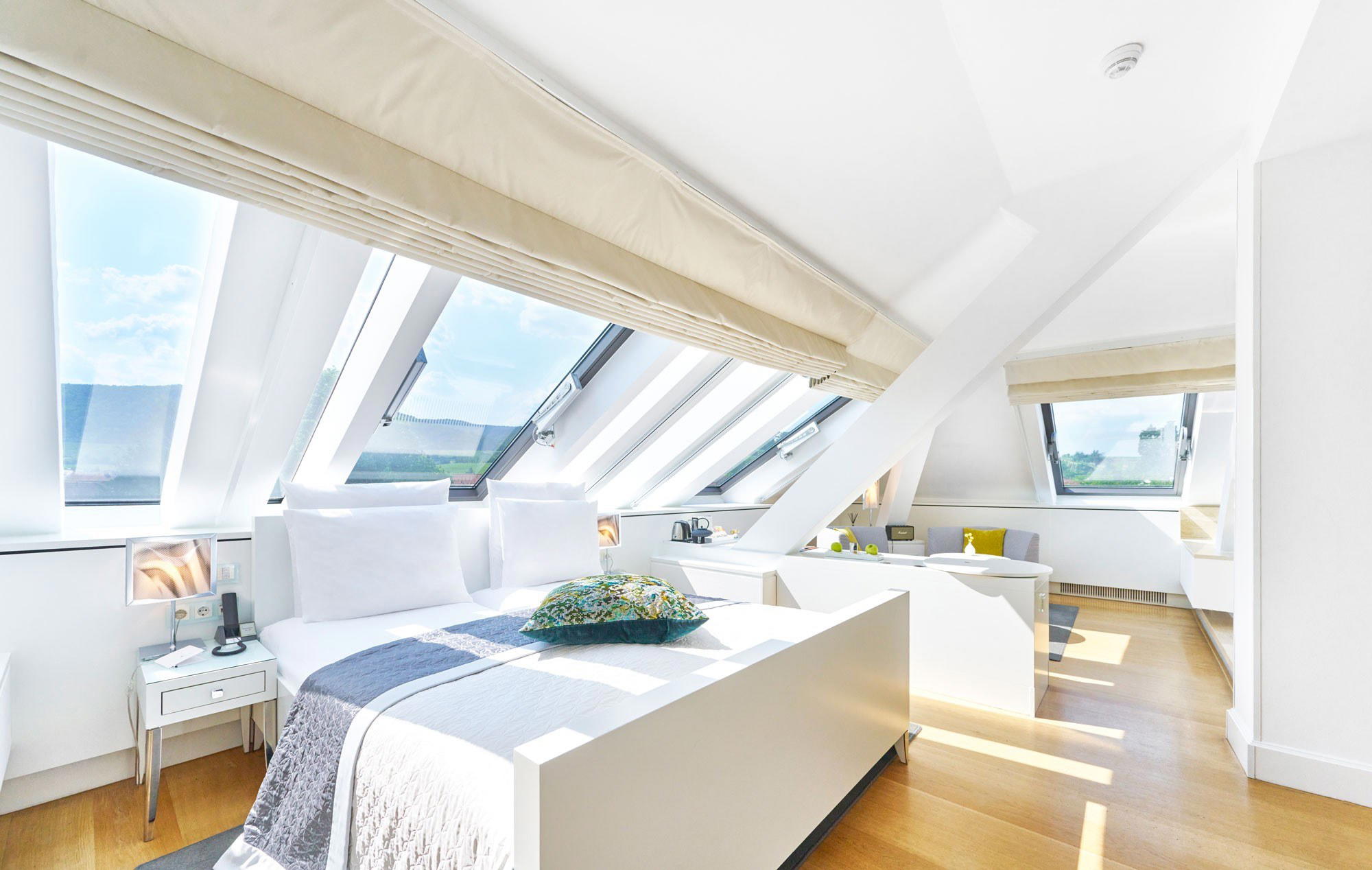
Details
- Cozy
- Historic
- Classic
- Elegant
- Family
- Group Dining
- Special Occasion
- Historic Building
- Hotel Restaurant
- Extensive Wine List
- Local Sourcing
- Street Scene
- A La Carte
- Set Menu
- Local Wines
- Vegetarian Friendly
- Gluten Free Options
Current opening hours
- Monday
- Closed
- Tuesday
- 12–11 PM
- Wednesday
- 12–11 PM
- Thursday
- 12–11 PM
- Friday
- 12–11 PM
- Saturday
- 12–11 PM
- Sunday
- 12–11 PM
Hours can change for holidays and private events. Hours as of .
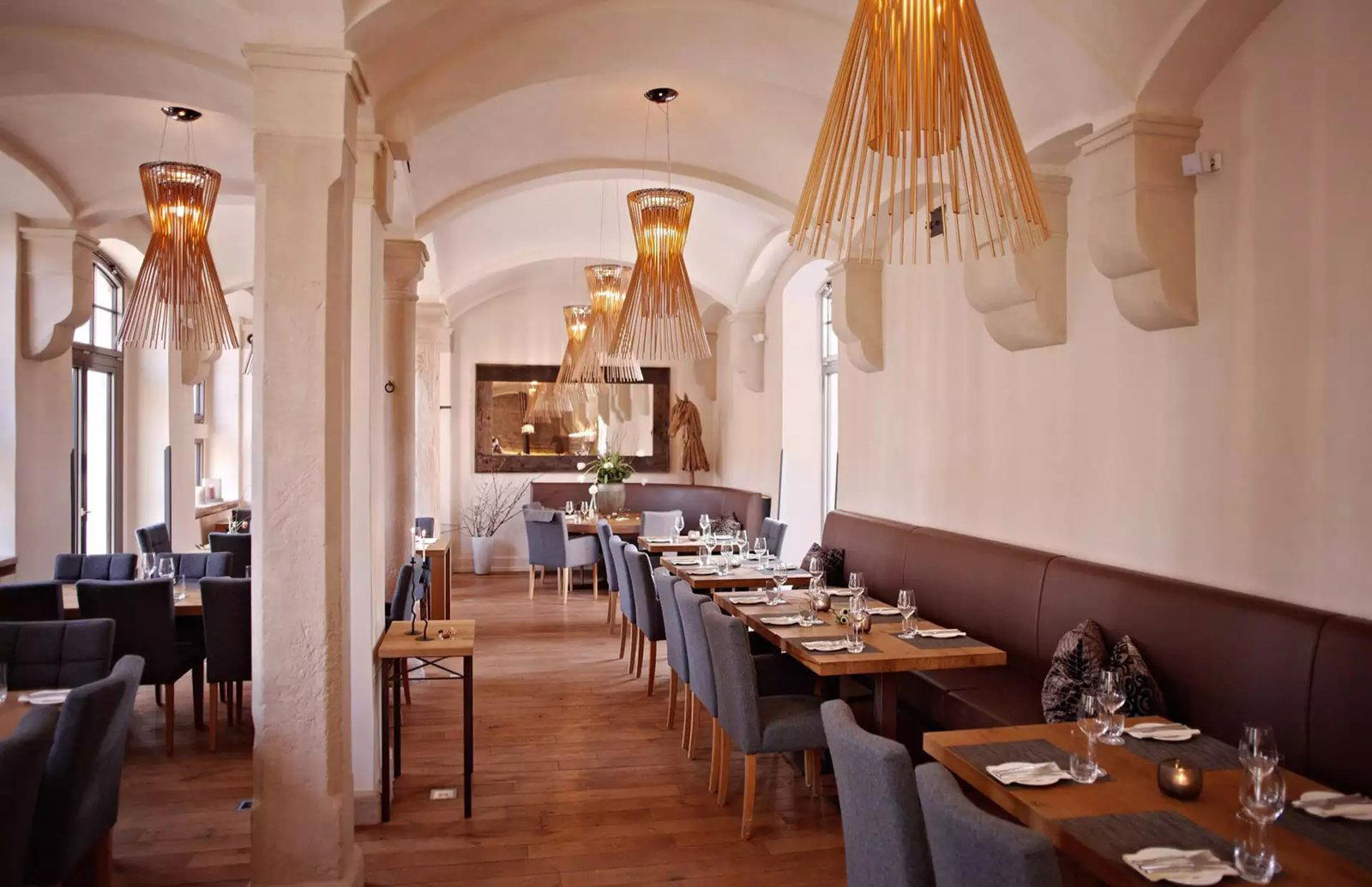
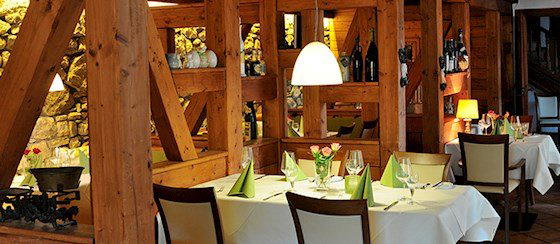
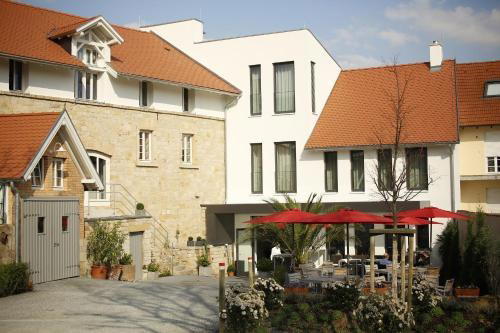
Cozy interior exuding traditional Palatinate inn charm with warm historic architecture and inviting atmosphere.